What Wine Is Good With Pizza
Imagine slicing into a hot, cheesy slice and pairing it with the perfect glass—no guesswork needed. In this quick guide we’ll match classic pizza styles with wines that highlight their flavors, from crisp whites that cut through tomato sauce to bold reds that stand up to pepperoni. Whether you’re a red lover, a white enthusiast, or curious about rosé, we’ve got the top picks ready to elevate your pizza night in minutes. Grab a bottle, press play, and enjoy together!
What types of wine pair best with classic Margherita pizza
Light-bodied reds
Choose a light‑bodied red such as Chianti Classico, Pinot Noir, or a young Barbera to complement the fresh tomato sauce and mozzarella of a Margherita. These wines offer bright acidity that cuts through the cheese while their subtle fruit notes echo the basil’s herbaceous flavor.
Serve slightly chilled (around 55‑60°F) to enhance freshness and keep the tannins soft. Look for a wine with moderate alcohol (12‑13%) to avoid overpowering the delicate crust. A splash of carbonated water in the glass can further brighten the palate between bites.
When selecting a bottle, prioritize a vibrant ruby color and a clean, fragrant nose; this signals the right balance of fruit and acidity for pizza pairing.
Pair it with a simple side salad dressed in lemon vinaigrette to echo the wine’s acidity, and you’ll create a harmonious dining experience that highlights both the pizza and the wine.
Crisp white wines
Opt for a crisp white wine like Verdicchio, Sauvignon Blanc, or a dry Italian Pinot Grigio to match the bright flavors of a Margherita pizza.
The high acidity of these whites balances the sweet tomato base and cuts through the richness of mozzarella, while citrus and green apple notes complement the fresh basil. Serve well chilled (45‑50°F) to preserve the wine’s lively character and enhance its refreshing finish.
Choose a wine with moderate body (around 11‑12% alcohol) so it doesn’t dominate the delicate crust. A slight hint of minerality, common in coastal vineyards, mirrors the pizza’s subtle saltiness from the cheese.
For an extra touch, drizzle a few drops of extra‑virgin olive oil over the pizza just before serving; this ties the fruitiness of the wine to the dish and creates a cohesive flavor loop.
Rosé options
Rosé wines, especially dry styles from Provence or the Italian Cerasuolo, bring a playful balance of fruit and acidity that pairs beautifully with Margherita pizza.
Their light‑pink hue signals a blend of red berry aromas and crisp citrus, which echo the tomato sauce while the subtle tannins lift the cheese without overwhelming it. Serve at cellar temperature (50‑55°F) to keep the wine lively and prevent it from becoming too flabby.
Look for a rosé with a dry finish and moderate alcohol (around 12%). The slight herbal undertone found in many rosés mirrors the basil, creating a seamless connection between drink and dish.
To maximize the pairing, add a pinch of freshly cracked black pepper to the pizza just before the final bake; the spice will accentuate the wine’s peppery notes and round out the overall taste experience.
How to match wine with pepperoni and spicy pizzas
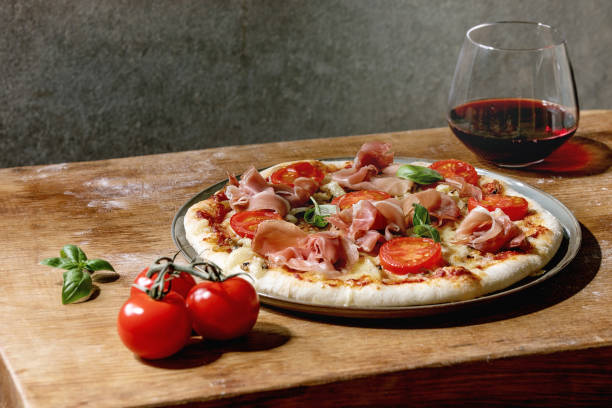
Medium-bodied reds with spice
Choose a medium‑bodied red that can stand up to the pepperoni’s fat and the pizza’s heat. Sangiovese, with its bright acidity and soft tannins, cuts through oil while echoing the tomato sauce’s herbaceous notes.
Zinfandel offers ripe fruit and a peppery spice that mirrors the chili flakes often added to spicy pies, and its moderate alcohol keeps the palate from feeling overwhelmed.
Look for wines with moderate tannin and fresh acidity; these elements cleanse the palate between bites and prevent the wine from tasting overly jammy. Serve the wine slightly cooler than room temperature, around 60‑65°F, to enhance its fruit freshness.
Pairing a medium‑bodied red with pepperoni pizza creates a harmonious balance where the wine’s structure supports the meat’s richness without drowning the cheese and crust. Enjoy the pairing with a relaxed dinner, letting the flavors mingle and elevate each other.
Off‑dry whites for heat
Off‑dry white wines bring a touch of sweetness that tempers the heat of spicy pizza while preserving acidity. Riesling from Alsace or Germany, with its lively citrus zest and honeyed finish, softens the bite of jalapeños and hot sausage without becoming cloying.
Gewürztraminer offers aromatic spice, lychee notes, and a gentle residual sugar that mirrors the pizza’s pepperoni spice, creating a complementary contrast.
Choose a wine with balanced residual sugar (around 2‑4 g/L) and crisp acidity; the sugar cools the palate, and the acidity keeps the wine lively against the cheese and tomato base. Serve chilled at 45‑50°F to accentuate freshness.
This pairing works especially well with pizzas topped with crushed red pepper, spicy sausage, or a drizzle of hot honey, allowing the off‑dry white to act as a soothing counterpoint to the fiery flavors.
Sparkling wine balance
Sparkling wines provide effervescence and acidity that cut through the richness of pepperoni and the intensity of spicy toppings. Prosecco with its light fruit profile and fine bubbles lifts the cheese and dough, while its subtle sweetness eases the heat of chili flakes.
Champagne or Crémant offers higher acidity and a creamy mousse that scrubs the palate, making each bite feel fresh. Look for a dry (Brut) style to avoid excessive sweetness, but a hint of fruitiness keeps the pairing lively.
Serve the sparkling wine well chilled, around 40‑45°F, so the bubbles remain vibrant. The carbonation acts like a palate cleanser, dispersing the fat from the pepperoni and balancing the spiciness of the sauce, resulting in a harmonious dining experience where the wine and pizza enhance each other.
Pairing this lively fizz with a slice ensures the meal stays bright and enjoyable from start to finish.
Best wine choices for meat‑laden pizzas

Full-bodied reds for sausage
Pair a sausage‑laden pizza with a full‑bodied red to match its robust spices and fatty meat. Zinfandel offers ripe black‑fruit flavors and a peppery spice that mirrors Italian sausage seasoning, while its moderate acidity cuts through the richness.
Syrah/Shiraz brings dark berry notes, smoky undertones, and firm tannins that stand up to the meat’s texture. For a classic Italian touch, choose a Chianti Classico Riserva; its bright cherry acidity and herbal nuances balance the salty sausage and tomato sauce.
Serve the wine slightly below room temperature, around 60‑65°F, to keep fruit forward and prevent the alcohol from overwhelming the palate. Decant for 30 minutes if the wine is young, allowing it to open up and integrate with the pizza’s bold flavors.
A splash of chilled sparkling water can refresh the palate between bites, ensuring each slice is enjoyed fully.
Bold reds for BBQ chicken
BBQ chicken pizza calls for a bold red that can handle sweet, smoky, and tangy barbecue sauce while complementing the grilled poultry. Malbec delivers juicy black‑currant fruit, a hint of vanilla, and firm tannins that stand up to the sauce’s caramelized edges.
Its moderate acidity keeps the palate lively against the richness of cheese. Grenache offers bright red‑berry flavors, subtle spice, and a soft mouthfeel that melds with the smoky char without overpowering the chicken’s tenderness.
For a more structured option, try a Cabernet Sauvignon with ripe plum and cedar notes; the wine’s robust body and firm tannins cut through the sauce’s sweetness and balance the heat from any added chilies. Serve these reds slightly cooler than usual, around 58‑62°F, to accentuate fruit freshness.
Pairing with a light side salad dressed in citrus vinaigrette can brighten the meal and highlight the wine’s acidity.
Rich whites for creamy toppings
Creamy pizza toppings such as alfredo, ricotta, or four‑cheese blends thrive with a rich white wine that offers enough body to match the dairy’s silkiness while providing acidity to cut through the fat.
Chardonnay from a warm climate, especially those with oak aging, brings buttery vanilla, ripe tropical fruit, and a creamy texture that mirrors the sauce, while its bright acidity prevents the palate from feeling heavy.
Viognier delivers aromatic stone‑fruit notes, a hint of honey, and a lush mouthfeel that complements the richness of mozzarella and goat cheese without overwhelming them.
For a crisp yet full‑bodied alternative, try a White Rioja; its subtle nutty undertones and vibrant citrus balance the cheese’s saltiness and enhance herbaceous herbs like basil.
Serve these whites chilled at 50‑54°F, and consider a light drizzle of extra‑virgin olive oil on the crust to echo the wine’s fruit‑forward character.
Tips for pairing wine with vegetarian and white‑sauce pizzas
Herbaceous whites for pesto
Pair a crisp, herb‑forward white wine with pesto‑topped vegetarian pizza to echo the sauce’s bright basil and garlic notes. Choose a Sauvignon Blanc from the Loire or a Vermentino from Italy; both offer lively acidity, citrus zest, and subtle green herb aromas that cut through the cheese and oil.
Serve chilled at 45‑50°F to keep the palate refreshing, and swirl the wine before sipping to release its aromatic profile. When the pizza includes additional veggies like spinach or artichoke, the wine’s minerality will balance the earthiness without overwhelming the delicate flavors.
A light touch of oak in a New Zealand Sauvignon Blanc can add a creamy texture that mirrors the white‑sauce base, creating a harmonious mouthfeel.
Remember to match the intensity: a more aromatic, aromatic white works best with a generous pesto spread, while a restrained, lean style suits a modest herb topping.
Light reds for mushroom
Opt for a light‑bodied red when topping your vegetarian pizza with earthy mushrooms and a creamy white‑sauce base.
A Pinot Noir from Oregon or a Gamay from Beaujolais provides soft tannins, bright red fruit, and a subtle forest floor aroma that complements the umami of the mushrooms without drowning the delicate cheese.
Decant for 15‑20 minutes to open up the fruit notes, and serve slightly below room temperature (around 58‑60°F) to keep the wine lively. If the pizza includes truffle oil or caramelized onions, the wine’s gentle spice and acidity will cut through the richness and highlight the mushroom’s depth.
Choose a version with minimal oak influence to preserve freshness; an overly oaky Merlot can clash with the subtle flavors. Pairing a light red also encourages a balanced finish, where the wine’s acidity mirrors the sauce’s creaminess, creating a satisfying harmony on the palate.
Balanced rosés for cheese
Select a balanced rosé to accompany a white‑sauce pizza loaded with a blend of cheeses and fresh vegetables, as its bright acidity and soft fruit flavors can lift the richness while echoing the garden notes.
A Provençal rosé made from Grenache, Cinsault, and Rolle offers strawberry‑melon nuances, a hint of minerality, and a crisp finish that pairs beautifully with mozzarella, ricotta, and goat cheese. Chill to 50‑55°F and give the glass a gentle swirl to awaken the aromatics before each sip.
If the pizza includes roasted red peppers or sun‑dried tomatoes, the wine’s subtle herbal undertones will complement the sweetness without overwhelming the palate. Avoid overly sweet rosés; instead, aim for a dry style with moderate alcohol (11‑12%).
This balance ensures the wine cuts through the creamy sauce, refreshes the mouth, and leaves a lingering, pleasant aftertaste that invites another bite.
What to consider when choosing wine for thin‑crust vs deep‑dish
Acidity for thin crust
When pairing wine with a classic thin‑crust pizza, the key is to match the wine’s acidity with the bright, tangy tomato sauce and the crisp dough. Look for wines that have lively acidity to cut through the cheese and balance the herbs without overwhelming the delicate crust.
Sauvignon Blanc, especially from cooler climates, offers citrus and green‑herb notes that echo the basil and oregano while refreshing the palate. Chianti Classico provides bright red fruit and firm acidity that mirrors the tomato base, making each bite feel lighter.
For a sparkling option, Prosecco or dry rosé can add a fizzy lift that highlights the crust’s crunch. Aim for wines with a pH around 3.2‑3.5, as this range ensures the acidity is pronounced enough to cleanse the palate and keep the flavors vibrant throughout the meal.
Body for deep‑dish
Deep‑dish pizza is hearty, with layers of cheese, sauce, and often meat, demanding a wine that can stand up to its richness and weight. Focus on wines with ample body and moderate tannins to complement the buttery crust and robust toppings without getting lost.
Zinfandel offers jammy black‑fruit flavors, spice, and a plush mouthfeel that mirrors the pizza’s intensity, while its higher alcohol adds warmth. Barbera from Italy provides a medium‑full body, bright acidity, and soft tannins that cut through the cheese and lift the tomato sauce.
For a more elegant match, Nebbiolo brings firm tannic structure and earthy notes that pair nicely with mushroom or sausage toppings, adding complexity.
Choose wines with 13‑14.5% ABV and a flavor profile that includes dark fruit, pepper, and a hint of oak to echo the deep‑dish’s savory depth and keep the dining experience balanced.
Temperature and serving tips
Serving temperature can make or break the wine‑pizza partnership, so pay attention to how you chill or warm each bottle.
Light‑to‑medium reds like Chianti or Pinot Noir should be served slightly cooler than room temperature, around 60‑65°F (15‑18°C), which highlights their fruit and acidity while keeping tannins smooth on a hot slice.
White wines and sparkling choices, such as Sauvignon Blanc or Prosecco, are best enjoyed chilled at 45‑50°F (7‑10°C) to provide a crisp contrast to the cheese and sauce.
If you prefer a fuller‑bodied red like Cabernet Sauvignon with deep‑dish, let it breathe for 15‑20 minutes after opening to soften tannins and release aroma, then serve at 64‑68°F (18‑20°C).
Keep the wine away from direct heat and store opened bottles with a stopper to preserve freshness for the next slice, ensuring every bite is paired with a perfectly tempered sip.
How to create a wine tasting flight for pizza night
Selecting a range of styles
Begin by choosing three to five wines that showcase contrasting styles yet all complement pizza’s bright tomato base and varied toppings. A crisp Italian Prosecco or sparkling rosé offers refreshing acidity and bubbles that cut through cheese.
Follow with a light‑to‑medium red such as a Chianti Classico or Sangiovese, whose bright cherry and herb notes echo classic pizza herbs like oregano and basil. Add a fruit‑forward Zinfandel or a New World Grenache for richer, spicier pies topped with pepperoni or sausage.
Finally, consider a dry Riesling or a Sauvignon Blanc for white‑sauce or veggie pizzas, as their bright citrus and mineral tones balance garlic and olive oil.
By selecting wines across the spectrum—sparkling, light red, medium‑body red, and aromatic white—you create a balanced flight that lets guests explore how each style enhances different pizza flavors.
Order of tasting
Arrange the flight so the palate moves from light to bold, mirroring the natural progression of flavors on a pizza slice. Start with the sparkling Prosecco or rosé; its high acidity and effervescence cleanses the mouth after the first bite, preparing it for richer wines.
Next, serve the Chianti or Sangiovese, whose moderate tannins and bright acidity bridge the gap between the fizz and the deeper reds. Follow with the Zinfandel or Grenache, allowing the fruit‑forward profile and softer tannins to coat the palate while standing up to hearty meats and robust sauces.
Conclude with the dry Riesling or Sauvignon Blanc, whose crisp acidity and aromatic finish refresh the tongue and leave a clean aftertaste, perfect for ending the tasting or pairing with a final slice of veggie or white‑sauce pizza.
This logical sequence prevents flavor fatigue and ensures each wine is experienced at its peak, enhancing the overall pizza night experience.
Food pairing flow
Design the pizza menu to echo the wine flight, creating a seamless food‑pairing flow that highlights each sip. Begin with a simple Margherita or cheese‑only slice when serving the sparkling wine; the light tomato and mozzarella let the bubbles accentuate acidity without overwhelming the palate.
Move to a classic pepperoni or sausage pizza as you introduce the Chianti, where the wine’s herbal notes and moderate tannins cut through the fatty meat and tomato sauce.
When the Zinfandel or Grenache arrives, serve a BBQ chicken or meat‑lover pizza, letting the wine’s jammy fruit and spice complement the smoky, sweet glaze.
Finish with a white‑sauce or vegetable‑topped pizza—think pesto, mushroom, or ricotta—paired with the dry Riesling or Sauvignon Blanc, whose citrus zest and minerality brighten the herbs and balance any residual richness.
By aligning each pizza style with its ideal wine, guests experience a dynamic, cohesive tasting journey that celebrates both food and drink.
Best ways to store and serve wine for pizza meals
Proper temperature for reds
To keep red wines at their best for pizza, aim for a serving temperature of 60‑65°F (15‑18°C). Cool the bottle in the refrigerator for 20‑30 minutes before opening, or use an ice‑water bath for quicker results.
Avoid over‑chilling, which masks fruit and tannins, making the wine taste thin against the tomato sauce and cheese. When the wine is too warm, alcohol can become overly pronounced, overwhelming the meal.
Use a wine thermometer or the back of your hand to gauge temperature; the bottle should feel cool to the touch but not icy. For lighter reds like Chianti or Barbera, staying at the lower end of the range preserves acidity that cuts through the richness of the pizza.
For fuller‑bodied reds such as Zinfandel, a slightly warmer temperature enhances spice and fruit, creating a harmonious pairing.
Chilling whites and rosés
White and rosé wines should be served chilled to balance the acidity and bright fruit that complement pizza toppings. Aim for 45‑55°F (7‑13°C); a quick 30‑minute chill in the fridge or 10‑15 minutes in an ice bucket works well.
Light whites like Pinot Grigio or Sauvignon Blanc benefit from the cooler end, preserving crispness that cuts through oily cheeses and pepperoni. Rosés, especially dry styles from Provence, shine at slightly warmer temperatures, around 50‑55°F, allowing their red‑fruit notes to emerge without becoming flabby.
Avoid serving them too cold, which dulls aromatics and makes the wine taste flat against robust flavors. Use a wine sleeve or a thermometer to monitor temperature, and consider a brief “wine‑breather” period after removal from the fridge to let subtle scents develop.
Proper chilling ensures the wine’s acidity and fruitiness enhance the tomato sauce and toppings rather than clash.
Decanting tips for bold reds
Bold red wines such as Barolo, Syrah, or aged Cabernet benefit from a short decanting period before serving with pizza, allowing tannins to soften and aromas to open. Decant for 30‑45 minutes for younger, high‑tannin wines, and up to an hour for more mature bottles.
Use a clean, wide‑mouth decanter to expose more surface area to oxygen, which helps integrate the wine’s fruit, spice, and oak flavors with the rich tomato sauce and cheese.
If you lack a decanter, pour the wine slowly into a large pitcher, then let it sit uncovered for the same time. Watch for sediment in older wines; gently pour off the clear portion to avoid a gritty mouthfeel that can clash with the pizza crust.
Taste the wine after the allotted time; if it still feels tight, give it a few more minutes. Proper decanting ensures the wine’s structure complements the pizza’s bold flavors rather than overpowering them.
Frequently Asked Questions
What type of red wine pairs well with classic cheese pizza?
A light‑to‑medium red like Chianti or Sangiovese works well, offering bright acidity and soft tannins that complement tomato sauce and mozzarella without overpowering them.
Which white wines go nicely with white pizza (no tomato sauce)?
Crisp whites such as Pinot Grigio, Sauvignon Blanc, or an unoaked Chardonnay balance the creamy cheese and buttery crust with their fresh acidity and subtle fruit notes.
Can I pair a rosé with pizza, and if so, which style?
Yes—dry rosés, especially those from Provence or Italy’s Cerasuolo, provide bright acidity and light red fruit flavors that match both red‑sauce and white‑sauce pizzas.
What wine should I choose for a spicy pepperoni or sausage pizza?
A wine with a touch of sweetness and moderate acidity, like a Zinfandel, Barbera, or a slightly off‑dry Riesling, can tame the spice while complementing the meat’s richness.
Are sparkling wines a good match for pizza?
Absolutely; sparkling wines such as Prosecco, Brut Champagne, or Cava have high acidity and effervescence that cut through cheese and crust, making them versatile for many pizza styles.
How does the pizza crust affect wine selection?
A thicker, chewier crust can handle fuller‑bodied wines like Cabernet Sauvignon or Malbec, while a thin, crispy crust pairs better with lighter wines that won’t overwhelm the delicate texture.
Conclusion
Whether you’re pairing a classic Margherita or a loaded meat lover’s pie, the right wine can elevate every bite. Light, crisp whites like Pinot Grigio or Sauvignon Blanc balance tomato acidity, while fruity reds such as Chianti, Barbera, or a chilled Beaujolais complement richer toppings. Experiment, trust your palate, and enjoy the perfect sip‑and‑slice harmony on your next pizza night.