
What Is Tannat Wine
Tannat wine is a bold, deeply colored red made from the Tannat grape, originally from southwest France but now thriving in Uruguay and other regions. Known for its high tannin levels, it delivers a robust, peppery flavor with notes of dark fruit, chocolate, and spice. In this quick guide we’ll explain its origins, taste profile, food pairings, and why it’s gaining popularity, so you can enjoy Tannat with confidence and explore its unique character together today.
What is Tannat Wine?
Definition and Origin
Tannat is a deep‑colored red wine made from the Tannat grape, a robust Vitis vinifera variety originally cultivated in the Madiran region of southwest France.
Discovered in the 18th century, the grape thrived in the cool, limestone‑rich soils and humid climate of the Pyrenees foothills, producing wines noted for their high tannin levels and aging potential.
In the late 19th century, disease‑free vines were exported to Uruguay, where the grape flourished in the country’s warm, dry terroir and now accounts for a significant share of national production.
Today, Tannat wines are also produced in Argentina, the United States, Australia, and South Africa, each reflecting local climate nuances while retaining the grape’s signature structure.
Understanding this geographic journey helps wine enthusiasts appreciate why Tannat can range from a bold, age‑worthy classic to a fruit‑forward, approachable style depending on where it is grown.
Key Grape Characteristics
Tannat grapes are distinguished by thick skins, small berries, and a high concentration of phenolic compounds, which translate into the wine’s famed firmness.
The grape typically yields low to moderate sugar levels, resulting in moderate alcohol (12‑14% ABV) when fermented traditionally, but the high tannin content can make the palate feel more intense. Its natural acidity is balanced, offering freshness that counteracts the robust structure.
In cooler vineyards, the berries retain more acidity and develop nuanced herbal notes, while warmer sites promote richer fruit ripeness and softer tannins. The vine is vigorous and disease‑resistant, thriving on well‑drained, rocky soils that encourage deep root development.
These viticultural traits give winemakers flexibility: they can employ extended maceration, oak aging, or micro‑oxygenation to soften tannins and highlight the grape’s potential for long‑term cellaring. Recognizing these characteristics helps producers decide the optimal winemaking approach for a given terroir.
Typical Flavor Profile
Tannat wine delivers a bold, structured palate dominated by firm tannins and a deep, dark‑fruit core. Expect flavors of black‑currant, plum, and ripe blackberry, often accompanied by secondary notes of tobacco, leather, and earthy spice when aged in oak.
Younger expressions may showcase a fresher acidity with hints of red pepper, green olive, or herbal undertones, while well‑aged bottles develop smoother, silky textures and nuanced nuances of dried fig, chocolate, and cedar.
The wine’s high tannic backbone provides excellent aging potential, allowing flavors to integrate and mellow over a decade or more. Pairings that complement its intensity include grilled red meats, hearty stews, and strong cheeses such as aged Manchego or blue varieties.
Understanding this flavor spectrum enables consumers to select the right vintage and serving temperature, ensuring the wine’s complex character shines in both casual and formal settings.
Where Does Tannat Grow?
Major Growing Regions
Identify the key regions where Tannat thrives to guide vineyard selection and marketing. Madiran in southwest France remains the historic heartland, producing robust, tannic wines that define the variety.
Across the Atlantic, Uruguay has become the world’s leading producer, with its warm, dry climate yielding fruit‑forward, silky Tannats that dominate the national export market. In Argentina’s Mendoza province, high altitude vineyards craft concentrated, structured wines that balance acidity and depth.
Emerging sites include California’s Central Coast, where coastal fog and sunny days create aromatic, approachable styles, and Australia’s Riverland, which leverages irrigation to produce consistent, fruit‑rich bottles.
By mapping these regions, growers can benchmark climate and soil expectations, while retailers can tailor storytelling to regional heritage, enhancing consumer connection and sales potential. These insights help investors allocate resources efficiently and support sustainable vineyard development across diverse terroirs.
Climate Requirements
Assess the climate parameters essential for cultivating high‑quality Tannat to optimize site selection and viticultural practices. Tannat demands long, hot summers with daytime temperatures between 25‑30 °C (77‑86 °F) to achieve full phenolic ripeness, while tolerating cool nighttime drops that preserve acidity and aromatic freshness.
A dry growing season with limited rainfall (under 500 mm annually) reduces disease pressure and concentrates sugars. However, the vine benefits from moderate winter chill of 300‑500 chilling hours to break dormancy and promote balanced bud development.
Excessive humidity during harvest can lead to gray rot, so regions with well‑defined diurnal temperature swings are ideal.
Understanding these climate thresholds enables growers to implement canopy management, irrigation scheduling, and frost protection strategies that align with Tannat’s physiological needs, ultimately delivering wines with structured tannins, deep color, and balanced fruit.
By matching these climatic criteria with local weather data, producers can forecast yield potential and adjust pruning intensity to maximize quality.
Soil Types Preferred
Select soil profiles that enhance Tannat’s characteristic structure and flavor concentration to improve vineyard performance and wine profile. The variety thrives on deep, well‑drained gravelly soils that promote root penetration and moderate water retention, fostering vigorous vines with balanced vigor.
Limestone‑rich calcareous soils contribute to higher pH, encouraging the development of firm tannic frameworks and mineral nuances in the finished wine. In Uruguay, alluvial sandy loam with a thin clay horizon provides sufficient nutrients while preventing excessive vigor, resulting in ripe, juicy fruit.
Conversely, shallow, stony soils on slopes force the vine to struggle, concentrating phenolics and yielding intensely colored, age‑worthy wines. Understanding these soil attributes allows growers to tailor fertilization, cover‑cropping, and drainage practices, ensuring optimal vine stress levels that translate into structured, aromatic Tannats with pronounced dark fruit and spice notes.
How to Taste Tannat Wine
Visual Inspection Tips
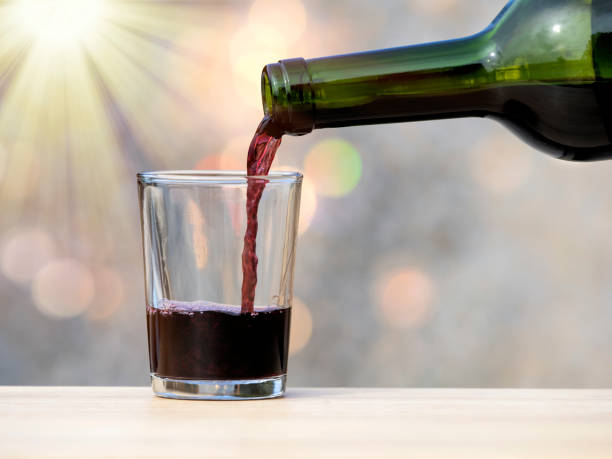
Begin by examining the glass to gauge tannat’s character. Observe color; a deep ruby to almost opaque purple indicates youthful vigor, while a brick‑red rim suggests age and oxidation. Clarity should be bright with no haze, reflecting proper filtration.
Hold the glass against a neutral background and note the intensity of hue—intense pigments signal high anthocyanin levels typical of tannat. Next, assess the viscosity by swirling gently; the formation of slow‑moving legs reveals alcohol content and tannic structure.
Finally, check the wine’s temperature; aim for 16‑18 °C (60‑65 °F) to ensure aromas and flavors are expressed fully. These visual cues give an immediate snapshot of tannat’s age, concentration, and potential mouthfeel, setting the stage for deeper sensory analysis.
Remember that tannat originates from the Madiran region of southwest France, known for producing robust, full‑bodied reds with pronounced tannins and dark fruit flavors, which you will often see reflected in the wine’s deep color and leg formation.
Aroma Evaluation Steps
After the visual check, move to the nose to uncover tannat’s aromatic profile. Swirl the glass gently to release volatile compounds, then take a short, deep sniff followed by a longer inhale. Identify primary aromas such as blackcurrant, blackberry, and plum, which are typical of tannat’s dark fruit core.
Look for secondary notes like violet, leather, and tobacco that develop during fermentation and oak aging; these add complexity and signal the wine’s structure. Don’t overlook tertiary nuances—earthy, smoky, or gamey scents emerge as the wine matures, especially in bottles from older vintages.
Take note of the intensity and balance; a well‑integrated tannat will present a harmonious blend of fruit and spice without any off‑odors. Understanding these aromatic layers helps you anticipate the tannic grip and richness you’ll experience on the palate, and also provides context about the wine’s origin and winemaking style.
Palate Assessment Guide
Finally, evaluate tannat on the palate to gauge its structure, flavor depth, and finish. Take a small sip and let it coat the entire mouth, noting the initial attack of acidity and alcohol, which should be lively but not overwhelming.
Observe the tannin texture; classic tannat delivers firm, grippy tannins that can feel powdery or silky depending on age and oak influence.
Identify the flavor spectrum—dark berries, black cherry, and plum intertwine with spice, cocoa, and a hint of pepper, while mature wines may reveal dried fruit, leather, and earthy undertones.
Pay attention to the mid‑palate balance between fruit sweetness and the astringent bite; a well‑crafted tannat harmonizes these elements, allowing the fruit to shine through the tannic framework. Conclude with the finish length; a lingering, robust finish with persistent tannic grip signals quality and aging potential.
This systematic tasting confirms what you saw and smelled, delivering a complete picture of tannat’s character.
Best Food Pairings with Tannat
Red Meat Matches
Tannat is a deep‑colored, full‑bodied red wine known for its firm tannins, high acidity, and dark fruit flavors like blackcurrant, plum, and blackberry. Because of its robust structure, it shines alongside rich, protein‑dense dishes.
Choose grilled ribeye or a char‑grilled steak; the smoky char complements the wine’s earthy notes while the fat softens the tannins. Braised short ribs cooked slowly in red wine echo the wine’s intensity and create a harmonious mouthfeel.
For a bolder match, serve a pepper‑crusted lamb chop; the spice cuts through the wine’s astringency, highlighting its fruit core. Pairing with a side of roasted root vegetables or a drizzle of rosemary‑infused olive oil further balances the palate, making each sip and bite reinforce the other’s depth.
Serve the Tannat slightly below room temperature, around 60‑65°F, in a large, bowl‑shaped glass to allow the aromas to open fully, enhancing the synergy with the meat.
Cheese Selections
Tannat’s bold tannic backbone and concentrated dark fruit make it an excellent partner for strong, aged cheeses that can stand up to its intensity. Opt for a 12‑month aged Manchego; its nutty, buttery profile balances the wine’s acidity while the firm texture softens the astringent edge.
A blue cheese such as Roquefort or Stilton brings a salty, creamy contrast that highlights the wine’s plum and chocolate notes, creating a lively flavor dialogue. For a milder yet flavorful choice, try a smoked Gouda; the smoky undertones echo the wine’s oak aging and deepen the overall experience.
Pair the cheese platter with a drizzle of honey or fig jam to add a touch of sweetness, which can tame the tannins and bring out the fruit nuances.
Serve the cheese at room temperature and allow the Tannat to breathe for a few minutes before sipping to fully appreciate the complementary complexities.
Serve the wine slightly cooler than usual, around 58‑62°F, in a wide‑bowl glass to let its aromatic profile unfold, and accompany the platter with toasted walnuts or almond slivers, whose natural oils further mellow the tannic grip and add a pleasant crunch.
Vegetarian Options
While Tannat is often paired with meat, its firm structure and ripe berry character also complement hearty vegetarian dishes that provide texture and umami. Grilled portobello mushrooms marinated in balsamic and rosemary deliver a smoky, meaty bite that mirrors the wine’s depth, while the acidity balances the tannins.
A lentil‑based shepherd’s pie topped with a crisp potato crust offers earthy richness that matches the wine’s dark fruit and subtle spice notes, creating a satisfying mouthfeel.
For a lighter option, try a roasted beet and walnut salad with a drizzle of aged balsamic; the earthiness of beets and the crunch of nuts echo the wine’s tannic backbone, and the sweet‑sour dressing softens its astringency.
Finish with a dark chocolate‑dusted poached pear, whose bittersweet flavor accentuates the wine’s cocoa undertones. Serve Tannat at about 60°F in a large, rounded glass to allow the complex aromas to develop alongside the plant‑based flavors.
Pair the dish with a side of quinoa tossed in fresh thyme and lemon zest; the citrus brightness lifts the wine’s acidity, while the herbaceous quinoa adds a subtle grainy texture that further integrates with the tannic profile, making each bite and sip feel cohesive.
How to Store Tannat Wine
Ideal Temperature Range
Tannat wine, a deep‑colored, high‑tannin variety originally from Southwest France and now thriving in Uruguay, benefits from a stable, cool environment to preserve its bold fruit and structure. Store the bottle at 55°F (13°C), the classic “cellar temperature,” which slows oxidation while allowing the wine’s complex aromatics to develop.
If a precise thermostat isn’t available, aim for a range between 50–59°F (10–15°C); avoid fluctuations that can cause premature aging. Keep the storage area away from direct sunlight, radiators, or drafty windows, as heat spikes can soften tannins and mute flavor.
For homes without a dedicated wine fridge, a cool basement or insulated closet works well, provided the temperature stays within the target band year‑round. Monitoring with a digital thermometer ensures consistency, giving your tannat the conditions it needs to mature gracefully.
Regularly check the thermometer reading and adjust with a small space heater or cooling fan if the temperature drifts outside the optimal window.
Bottle Positioning Advice
Proper bottle positioning protects the delicate cork and ensures even aging for tannat wine, whose robust tannins benefit from consistent exposure to micro‑oxygen.
Store bottles horizontally on their side so the cork remains moist, preventing it from drying out and allowing a slow, controlled ingress of oxygen that softens the wine over time.
If you use screw‑cap bottles, orientation is less critical, but keeping them flat still saves space and reduces the risk of sediment disturbance.
Avoid stacking bottles directly on top of each other for extended periods; instead, use a rack that supports each bottle individually, minimizing pressure on the cork and preserving the wine’s seal. In tight storage areas, place bottles away from heavy objects that could shift and knock them over.
Regularly inspect the rack for stability and rotate bottles every six months to ensure uniform exposure, which helps the tannat develop its characteristic dark fruit and spice notes without premature oxidation.
Shelf Life Expectations
Tannat wine is known for its deep color, high tannin concentration, and potential for long‑term aging, especially when grown in Uruguay’s warm climate or France’s Cahors region.
Expect a shelf life of 8‑15 years for well‑made bottles that have been stored under proper conditions; the robust structure allows the wine to evolve from aggressive astringency to silky smoothness over time.
For younger bottles (1‑3 years old), aim to drink them within 2‑4 years to enjoy vibrant fruit and spice before the tannins dominate.
Keep track of the vintage and producer’s reputation, as premium tannats from reputable estates can age gracefully for 20 years or more, developing complex notes of leather, tobacco, and dried berries.
Regularly assess the wine’s storage environment; if temperature or humidity deviates, the expected shelf life may shorten, so consider consuming the wine earlier rather than risking premature deterioration.
Tips for Buying Tannat Wine
Reading Labels Effectively
Start by locating the grape variety on the front label; Tannat is often highlighted because of its bold character. Look for the region—Madiran in France, Uruguay, or emerging areas in California—since terroir influences tannin levels and fruit profile.
Check the alcohol by volume (ABV); Tannat typically ranges from 13.5% to 15%, indicating ripeness and potential intensity. Pay attention to any aging statements such as “oak‑aged” or “reserve,” which suggest softer tannins and added complexity.
If the label lists a specific vineyard or estate, research its reputation for handling Tannat, as skilled winemakers can balance the wine’s natural astringency. Finally, note the vintage year; younger vintages may be more tannic, while older ones often show mellowed structure.
By decoding these elements, you can quickly assess whether the bottle matches your palate and food‑pairing goals.
Choosing Age and Vintage
When selecting Tannat, consider how age influences its famously firm tannic backbone. Young bottles (1‑3 years) showcase robust dark fruit, peppery spice, and a pronounced astringency that pairs well with grilled red meats or strong cheeses.
As the wine matures, typically after 5‑8 years, the tannins soften, allowing secondary aromas of leather, tobacco, and dried berries to emerge, creating a more rounded mouthfeel suitable for slower‑cooked dishes.
Vintage plays a similar role; warmer years produce higher sugar levels, resulting in richer, fuller‑bodied wines with slightly lower perceived acidity, while cooler vintages yield leaner, more structured expressions that retain sharper tannins.
Research the specific climate of the vintage you’re eye‑ing—Uruguay’s 2018 harvest, for example, was noted for balanced ripeness, whereas Madiran’s 2015 vintage leaned toward higher alcohol and deeper color.
By matching the wine’s age and vintage to your intended pairing and personal taste, you can enjoy Tannat at its optimal expression.
Budget-Friendly Options
Finding affordable Tannat doesn’t mean sacrificing quality; many producers offer excellent value at lower price points. Start by exploring regions where Tannat is produced in larger volumes, such as Uruguay’s Canelones department or Argentina’s Mendoza foothills; these areas benefit from economies of scale, allowing bottles to retail for $12‑$20.
Look for entry‑level labels labeled “Reserva” or “Crianza,” which often indicate a short oak aging period that softens tannins without the cost of extended barrel time. Supermarket and online wine clubs frequently feature curated Tannat selections, providing detailed tasting notes and sometimes discounted bulk pricing.
Don’t overlook lesser‑known estates that focus on sustainable farming—organic or biodynamic practices can enhance fruit purity and result in a vibrant, approachable wine at a modest cost.
Finally, consider purchasing a case; many retailers offer a 10 % discount on six‑bottle packs, giving you the chance to experiment with different styles while staying within a tight budget.
What to Expect from Tannat Trends
Market Growth Insights
Tannat wine, originally from Madiran in France, is gaining global attention for its deep color, high tannins, and robust structure. Understand the market size by reviewing recent sales data: worldwide shipments rose 12% in 2023, driven by premium‑price segments in the United States and China.
Track consumer trends such as the shift toward bold reds and interest in sustainable vineyards, which boost demand for organically‑grown Tannat. Leverage data tools like Nielsen and IWSR to monitor quarterly volume changes and price elasticity.
Companies should adjust inventory to align with seasonal spikes, especially during summer festivals where Tannat’s food‑pairing versatility shines. By mapping growth hotspots and aligning product positioning with health‑conscious and adventure‑seeking buyers, brands can capture a larger share of the expanding market.
Additionally, monitor emerging e‑commerce platforms where Tannat listings are increasing, and consider limited‑edition releases that highlight terroir stories to attract collectors.
Emerging Regions
Tannat wine is no longer confined to its French cradle; it thrives in several emerging regions that offer distinct expressions of the grape. Identify key territories such as Uruguay, where the warm climate yields ripe fruit and softer tannins, making the wine more approachable for new drinkers.
Explore the United States, especially Washington State and Texas Hill Country, where careful canopy management and oak aging produce balanced, fruit‑forward styles. Watch South America’s expansion in Argentina’s Mendoza province, where altitude creates bright acidity that counters Tannat’s natural heft.
Consider boutique producers in Australia’s Barossa Valley and South Africa’s Stellenbosch, who experiment with lower‑yield vines to enhance concentration. Brands should invest in regional tastings and collaborate with local sommeliers to educate consumers about terroir differences.
By mapping these hotspots on a geographic dashboard and allocating marketing spend proportionally, businesses can capture early‑adopter interest and build loyalty before the regions become mainstream.
Future Flavor Innovations
The future flavor profile of Tannat wine is being reshaped by innovative winemaking techniques that aim to balance its signature power with new sensory experiences. Adopt alternative oak regimes, such as French‑and‑American hybrid barrels or oak chips, to impart subtle spice while softening harsh tannins.
Experiment with micro‑oxygenation to accelerate polymerization, resulting in smoother mouthfeel and enhanced fruit integration. Introduce controlled fermentation using selected yeast strains that highlight blackberry, plum, and violet aromatics, creating a more aromatic bouquet. Explore low‑alcohol or “natural” styles, where minimal intervention preserves terroir purity and appeals to health‑conscious consumers.
Blend Tannat with complementary varieties like Malbec or Cabernet Franc to moderate intensity and add complexity. Winemakers should pilot small‑batch releases and gather consumer feedback through digital tasting panels, adjusting parameters in real time.
By documenting each trial in a sensory matrix and sharing results with trade partners, producers can position Tannat as a forward‑looking, versatile red that meets evolving palate trends.
Frequently Asked Questions
What is Tannat wine?
Tannat is a robust red wine made from the Tannat grape, originally from the Madiran region of southwest France. It is known for its deep color, high tannin levels, and flavors of dark fruit, spice, and earth.
Where are the main regions that produce Tannat wine?
Besides France’s Madiran AOC, Tannat thrives in Uruguay, which now produces the majority of the world’s Tannat. It is also cultivated in Argentina, the United States (especially California and Texas), and parts of Italy and Australia.
What does the high tannin content mean for the taste and aging of Tannat?
The strong tannins give Tannat a firm, astringent mouthfeel that can feel bitter when young. Over time, these tannins soften, allowing the wine to develop smoother textures and complex flavors, making it ideal for aging 5–10 years or more.
How should I pair food with Tannat wine?
Tannat’s bold structure pairs well with rich, protein‑heavy dishes such as grilled steak, lamb, braised short ribs, and aged cheeses. Its spice notes also complement peppery sauces, smoked meats, and hearty stews.
What are the typical aroma and flavor profiles of Tannat?
On the nose, Tannat often shows dark berry aromas like blackberry and plum, along with notes of black pepper, tobacco, and sometimes leather. On the palate you’ll taste concentrated fruit, firm tannins, and a hint of spice or chocolate.
How should I store and serve Tannat wine for optimal enjoyment?
Store Tannat at a consistent 55°F (13°C) in a dark, humid environment. Serve it slightly cooler than room temperature, around 60–65°F (15–18°C), and consider decanting for 30‑60 minutes to soften the tannins and release aromas.
Conclusion
Tannat wine, celebrated for its deep color, robust tannins, and bold fruit flavors, originates from the southwest of France and thrives in Uruguay’s sunny vineyards. Its high tannin structure makes it ideal for aging, while modern winemaking techniques soften its edge for immediate enjoyment. Remember these key points—origin, flavor profile, and versatility—when exploring your next bottle, and let Tannat’s intensity inspire your palate.