What Wine With Pork Tenderloin
Choosing the perfect wine for pork tenderloin doesn’t have to be a mystery. In this quick guide, we’ll match you with the ideal sips—whether you crave a crisp white, a light rosé, or a subtle red. You’ll learn why acidity, fruit, and gentle tannins complement the tender, mildly sweet meat, and get a few ready‑to‑try pairings you can pull from your cellar tonight. Let’s get you sipping confidently! Enjoy the perfect harmony of flavor and elegance at your next dinner.
How to Choose the Right Wine for Pork Tenderloin
Identify the dish’s flavor profile
Start by tasting the seasoning and any sauces you plan to use on the pork tenderloin. If the dish features sweet elements like apple glaze, honey, or brown sugar, look for wines with a touch of fruitiness and low acidity.
For herb‑forward preparations with rosemary, thyme, or sage, choose wines that offer herbal aromatics and subtle spice. When the recipe includes spicy or peppery notes, a wine with bright acidity and a hint of fruit can balance heat.
Write down the dominant flavors—sweet, savory, smoky, or tangy—so you can match them to a wine’s flavor profile. This step ensures the wine you select will complement rather than clash with the pork’s taste.
Consider the overall richness of the meat; a lean tenderloin benefits from a wine that adds a hint of moisture, while a richer glaze may call for a wine with a fuller body. Also note any side dishes—roasted vegetables or a light salad—because they can influence the final pairing decision.
Match wine body to pork texture
Assess the tenderness and fat content of the pork tenderloin before picking a wine. A lean, delicate cut pairs best with wines that have a light to medium body, such as a Pinot Noir or a dry Riesling, because they won’t overwhelm the subtle meat texture.
If the tenderloin is brushed with butter, oil, or a richer sauce, choose a wine with a slightly higher mouthfeel, like a Gamay or a Chardonnay with gentle oak, to echo the added richness. Keep the tannin level low; high‑tannin reds can feel harsh against the soft protein.
Write down the perceived juiciness of the pork and match it to the wine’s viscosity—silky wines complement juicy pork, while crisp wines highlight drier preparations. This alignment of body and texture creates a harmonious mouthfeel that enhances both the dish and the drink.
Consider the cooking method
Identify whether the pork tenderloin is roasted, grilled, braised, or pan‑seared, because each method influences the flavor intensity and the ideal wine style. Roasting develops caramelized edges and a mild smoky note, which pairs nicely with a medium‑dry rosé or a Zinfandel that can mirror the subtle char.
Grilling adds pronounced smoke and char; a Syrah or a Grenache with bright fruit and moderate acidity will stand up to the boldness.
For a braised tenderloin simmered in broth or wine, choose a wine that can echo the cooking liquid, such as the same red wine used in the braise or a full‑bodied white like an oaked Viognier.
When the meat is pan‑seared and finished with a butter‑based sauce, a light‑bodied sparkling wine or a Sauvignon Blanc can cut through the richness while enhancing the sauce’s citrus hints. Match the method to the wine’s structural elements for a cohesive dining experience.
What Types of Wine Pair Best with Pork Tenderloin
Red wines that complement
When serving pork tenderloin, choose a red wine that offers gentle tannins and bright acidity to balance the meat’s subtle sweetness. Pinot Noir is a classic match; its light‑body, red‑fruit aromas, and soft structure let the pork’s flavor shine without overwhelming it.
Gamay from Beaujolais adds fresh cherry notes and a lively finish that cuts through any glaze or herb crust. For a richer profile, opt for a Zinfandel with moderate spice and jammy blackberry tones, which pairs beautifully with a pepper‑corn sauce.
Keep the wine slightly chilled (around 55‑60°F) to preserve fruit freshness and prevent the tannins from feeling too harsh. Serving a well‑matched red enhances the dish’s savory depth while keeping the palate light and ready for the next bite.
Pairing it with a side of roasted apples or a light mustard glaze further amplifies the wine’s bright fruit character and creates a harmonious dining experience.
White wines that enhance
White wines with crisp acidity and subtle oak work wonders alongside pork tenderloin, especially when the dish features fruit‑based sauces or herb rubs.
Chardonnay aged in French oak delivers buttery vanilla notes and a creamy mouthfeel that complement a honey‑mustard glaze, while its bright acidity prevents the palate from feeling heavy.
For a lighter option, Sauvignon Blanc offers zesty citrus, green‑apple flavors, and a mineral edge that lifts the meat’s natural sweetness and pairs nicely with a lemon‑thyme drizzle.
If the tenderloin is prepared with an Asian‑inspired glaze, a Riesling (off‑dry) provides just enough residual sugar to balance soy‑ginger heat, along with aromatic peach and apricot aromas.
Serve these whites chilled at 45‑50°F to maintain their refreshing qualities, and you’ll notice how the wine’s vibrancy accentuates the pork’s tenderness and any accompanying side dishes.
Rosé and sparkling options
Rosé and sparkling wines bring a lively acidity and fruit‑forward profile that can brighten pork tenderloin, particularly when the dish includes bright herbs or a light glaze.
A dry Provence rosé offers delicate strawberry and watermelon notes with a crisp finish, making it an excellent partner for a herb‑crusted tenderloin topped with rosemary and garlic.
For extra fizz, Champagne or a quality Crémant provides fine bubbles, citrus zest, and a subtle toasty nuance that cuts through richer sauces like a creamy mushroom or bacon‑infused reduction.
If you prefer a sweeter sparkle, a Brachetto d’Acqui delivers soft red‑berry flavors and gentle effervescence that harmonize with a fruit‑preserved glaze.
Serve rosés slightly cooler than reds (around 50‑55°F) and sparkling wines well‑chilled (45°F) to keep the palate refreshed and to let the wine’s acidity enhance the pork’s succulent texture.
Tips for Pairing Wine with Different Pork Tenderloin Sauces
Pairing with fruit‑based sauces
Fruit‑based sauces such as apple, apricot, or cherry bring bright acidity and a hint of sweetness that pairs beautifully with wines that balance fruit and acidity. Choose a slightly off‑dry Riesling from Germany or Alsace; its crisp acidity cuts through the sauce while its subtle honey notes echo the fruit.
A Gewürztraminer offers aromatic spice and a lush mouthfeel that mirrors apricot glaze richness. For red lovers, a light‑bodied Pinot Noir with red‑berry flavors and gentle tannins complements cherry reductions without overwhelming the pork’s tenderness. Serve the wine slightly chilled (45‑50°F) to enhance freshness.
Remember to match the sauce’s sweetness level: sweeter sauces call for wines with a touch of residual sugar, while tangier fruit sauces work well with dry, high‑acid options. Pair the dish with a light appetizer like a mixed green salad to keep the palate ready for the wine’s nuanced profile.
Pairing with herb‑butter sauces
Herb‑butter sauces, featuring rosemary, thyme, sage, or parsley, add savory richness and a buttery silkiness that calls for wines with bright acidity and moderate body.
Opt for a Chardonnay with moderate oak influence from Burgundy or California; its creamy texture mirrors the butter while its citrus notes cut through the herbaceous depth. A Sauvignon Blanc from the Loire Valley offers crisp green‑apple acidity and subtle herb aromatics that echo the sauce’s garden flavors.
If you prefer red, a Grenache‑based blend with soft tannins and red‑fruit spice can stand up to the buttery mouthfeel without masking the herbs. Serve whites at 50‑55°F and reds slightly cooler than room temperature to preserve freshness.
A quick tip: drizzle a little extra herb‑butter on the plate and sip the wine between bites to let the flavors intermingle and highlight the pork’s tenderness.
Pairing with spicy glazes
Spicy glazes made with chili, peppercorn, mustard, or Asian‑style heat bring bold heat and a caramelized sweetness that demands wines with fruit forwardness and a touch of residual sugar to tame the fire.
Select an off‑dry Zinfandel from California; its jammy blackberry and pepper notes complement the heat while its slight sweetness softens the spice. A Riesling from Australia’s Clare Valley, with bright acidity and a hint of honey, lifts the dish and balances the chili’s punch.
For those who enjoy sparkling, a Brut Rosé offers crisp bubbles, red‑fruit aromatics, and enough acidity to cleanse the palate between fiery bites. Keep the wine chilled (45‑50°F) to enhance its refreshing qualities.
A practical tip: let the pork rest for five minutes after glazing, then sip the wine as you slice, allowing the sauce’s heat to mellow against the wine’s fruit layers.
Best Wine Selections for Grilled Pork Tenderloin
Light‑bodied reds for char
Pair a light‑bodied red with grilled pork tenderloin to complement the char without overwhelming the meat’s subtle sweetness. Choose wines such as Pinot Noir, Gamay (Beaujolais), or a young Tempranillo. These varieties offer bright acidity and soft tannins that cut through the caramelized crust while highlighting the pork’s natural juiciness.
Look for red fruit aromas like cherry, raspberry, or strawberry, which echo the fruit‑based marinades often used. Moderate alcohol levels (around 12‑13%) keep the palate fresh, preventing the wine from feeling heavy beside the lean protein.
Serve slightly chilled, about 55‑60°F, to enhance the fruit character and keep the wine lively. This approach creates a harmonious balance where the wine’s freshness mirrors the grill’s smoky edge, making each bite and sip feel integrated.
Pair it with a simple herb rub of rosemary and thyme, as the wine’s subtle spice will echo those aromatics, further tying the dish and drink together.
Crisp whites for smoky notes
Choosing a crisp white wine for grilled pork tenderloin brings out the smoky nuances while preserving the meat’s tenderness. Ideal options include Sauvignon Blanc, unoaked Chardonnay, or a dry Riesling with a hint of minerality.
These whites deliver zesty acidity and citrus‑forward flavors that cut through the charred exterior, allowing the pork’s natural sweetness to shine. Seek bright aromatics such as lime, green apple, or subtle herbaceous notes that complement any barbecue sauce or spice rub.
Low to medium alcohol (10‑12%) ensures the wine stays lively and doesn’t mask the delicate flavors of the pork. Serve chilled at 45‑50°F to keep the palate refreshed. Adding a splash of sparkling water can accentuate the wine’s effervescence, mirroring the crackle of the grill.
This combination creates a refreshing contrast, where the white’s crispness lifts the smoky depth, making each bite feel lighter and more vibrant.
Rosé for balanced heat
A dry rosé offers the perfect middle ground for grilled pork tenderloin, delivering just enough fruit to match the meat’s subtle sweetness while tempering any heat from spicy rubs. Look for rosés made from Grenache, Syrah, or Pinot Noir that showcase strawberry, watermelon, and light pepper notes.
The soft acidity (around 11‑12%) cleanses the palate between bites, preventing the sauce from becoming cloying. Medium body and a touch of floral aroma provide structure without overwhelming the pork’s lean texture. Serve the rosé slightly chilled, about 50‑55°F, to highlight its refreshing character.
Pair it with a glaze of honey‑chipotle or a mustard‑herb blend; the wine’s fruit‑driven profile will echo the glaze’s sweetness while its crisp finish balances the spice, creating a harmonious dining experience where each sip cools the heat and each bite feels enhanced.
How to Serve Wine with Pork Tenderloin for a Dinner Party
Temperature guidelines
When serving pork tenderloin, aim for a wine that’s chilled just enough to highlight its fruit without dulling flavor. White wines such as a lightly oaked Chardonnay or a crisp Riesling should sit at 45‑50°F (7‑10°C).
For red options, choose a medium‑bodied Pinot Noir or a Grenache, served slightly cooler than room temperature, around 55‑60°F (13‑16°C). Use a wine thermometer or the back of your hand to gauge temperature; the wine should feel cool but not icy.
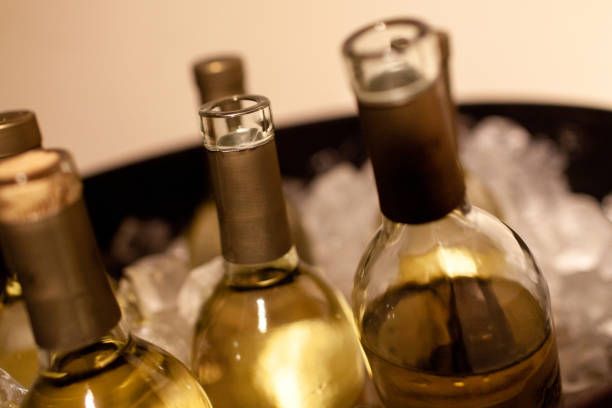
If the wine is too warm, place the bottle in an ice bucket for 10‑15 minutes before service. Conversely, a wine that’s over‑chilled can mute aromatic complexity, so allow it to warm a few minutes in the glass before the first sip.
Proper temperature ensures the wine’s acidity and fruit complement the tenderloin’s subtle sweetness. This careful chilling creates a harmonious pairing that delights guests.
Glassware recommendations
Choosing the right glass enhances both aroma and sip experience for pork tenderloin pairings. White wines benefit from a tulip‑shaped glass with a narrow rim, directing fragrant notes toward the nose while preserving chill.
For red wines like Pinot Noir, opt for a larger, slightly tapered bowl that allows gentle oxidation and reveals subtle spice. Avoid overly tall or overly wide glasses, as they can dissipate temperature too quickly.
When setting the table, place the glasses slightly above the plate edge, angled at a 45‑degree tilt, so guests can easily lift them without touching the rim. If you’re serving multiple wines, arrange them in order of lightest to fullest body, moving from left to right.
This visual cue guides diners to select the appropriate glass, ensuring each pour complements the pork’s flavor profile.
Timing the pour
Timing the pour can elevate the dining experience, aligning wine temperature with the pork tenderloin’s serving temperature. Before the main course, present the wine to guests for a brief tasting; this lets them appreciate the bouquet and confirm the temperature is ideal.
Aim to pour no more than two glasses per person at the start, allowing room for refills as the meal progresses. As the pork arrives, gently swirl each glass to release aromas, then encourage a sip that coincides with the first bite.
If the wine cools too quickly, keep a spare bottle in a chilled bucket for quick top‑ups. Conversely, if the wine warms, move the bottle to a cooler spot or add a few ice cubes in a separate holder.
Coordinating pour timing with each course ensures the wine remains vibrant, enhancing the pork’s juicy tenderness and the overall dinner flow.
Common Mistakes When Pairing Wine with Pork Tenderloin
Choosing overly tannic reds
One common error is reaching for a big, tannic red like Cabernet Sauvignon, assuming any red will complement pork. Tannins clash with the meat’s delicate texture, making the dish feel dry and harsh. Instead, opt for lighter reds with softer tannins such as Pinot Noir or a chilled Gamay.
These wines provide subtle fruit and gentle structure that enhance the pork’s natural sweetness without overwhelming it. When the tenderloin is roasted, a medium‑bodied Merlot can also work, but keep the tannin level low.
Taste the wine first; if it feels astringent on its own, it will likely dominate the pork. Pairing with a wine that mirrors the dish’s finesse ensures a harmonious bite‑by‑bite experience.
Consider serving the wine slightly chilled, around 55°F, to further soften any residual tannic edge and to complement the pork’s juiciness. A light splash of fruit‑forward acidity can brighten the palate and keep the pairing lively.
Ignoring sauce influence
Many cooks select a wine based solely on the meat, forgetting that the sauce or glaze often dictates the final flavor profile. A sweet apple‑cider glaze or a honey‑mustard sauce adds bright acidity and sugar, which calls for a wine that can balance sweetness without becoming cloying.
Opt for an off‑dry Riesling or a lightly sparkling Prosecco; their crisp acidity mirrors the sauce’s tang while their subtle fruit notes echo the glaze’s honeyed tones.
If the pork is served with a mushroom‑cream sauce, a richer white such as Chardonnay with modest oak can stand up to the creaminess. Match the wine’s acidity to the sauce’s to prevent the pork from tasting flat.
Test the pairing by tasting a spoonful of sauce with a sip of wine; if the flavors harmonize, you’ve likely avoided the common pitfall of ignoring the sauce’s impact.
Mismatching acidity levels
Acidity is the silent driver of balance in a pork‑tenderloin pairing, yet it’s easy to choose a wine whose acidity is either too low or too high. Low‑acid wines like many Merlots can make the pork taste heavy and greasy, especially when the meat is roasted with a citrus‑based rub.
Conversely, a highly acidic Sauvignon Blanc may overpower the subtle flavor of the tenderloin, leaving a sharp aftertaste. Aim for a medium‑acid wine such as a Pinot Gris or a lightly oaked white Rioja; these provide enough brightness to cut through the fat while preserving the meat’s natural sweetness.
If you prefer red, select a fruit‑forward, low‑tannin Grenache that offers moderate acidity. Taste the wine on its own and notice the level of tartness; then compare it to a bite of pork with its seasoning.
Adjust by adding a splash of lemon juice to the plate or choosing a wine with a slightly higher acid to achieve harmony.
Where to Buy Quality Wines for Pork Tenderloin Pairings
Local wine shops
Start your search at neighborhood wine shops, where knowledgeable staff can match the subtle flavors of pork tenderloin with the right bottle. Ask for Pinot Noir, Grenache, or a light Merlot, as their soft tannins and bright fruit complement the meat’s mild sweetness.
Bring a description of your seasoning—herb‑crusted, honey‑glazed, or pepper‑spiced—to help the clerk suggest a wine with complementary aromatics. Many shops also carry regional selections, such as a crisp Oregon Pinot Noir or a French Beaujolais that pair beautifully without overwhelming the dish.
Taste a sample if the store offers a pour‑board; this quick trial can confirm the balance before you buy. Finally, inquire about upcoming tastings or loyalty programs, which often provide discounts on premium bottles you might otherwise hesitate to purchase.
Take note of the vintage year, as newer releases tend to be fruitier, while older bottles offer more earthiness that can enhance roasted herbs.
Online retailers
Shopping for wine online gives you access to a worldwide catalog, making it easier to find the perfect match for pork tenderloin without leaving home. Look for curated lists on sites like Wine.com, Vivino, or Total Wine that filter by food pairing, varietal, and price.
For a tenderloin glazed with apples or a light mustard sauce, a chilled Riesling or an aromatic Gewürztraminer offers the right balance of acidity and subtle sweetness. If you prefer red, choose a Pinot Noir from Burgundy or a Zinfandel with low alcohol, which won’t overpower the delicate meat.
Read user reviews and pay attention to the “food‑friendly” tags, which often highlight successful pairings. Many platforms also provide free shipping thresholds, subscription discounts, or virtual tastings, allowing you to experiment with several bottles before committing.
Finally, verify the return policy in case the wine arrives corked or not as described, ensuring a risk‑free purchase.
Budget‑friendly options
Enjoying a great wine with pork tenderloin doesn’t have to break the bank; several affordable choices deliver impressive flavor without a high price tag.
Seek out value‑driven regions such as Chile’s Maipo Valley, Italy’s Abruzzo, or California’s Central Coast, where producers craft approachable Pinot Noir, Sangiovese, or a light Cabernet Franc for under $15. These wines provide enough fruit and gentle tannins to complement a simple herb‑rubbed tenderloin or a honey‑mustard glaze.
Look for “Super‑Tuscans” and “New World” blends that often combine quality grapes with cost‑effective production methods. Grocery‑store chains like Trader Joe’s, Costco, and Aldi also stock private‑label bottles that score well in blind tastings and pair nicely with pork dishes.
To stretch your budget further, buy a case and split the bottles with friends, or use a wine‑preservation system to keep opened bottles fresh for multiple meals. By focusing on region, style, and smart purchasing, you can consistently serve a delicious wine that elevates your pork tenderloin without overspending.
Frequently Asked Questions
What type of wine pairs best with pork tenderloin?
Medium-bodied red wines with moderate tannins, such as Pinot Noir or Merlot, complement the mild flavor of pork tenderloin. Light to medium-bodied whites like Chardonnay or Riesling also work well, especially if the dish includes a fruity glaze.
Should I choose a red or white wine for pork tenderloin with a sweet sauce?
A white wine with a touch of sweetness, like an off‑dry Riesling or Gewürztraminer, balances the sweet sauce and highlights the pork’s tenderness. If you prefer red, a fruit-forward Pinot Noir can also match the sweetness without overpowering the meat.
How does the cooking method affect wine selection for pork tenderloin?
Grilled or roasted pork tenderloin benefits from wines with a bit of acidity and structure, such as a dry Rosé or a light Cabernet Franc. Braised or slow‑cooked preparations pair nicely with richer whites like oaked Chardonnay or fuller reds like Zinfandel.
What wine pairs well with pork tenderloin seasoned with herbs?
Herb‑seasoned pork tenderloin pairs nicely with aromatic whites such as Sauvignon Blanc or Vermentino, which highlight the herbal notes. For reds, a Grenache or a light Syrah can complement the herbaceous flavors without overwhelming them.
Is sparkling wine a good match for pork tenderloin?
Yes, sparkling wines like Brut Champagne or Prosecco provide bright acidity and effervescence that cut through the richness of pork tenderloin, especially when served with a light salad or fruit‑based sauce.
Can I pair pork tenderloin with a rosé wine?
A dry rosé, especially those made from Grenache or Sangiovese, offers a balance of red fruit flavors and crisp acidity that pairs well with the subtle flavor of pork tenderloin, making it a versatile choice for many preparations.
Conclusion
Pairing pork tenderloin with wine is all about balancing the meat’s subtle sweetness and delicate texture. Light‑to‑medium reds like Pinot Noir or Gamay, and aromatic whites such as Riesling or Chardonnay, complement the dish without overwhelming it. Remember to consider sauces and seasonings—spicy glazes lean toward off‑dry whites, while herb‑driven rubs shine with soft reds. Experiment, enjoy, and let your palate guide the perfect match.