
What Is Tawny Porto
Imagine uncorking a glass that glows amber, offers nutty caramel notes, and ages gracefully—welcome to tawny port, a fortified wine from Portugal’s Douro Valley. In this quick guide we’ll define what tawny porto is, explain how it differs from ruby styles, and reveal why its smooth, oxidative character makes it perfect for sipping or pairing with desserts. Stick with us, and you’ll grasp the essentials in just a few easy sentences. By the end, you’ll feel confident ordering it anywhere.
What is Tawny Port?
Definition and key characteristics
Tawny Port is a fortified wine originating from the Douro Valley in Portugal, known for its amber‑brown hue and oxidative aging process.
Unlike youthful ruby ports, tawny is aged in wooden barrels for extended periods, allowing slow exposure to air that mellows the wine and develops complex nutty and caramelized notes.
Aging time is a defining characteristic; legally, a tawny labeled “10‑year‑old,” “20‑year‑old,” or “30‑year‑old” must spend at least that many years maturing, though many producers exceed these minima. The oxidative environment also imparts a smoother texture, reduced tannins, and a silky mouthfeel that distinguishes it from other fortified styles.
Additionally, tawny ports are typically bottled at a slightly lower alcohol level than some vintage ports, usually around 19–20% ABV, providing a balanced, approachable profile for both newcomers and seasoned enthusiasts today in the market.
How it differs from other port styles
Tawny Port stands apart from its sibling styles—ruby, vintage, and late‑bottled vintage—through both production technique and sensory outcome. While ruby ports are aged briefly in large, inert containers to preserve fresh fruit character, tawny undergoes prolonged barrel aging that encourages oxidation, resulting in amber tones and nut‑derived aromas.
Vintage ports, by contrast, are bottled after a short aging period and are meant to mature in the bottle for decades, showcasing intense dark fruit and tannic structure; tawny is already matured, offering a soft, rounded palate without the need for further cellaring.
Late‑bottled vintage (LBV) sits midway, spending a few years in wood before bottling, yet it still retains more fruit than a classic tawny.
The key differentiators are the length of barrel exposure, the oxidative environment, and the intentional development of caramel, dried‑fruit, and spice notes that give tawny its distinctive, approachable character.
Typical flavor profile
When you sip a well‑crafted tawny Port, the palate is greeted by a harmonious blend of sweet and savory sensations that evolve with each sip. The dominant flavors include caramel, toffee, and baked almond, complemented by dried‑fruit nuances such as fig, raisin, and apricot.
Oak aging contributes subtle vanilla and toasted walnut undertones, while the oxidative process introduces a gentle oxidative nuttiness reminiscent of hazelnut or walnut oil. Mid‑palate often reveals a silky texture with hints of honey and spice—cinnamon, clove, or nutmeg—adding depth without overwhelming the fruit base.
The finish is typically long, smooth, and slightly oxidative, leaving a lingering impression of warm amber, dried herbs, and a faint whisper of tobacco. This balanced profile makes tawny Port an excellent companion for desserts like crème brûlée, aged cheeses, or simply enjoyed neat as a digestif after a meal.
How Tawny Port Is Made
Grape varieties used
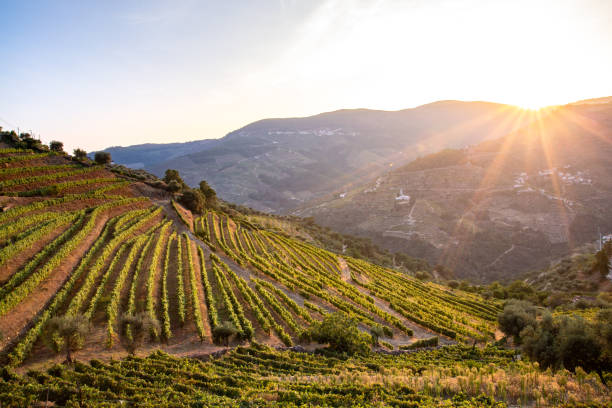
Tawny Port begins with a selection of specific Portuguese grapes, primarily Touriga Nacional, Touriga Franca, Tinta Roriz (also known as Tempranillo), Tinta Barroca, and Tinto Cão. These varieties are harvested in the Douro Valley, where the steep vineyards and schist soils concentrate sugars and acids.
Winemakers often blend several grapes to achieve a balanced palate; for example, Touriga Nacional contributes deep color and firm tannins, while Touriga Franca adds aromatic finesse and fruitiness. Minor portions of Tinta Amarela and Sousão may be included for additional acidity and structure.
After hand‑picking, the grapes are gently crushed and undergo a short maceration, allowing the natural sugars to mix with the skins before fermentation is halted by the addition of Portuguese brandy. This fortification preserves residual sugar and sets the stage for the distinctive amber hue that characterises tawny styles.
Aging process in barrels
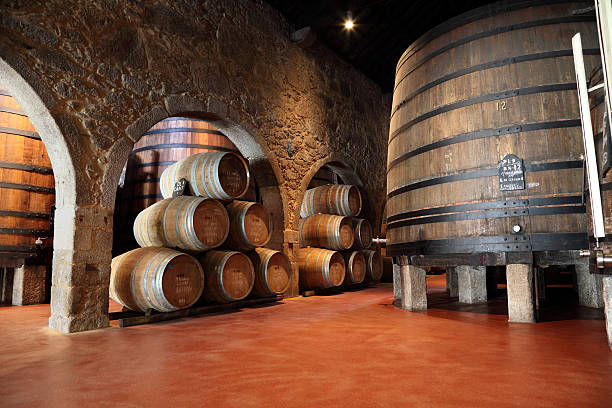
The heart of tawny Port’s character lies in its extended aging in wooden barrels. After fortification, the wine is transferred to a series of oak casks, often made from American or Portuguese oak, where it remains for many years—typically ranging from three to forty‑plus years depending on the desired style.
During this period, the barrels are stored in warm, well‑ventilated cellars that encourage slow oxidation and gradual evaporation, a phenomenon known as the “angel’s share.” As the liquid interacts with the wood, it absorbs subtle tannins, vanilla notes, and a mellowed acidity, while the colour shifts from deep ruby to a golden‑amber hue.
Winemakers may periodically blend younger and older barrels to maintain consistency and achieve a balanced profile. The cumulative effect of time, wood, and controlled exposure creates the smooth, nutty, and caramel‑laden palate that defines a classic tawny Port.
Role of oxidation
Oxidation is the key chemical driver that transforms a young, fruity Port into the rich, amber‑toned tawny we recognise. Unlike vintage Ports, which are bottled quickly to preserve primary fruit aromas, tawny Port is deliberately exposed to oxygen through its long stay in porous oak barrels.
This controlled exposure gradually softens harsh tannins, converts bright red pigments into deeper amber hues, and initiates complex reactions that produce flavors such as dried apricot, toasted almond, caramel, and subtle spice. The slow ingress of air also encourages the formation of acetaldehyde, imparting a characteristic nutty note.
Winemakers monitor oxidation carefully, balancing the rate of oxygen entry with barrel size, wood type, and cellar humidity to avoid excessive spoilage. The result is a wine with a silky texture, layered aroma profile, and a lingering finish that showcases the harmonious interplay of fruit, wood, and oxidative aging.
How to Taste Tawny Port Like a Pro
Proper glassware
Choosing the right glass sets the foundation for a professional tawny port tasting. Select a tulip‑shaped wine glass with a slightly narrowed rim; this concentrates volatile aromas while allowing the wine to breathe. Avoid wide‑bowl glasses that disperse scent too quickly.
Warm the glass by cupping it in your hands for a few seconds—this gentle heat releases subtle notes without overheating the spirit. Fill the glass to about one‑third of its capacity, roughly 2‑3 ounces, so the surface area is ample for swirling.
Hold the glass by the stem to prevent hand heat from altering temperature. Finally, ensure the glass is crystal‑clear and free of residues, as any lingering flavors can mask the delicate caramel, nut, and dried‑fruit nuances that define tawny port.
This preparation also signals to your palate that you are ready for a focused, sensory‑rich evaluation.
Step-by-step tasting technique
Begin the tasting by observing the wine’s color against a white background; tawny port typically displays amber to deep mahogany hues, indicating age and oxidation level. Next, swirl gently to oxygenate the liquid, releasing aromatic compounds.
Bring the glass to your nose and inhale deeply in three short sniffs, noting primary scents such as caramel, toasted almond, and dried apricot. After the initial nose, pause for a few seconds, then take a small sip, letting the wine coat your tongue before swallowing.
Assess the body by feeling the weight and texture—tawny should feel silky yet slightly viscous. Identify the balance between sweetness and acidity; a well‑crafted tawny offers a harmonious finish that lingers for 15‑20 seconds.
Conclude by recording your impressions in a tasting journal, noting any deviations from expected profiles, which sharpens future evaluations and deepens appreciation.
Identifying aromas and flavors
To pinpoint tawny port’s complex bouquet, focus on layered aromatic families. Start with the fruit tier: expect dried apricot, fig, and raisin, which emerge first and signal the wine’s residual sugar level.
Move to the nutty and caramel tier, where notes of toasted almond, hazelnut, and burnt sugar appear, reflecting oxidative aging. Finally, explore the spice and woody tier, identifying subtle hints of cinnamon, clove, vanilla, and oak that develop during barrel maturation.
When tasting, match each aroma to a corresponding flavor on the palate; for instance, the caramel scent should translate into a smooth, buttery sweetness, while the nutty aroma manifests as a dry, slightly bitter finish. Take note of the length of the finish—a long, evolving aftertaste indicates high quality.
By systematically cataloguing these sensory elements, you build a mental map that enables rapid, confident assessments of any tawny port you encounter.
Best Food Pairings with Tawny Port
Cheese selections
Tawny Port’s nutty, caramel‑rich profile shines when matched with aged cheeses that can stand up to its sweetness. Start with a classic pairing of Portuguese Queijo da Serra or a sharp Manchego; the buttery texture and firm crumb complement the wine’s smooth finish.
For a more adventurous bite, try blue cheeses such as Stilton or Gorgonzola, whose salty tang creates a delightful contrast to the port’s dried‑fruit notes. Crumbled goat cheese on toasted walnuts adds a creamy, earthy layer that echoes the nutty undertones of a 20‑year‑old tawny.
Serve the cheese on a wooden board with a drizzle of honey and a few dried figs to enhance the fruitiness. Remember to let the port breathe for a few minutes before pouring, allowing its aromatics to open and fully interact with the cheese’s flavors.
Desserts that complement
Because tawny port carries notes of caramel, toasted almonds, and dried apricots, it pairs beautifully with desserts that echo those flavors. A classic Portuguese pastel de nata—a flaky custard tart—mirrors the wine’s buttery richness while the caramelized top adds a subtle crunch.
For nut‑loving palates, serve a toasted almond cake or a pecan tart; the roasted nuts amplify the tawny’s nutty backbone and create a harmonious mouthfeel.
Fruit‑based sweets such as fig and walnut crumble or apricot tarte Tatin highlight the wine’s dried‑fruit character, especially when a drizzle of honey is added just before serving. Dark chocolate desserts, like a 70 % cocoa mousse, provide a bittersweet counterpoint that balances the port’s sweetness without overwhelming it.
Pair each dessert with a small glass of 10‑ to 15‑year‑old tawny, allowing the wine to warm slightly in the glass so its aromatics—cinnamon, vanilla, and dried berries—can mingle with the dessert’s textures and finish.
Savory dishes and sauces
Tawny Port’s velvety texture and layered spice notes make it an excellent ingredient for savory preparations, especially when you want to add depth to sauces and braised meats.
Begin with a red‑wine reduction that swaps traditional Cabernet for tawny; simmer the port with shallots, beef stock, a splash of balsamic vinegar, and a pinch of cinnamon until it thickens into a glossy glaze perfect for seared duck breast or grilled pork tenderloin.
For a richer stew, incorporate a cup of tawny into a classic Portuguese caldo verde—the wine’s sweetness balances the peppery kale and smoky chorizo, creating a comforting bowl.
A mushroom‑and‑walnut ragù benefits from the port’s nutty undertones; stir in the wine near the end of cooking to preserve its aromatic profile. Finish the dish with a drizzle of aged balsamic and a sprinkle of toasted sesame seeds for texture.
Serve with a side of roasted root vegetables to echo the port’s caramelized flavors and complete the meal.
Tips for Storing and Serving Tawny Port
Ideal storage temperature
Store tawny port in a cool, consistent environment to preserve its nuanced oxidative character. Ideal temperature is between 12°C and 15°C (55°F‑59°F); cooler than room temperature but not as cold as a refrigerator. Avoid fluctuations that can cause premature aging or oxidation.
Keep the bottle upright to limit cork exposure to air, which can dry out the seal. Use a wine fridge or a dark cellar with humidity around 70% to prevent the cork from cracking.
If a dedicated wine fridge isn’t available, a stable pantry away from heat sources and direct sunlight works well. Label the bottle with the opening date so you can track its freshness.
By maintaining these conditions, tawny port retains its amber hue, caramel notes, and smooth finish for years, ready for enjoyment whenever you choose in your home.
Shelf life after opening
Understanding how long an opened bottle of tawny port stays vibrant helps you plan tastings without waste. Shelf life after uncorking typically ranges from one to three months, depending on the age and style of the wine.
Younger, fruit‑forward tawny ports may begin to lose their freshness after four weeks, while well‑aged, oxidative versions can maintain their complex caramel and nutty aromas for up to twelve weeks.
To extend longevity, reseal the bottle tightly with its original cork or a vacuum stopper, and store it in the refrigerator to slow oxidation. Avoid temperature swings; a steady cool environment preserves the wine’s balance.
Before serving, give the wine a quick sniff and a small sip; if the bouquet still displays layered notes of dried apricot, toasted almond, and subtle spice, it remains enjoyable. By monitoring these cues, you can savor tawny port at its peak for weeks after opening.
Serving temperature guidelines
Serving tawny port at the right temperature unlocks its silky texture and aromatic depth, turning any gathering into a refined experience. Optimal serving temperature is between 12°C and 14°C (54°F‑57°F), slightly cooler than room temperature but warmer than a typical white‑wine chill.
Chill the bottle in an ice bucket with water and ice for about ten minutes, or place it in the refrigerator for 30‑45 minutes before service. Avoid over‑chilling, which can mute the wine’s caramel, dried‑fruit, and nutty nuances.
When pouring, use a tulip‑shaped glass that concentrates the bouquet and allows a gentle swirl to release volatile compounds. Taste test by taking a small sip; the wine should feel smooth, with a lingering finish of toasted oak and subtle spice.
Adjust the temperature by briefly warming the glass in your hand if the wine feels too tight. By following these guidelines, you ensure each glass of tawny port showcases its elegant balance and invites conversation.
How to Choose the Right Tawny Port
Age categories explained
When selecting a tawny port, the first step is to understand its age categories, which indicate how long the wine has matured in oak barrels. 18‑month tawny is the youngest, offering fresh fruit flavors and a light nutty edge, ideal for casual sipping.
30‑month and 36‑month tawnies develop richer caramel, dried‑fruit, and spice notes as they spend more time aging, providing a smoother mouthfeel. The premium 40‑year and 50‑year reserves are ultra‑aged, delivering complex layers of toasted nuts, figs, and subtle oxidative nuances that appeal to connoisseurs.
Recognizing these categories helps you match the wine’s intensity to your palate and the occasion, whether you need a vibrant starter wine or a sophisticated dessert companion. Key point: Choose the age that aligns with the desired flavor depth and your budget.
Experiment with different ages to discover your personal preference.
Price vs quality considerations
Balancing price and quality is essential when choosing a tawny port that fits both your taste and wallet. Entry‑level tawnies, typically aged 18‑30 months, offer good value for everyday enjoyment and can be found for $15‑$25 per bottle.
As the aging period extends to 36‑40 months, the price rises to $30‑$45, reflecting deeper flavor development and smoother texture. Premium 40‑year and 50‑year reserves command $80‑$150, delivering exceptional complexity that justifies the investment for special occasions.
To assess value, compare the price‑to‑age ratio and look for consistent quality indicators such as a clear amber hue, balanced acidity, and a lingering finish. Remember that higher price does not always guarantee superior taste; a well‑chosen 30‑month tawny can outperform a pricey but poorly stored older bottle.
Key point: Align your budget with the desired aging level and scrutinize quality cues before purchasing.
Recommended brands and labels
To simplify the selection process, consider these reputable brands and their signature tawny labels that consistently deliver quality. Taylor’s offers a classic 10‑Year‑Old Tawny, known for its balanced nutty caramel and bright acidity, ideal for pairing with cheese plates.
Graham’s produces a 20‑Year‑Old Tawny that showcases deep amber tones, rich dried‑fruit aromas, and a silky finish, perfect for desserts like crème brûlée. Fonseca’s 30‑Year‑Old Tawny stands out with layered notes of toasted almonds, figs, and subtle spice, making it a superb choice for celebratory moments.
For ultra‑luxury, Warre’s presents a 40‑Year‑Old Tawny with extraordinary complexity and a lingering, elegant aftertaste that impresses connoisseurs. When shopping, verify the age statement on the label, ensure the bottle is sealed, and store it upright in a cool, dark place until opened.
Key point: Choose a brand whose age and flavor profile match your occasion and personal palate.
Common Myths About Tawny Port
Myth: All ports are sweet
Tawny Port is often lumped together with the sweeter ruby styles, but the reality is more nuanced. Not all ports are overly sweet; tawny is crafted to balance fruit, oxidation, and subtle caramel notes, resulting in a medium‑dry palate that can feel gentle on the tongue.
When you taste a well‑aged tawny, you’ll notice flavors of dried apricot, toasted nuts, and a hint of spice rather than cloying sugar. This balance makes it versatile for sipping on its own or pairing with cheese, nuts, and even savory dishes.
To appreciate the true character, serve it slightly chilled (around 12‑14 °C) and let it breathe for a few minutes in a glass with a wide bowl.
By recognizing that tawny port is not uniformly sweet, you can explore its complexity without the misconception that it is merely a dessert wine.
Myth: Tawny is only for desserts
Many wine lovers assume tawny port belongs exclusively on the dessert table, yet its flavor profile actually complements a broad range of foods. Tawny’s nutty, caramelized character pairs beautifully with sharp cheeses such as Manchego, aged cheddar, or blue varieties, creating a harmonious contrast between salty and sweet.
It also works well with roasted meats, grilled vegetables, and even spicy Asian dishes, where the wine’s gentle oxidative notes tame heat and highlight umami.
To use tawny as a culinary ally, drizzle a small amount over a cheese platter, or serve it alongside a warm mushroom risotto for an elegant finish. Remember to serve at a cooler temperature than ruby port—around 12 °C—to keep the aromas bright and the palate refreshing.
By expanding its role beyond dessert, you unlock tawny’s versatility and enjoy a richer dining experience.
Myth: It doesn’t improve with age
Contrary to the belief that tawny port is a static product, aging is the engine of its evolution. Unlike ruby, which is typically bottled young, tawny spends years—sometimes decades—in wooden barrels, absorbing oxidative flavors and developing a silky texture.
As it matures, the wine sheds harsh tannins and gains layers of dried fruit, toasted almond, and subtle earthy undertones. A 10‑year-old tawny will taste markedly different from a 20‑year-old, with the latter offering a smoother mouthfeel and a lingering, complex finish.
To benefit from this progression, store bottles in a cool, dark place with a stable temperature (12‑15 °C) and avoid frequent temperature swings.
When you open an older tawny, let it sit for a few minutes to allow volatile compounds to integrate, then savor it slowly to appreciate the depth that time has crafted. Recognizing the value of age transforms tawny from a simple sip to a nuanced, collectible experience.
Frequently Asked Questions
What is Tawny Port?
Tawny Port is a style of fortified wine from Portugal’s Douro Valley that is aged in wooden barrels, allowing it to oxidize and develop a amber-brown color. It is typically sweeter than dry wines but less sweet than some other Port styles.
How is Tawny Port different from Ruby Port?
Ruby Port is aged in large, inert containers for a short time, preserving its bright red color and fruity character. Tawny Port spends years—often decades—in small oak barrels, which imparts nutty, caramelized flavors and a tawny hue.
What are the typical flavor notes of Tawny Port?
Common tasting notes include dried fruits like apricot and fig, along with caramel, toasted nuts, honey, and subtle spice. Older tawny ports may also show hints of leather, tobacco, and oxidative nuances.
How long is Tawny Port aged, and why does it matter?
Tawny Ports are labeled by age: 10, 20, 30, or 40 years, reflecting the average time the blend spends maturing in barrels. Longer aging deepens complexity, smooths the palate, and intensifies the nutty, oxidative flavors.
How should Tawny Port be served and at what temperature?
Serve Tawny Port slightly chilled, around 12‑14°C (54‑57°F), in a small wine glass. This temperature highlights its aromatic profile while keeping the alcohol from feeling too hot.
What foods pair well with Tawny Port?
Tawny Port pairs nicely with desserts such as crème brûlée, almond cake, or blue cheese, and also complements savory dishes like roasted nuts, pâtés, and grilled pork. Its balanced sweetness and acidity make it versatile for both sweet and savory pairings.
Conclusion
Tawny Port is a richly amber, aged fortified wine celebrated for its nutty, caramel and dried‑fruit flavors, developed through years of barrel maturation. Its classification ranges from 10 to 40 years, each offering distinct depth and smoothness. Remember to serve it slightly chilled and pair it with cheeses, desserts, or nuts for maximum enjoyment. Explore the variety, savor the history, and let every glass inspire your palate.
