What Is Blanc De Blanc Champagne
Wondering what blanc de blancs champagne is? It’s a crisp, elegant sparkling wine made exclusively from white grapes—typically Chardonnay. Unlike other champagnes that blend red and white grapes, blanc de blancs stands out for its bright acidity, delicate bubbles, and notes of green apple, citrus, and brioche. Often lighter and more refined, it’s perfect for toasting or pairing with seafood. This article breaks down everything you need to know about blanc de blancs champagne—what it is, how it’s made, and why it might be your new favorite pour.
What Is Blanc de Blanc Champagne
Definition of Blanc de Blanc Champagne
Blanc de Blancs Champagne is a sparkling wine made exclusively from white grape varieties, specifically Chardonnay grapes. The term ‘Blanc de Blancs’ translates to ‘white from whites,’ emphasizing that no red or black grapes are used in its production.
This style of Champagne is known for its crisp acidity, elegance, and finesse, often displaying flavors of green apple, lemon zest, pear, and subtle floral or mineral notes.
It is typically lighter in body compared to other Champagnes, making it a popular choice for aperitifs or pairing with delicate dishes like oysters, seafood, and goat cheese. The production follows the traditional méthode champenoise, where secondary fermentation occurs in the bottle, creating fine bubbles.
Because Chardonnay thrives in the chalky soils of the Champagne region—especially in the Côte des Blancs—this area is renowned for producing some of the finest Blanc de Blancs. Its purity and focus on a single grape make it a favorite among connoisseurs seeking freshness and longevity in sparkling wine.
How It Differs From Other Champagne Types
Blanc de Blancs Champagne stands apart from other Champagnes due to its exclusive use of Chardonnay grapes, whereas most traditional blends combine Chardonnay with red varieties like Pinot Noir and Pinot Meunier.
This distinction results in a lighter color, higher acidity, and more restrained fruit profile compared to fuller-bodied, red-grape-influenced Champagnes.
Unlike Blanc de Noirs, which is ‘white from blacks’ and made from red grapes, Blanc de Blancs offers greater freshness and age-worthiness, often developing complex toasty, nutty, or brioche notes with extended aging.
Rosé Champagnes, which may include red wine for color, also contrast with the pale gold hue and delicate structure of Blanc de Blancs. Additionally, the absence of tannins from red skins gives it a smoother, more linear mouthfeel.
These characteristics make it ideal for those who prefer crisp, vibrant sparkling wines with aging potential. Understanding these differences helps in selecting the right Champagne for occasions or pairings, highlighting the unique terroir expression of Chardonnay in the region.
The Meaning Behind the Name
The name ‘Blanc de Blancs’ literally means ‘white from whites’ in French, a term that clearly communicates the wine’s composition. It signifies that the Champagne is crafted entirely from white wine grapes, specifically Chardonnay, distinguishing it from blends that include red-skinned varieties.
This naming convention is part of a broader classification in sparkling wine, where ‘Blanc de Noirs’ means ‘white from blacks’—white wine made from dark grapes like Pinot Noir or Pinot Meunier. The terminology helps consumers quickly identify the grape source and stylistic profile of the wine.
In Champagne, where tradition and transparency matter, such labels ensure authenticity and guide expectations. ‘Blanc de Blancs’ also conveys a sense of purity and precision, reflecting the winemaker’s intent to showcase the elegance of Chardonnay without influence from red grapes.
This focus often results in a bright, mineral-driven wine with aging potential. Understanding the meaning behind the name empowers drinkers to make informed choices and appreciate the artistry and specificity behind Champagne production.
Grape Varieties Used in Blanc de Blanc
Why Chardonnay Is the Sole Grape
Blanc de Blanc Champagne is exclusively made from Chardonnay grapes, setting it apart from other Champagnes that may include Pinot Noir or Pinot Meunier. This single-varietal focus highlights the grape’s crisp acidity, elegance, and aging potential, which are essential for producing a refined sparkling wine.
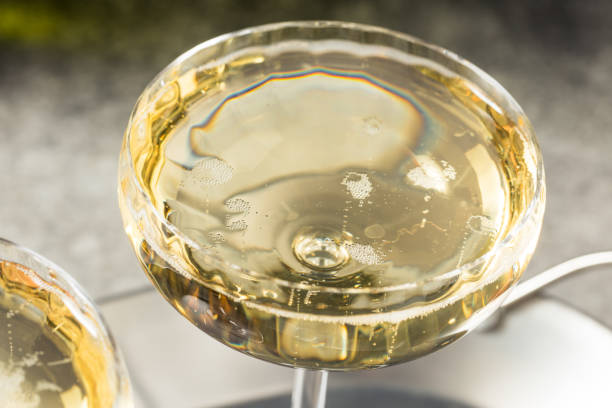
Chardonnay contributes bright citrus notes, green apple, and floral undertones, creating a lighter, more delicate profile compared to fuller-bodied blends. The absence of red grape skins ensures the wine remains pale gold with exceptional clarity.
Winemakers favor Chardonnay for its balanced structure and ability to express terroir, especially in cool climates where slow ripening preserves acidity. Because of its purity and finesse, Blanc de Blanc is often aged for extended periods, developing complex brioche and toasted nut characteristics from yeast contact.
Choosing Chardonnay alone allows producers to showcase precision, freshness, and longevity—hallmarks of premium Champagne craftsmanship.
Regions Where Chardonnay Thrives
The finest Blanc de Blanc Champagnes originate from specific sub-regions within Champagne where Chardonnay excels. The Côte des Blancs is the most renowned area, known for its chalk-rich soils and ideal slope orientation, producing wines of exceptional finesse and minerality.
Villages like Le Mesnil-sur-Oger, Avize, and Cramant are particularly celebrated for their structured, age-worthy Chardonnays. The Montagne de Reims and Vallée de la Marne also contribute, though with slightly different expressions due to soil variations.
These regions benefit from a cool continental climate, ensuring slow grape maturation and high acidity—critical for sparkling wine production. Chardonnay here develops concentrated flavors while maintaining balance. Many top-tier Champagne houses source their Chardonnay exclusively from Grand Cru and Premier Cru vineyards in these areas, underscoring the importance of provenance.
The regional focus ensures consistent quality and a signature style characterized by liveliness, complexity, and aromatic purity in every bottle of Blanc de Blanc.
Impact of Terroir on Flavor Profile
Terroir profoundly shapes the flavor, texture, and aging potential of Blanc de Blanc Champagne. The chalky subsoil in regions like the Côte des Blancs provides excellent drainage and reflects sunlight, promoting slow, even ripening and preserving vibrant acidity.
This mineral-rich foundation imparts a distinctive flinty, saline character often described as ‘wet stone.’ Climate, slope, and vineyard exposure further refine the wine’s profile—cooler sites yield greener fruit notes like lime and green apple, while slightly warmer plots develop hints of pear and white peach.
The interaction between soil and climate also influences the wine’s structure, with finer bubbles and longer finish emerging from optimal growing conditions. Extended aging on lees enhances these qualities, adding layers of brioche, almond, and honey without masking the grape’s purity.
Ultimately, terroir ensures each Blanc de Blanc expresses a unique sense of place, making it not just a style of Champagne, but a reflection of its origin’s distinct geological and climatic identity.
How Blanc de Blanc Champagne Is Made

Step-by-Step Production Process
Blanc de Blanc Champagne is made exclusively from white Chardonnay grapes, distinguishing it from other Champagnes that may include red grape varieties. The process begins with gentle pressing of the grapes to extract clear juice, minimizing skin contact to preserve the wine’s light color and delicate profile.
After pressing, the juice undergoes primary fermentation in stainless steel tanks or oak barrels, turning sugars into alcohol. The resulting base wine is then blended, often with wines from different vineyards or vintages, to achieve consistency and complexity.
Next, a secondary fermentation occurs directly in the bottle, where a mixture of sugar and yeast is added, creating natural carbonation. The bottles are sealed with crown caps and stored horizontally in cool cellars. This meticulous process ensures a crisp, elegant Champagne defined by fresh acidity and mineral character.
Fermentation and Aging Techniques
The fermentation and aging of Blanc de Blanc Champagne are critical to developing its signature finesse. After primary fermentation, the base wine is prepared for tirage—the bottling stage where yeast and sugar are added for secondary fermentation. This in-bottle fermentation produces carbon dioxide, trapping bubbles and building structure.
Once fermentation is complete, the wine enters the aging phase, resting on its lees (dead yeast cells) for a minimum of 15 months, though many producers age it for several years. Extended lees aging imparts creamy texture, brioche notes, and depth without overpowering the Chardonnay’s natural vibrancy.
Temperature-controlled cellars ensure slow, steady development. Some winemakers use oak barrels during primary fermentation to add subtle complexity, while others prefer stainless steel to maintain purity. These techniques collectively refine the Champagne’s aromatic precision and mouthfeel, making each bottle a testament to patience and craftsmanship.
Role of Yeast and Lees Contact
Yeast plays a pivotal role in shaping Blanc de Blanc Champagne, especially during secondary fermentation and aging. The selected strains of *Saccharomyces cerevisiae* are carefully chosen for their ability to produce fine bubbles and desirable aromas.
After fermentation, the dead yeast cells—known as lees—remain in contact with the wine during aging. This lees contact is essential, contributing richness, complexity, and a silky mouthfeel. Compounds released from the yeast cells, such as polysaccharides and amino acids, enhance texture and stabilize the wine.
Over time, the Champagne develops nuanced notes of baked apple, toast, almond, and cream. Regular riddling gradually shifts the lees toward the bottle’s neck, preparing for disgorgement. After removing the sediment, a dosage—a blend of wine and sugar—is added to balance acidity.
The length and conditions of lees aging are closely monitored, ensuring the Champagne expresses both freshness and depth, hallmarks of a well-crafted Blanc de Blanc.
Tasting Profile and Flavor Notes
Common Aromas and Tastes
Blanc de Blancs Champagne is exclusively made from Chardonnay grapes, which gives it a distinctive, refined flavor profile. On the nose, you’ll often detect bright citrus notes like lemon, lime, and grapefruit, complemented by hints of green apple, pear, and white peach.
Subtle floral aromas—such as acacia or honeysuckle—add complexity, while a delicate minerality reminiscent of wet stone or chalk enhances its elegance. On the palate, the wine is crisp and linear, with a clean, refreshing character.
The absence of red grape varieties ensures a lighter color and a more restrained fruit expression, emphasizing freshness over richness. Some examples may also show a toasty or brioche-like quality if aged on lees, but the dominant impression remains vibrant and pure.
These characteristics make Blanc de Blancs an excellent choice for those who appreciate precision and finesse in sparkling wine.
How Acidity Shapes the Experience
The hallmark of Blanc de Blancs Champagne is its bracing acidity, a direct result of Chardonnay grown in the cool climate of Champagne. This high acidity is not a flaw but a structural backbone that gives the wine energy, balance, and longevity.
It amplifies the perception of freshness, making each sip feel lively and invigorating. The sharp citrus and green fruit flavors are lifted and sustained by this acidity, preventing the wine from feeling flat or overly rich.
In premium examples, the acidity is perfectly integrated, creating a harmonious mouthfeel that dances across the palate. This crispness also makes Blanc de Blancs exceptionally food-friendly, pairing beautifully with oysters, shellfish, and light seafood dishes. Moreover, the acidity acts as a preservative, allowing the wine to evolve gracefully over time.
For drinkers, understanding this element helps appreciate why Blanc de Blancs feels so vibrant and age-worthy, even in its youth.
Aging Potential and Evolution Over Time
Blanc de Blancs Champagne has exceptional aging potential, often improving for a decade or more when stored properly. As it matures, the wine undergoes a remarkable transformation: primary fruit flavors gradually recede, giving way to complex secondary and tertiary notes like honey, almond, dried apricot, and toasted brioche.
The once-sharp acidity softens, integrating with the texture to create a rounder, more luxurious mouthfeel. Lees aging and bottle maturation contribute to a creamy, almost oxidative character reminiscent of aged white Burgundy. High-quality vintage Blanc de Blancs from top producers can develop astonishing depth and nuance over time.
This evolution makes it a favorite among collectors and connoisseurs who enjoy tracking a wine’s journey. Even non-vintage versions benefit from extra bottle age, revealing layers not apparent upon release. For best results, store bottles horizontally in a cool, dark place.
With patience, Blanc de Blancs reveals its full potential—elegant, complex, and profoundly satisfying.
Best Food Pairings with Blanc de Blanc
Seafood and Shellfish Combinations
Blanc de Blancs champagne, made exclusively from Chardonnay grapes, offers a crisp, bright acidity and delicate minerality that make it an ideal match for seafood and shellfish. Its vibrant citrus and green apple notes complement the natural sweetness of raw oysters, scallops, and shrimp.
The wine’s high acidity cuts through the richness of buttery lobster or seared scallops, creating a harmonious balance on the palate. For raw preparations like oysters on the half shell or crudo, the champagne’s effervescence lifts the brininess and enhances freshness.
Grilled or poached white fish such as halibut or cod also pair beautifully, as the subtle toastiness from aging on lees adds complexity without overpowering delicate flavors. Avoid overly spicy or heavily sauced seafood dishes, as they can clash with the wine’s elegance.
Instead, focus on clean, simple preparations with lemon, herbs, or a touch of cream. This pairing is perfect for celebratory dinners or seaside gatherings where freshness is key.
Cheese Pairings That Enhance Flavor
When selecting cheeses to pair with Blanc de Blancs, focus on options that mirror its bright acidity, creamy texture, and subtle richness. Soft-ripened cheeses like Brie, Camembert, and Chaource are excellent choices—their buttery mouthfeel and mild earthiness are elevated by the champagne’s fine bubbles and citrusy lift.
Young goat cheeses (chèvre) also shine, as their tanginess echoes the wine’s natural acidity and enhances its refreshing character. Avoid strongly aged or pungent cheeses, which can overwhelm the delicate profile of Blanc de Blancs. Instead, opt for fresh, bloomy-rind, or washed-rind varieties in moderation.
A light dusting of cracked pepper or a drizzle of honey on the cheese can add complexity without masking the wine’s nuances. Serve cheeses slightly chilled to maintain balance.
This pairing works beautifully on a brunch table or as part of a refined cheese course, offering a sophisticated interplay of textures and flavors that highlight the elegance of both the wine and dairy.
Ideal Appetizers and Light Dishes
Blanc de Blancs champagne excels alongside light, refined appetizers that highlight its elegance without overpowering its delicate structure. Think of dishes like prosciutto-wrapped melon, smoked salmon canapés, or goat cheese tartlets—each offers a balance of salt, fat, and freshness that harmonizes with the wine’s crisp acidity and subtle brioche notes.
Vegetable-based bites such as asparagus spears with hollandaise or artichoke dip bring out the wine’s herbal and mineral undertones. The key is to prioritize clean flavors and refined textures. Avoid heavy, greasy, or overly spiced hors d’oeuvres, which can dull the palate and clash with the champagne’s finesse.
Instead, embrace simplicity: a well-crafted crostini or a delicate seafood salad can elevate the experience. These pairings are perfect for cocktail parties, bridal showers, or pre-dinner aperitifs, where the goal is refreshment and refinement.
Blanc de Blancs acts as a palate cleanser while enhancing each bite, making every moment feel celebratory and intentional.
Top Blanc de Blanc Champagne Brands
Premium Producers and Their Signature Bottles
When exploring blanc de blancs Champagne, premium producers offer exceptional expressions of 100% Chardonnay, showcasing elegance, precision, and aging potential. Blanc de blancs means ‘white from whites,’ indicating it’s made exclusively from white Chardonnay grapes, typically grown in Grand Cru villages like Le Mesnil-sur-Oger and Avize.
Top-tier houses like Krug Clos du Mesnil and Salon Le Mesnil produce iconic vintages with complex layers of citrus, toasted almond, and mineral notes, aged for over a decade. Louis Roederer Cristal Blanc de Blancs and Taittinger Comtes de Champagne deliver refined balance, with vibrant acidity and long finishes.
These Champagnes benefit from extended lees aging, contributing to their creamy texture and depth. Ideal for special occasions, they pair beautifully with oysters, lobster, or aged cheeses.
Investing in a bottle from these renowned producers ensures a benchmark experience in purity and finesse, highlighting the varietal’s potential in Champagne’s chalk-rich soils.
Value Picks for Everyday Enjoyment
You don’t need to splurge to enjoy high-quality blanc de blancs Champagne—several value-driven options deliver freshness and charm for everyday moments. These Champagnes maintain the style’s signature crisp acidity and citrus-driven profile while offering excellent quality-to-price ratios.
Look for bottles like Piper-Heidsieck Cuvée Brut, which includes a high proportion of Chardonnay, or Laurent-Perrier La Cuvée, a widely praised 100% Chardonnay blend with notes of green apple, lemon zest, and brioche. Ruinart Brut—though slightly above mid-tier—offers approachable elegance with delicate floral and mineral tones.
Many of these are non-vintage, ensuring consistency, and are ready to drink upon release. Serve well-chilled as an aperitif or with light seafood dishes.
These accessible blanc de blancs make it easy to elevate weeknight dinners or casual gatherings without compromising on authenticity or style, proving that luxury can be both consistent and affordable.
Grower Champagnes Worth Trying
For a more intimate expression of terroir, grower Champagnes—or *Récoltant-Manipulant* (RM)—offer a personal touch, with vintners overseeing every step from vineyard to bottle. In the blanc de blancs category, these small-production gems highlight the unique characteristics of specific plots and vintages.
Producers like Agrapart & Fils, Pierre Péters, and Jacques Selosse craft Chardonnay-dominant wines with remarkable depth, often using organic practices and minimal intervention. Expect vibrant acidity, saline minerality, and nuanced aromas of pear, chamomile, and wet stone.
Unlike large houses, grower Champagnes may vary slightly year to year, reflecting true vintage variation and site expression. They’re ideal for enthusiasts seeking authenticity and a deeper connection to Champagne’s origins. Try pairing with sushi, goat cheese, or simply enjoy solo to appreciate their complexity.
These artisanal blanc de blancs represent the soul of Champagne—terroir-driven, thoughtful, and unforgettable.
How to Serve and Store Blanc de Blanc
Correct Serving Temperature
To fully appreciate blanc de blanc champagne, serving it at the ideal temperature is essential. This elegant sparkling wine, made exclusively from Chardonnay grapes, reveals its finest aromas and balanced acidity when served between 45°F and 48°F (7°C to 9°C).
Serving too cold masks delicate citrus, green apple, and floral notes, while too warm temperatures dull the effervescence and accentuate alcohol. To achieve the perfect chill, refrigerate the bottle for 3 to 4 hours before serving.
If time is limited, use an ice bucket filled with equal parts ice and water for 20 to 30 minutes—this cools faster than ice alone. Avoid the freezer, as rapid cooling can shock the wine and compromise texture. Once opened, maintain temperature with a wine cooler or chilled coaster.
Proper temperature enhances freshness and prolongs bubbles, allowing the nuanced minerality and crisp structure of blanc de blanc to shine in every glass.
Choosing the Right Glassware
Selecting the appropriate glassware significantly enhances the blanc de blanc champagne experience. A tulip-shaped flute or white wine glass is ideal, as it concentrates delicate aromas while allowing enough room for bubbles to rise gracefully. Unlike broad coupes that disperse carbonation too quickly, tulip glasses preserve effervescence and aromatic complexity.
The narrow base and slightly wider bowl capture subtle notes of lemon zest, brioche, and wet stone characteristic of Chardonnay-based sparkling wines. For a more modern approach, consider a small white wine glass, which offers even greater aroma development.
Ensure glasses are clean, residue-free, and chilled slightly before pouring—avoid dish soap residue, which can deflate bubbles. Hold the glass by the stem to prevent warming the wine.
Proper glassware not only elevates presentation but also intensifies flavor perception and prolongs enjoyment, making each sip of your blanc de blanc a refined sensory experience.
Storage Tips for Long-Term Aging
Blanc de blanc champagne can benefit from careful long-term aging when stored under optimal conditions. Unlike many sparkling wines, high-quality blanc de blancs—especially vintage expressions—develop complexity, nuttiness, and deeper toast notes over time.
Store bottles horizontally in a cool, dark, and humid environment with a consistent temperature of 50°F to 54°F (10°C to 12°C) and humidity around 70% to keep corks supple. Avoid temperature fluctuations, light exposure, and vibrations, which can prematurely age or spoil the wine.
Use a dedicated wine cellar or cabinet rather than a kitchen fridge, which is too dry and prone to movement. Most non-vintage blanc de blancs are best consumed within 3 to 5 years, while vintage releases can age gracefully for 10 to 15 years or more.
Monitor storage conditions regularly to preserve freshness, effervescence, and aging potential.
Frequently Asked Questions
What is blanc de blanc champagne?
Blanc de blancs champagne is a type of sparkling wine made exclusively from white Chardonnay grapes. The term ‘blanc de blancs’ translates to ‘white from whites,’ highlighting that only white grape varieties are used in its production.
How is blanc de blanc champagne different from regular champagne?
Unlike regular champagne, which can be made from a blend of red and white grapes like Pinot Noir, Pinot Meunier, and Chardonnay, blanc de blancs uses only Chardonnay. This results in a lighter, crisper, and often more acidic flavor profile with notes of green apple, citrus, and mineral.
What does blanc de blanc champagne taste like?
Blanc de blancs champagne typically has a fresh, elegant taste with high acidity and delicate flavors of lemon, lime, green apple, pear, and sometimes toasted almond or brioche from aging. It often has a refined, creamy mousse and a long, clean finish.
Is blanc de blanc champagne sweet or dry?
Most blanc de blanc champagnes are dry, especially if labeled as ‘Brut.’ The style emphasizes freshness and acidity rather than sweetness, though dosage levels can vary slightly between producers.
When should I drink blanc de blanc champagne?
Blanc de blancs is excellent as an aperitif or paired with light dishes like oysters, seafood, grilled fish, or goat cheese. Its crisp profile also makes it a great choice for celebratory toasts or pairing with refined appetizers.
Can blanc de blanc champagne age well?
Yes, high-quality blanc de blanc champagnes, especially from premier or grand cru vineyards, can age beautifully for 10 years or more. Aging develops complex flavors of honey, nuts, and toast while maintaining vibrant acidity.
Conclusion
Blanc de Blancs Champagne is a refined sparkling wine made exclusively from Chardonnay grapes, celebrated for its crisp acidity, elegant structure, and notes of green apple, citrus, and toasted almond. Primarily produced in the Chardonnay-rich Côte des Blancs region, it offers a lighter, more delicate profile compared to other champagnes. Appreciated for its purity and aging potential, Blanc de Blancs is perfect for toasting milestones or savoring slowly. Explore its sophistication and elevate your next celebration with a glass of this exquisite, golden effervescence.