What Does Aerating Wine Do
Ever wonder what aerating wine actually does? It’s simple—exposing wine to air softens harsh tannins, enhances aromas, and unlocks richer flavors, especially in bold reds. Think of it as letting your wine breathe and wake up before you sip. Whether you use a decanter or just swirl your glass, aeration can turn a flat or sharp taste into something smooth and vibrant. In this article, we’ll break down exactly how aeration works, which wines benefit most, and easy ways to do it at home—so you can enjoy every glass at its best.
What Is Wine Aeration?
How Aeration Works in Wine
Aerating wine means exposing it to air to enhance its aroma, flavor, and texture. When wine comes into contact with oxygen, a process called oxidation begins, which helps soften harsh tannins, especially in young red wines like Cabernet Sauvignon or Syrah.
This interaction also allows volatile compounds—such as sulfites or reduction byproducts like rotten egg smells—to evaporate, improving the overall bouquet. Aeration can occur simply by pouring wine into a glass and swirling it, or more intensively using a wine aerator or decanter.
The increased surface area during aeration accelerates the wine’s interaction with oxygen, unlocking hidden layers of fruit, spice, and floral notes. While most wines benefit from some aeration, older, delicate wines may fade quickly, so moderation is key.
Understanding how aeration works helps you tailor the experience to each bottle’s profile for optimal enjoyment.
The Role of Oxygen in Flavor Development
Oxygen plays a critical role in unlocking a wine’s full flavor potential. When wine is exposed to air, oxygen interacts with its chemical compounds, initiating subtle changes that soften astringency and amplify complexity. In bold reds, oxygen helps polymerize tannins, making them feel smoother and less aggressive on the palate.
It also stimulates the release of aromatic esters and phenols, enhancing notes of dark fruit, vanilla, or earth. For wines that have been sealed in a bottle, this oxygen exchange ‘wakes up’ dormant flavors that aren’t apparent upon opening.
However, too much exposure can lead to over-oxidation, flattening the wine’s vibrancy. The key is controlled, timely aeration—just enough to elevate the sensory experience without diminishing freshness. By understanding oxygen’s impact, wine lovers can fine-tune their tasting experience, ensuring each glass expresses its best characteristics.
Difference Between Aeration and Decanting
While often used interchangeably, aeration and decanting serve distinct purposes. Aeration refers to the process of introducing air to wine to improve flavor and aroma through oxidation and evaporation of volatile compounds. This can be done quickly with a handheld aerator during pouring.
Decanting, on the other hand, involves transferring wine from the bottle into a decanter, serving two main goals: aerating the wine and separating it from sediment, especially in older vintages. While decanting naturally aerates, it’s a slower process that unfolds over minutes or hours.
Young, tannic wines benefit from rapid aeration, while aged wines need gentle decanting to preserve delicate flavors. Using the right method ensures optimal results—aerator for speed and impact, decanter for refinement and clarity.
Knowing the difference helps you choose the best approach for each wine, enhancing your tasting experience with precision.
How Aeration Affects Wine Taste
Softening Tannins in Red Wine
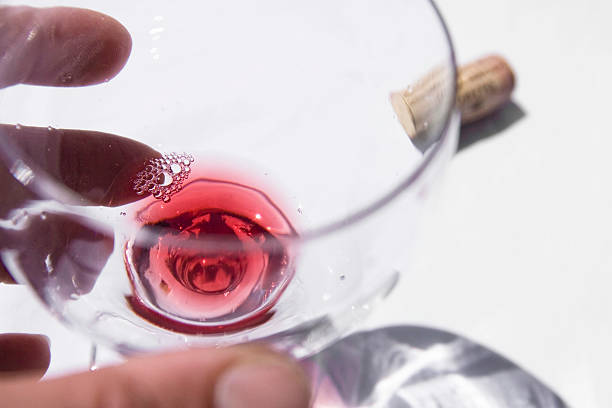
Aerating red wine introduces oxygen, which plays a crucial role in softening harsh tannins found in young or full-bodied varieties like Cabernet Sauvignon or Syrah. Tannins are natural compounds from grape skins and seeds that can create a drying, astringent sensation on the palate.
When wine is exposed to air, oxygen interacts with these tannin molecules, causing them to polymerize and become smoother over time. This process mimics the effect of long-term aging, making the wine feel more rounded and pleasant to drink. Decanting or swirling your glass allows this transformation to happen faster.
Bold, structured reds benefit most from aeration, as it reduces bitterness and integrates the tannic structure with the fruit and acidity. Without aeration, these wines may taste closed or overly aggressive. For optimal results, let the wine breathe for 20–60 minutes depending on its age and body.
Enhancing Aroma and Bouquet
One of the most immediate effects of aerating wine is the unleashing of its aromatic complexity. When sealed in a bottle, volatile compounds responsible for scent are trapped or muted. Exposure to oxygen helps release these aromatic esters and terpenes, allowing the wine’s true bouquet to emerge.
You may notice deeper fruit notes, floral hints, earthy undertones, or spicy nuances that were previously hidden. Swirling the wine in a glass or using a decanter accelerates this process by increasing surface area contact with air. Young wines especially benefit, as they often start tight and closed.
Aeration helps open them up, revealing layers of fragrance that enhance the overall tasting experience. This olfactory enhancement directly influences flavor perception, since much of what we taste is influenced by smell. For maximum impact, use a wide-bottomed decanter to maximize air exposure.
Improving Smoothness and Balance
Aeration helps achieve a more harmonious and integrated flavor profile by allowing the components of wine—alcohol, acid, tannin, and fruit—to meld together. When first opened, some wines can taste disjointed or sharp, with alcohol seeming too prominent or flavors feeling flat.
Oxygen exposure encourages chemical reactions that soften the edges and improve mouthfeel, resulting in a smoother, more cohesive sip. This is especially noticeable in bold reds and certain oaked whites like Chardonnay. As volatile compounds dissipate and flavors open up, the wine gains better balance and depth.
The result is a more enjoyable drinking experience that reflects the winemaker’s intended expression. For best results, aerate before serving and taste periodically to determine peak readiness. Over-aeration can diminish freshness, so monitor delicate wines closely.
Types of Wines That Benefit from Aeration

Young Red Wines That Need Air
Young red wines, especially those high in tannins like Cabernet Sauvignon, Syrah, and Malbec, benefit significantly from aeration because exposure to oxygen helps soften their harsh, astringent structure. When these wines are first opened, they often present tight, closed aromas and an aggressive mouthfeel due to concentrated tannins.
Aeration opens up the wine, allowing volatile compounds to evaporate and enabling the wine to express its full range of flavors and aromas—such as dark fruit, spice, and earthy notes. This process also helps integrate the tannins, resulting in a smoother, more balanced drinking experience.
For best results, decant young reds for 30 minutes to two hours before serving. Using a wine aerator during pouring can accelerate this process. Bold, structured reds respond best to aeration, transforming from brooding and intense to approachable and expressive, making it a simple yet powerful step to enhance enjoyment.
Aging Reds vs. Mature Reds
Understanding the difference between aging reds and mature reds is key to knowing when aeration helps or harms. Young, aging reds—those built for long-term cellaring—often have high tannin and acidity, making them ideal candidates for aeration, which accelerates their evolution and improves drinkability.
In contrast, mature reds, already softened by years of bottle aging, can be fragile. Excessive aeration may cause them to lose their nuanced aromas and delicate balance, leading to a flat or oxidized taste. For mature wines, gentle decanting to remove sediment is often sufficient, with minimal exposure to air.
If you do aerate an older wine, do so cautiously and taste frequently. Bold vintage wines like aged Bordeaux or Barolo may still benefit from brief aeration to reawaken dormant flavors, but the window is narrow. Knowing your wine’s stage of life ensures aeration enhances rather than diminishes the experience.
When White and Rosé Wines Can Benefit
While red wines are the usual focus for aeration, certain white and rosé wines also benefit from brief exposure to air. Full-bodied, oak-aged whites like white Burgundy, oaked Chardonnay, or aged white Rioja can seem tight or closed when first opened.
Aeration helps release their complex aromas—such as vanilla, toast, citrus, and stone fruit—and softens any sharp acidity. Similarly, some aromatic whites like aged Riesling or complex Viognier may open up beautifully with a short aeration.
Rosé wines generally require less aeration, but fuller-bodied styles—like those from Provence or Tavel—can gain depth and fragrance with a quick decant.
However, light, crisp whites and rosés meant to be fresh and zesty (e.g., Pinot Grigio or young Beaujolais Rosé) usually don’t need aeration and may lose their vibrant character. Use restraint—10 to 15 minutes is often enough for whites and rosés to shine.
Best Ways to Aerate Wine
Using a Wine Decanter
A wine decanter is one of the most effective and traditional methods for aerating wine, especially for full-bodied reds like Cabernet Sauvignon or Syrah. When wine is poured into a decanter, it spreads out across the wide base, exposing a larger surface area to oxygen.
This process, known as oxidation, helps soften harsh tannins and allows the wine’s aromas and flavors to open up. For younger, tightly wound wines, decanting for 30 minutes to two hours can significantly improve drinkability.
Older vintage wines also benefit, but require gentler handling to preserve delicate notes while removing sediment. To maximize aeration, choose a decanter with a broad bottom and pour the wine steadily down the sides. Avoid over-decanting delicate wines, as excessive air exposure may cause them to fade.
Decanting not only enhances taste but also adds an elegant touch to wine service, making it ideal for dinner parties or special occasions.
Handheld Aeration Tools
Handheld wine aerators offer a fast, convenient way to aerate wine directly as you pour, making them ideal for casual settings or when you’re short on time.
These compact devices fit over the bottle’s mouth or into the glass and introduce air into the wine stream, mimicking the effects of decanting in seconds. They are especially useful for tannic reds like Malbec or Nebbiolo, helping to smooth out bitterness and enhance fruit expression.
Simply attach the aerator, pour, and enjoy—no waiting required. Many models are affordable and easy to clean, making them a practical addition to any wine lover’s toolkit. While they don’t replicate the full evolution that long decanting provides, they deliver noticeable improvement in aroma and mouthfeel.
For those who want instant results without sacrificing quality, a handheld aerator is a smart, efficient solution that brings out the best in both young and mid-aged wines.
Pouring Techniques for Aeration
You don’t always need special tools to aerate wine—simple pouring techniques can significantly enhance its flavor and aroma. One effective method is the ‘double pour’ or ‘splash decant,’ where wine is poured vigorously from the bottle into a glass or carafe, creating turbulence that introduces oxygen.
Pouring wine from one container to another several times—known as ‘double decanting’—also increases air exposure and helps loosen up tight, tannic wines quickly. Swirling the wine in your glass is another easy way to aerate small amounts, releasing volatile compounds and amplifying bouquet and complexity.
Using a wide-mouthed glass further enhances this effect. These techniques are especially helpful when serving young reds that need softening. While not as controlled as decanting, intentional pouring methods are accessible and effective, allowing anyone to improve their wine experience with minimal effort and no extra equipment.
How Long to Aerate Different Wines
Timing for Full-Bodied Reds
Full-bodied red wines like Cabernet Sauvignon, Syrah, and Malbec benefit significantly from aeration due to their high tannin content and concentrated flavors. Aerating wine opens up its bouquet, softening harsh tannins and allowing complex aromas of dark fruit, spice, and earth to emerge.
For these robust wines, 20 to 30 minutes of aeration is typically ideal when using a decanter or aerator. If the wine is particularly young or tightly wound, letting it breathe for up to an hour can further enhance its profile.
Extended exposure beyond 90 minutes, however, risks flattening the wine’s character. To optimize results, pour the wine gently into a wide-bottomed decanter to maximize surface area. This process not only accelerates aeration but also helps separate any sediment in older vintages, ensuring a smoother, more enjoyable tasting experience.
Light Reds and Medium-Bodied Wines
Lighter reds such as Pinot Noir, Gamay, and medium-bodied blends like Merlot or Sangiovese require a more delicate approach to aeration. These wines have lower tannin levels and more subtle aromatic profiles, so excessive oxygen exposure can quickly diminish their freshness and fruit expression.
Aeration for 15 to 25 minutes is usually sufficient to enhance their natural brightness and bring out nuanced notes of red berries, floral tones, and earth. Using a decanter or swirling the wine gently in the glass can provide adequate oxygen contact without overdoing it.
Avoid prolonged decanting, as these wines are more fragile and can lose vibrancy within an hour. The goal is to awaken the wine’s character, not alter it. For immediate enjoyment, simply pouring into a glass and allowing a brief rest is often enough to achieve a balanced, expressive sip.
Avoiding Over-Aeration
While aeration enhances many wines, over-aeration can lead to oxidation, diminishing a wine’s aroma, flavor, and structure. Delicate wines—especially older vintages, light whites, and aromatic varieties like Riesling or rosé—are particularly vulnerable. Exposure beyond 1–2 hours can cause fruit notes to fade and introduce flat, dull characteristics.
Even robust reds can suffer if left open too long. To prevent this, monitor the wine’s evolution: taste periodically after initial aeration to determine peak expression. Use a stopper and refrigerate any leftover wine to slow oxidation.
Understanding that not all wines need extended aeration is key—some are best enjoyed fresh. When in doubt, start with a shorter aeration window and adjust based on the wine’s response. The goal is preserving balance and vibrancy, ensuring every glass delivers the winemaker’s intended experience.
Common Myths About Wine Aeration
All Wines Need Aeration
Not all wines benefit from aeration—this is a common misconception. While bold reds like Cabernet Sauvignon or Syrah often improve with exposure to air, lighter reds, whites, and sparkling wines can lose their delicate aromas and effervescence when over-aerated.
Aeration helps soften tannins and release aromatic compounds, but fragile wines may become flat or overly acidic. Young, tannic reds are the best candidates because oxygen helps them open up and express more complex flavors.
In contrast, older wines can be more fragile; too much aeration might cause them to fade quickly. The key is understanding each wine’s profile—tasting a small amount before decanting can guide your decision. For most everyday wines, simply swirling in the glass provides enough aeration.
Use aeration selectively to enhance, not alter, the wine’s natural character.
Aeration Makes Cheap Wine Taste Expensive
While aeration can improve the aroma and smoothness of some wines, it won’t transform a low-quality wine into a premium one. Aeration helps volatile compounds evaporate and allows oxygen to interact with the wine, which can reduce harshness and enhance fruit expression.
However, if a wine has structural flaws—like unbalanced acidity, poor fruit concentration, or off-flavors—aeration won’t fix these issues. It may slightly soften a rough edge, but it can’t add complexity or depth that wasn’t there originally. Think of aeration as a refinement tool, not a magic fix.
High-quality wines often benefit more because they have more nuanced layers to unfold. For budget wines, aeration might make them more approachable, but expectations should remain realistic. Better storage and proper serving temperature often have a bigger impact on perceived quality than aeration alone.
Decanting Is Only for Old Wines
Decanting serves two main purposes: removing sediment from aged wines and aerating younger, robust wines—so it’s not just for vintage bottles. Older wines, especially those over 10–15 years, can develop sediment and benefit from careful decanting to separate solids and gently revive faded aromas.
However, young, full-bodied reds often need more aeration to soften aggressive tannins and unlock their full flavor potential. Wines like young Nebbiolo or Petite Sirah can seem closed or harsh when first opened, but decanting for 30–60 minutes can make them more enjoyable.
The key is matching the decanting time to the wine’s age and structure. Even some white wines, like aged white Burgundy, benefit from decanting. Don’t limit decanting to special old bottles—it’s a practical tool for improving many types of wine.
Tips for Airing Wine at Home
Choosing the Right Decanter
Selecting the right decanter is crucial for effective aeration and enhancing your wine’s flavor profile. A decanter with a wide base and broad surface area allows maximum exposure to air, which helps soften tannins and release the wine’s aromatic compounds.
For younger, full-bodied reds like Cabernet Sauvignon or Syrah, choose a large decanter to encourage rapid oxidation. Delicate or older wines benefit from a narrower decanter to prevent overexposure. Glass clarity and ease of pouring are also important—opt for lead-free crystal for durability and brilliance.
Pour slowly and steadily to avoid disturbing any sediment in aged bottles. Some modern decanters include built-in aerating devices that speed up the process.
Ultimately, the right decanter not only improves taste but also elevates the presentation, making it a worthwhile investment for regular wine drinkers who appreciate balanced, expressive wines.
Serving Temperature After Aeration
After aeration, maintaining the ideal serving temperature ensures the wine expresses its best characteristics. Aerating red wines can slightly raise their temperature, so serve them between 60–68°F (15–20°C) to preserve structure and aroma. If the wine becomes too warm, its alcohol may dominate the palate.
Conversely, overly chilled wine can mute the very flavors aeration worked to unlock. For white wines that benefit from aeration—such as full-bodied Chardonnays—serve between 50–55°F (10–13°C). Use a wine thermometer for precision, and if needed, briefly chill aerated wine in an ice bucket.
Avoid refrigerating after decanting, as it may dull aromas. The goal is to strike a balance: enhanced complexity from aeration paired with optimal temperature for a harmonious, enjoyable tasting experience.
Pairing Aerated Wines with Food
Aerated wines open up new dimensions in food and wine pairing, making meals more dynamic and flavorful. When tannins are softened and aromas are amplified through aeration, red wines like Malbec or Nebbiolo pair exceptionally well with rich, savory dishes such as grilled steak, lamb, or aged cheeses.
The enhanced bouquet and smoother finish complement bold flavors without overwhelming them. Even some white wines, like oaked Chardonnay, benefit from brief aeration and pair beautifully with roasted poultry or creamy pastas. Consider the intensity of both the aerated wine and the dish—balance is key.
Avoid delicate foods with heavily aerated robust wines, as they may overpower the meal. Thoughtful pairing after aeration transforms dining into a sensory experience, where harmony between food and wine elevates every bite and sip.
Frequently Asked Questions
What is wine aeration?
Wine aeration is the process of exposing wine to air to enhance its flavors and aromas. This interaction helps volatile compounds evaporate and allows the wine to ‘breathe,’ often resulting in a smoother, more expressive profile.
Why should I aerate wine?
Aerating wine softens tannins in red wines and helps release trapped aromas and flavors. This can make the wine taste more balanced and complex, especially in young or full-bodied varieties.
How does aeration affect different types of wine?
Red wines, especially bold ones like Cabernet Sauvignon, benefit most from aeration due to their high tannin content. White and rosé wines generally need less aeration, though some full-bodied whites like Chardonnay can also improve slightly.
How long should I aerate wine?
Most wines benefit from 15 to 30 minutes of aeration. Very young or tannic wines may need up to an hour, while older vintage wines might fade quickly and should be decanted carefully with minimal aeration.
Can I over-aerate wine?
Yes, over-aerating can cause wine to lose its freshness and fruit character, especially in older or delicate wines. Excessive exposure to air may lead to oxidation, flattening the wine’s flavor.
What are common methods to aerate wine?
You can aerate wine by decanting it into a separate vessel, swirling it in the glass, or using a wine aerator device. Each method increases surface area exposure to air, speeding up the aeration process.
Conclusion
Aerating wine enhances its flavor and aroma by allowing it to interact with oxygen, softening tannins and releasing subtle notes. This process is especially beneficial for bold reds but can also improve certain whites. Whether using a decanter or simply swirling your glass, aeration makes wine more enjoyable. Try it yourself—you might be surprised by the difference a little air can make. Cheers to discovering richer, more vibrant wines!