Red Wine Types For Beginners
Starting your red wine journey? Don’t worry—choosing the right type doesn’t have to be overwhelming. From smooth and fruity to bold and rich, we’ll break down the most beginner-friendly red wines, like Pinot Noir, Merlot, and Cabernet Sauvignon, in simple terms. You’ll discover what each tastes like, which foods they pair with, and why they’re perfect for new wine lovers. By the end, you’ll feel confident picking a bottle you’ll actually enjoy. Let’s uncork the basics together.
What Is Red Wine and How It’s Made
How Red Wine Differs from White Wine
Red and white wines differ primarily in grape variety, skin contact, and tannin levels. Red wine is made from dark-colored grapes, and the juice ferments with the skins, which imparts color, tannins, and complex flavors.
White wine, even when made from dark grapes, typically separates the juice from the skins immediately, resulting in a lighter hue and crisper profile. Tannins, found in grape skins and seeds, give red wine its structure and aging potential, creating that dry sensation in your mouth.
For beginners, this means red wines often taste bolder and more robust, with notes of berries, spice, or earth, while whites tend to be lighter and more refreshing.
Understanding this contrast helps new wine drinkers choose based on preference—opt for red if you enjoy depth and complexity, or white for bright, zesty flavors. Start with lighter reds like Pinot Noir to ease into the category.
The Winemaking Process Step by Step
Making red wine involves several key stages: harvesting, crushing, fermentation, pressing, aging, and bottling. Harvest timing is crucial—grapes are picked when sugar, acid, and flavor are balanced. After crushing, the juice, skins, seeds, and sometimes stems go into fermentation tanks.
Fermentation lasts 5–14 days, during which yeast converts sugar into alcohol and extracts color and tannins from the skins. Once complete, the wine is pressed to separate liquid from solids. Then, it’s aged—often in stainless steel or oak barrels—to develop complexity. Oak aging can add vanilla, spice, or smoky notes.
Finally, the wine is clarified, stabilized, and bottled. For beginners, understanding this process demystifies why reds vary in taste and body. Simpler, fruit-forward reds like Gamay or Beaujolais are made with minimal oak and shorter aging, making them easy-drinking and approachable entry points.
What Gives Red Wine Its Color and Taste
The color and flavor of red wine come mainly from grape skins during fermentation. Anthocyanins—natural pigments in the skins—leach into the juice, creating hues from ruby to deep purple. Longer skin contact means darker color and more tannins, contributing to structure and aging potential.
Flavor compounds develop from both the grape variety and winemaking choices. For example, cool-climate grapes like Pinot Noir yield lighter-bodied wines with red fruit notes like cherry and raspberry, while warm-climate grapes like Syrah produce bold wines with dark fruit, pepper, and spice.
Yeast strains, fermentation temperature, and oak aging further shape the profile—vanilla, toast, or chocolate notes often come from barrels. Beginners should explore wines with moderate tannins and balanced acidity, such as Merlot or Grenache, which are smooth and fruit-driven. These characteristics make them ideal starting points for developing your palate.
Most Popular Red Wine Types for Beginners
Pinot Noir: Light and Fruity
Pinot Noir is an excellent starting point for beginners due to its light body, low tannins, and bright acidity. This red wine typically features flavors of red berries like cherry, raspberry, and strawberry, often with subtle earthy or floral notes.
Its smooth texture and refreshing finish make it easy to enjoy without overwhelming the palate. Pinot Noir pairs well with a wide range of foods, including roasted chicken, salmon, and mushroom dishes, enhancing its versatility. Look for bottles from Oregon, California, or New Zealand for consistent, approachable styles.
Because it’s not too heavy or bitter, Pinot Noir helps new wine drinkers develop their taste preferences while enjoying a sophisticated yet accessible wine.
Merlot: Smooth and Easy to Drink
Merlot is widely recommended for beginners because of its soft, velvety texture and approachable flavor profile. With lower tannins and moderate acidity, it delivers a smooth drinking experience, often showcasing flavors of plum, black cherry, and chocolate with a hint of herbs.
Unlike bolder reds, Merlot rarely feels harsh or astringent, making it ideal for casual sipping or pairing with everyday meals like pasta, burgers, or grilled vegetables. Its balanced nature helps newcomers appreciate red wine without the intensity found in other varieties.
Look for bottles from Washington State, Chile, or southern France for excellent value and consistency. Merlot’s user-friendly character makes it a reliable go-to for those just starting their wine journey.
Cabernet Sauvignon: Bold but Balanced
Cabernet Sauvignon offers a rich, full-bodied experience that’s still approachable for beginners willing to explore deeper flavors. Known for its structured tannins and complex profile, it often presents notes of blackcurrant, cedar, vanilla, and spice, especially when aged in oak.
While bolder than Pinot Noir or Merlot, many entry-level Cabernets are crafted to be balanced and smooth, avoiding excessive astringency. This wine pairs exceptionally well with steak, lamb, or aged cheeses, making it a favorite for hearty meals.
Regions like California’s Napa Valley, Australia, and Chile produce beginner-friendly versions with ripe fruit and soft edges. Starting with a well-made, moderately priced Cabernet allows new drinkers to appreciate depth and aging potential without feeling overwhelmed.
Shiraz (Syrah): Spicy and Full-Bodied
Shiraz, known as Syrah in many regions, delivers a bold, expressive profile that can still suit beginners who enjoy intense flavors. It typically offers jammy dark fruit notes like blackberry and blueberry, layered with pepper, smoke, and spice—thanks to its natural characteristics and oak aging.
While full-bodied, well-crafted Shiraz balances its richness with moderate acidity and rounded tannins, making it more drinkable than it might first appear. It shines alongside barbecued meats, stews, or spicy dishes, enhancing its appeal for food lovers.
Try bottles from Australia’s Barossa Valley or South Africa for ripe, fruit-forward styles that ease newcomers into bolder reds. Shiraz helps beginners explore complexity and warmth in wine while enjoying a robust, satisfying taste.
How to Choose a Red Wine Based on Taste
Sweet vs. Dry Red Wines Explained
Understanding the difference between sweet and dry red wines is essential for beginners. Sweet wines contain more residual sugar, offering fruit-forward flavors like cherry, raspberry, or plum, and are often smoother and more approachable.
Dry wines, on the other hand, have little to no residual sugar and may taste more bitter or astringent due to higher tannins. For new wine drinkers, starting with a slightly sweet red can ease the transition.
Look for labels indicating ‘off-dry’ or wines known for sweetness, such as Lambrusco or White Zinfandel (a light red). Reading tasting notes on the bottle or asking for ‘fruitier, less dry’ options at wine shops can help you find a style that matches your palate.
Finding the Right Body: Light, Medium, or Full
Wine ‘body’ refers to how heavy or light a wine feels in your mouth, similar to skim vs. whole milk. For beginners, light to medium-bodied reds are often more enjoyable because they’re less intense and easier to drink.
Light-bodied wines like Pinot Noir are delicate with bright acidity and red fruit flavors. Medium-bodied options such as Grenache or Merlot offer a balance of flavor and smoothness. Full-bodied wines like Cabernet Sauvignon are richer and more tannic, which can be overwhelming at first.
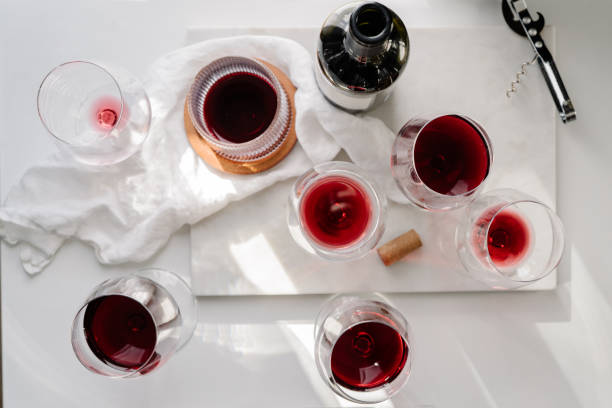
Start with lighter styles to discover your preference, then gradually explore fuller options. Tasting several styles side by side can help you identify what feels most comfortable and enjoyable.
Low Tannin Wines for New Drinkers
Tannins are natural compounds in red wine that create a dry, puckering sensation in your mouth, often compared to strong tea. For beginners, high tannins can be harsh, so choosing low-tannin wines makes for a more pleasant first experience.
Wines like Pinot Noir, Gamay (used in Beaujolais), and Dolcetto are naturally lower in tannins and offer smooth, fruity profiles. These wines are easy to drink and pair well with a variety of foods. Avoid heavily oaked or bold reds initially, as oak can increase perceived tannin levels.
Opt for bottles labeled ‘soft’ or ‘smooth,’ and consider younger wines, which tend to be less tannic than aged varieties. This approach helps build confidence and enjoyment.
Best Red Wines for Those Who Like Sweet Flavors
If you have a sweet tooth, you don’t need to stick to dessert wines—several reds offer fruity, slightly sweet profiles perfect for beginners. White Zinfandel, though light in color, is a sweet red-based wine with flavors of strawberry and watermelon.
Lambrusco is a lightly sparkling red from Italy with berry notes and a touch of sweetness. Brachetto d’Acqui is another fruity, aromatic option with notes of strawberry and rose. Even some Merlots or red blends labeled as ‘smooth’ or ‘richly fruity’ can satisfy sweet preferences without being cloying.
Look for wines from warmer climates, as they tend to be riper and sweeter in style. Always check reviews or ask for ‘fruit-forward, easy-drinking’ picks at the store.
Red Wine and Food Pairing Tips
Pairing Light Reds with Chicken and Fish
Light red wines like Pinot Noir and Gamay are excellent choices for beginners because of their smooth texture and low tannins. These wines pair beautifully with lighter dishes such as roasted chicken, grilled salmon, or herb-marinated white fish. The key is to avoid heavy sauces that can overpower the wine.
Chill light reds slightly (around 55°F) to enhance their bright berry and floral notes, making them more refreshing. Their versatility makes them ideal for weeknight meals and casual gatherings. Beginners should start with a California Pinot Noir or Beaujolais for approachable flavors.
These wines offer a gentle introduction to reds without overwhelming the palate, helping build confidence in pairing and tasting.
Matching Medium Reds with Pasta and Pizza
Medium-bodied reds such as Merlot, Sangiovese, and Tempranillo strike a perfect balance for beginners exploring heartier dishes. They complement tomato-based pasta sauces, mushroom risotto, and classic pepperoni pizza without dominating the flavors.
Merlot’s soft plum and chocolate notes pair well with creamy pastas, while Sangiovese’s acidity cuts through rich, tangy tomato sauces. These wines have moderate tannins, making them easy to drink and food-friendly. Serve at slightly below room temperature (around 60–65°F) for optimal taste.
Beginners should look for bottles labeled “everyday” or “table wine” for affordable, consistent quality. This category helps new wine drinkers understand how acidity and body influence food harmony, building a foundation for more complex pairings.
Full-Bodied Reds with Steak and Grilled Meats
Bold reds like Cabernet Sauvignon, Syrah, and Malbec are ideal for pairing with rich, fatty foods such as ribeye steak, lamb chops, or grilled sausages. Their high tannins and intense flavors of dark fruit, spice, and smoke complement the char and fat in grilled meats, creating a balanced mouthfeel.
Beginners should start with a fruit-forward Malbec from Argentina or a moderately oaked Cabernet to avoid excessive bitterness. Decanting these wines for 20–30 minutes softens tannins and enhances aroma. Avoid pairing them with delicate dishes, as they can easily overpower lighter flavors.
These wines are best enjoyed with bold seasonings and slow-cooked or flame-grilled meats, offering a satisfying introduction to powerful red profiles in a food-friendly context.
Simple Pairing Rules for Beginners
Start your red wine journey with these three easy rules: match the wine’s body to the weight of your food, balance bold flavors with bold wines, and when in doubt, choose low-tannin reds for easier drinking.
Light dishes = light reds (like Pinot Noir), hearty meals = full-bodied reds (like Cabernet). Acidity cuts through fat, so wines with bright acidity work well with rich foods. Don’t fear sweetness—off-dry reds like Lambrusco can surprise and delight with spicy or salty snacks.
Taste as you go: sip the wine before and after a bite to notice how flavors interact. Keep a tasting journal or use a wine app to track favorites. Most importantly, trust your palate—there are no strict mistakes, only discoveries. These rules build confidence and make pairing fun and intuitive.
How to Read a Red Wine Label
Key Information on Wine Bottles
When starting with red wine, focus on reading the label for essential details like grape variety, region, and alcohol content. The grape variety (such as Merlot, Pinot Noir, or Cabernet Sauvignon) tells you the type of wine inside and its likely flavor profile.
Region indicates where the grapes were grown, influencing taste due to climate and soil. Look for producer or brand names to identify reputable wineries. The vintage year shows when grapes were harvested, which affects quality and flavor.
Alcohol by volume (ABV) helps gauge body—lower ABV (12-13%) suggests lighter wines, while higher (14%+) indicates fuller, bolder styles. These bold key points help beginners make informed choices and find enjoyable, approachable wines.
Understanding Region and Varietal Labels
Red wine labels often highlight either the grape variety (varietal) or the region of origin, depending on the country. In the U.S. and Australia, labels typically list the grape type, making it easier for beginners to know what to expect—like smooth Merlot or fruity Pinot Noir.
In contrast, European wines, such as those from France or Italy, often emphasize region names like Bordeaux or Chianti, which imply specific grape blends and traditional styles. Learning common pairings—like Bordeaux = Cabernet Sauvignon + Merlot—helps decode these labels. For beginners, starting with varietal-labeled wines offers clarity and consistency.
Over time, understanding regional styles builds confidence in selecting more complex bottles based on terroir and tradition.
What Alcohol and Vintage Tell You
The alcohol content (ABV) and vintage year on a red wine label provide valuable clues about flavor and structure. Wines with lower alcohol (12-13.5%), like Pinot Noir or Beaujolais, tend to be lighter, more delicate, and easier to drink—ideal for beginners.
Higher alcohol (14%+) wines, such as Shiraz or Zinfandel, are bolder, richer, and more intense. The vintage indicates the harvest year; in cooler climates, good vintages mean riper grapes and better balance. For consistent quality, non-vintage (NV) wines blend multiple years.
Beginners should look for recent vintages from reliable regions and moderate alcohol levels to ensure approachable, enjoyable flavors without overwhelming tannins or heat from alcohol.
Tips for Buying Your First Bottle
When selecting your first red wine, start with beginner-friendly varieties like Merlot, Pinot Noir, or Garnacha—they’re typically smooth, fruity, and low in harsh tannins. Look for clear labeling that includes the grape type and region, and choose bottles with moderate alcohol (12.5–13.5%) for a balanced taste.
Don’t assume price equals quality—many excellent entry-level wines cost under $20. Read reviews or ask for recommendations at wine shops to find crowd-pleasers. Consider New World wines (from the U.S., Australia, Chile) for their fruit-forward, easy-drinking styles. Finally, serve slightly chilled (around 60°F) to enhance freshness.
These bold key points make your first wine-buying experience enjoyable and stress-free.
Serving and Storing Red Wine Correctly
Ideal Serving Temperature for Each Type
Serving red wine at the correct temperature enhances its flavor and aroma. Beginners should know that not all red wines are served at room temperature. Lighter reds like Pinot Noir taste best slightly chilled, around 55°F (13°C), which preserves their delicate fruit notes.
Medium-bodied wines such as Merlot and Zinfandel should be served at 60–65°F (15–18°C) to balance soft tannins and ripe fruit flavors. Full-bodied reds like Cabernet Sauvignon and Syrah thrive at 65–68°F (18–20°C), bringing out their rich, complex profiles.
Avoid serving too warm, which accentuates alcohol, or too cold, which dulls flavors. Use a refrigerator to cool if needed—15 minutes for light reds, 10 minutes for fuller types—for optimal enjoyment.
Do You Need to Decant Red Wine?
Decanting can improve the taste and experience of red wine, especially for beginners exploring bolder varieties. Young, tannic reds like Cabernet Sauvignon or Nebbiolo benefit from decanting as it softens tannins and allows the wine to ‘breathe,’ releasing more aromas.
Older vintage wines may need decanting to separate sediment from the liquid. Simply pour the wine slowly into a decanter and let it sit for 30 minutes to 2 hours, depending on body. Lighter reds like Pinot Noir usually don’t require decanting.
For beginners, decanting is optional but recommended for fuller reds—it’s an easy way to enhance flavor and impress guests with minimal effort.
Best Glass Types for Red Wine
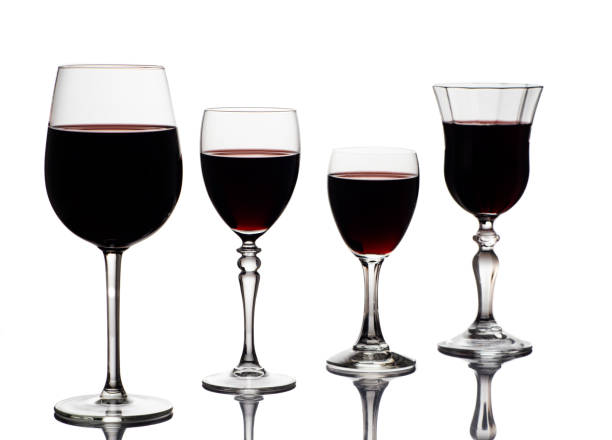
Using the right glass makes a noticeable difference in how red wine tastes. Glasses with larger bowls and wider openings allow red wines to aerate properly, enhancing their aromas.
For full-bodied reds like Cabernet Sauvignon, choose a tall glass with a broad bowl to direct wine to the back of the mouth. Bordeaux glasses work well for these. Lighter reds such as Pinot Noir benefit from a narrower, tapered Burgundy glass, which concentrates delicate aromas.
Ensure glasses are stemmed to avoid warming the wine with your hand. Crystal or thin glass enhances the sipping experience. Beginners should invest in a versatile, all-purpose red wine glass if starting out—clarity, shape, and rim thickness matter more than price.
How to Store Open and Unopened Bottles
Proper storage preserves red wine quality. Unopened bottles should be stored horizontally in a cool, dark place at around 55°F (13°C) with moderate humidity to keep corks moist and prevent oxidation. Avoid temperature fluctuations and sunlight.
For opened bottles, reseal with a cork or stopper and store in the refrigerator—yes, even reds! Cooler temperatures slow oxidation. Most opened reds last 3–5 days when stored this way. Lighter reds like Beaujolais may fade faster, while high-tannin wines like Malbec or Syrah hold up longer.
Consider using a wine preservation system with inert gas for extended freshness. Proper storage ensures every glass tastes as intended, making it easier for beginners to explore and enjoy different red wine types.
Common Mistakes Beginners Make with Red Wine
Serving Red Wine Too Warm
One of the most common mistakes beginners make is serving red wine at room temperature, which is often too warm. Ideal serving temperature for most red wines is between 60–65°F (15–18°C), cooler than typical room temperature. When served too warm, alcohol becomes overpowering and flavors lose balance.
To fix this, chill your red wine in the refrigerator for about 15–20 minutes before serving. Lighter reds like Pinot Noir benefit from the cooler end of the range, while fuller-bodied wines like Cabernet Sauvignon do well slightly warmer. Using a wine thermometer helps ensure precision.
Proper temperature enhances aroma and taste, making the experience more enjoyable and revealing the wine’s true character.
Choosing Only Based on Price
Beginners often assume that higher price means better quality, but this isn’t always true—especially when exploring red wine types for beginners. Affordable wines like Merlot, Gamay, and Tempranillo can be delicious and approachable without breaking the bank.
Instead of focusing on price, look for wines from reputable regions like Chile, Spain, or southern Italy, where quality-to-price ratios are high. Reading reviews or asking for recommendations at local wine shops can guide better choices. Remember, palate preference matters more than price tag.
Experimenting with mid-range bottles allows you to discover your taste without overspending. The goal is enjoyment, not impressing others, so prioritize flavor and balance over cost.
Avoiding All Dry Wines
Many beginners shy away from dry red wines, fearing they’ll be too harsh or bitter, but dry doesn’t mean unpleasant—it simply means low in residual sugar. In fact, most popular red wines like Cabernet Sauvignon, Merlot, and Pinot Noir are dry and offer rich, complex flavors.
The key is choosing well-balanced bottles with smooth tannins and bright acidity. Start with fruit-forward dry wines, which are more approachable. For example, a ripe, medium-bodied Zinfandel or a soft Grenache can ease the transition. Tasting small amounts helps train your palate to appreciate the nuances of dry wines.
Over time, you’ll likely prefer their depth and versatility, especially with food, over overly sweet alternatives.
Overcomplicating Pairings and Tasting
New wine drinkers often feel pressured to master complex pairings or tasting rituals, but simplicity is key when starting out. You don’t need gourmet meals or a wine journal to enjoy red wine. Begin with easy matches—grilled meats with Cabernet, mushroom dishes with Pinot Noir, or tomato-based pasta with Chianti.
Focus on how the wine feels in your mouth: Is it light or full-bodied? Smooth or tannic? Let your preferences guide you. Casual tasting with friends, using plain language, builds confidence faster than memorizing terms. The best pairing is one you enjoy—not one dictated by rules.
As your experience grows, you’ll naturally develop intuition for combinations that work for your palate.
Frequently Asked Questions
What are the most beginner-friendly red wine types?
Pinot Noir, Merlot, and Gamay are among the most beginner-friendly red wines. They typically have lighter bodies, lower tannins, and fruity flavors that are easy to enjoy for those new to red wine.
What should I look for when choosing a red wine as a beginner?
Beginners should look for red wines labeled as ‘light-bodied’ or ‘fruity’ with low tannins. Wines from regions like Beaujolais (Gamay) or California (Merlot) often offer approachable flavors and smooth finishes.
Is Cabernet Sauvignon good for beginners?
Cabernet Sauvignon can be challenging for beginners due to its higher tannins and bold flavor. However, trying a well-aged or softer-style version may make it more enjoyable as you develop your palate.
How does Pinot Noir taste compared to other red wines?
Pinot Noir is light to medium-bodied with bright red fruit flavors like cherry and raspberry, and it has lower tannins. This makes it smoother and more approachable than bolder reds like Syrah or Malbec.
What is a good sweet red wine for beginners?
Lambrusco and some New World Zinfandels offer slightly sweet, fruity profiles that appeal to those who prefer less dry wines. These can be excellent entry points for beginners transitioning from sweet drinks.
Should beginners chill red wine?
Yes, slightly chilling light reds like Pinot Noir or Gamay to around 55°F (13°C) can enhance their freshness and make them more enjoyable. Avoid serving red wine too warm, as it can emphasize alcohol and bitterness.
How can I learn more about red wine as a beginner?
Start by tasting a variety of light and medium-bodied reds, take notes on flavors you enjoy, and talk to staff at wine shops. Many stores offer tasting events or samples specifically for beginners.
Conclusion
Exploring red wine types as a beginner can be both exciting and rewarding. Don’t hesitate to experiment and trust your palate—personal preference matters most. With each sip, you’ll build confidence and deepen your appreciation.
