What Wine Pairs With Halibut
Finding the perfect wine for halibowt doesn’t have to be a mystery. In this quick guide, we’ll match the delicate, flaky texture and mild flavor of halibut with wines that enhance every bite. Whether you’re grilling, baking, or serving it with a buttery sauce, we’ll recommend crisp whites, light reds, and even a sparkling option that complement the fish beautifully. Stick around, and you’ll have a confident, tasty pairing ready for your next dinner and impress your guests effortlessly tonight.
What is the ideal wine for halibut
Key flavor traits of halibut
Halibut offers a mild, slightly sweet flavor with a firm, flaky texture that holds up well to cooking methods like grilling, pan‑searing, or baking. Its low fat content means it doesn’t overwhelm the palate, allowing subtle seasonings—lemon, herbs, or a light butter sauce to shine.
The fish’s natural brininess provides a gentle oceanic note, while the flesh remains tender and not overly oily. Because the flavor is delicate, you want a wine that enhances without dominating.
Look for wines that bring bright acidity, gentle fruit, and a clean finish to complement the fish’s subtle sweetness and keep the overall dish balanced.
Pairing with a wine that has a crisp minerality can echo the sea‑salt character, while a hint of citrus can mirror any lemon garnish you might use. Avoid overly heavy, oak‑driven wines that could mask the fish’s nuance.
Instead, aim for a beverage that mirrors the lightness of halibut, creating a harmonious mouthfeel from the first sip to the last bite.
Why white wines are a common match
White wines dominate the halibut pairing landscape because their acidity and subtle fruit profile complement the fish’s gentle flavor without overwhelming it. Sauvignon Blanc, with its zesty lime and green‑herb notes, cuts through any buttery sauce while echoing the herbaceous seasoning often used with halibut.
Chardonnay—especially unoaked or lightly oaked versions—offers a creamy mouthfeel that mirrors a buttery glaze, yet retains enough crispness to keep the palate fresh. Pinot Grigio provides a light, mineral‑driven backbone that highlights the sea‑salt character of the fish, making each bite feel brighter.
The common thread among these whites is a bright, clean finish that lifts the delicate texture of halibut and enhances any citrus or herb garnish.
When selecting a bottle, prioritize wines with moderate alcohol (10‑13% ABV) and a lively acidity level; this balance ensures the wine supports the dish’s flavors rather than competing with them, resulting in a seamless dining experience.
When red wines can work
Red wines are rarely the first choice for halibut, but certain styles can succeed when the preparation includes richer components such as tomato‑based sauces, roasted vegetables, or a spice‑forward rub.
Pinot Noir—with its light body, soft tannins, and bright red‑fruit notes—offers enough acidity to cut through a lightly seasoned glaze while adding a subtle earthiness that complements grilled halibut.
Beaujolais (made from Gamay) provides a juicy, low‑tannin profile and a hint of pepper that pairs nicely with a mildly spiced crust. The key is to select reds that are low in tannin and high in acidity, avoiding heavy, oak‑laden varieties that would mask the fish’s delicate texture.
Serve the wine slightly chilled (around 55‑60°F) to enhance its freshness and to keep the palate from feeling overwhelmed. By matching the wine’s structure to the dish’s intensity, you can create a balanced pairing that showcases both the halibut and the red wine in harmony.
How to choose a wine based on halibut preparation
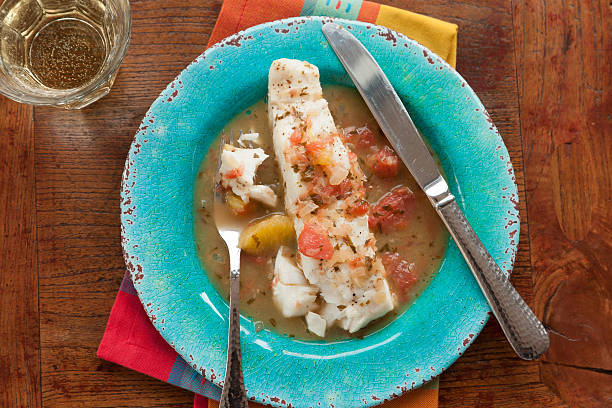
Grilled halibut and crisp whites
When the halibut is grilled over medium‑high heat, its mild flesh picks up a subtle char that calls for a wine with bright acidity and mineral notes.
Choose a Sauvignon Blanc from a cool climate such as New Zealand or the Loire Valley; its citrus zest and herbaceous edge will cut through the smoky grill marks while highlighting the fish’s sweetness.
If you prefer a slightly richer profile, opt for an Albariño from Rías Baixas, whose stone‑fruit aromas and saline finish echo the sea‑salted grill. Serve the wine chilled at 45‑50°F and pour a small splash of lemon‑infused olive oil over the fish just before plating to create a cohesive palate.
This pairing balances the char‑kissed texture with crisp, refreshing acidity, ensuring each bite feels lively and the wine remains a clean, supportive companion together.
Pan‑seared halibut with buttery sauces
Pan‑seared halibut develops a buttery crust that thrives with wines offering both richness and a touch of acidity.
Select a Chardonnay with moderate oak, such as one from Burgundy’s Mâcon‑Vincent or California’s Sonoma Coast; the creamy vanilla and ripe apple notes mirror the sauce while the subtle buttery texture reinforces the pan‑sear.
For those who enjoy a brighter profile, try a Viognier from the Rhône, whose aromatic stone‑fruit and hint of spice cut through the richness without overwhelming the delicate fish. Keep the wine at a slightly cooler temperature than typical reds—around 50‑55°F—to preserve its fruit intensity.
Finish the dish with a drizzle of browned butter and capers; the briny pop will echo the wine’s mineral edge, creating a harmonious balance that lets the halibut shine while the wine adds depth and elegance today.
Baked halibut with herbs and light reds
Baked halibut with herbs benefits from a wine that can complement the aromatic garden notes while staying light enough not to mask the fish’s subtle flavor.
Opt for a Pinot Noir from Oregon’s Willamette Valley or Burgundy’s Côte de Nuits; its soft tannins, red‑berry freshness, and earthy undertones echo rosemary, thyme, and lemon zest used in the bake.
If you prefer a truly delicate match, choose a Gamay such as a Beaujolais Villages, whose bright cherry acidity and low‑alcohol body keep the palate bright and let the herb‑infused sauce shine. Serve the wine slightly chilled, around 55‑60°F, to enhance its fruit vibrancy.
Pair the dish with a side of lightly sautéed greens drizzled with a lemon‑butter vinaigrette; the combined acidity and herbaceousness will mirror the wine’s subtle spice, delivering a cohesive, elegant dining experience tonight for you.
Tips for pairing acidity with halibut

Balancing citrus notes
Start by matching the bright, citrus‑forward flavors of the fish with a wine that mirrors those notes without overwhelming the delicate flesh.
A light‑bodied white such as a dry Riesling or a crisp Pinot Grigio offers lemon, lime, or grapefruit aromatics that echo a lemon‑butter sauce or a squeeze of fresh lime on the plate.
Choose a wine with moderate acidity—enough to cut through the buttery texture but soft enough to let the halibut’s sweet, flaky character shine. Look for a finish that lingers with subtle fruit rather than sharp tartness, and consider serving the wine slightly chilled (around 45‑50°F) to enhance its refreshing quality.
This balance creates a harmonious dialogue where the wine lifts the fish’s natural sweetness while the citrus accents reinforce the overall palate experience. Pairing this way also complements side dishes like asparagus or a light herb salad, ensuring every bite feels cohesive and vibrant.
Using high‑acid Sauvignon Blanc
High‑acid Sauvignon Blanc is a classic companion for halibut because its crisp green‑apple, gooseberry, and subtle herbaceous notes amplify the fish’s clean profile. Select a bottle from a cooler climate—such as the Loire Valley or New Zealand’s Marlborough region—where the acidity is razor‑sharp yet balanced by mineral undertones.
Serve the wine at 45°F to preserve its zing, and let its aromatic intensity interact with any citrus‑based marinades or a drizzle of vinaigrette on the plate. The wine’s acidity acts like a palate cleanser, cutting through the richness of a butter‑based sauce while highlighting the halibut’s natural sweetness.
When the dish includes herbs like dill, tarragon, or basil, the herbaceous edge of Sauvignon Blanc mirrors those flavors, creating a seamless integration that feels both refreshing and sophisticated. A well‑chilled glass also brings out the wine’s lively acidity, making each sip a bright counterpoint to the fish.
When to avoid overly acidic wines
While acidity can brighten halibut, an excessively sharp wine may dominate the subtle flavors and leave a harsh aftertaste. Avoid highly acidic styles such as overly tart Albariño or ultra‑crisp Chablis that present a mouth‑piercing sourness without sufficient fruit body.
These wines can mask the fish’s delicate sweetness and clash with buttery sauces, making the pairing feel disjointed. Instead, opt for wines where acidity is present but integrated—think of a balanced Pinot Gris or an oaked Chardonnay with a gentle lift.
If the preparation involves a rich, creamy sauce, a wine with softer acidity will complement rather than compete, allowing the sauce’s velvety texture to meld with the wine’s roundness. Recognizing this balance helps you choose a wine that enhances rather than overwhelms the halibut’s nuanced character.
A moderate temperature and a clean finish will keep the dish feeling light and elegant.
Best ways to pair aromatic whites with halibut
Chardonnay: oaked vs. unoaked
When serving halibut, choose a Chardonnay that complements the fish’s delicate texture. Unoaked Chardonnay offers crisp acidity, bright citrus, and subtle green apple notes that highlight the mild sweetness of the flesh without overwhelming it.
Pair this style with a simple lemon‑butter sauce or a herb‑infused olive oil drizzle to let the wine’s freshness shine.
Oaked Chardonnay, on the other hand, brings buttery richness, toasted vanilla, and a round mouthfeel that can stand up to richer preparations such as pan‑seared halibut with a creamy mushroom sauce. The subtle oak spice adds depth to the dish, while the wine’s fuller body balances the sauce’s fat.
In either case, serve the wine slightly chilled, around 50‑55°F, to maintain balance and ensure the pairing remains lively rather than cloying. Enjoy the synergy by tasting a sip before each bite, allowing the flavors to interact and enhance the dining experience.
Riesling: dry vs. off‑dry
Riesling’s natural acidity and aromatic profile make it a versatile partner for halibut, especially when the fish is prepared with Asian or mildly spicy elements. Dry Riesling delivers crisp green‑apple and citrus notes with a mineral backbone that cuts through soy‑based glazes or ginger‑lime marinades, keeping the palate refreshed.
Serve it slightly cooler than typical white wine, around 48‑52°F, to accentuate its zesty character. Off‑dry Riesling offers a touch of residual sugar, providing a subtle counterpoint to heat from mild chilies or a sweet‑and‑sour sauce.
The gentle sweetness softens the spice while the wine’s bright acidity prevents the dish from feeling heavy. For both styles, choose a Riesling from cooler climates such as the Mosel or Alsace, where the terroir contributes flinty nuances that echo the sea‑salted flavor of the halibut.
Pairing these wines with a side of sautéed bok choy or a light quinoa salad further enhances the harmonious balance.
Pinot Gris and its mineral edge
Pinot Gris offers a delicate balance of fruit and minerality that can elevate the subtle flavors of halibut without masking them. Light‑bodied Pinot Gris showcases bright pear, green apple, and a whisper of citrus, paired with a pronounced slate‑like minerality that mirrors the oceanic character of the fish.
This style works well with simple preparations such as grilled halibut brushed with olive oil and a squeeze of lemon, allowing the wine’s acidity to cleanse the palate between bites.
Fuller‑bodied Pinot Gris, often found in Alsace, brings richer stone‑fruit notes, a touch of honey, and a creamy texture that can stand up to richer sauces like a beurre blanc or a miso‑infused glaze. The wine’s mineral edge still provides freshness, preventing the dish from becoming overly heavy.
Serve the wine at 50‑54°F and consider a side of roasted fennel or a light herb‑vinaigrette salad to reinforce the mineral thread that runs through both the wine and the seafood.
How to match wine body to halibut texture
Light‑bodied wines for delicate fillets
Choose a light‑bodied white when the halibut is simply grilled or poached. Sauvignon Blanc offers crisp acidity that highlights the fish’s subtle sweetness without overwhelming it. Pinot Grigio provides a clean, mineral finish that mirrors the delicate texture of the fillet.
For a touch of herbaceous nuance, try an Albariño; its bright citrus notes complement lemon‑based dressings often used with halibut. Serve the wine chilled at 45‑50°F to keep the palate fresh.
When seasoning includes mild herbs like dill or parsley, the subtle fruit profile of these wines enhances the flavor balance, allowing the fish’s buttery mouthfeel to shine. Keep the glass size modest to preserve the wine’s delicate aromatics, and avoid oak‑heavy styles that could mask the fish’s natural elegance.
Pair the wine with a side of steamed asparagus or a light quinoa salad, and let the acidity cleanse the palate between bites, reinforcing the harmony between wine and fish.
Medium‑bodied options for richer sauces
When halibut is served with richer sauces—such as a buttery beurre blanc, a creamy mushroom ragù, or a miso‑infused glaze—a medium‑bodied white can bridge the texture gap.
Chardonnay aged in neutral oak delivers a rounded mouthfeel that mirrors the sauce’s silkiness while its subtle vanilla notes add depth without dominating the fish. Viognier offers aromatic stone‑fruit flavors that complement sweet‑spicy elements often found in Asian‑style preparations.
Keep the wine slightly cooler than room temperature, around 50‑55°F, to preserve freshness. White Rhône blends combine Grenache Blanc and Roussanne, providing a balanced acidity that cuts through buttery richness and highlights the halibut’s firm bite.
Serve the wine in a larger bowl‑shaped glass to allow the aromatics to open, and consider a brief decant to let any residual tannins soften. This approach ensures the wine’s body supports the dish rather than competing with it.
Avoiding overly heavy reds
Heavy red wines can overwhelm the subtle flavor and flaky texture of halibut, so it’s best to steer clear of full‑bodied Cabernet Sauvignon, Syrah, or Malbec when planning a pairing.
Tannins in these wines bind to the fish’s proteins, creating a metallic aftertaste that masks the natural sweetness of the sea. Even a moderately aged Merlot may introduce jammy notes that clash with delicate citrus or herb sauces commonly served with halibut.
Instead, opt for a light‑bodied rosé or a crisp white, which preserve the fish’s clean finish.
If you must include a red, choose a Pinot Noir from a cooler climate; its low tannin structure and bright red‑fruit acidity can complement a grilled halibut with a tomato‑based salsa without dominating the palate.
Remember to serve reds slightly chilled, around 55°F, to soften the perception of weight and keep the pairing harmonious.
Tips for serving temperature and glassware
Optimal serving temperature for whites
To showcase the delicate flavors of a white wine that complements halibut, aim for a serving temperature between 45°F and 50°F (7°C‑10°C). Cooler temperatures preserve the wine’s crisp acidity and subtle fruit, which enhance the mild, flaky texture of the fish.
Chill the bottle in the refrigerator for about two hours, or use an ice bucket with a 1:1 ice‑water mix for a quicker drop.
If the wine feels too cold, let it sit on the counter for five minutes before pouring; this slight warm‑up releases aromatic compounds that pair beautifully with citrus‑based sauces or herb‑infused butter on halibut.
Avoid serving overly chilled whites, as they can mute the nuanced minerality of varieties like Sauvignon Blanc or unoaked Chardonnay that are ideal companions for this seafood dish. Serving at the right temperature also ensures the wine’s acidity balances the buttery richness of the fish without overwhelming it.
Choosing the right glass shape
Choosing a glass that directs aromas toward the nose can elevate the pairing of halibut with a crisp white wine. A tulip‑shaped white‑wine glass, with a slightly narrower rim and a broader bowl, concentrates the citrus and mineral notes that complement the fish’s subtle sweetness.
Hold the glass by the stem to keep the bowl cool and prevent hand heat from altering the temperature. For fuller‑bodied options like oaked Chardonnay, a slightly larger, rounder bowl allows the wine’s buttery texture to unfold, matching the richness of a pan‑seared halibut preparation.
Avoid using red‑wine glasses, as their wide opening can dissipate the delicate aromatics needed to highlight the dish’s fresh herbs and lemon zest. A crystal glass with a thin rim enhances the tactile experience, letting you sip smoothly without distraction.
If you prefer a more casual setting, a well‑designed stemless white‑wine glass still works, provided the bowl is not overly wide; the key is to preserve the wine’s chilled temperature and focus its fragrant profile toward the palate, ensuring each bite of halibut is met with a harmonious burst of acidity and fruit.
Storing opened wine for the meal
Keeping an opened bottle of white wine at its optimal condition throughout a halibut dinner ensures the pairing remains lively from appetizer to dessert.
After the first pour, reseal the bottle with its original cork or a reusable wine stopper, then store it in the refrigerator; the cool environment slows oxidation and preserves the bright acidity that cuts through the fish’s buttery sauce.
Use a vacuum pump to gently remove excess air for longer meals, extending freshness up to five days. If you anticipate a longer tasting session, transfer the wine to a smaller, airtight container to reduce headspace.
Avoid leaving the bottle at room temperature for extended periods, as warmth accelerates flavor loss and can turn the delicate notes that complement halibut into flat, muted tones.
When you’re ready for the next course, retrieve the chilled bottle and give it a gentle swirl to re‑oxygenate the wine, reviving its aromatic intensity.
For larger gatherings, consider decanting the white into a carafe with a narrow neck; this limits exposure while allowing the wine to breathe just enough to showcase its citrus zest that pairs with the halibut’s lemon‑butter glaze.
Remember to monitor the temperature after each opening—if the wine warms above 55°F (13°C), place it back in the fridge for a few minutes before serving to maintain the crisp profile that enhances the fish’s natural sweetness.
What are common mistakes to avoid when pairing wine with halibut
Pairing sweet wines with savory fish
Sweet wines can seem attractive because their fruitiness balances the mild flavor of halibod, but they often mask the delicate texture of the fish. Avoid high residual sugar that overwhelms the subtle brine and buttery notes.
Instead, choose wines with a touch of acidity and a restrained sweetness, such as off‑dry Riesling or a lightly chilled Vouvray. These options provide enough fruit to complement the fish without drowning its nuance.
Taste the wine first and notice whether the sweetness dominates the palate; if it does, the pairing will feel cloying rather than harmonious. Remember that halibod shines when paired with wines that enhance its clean, oceanic character, not when the wine tries to dominate the dish.
A good rule of thumb is to keep the wine’s sugar level below 5 grams per liter, which preserves the fish’s freshness and lets the citrus garnish sparkle.
Overpowering the fish with tannic reds
Heavy, tannic reds are a frequent misstep when serving halibod because the wine’s firm structure competes with the fish’s delicate flesh. Tannins bind to protein, creating a metallic taste that dulls the subtle sweetness of the halibod.
Opt for lighter reds with low tannin, such as Pinot Noir from a cooler climate or a Gamay‑based Beaujolais. These wines offer bright red fruit and gentle acidity that accentuate the fish without overwhelming it.
Sip slowly and observe whether the wine feels “tight” on the palate; a tight sensation signals excess tannin. If the wine dominates, the pairing will feel unbalanced, leaving the halibod tasting flat.
By selecting a soft‑tannic red, you preserve the fish’s buttery mouthfeel while adding a nuanced layer of fruit and earth. A chilled serving temperature of around 55°F helps soften the tannic edge and keeps the wine lively alongside the fish’s flaky texture.
Ignoring regional wine traditions
Overlooking the culinary heritage of the region where halibod is prepared can lead to mismatched pairings that ignore the dish’s cultural context. Local wines are crafted to complement regional seafood, reflecting the terroir, climate, and traditional seasonings.
For example, a crisp, mineral‑driven Albariño from Spain’s Atlantic coast pairs beautifully with Mediterranean‑style halibod grilled with olive oil, lemon, and herbs. Similarly, a New Zealand Sauvignon Blanc, known for its vibrant citrus and green‑grass notes, enhances a Pacific‑rim preparation that includes ginger and lime.
Research the origin of the recipe before selecting a wine; this habit guides you toward choices that respect both the fish and its culinary backdrop. When you align the wine’s regional profile with the halibod’s flavor profile, the pairing feels intuitive, balanced, and more memorable.
Pairing with a regional sparkling rosé can also lift the palate, adding a festive fizz that mirrors the coastal breezes of the fish’s home.
Frequently Asked Questions
What type of white wine best complements the mild flavor of halibut?
A crisp, unoaked Chardonnay or a Sauvignon Blanc works well, as their acidity highlights the fish without overpowering its delicate taste. These wines also enhance any citrus or herbaceous notes in the preparation.
Can I pair halibut with a rosé?
Yes, a dry rosé with bright acidity and subtle fruit can pair nicely, especially if the halibut is served with a tomato-based sauce or Mediterranean herbs. The wine’s light body mirrors the fish’s texture.
Is a sparkling wine a good match for halibut?
A Brut sparkling wine or Champagne can be an excellent match, offering refreshing bubbles and acidity that cut through buttery sauces. This pairing works especially well for fried or pan-seared halibut.
What red wines, if any, go well with halibut?
Light-bodied reds like Pinot Noir or Gamay can pair with grilled halibut, particularly when served with earthy mushrooms or a tomato relish. Choose wines with low tannins to avoid clashing with the fish’s subtle flavor.
How does the cooking method affect wine selection for halibut?
Grilled or blackened halibut pairs better with wines that have a bit more body, such as an oaked Chardonnay or a light red, while poached or steamed preparations shine with high-acid whites like Albariño or Vermentino.
Should I consider regional wine pairings for halibut dishes?
Matching the wine to the cuisine’s origin can enhance the experience; for example, a French Sauvignon Blanc pairs well with a classic French beurre blanc sauce, while an Italian Vermentino complements Mediterranean herbs and olive oil.
Conclusion
In short, light, crisp whites—such as Sauvignon Blanc, unoaked Chardonnay, or a bright Albariño—enhance halibut’s delicate flavor, while a subtle rosé or a gently oaked Pinot Noir adds a touch of richness without overwhelming the fish. Remember to match acidity with the dish’s seasoning and consider the sauce. Experiment, enjoy the pairing, and let your palate guide you to the perfect sip.