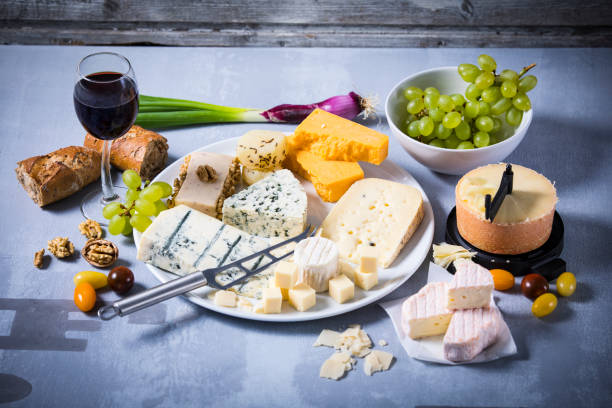
What Wine Goes With Blue Cheese
Finding the perfect wine for blue cheese doesn’t have to be a mystery. In the next few lines we’ll match bold, tangy cheeses with wines that enhance their flavor, from sweet Rieslings that tame the bite to robust reds that stand up to the richness. Enjoy your perfect match today!
What types of blue cheese match different wines
Mild blue cheeses and light wines
Pairing mild blue cheeses such as Gorgonzola Dolce, Danish Danablu, or mild Roquefort with light‑bodied wines creates a balanced tasting experience. Choose a crisp white like Sauvignon Blanc, Pinot Grigio, or a lightly chilled rosé to highlight the cheese’s subtle tang without overwhelming it.
The wine’s acidity cuts through the creaminess, while the cheese adds a gentle salty note that enhances the fruit flavors of the wine. Serve the cheese at room temperature and pour the wine slightly chilled (around 45‑50°F) to keep the flavors bright.
For a sparkling option, try a dry Prosecco or a Brut Champagne; the bubbles lift the buttery texture and amplify the cheese’s mellow aroma. This combination works well as an appetizer or a light snack, ensuring the palate remains refreshed for the next course.
Pair it with a small handful of toasted almonds to add texture, and you’ll notice the wine’s citrus zest brightening the cheese’s earthy undertones.
Sharp blue cheeses and bold reds
Sharp blue cheeses—Stilton, Roquefort, Gorgonzola Piccante, and aged Cabrales—demand wines with enough structure to stand up to their intense salty, pungent character. Select a full‑bodied red such as Cabernet Sauvignon, Syrah, or a ripe Zinfandel, whose firm tannins and dark fruit notes complement the cheese’s bold flavor.
The wine’s oak‑derived vanilla and spice echo the earthy undertones of the cheese, while the high alcohol content softens the sharp edges, creating a harmonious mouthfeel. Serve the cheese at room temperature and decant the red for 30‑45 minutes to allow the tannins to mellow.
Pair with a slice of crusty rye bread and a drizzle of honey; the sweetness balances the cheese’s bite and highlights the wine’s blackberry and peppercorn nuances. This pairing shines on a cheese board or as a robust finish to a dinner.
Creamy blue cheeses and sweet whites
Creamy blue cheeses—Bleu d’Auvergne, Gorgonzola Cremoso, and Danish Blue—have a rich, buttery texture that pairs beautifully with aromatic, off‑dry whites.
Opt for a sweet white such as Riesling (late harvest), Sauternes, or a chilled Moscato d’Asti; their natural acidity balances the cheese’s fat while the honeyed fruit notes echo the cheese’s subtle mold flavors.
The wine’s low tannin profile lets the cheese’s creaminess shine, and the lingering citrus and apricot aromas lift the palate after each bite. Serve the cheese slightly chilled (around 55°F) and the wine well‑chilled (45‑50°F) for maximum contrast.
Add a few fresh figs or a drizzle of fig jam to the plate; the additional sweetness deepens the connection between the wine’s honeyed finish and the cheese’s mellow tang. This duo works perfectly as a dessert cheese course or a sophisticated brunch element.
How to pair wine with blue cheese based on flavor intensity

Assessing the cheese’s saltiness
Begin by evaluating the salt intensity of the blue cheese, as it dictates the wine’s backbone. High‑salt varieties like Roquefort or Gorgonzola demand wines with pronounced acidity or a touch of residual sugar to cut through the brine.
Look for crisp whites such as Sauvignon Blanc, dry Riesling, or a lightly oaked Chardonnay; their bright acidity mirrors the cheese’s salt and cleanses the palate. For milder, less salty blues, a subtle white like Pinot Grigio can suffice, allowing the cheese’s creamy notes to shine without overwhelming the wine.
When the cheese leans toward a salty, crumbly texture, consider a sparkling wine—its bubbles lift salt while the acidity balances richness. Remember, the goal is to match salt levels so neither component dominates, creating a harmonious bite‑to‑sip experience.
Pairing a wine with comparable salinity ensures each bite feels refreshed, and the lingering finish invites another bite, completing a balanced tasting cycle.
Balancing sweetness and acidity
Next, weigh the interplay of sweetness and acidity to complement the blue cheese’s pungent profile. Sweet‑acidic wines such as off‑dry Riesling, Gewürztraminer, or a late‑harvest Chenin Blanc provide a gentle counterpoint, softening the cheese’s sharp edges while echoing its creamy texture.
The residual sugar tempers bitterness, and the lively acidity lifts the fat, preventing a cloying mouthfeel. For cheeses with milder aromatics, a dry rosé with bright acidity and a hint of fruit can add freshness without overwhelming the palate.
If you prefer reds, opt for a light‑bodied, low‑tannin option like Pinot Noir or a Gamay‑based Beaujolais; the subtle fruit and acidity harmonize with the cheese’s tang without masking its character.
The key is to balance sweet and sour elements so the wine and cheese enhance each other, delivering a seamless transition from bite to sip.
Considering texture and mouthfeel
Finally, reflect on texture and mouthfeel to ensure the wine’s body aligns with the blue cheese’s creaminess and crumbly bite. Full‑bodied whites like oaked Chardonnay or Viognier bring a buttery, rounded mouthfeel that mirrors the cheese’s rich, velvety interior, while their moderate acidity keeps the palate from feeling heavy.
For crumbly, drier blues, a medium‑bodied red such as Merlot or a chilled Barbera offers enough structure to coat the palate without overwhelming the cheese’s delicate crumble. Sparkling options, especially Brut Champagne, provide fine bubbles that cut through fat and create a tactile contrast, refreshing the palate between bites.
When the cheese is particularly creamy, a wine with a silky texture—for example, a well‑aged white Burgundy—enhances the luxurious sensation, making each sip feel like an extension of the cheese’s mouthfeel. Matching texture ensures the overall experience feels cohesive and indulgent.
Best wine choices for classic blue cheese pairings

Port and Roquefort
Pairing Port with Roquefort creates a luxurious match that balances salty intensity with sweet richness. Start with a well‑chilled tawny Port, ideally 10‑12 years old, to let its nutty caramel notes shine. Serve the cheese at room temperature, allowing its crumbly texture to release aromatic molds.
When tasting, take a small bite of Roquefort, let it melt, then sip the Port to experience the contrast of creamy salt and luscious fruit. Tip: Keep a glass of still water nearby to cleanse the palate between bites, preventing the sweetness from overwhelming the cheese.
This duo works beautifully as an after‑dinner treat or alongside a fruit platter, enhancing both flavors without competing. Remember to store any leftover Port in the refrigerator and re‑warm gently before the next serving. Enjoy the pairing slowly, savoring each sip and bite to fully appreciate the harmonious balance.
Sauternes with Gorgonzola
Sauternes, with its honeyed golden sweetness, is a classic companion for the pungent bite of Gorgonzola. Choose a well‑aged Sauternes from Bordeaux, offering notes of apricot, orange blossom, and a hint of toasted nuts.
Let the wine breathe for a few minutes, then serve it slightly chilled (around 50°F) to preserve its aromatic freshness. Slice the Gorgonzola into thin wedges and let it sit at room temperature for 20 minutes, allowing the mold to soften and release its characteristic aroma.
When tasting, place a piece of cheese on a cracker, then sip the Sauternes, noticing how the wine’s acidity cuts through the cheese’s creamy fat while its fruitiness mirrors the blue veins.
Pro tip: Pair this duo with a handful of toasted almonds or fresh figs to add texture and a subtle earthiness that rounds out the palate.
Cabernet Sauvignon with Stilton
Cabernet Sauvignon’s firm tannins and dark fruit profile stand up to the robust, crumbly nature of Stilton, creating a balanced mouthfeel. Select a Cabernet from a cooler climate, such as a Bordeaux‑style blend or a Napa Valley reserve, that offers blackcurrant, cedar, and a touch of spice.
Decant the wine for 30 minutes to soften the tannins and reveal its layered aromas. Allow the Stilton to reach room temperature, then crumble a modest amount onto a slice of hearty rye bread.
Take a bite, then follow with a sip of the Cabernet, noting how the wine’s acidity cuts the cheese’s richness while the fruit notes echo the blue veins.
Key tip: Serve with a few walnut halves or a drizzle of honey to introduce a sweet‑nutty contrast that enhances both the wine’s structure and the cheese’s depth.
Tips for tasting wine and blue cheese together
Serve at the right temperature
Start by chilling the wine to its optimal serving temperature; a slightly cool sweet white such as Riesling or a lightly chilled red like Pinot Noir should sit around 10‑12°C (50‑54°F).
Blue cheese, especially creamy varieties, is best enjoyed at room temperature, roughly 18‑20°C (64‑68°F), so remove it from the fridge 30‑45 minutes before tasting. This temperature contrast lets the wine’s acidity and fruit shine while the cheese’s pungency mellows, creating a balanced palate.
Cool the wine but warm the cheese to prevent the wine from tasting flat and the cheese from feeling overly sharp. Use a thermometer or a quick‑hand test—touch the glass; it should feel cool but not icy.
By mastering temperature, you set the stage for the classic pairing of sweet or off‑dry whites and soft, veined blues, ensuring each bite and sip complement rather than compete.
Use proper glassware
Choose a glass that showcases the wine’s aromatics while allowing the blue cheese’s aroma to breathe. A large‑bowl white wine glass directs the wine’s bouquet toward your nose, highlighting its honeyed and fruity notes that cut through the cheese’s sharpness.
For reds, a tulip‑shaped glass concentrates the softer tannins of a Pinot Noir or Gamay, softening the bite of pungent Gorgonzola. Avoid narrow champagne flutes or overly tall tumblers; they trap volatile compounds and mute the interplay between wine and cheese.
Before the tasting, swirl the wine gently to release its scent, then sniff for honey, apricot, or citrus cues that will complement the blue cheese’s creamy texture.
Place a small slice of cheese on a neutral plate, and keep the glass within arm’s reach so you can alternate a sip and a bite without losing temperature or aroma intensity. Proper glassware amplifies the harmony between the wine’s acidity and the cheese’s salt‑brine character.
Take a sip before the bite
Begin each pairing by taking a small sip of the wine before the first bite of blue cheese; this establishes a flavor baseline and lets the palate adjust to the wine’s acidity and sweetness.
A dry Riesling, Sauternes, or a lightly oaked Chardonnay offers bright acidity that cuts through the cheese’s salty, creamy profile, while a Port or Madeira provides a richer, nutty backdrop for sharper blues like Roquefort.
After the sip, place a modest piece of cheese on your tongue, let it melt, then follow with another sip to notice how the wine’s fruit brightens or softens the cheese’s pungency. Pay attention to the after‑taste; a lingering citrus note in the wine should echo the cheese’s lingering tang.
Repeat the cycle, adjusting the bite size and wine volume to keep the experience balanced, ensuring neither component overwhelms the other and the pairing remains harmonious throughout the tasting.
Common mistakes to avoid when pairing wine with blue cheese
Overpowering the cheese with high tannins
One frequent error is reaching for a heavily‑tannic red, such as a young Cabernet Sauvignon, and letting it dominate the delicate mold flavors. Tannins bind to proteins and can mute the cheese’s creamy texture, leaving a harsh, bitter finish.
Instead, select wines with softer tannic structures—think a mature Pinot Noir, a light Merlot, or a dry rosé. These options provide enough acidity to cut through the richness without overwhelming the blue veins.
When you choose a wine with moderate tannins, the fruit notes complement the salty bite, allowing the cheese’s earthy nuances to shine. Balance is key: aim for a wine that supports rather than smothers the cheese, preserving both the wine’s fruit and the cheese’s pungency.
Pair it with a modestly chilled serving temperature, around 55°F, to keep the wine lively and ensure the blue cheese remains supple, creating a harmonious mouthfeel.
Choosing overly sweet wines for salty cheeses
Another common slip is reaching for a dessert‑style wine, such as a late‑harvest Riesling or a honeyed Muscat, believing the sweetness will balance the salt. Excess sugar masks the cheese’s sharp tang and turns the pairing into a cloying experience.
Blue cheese thrives on contrast, so a wine with bright acidity and a hint of fruit works best. Opt for a crisp Sauvignon Blanc, a dry Gewürztraminer, or an off‑dry Chenin Blanc that offers citrus zest without overwhelming sweetness.
These choices let the salty, umami qualities of the cheese stand out while the wine’s acidity refreshes the palate. Keep the sugar level low—under 2 g/L—to preserve the cheese’s character and avoid a syrupy finish that would drown the nuanced mold flavors.
Serve the wine slightly chilled, around 50°F, to enhance its crispness and ensure the cheese’s creamy texture remains prominent throughout the tasting.
Ignoring regional pairings
Pairing without regard to origin is a missed opportunity; many blue cheeses have traditional companions that highlight their terroir. Overlooking regional matches can lead to clashing flavor profiles that feel disjointed.
For example, French Roquefort pairs beautifully with a robust yet elegant Sauternes or a dry, mineral‑driven Riesling from Alsace, both reflecting the limestone soils of the region. Similarly, Italian Gorgonzola benefits from a crisp, slightly oxidative Barolo Chinato or a Nebbiolo‑based red that mirrors the cheese’s buttery depth.
When you respect the geographic link, the wine’s acidity, fruit, and subtle earth notes echo the cheese’s micro‑flora, creating a seamless dialogue. Choose wines from the same country or nearby areas to maintain harmony and let the shared heritage amplify the tasting experience.
A simple rule is to look for wines that share the same climate and soil type, as they will naturally complement the cheese’s flavor intensity and texture.
How to create a wine and blue cheese board for guests
Select a variety of cheeses
Begin by curating a balanced cheese assortment that showcases different textures and flavors. Include a classic blue cheese such as Roquefort, Gorgonzola, or Stilton as the centerpiece, and pair it with a soft goat cheese, a firm aged cheddar, and a creamy brie.
Choose cheeses with varying milk sources—cow, goat, and sheep—to add depth. Slice each cheese into bite‑size portions, keeping the blue cheese in smaller wedges to prevent it from overwhelming the palate. Arrange the selections on a large wooden board, leaving space for crackers and fruit.
Label each cheese discreetly so guests can identify their preferences. By offering a spectrum from mild to pungent, you ensure that every guest finds a cheese they enjoy while setting the stage for thoughtful wine pairings later.
Provide a small knife for each cheese to maintain hygiene and allow easy serving.
Match each cheese with a specific wine
Pairing wine with blue cheese is the star of the board, and the right match elevates both elements. Opt for a sweet or off‑dry white such as Sauternes, Riesling, or a late‑harvest Gewürztraminer; the residual sugar softens the cheese’s sharp saltiness.
If you prefer reds, choose a light‑bodied, low‑tannin option like Pinot Noir or a young Beaujolais, which won’t overpower the delicate mold. For a bold experience, a fortified wine like Port or a rich, nutty Sherry complements the creamy texture of Stilton.
Serve each wine in a separate glass and place a small tasting label beside the blue cheese wedge. Encourage guests to sip, then bite, allowing the wine’s fruit and acidity to cleanse the palate before the next bite.
This deliberate sequence creates a harmonious rhythm that highlights the complexity of the blue cheese while keeping the overall tasting experience enjoyable.
Add complementary accompaniments
Complete your board with accompaniments that enhance both the cheese and the wine, creating a cohesive tasting journey. Add fresh fruit such as sliced apples, pears, and grapes; their natural sweetness balances the salt of blue cheese and mirrors the fruit notes in Riesling or Pinot Noir.
Include crunchy elements like toasted baguette slices, honey‑drizzled crackers, or almond‑flavored crisps to provide texture contrast. A small dish of walnut or pecan halves adds a buttery richness that pairs beautifully with the nutty undertones of a late‑harvest Gewürztraminer or a mellow Port.
Finally, place a bowl of honey or fig jam for a luscious dip that softens the cheese’s intensity and echoes the wine’s sweetness. Arrange everything symmetrically on the board, keeping sauces in separate ramekins to avoid mixing flavors.
This thoughtful layout invites guests to experiment, discover personal preferences, and enjoy a well‑balanced, memorable experience.
Frequently asked questions about wine and blue cheese pairings
Can I pair sparkling wine with blue cheese?
Sparkling wine can be a delightful partner for blue cheese, thanks to its lively acidity and fine bubbles that cut through the cheese’s intense salt and creaminess. Choose a dry style such as Brut Champagne, Cava, or a high‑quality Prosecco; the dryness prevents the pairing from becoming cloying.
The carbonation lifts the pungent aromas, while the citrus and green apple notes create a refreshing contrast. If you prefer a richer texture, a slightly off‑dry sparkling wine like an Extra‑Dry or a demi‑sec can soften the sharp edges without overwhelming the palate.
Serve the wine well chilled, around 45‑50°F, and present the cheese at room temperature for optimal flavor release. Pairing a small wedge of Roquefort or Gorgonzola with a glass of sparkling wine makes an elegant appetizer that balances richness with bright acidity.
What if I prefer red wine?
If you lean toward red wine, select varieties that offer enough fruit and acidity to stand up to blue cheese’s bold flavor without being crushed by its saltiness.
Light‑to‑medium bodied reds such as Pinot Noir, Gamay (Beaujolais), or a young Tempranillo provide bright red fruit, subtle earth tones, and a refreshing acidity that complements the cheese’s creamy texture.
For a richer experience, a slightly higher‑tannin wine like a Syrah or a Grenache‑based blend can match the intensity of a strong Roquefort, but be sure the wine is not overly oak‑heavy, as that can clash with the pungent notes.
Serve the red slightly cooler than room temperature, around 60‑65°F, to keep the tannins supple. Pair a modest slice of blue cheese with a glass of these reds, and you’ll notice how the fruit‑forward profile softens the cheese’s bite while the wine’s structure adds depth to the overall tasting experience.
How long can the pairing be stored?
The longevity of a wine‑and‑blue‑cheese pairing depends on how each component is stored after opening.
Blue cheese can remain at its best for up to three weeks in the refrigerator when wrapped tightly in parchment or wax paper and then placed in an airtight container; this method preserves its moisture while allowing it to breathe.
Red or white wines, once uncorked, typically stay fresh for three to five days if resealed with a vacuum stopper or a gas‑preserving system, keeping oxidation low. Sparkling wines are more delicate and should be kept with a proper champagne stopper, lasting two to three days before the bubbles fade.
To enjoy the pairing later, arrange the cheese on a platter and pour a fresh glass of wine just before serving; this ensures the wine’s aromatic profile is at its peak while the cheese retains its complex, salty character.
Remember to let the cheese reach room temperature for about 30 minutes before tasting for optimal flavor integration.
Frequently Asked Questions
What types of wine pair best with blue cheese?
Full‑bodied whites like Sauvignon Blanc or oaked Chardonnay, as well as sweet wines such as Riesling and dessert wines like Sauternes, complement the sharp, salty flavor of blue cheese.
Why do sweet wines work well with blue cheese?
The sweetness balances the intense saltiness and tang of blue cheese, creating a harmonious contrast that softens the cheese’s pungency.
Can red wine be paired with blue cheese?
Yes, lighter reds with moderate acidity, such as Pinot Noir or a young Zinfandel, can work, but they should not overpower the cheese’s delicate flavors.
What specific wine would you recommend for Roquefort?
A classic match is Sauternes or a late‑harvest Riesling, whose honeyed sweetness highlights Roquefort’s creamy texture and sharp bite.
Is there a difference in pairing based on the intensity of the blue cheese?
Milder blues like Gorgonzola pair well with medium‑bodied whites, while stronger varieties like Stilton benefit from richer, sweeter wines to counterbalance their robust flavor.
How should I serve wine when pairing it with blue cheese?
Serve white wines chilled (around 45‑50°F) and reds slightly cooler than room temperature (around 55‑60°F) to ensure the flavors stay crisp and don’t overwhelm the cheese.
Conclusion
Pairing blue cheese with wine is all about balancing intensity, acidity, and sweetness. Rich, salty blues shine alongside bold reds like Cabernet Sauvignon, while their tang pairs beautifully with sweet whites such as Riesling or Sauternes. Remember to match the cheese’s strength with the wine’s body, and don’t be afraid to experiment. Enjoy discovering your perfect match and share your favorite pairings with fellow enthusiasts!