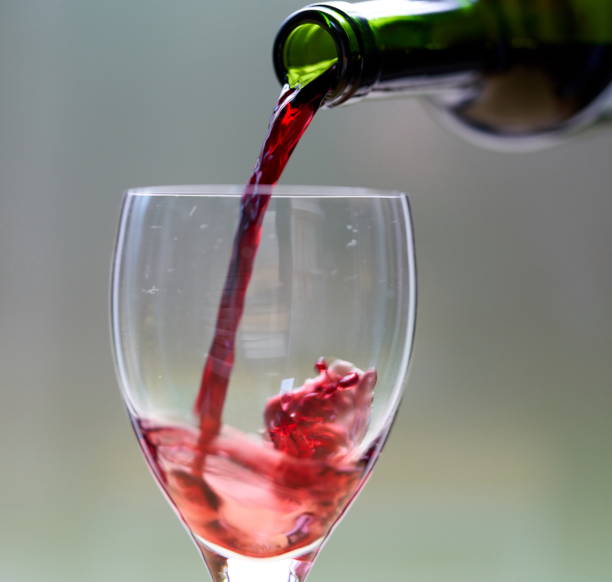
What Wine Goes With Pepperoni Pizza
Craving pepperoni pizza and wondering which wine will make it sing? You’re in the right place. In the next few lines we’ll match the spicy, salty goodness of pepperoni with the perfect glass, whether you prefer a bold red, a crisp white, or a refreshing rosé. Expect quick, practical tips that fit any budget and palate, so you can pour, slice, and enjoy without a second guess and impress your friends at dinner tonight, effortlessly together.
How to Choose a Wine for Pepperoni Pizza
Identify the flavor profile of pepperoni
Start by tasting the pepperoni’s core characteristics. The cured meat brings smoky, spicy, and slightly salty notes that sit on a fatty base, while the tomato sauce adds a bright sweet‑tart acidity. Look for the pepper’s subtle heat and the cheese’s creamy richness, which together create a layered flavor profile.
By pinpointing these elements—smoke, spice, fat, and acidity—you create a roadmap for the wine’s role. A wine that can echo the smoke, balance the spice, and cut through the fat will feel harmonious.
Keep a notebook or mental list of the dominant sensations; this will guide you when you compare varietals later. Remember, the goal is not to mask the pizza but to enhance each bite with complementary wine attributes.
When you sip, notice how the wine’s texture mirrors the pepperoni’s chew and how its fruit lifts the sauce’s sweetness, turning the whole experience into a coordinated dance of flavor.
Match wine body to pizza richness
Assess the pizza’s weight before selecting a bottle. Pepperoni pizza delivers a medium‑to‑full body thanks to its oily meat, melted mozzarella, and caramelized crust. To stand up to that richness, choose a wine with comparable heft, such as a Chianti Classico Riserva, a medium‑bodied Zinfandel, or a bold Grenache‑based blend.
These wines provide enough structure to keep pace without being overwhelmed. Look for moderate tannins that can grip the fat while still allowing the fruit to shine.
If the pizza is extra‑cheesy or has a thick crust, lean toward a wine with a slightly higher alcohol level, which adds a warming sensation that matches the heat of the pepperoni.
Test the pairing by taking a bite, then a sip; the wine should feel substantially present yet smoothly integrated, creating a balanced mouthfeel that complements the pizza’s dense texture.
Consider acidity level
Acidity is the secret weapon that ties the sauce’s tomato tang to the wine’s freshness. Pepperoni pizza’s red sauce contributes a bright vinegary snap, so a wine with lively acidity will cleanse the palate and prevent the cheese from feeling cloying.
Look for varieties that showcase crisp citrus, green apple, or subtle herbaceous notes, such as an Italian Barbera, a New World Sangiovese, or a dry Rosé with a zesty finish. These wines lift the tomato’s brightness while softening the pepperoni’s spice, creating a harmonious dialogue.
Avoid overly low‑acid wines like heavy Merlot or buttery Chardonnay, which can make the pizza taste greasy. When you sip, notice how the wine’s acidity cuts through the fat, brightens the sauce, and leaves a clean finish that invites the next bite.
This balance ensures each slice feels refreshed rather than weighed down.
What Types of Red Wine Pair Well
Chianti and its bright acidity
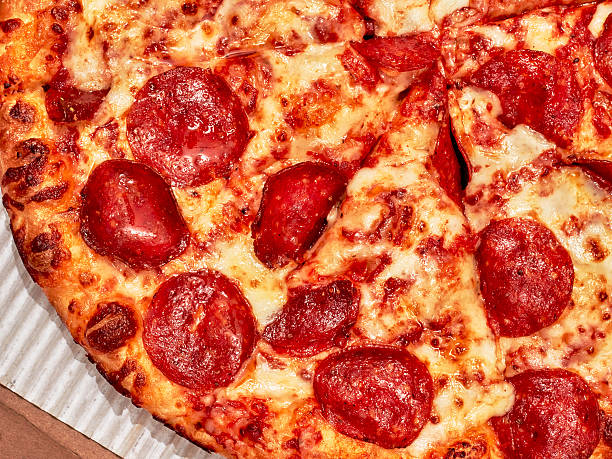
When you slice into a pepperoni pizza, the spicy, salty meat and tangy tomato sauce create a bold flavor profile that calls for a wine with bright acidity to cut through the richness.
Chianti, made primarily from Sangiovese grapes, offers that crisp acidity and subtle cherry notes, making it a natural partner. The wine’s moderate tannins cleanse the palate between bites, while its herbal undertones echo the oregano often sprinkled on the pizza.
Serve the Chianti slightly chilled, around 60‑65°F, to highlight its freshness. Look for a Chianti Classico Riserva for added depth, or a basic Chianti if you prefer a lighter touch.
Either way, the wine’s acidity balances the pepperoni’s grease, and the fruit flavors complement the tomato base, creating a harmonious dining experience. Pair it with a light salad and a cold glass to complete the meal.
Zinfandel’s fruit‑forward style
Pepperoni’s smoky heat and the tomato’s acidity thrive alongside a wine that can match its intensity without overwhelming the palate. Zinfandel’s fruit‑forward style, brimming with ripe blackberry, plum, and a hint of black pepper, mirrors the boldness of the toppings while offering enough body to stand up to the cheese.
The wine’s moderate tannins and subtle spice complement the pepperoni’s cured flavor, creating a seamless blend of sweet and savory. Serve Zinfandel slightly below room temperature, around 58‑62°F, to keep its fruit freshness bright.
Opt for a California Zinfandel with a balanced alcohol level (around 13.5‑14%) to avoid excessive heat that could clash with the pizza’s spice. This pairing enhances the pepperoni’s peppery notes and lifts the tomato sauce, delivering a satisfying, cohesive taste experience.
Enjoy the combo with a casual gathering, letting the wine’s jammy character add a festive touch to the night.
Sangiovese’s medium tannins
For those who prefer a classic Italian match, Sangiovese’s medium tannins and bright red fruit make it an excellent companion to pepperoni pizza. The grape’s natural acidity cuts through the fatty cheese and oily pepperoni, while its cherry‑tomato flavor echoes the sauce’s base.
Subtle earthy notes and a hint of spice in the wine align with the oregano and garlic often sprinkled on the crust, creating a layered taste profile. Serve the Sangiovese at 60‑64°F to preserve its aromatic vibrancy.
Choose a Tuscan Rosso or a Chianti‑style Sangiovese for a more rustic feel, or a Super Tuscan for added depth and a smoother finish. This pairing balances the pizza’s richness, highlights the pepperoni’s spice, and leaves a clean, refreshing finish that invites another slice.
Serve with a simple arugula salad dressed in lemon vinaigrette to further brighten the palate and complement the wine’s lively acidity.
Best White Wines for Spicy Pizza

Dry Riesling to balance heat
Dry Riesling is an excellent match for pepperoni pizza because its bright acidity cuts through the fatty richness of the meat while its subtle sweetness tempers the heat from the spices. Choose a Riesling with low residual sugar to keep the palate refreshed, and serve it slightly chilled at 45‑50°F.
The wine’s citrus and green‑apple notes echo the tomato sauce, creating a harmonious flavor bridge. When selecting a bottle, look for labels from the Alsace or German Kabinett regions, which typically deliver the right balance of crispness and fruit.
Pour a glass alongside each slice, and notice how the wine lifts the pepperoni’s smoky edge without overwhelming the cheese. This pairing works especially well with pizzas that include extra chili flakes or hot sausage, as the Riesling’s acidity neutralizes the spicier elements, leaving a clean finish.
Sauvignon Blanc’s crispness
Sauvignon Blanc brings a razor‑sharp, herbaceous character that pairs beautifully with the bold flavors of pepperoni pizza. Its high acidity and grassy aromatics cut through the cheese’s creaminess and highlight the pepperoni’s spice profile.
Serve the wine chilled at 48‑50°F to maximize its refreshing bite, and choose a bottle from New Zealand’s Marlborough region for pronounced citrus and tropical notes.
When you take a sip, the lime, green‑pepper, and subtle gooseberry tones echo the oregano and basil often sprinkled on the pizza, creating a seamless dialogue between food and drink.
To enhance the experience, add a light drizzle of extra‑virgin olive oil to the crust; the wine’s acidity will balance the oil’s richness while keeping the palate lively.
This combination is especially effective when the pizza includes a touch of smoked paprika or red‑pepper flakes, as the Sauvignon Blanc’s crispness tempers the heat without masking the savory depth of the toppings.
Pinot Grigio for a light touch
Pinot Grigio offers a delicate, mineral‑driven profile that adds a feather‑light counterpoint to the robust character of pepperoni pizza. Its subtle fruit flavors—pear, white peach, and a hint of lemon—provide just enough sweetness to soften the pepperoni’s salty bite while the wine’s crisp finish cleanses the palate between bites.
Select a Pinot Grigio from Italy’s Friuli‑Venezia Giulia or Oregon’s Willamette Valley for a balanced acidity and clean minerality. Serve it at 50‑52°F and sip slowly, allowing the gentle citrus zest to lift the tomato sauce’s tang and the subtle oak to echo the charred edges of the crust.
Pairing works best when the pizza is topped with a modest amount of cheese, letting the wine’s lightness shine without being drowned out. If you enjoy a dash of crushed red pepper, the Pinot’s modest body will tame the heat, making each slice feel fresh and vibrant.
Tips for Pairing Rosé with Pepperoni Pizza
Choosing a dry rosé
Start by selecting a dry rosé that offers bright acidity and a subtle fruit backbone. Look for wines made from Grenache, Syrah, or Mourvèdre, which provide a crisp palate without overwhelming sweetness. A dry style balances the salty, oily nature of pepperoni, cutting through the fat while highlighting the spice.
Check the label for terms like “sec” or “dry” and aim for a wine with 11–12% alcohol, which keeps the body light enough to complement the pizza crust. Avoid overly floral or sugary rosés, as they can clash with the cured meat’s peppery notes.
When in doubt, choose a rosé from Provence or a Spanish rosado, both known for their restrained fruit and zesty finish that pairs naturally with the bold flavors of pepperoni. Serve it chilled, but not ice‑cold, to maintain its aromatic complexity and ensure a harmonious bite‑by‑bite experience.
Rosé’s versatility with cheese
Pepperoni pizza is typically topped with mozzarella, a mild, milky cheese that benefits from a wine that can lift its creaminess. Rosé’s versatility shines here because its acidity cuts through the cheese’s richness while its fruit tones echo the subtle sweetness of the dairy.
Choose a rosé with a hint of citrus or red‑berry notes; these flavors interact with the mozzarella’s melt, creating a balanced mouthfeel that prevents the cheese from feeling heavy.
Pairing tip: a rosé from the Loire Valley, such as a Sancerre rosé, offers minerality that mirrors the cheese’s subtle salt, while a light Italian rosato adds a gentle herbal edge that complements the herb‑infused crust.
By matching the wine’s brightness to the cheese’s texture, you achieve a cohesive palate where each bite feels refreshed and the pepperoni’s spice remains front‑and‑center.
Serving temperature guidelines
The temperature at which you serve rosé can dramatically affect its ability to pair with pepperoni pizza. Ideal serving range is between 45°F and 55°F (7°C‑13°C); this chill preserves the wine’s crisp acidity while allowing its aromatics to open fully.
If the rosé is too cold, the fruit flavors become muted, leaving only a sharp acidity that may clash with the pizza’s spice. Conversely, a wine served too warm will taste flabby and lose its refreshing edge, making the cheese feel greasy.
To achieve the sweet spot, place the bottle in the refrigerator for about 30 minutes before serving, then let it sit for a few minutes out of the fridge.
Pro tip: use a wine thermometer or the back of your hand to gauge temperature—if it feels cool but not icy, you’re ready to enjoy a harmonious bite of pepperoni pizza with a perfectly balanced rosé.
How to Pair Sparkling Wine with Pizza
Champagne’s acidity and bubbles
When you slice into a pepperoni pizza, the spicy, salty meat and tangy tomato sauce create a lively palate that thrives on contrast. Champagne’s high acidity cuts through the fat, while its fine bubbles lift the richness, resetting your taste buds between bites.
Look for a non‑dosage Brut or Extra Brut to keep the focus on crispness rather than sweetness. The subtle notes of green apple, citrus, and brioche in the wine echo the pizza’s herbs and cheese, creating a harmonious dialogue.
Serve it chilled, around 45°F (7°C), to preserve the fizz and ensure the acidity stays bright. This pairing turns a casual slice into a refined experience without overwhelming the pepperoni’s bold character.
Additionally, the delicate toastiness of the Champagne’s yeast-driven profile mirrors the charred edges of the crust, while the lingering minerality balances the pepperoni’s smoky undertones, making each bite feel lighter and more vibrant.
Prosecco for a fruitier option
Prosecco brings a fruit‑forward sparkle that pairs beautifully with the robust flavors of pepperoni pizza. Its lighter body and aromatic profile—think ripe pear, white peach, and a hint of honey—softens the heat of the cured meat while complementing the tomato’s acidity.
Choose a dry (Brut) or extra‑dry style to avoid excess sweetness, which could clash with the salty cheese. The gentle effervescence cleanses the palate, allowing the pepperoni’s spice to shine on each subsequent bite. Serve Prosecco chilled at 46‑48°F (8‑9°C) to keep its lively fizz intact.
The wine’s subtle floral notes echo the oregano and basil sprinkled on the pizza, creating a cohesive flavor bridge that elevates the overall dining experience without overpowering the dish.
The bright citrus sparkle also lifts the cheese’s creaminess, while the gentle sweetness of the fruit notes balances the pepperoni’s smoky edge, resulting in a harmonious and refreshing pairing that keeps the meal lively.
Cava as a budget‑friendly choice
Cava offers an excellent, budget‑friendly alternative that still delivers the crisp acidity and lively bubbles needed for pepperoni pizza. Its Spanish‑grown grapes—primarily Macabeo, Xarel·lo, and Parellada—produce a wine with bright lemon, green apple, and subtle almond notes that cut through the pizza’s fat and spice.
Opt for a Brut or Extra Brut Cava to keep the sweetness low, ensuring the pepperoni’s salty punch remains front and center. The fine, persistent mousse refreshes the palate, making each bite feel lighter and more vibrant.
Serve Cava slightly colder than typical white wine, around 44‑46°F (7‑8°C), to highlight its zesty character. The mineral undertones echo the crust’s char, while the citrus spark complements the tomato sauce, creating a balanced, enjoyable experience without breaking the bank.
Pairing it with a side of lightly dressed arugula adds a peppery freshness that mirrors the Cava’s crisp finish, further enhancing the synergy between wine and pizza.
Common Pairing Mistakes to Avoid
Overpowering tannins
Choosing a wine with strong tannins can drown the spicy, salty flavor of pepperoni pizza. Avoid high‑tannin reds such as Cabernet Sauvignon, Syrah, or Nebbiolo, because their astringent grip masks the meat’s peppery bite and can make the crust feel dry.
Instead, opt for lighter reds with softer tannin structures, like a Chianti Classico or a Sangiovese‑based blend, which complement the tomato sauce without overwhelming it. If you prefer a white, select one with a touch of acidity, such as a dry Riesling, which balances the richness without adding harshness.
Key tip: keep tannin levels moderate and focus on fruit‑forward profiles to let the pepperoni shine. Serve the wine slightly chilled, around 60‑65°F, to soften any residual tannic edge and enhance the fruit aromas, ensuring each bite of pepperoni is matched by a refreshing sip.
Too sweet wines
Sweet wines can clash with the savory, salty profile of pepperoni pizza, turning the meal into an unbalanced taste experience. Steer clear of dessert‑style selections like Moscato, late‑harvest Riesling, or overly ripe Zinfandel, whose honeyed notes compete with the pepperoni’s spice and mask the acidity of the tomato sauce.
Instead, choose wines with a crisp, dry finish that highlight the pizza’s flavors without adding sugar. A dry rosé, a lightly chilled Pinot Noir, or an Italian Vermentino offers bright acidity and subtle fruit that complement the meat while preserving the sauce’s tang.
Key tip: prioritize dryness and acidity over sweetness to keep the pepperoni’s peppery punch front and center. Serve these wines at cellar temperature, about 55‑58°F, to maintain their lively acidity and prevent the fruit from becoming flabby, allowing the pepperoni’s spice to stay vivid throughout the meal.
Ignoring pizza toppings
Focusing only on the pepperoni and neglecting the other toppings can lead to a mismatched wine choice. Don’t ignore the influence of cheese, herbs, and vegetables that often accompany pepperoni pizza, such as mozzarella, oregano, or roasted red peppers.
These components add creaminess, herbal notes, and subtle sweetness that require a wine with enough body and aromatic complexity to bridge the flavors.
A medium‑bodied Chianti, a Grenache‑based rosé, or a lightly oaked Tempranillo provides enough structure to handle the cheese’s richness while echoing the herbaceous oregano and balancing any sweet undertones from the peppers.
Key tip: assess the full topping profile and select a wine that can harmonize with both the meat and the supporting ingredients for a cohesive dining experience.
Serve the wine slightly cooler than room temperature, around 58‑60°F, which preserves its fruit freshness and ensures the acidity cuts through the cheese while complementing the aromatic herbs, creating a balanced palate from first bite to last sip.
Best Ways to Serve and Store Your Wine
Optimal serving temperature
To enjoy the perfect match between pepperoni pizza and wine, start by serving the wine at the right temperature. Red wines such as Chianti, Zinfandel, or a fruity Sangiovese should be chilled to 60‑65°F (15‑18°C), which is a few degrees below typical room temperature.
This slight chill softens tannins and highlights the bright acidity that cuts through the pizza’s spicy, oily toppings. If you prefer a white, a dry rosé or an Italian Vermentino works well at 50‑55°F (10‑13°C).
Use a wine thermometer or place the bottle in a bucket of ice water for 10‑15 minutes. Avoid over‑cooling, as it masks fruit flavors, and never serve red wine straight from the fridge. Proper temperature ensures the wine’s aromatics and structure complement the pepperoni’s peppery heat without being overwhelmed.
Serve the glass in a well‑lit setting to appreciate its color and aroma, enhancing the dining experience.
Decanting red wines
Decanting can transform a robust red that pairs with pepperoni pizza, such as a bold Barolo or a New World Zinfandel, by softening tannins and releasing aromatic compounds.
Pour the wine into a decanter and let it breathe for 30‑45 minutes before serving; this allows sediment to settle and the fruit to open up.
For younger, fruit‑forward reds, a short 15‑minute aeration in a glass works well, while older, more structured wines benefit from a longer decant of up to an hour. Use a clear decanter so you can monitor the wine’s color and stop the process before it becomes overly oxidized.
Tip: Swirl the wine gently in the decanter halfway through the resting period to increase surface exposure. After decanting, serve the wine at the optimal temperature described earlier to ensure the pepperoni’s spice is balanced by the wine’s softened edge and vibrant fruit.
Storing leftovers properly
After enjoying a bottle of wine with pepperoni pizza, proper storage of the remaining wine preserves its quality for future meals. Recork the bottle tightly or use a vacuum wine stopper to minimize oxygen exposure, which can quickly dull the wine’s fruit and acidity.
Store the sealed bottle upright in a cool, dark place at 55‑60°F (13‑16°C); refrigeration is acceptable for reds if you plan to finish them within a few days. For longer storage, transfer the wine to a smaller, airtight container to reduce headspace and limit oxidation.
Avoid temperature fluctuations, as repeated warming and cooling accelerates chemical breakdown. If the wine has begun to lose its fresh character, consider repurposing it in cooking—adding a splash to tomato sauce or a reduction for a dessert glaze can revive its flavor.
By following these steps, you keep the wine’s balance intact, ready to complement another slice of pizza or a different dish later.
Frequently Asked Questions
What type of red wine pairs best with pepperoni pizza?
A medium‑body red with bright acidity, such as a Chianti or Sangiovese, complements the spicy, salty pepperoni while cutting through the cheese.
Can a white wine work with pepperoni pizza?
Yes—an oaked Chardonnay or a crisp, aromatic white like a Vermentino can balance the richness and add a refreshing contrast to the pepperoni’s heat.
Should I choose a wine with high tannins for pepperoni pizza?
Moderate tannins are ideal; too much tannin can clash with the tomato sauce. Look for wines with soft, integrated tannins, like a Barbera or a Zinfandel.
Is a rosé a good match for pepperoni pizza?
A dry rosé with bright fruit and acidity pairs nicely, offering a light, refreshing counterpoint to the pizza’s savory and spicy flavors.
How does the pizza’s crust affect wine selection?
A thinner, crisp crust pairs well with lighter wines, while a thick, chewy crust can stand up to fuller‑bodied reds like a Syrah or a Merlot.
What temperature should I serve wine with pepperoni pizza?
Red wines should be slightly below room temperature (around 60–65°F) to keep acidity lively, while whites and rosés are best served chilled at 45–55°F.
Conclusion
The perfect wine for pepperoni pizza balances the spice, fat, and acidity of the slice—think bright, fruity reds like Chianti or Zinfandel, crisp whites such as Sauvignon Blanc, and even a refreshing rosé. Remember to match the wine’s acidity with the tomato sauce and its fruitiness with the pepperoni’s heat. Experiment, enjoy, and let these pairings elevate your next pizza night.