Corkscrew How To Open Wine
Struggling to open a bottle of wine with a corkscrew? You’re not alone—many people fumble with corks and end up frustrated. But don’t worry, we’ve got you covered. This guide breaks down the process clearly and quickly so you can enjoy your wine without the hassle. Let’s get that cork out smoothly and safely.
What Is a Corkscrew and Why Use One
Types of Corkscrews for Wine Bottles
There are several types of corkscrews designed to make opening wine bottles easier and more efficient. The most common is the double-hinged waiter’s friend, favored by professionals for its compact design and built-in knife for cutting foil.
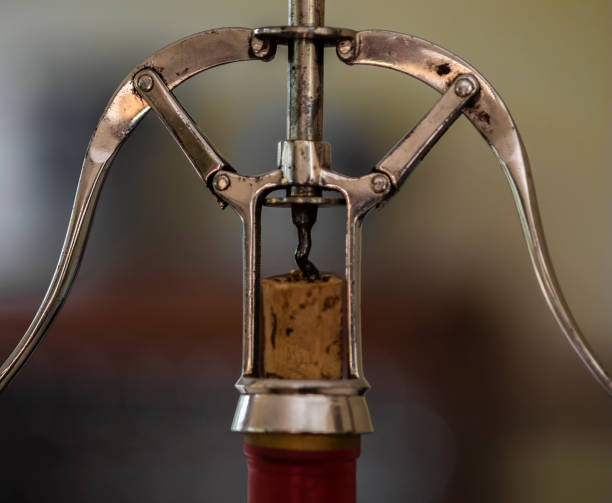
Butterfly corkscrews feature two levers that lift the cork smoothly and are ideal for those with limited hand strength. Twin-prong cork pullers, also called Ah-So openers, slide between the cork and bottle without piercing, perfect for fragile, aged corks.
Electric corkscrews offer push-button ease, automatically extracting the cork with minimal effort—great for frequent entertainers. Each type has unique advantages depending on your needs. Choosing the right one ensures clean cork removal without breakage or spillage.
Understanding these options helps you select a tool that matches your wine-opening habits, whether you enjoy a quiet glass at home or host large gatherings.
How a Corkscrew Works to Remove Corks
Using a corkscrew effectively involves a few simple, precise steps to extract the cork without damaging it. First, remove the foil using the built-in knife on your corkscrew to expose the cork’s top.
Next, center the screw and twist it slowly into the middle of the cork, ensuring it’s deep enough for a secure grip but not so deep it pierces the bottom.
For a waiter’s friend, place the first lever on the bottle lip and pull up halfway, then use the second lever for full extraction. With a butterfly corkscrew, raise both levers evenly. The key is steady, controlled pressure to avoid breaking the cork.
Proper technique ensures a clean pull, preserving the seal and preventing cork fragments in your wine. Mastering this process makes opening wine quick, reliable, and satisfying, enhancing your overall experience.
Benefits of Using the Right Corkscrew
Choosing the right corkscrew significantly improves your wine-opening experience. A high-quality tool ensures smooth, effortless extraction, reducing the risk of broken corks or spills that ruin the moment. It also protects delicate, aged wines where the cork may be fragile—tools like the Ah-So or electric opener provide gentle removal.
Ergonomic designs reduce hand strain, making it easier for people with arthritis or limited grip strength to open bottles independently. Durable materials like stainless steel and reinforced hinges increase longevity and reliability. Additionally, a compact, multi-functional corkscrew—like the waiter’s friend—offers convenience for travel or dining setups.
Using the appropriate opener not only preserves the wine’s integrity but also adds a touch of elegance and confidence to serving. Ultimately, the right corkscrew turns a simple task into a seamless, enjoyable ritual.
How to Open a Wine Bottle with a Standard Waiter’s Friend

Step-by-Step Guide to Using a Waiter’s Corkscrew
To open a wine bottle with a standard waiter’s friend, start by removing the foil using the built-in knife. Rotate the bottle, not the knife, for a clean cut just below the lip. Unfold the corkscrew spiral and position it vertically over the center of the cork.
Begin twisting the spiral into the cork by rotating the handle clockwise, using steady pressure. Insert the spiral about 80–90% of the way to avoid pushing it through the bottom of the cork.
Next, pivot the first lever of the corkscrew so it rests on the lip of the bottle and use it as a fulcrum to pull the cork upward slightly. Then, pivot the second lever and repeat the motion to gradually lift the cork out with controlled force.
Once fully removed, wipe the bottle’s rim and pour carefully. This method ensures smooth, controlled extraction and is favored by professionals for its reliability and precision.
How to Position the Corkscrew Correctly
Proper positioning is key to successfully opening a wine bottle with a waiter’s friend. Always center the spiral over the cork to ensure even pressure and prevent the cork from splitting. If the spiral goes in off-center, the cork may break or leak.
Begin twisting slowly and straight, using your dominant hand on the handle and the other to stabilize the bottle. Keep the corkscrew perpendicular to the cork—tilting it increases the risk of tearing the cork or damaging the bottle’s seal.
Aim to insert the spiral just shy of the cork’s full length, typically five to six full turns. This depth provides enough grip without risking puncture. If the spiral hits resistance, stop and re-center. Use the bottle’s neck as a guide to maintain alignment.
Correct positioning not only makes extraction easier but also preserves the integrity of aged corks, which are more fragile and require extra care.
Tips for Removing the Cork Without Breaking It
To remove a cork smoothly and avoid breakage, apply slow, even pressure during extraction. Rushing increases the risk of snapping the cork, especially with older wines. Use both levers of the waiter’s friend in sequence—first lever for initial lift, second for final removal—to distribute force evenly.
If the cork resists, gently wiggle the corkscrew side to side while pulling to loosen it. For older or fragile corks, consider rotating the bottle instead of the corkscrew during insertion to minimize stress. Keep a firm grip on the bottle base for stability.
If the cork begins to split, push it gently into the bottle rather than forcing it out—most wine is still safe to drink. Using a sieve or coffee filter can help remove cork fragments. Lastly, practice on newer bottles to build confidence.
With patience and proper technique, even delicate corks can be removed intact.
How to Use a Twin Prong Corkscrew (Ah-So)
Inserting the Prongs Without Damaging the Cork
To successfully use a Twin Prong Corkscrew, also known as an Ah-So opener, start by identifying the longer and shorter prongs—the longer one should go in first. Gently insert the longer prong between the cork and the neck of the bottle, applying even pressure to slide it down without forcing.
Then, carefully insert the shorter prong into the same space on the opposite side. Keep both prongs close to the glass to avoid bending or breaking the cork. Wiggle them slightly as you push deeper until they are inserted about two-thirds of the way down the cork.
This balanced insertion ensures the cork remains intact during removal. Avoid twisting at this stage—just focus on proper placement. With the prongs correctly positioned, you’re ready to remove the cork smoothly and safely, especially important for older wines where corks are fragile and prone to crumbling.
Twisting and Pulling Technique for Smooth Removal
Once the prongs are properly inserted, grasp the Ah-So firmly and begin gently twisting it back and forth while slowly pulling upward. This rocking motion helps gradually loosen the cork without jerking or breaking it. Keep your hands steady and apply consistent, controlled pressure—rushing can lead to slippage or damage.
As the cork starts to rise, maintain alignment with the bottle neck to prevent tilting. Pull evenly using your wrist and forearm, not just your fingers, for better leverage. When the cork is halfway out, you can increase upward pressure slightly.
The goal is a slow, seamless extraction, preserving both the cork and the wine’s integrity. This technique is especially effective for vintage wines with soft corks.
With practice, the twisting and pulling rhythm becomes intuitive, making the Ah-So a reliable, elegant tool for careful wine opening without spills or cork fragments.
Best Wines to Open with an Ah-So Opener
The Ah-So corkscrew excels when opening older vintage wines with fragile, dried corks that traditional corkscrews might shatter. Wines aged 10 years or more, especially fine Bordeaux, Barolo, or aged Port, benefit most from this tool.
Because the prongs grip the sides of the cork instead of piercing it, there’s minimal risk of pushing the cork into the bottle. This makes the Ah-So ideal for delicate situations where preserving the cork’s integrity is crucial for both serving and potential appraisal.
It’s also useful for wines stored horizontally for long periods, where corks can become soft on one side. While not necessary for younger wines with sturdy corks, the Ah-So is a must-have in any serious wine enthusiast’s toolkit for special occasions and cellar finds.
Its precision ensures a dignified, mess-free opening every time.
How to Operate a Lever-Style Corkscrew
Setting Up the Lever Corkscrew on the Bottle
To begin, ensure the bottle is stable on a flat, non-slip surface. Remove the foil from the neck using a foil cutter or the built-in knife on some lever corkscrews. Center the corkscrew’s worm (spiral) directly over the middle of the cork—this alignment prevents the cork from splitting or jamming.
Open the lever arms if your model has them, and position the fulcrum (the base that rests on the bottle lip) evenly around the neck. Gently start twisting the worm into the cork by hand, keeping it straight. Turn clockwise with steady pressure until the worm is embedded about halfway.
Avoid over-inserting, as this can push the cork into the bottle. Proper setup ensures smooth operation and protects both the wine and the tool. A well-aligned start is critical for clean extraction without spills or breakage.
Pushing and Pulling the Handle for Easy Extraction
Once the worm is properly seated, engage the lever mechanism by lowering the handle. On most lever corkscrews, pushing the handle down activates a gear or rack system that lifts the cork with minimal effort. Apply steady downward pressure—do not jerk or rush the motion.
As the handle descends, the cork rises smoothly from the bottle. When the handle reaches its lowest point, pause and reset if needed; some models require a second pump. Keep the corkscrew aligned vertically to prevent tilting.
Once fully extracted, remove the cork from the worm by twisting it off gently. The lever design reduces wrist strain and offers greater control than traditional openers, making it ideal for frequent use or limited mobility. With practice, extraction becomes quick and seamless, preserving wine quality and presentation.
Common Mistakes to Avoid with Lever Models
Even with their user-friendly design, lever corkscrews can fail if misused. A frequent error is misaligning the worm, which leads to cork breakage or leakage. Always center the spiral and start twisting by hand.
Another mistake is over-inserting the worm, pushing the tip through the cork and into the wine—this introduces splinters and ruins the pour. Avoid rushing the lever motion; jerky or uneven pressure can destabilize the tool and damage the bottle neck.
Also, neglecting to remove foil completely can jam the mechanism or contaminate the wine. Some users forget to reset the lever after use, leading to mechanical stress over time. Lastly, using excessive force defeats the purpose of the lever’s mechanical advantage. Patience and precision ensure reliable performance.
Regular cleaning and storage upright preserve longevity and function.
How to Open Wine with an Electric Corkscrew
Charging and Preparing the Electric Opener
Before opening a bottle of wine with an electric corkscrew, ensure the device is fully charged to avoid interruptions during use. Most models come with a charging base or USB cable—plug in the opener and wait for the indicator light to turn green, which typically takes 2–4 hours.
Once charged, remove any foil from the bottle’s neck using a foil cutter or knife to expose the cork. This step is crucial, as leaving foil on can jam the mechanism or damage the screw.
Next, insert the cork stopper (if your model includes one) into the base to stabilize the bottle during operation. Place the electric opener securely on top of the wine bottle, ensuring it’s centered and aligned with the cork. Proper preparation ensures smooth operation and extends the life of your device.
Always consult the manufacturer’s instructions for model-specific guidance, especially regarding charging time and compatibility with different bottle sizes.
Positioning and Activating the Device
Correct positioning is essential for the electric corkscrew to function effectively. Firmly place the opener directly on top of the wine bottle, ensuring it sits straight and stable. Most electric openers automatically activate when pressed down; others may require pressing a button.
As the spiral worm descends, it should center itself into the cork—do not tilt or shift the device during this process. Allow the mechanism to pull the cork slowly and evenly; rushing or applying extra force can damage the cork or the opener.
Once the cork is fully extracted, the device will typically stop automatically or reverse slightly to release. Carefully remove the opener and discard the cork from the spiral using the built-in ejection feature or by hand. Always hold the bottle steady with your non-dominant hand to maintain balance.
This method ensures a clean, effortless uncorking experience every time, even with older or delicate corks.
Maintaining Your Electric Corkscrew
Regular maintenance keeps your electric corkscrew functioning reliably and extends its lifespan. After each use, wipe down the exterior with a damp cloth to remove wine residue or dust, avoiding submersion in water.
Periodically inspect the spiral worm for cork fragments or buildup, and clean it gently with a soft brush or toothpick. If your model has removable parts, detach and clean them according to the manufacturer’s instructions.
Avoid overuse in rapid succession—allow the motor to cool between opening multiple bottles to prevent overheating. Store the opener in a dry place, preferably on its charging base to maintain battery health. Recharge it every few weeks, even if unused, to preserve battery performance.
Replace worn parts like the cork stopper or worm as needed. Proper care ensures your electric corkscrew remains a convenient, long-lasting tool for effortlessly opening wine bottles at home or entertaining events.
Troubleshooting Common Corkscrew Problems
What to Do If the Cork Breaks Inside the Bottle
If the cork breaks while opening, stay calm and avoid pushing the broken piece into the wine. First, remove the broken portion carefully using a clean knife or butter knife to gently lift it out.
If the cork fragment is deep, try inserting the corkscrew at a slight angle to catch the remaining cork without forcing it. Another effective method is using a two-pronged cork puller (Ah-So tool), which slips between the cork and bottle neck to extract it intact.
If no tools are available, pour the wine through a fine mesh strainer or coffee filter to catch cork particles. Always inspect the wine for debris before serving. To prevent breakage, ensure the corkscrew is centered and twisted slowly, especially with older wines.
Practicing controlled pressure helps maintain cork integrity and ensures a smooth pour.
Removing a Stubborn or Old Cork Safely
Old or dried corks can be fragile, so use gentle, precise techniques to avoid breakage. Start by wiping the bottle neck clean and ensuring the corkscrew is sharp and centered. Insert the screw slowly and stop just before it reaches the bottom of the cork to prevent pushing it in.
For added leverage, use a waiter’s friend (double-hinged corkscrew) with the first fulcrum for initial lift and the second for full extraction. If resistance is high, twist slightly back and forth to loosen the cork gradually.
An Ah-So tool is ideal for vintage bottles—insert the prongs slowly and wiggle downward before pulling up. Keep the bottle steady on a flat surface throughout. Patience is key; rushing increases the risk of spillage or cork failure. With careful handling, even the most delicate corks can be removed cleanly.
Cleaning and Storing Your Corkscrew Properly
To extend your corkscrew’s life, clean it after every use with warm, soapy water, especially the worm (screw) part that contacts the cork. Use a small brush to remove cork residue and dry thoroughly to prevent rust or bacterial buildup.
For models with hinges or moving parts, wipe joints with a dry cloth to avoid moisture accumulation. Avoid submerging electric or wooden-handled corkscrews—wipe them with a damp cloth instead. Store in a dry, cool place, preferably in a protective sleeve or drawer to prevent damage.
Regularly check for loose screws or dull blades and tighten or replace parts as needed. Proper maintenance ensures smooth, reliable performance every time. A well-cared-for corkscrew not only works better but also enhances the wine-opening experience, making it a dependable tool for both casual and frequent use.
Tips for Choosing the Best Corkscrew for Your Needs
Key Features to Look for in a Quality Corkscrew
When learning how to open wine with a corkscrew, choosing the right tool makes all the difference. Look for a corkscrew with a sharp, spiral worm that easily penetrates the cork without breaking it.
A double-hinged lever mechanism provides better leverage and reduces the risk of cork breakage, especially with older wines. Ergonomic handles made from non-slip materials ensure a firm grip and reduce hand strain during use. Stainless steel construction enhances durability and resists rust.
Additionally, models with a foil cutter built into the design streamline the opening process by removing the need for a separate tool. For consistent performance, ensure the spiral has approximately five coils—this length offers optimal grip without over-penetration.
A collar or lip that rests on the bottle neck helps stabilize the tool during extraction. These features combined ensure smooth, reliable operation every time you open a bottle.
Best Corkscrews for Beginners and Hosts
If you’re new to opening wine or frequently host gatherings, simplicity and reliability are key. Waiter’s friend corkscrews are ideal for beginners—they’re compact, affordable, and widely used by professionals. Their two-step lever system makes cork extraction smooth and efficient with minimal effort.
For hosts, electric or winged corkscrews offer fast, effortless operation, perfect when serving multiple bottles. Electric models require just a button press to open wine, while winged corkscrews use upward pressure that’s easy to master. Both types reduce hand strain and speed up service.
Choose models with built-in foil cutters to streamline the process. Look for sets that include a drip stopper or pourer for added convenience. Durability matters—opt for stainless steel components and a sturdy build. With the right beginner-friendly corkscrew, opening wine becomes a confident, enjoyable part of any occasion.
Portable vs. Stationary Corkscrews: Which Is Right for You
Deciding between portable and stationary corkscrews depends on your wine-opening habits. Portable corkscrews, like the classic waiter’s friend, are lightweight, foldable, and fit in a drawer or pocket—ideal for picnics, travel, or dining out. They offer reliable performance with minimal setup.
Stationary models, such as countertop lever or electric openers, are built for convenience at home. They often feature automatic cork extraction and elegant designs that complement kitchen decor. These are perfect for frequent wine drinkers or those with limited hand strength.
While portable options provide versatility and ease of transport, stationary models deliver speed and comfort with every use. Consider how and where you typically open wine: if you’re often on the move, go portable; if you enjoy wine regularly at home, invest in a high-quality stationary corkscrew for effortless service.
Frequently Asked Questions
What is a corkscrew used for?
A corkscrew is a tool designed to remove corks from wine bottles. It typically features a pointed metal spiral (called a worm) that is inserted into the cork and pulled out with a handle or lever mechanism.
How do I use a standard corkscrew to open a wine bottle?
First, remove the foil seal from the bottle neck. Insert the tip of the corkscrew’s spiral into the center of the cork at a straight angle. Twist the corkscrew down until only one or two coils remain exposed, then pull the cork out slowly and steadily using the handle.
What types of corkscrews are easiest for beginners?
Waiter’s friend (double-hinged) corkscrews and rabbit-style corkscrews are user-friendly for beginners. The waiter’s friend is compact and effective with practice, while rabbit-style corkscrews use a lever mechanism that requires less effort.
How can I avoid breaking the cork when opening wine?
Insert the corkscrew straight down into the center of the cork to prevent splitting. Use slow, even pressure when twisting, and ensure the spiral is long enough to support the cork without over-penetrating.
What should I do if the cork breaks while removing it?
If the cork breaks, try reinserting the corkscrew at an angle to grip the remaining piece. Alternatively, carefully push the cork into the bottle if it’s safe, or use a cork remover tool designed for broken corks.
Do I need to clean my corkscrew after use?
Yes, wipe the corkscrew clean after each use and occasionally wash it with soapy water to remove wine residue and prevent staining or corrosion, especially on metal parts.
Conclusion
Opening a wine bottle with a corkscrew is a simple skill that enhances any wine experience. Choose the right corkscrew, insert it straight into the center of the cork, and pull steadily to remove it cleanly. Whether using a waiter’s friend, winged opener, or electric version, practice builds confidence. With patience and the right technique, anyone can master this essential trick. Cheers to enjoying your favorite wines with ease and elegance!