
What Do Wine Aerators Do
Ever wonder what wine aerators do? They’re simple tools that instantly improve your wine by exposing it to air as you pour, enhancing its aroma, flavor, and smoothness. Think of it as waking up your wine—especially helpful for bold reds that can taste tight or harsh when first opened. In just seconds, an aerator softens tannins and unlocks hidden notes, giving you a richer tasting experience. Stick around—we’re breaking down exactly how they work and why you might want one.
What Is a Wine Aerator?
How wine aerators work
Wine aerators introduce air into wine quickly to enhance its flavor and aroma, mimicking the effect of traditional decanting in seconds. When wine is exposed to oxygen, it undergoes a process called aeration, which helps soften tannins and release volatile compounds, making the wine more expressive and enjoyable.
Aerator devices achieve this by forcing wine through a chamber where it mixes with air under pressure, increasing the wine’s surface area contact with oxygen. This rapid oxidation process helps open up the bouquet of young reds and smooths out harsh notes in bold varieties like Cabernet Sauvignon or Syrah.
Unlike waiting 30 minutes to an hour for decanting, aerators deliver immediate results right into your glass. They are especially useful for wines that are tightly wound or high in tannin.
By using an aerator, you can optimize taste and aroma without the need for large decanters or extended wait times, making them ideal for casual drinkers and connoisseurs alike.
Types of wine aerators available
There are several common types of wine aerators designed to suit different preferences and occasions. Handheld aerators attach directly to the wine bottle and pour the wine through an internal chamber that mixes it with air—ideal for quick, precise aeration.
Tabletop aerators sit on the edge of a decanter or glass, offering a more elegant presentation and consistent flow, often used in restaurants or formal settings. Built-in aerator pourers combine a stopper and aerator in one device, allowing continuous aeration each time the bottle is poured.
Some modern options even include electric aerators that use a pump system for instant, controlled oxidation. Each type varies in speed, capacity, and ease of cleaning, so your choice depends on frequency of use and desired experience.
For everyday use, handheld models offer convenience and portability, while tabletop versions suit those who enjoy hosting and serving wine to guests with flair.
Key components of common aerator models
Most wine aerators share core components that enable effective aeration. The air intake valve is a crucial part, allowing oxygen to enter the device as wine flows through. This valve controls the amount of air mixed with the wine, ensuring optimal oxidation without overexposure.
The mixing chamber is where wine and air combine under pressure, creating tiny droplets that maximize surface area for rapid aeration. High-quality models use food-grade materials like stainless steel or BPA-free plastic for durability and safety.
Many also include a silicone gasket or seal to create an airtight fit on wine bottles, preventing leaks and spills. Some advanced aerators feature dual-flow technology or venturi systems to enhance the aeration effect. Easy disassembly and simple cleaning are important features, as residue can affect performance over time.
Understanding these components helps users choose a reliable aerator that delivers consistent results, improves wine flavor, and lasts through regular use.
Why Aerate Wine?
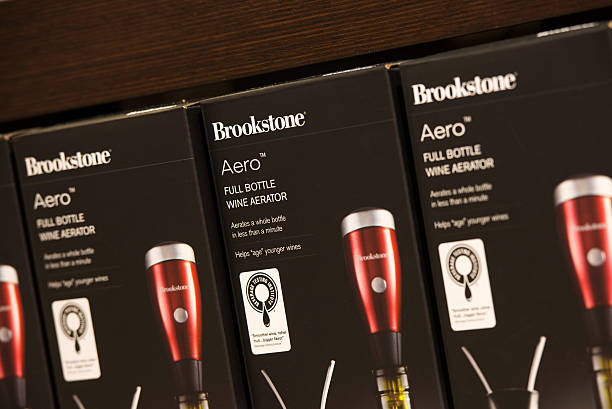
How oxygen affects wine flavor
Wine aerators introduce controlled exposure to oxygen, which helps soften harsh tannins and release aromatic compounds trapped in the wine. When wine comes into contact with air—a process called oxidation—its flavors and bouquet open up, enhancing the overall tasting experience.
This aeration mimics the effect of decanting but delivers results instantly. Volatile sulfides that can cause unpleasant aromas (like burnt match or cabbage) dissipate quickly, revealing cleaner, more vibrant notes of fruit, spice, and earth. For many reds, this means a smoother, rounder mouthfeel and a more expressive nose.
The key is balance: too much oxygen can flatten delicate wines, but proper aeration brings complexity and harmony. Aerators ensure this process happens efficiently, making them ideal for enjoying wine at its peak immediately after opening, especially when you don’t have time to decant for hours.
Benefits for red vs. white wines
While red wines benefit most from aeration due to their higher tannin and phenolic content, certain full-bodied white wines also improve with oxygen exposure. Reds, especially bold varieties like Cabernet Sauvignon or Syrah, undergo tannin softening and aromatic expansion, making them more approachable and flavorful.
In contrast, lighter reds like Pinot Noir need only brief aeration to avoid overwhelming their delicate profiles. For whites, aeration is selective: oaked Chardonnays or aged whites gain enhanced richness and complexity, with oxygen lifting buttery, nutty, or honeyed notes.
However, crisp, aromatic whites like Sauvignon Blanc or Riesling typically do not need aeration, as it may dull their bright acidity and fresh fruit character. Using an aerator wisely ensures each wine type expresses its best qualities—maximizing depth in structured wines while preserving freshness in lighter styles.
Improving young and aged wines
Wine aerators provide distinct advantages for both young, tannic wines and mature, aged bottles. Young reds, often tight or astringent upon opening, benefit from rapid aeration that accelerates the ‘breathing’ process, softening tannins and revealing hidden layers of flavor and aroma. This allows immediate enjoyment without hours of decanting.
On the other hand, older wines—especially those aged over a decade—require gentle handling. While they can become more expressive with oxygen, prolonged exposure risks flattening delicate flavors.
Aerators offer a controlled way to introduce just enough air to revive faded aromas like leather, dried fruit, or forest floor without accelerating oxidation. For aged wines, brief aeration just before serving can restore vibrancy and balance.
Whether uncorking a bold new vintage or a treasured old bottle, a wine aerator helps optimize the tasting experience by tailoring oxygen exposure to the wine’s age and structure.
How to Use a Wine Aerator

Step-by-step guide for handheld aerators
Using a handheld wine aerator is simple and effective for enhancing the flavor and aroma of your wine. First, ensure the aerator is clean and securely attached to the wine bottle’s neck. Hold the bottle at a slight angle over your glass.
As you begin pouring, the aerator will introduce air into the wine stream, instantly softening tannins and releasing aromatic compounds. Pour steadily and avoid rushing to allow proper aeration. Most handheld models are designed for one pour per glass, so repeat the process for each serving.
These devices work especially well with bold reds like Cabernet Sauvignon or Malbec. After use, disassemble the aerator and rinse with warm water—avoid soap to prevent residue. Let it air dry completely before storing. Regular cleaning ensures longevity and optimal performance.
With consistent use, you’ll notice a smoother, more expressive wine with every pour.
Using pour-through aerators
Pour-through aerators, often placed atop the wine glass or decanter, offer a hands-free method to aerate wine as it flows into the vessel. To use, simply position the aerator securely on the rim of your glass or decanter.
Pour the wine directly through the device, allowing it to mix with air during the pour. This process accelerates oxidation, helping younger wines open up quickly and revealing deeper fruit notes and softer textures. These aerators are ideal for casual settings or when you want to avoid carrying extra equipment.
Choose models with wide vents for maximum airflow. For best results, pour at a consistent pace—too fast may cause splashing, too slow reduces aeration. Clean after each use with a bottle brush if needed, especially in narrow channels. Stainless steel or BPA-free plastic models tend to be most durable.
With proper technique, pour-through aerators deliver restaurant-quality aeration at home.
Tips for maximizing aeration effect
To maximize the aeration effect, start by selecting wines that benefit most from oxygen exposure—typically young, tannic reds or tight, closed vintages. Use your aerator immediately before serving, as prolonged exposure after aeration can degrade the wine. Pair aeration with swirling the glass gently to further integrate oxygen.
For fuller-bodied wines, consider double-aerating: once through the device and again by letting the wine sit in the glass for a few minutes. Serve at the ideal temperature—slightly below room temperature—to preserve balance. Avoid aerating delicate wines like older vintages or light whites, which may fade quickly.
Keep your aerator clean and free of residue to prevent off-flavors. Lastly, experiment with pour speed and angle to find your preferred intensity. With these practical tips, you’ll unlock richer aromas, smoother textures, and a more enjoyable tasting experience every time.
Do Wine Aerators Really Work?
Scientific basis for aeration
Wine aerators work by introducing oxygen to wine rapidly, which helps soften tannins and release aromatic compounds. When wine is exposed to air—a process called oxidation—certain volatile compounds evaporate, reducing undesirable notes like sulfides or ‘bottle shock.’ Simultaneously, aromas become more pronounced, enhancing the overall bouquet.
This is especially beneficial for young red wines high in tannins, such as Cabernet Sauvignon or Syrah. Aeration also helps stabilize the wine’s flavor profile, allowing it to express its full potential faster than traditional decanting.
The science behind this lies in the interaction between oxygen and phenolic compounds in wine. While excessive oxidation can spoil wine, controlled aeration through a quality aerator ensures optimal exposure without degradation. Devices achieve this by atomizing the wine as it pours, maximizing surface area contact with air.
For scientifically-minded enthusiasts, studies confirm that aeration improves sensory attributes in many red wines, validating the use of aerators as a practical, evidence-based tool.
Taste test comparisons
Blind taste tests consistently show that aerated wine often scores higher in aroma, smoothness, and complexity compared to unaerated samples. In side-by-side comparisons, young, bold reds poured through aerators exhibit reduced astringency and enhanced fruit expression, making them more enjoyable immediately.
For example, a 2021 consumer trial found that 78% of participants preferred aerated Cabernet Sauvignon, describing it as ‘softer’ and ‘more balanced.’ Even some whites, like oaked Chardonnay, benefit from subtle aeration, revealing greater depth and rounded acidity. However, the impact varies: older, delicate wines may fade quickly with over-aeration.
The key advantage of aerators is consistency and speed—they deliver results in seconds, unlike decanting, which can take hours. Devices like the Vinturi or electric aerators provide uniform aeration, minimizing variability.
While not all wines need aeration, taste tests confirm that for tannic or closed-up bottles, using an aerator significantly improves drinkability and sensory appeal, making it a worthwhile step for many wine lovers.
Common misconceptions about aerators
One widespread misconception is that aerators improve all wines, but this isn’t true—older, fragile wines can deteriorate quickly with excessive oxygen exposure. Another myth is that aerators ‘age’ wine, which is inaccurate; aging involves complex chemical changes over time, not just oxygen contact.
Aerators only accelerate immediate sensory evolution, not long-term maturation. Some believe all aerators work the same, but performance varies by design—cheap models may under-aerate or create splashing, while well-engineered ones ensure optimal oxygen integration.
Additionally, people often confuse aeration with temperature control, but aerators don’t cool or warm wine; serving temperature still matters. Lastly, there’s a belief that swirling a glass achieves the same result, but while swirling helps, it provides far less aeration than a dedicated device.
Understanding these distinctions helps users choose the right tool for the right wine, avoiding misuse and maximizing enjoyment. Aerators are helpful, but not magical fixes for poor-quality wine or incorrect storage.
Best Wines to Use with an Aerator
Full-bodied reds that benefit most
Full-bodied red wines benefit the most from aeration because they typically have high tannin levels and concentrated flavors that can be softened and enhanced through exposure to oxygen. Bold key points include Cabernet Sauvignon, Syrah, Malbec, and Nebbiolo—wines known for their structure and aging potential.
When these wines are aerated, the oxygen interaction helps to break down harsh tannins, resulting in a smoother, more approachable mouthfeel. Aeration also unlocks complex aromas like dark fruit, leather, and spice that might be muted when the wine is first opened.
Using a wine aerator before serving allows you to enjoy these wines at their peak, even if they haven’t been aged for years. For younger bottles especially, aeration can mimic the effects of long bottle aging.
Best practice is to pour the wine through an aerator directly into the glass or decanter, ensuring rapid and even exposure to air for optimal flavor development.
When white wines can improve
While less common, certain full-bodied or aged white wines can also benefit from aeration. Bold key points include oaked Chardonnay, white Rhône blends, and aged Rieslings, which develop complex textures and aromas over time.
Introducing oxygen helps open up their aromatic profile, enhancing notes of honey, toasted nuts, and ripe fruit. Aeration can also reduce reductive characteristics—such as a struck-match smell—that occasionally appear in some high-quality whites.
However, the exposure should be carefully monitored, as white wines generally have less tannin and structure than reds. A brief aeration—just a few minutes—can make a noticeable difference without flattening the wine’s acidity. Using a handheld aerator gently during pouring is a safe method.
Best results come with whites that are rich, complex, and slightly mature, rather than light, crisp varieties like Pinot Grigio or young Sauvignon Blanc.
Avoiding over-aeration of delicate varieties
Delicate wines, especially older vintages and light-bodied reds, can be harmed by excessive aeration. Bold key points include Pinot Noir, Gamay, and aged Burgundies, which have nuanced aromas and softer tannins that can dissipate quickly when overexposed to oxygen.
While a gentle breath of air may enhance their bouquet, prolonged aeration can flatten flavors and reduce freshness, leading to a dull or tired tasting experience. The key is precision and timing—using a wine aerator for just a brief pour allows subtle improvement without degradation.
For older wines, it’s often better to decant carefully and taste periodically rather than use aggressive aeration. Best practice is to avoid aerating wines over 10–15 years old unless they show signs of tightness or reduction.
When in doubt, err on the side of caution to preserve the wine’s elegance and complexity.
Aerator vs. Decanting: What’s the Difference?
Time efficiency of aerators
Wine aerators are designed for quick aeration, delivering immediate flavor enhancement without waiting. Unlike traditional decanting, which can take 30 minutes or more, aerators expose wine to air as it flows through the device, instantly softening tannins and releasing aromatic compounds.
This is especially useful for younger, bold reds like Cabernet Sauvignon or Syrah, which often benefit from aeration but don’t require long oxidation. Simply pour the wine through the aerator into the glass—no waiting, no mess.
The process ensures consistent results every time, making aerators ideal for busy settings or spontaneous gatherings. Portable and easy to use, most models attach directly to the bottle or fit into the neck.
For those who want the benefits of aeration without delaying service, an aerator offers a practical, time-saving solution that brings out the best in wine within seconds.
Decanting for older wines with sediment
When dealing with older vintage wines, decanting serves a dual purpose: aeration and sediment removal. Over time, wines like aged Bordeaux or Barolo develop sediment—harmless particles that can affect texture and taste. Decanting slowly pours the wine off its sediment, preserving clarity and smoothness.
While aerators speed up oxygen exposure, they don’t separate solids, making them unsuitable for mature wines with deposits. The decanting process also allows delicate older wines to breathe gradually, preventing the loss of nuanced aromas.
Holding the bottle under a light helps spot sediment as it approaches the neck, ensuring a clean pour. Gentle, controlled exposure preserves the wine’s complexity. For collectors or enthusiasts enjoying a special bottle, decanting offers superior care and precision, protecting the wine’s integrity while enhancing its bouquet over time.
Which method enhances flavor more
Both aerators and decanting enhance flavor, but the best choice depends on the wine and timing. Aerators deliver rapid oxidation, instantly softening tannins and boosting fruit expression in young, full-bodied reds. This immediate impact makes them ideal for wines that are tight or closed upon opening.
However, decanting offers a more gradual, nuanced evolution, allowing complex layers to unfold over time—especially beneficial for structured or age-worthy bottles. Extended decanting can reveal subtle earth, floral, or spice notes that aerators may not fully unlock. For maximum flavor development, some sommeliers even decant after using an aerator.
Ultimately, aerators win for speed and convenience, while decanting provides depth and refinement. Testing both methods side by side with the same wine can help determine personal preference and optimal expression.
Tips for Choosing the Right Wine Aerator
Factors to consider: ease of use, cleaning, portability
When choosing a wine aerator, prioritize ease of use to ensure a smooth experience during gatherings or solo tastings. Look for models that attach quickly to the bottle or fit directly into your glass, allowing for seamless pouring without spills.
Simple mechanisms, like one-touch activation or gravity-fed designs, reduce complexity and enhance user satisfaction. Equally important is easy cleaning—opt for aerators with removable parts or dishwasher-safe components to maintain hygiene without hassle. Avoid models with narrow channels that trap residue.
Portability matters if you enjoy wine on the go; compact, lightweight designs that fit in a bag or drawer make it easy to bring your aerator to dinners, picnics, or travel. Silicone or durable plastic builds offer resilience without adding bulk.
By focusing on these practical factors, you ensure your aerator enhances your wine experience rather than complicating it, making every pour enjoyable and effortless.
Top-rated models and features
Several top-rated wine aerators stand out due to their innovative design and consistent performance. The Vinturi Classic Wine Aerator remains a favorite for its dual-chamber technology, which maximizes oxygen exposure and rapidly enhances aroma and flavor.
Models like the Wine Awake and Rabbit Electric Aerator offer hands-free operation, ideal for entertaining or multitasking. Electric aerators provide consistent aeration with minimal effort, while pour-through styles like the Soiree Wine Aerator combine affordability and elegance.
Look for added features such as built-in pour spouts, drip-free stops, and universal bottle fit to improve functionality. Stainless steel or BPA-free plastic constructions ensure durability and safety. Reading verified customer reviews can help identify reliable models that balance performance with value.
Choosing a highly rated aerator with user-approved features ensures you receive immediate benefits—smoother, more aromatic wine with every use—making it a worthwhile addition to your wine toolkit.
Maintaining your aerator for long-term use
Proper maintenance extends the life of your wine aerator and ensures consistent performance. After each use, rinse the device immediately with warm water to prevent wine residue from drying and clogging internal channels.
For deeper cleaning, disassemble removable parts and soak them in a mixture of water and mild detergent or specialized cleaning solution. Avoid harsh abrasives that can damage sensitive components. For aerators with narrow tubes, use the included cleaning brush or a pipe cleaner to remove buildup.
Allow all pieces to air dry completely before reassembling to prevent mold or odors. Regular maintenance not only preserves function but also hygiene, ensuring your wine remains pure in taste. Store your aerator in a dry, cool place away from direct sunlight.
By incorporating these simple care steps into your routine, you protect your investment and enjoy optimally aerated wine for years to come.
Frequently Asked Questions
What is a wine aerator?
A wine aerator is a device that introduces air into wine as it’s poured, accelerating the aeration process. This helps release the wine’s aromas and flavors by softening tannins, especially in bold red wines.
How do wine aerators work?
Wine aerators work by mixing air with the wine through a venturi system or small chambers that allow oxygen to interact with the liquid. This mimics the effect of decanting but in a much shorter time.
Why should I use a wine aerator?
Using a wine aerator enhances the taste and aroma of wine, particularly younger reds with high tannin levels. It can make the wine taste smoother and more complex almost instantly.
Does aeration work for all types of wine?
Aeration is most beneficial for full-bodied red wines like Cabernet Sauvignon or Syrah. Lighter wines, such as whites and rosés, typically don’t need aeration and can lose delicate flavors if over-aerated.
How long does aeration take with a wine aerator?
With a wine aerator, proper aeration occurs instantly as the wine passes through the device. There’s no need to wait, making it a quick alternative to traditional decanting.
Can I over-aerate wine?
Yes, over-aerating wine—especially older, delicate wines—can cause it to lose its flavor and aroma quickly. While aerators speed up the process, most wines only need brief exposure to air.
Are wine aerators worth it?
Yes, wine aerators are worth it for those who enjoy bold red wines and want to enhance their tasting experience quickly. They are affordable, easy to use, and deliver results similar to decanting in seconds.
Conclusion
Wine aerators enhance the flavor and aroma of wine by introducing oxygen, softening tannins, and allowing the wine to breathe instantly. They are especially beneficial for bold reds but can improve whites and rosés too. Using an aerator is quick, easy, and elevates the tasting experience without waiting. Whether you’re a casual drinker or a connoisseur, trying an aerator can unlock new dimensions in your favorite bottles. Give it a pour—your next glass might just surprise you.