
How To Decant Wine Properly
Wondering how to decant wine properly? You’re not alone—many wine lovers want to enhance their tasting experience but aren’t sure where to start. The good news? In just a few minutes, you’ll learn why decanting matters, which wines benefit most, and the easy technique to unlock richer aromas and smoother flavors. Whether you’re opening a bold red or an older vintage, this quick guide gives you everything you need to pour with confidence and impress every time.
What Is Decanting and Why It Matters
What does decanting wine mean
Decanting wine means transferring wine from its original bottle into a separate container, typically a glass decanter.
This process serves two primary purposes: separating the wine from any sediment that may have formed over time, especially in older red wines, and exposing the wine to air to enhance its aroma and flavor.
To decant properly, stand the bottle upright for several hours before serving to let sediment settle at the bottom. Then, slowly pour the wine into the decanter, ideally using a light source beneath the neck to monitor sediment. Stop pouring once you see sediment reaching the bottleneck.
Using a decanter with a wide base maximizes surface area, promoting better aeration. Decanting is especially beneficial for full-bodied reds like Cabernet Sauvignon or aged wines, where clarity and complexity are key.
Why decant wine before serving
Decanting wine before serving enhances its taste, aroma, and overall drinking experience. Young wines benefit from decanting because exposure to oxygen softens harsh tannins and unlocks hidden flavors and bouquet. For older wines, decanting removes bitter sediment that can develop during aging, ensuring a smoother, cleaner taste.
This process also allows the wine to ‘breathe,’ which can make it more expressive and aromatic. Aerating the wine in a decanter helps volatile compounds evaporate, reducing any initial ‘closed’ or musty notes. Depending on the wine, decanting for 30 minutes to several hours can dramatically improve its profile.
Serving wine from a decanter also adds an elegant touch to formal dinners. Ultimately, decanting ensures the wine reaches its full potential, offering a more enjoyable and refined tasting experience for both casual drinkers and connoisseurs.
Difference between decanting and aerating
While often used interchangeably, decanting and aerating are distinct processes with overlapping benefits. Decanting primarily refers to pouring wine into another vessel, mainly to separate it from sediment in aged bottles.
Aerating, on the other hand, focuses on introducing oxygen to the wine to accelerate oxidation and evaporation, softening tannins and enhancing aroma. Some decanters are designed specifically for rapid aeration, with wide bases that increase air contact.
However, you can aerate wine without decanting—by swirling it in a glass or using an aerator tool. Traditional decanting is slower and more deliberate, ideal for older wines needing sediment removal. Aeration is faster, often used for young, bold reds.
Understanding this distinction helps you choose the right method: use decanting for clarity and aging benefits, and aeration for immediate flavor enhancement. Both improve wine, but serve different needs.
Types of Wine That Benefit from Decanting

Red wines that need decanting
Full-bodied red wines such as Cabernet Sauvignon, Syrah, Nebbiolo, and Malbec benefit most from decanting due to their high tannin content. Decanting exposes the wine to oxygen, which softens harsh tannins and allows the wine’s complex flavors and aromas to fully develop.
Young, bold reds especially benefit from this aeration process, as it helps mellow their structure and enhances drinkability. Wines like Barolo, Bordeaux blends, and Super Tuscans often contain sediment, and decanting helps separate the clear wine from the lees.
To properly decant, stand the bottle upright for several hours before serving to settle sediment. Then, slowly pour the wine into the decanter, using a light source under the neck to monitor sediment. Stop pouring once sediment reaches the bottleneck.
This method ensures clarity and maximizes flavor expression for optimal tasting.
Young vs old wines: decanting times
Understanding the age of your wine is crucial when determining how long to decant. Young red wines, typically under 5–8 years old, are robust and tannic, and benefit from 30 minutes to 2 hours of decanting.
This exposure to air helps open up aromas and smooths out aggressive tannins, making the wine more approachable. In contrast, older wines, especially those over 10–15 years, are more delicate and can fade quickly with too much oxygen.
These should be decanted gently and consumed shortly after, usually within 30 minutes. The goal with older vintages is sediment removal, not aeration. Use a narrow-necked decanter and pour slowly. Avoid aggressive swirling. Tasting periodically helps determine peak flavor. Over-decanting aged wines can lead to flavor degradation, so monitor closely.
Matching decanting time to wine age ensures optimal enjoyment and preserves the wine’s integrity.
When not to decant certain wines
Not all wines benefit from decanting, and knowing when to skip it enhances your wine experience. Light-bodied reds like Pinot Noir and Beaujolais, as well as most white wines, rosés, and sparkling wines, are best enjoyed fresh and chilled, without aeration.
Decanting these can accelerate oxidation, flattening delicate aromas and diminishing vibrancy. Older, fragile wines may also lose complexity if overexposed. Additionally, wines sealed with screw caps or synthetic corks typically lack sediment and are meant for early consumption, making decanting unnecessary.
Sparkling wines lose effervescence when poured into a decanter, so avoid decanting Champagne or Prosecco. If a wine is already open and breathing in the glass, decanting may offer no added benefit.
Assess the wine’s body, age, and structure before deciding—sometimes, the best way to enjoy wine is straight from the bottle.
How to Choose the Right Decanter
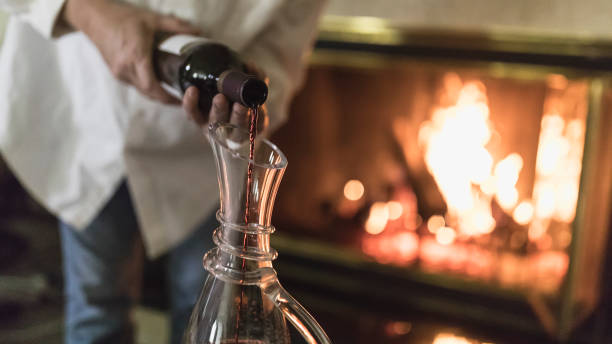
Best decanter shapes and sizes
Choosing the right decanter shape and size is essential for optimizing aeration and enhancing the wine’s flavor profile. For full-bodied red wines like Cabernet Sauvignon or Syrah, select a wide-based decanter with a large surface area—this allows maximum exposure to oxygen, softening tannins and releasing complex aromas.
Lighter reds and aged wines benefit from taller, narrower decanters to control aeration and prevent overexposure. White wines and younger vintages typically don’t require extensive decanting, but a modest decanter can still help open up their bouquet.
Ensure the decanter holds the entire bottle (standard 750ml) with room to spare to prevent spills during pouring. A wide mouth also makes it easier to clean and pour. Ultimately, match the decanter style to your most frequently enjoyed wines to get the best results every time.
Glass thickness and material considerations
The material and thickness of your decanter significantly affect both performance and durability. Lead-free crystal is ideal because it’s thinner yet stronger than regular glass, offering a refined appearance and better aeration due to micro-pores that allow subtle oxygen exchange.
Thinner glass also enhances the sensory experience by making the decanter lightweight and elegant to handle. However, thicker glass may be preferable for households with children or frequent entertaining, as it’s less prone to chipping. Avoid plastic decanters—they can retain odors and don’t provide the clarity or prestige of glass.
Opt for high-quality, dishwasher-safe crystal if you prioritize convenience, but handwashing is recommended to preserve brilliance and prevent clouding. A well-crafted decanter not only improves wine but becomes a long-lasting centerpiece for your dining experience when made from superior materials.
Easy-to-clean decanter designs
An often-overlooked factor in choosing a decanter is cleanability, which can greatly impact long-term use. Look for designs with wide necks and smooth interior curves that allow easy access for brushes and cleaning tools.
Decanters with narrow openings or intricate etching can trap wine residue and develop stubborn stains or odors over time. Detachable bases or dishwasher-safe models offer added convenience, especially for daily use.
Consider models that come with cleaning beads or brushes designed specifically for decanters—these help dislodge sediment and remove film without scratching. Avoid overly ornate designs if you prefer low maintenance. A smooth, seamless interior not only enhances aesthetics but prevents buildup of tartaric crystals.
Ultimately, a decanter that’s simple to disassemble and rinse encourages regular use and ensures your wine always tastes fresh, free from lingering residues of past pours.
Step-by-Step Guide to Decanting Wine
How to open and prepare the bottle
Begin by carefully removing the foil from the top of the wine bottle using a foil cutter or the blade of your corkscrew. This exposes the cork and helps prevent any debris from falling into the wine during decanting.
Stand the bottle upright for several hours before opening, especially if it’s an older vintage, to allow sediment to settle at the bottom. Use a high-quality corkscrew to gently extract the cork without shaking the bottle, as agitation can stir up sediment.
Once the cork is removed, wipe the neck of the bottle with a clean, damp cloth to remove any dust or residue. Place your decanter nearby and ensure it’s clean and dry.
If you’re using a candle or small light source to monitor sediment later, set it beneath the bottle’s neck now. Proper preparation ensures a smooth decanting process and preserves the wine’s clarity and flavor.
Pouring wine slowly to avoid sediment
Once the bottle is opened and prepped, begin pouring the wine slowly and steadily into the decanter. Hold the bottle at a slight angle and pour in a continuous, controlled stream to minimize turbulence.
Keep the neck of the bottle well-lit—using a candle or LED light—so you can see when sediment begins to move toward the opening. The goal is to leave the sediment behind in the bottle while transferring the clear wine.
Avoid sudden movements or shaking, as this can disturb the settled particles. If the wine has significant sediment, pour in smaller increments, pausing occasionally to let particles settle again. This careful process is especially important for older red wines like Cabernet Sauvignon or Barolo.
By pouring slowly and attentively, you preserve the wine’s smooth texture and prevent gritty residue from entering your glass.
How to stop pouring when sediment reaches the neck
As you pour, closely monitor the wine’s flow near the neck of the bottle, especially with the aid of a light source behind it. When you see sediment beginning to rise into the neck or spout, stop pouring immediately.
Even a small amount of sediment can affect the taste and texture of the wine, so it’s better to leave the last ounce or two in the bottle than risk contamination. Set the bottle down gently to avoid disturbing the sediment further.
At this point, the majority of the wine should be in the decanter, clear and ready to breathe. If needed, you can cover the decanter with a clean cloth or stopper to prevent dust from entering.
This final step ensures your decanted wine is both visually appealing and smooth on the palate, enhancing the overall tasting experience.
How Long to Decant Different Wines
Decanting times for bold reds like Cabernet Sauvignon
Bold red wines such as Cabernet Sauvignon, Syrah, and Nebbiolo benefit significantly from decanting due to their high tannin content and concentrated flavors. Decanting for 1 to 2 hours allows these robust wines to soften and open up, revealing complex aromas of dark fruit, spice, and earth.
To decant properly, pour the wine steadily into the decanter, avoiding sudden movements to prevent disturbing any sediment in older bottles. For younger vintages (under 5 years), the full two-hour exposure helps mellow aggressive tannins. Use a wide-bottomed decanter to maximize surface area and accelerate aeration.
Taste periodically after the first 30 minutes to monitor evolution—some bold reds peak within 90 minutes. Avoid over-decanting, as extended exposure beyond 3 hours may lead to flavor flattening. This process enhances enjoyment by balancing structure and bouquet, making it ideal before serving at dinner parties or special occasions.
Light reds and when to limit decanting
Light-bodied red wines like Pinot Noir, Gamay, and Beaujolais require a more delicate approach to decanting. These wines have lower tannin levels and more subtle aromatic profiles, making them prone to losing freshness with excessive aeration.
Decant for 15 to 30 minutes only, just enough to allow slight oxygenation and release delicate notes of red berries, florals, and earth. Avoid prolonged exposure, as it can diminish vibrant fruit characteristics and shorten the wine’s expressive peak. When decanting, use a narrow-necked decanter to control airflow.
For younger light reds, brief decanting can enhance drinkability, but older vintages may only need gentle pouring to remove sediment. Never decant chilled light reds—serve them slightly cool (around 55°F) to preserve structure.
The goal is gentle aeration, not transformation, ensuring the wine remains lively and aromatic from first sip to last.
Aging white wines that benefit from aeration
While most white wines don’t require decanting, older, full-bodied whites such as aged Chardonnay, White Burgundy, or mature Riesling can benefit from controlled aeration. Decanting these wines for 30 to 60 minutes helps unlock complex tertiary aromas like honey, nuts, and petrol while softening any oxidative edges.
This is especially useful for bottles aged over 8–10 years, where subtle integration of flavors enhances the tasting experience. Decant carefully to separate any sediment that may have formed over time. Use a clear decanter to monitor clarity and color.
Avoid decanting young, aromatic whites like Sauvignon Blanc or Pinot Grigio, as oxygen exposure can dull their bright acidity and fresh fruit notes. The key is precision and timing—over-aerating delicate aged whites can lead to fatigue.
When done right, decanting elevates depth and harmony, revealing the wine’s evolved character without sacrificing vibrancy.
Common Decanting Mistakes to Avoid
Shaking or swirling the decanter too much
One of the most common decanting mistakes is shaking or swirling the decanter too much, which can actually harm the wine’s development. While gentle aeration is the goal, aggressive swirling reintroduces excessive oxygen too quickly, potentially over-oxidizing delicate wines like older vintages or light reds.
This can flatten flavors and shorten the wine’s optimal drinking window. Instead, pour the wine slowly down the side of the decanter to encourage controlled exposure to air. Let the wine breathe naturally over time rather than forcing the process.
For younger, robust reds, a decanter with a wide base allows greater surface area contact with air, promoting softening of tannins without agitation. Remember, decanting is about gradual evolution, not rapid transformation.
Avoid treating the decanter like a cocktail shaker—gentle handling preserves complexity and ensures the wine expresses its best characteristics when served.
Using the wrong decanter for the wine type
Choosing the wrong decanter for the wine type can limit its potential or even degrade its quality. Different wines benefit from specific decanter shapes and sizes based on their age and structure.
For example, older, fragile wines require decanters with narrower necks and smaller surface areas to prevent rapid oxidation, preserving delicate aromas. In contrast, bold, young reds like Cabernet Sauvignon thrive in wide-bottomed decanters that maximize air contact, helping soften harsh tannins.
Using an inappropriate decanter—such as one too large for a small volume—can lead to uneven aeration or excessive evaporation. Additionally, clear glass decanters should be cleaned thoroughly to avoid residue that might taint the wine.
Always match the decanter design to the wine’s profile—consider age, body, and tannin level—to ensure optimal aeration and presentation.
Decanting too far in advance of serving
Decanting wine too far in advance of serving can result in diminished aromas and flattened flavors, especially with older or delicate vintages. While younger, tannic reds can benefit from extended aeration—sometimes up to two hours—older wines may peak within 30 minutes and then decline.
Exposing these mature wines to oxygen for too long accelerates oxidation, causing subtle nuances to fade. To avoid this, assess the wine’s age and structure before decanting. For older bottles, decant just before serving and monitor closely.
Younger wines can be decanted earlier, but still benefit from periodic tasting to determine peak expression. Timing is critical—decanting isn’t a set-it-and-forget-it process. When in doubt, start conservatively and taste frequently. This ensures the wine is enjoyed at its optimal moment of balance and complexity, enhancing the overall tasting experience.
Serving and Enjoying Decanted Wine
Ideal serving temperatures after decanting
After decanting, maintaining the correct serving temperature is essential to preserve the wine’s balance and aromatic complexity. Red wines, especially full-bodied varieties like Cabernet Sauvignon or Syrah, should be served between 60–65°F (15–18°C).
If decanted too early and left at room temperature, they can become overly warm, causing alcohol to dominate the nose. Lighter reds like Pinot Noir benefit from the cooler end of this range. White wines, though less commonly decanted, should remain chilled—ideally 45–50°F (7–10°C)—to retain freshness and acidity.
Use a wine thermometer or a simple touch test: the bottle should feel cool but not icy. Avoid placing decanted wine directly on ice, as rapid cooling can dull aromas. Instead, use a wine cooler sleeve or return whites to the refrigerator briefly.
Serve promptly after decanting for optimal flavor expression, especially with delicate or older vintages that evolve quickly in air.
Best glassware to use with decanted wine
Choosing the right glassware enhances the sensory experience of decanted wine by directing aromas and balancing the wine’s structure on the palate.
Opt for large-bowled red wine glasses with a wide rim, such as those designed for Bordeaux or Burgundy, as they allow ample surface area for aeration and help concentrate the wine’s bouquet.
The generous shape captures volatile aromatics released during decanting, making subtle notes of fruit, spice, or earth more pronounced. For decanted white wines, use a slightly smaller tulip-shaped glass to preserve cooler temperatures while still promoting aroma development.
Crystal glasses are preferred over regular glass because their thinner rim provides a smoother flow onto the tongue. Ensure glasses are clean and free of detergent residue, which can distort aromas.
Avoid overfilling—pour to the widest part of the bowl to maximize swirling and oxygen interaction, fully showcasing the wine’s improved character post-decanting.
How to taste and evaluate the wine’s improvement
To assess the impact of decanting, engage in a structured tasting process that highlights changes in aroma, texture, and flavor. Begin by observing the wine’s color and clarity, then swirl gently to release its bouquet.
Take an initial sniff: compare the intensity and complexity of aromas to how the wine smelled straight from the bottle. Look for softened tannins in reds, increased fruit expression, or diminished reductive notes like sulfur.
Take a small sip, letting the wine coat your palate—note whether the mouthfeel feels smoother or more balanced. Wait 15–30 minutes after decanting and taste again; many wines continue to evolve.
For older vintages, check if sediment was successfully left behind and if tertiary notes like leather or dried fruit have emerged. Use a tasting journal to record impressions over time. This methodical approach helps you appreciate the wine’s transformation and determine ideal decanting durations for future bottles.
Frequently Asked Questions
What is decanting wine?
Decanting wine is the process of pouring wine from its bottle into another container, typically a decanter, to separate it from sediment and to aerate it, enhancing its flavor and aroma.
Why should I decant wine?
Decanting helps remove sediment from older wines and allows younger wines to breathe, softening tannins and releasing more complex aromas and flavors.
How do I decant an older wine properly?
Stand the bottle upright for several hours before decanting to settle the sediment. Slowly pour the wine into the decanter without disturbing the sediment, and stop pouring when you see sediment reaching the neck.
How long should I decant a young red wine?
Young red wines typically benefit from 30 minutes to 2 hours of decanting, depending on their body and tannin levels. Bolder wines like Cabernet Sauvignon may need longer aeration.
Do white wines need to be decanted?
Most white wines don’t require decanting, but full-bodied whites like aged Chardonnay can benefit from a short decant to open up their aromas.
What tools do I need to decant wine?
You need a clean decanter, a stable surface, and optionally a wine candle or light source to help spot sediment when decanting older wines.
Can I over-decant wine?
Yes, over-decanting can cause wine to lose its freshness and aroma, especially delicate or older wines. Monitor the wine’s development and taste periodically.
Conclusion
Decanting wine properly enhances its flavor and aroma, especially for young reds and older vintage wines. Patience and attention make all the difference. With practice, anyone can master this simple yet elegant technique. So, grab a bottle, pour with care, and savor the richer, more nuanced experience decanting brings to your wine enjoyment.


