How Long Will Coffee Stay Fresh
how long will coffee stay fresh depends on whether it’s whole bean, ground, or brewed, plus how you store it. If you’re wondering why coffee loses flavor so quickly and how to keep it tasting its best, you’re in the right place. This guide explains realistic freshness timelines, the signs your coffee is past its prime, and the simple storage habits that make the biggest difference in preserving aroma, flavor, and overall quality in everyday home storage conditions.
How long coffee stays fresh by type
How long whole bean coffee stays fresh
Whole bean coffee usually stays at its best for 2 to 4 weeks after opening if stored well, though unopened bags can remain good for several months. For the freshest flavor, keep beans in an airtight, opaque container at room temperature, away from heat, sunlight, and moisture.
Avoid storing them in the fridge, where humidity and odors can affect taste. If you buy in bulk, divide beans into smaller portions so you only open what you need.
A good rule is to grind only right before brewing, since whole beans hold onto aroma and oils longer than ground coffee. If the beans smell flat instead of rich and fragrant, freshness has already started to fade.
How long ground coffee stays fresh
Ground coffee loses freshness faster than whole beans because more surface area is exposed to air. After opening, it tastes best within 1 to 2 weeks, although it may still be usable for longer if stored properly.
Keep it in an airtight container in a cool, dark cupboard, and avoid frequent opening if possible. If the original package has a one-way valve, that helps, but transferring it to a sealed container often works better once opened.
Ground coffee will not usually spoil quickly, but it can become stale, dull, and less aromatic. To get better flavor, buy smaller amounts more often or grind your own beans as needed. Fresh aroma is one of the easiest signs that ground coffee is still in good shape.
How long brewed coffee stays fresh
Brewed coffee is best enjoyed within 30 minutes to 1 hour for the fullest flavor, especially if it is black coffee kept warm. After that, oxidation starts changing the taste, making it more bitter or flat.
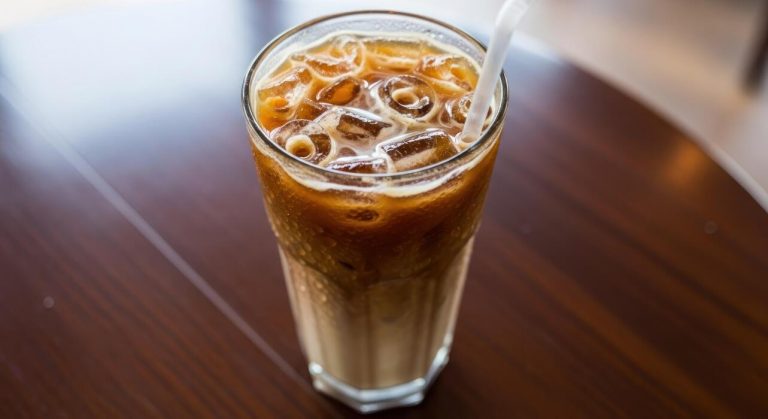
If left at room temperature, brewed coffee is generally fine for about up to 12 hours, but quality drops well before then. If you want to save it, refrigerate it in a sealed container and use it within 1 to 2 days for iced coffee or reheating.
Milk-based coffee drinks should be refrigerated promptly and used much sooner, usually within a few hours. For the best results, brew only what you plan to drink and avoid leaving coffee on a hot plate too long, since that speeds up flavor loss.
How long instant coffee stays fresh
Instant coffee lasts longer than most other types because it is shelf-stable and low in moisture. An unopened jar or packet can stay good for 1 to 2 years or more, depending on the packaging and best-by date.
Once opened, it is best used within 6 to 12 months for stronger flavor, though it may remain safe longer if kept dry. The key is to store it in a tightly sealed container away from steam, humidity, and heat.
Always use a dry spoon, since moisture can cause clumping and reduce quality faster. If the granules lose their aroma, harden, or taste noticeably weak, freshness has declined. For best results, keep the lid sealed right after each use and avoid storing it near the stove or kettle.
What affects how long coffee stays fresh
How oxygen changes coffee flavor over time
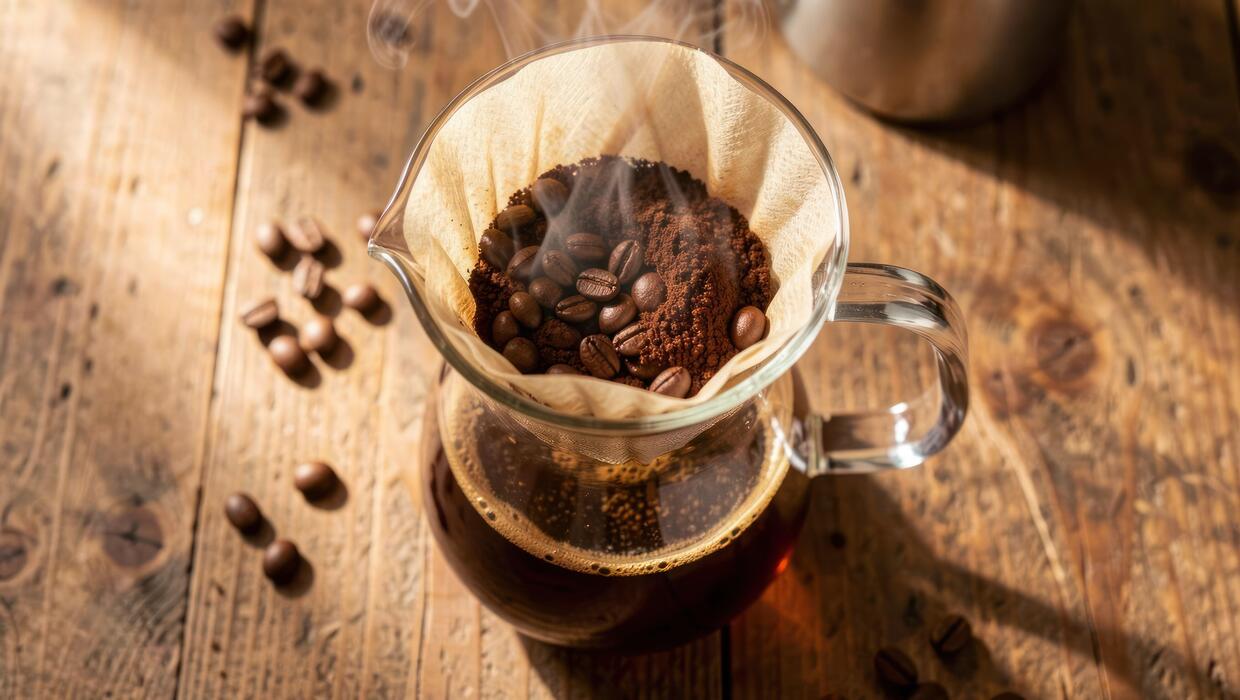
Oxygen is one of the biggest reasons coffee loses freshness, so if you are wondering how long coffee will stay fresh, storage after opening matters almost as much as the roast date.
As coffee sits exposed to air, aromatic compounds slowly fade and oils begin to oxidize, which makes the flavor taste flatter, duller, or even slightly bitter. Whole beans usually stay fresh longer than ground coffee because less surface area is exposed to oxygen.
In practical terms, unopened coffee lasts longer, but once opened, whole beans are usually at their best for about 2 to 4 weeks, while ground coffee often tastes noticeably less vibrant after 1 to 2 weeks.
To slow this down, keep coffee in a sealed, opaque, airtight container and open it only when needed. For the best cup, buy smaller amounts more often and grind just before brewing so more of the flavor stays in the cup instead of escaping into the air.
Why light, heat, and moisture make coffee stale faster
Light, heat, and moisture speed up staling, so they directly affect how long coffee stays fresh at home. Sunlight and strong indoor light can break down delicate flavor compounds, while heat pushes oils and aromatics to deteriorate more quickly.
Moisture is especially harmful because it can cause coffee to clump, lose aroma, and in some cases introduce conditions that spoil quality faster. That is why coffee stored near the stove, dishwasher, fridge door, or on an open countertop tends to lose flavor sooner.
The best approach is to keep coffee in a cool, dark, dry place, such as a pantry or cabinet away from appliances. Use an airtight container rather than the original loosely folded bag if it does not reseal well.
Avoid refrigerating coffee for daily use, since repeated opening can introduce condensation. Stable room-temperature storage is usually better. If you want freshness to last, protect coffee from all three: light, heat, and humidity.
How roast date matters more than expiration date
If you want to judge how long coffee will stay fresh, pay more attention to the roast date than the expiration or best-by date. Expiration dates are often broad estimates for shelf life, not a reliable signal of peak flavor.
Coffee can still be safe to drink long after that ideal window, but it may no longer taste lively, sweet, or complex. The roast date tells you when the coffee began its freshness timeline.
In general, whole beans are often best after a short rest of a few days and then within about 2 to 6 weeks of roasting, depending on the bean and roast style. Ground coffee declines faster once exposed.
When shopping, choose bags with a clearly printed roast date and buy only what you will use soon. Fresher is not always “same day” better, but recently roasted coffee usually gives you the best chance at strong aroma and flavor.
For better results, match your purchase size to your actual brewing routine.
How to tell if coffee is no longer fresh

Signs whole bean or ground coffee has gone stale
To tell whether coffee is no longer fresh, start with the aroma. Fresh coffee smells strong, sweet, and complex, while stale coffee gives off little scent or a flat, papery smell.
Look at the beans or grounds as well: whole beans should have a slight natural sheen from oils, but coffee that seems dry, dull, or lifeless may be past its prime.
When you brew it, stale coffee often produces a cup that tastes muted rather than rich, even if you use the same method and ratio as usual.
As a general guide, whole beans stay freshest for about 2 to 4 weeks after opening, while ground coffee loses quality faster, often within 1 to 2 weeks. To extend freshness, keep coffee in an airtight container, away from light, heat, moisture, and air.
If the flavor seems noticeably weaker, it is likely stale even if it is not spoiled.
How brewed coffee tastes when it is past its best
Brewed coffee is easiest to judge by flavor. When it is past its best, the cup often tastes flat, hollow, or dull, lacking the clear sweetness, acidity, or chocolatey depth you expect.
You may also notice bitterness becoming sharper as the pleasant flavor notes fade, especially if the coffee has been sitting on a hot plate. Freshly brewed coffee usually tastes best within 20 to 30 minutes, while coffee held warm for longer can develop a burnt, sour, or stale edge.
Iced or refrigerated brewed coffee may stay drinkable longer, but it can still lose its bright character after a day or two. If your coffee smells weak and the finish tastes dry or cardboard-like, freshness has likely gone.
For the best experience, brew only what you plan to drink soon and store extra coffee in a sealed container in the fridge if needed, rather than leaving it exposed to air and heat.
Can old coffee still be safe to drink
In many cases, old coffee is stale rather than dangerous. Whole beans and ground coffee that have simply lost freshness usually remain safe to drink if they have been stored properly and kept dry and free from contamination.
The main issue is quality: the taste becomes weaker, less aromatic, and less satisfying. However, you should throw coffee away if you see mold, clumping from moisture, unusual discoloration, or a rancid smell, since exposure to water or humidity can lead to spoilage. Brewed coffee is more time-sensitive.
Black coffee left at room temperature for a few hours may only taste bad, but coffee with milk, cream, or sugar should not sit out long because bacteria can grow.
If you are wondering how long coffee will stay fresh, remember that freshness and safety are not the same thing: coffee may be safe past its peak, but once it smells off or shows signs of moisture damage, it is best not to drink it.
Best ways to store coffee to keep it fresh longer
How to store coffee beans at room temperature
For most homes, room temperature storage is the best way to keep coffee fresh longer. Whole beans usually taste best for about 2 to 4 weeks after opening when stored well, while ground coffee often loses flavor faster, usually within 1 to 2 weeks.
Keep coffee in a cool, dry, dark place such as a pantry or cupboard away from the oven, dishwasher, and sunny counters. Leave the beans in their original bag only if it has a one-way valve and a tight seal; otherwise transfer them quickly to a better container.
Buy coffee in smaller amounts you can finish within a few weeks instead of stocking up for months. Open the container only when needed, and avoid scooping with a wet spoon or storing coffee near strong-smelling foods.
The biggest freshness threats are air, moisture, heat, and light, so reducing exposure to all four will help preserve aroma and flavor.
Best containers for keeping coffee fresh
The best container for coffee is one that protects it from oxygen, light, and humidity. Choose an opaque, airtight container made from stainless steel, ceramic, or dark glass, and keep the lid sealed tightly after every use.
Vacuum-sealed or air-displacement canisters can be especially helpful because less air contact means slower staling. If you buy premium beans, storing them in a quality canister can help preserve their flavor for the period when coffee is at its best, typically a few weeks after opening for whole beans.
Avoid clear containers left on display, because even indirect light can reduce freshness over time. It also helps to use a container that fits the amount of coffee you have, since extra empty space inside means more trapped air.
For daily convenience, divide a larger bag into smaller portions so you only expose one batch at a time and keep the rest sealed.
Where not to store coffee in your kitchen
Avoid storing coffee anywhere that exposes it to heat swings, steam, sunlight, or odors. That means coffee should not live above the stove, next to the oven, near the dishwasher, beside the microwave vent, or on an open countertop that gets direct sun.
These spots warm up repeatedly, and temperature changes speed up flavor loss. Skip places near the sink too, because moisture in the air can affect both beans and grounds. The refrigerator is also a poor everyday choice, since coffee can absorb condensation and food smells, which dulls its taste.
Freezing is only useful for long-term storage in tightly sealed portions that will be thawed once, not opened repeatedly. In most kitchens, the best location is a closed pantry or cabinet far from appliances that generate heat.
If you want coffee to stay fresh longer, focus less on display and more on a stable, dry, dark storage spot.
Should you refrigerate or freeze coffee
When freezing coffee can help freshness
Freezing can be a smart option if you need coffee to stay fresh longer than it would in the pantry.
For most whole beans, best flavor usually lasts about 2 to 4 weeks after opening at room temperature, while freezing can help preserve them for up to 1 to 3 months with less noticeable flavor loss if packed well.
The key is to freeze coffee only when you will not use it soon. Divide beans into small, airtight portions so each packet is opened once, not repeatedly exposed to moisture and air. Use opaque freezer bags or vacuum-sealed containers, and press out as much air as possible.
Whole beans freeze better than ground coffee because less surface area is exposed. If your goal is answering how long coffee will stay fresh, freezing helps most with unopened or carefully portioned beans, but it does not improve stale coffee.
Freeze for storage, not for daily access, and label each package with the roast and freeze date.
Why the refrigerator is usually a bad idea
Refrigerating coffee sounds practical, but it is usually one of the worst places to store it. Coffee stays freshest when kept cool, dark, dry, and sealed, and the refrigerator is humid, full of odors, and opened often.
Beans and grounds can absorb moisture and surrounding smells from foods like onions, leftovers, and sauces, which can flatten or alter flavor. For everyday freshness, coffee typically stays good for about 2 to 4 weeks after opening in an airtight container at room temperature, especially if it is whole bean.
In the fridge, frequent temperature changes can cause condensation, which speeds flavor loss rather than preventing it. Ground coffee is even more vulnerable because its larger exposed surface area stales faster. Instead of refrigerating, store coffee in an opaque, airtight container in a cupboard away from heat and sunlight.
If you will use it within a few weeks, pantry storage is usually the best balance of simplicity and flavor protection.
Tips for thawing frozen coffee without losing flavor
To thaw frozen coffee successfully, focus on avoiding condensation. The best method is to remove only the portion you need and let the sealed package come fully to room temperature before opening it. This keeps moisture from forming directly on the beans or grounds.
If you portioned coffee before freezing, each packet can be thawed once and used normally, which protects freshness much better than returning the same bag to the freezer.
For people asking how long coffee will stay fresh, thawed coffee is best used within 1 to 2 weeks for strongest flavor, though it may remain drinkable longer. Once opened after thawing, treat it like fresh coffee: store it in an airtight container, away from light, heat, and steam.
Do not microwave beans to speed thawing, and avoid moving coffee repeatedly between freezer and counter. Freeze once, thaw once, use promptly is the simplest rule for preserving flavor.
How long brewed coffee lasts after making it
How long black coffee stays fresh on the counter
Freshly brewed black coffee tastes best within 20 to 30 minutes of brewing, when its aroma and flavor are at their peak. If you leave it on the counter at room temperature, it will usually stay drinkable for about 4 to 6 hours, but the flavor starts declining much sooner.
Oxygen, light, and heat gradually make coffee taste stale, bitter, or flat, even if it is still technically safe to drink.
If your goal is freshness rather than just safety, pour only what you plan to drink soon and keep the rest in an insulated thermos instead of a hot plate, which can scorch it. Avoid repeatedly reheating brewed coffee, because that further degrades the taste.
If the coffee smells sour, develops an unusual odor, or has been sitting out all day, it is better to discard it. For the best cup, brew smaller batches and drink black coffee within a few hours.
How long coffee lasts in the fridge
If you want brewed coffee to last longer, refrigerating it is the best option. Plain black coffee can usually stay good in the fridge for about 3 to 4 days when stored in a sealed container.
An airtight glass jar or bottle works well because it limits exposure to oxygen and prevents the coffee from absorbing fridge odors.
Even though chilled coffee remains safe for several days, the taste will still fade over time, so it is best to use it within 24 hours if freshness matters most. Refrigerated coffee is ideal for iced coffee, smoothies, or recipes where slight flavor loss is less noticeable.
Letting hot coffee cool slightly before sealing and refrigerating can help reduce condensation. If you notice a sour smell, cloudy appearance, or off taste, throw it out. For the best results, label the container with the brew date and make only enough to enjoy within a few days.
How milk, cream, and sugar shorten freshness
Adding milk, cream, or sugar changes how long brewed coffee stays fresh. Once dairy is mixed in, coffee should not sit at room temperature for more than about 2 hours, and even less if the room is very warm.
Milk and cream create a more perishable drink, so bacteria can grow faster than in plain black coffee. If you refrigerate coffee with dairy added, try to drink it within 1 to 2 days for the best balance of safety and flavor.
Sugar does not spoil quickly on its own, but sweetened coffee can still lose freshness fast, especially when combined with milk or flavored creamers. To make coffee last longer, store brewed coffee black and unsweetened, then add extras right before drinking. That simple habit preserves flavor and reduces waste.
If dairy coffee smells tangy, looks separated in an unusual way, or tastes off, discard it immediately rather than trying to salvage it.
Tips for buying and using coffee at peak freshness
How much coffee to buy for the freshest taste
If you are wondering how long coffee will stay fresh, the most practical answer is that it tastes best when you buy only what you can use within 2 to 4 weeks after roasting.
Whole beans generally hold their flavor longer than pre-ground coffee, so a small bag of beans is usually the smartest choice for better taste.
A helpful rule is to estimate your weekly use first: for example, if you brew one or two cups a day, buying 8 to 12 ounces at a time often keeps you in the sweet spot.
Look for a roast date instead of only an expiration date, because freshness is easier to judge from when the coffee was roasted. Avoid stockpiling large bargain bags unless you go through coffee quickly.
Buying smaller amounts more often gives you a more consistent cup, reduces waste, and helps you enjoy the beans before aroma and flavor noticeably fade.
Why grinding right before brewing makes a difference
Coffee can stay reasonably fresh as whole beans for a few weeks, but once it is ground, it loses quality much faster because more surface area is exposed to oxygen. That means the aromas you want in the cup begin escaping almost immediately.
If you want coffee to taste brighter, sweeter, and more complex, grind only the amount you need right before brewing. Even a basic burr grinder can make a noticeable difference in flavor compared with buying coffee pre-ground days or weeks earlier.
This is especially helpful if you are trying to make your coffee last while still getting the best taste from each batch. Store whole beans properly, then grind fresh for each pot, mug, or espresso shot. If pre-ground coffee is your only option, buy smaller packages and use them quickly.
Fresh grinding is one of the easiest ways to improve flavor without changing your beans, brewer, or recipe.
Simple habits that help coffee stay fresh longer
To keep coffee fresh as long as possible, protect it from air, light, heat, and moisture. Store your coffee in an opaque, airtight container and keep it in a cool, dry cupboard rather than on the counter near sunlight or steam.
For everyday use, avoid repeatedly opening a large original bag if you can portion beans into smaller sealed containers. Skip the refrigerator, since coffee can absorb odors and moisture.
Freezing can work only if you divide coffee into small, tightly sealed portions and thaw each portion once before use, but for most people, buying less coffee more often is simpler and gives better results. Use a clean, dry scoop, and keep the storage container closed between uses.
These habits will not stop coffee from aging, but they will slow flavor loss and help whole beans stay enjoyable for several weeks, while pre-ground coffee is best used much sooner.
Frequently Asked Questions
How long will coffee beans stay fresh after roasting?
Whole coffee beans are usually at their best for about 2 to 4 weeks after roasting if stored properly. They can still be drinkable after that, but the flavor and aroma gradually fade as the beans are exposed to oxygen.
How long does ground coffee stay fresh?
Ground coffee loses freshness much faster than whole beans because more surface area is exposed to air. For the best taste, use it within 1 to 2 weeks after opening, though it may remain safe to drink longer if kept dry and sealed.
How long does brewed coffee stay fresh?
Brewed coffee tastes best within 30 minutes of brewing, especially if left on a hot plate. If refrigerated in a sealed container, it can last about 3 to 4 days, but the flavor will become flatter and more bitter over time.
What is the best way to store coffee to keep it fresh longer?
Store coffee in an airtight container in a cool, dark, and dry place away from heat, light, moisture, and strong odors. Avoid keeping it in the fridge for daily use, since frequent temperature changes can introduce moisture and reduce quality.
Does unopened coffee stay fresh longer than opened coffee?
Yes, unopened coffee generally stays fresh longer because it has less exposure to air. Depending on the packaging and whether it is whole bean or ground, unopened coffee can keep good quality for several months, though it is best when used close to the roast date.
Can I freeze coffee to make it last longer?
Yes, coffee can be frozen if it is stored in a tightly sealed, moisture-proof container and not repeatedly thawed and refrozen. Freezing works best for long-term storage of whole beans, but for everyday use, room-temperature storage in an airtight container is usually better.
How can I tell if coffee is no longer fresh?
Coffee that is no longer fresh often smells dull, flat, or stale instead of rich and aromatic. When brewed, it may taste weak, papery, or bitter, even if you prepare it the same way you usually do.
Conclusion
Coffee stays freshest when stored properly and consumed within the right timeframe: whole beans typically last longer than ground coffee, and brewed coffee is best enjoyed soon after preparation. Airtight containers, cool dark storage, and minimal exposure to air, moisture, and heat all help preserve flavor. By following a few simple habits, you can keep your coffee tasting better for longer and enjoy every cup at its best.