Ok Google How To Make Cold Coffee
If you just asked ok google how to make cold coffee, you’re likely craving a quick, creamy iced coffee without the bitterness of hot brew. You’re in the right place. The core problem is getting that smooth, café-style taste at home—not watered-down leftovers. This guide cuts through the noise, giving you a simple, no-fuss method using instant coffee or espresso, milk, ice, and a sweetener. No fancy equipment needed, just results you’ll actually enjoy.
What You Need to Make Cold Coffee at Home
Essential ingredients for cold coffee
To make a delicious cold coffee at home, start with freshly brewed coffee—either instant or brewed—and cold milk (dairy or plant-based). Add sugar or sweetener to taste, such as simple syrup, honey, or stevia for easy dissolving. For creaminess, include ice cubes and optionally heavy cream or whipped cream.
For flavor, consider vanilla extract, chocolate syrup, or a pinch of cinnamon. If you prefer a cold brew base, use coarse ground coffee and cold water steeped for 12-24 hours. These simple ingredients allow you to customize sweetness, strength, and richness.
Keep chilled glasses ready for serving, and have a straw or spoon for mixing. This list covers the basics for a refreshing, café-style cold coffee at home without special equipment.
Best coffee types for cold brew
For the smoothest cold coffee, choose coarse ground coffee beans specifically for cold brew. Medium to dark roast beans work best as they yield a rich, low-acid flavor with chocolatey or nutty notes. Arabica beans are preferred for their balanced taste, while Robusta adds extra caffeine and crema.
Avoid fine grounds like espresso, as they over-extract and create bitterness. Single-origin beans (e.g., Colombian or Ethiopian) offer unique fruity or floral notes. For instant cold coffee, use freeze-dried instant coffee granules that dissolve easily in cold milk. Pre-ground cold brew blends are convenient and consistent.
Store beans in an airtight container to maintain freshness. Experiment with different roasts to find your preferred flavor profile—light roasts are more acidic, while dark roasts are bold and smooth. This selection ensures a flavorful, non-bitter cold brew every time.
Kitchen tools required for cold coffee
You only need basic kitchen tools for homemade cold coffee. A mason jar or large pitcher is essential for brewing and storing. Use a fine-mesh strainer or cheesecloth to filter grounds if making cold brew. A long spoon or stirrer helps mix ingredients.
For blending, a blender creates frothy, creamy coffee—just combine coffee, milk, ice, and sweetener. If using instant coffee, a whisk or milk frother dissolves granules quickly. Ice cube trays are necessary for chilling, and coffee scoop ensures consistent strength. For cold brew, a French press simplifies steeping and filtering.
Measuring cups and spoons help with ratios. Optional but helpful: a milk frother for foam, straws for serving, and glass tumblers for presentation. These tools make the process efficient, allowing you to whip up a refreshing cold coffee in minutes with minimal cleanup.
How to Make Cold Coffee with Instant Coffee
Step-by-step instant cold coffee recipe
Start by gathering your ingredients: 2 teaspoons of instant coffee, 2 teaspoons of sugar (adjust to taste), 2-3 tablespoons of hot water (not boiling), ½ cup of cold milk (dairy or plant-based), and a handful of ice cubes.
First, dissolve the instant coffee and sugar in the hot water by stirring vigorously until fully mixed. For a frothy texture, you can whisk or blend this mixture for 30 seconds until it becomes light and creamy.
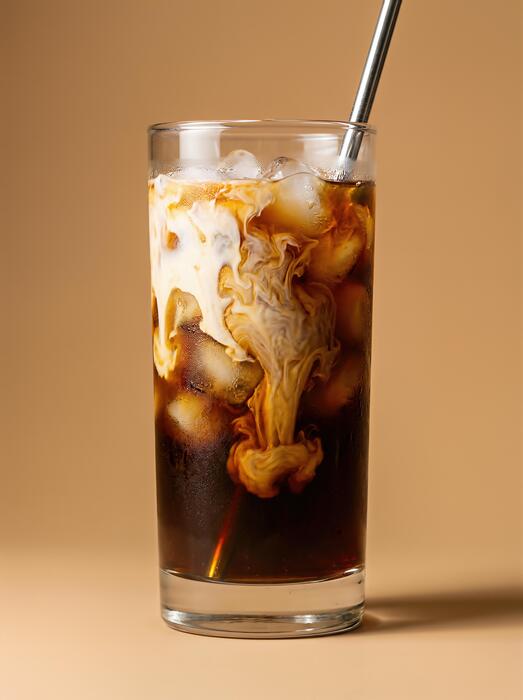
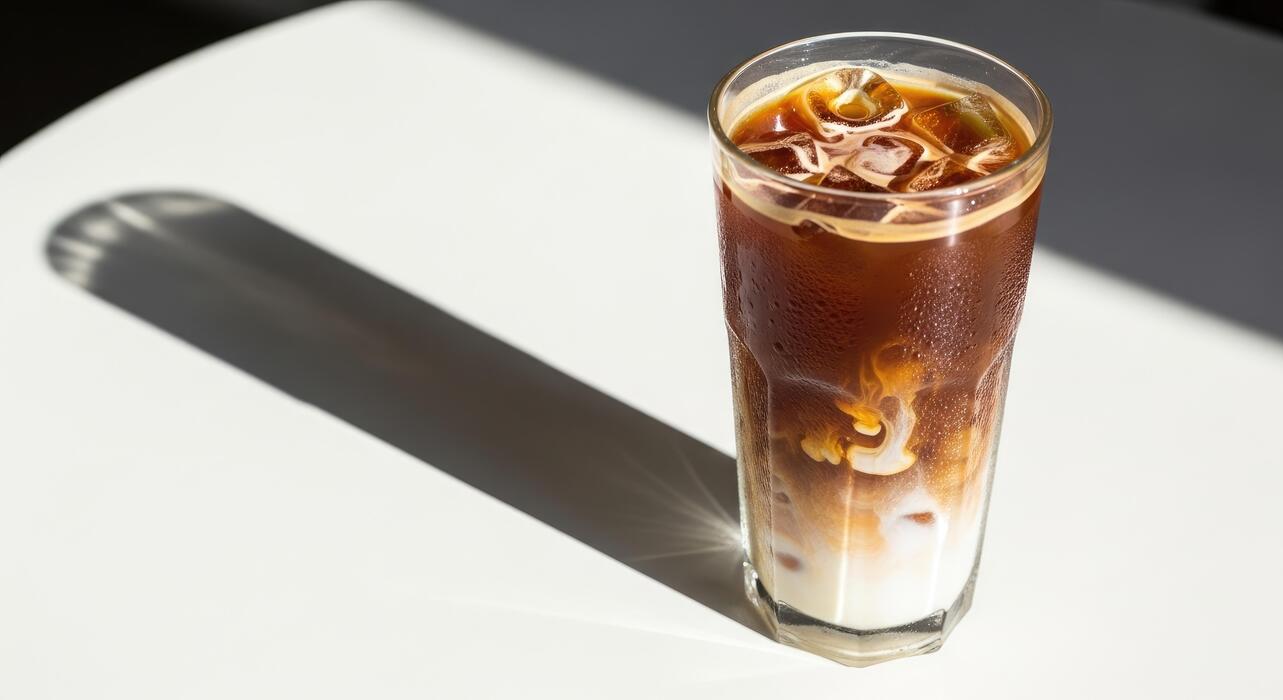
Next, fill a tall glass with ice cubes and pour the coffee concentrate over them. Slowly add the cold milk and stir gently to combine. For an extra indulgence, top with a splash of heavy cream or a sprinkle of cocoa powder. Serve immediately with a straw.
This method works perfectly for a single serving and takes under 5 minutes, making it ideal for a quick, refreshing coffee fix without needing any special equipment.
Quick tips for dissolving instant coffee
The key to a smooth cold coffee is ensuring your instant coffee dissolves completely, avoiding gritty bits. Always start with hot water, not cold, as hot liquid breaks down coffee granules instantly.
Use about 2 tablespoons of hot water per serving—this is enough to dissolve the coffee without diluting the flavor. Stir with a spoon or a small whisk for 15-20 seconds until no granules remain.
For a richer texture, you can also shake the mixture in a sealed jar with the sugar and a splash of milk for 30 seconds; this creates a frothy base. If using cold water, dissolve the coffee in a tiny amount first, then add more water gradually.
Avoid using boiling water, as it can scorch the coffee and create bitterness. These simple steps ensure every sip is consistent and delicious, preventing any unpleasant coffee clumps from ruining your drink.
Adjusting sweetness and milk ratio
Customize your cold coffee to match your taste preferences by tweaking sweetness and milk proportions. For sweetness, start with 1-2 teaspoons of sugar or a liquid sweetener like honey or agave syrup—dissolve it along with the coffee in hot water.
If you prefer a sugar-free option, use stevia or monk fruit sweetener to taste. For a creamier drink, use whole milk or oat milk, which adds richness; for a lighter version, opt for skim milk or almond milk.
Adjust the milk ratio: a 1:1 coffee concentrate to milk yields a strong flavor, while a 1:2 ratio creates a milder, milkier beverage. You can also add a splash of vanilla extract or a pinch of cinnamon for extra depth.
For a dessert-like treat, swirl in chocolate syrup or caramel sauce. Remember, ice will slightly dilute the drink, so consider making the coffee concentrate slightly stronger if you prefer a bold taste after melting. Taste and adjust before serving to get your perfect cup.
How to Make Cold Brew Coffee from Scratch

Simple cold brew concentrate recipe
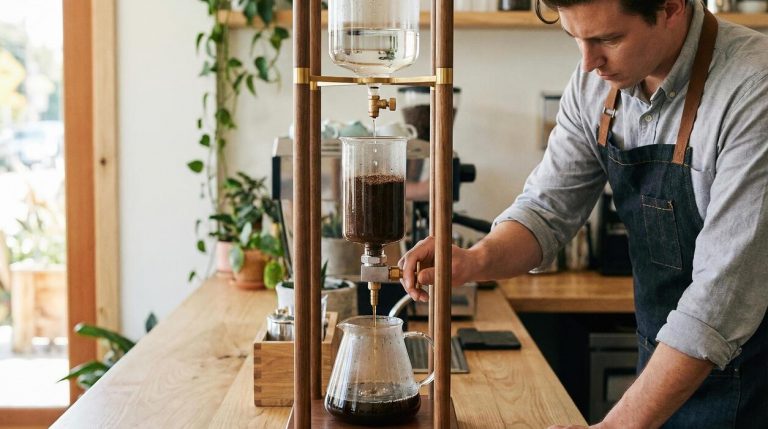
Making cold brew concentrate at home is incredibly easy. Start with coarsely ground coffee—a grind size similar to breadcrumbs works best to avoid over-extraction and bitterness. Use a ratio of 1 cup of coffee grounds to 4 cups of cold, filtered water.
Place the grounds in a large jar or pitcher, then pour the water over them, stirring gently to ensure all grounds are saturated. Cover the container with a lid or plastic wrap. Let it steep at room temperature or in the refrigerator for 12 to 24 hours.
After steeping, strain the mixture through a fine-mesh sieve lined with a coffee filter, cheesecloth, or a nut milk bag. This yields a rich, smooth concentrate that is 2-3 times stronger than regular drip coffee.
Dilute with water or milk to taste—typically a 1:1 ratio—and enjoy over ice for a refreshing, low-acid coffee drink.
Steeping time and water-to-coffee ratio
The key to perfect cold brew is balancing steeping time and the water-to-coffee ratio. For a standard concentrate, use a 1:4 ratio (one part coffee to four parts water by volume).
Steep for 12 hours at room temperature for a balanced flavor, or up to 24 hours for a bolder, more intense brew. If you prefer a ready-to-drink strength, try a 1:8 ratio (e.g., 1 cup coffee to 8 cups water) and steep for 12-18 hours.
Avoid steeping beyond 24 hours, as it can extract bitter compounds. Always use cold or room-temperature water—never hot—to prevent bitterness. Experiment with steeping times: a shorter steep (12 hours) yields a lighter, tea-like brew, while longer steeps (18-24 hours) produce a deeper, chocolatey flavor.
Keep a timer or note on your fridge to track your steep, and adjust based on your taste preference.
Storing and serving cold brew
Once strained, transfer your cold brew concentrate to a clean, airtight glass container and store it in the refrigerator. It will stay fresh for up to 2 weeks, though flavor is best within the first week.
For serving, fill a glass with ice cubes, then pour equal parts concentrate and water or milk (or adjust to your taste). For a creamy twist, use oat milk, almond milk, or a splash of heavy cream.
Add simple syrup, vanilla extract, or a pinch of cinnamon for sweetness and flavor. You can also freeze leftover concentrate in ice cube trays for coffee ice cubes that won’t dilute your drink. Remember, cold brew is versatile: use it as a base for iced lattes, smoothies, or even cocktails.
Always shake or stir the concentrate before using, as grounds can settle. Enjoy your homemade cold brew as a refreshing, low-acid alternative to hot coffee.
Tips for Making Creamy Cold Coffee Like a Café
Using milk frothers and blenders
To achieve that velvety, café-style texture at home, a milk frother or blender is your best friend. Start by brewing a strong batch of coffee—double-strength is ideal—and let it cool to room temperature or chill it in the fridge.
For a frother, use cold milk and froth it until it doubles in volume, creating a thick, airy foam that mimics espresso-based drinks. If using a blender, combine chilled coffee, milk, a sweetener of your choice (like sugar or honey), and a handful of ice cubes.
Blend on high for 20–30 seconds until smooth and frothy. The key is to avoid over-blending to prevent a watery consistency. For an extra creamy touch, add a tablespoon of heavy cream or a splash of condensed milk. This method ensures a rich, smooth texture without needing expensive equipment.
Remember, cold ingredients are crucial—warm milk won’t froth properly, and room-temperature coffee can melt the ice too quickly, diluting the flavor. Experiment with the ratio of coffee to milk to find your perfect balance.
Adding ice without watering down
Nothing ruins a cold coffee faster than watery, diluted flavor. The secret is using coffee ice cubes instead of regular ice. Simply pour leftover brewed coffee into an ice cube tray and freeze overnight.
When you’re ready to make your drink, these cubes chill your coffee without melting and watering it down. If you don’t have coffee ice cubes, use large ice cubes—they melt slower than small ones, giving you more time to enjoy your drink.
Another pro tip: chill your glass beforehand by placing it in the freezer for 10 minutes. This keeps the drink colder longer, reducing ice melt. For an ultra-creamy version, consider using frozen milk cubes (freeze milk in an ice tray) for a double-duty chill that adds richness.
When assembling, pour the cold coffee mixture over the ice gently to preserve the foam. Avoid stirring vigorously, as that accelerates melting. Finally, serve immediately to enjoy the optimal temperature and texture. These simple adjustments ensure every sip is as bold and creamy as a café’s.
Flavor variations: vanilla, caramel, or mocha
Transform your homemade cold coffee into a customized café treat with simple flavor additions. For a vanilla twist, stir in ½ teaspoon of pure vanilla extract or a tablespoon of vanilla syrup into your coffee before blending. This adds a sweet, aromatic note that pairs perfectly with creamy milk.
For a caramel version, drizzle 1–2 tablespoons of caramel sauce into the blender along with your coffee and milk. Blend until smooth, then top with a swirl of extra caramel and a pinch of sea salt for a salted caramel effect.
For a mocha variation, add 1–2 tablespoons of unsweetened cocoa powder or chocolate syrup to the mix. Blend well to combine, and consider a splash of milk or cream to balance the bitterness. For extra indulgence, use dark chocolate chips and let them melt into the hot coffee before cooling.
You can also experiment with spices like cinnamon or nutmeg for a cozy twist. Adjust sweetness to your taste by adding more syrup or a natural sweetener. Each variation takes just seconds to prepare but elevates your cold coffee to café quality.
Common Mistakes to Avoid When Making Cold Coffee

Over-brewing or under-brewing coffee
A common pitfall is treating cold brew like hot coffee, leading to bitter or weak results. For cold brew concentrate, use a 1:4 coffee-to-water ratio (e.g., 1 cup coffee to 4 cups water) and steep for 12-24 hours at room temperature or in the fridge.
Steeping longer than 24 hours extracts bitter compounds, while less than 12 hours yields a watery brew. For iced coffee made with hot brew, double the coffee grounds to compensate for dilution—use 2 tablespoons per 6 oz water instead of the standard 1.
Avoid pouring hot coffee directly over ice, which can shock the flavors; instead, let it cool slightly first. Always filter through a fine-mesh sieve or cheesecloth to remove silt. Test your brew strength by tasting a small amount before serving—adjust ratios for next time.
A balanced extraction ensures a smooth, refreshing cold coffee without harsh acidity or flatness.
Using too much ice or not enough
Ice isn’t just for chilling—it affects flavor and texture. Too much ice dilutes your coffee quickly, washing out nuanced notes and leaving a watery taste. A standard 12 oz glass should have 3-4 large ice cubes (or enough to fill 1/3 of the cup).
Too little ice leaves coffee lukewarm, especially if you used hot brew. For optimal temperature and concentration, chill your coffee first (refrigerate for 30 minutes or use an ice bath) before adding ice.
Alternatively, try coffee ice cubes: freeze leftover coffee in an ice tray, then use them to avoid dilution. If using sweeteners or milk, add them before ice to ensure even mixing. For a creamy texture, consider milk ice cubes instead.
Remember, ice expands as it melts—start with less and add more only if needed. This balance keeps your cold coffee bold and refreshing until the last sip.
Skipping the sweetener step
Cold temperatures dull sweetness perception, so adding sweetener after chilling can leave your coffee tasting flat or bitter. Always dissolve sweeteners (sugar, honey, or syrup) into hot or warm coffee before cooling.
For granular sugar, stir into freshly brewed hot coffee until fully dissolved—undissolved sugar sinks to the bottom and won’t integrate. Simple syrup (equal parts sugar and water, simmered until dissolved) works best for cold coffee; make a batch and store in the fridge for up to two weeks.
Liquid sweeteners like agave or maple syrup can be stirred into room-temperature coffee. If you prefer calorie-free options, try stevia or monk fruit extract mixed into the hot brew. For a flavor boost, add a pinch of cinnamon, vanilla extract, or cocoa powder with the sweetener.
Taste before serving—adjust sweetness level as needed, but remember that cold coffee may need slightly more sweetener than hot coffee to achieve the same perceived sweetness.
Best Ways to Serve and Customize Cold Coffee
Toppings: whipped cream, chocolate shavings, or cinnamon
Elevate your cold coffee with simple, customizable toppings that add flavor and visual appeal. Start with a generous swirl of whipped cream—use canned or homemade sweetened cream for a rich, airy finish.
For a decadent touch, sprinkle dark chocolate shavings or cocoa powder over the cream; they melt slightly for a mocha-like experience. Alternatively, dust ground cinnamon or nutmeg for a warm, aromatic kick that pairs perfectly with iced coffee.
You can also experiment with caramel drizzle, crushed cookies, or a pinch of sea salt to balance sweetness. For a lighter option, try cold foam—frothed milk without cream—or a dollop of Greek yogurt. Remember to add toppings just before serving to maintain texture.
These enhancements let you turn a basic cold coffee into a personalized treat, whether you’re craving a dessert-like indulgence or a spiced morning boost.
Dairy-free alternatives: almond, oat, or coconut milk
Customize your cold coffee with plant-based milks that offer unique flavors and textures. Oat milk is a top choice due to its creamy consistency and natural sweetness, which blends seamlessly without curdling.
Almond milk provides a nutty, lighter base, ideal for those seeking fewer calories—opt for unsweetened varieties to control sugar. Coconut milk (from a carton, not canned) adds a subtle tropical note and rich mouthfeel, perfect for iced lattes.
For best results, shake or stir each milk before pouring to avoid separation. To mimic dairy’s frothiness, warm the milk slightly before adding to cold coffee, or use a handheld frother. Experiment with soy milk for protein or cashew milk for extra creaminess.
Always taste and adjust sweetness, as some alternatives are less sweet than dairy. These options ensure everyone can enjoy a delicious, customized cold coffee without compromise.
Making iced coffee vs. cold brew: key differences
Understand the core differences to choose your method wisely. Iced coffee is brewed hot (using a drip maker, French press, or espresso machine) then cooled and poured over ice. This yields a bright, acidic flavor with quick preparation—just brew double strength to avoid dilution.
Cold brew, however, steeps coarse grounds in cold water for 12–24 hours, producing a smooth, low-acidity concentrate that’s less bitter. For serving, dilute cold brew with water or milk (1:1 or 2:1 ratio) and add ice.
Iced coffee is best for instant gratification, while cold brew excels in batch prep and a mellow taste. Pro tip: Use a coarse grind for cold brew to prevent over-extraction, and a medium grind for iced coffee.
Both can be customized with syrups or creamers, but their flavor profiles differ significantly—choose based on your time and taste preferences.
Frequently Asked Questions About Cold Coffee
Can I make cold coffee without a blender?
Absolutely. Skip the blender and use a jar or shaker bottle instead. For an iced latte, combine 1 cup of chilled strong coffee or espresso with 1/2 cup of cold milk and 1-2 teaspoons of sweetener (like sugar or honey).
Secure the lid tightly and shake vigorously for 30 seconds until frothy. For a classic iced coffee, simply pour brewed coffee over a glass filled with ice and add milk to taste.
For instant coffee, dissolve 1-2 teaspoons in 2 tablespoons of hot water, then add cold milk and ice; shake or stir well. To avoid dilution, use coffee ice cubes—freeze leftover coffee in an ice tray.
Pro tip: If you want a creamy texture without a blender, use a French press: add coffee, milk, and ice, then pump the plunger 10-15 times for a smooth, foamy result. This method works perfectly for a quick, no-electricity-needed cold coffee.
How long does cold brew last in the fridge?
Properly stored cold brew concentrate stays fresh for 7 to 10 days in the refrigerator. After brewing, strain it through a fine-mesh sieve or coffee filter to remove grounds, then store in an airtight glass container. Keep it away from strong-smelling foods to avoid odor absorption.
For best flavor, consume within the first week. Diluted cold brew (ready-to-drink with water or milk) lasts only 3-4 days. Signs of spoilage include a sour smell, off-taste, or visible mold.
To maximize shelf life, use filtered water and clean equipment, and never leave cold brew at room temperature for more than 2 hours. If you add milk or cream, drink it within 24 hours.
For a longer option, freeze cold brew in ice cube trays—these cubes last 2-3 months and won’t dilute your drink. Always label your container with the brew date to track freshness.
Is cold coffee healthier than hot coffee?
Both have health benefits, but cold coffee offers unique advantages. Cold brew is less acidic than hot coffee, which is gentler on your stomach and teeth enamel. A 2018 study found cold brew has up to 70% less acidity, making it ideal for sensitive stomachs.
However, hot coffee typically contains more antioxidants due to higher extraction temperatures—though cold brew’s longer steeping time can compensate. Calorie-wise, both are similar if unsweetened, but cold coffee often encourages adding sugar or cream.
Caffeine content varies: cold brew concentrate has more caffeine per ounce, but regular iced coffee has less than hot drip coffee. For weight management, black cold coffee can boost metabolism without extra calories. The key is to avoid sugary syrups and whipped cream.
Ultimately, the healthiest choice is whichever you drink with minimal additives. Both provide antioxidants and cognitive benefits—choose based on your digestive comfort and taste preference.
Frequently Asked Questions
What is the simplest way to make cold coffee at home?
The simplest method is to mix instant coffee with cold water and milk. Dissolve 1-2 teaspoons of instant coffee in a little hot water, then pour it over a glass filled with ice cubes and add cold milk. Stir and sweeten to taste.
How can I make cold coffee without a coffee machine?
You can make cold coffee without a machine by using instant coffee or by making a cold brew concentrate. For cold brew, steep coarsely ground coffee in cold water for 12-24 hours, then strain and mix with milk or water over ice.
What is the difference between iced coffee and cold brew coffee?
Iced coffee is brewed hot and then poured over ice, while cold brew is made by steeping coffee grounds in cold water for an extended period. Cold brew is typically smoother and less acidic, whereas iced coffee has a more traditional coffee flavor.
How do I make a creamy cold coffee like from a café?
To make a café-style creamy cold coffee, blend 1 cup of chilled milk, 2 tablespoons of coffee syrup or strong brewed coffee, 1-2 teaspoons of sugar, and a handful of ice cubes until frothy. Add a dollop of whipped cream on top for extra creaminess.
Can I make cold coffee with regular ground coffee?
Yes, you can use regular ground coffee. Brew it double-strength using a coffee maker or French press, then let it cool before pouring over ice. For a smoother taste, chill the brewed coffee in the refrigerator before serving.
How long does cold brew coffee take to make?
Cold brew coffee typically takes 12-24 hours to steep. Combine coarse ground coffee with cold water in a jar (use a 1:4 ratio of coffee to water), let it sit at room temperature or in the fridge, then strain. The longer it steeps, the stronger the flavor.
What ingredients do I need for a basic cold coffee recipe?
You need instant coffee or ground coffee, cold milk or water, ice cubes, and sweetener like sugar or syrup. Optional additions include vanilla extract, chocolate syrup, or whipped cream for extra flavor.
How do I make cold coffee without milk?
For a black cold coffee, brew strong coffee and let it cool, then pour it over ice. You can add a splash of cold water or use a cold brew concentrate. Sweeten with simple syrup or flavored syrup if desired.
Conclusion
Making cold coffee at home is simple: brew strong coffee, cool it quickly, and pour over ice with milk and sweetener. Key takeaways include using room-temperature water for a smoother taste and experimenting with ratios to suit your preference. Don’t be afraid to add a pinch of salt or a dash of vanilla for extra depth. Now, grab your ingredients and enjoy a refreshing, café-quality drink anytime.