How To Make Cold Brew Pour Over
If you love the crisp clarity of a pour over but crave the icy refreshment of cold brew, you are in the perfect place. Many coffee lovers wonder how to combine these two worlds without waiting twenty-four hours for a steep. This guide shows you exactly how to make cold brew pour over, often called flash chilling, in just minutes. We will cover the precise ratios and techniques you need to achieve a smooth, bright cup of coffee fast.
What is cold brew pour over coffee?
The difference between cold brew and flash chilled coffee
Understanding the distinction between these methods is essential for achieving the perfect cup. Traditional cold brew involves steeping grounds in room temperature water for up to twenty-four hours, resulting in a heavy body and low acidity.
In contrast, flash chilled coffee, often called Japanese iced coffee, is brewed hot directly over ice to lock in bright aromatic compounds. However, making cold brew pour over introduces a unique middle ground known as slow-drip extraction.
Unlike immersion, this method uses gravity to pull cold water through a bed of coffee over several hours. This process prevents the over-extraction of bitter oils while maintaining a cleaner mouthfeel than standard immersion batches.
By using a pour over dripper to facilitate a slow, cold drip, you bridge the gap between the intense sweetness of cold steeping and the vibrant clarity of hot-brewed methods.
Mastering this technique allows you to enjoy a refreshing beverage that highlights the intricate nuances of your favorite single-origin beans without the muddy sediment often found in French press cold brew.
Why use a pour over dripper for cold extraction
Utilizing a pour over dripper for cold extraction offers unparalleled control over the brewing variables. When you use a V60 or Chemex for a slow-drip cold brew, the conical shape ensures that water passes through the center of the coffee bed, maximizing contact time without the need for full immersion.
This setup allows for precise filtration, as the paper filter traps fine particles and diterpenes that can otherwise make cold coffee taste dusty or oily. To execute this, you simply place a specialized cold-drip valve or a slow-release water reservoir above your dripper.
This mechanical consistency ensures a steady drip rate, typically one drop per second, which is the secret to a balanced extraction. The pour over design facilitates better aeration during the long brewing cycle, preventing the stale flavors that sometimes develop in sealed immersion jars.
By repurposing your existing manual brewing equipment, you can create a professional-grade cold drip tower experience at home, resulting in a sophisticated concentrate that is both versatile and exceptionally smooth on the palate.
The flavor profile of slow-drip cold pour over
The sensory experience of a cold brew pour over is remarkably distinct from other iced coffee styles. Because the water remains cold throughout the entire multi-hour process, the acidic solubility is significantly reduced, yielding a drink that is incredibly gentle on the stomach.
You will notice a prominent syrupy sweetness and notes of dark chocolate, caramel, or toasted nuts, which are enhanced by the slow, gravitational extraction.
Unlike the muted flavors of immersion brewing, the paper filter used in the pour over method highlights floral and fruity top notes that usually disappear in heavy cold brews. This creates a transparent flavor profile where you can actually taste the terroir of the bean.
The result is a crisp, refreshing liqueur-like consistency that drinks well neat or over a single large ice cube. By focusing on a slow-drip technique, you eliminate the bitterness associated with heat while retaining the delicate complexity of the coffee’s natural sugars.
It is the ultimate solution for those seeking a refined and aromatic cold coffee that lacks the harshness of traditional high-temperature brewing methods.
Essential equipment for cold brew pour over
Choosing the right pour over dripper
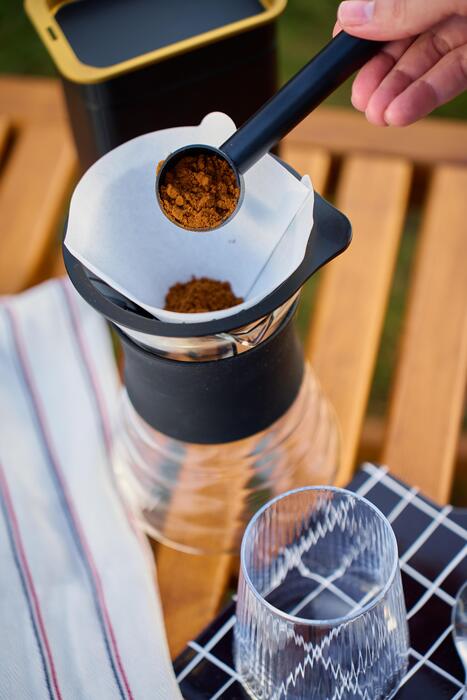
To successfully execute a cold brew pour over, selecting the correct dripper is your first critical step. While standard cones work, a V60 or Chemex is often preferred due to their specific internal ridges and drainage speeds.
When brewing cold, water density changes, meaning you need a vessel that facilitates a steady, slow flow without clogging. Look for a dripper made of ceramic or thick glass, as these materials provide better thermal stability, even when using chilled water or brewing over ice.
If you are using the ‘flash chill’ method, ensure your dripper fits securely over a carafe filled with ice cubes.
The goal is to maximize contact time between the cold water and the grounds, so a dripper with a single large exit hole allows you to control the flow rate entirely through your pouring technique.
Choosing a high-quality dripper ensures that your cold extraction remains bright, clean, and free from the bitterness often associated with immersion methods.
Why a gooseneck kettle matters for precision
Precision is the cornerstone of the pour over method, and this remains true when transitioning to cold brew variations. A gooseneck kettle is an essential tool because it provides an unparalleled level of control over the volume and velocity of your pour.
When brewing with cold water, the extraction process is naturally slower and less efficient than with hot water; therefore, you must be able to saturate the coffee grounds evenly to avoid channeling. A standard kettle often dumps water too quickly, causing agitation that leads to an uneven brew.
With a gooseneck, you can execute a slow, spiral pour that ensures every particle of coffee is hydrated. This controlled flow is especially vital during the ‘bloom’ phase, where even a small amount of water must be distributed perfectly.
Investing in a dedicated kettle allows you to manage the flow rate with surgical accuracy, resulting in a balanced, nuanced cup that highlights the delicate floral or fruity notes of your chosen beans.
Filters: Paper vs. metal mesh options
The filter you choose will fundamentally define the body and clarity of your cold brew pour over. Paper filters are the most popular choice for this method because they are excellent at trapping fine particles and sequestering oils.
This results in a crisp, tea-like clarity and a very clean finish that highlights the acidity of the coffee. If you prefer a lighter profile, high-quality oxygen-bleached paper is the way to go.
On the other hand, metal mesh filters allow more of the coffee’s natural oils and micro-sediments to pass into the final cup. This creates a bolder, creamier mouthfeel and a profile that is closer to traditional immersion cold brew.
When using metal, you may need to adjust your grind size to be slightly coarser to prevent sediment buildup.
Ultimately, the choice depends on your palate; use paper for a bright and sediment-free experience, or opt for stainless steel mesh if you desire a robust, full-bodied extraction that retains the heavy textures of the bean.
Best coffee beans and grind size for cold extraction
Recommended roast levels for cold water brewing
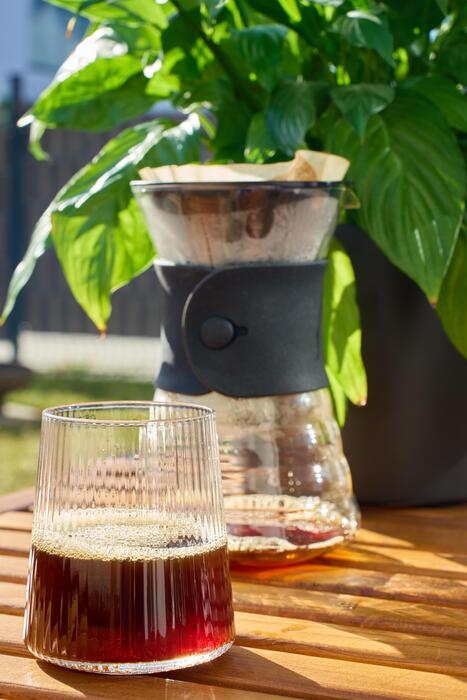
When selecting coffee for cold extraction, the roast level significantly dictates the flavor profile of your concentrate. For a traditional, chocolatey, and bold cold brew experience, medium to dark roasts are generally preferred.
These beans have undergone longer roasting processes that develop the oils and sugars necessary for that classic low-acid, velvety mouthfeel. Darker roasts also stand up better to the dilution of ice and milk.
However, if you are using a precise pour-over method for cold extraction, a light roast can offer a surprisingly floral and tea-like experience. Light roasts retain more of the bean’s original acidity, which, when extracted slowly with cold water, results in a bright and crisp beverage.
Regardless of your preference, ensure the beans are specifically selected for their natural flavor notes, as cold brewing tends to amplify the inherent sweetness while muting harsh bitterness. Experimenting with different profiles will help you find the perfect balance for your palate.
The ideal grind size for slow-drip methods
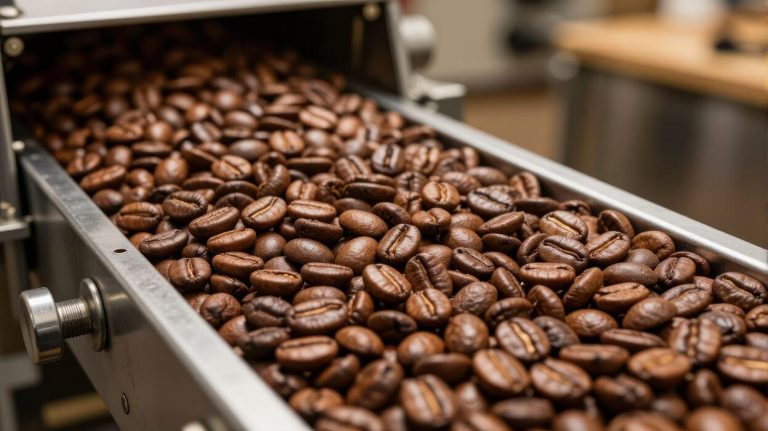
The success of cold brew pour-over hinges almost entirely on your grind consistency. Unlike standard hot pour-overs that use medium-fine particles, cold extraction requires a coarse grind similar to the texture of sea salt or cracked peppercorns.
Because the water remains in contact with the grounds for an extended period, or drips through them slowly, a fine grind would lead to over-extraction and a muddy, bitter taste.
Furthermore, a consistent particle size is vital to ensure that water flows evenly through the coffee bed without causing ‘channeling,’ where water finds a single path and leaves other grounds dry. Using a high-quality burr grinder instead of a blade grinder is the best way to achieve this uniformity.
If your grind is too fine, the filter will likely clog, stalling the extraction process and ruining the delicate balance of flavors. Aim for a texture that feels gritty and distinct between your fingers for the most reliable and delicious results.
How freshness impacts your final cup
Freshness is the silent architect of a superior cold brew pour-over. Since cold water is less efficient at extracting compounds than hot water, you need the maximum volatile aromatics available in the bean to achieve a complex flavor.
Always aim to use beans that were roasted within the last two weeks for the best results. As coffee ages, it loses the carbon dioxide trapped within its structure, leading to a flat and stale taste that cold extraction cannot hide.
Furthermore, you should grind your beans immediately before brewing to prevent oxidation from stripping away the delicate oils. While pre-ground coffee is convenient, it lacks the vibrant punch and aromatic depth required for a high-quality cold drip.
When you use freshly roasted and freshly ground beans, the resulting coffee will have a noticeable sweetness and a clean finish that highlights the unique terroir of the region. Investing in fresh beans is the easiest way to elevate your home brewing game significantly.
Step-by-step guide to making cold brew pour over
Measuring your coffee-to-ice ratio
To achieve a balanced cold brew pour over, accuracy in your measurements is essential. Start with a standard ratio of 1:10 or 1:12, depending on your desired strength. For a single serving, measure 30 grams of coarsely ground coffee, which resembles sea salt in texture.
Your total liquid weight should be split between ice and water; typically, a 50/50 split of ice cubes and cold filtered water works best. Place the ice in the top chamber of your dripper and ensure the coffee grounds are leveled in the filter below.
Using a digital kitchen scale ensures you don’t over-dilute the concentrate. If you prefer a bolder flavor profile that can stand up to added milk, lean toward the 1:10 ratio.
Precise measuring prevents a watery result and ensures the natural sweetness of the beans is highlighted through the slow extraction process.
Setting up your dripper and ice tower
Setting up your equipment correctly is the foundation of a successful cold drip. Begin by placing a paper or metal filter into your dripper and rinsing it with cold water to remove any papery taste.
Add your measured coffee grounds and gently tap the sides to create a flat, even surface for uniform extraction. If your setup includes a distribution disk or a secondary filter on top of the grounds, place it now to ensure water disperses evenly.
Position your ice tower or water reservoir directly above the grounds. Use large, clear ice cubes if possible, as they melt more slowly and consistently than crushed ice.
Ensure the entire assembly is stable on a flat surface away from direct sunlight, as consistent ambient temperatures help maintain a steady melting rate throughout the multi-hour brewing cycle.
The bloom phase with cold water
Even though this is a cold process, the bloom phase is critical for degassing the coffee. Before starting the ice drip, pour a small amount of cold, filtered water—roughly double the weight of the dry grounds—directly onto the coffee. Stir gently or swirl to ensure every particle is fully saturated.
Let the coffee bloom for approximately 60 to 90 seconds. This step releases trapped carbon dioxide, which otherwise creates bubbles that block water flow and lead to uneven extraction.
By pre-wetting the bed, you ensure that the first drops of melting ice water can immediately begin extracting flavor compounds rather than struggling to penetrate dry pockets.
A successful bloom results in a richer body and more complex aromatic profile in the final carafe, preventing the sour notes often associated with under-extracted cold coffee.
Managing the drip rate for best results
The hallmark of a perfect cold brew pour over is a controlled, slow extraction. Adjust your dripper valve to achieve a rate of approximately one drop every 1.5 to 2 seconds.
If the drip is too fast, the water will pass through the grounds without absorbing enough oils, resulting in a weak, acidic tea-like liquid. Conversely, a drip that is too slow—slower than one drop every three seconds—can lead to over-extraction and bitter woody notes.
Monitor the process periodically, as the drip rate may slow down as the water level in the top chamber decreases and the pressure drops. You may need to slightly open the valve halfway through the process. Aim for a total extraction time of 3 to 5 hours.
Once finished, swirl the carafe to integrate the layers and serve over fresh ice for the cleanest taste.
Common mistakes to avoid when brewing cold
Using the wrong water temperature
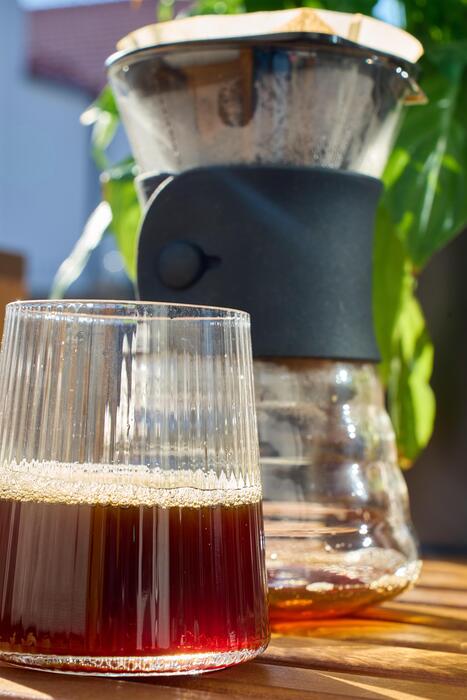
One of the most frequent errors when attempting a cold brew pour over, often referred to as Dutch or Kyoto-style drip, is failing to maintain a cold thermal environment.
Unlike traditional immersion methods that can sit at room temperature, the precision of a slow-drip pour over relies on using ice-cold filtered water to prevent premature oxidation.
If your water starts at room temperature, the extraction process will happen too quickly, leading to a flavor profile that lacks the characteristic sweetness and clarity of true cold drip.
To solve this, always fill your upper reservoir with a mixture of ice and chilled water to ensure the temperature remains near freezing throughout the multi-hour process. This cold threshold is vital because it inhibits the extraction of bitter oils and acids that only dissolve at higher temperatures.
Additionally, consider the ambient room temperature; if your kitchen is particularly warm, the ice will melt too fast, potentially altering your calculated drip rate and ruining the delicate balance of the final brew.
Inconsistent drip speeds and timing
The success of a cold brew pour over hinges entirely on the consistency of the water flow, yet many beginners neglect to monitor the adjustable valve settings during the extraction cycle.
As the water level in the top carafe drops, the hydrostatic pressure decreases, which naturally slows the drip rate over time. If you do not periodically check and recalibrate the drip speed to roughly one drop every 1.5 seconds, you risk a stagnant brew that produces a muddy, inconsistent concentrate.
To avoid this mistake, set a timer to check your equipment every thirty minutes. If the flow stops completely, the grounds may dry out, leading to uneven saturation. Conversely, a flow that is too rapid will result in a weak, under-developed liquid that lacks body.
Achieving that perfect, rhythmic pulse ensures that every drop of water spends the exact amount of time necessary interacting with the coffee bed, resulting in a clean and syrupy texture that defines the high-quality slow-drip pour over method.
Over-extracting the coffee grounds
Because the cold brew pour over method involves water passing through a compact bed of coffee, the risk of over-extraction is high if your grind size is too fine. Many users mistakenly use a standard drip grind, which creates too much surface area and leads to a harsh, over-extracted finish.
To fix this, you must utilize a coarse, consistent grind similar to sea salt, which allows water to permeate the bed without getting trapped. Another common error contributing to over-extraction is leaving the finished brew in contact with the sediment for too long after the cycle completes.
Once the water reservoir is empty, you should immediately remove the carafe and transfer the coffee to a sealed glass container. If you allow the last few bitter drops to linger or leave the grounds sitting above the extract, the flavor will rapidly deteriorate from sweet to astringent.
Using a paper or metal filter at the top of the grounds can also help distribute water evenly, preventing deep channels that cause localized over-extraction.
Tips for better tasting cold pour over
Using filtered water and clear ice cubes
To elevate the flavor of your cold pour over, start with the most basic ingredient: water. Since coffee is mostly water, using a high-quality filtration system ensures that chlorine and metallic impurities do not mask the delicate notes of your beans.
When brewing directly over ice, the quality of that ice is equally vital. Standard cloudy ice from a freezer tray often contains trapped air and impurities that cause it to melt rapidly, leading to a watery and thin cup.
Instead, opt for clear ice cubes made from filtered water, as they have a higher density and a much slower melt rate. This allows your coffee to chill instantly without immediate dilution, preserving the intended body and mouthfeel.
By managing the thermal shock with solid, clean ice, you maintain the structural integrity of the flavor profile, ensuring that every sip remains crisp, refreshing, and free from any unwanted refrigerator odors that porous ice might carry.
Adjusting the recipe for a stronger concentrate
The biggest challenge with the flash-chill method is the dilution that occurs as the hot coffee hits the ice. To counteract this, you must adjust your brewing ratio to create a more robust concentrate.
A standard ratio might be 1:16, but for cold pour over, try a 1:10 or 1:12 ratio, calculating your total water volume to include the weight of the ice in the carafe. Typically, you should use about one-third ice and two-thirds hot water.
Because you are using less hot water to extract the same amount of coffee grounds, you may need to grind your beans slightly finer than you would for a standard hot brew.
This increases the surface area and ensures that you pull enough sweetness and acidity during the shorter contact time.
Mastering this balance ensures that as the ice eventually melts, the beverage transforms into a perfectly balanced strength rather than becoming a weak, translucent liquid that lacks the characteristic punch of a well-crafted brew.
How to store your brew for maximum freshness
While cold pour over is often enjoyed immediately, you can preserve its vibrant characteristics by following strict storage protocols. If you have leftovers, transfer the coffee into an airtight glass container as soon as possible to prevent oxidation, which is the primary enemy of coffee flavor.
Oxygen exposure quickly turns bright acidity into a dull, papery taste. Ensure the container is filled near the top to minimize the headspace of air inside the vessel. Always remove any remaining ice cubes before refrigerating, as they will continue to melt and further dilute the concentrate over time.
Store the vessel in the coldest part of your refrigerator, away from pungent foods like onions or garlic, as coffee is highly absorbent. For the best sensory experience, consume the refrigerated brew within 12 to 24 hours.
Beyond this window, the volatile aromatic compounds begin to degrade significantly, and the crisp, clean profile that defines a successful cold pour over will start to fade into a stale bitterness.
Ways to serve and enjoy your cold brew
Best milk and sweetener pairings
To elevate your cold brew pour over, selecting the right dairy or plant-based alternative is essential for balancing the concentrated flavor profile. Oat milk remains a top choice because its naturally creamy texture and subtle grain sweetness complement the chocolatey notes often found in cold extraction.
If you prefer a nuttier finish, unsweetened almond milk provides a lighter body that allows the floral acidity of the beans to shine through without masking the complex profile.
For those who enjoy a touch of sweetness, liquid sweeteners are superior to granulated sugars because they dissolve instantly in cold temperatures. Consider using agave nectar or simple syrup to ensure a consistent flavor from the first sip to the last.
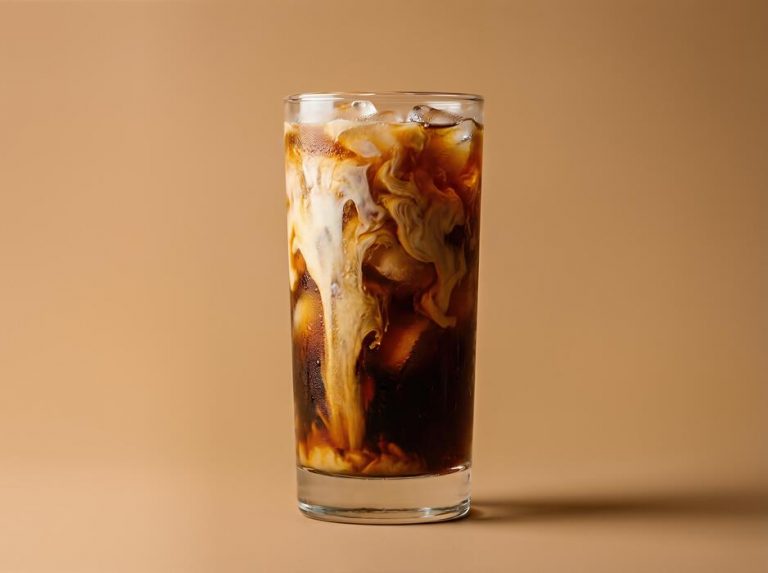
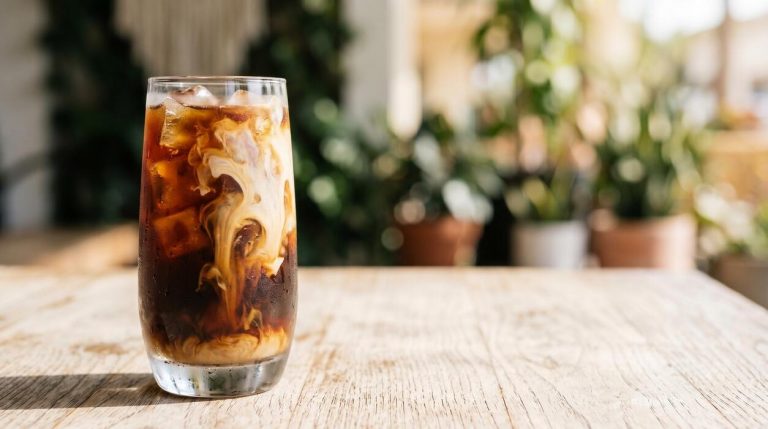
For a more sophisticated twist, a dash of maple syrup or vanilla bean paste can add depth and warmth to the chilled beverage. Always pour your milk slowly over the back of a spoon to create a beautiful marbling effect that enhances the visual appeal of your home-brewed masterpiece.
Creating cold brew cocktails and mocktails
The robust intensity of cold brew pour over makes it a versatile base for sophisticated non-alcoholic mocktails and spirited cocktails alike.
For a refreshing afternoon pick-me-up, try a Cold Brew Tonic by combining your concentrate with premium tonic water, a splash of citrus, and a sprig of rosemary; the carbonation highlights the bright acidity of the coffee.
If you are looking for a classic evening drink, the Cold Brew Martini is a modern favorite that replaces traditional espresso with cold brew for a smoother, less bitter finish. Simply shake the coffee with vodka, coffee liqueur, and a touch of syrup over ice until frothy.
For a tropical mocktail, blend your cold brew with coconut cream and pineapple juice to create a caffeinated version of a piña colada. The key to success is maintaining a high concentrate-to-mixer ratio so the distinct coffee flavors are not diluted by other ingredients.
Experimenting with aromatic bitters, such as orange or chocolate, can further bridge the gap between the bold coffee and your chosen mixers.
Serving over specialty ice spheres
One of the most effective ways to preserve the integrity of your cold brew pour over is to rethink your ice selection. Standard cubes melt quickly, leading to a watery and flavorless drink, but specialty ice spheres offer a lower surface-area-to-volume ratio, which means they melt significantly slower.
This allows you to savor your drink over an extended period while maintaining the original strength and mouthfeel.
To take this a step further, consider making coffee-based ice spheres by freezing a portion of your brew in silicone molds; as these melt, they actually reinforce the flavor rather than diluting it.
For an aesthetic touch, you can freeze edible flowers or citrus peels inside the clear ice spheres to create a stunning presentation that rivals high-end cafes.
Using filtered water for your ice is also crucial, as it prevents any metallic or chlorine tastes from interfering with the delicate notes of your beans.
Investing in a quality sphere mold ensures that every glass of cold brew looks as professional as it tastes, providing a truly premium drinking experience at home.
Frequently Asked Questions
What is cold brew pour over?
Cold brew pour over, often called flash chilling or Japanese iced coffee, involves brewing hot coffee directly onto ice cubes using a pour over dripper. This method preserves the bright acidity and aromatic oils of the coffee while instantly chilling it for immediate consumption.
How do I calculate the coffee-to-water ratio for cold brew pour over?
The standard ratio is 1:15, but you must split the total water weight between hot water and ice. A common approach is to use 60% hot water for brewing and 40% ice in the carafe to ensure the coffee reaches the correct strength after the ice melts.
What grind size should I use for a cold brew pour over?
Use a medium-fine grind size, similar to table salt. Because you are using less hot water than a standard brew, the finer grind helps ensure proper extraction during the shorter contact time between the water and the grounds.
Can I use regular cold brew concentrate in a pour over?
No, cold brew and pour over are different methods. Cold brew requires steeping grounds in cold water for 12-24 hours, while a cold pour over uses hot water to extract flavor quickly before chilling it instantly over ice.
How do I prevent the coffee from tasting watery?
To avoid a diluted taste, subtract the weight of the ice from your total brewing water. By brewing a more concentrated hot coffee directly onto the ice, the melting cubes act as the final portion of your recipe, resulting in a perfectly balanced cup.
What is the best coffee roast for cold pour over?
Light to medium roasts are generally preferred for this method. These roasts highlight the floral, fruity, and acidic notes that are often lost in traditional long-steep cold brewing but are beautifully preserved through the flash-chilling process.
Conclusion
Mastering cold brew pour over allows you to enjoy the bright complexity of a traditional pour over with the refreshing chill of cold coffee. By using quality beans, a precise grind, and the right ice-to-water ratio, you can create a balanced cup in minutes. This method is perfect for those who value both flavor and efficiency. Don’t be afraid to experiment with different roasts and techniques to find your perfect summer brew. Happy brewing!