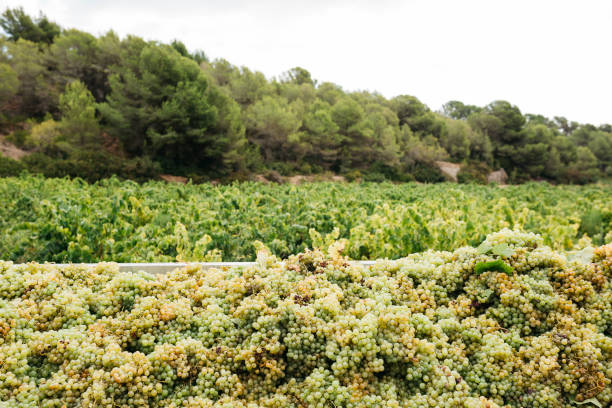
What Wines Are Semi Sweet
If you find dry wines too harsh but aren’t a fan of sugary-sweet dessert wines, you are in for a treat. Semi-sweet wines sit perfectly in the middle, offering just enough fruit-forward sweetness to please the palate without overwhelming it. Popular varieties include Riesling, Moscato, and Gewürztraminer, along with certain rosés. You don’t need to be a sommelier to find the perfect bottle. Keep reading to discover our top recommendations that strike the ideal balance between crisp and sweet.
What Does Semi Sweet Mean in Wine Terminology
The Sugar Spectrum: Dry vs. Off-Dry vs. Sweet
Understanding wine terminology requires grasping the spectrum of sweetness, which is primarily determined by residual sugar (RS) left after fermentation. Dry wines have almost no perceptible sugar, typically containing less than 1 gram per liter, resulting in a crisp, austere profile.
Moving along the scale, semi-sweet wines, often labeled as ‘off-dry,’ bridge the gap between dry and sweet varieties. These wines usually contain residual sugar levels ranging from 1% to 3%, translating to roughly 5 to 35 grams of sugar per liter.
This distinct category offers a perceptible sweetness on the palate but stops short of being syrupy or dessert-like. For consumers asking what wines are semi sweet, this middle ground provides a versatile option that pairs well with spicy cuisine or stands alone as a sipping wine.
Unlike fully sweet wines, which can overwhelm the senses, semi-sweet options balance fruit-forward flavors with enough acidity to maintain a refreshing finish. This balance makes them exceptionally food-friendly and approachable.
How Residual Sugar Affects Taste
The presence of residual sugar in semi-sweet wines fundamentally alters the tasting experience by influencing body, texture, and flavor perception. Residual sugar acts as a flavor enhancer, amplifying fruit characteristics and masking the harshness of tannins or high acidity.
When you drink a semi-sweet Riesling or a Moscato, the sugar creates a fuller mouthfeel, giving the liquid a perceived weight and viscosity that dry wines often lack.
This textural component is crucial, as it allows the wine to coat the palate, delivering lingering notes of ripe peaches, honey, or citrus. Furthermore, sugar balances acidity; in wines with high acid profiles, a touch of sweetness softens the sharp edge, making the wine taste smoother and more rounded.
However, the sweetness is not always overwhelming. Skilled winemakers ensure that acid-sugar balance remains tight, preventing the wine from tasting cloying. This interplay allows semi-sweet wines to taste vibrant and fresh rather than heavy, offering a complex profile that evolves in the glass.
Why Some Wines Are Left Semi Sweet
Winemakers choose to leave wines semi-sweet for specific stylistic reasons, varietal characteristics, and consumer accessibility. Intentional fermentation management is the primary method, where vintners halt the fermentation process before yeast consumes all the natural grape sugars, preserving the desired sweetness.
This technique is often employed for white varietals like Gewürztraminer or Chenin Blanc, where high sugar levels at harvest contribute to the wine’s final viscosity and flavor profile.
Another reason for this style is regional tradition and terroir, where specific climates produce grapes with naturally high acidity; leaving residual sugar counterbalances this tartness to create a harmonious product. Additionally, market demand plays a significant role, as many new wine drinkers find bone-dry wines too astringent.
Semi-sweet wines serve as a gateway for new enthusiasts, offering an approachable entry point that mimics the sweetness of fruit juice while introducing complex wine characteristics. This style enhances versatility, allowing the wine to pair effectively with spicy dishes, rich cheeses, and fruit-based desserts.
Top White Wines That Are Semi Sweet
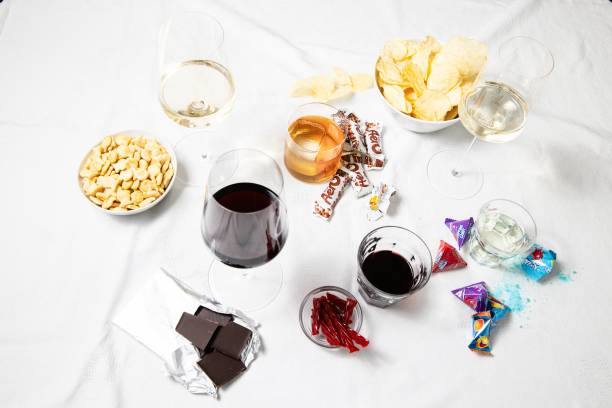
Riesling: Balancing Acidity and Sweetness
Riesling is arguably the most popular choice for semi-sweet white wine lovers because it perfectly balances natural sweetness with racy acidity. This balance prevents the wine from feeling cloying, making it an excellent partner for spicy Thai cuisine or soft cheeses.
When shopping, look for labels marked ‘Kabinett’ or ‘Spätlese’ from Germany, as these styles often fall perfectly into the medium-dry to semi-sweet category. New World Rieslings from Washington State also offer approachable semi-sweet profiles with notes of stone fruit.
For the best experience, serve this versatile varietal well-chilled to highlight its crisp citrus notes and vibrant aromatics.
Moscato: A Fruity Favorite for Beginners
Moscato is a widely beloved semi-sweet wine known for its distinct floral aromas and fruity palate, making it a top choice for those new to wine. Often crafted in a frizzante style, which features a light fizz, it delivers flavors of nectarine, peach, and orange blossom.
Moscato d’Asti from Italy is the benchmark for this category, offering a lower alcohol content and a refreshing sweetness that pairs beautifully with fresh fruit tarts or brunch dishes. Its accessible flavor profile and gentle bubbles make it an ideal sipping wine for celebrations or casual afternoons.
Keep an eye out for pink Moscato variations for an added touch of berry sweetness.
Gewürztraminer: Spicy Aromas with a Sweet Finish
Gewürztraminer is a distinctive semi-sweet white wine famous for its intense aromatic profile, often described as smelling like lychee, rose petals, and baking spices. This varietal typically has a fuller body and lower acidity compared to Riesling, resulting in a rich, luscious mouthfeel.
Look for bottles from the Alsace region of France, where producers masterfully balance the residual sugar with a spicy finish. It is an adventurous choice that pairs exceptionally well with Moroccan tagines, roasted duck, or Munster cheese.
When serving this bold white, slightly warmer refrigerator temperatures allow its complex bouquet of exotic fruits and ginger to fully open up.
Chenin Blanc: Versatile and Medium-Sweet
Chenin Blanc offers a versatile profile that ranges from bone-dry to lusciously sweet, but the semi-sweet versions are particularly compelling for their texture. Wines from the Loire Valley, specifically Vouvray Demi-Sec, are the gold standard for this style, offering enchanting notes of quince, honey, and ginger.
The natural high acidity of the grape cuts through the residual sugar, creating a harmonious finish that pairs wonderfully with white meats and creamy sauces. South Africa also produces excellent examples that offer great value.
When selecting a bottle, checking the specific sweetness level on the label is helpful, as ‘Sec’ indicates dry, while ‘Demi-Sec’ confirms the semi-sweet profile you are seeking.
Red Wine Options for a Semi Sweet Profile
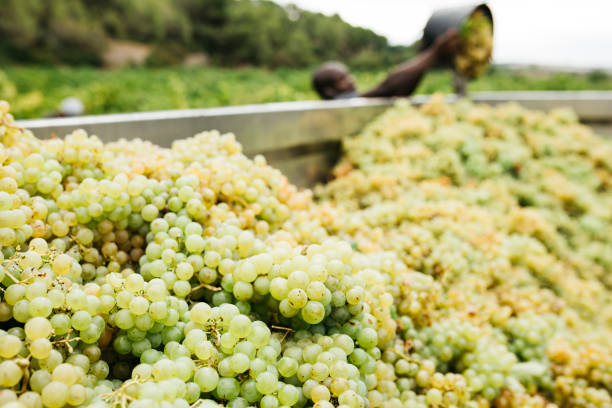
Lambrusco: The Sparkling Red Option
Lambrusco serves as an excellent entry point for those seeking a red wine with a semi-sweet profile, offering a delightful fizz that enhances its fruit-forward character.
Originating from Italy, this wine typically features notes of bright cherry, blackberry, and tart cranberry, balanced by a refreshing acidity that cuts through the sweetness. Unlike dry reds that rely heavily on tannins, Lambrusco is usually low in tannins, making it incredibly approachable for new wine drinkers.
When shopping, look for labels marked ‘Semisecco’ or ‘Amabile,’ which indicate off-dry to medium-sweet styles. It pairs exceptionally well with spicy charcuterie, pizza, or rich pasta dishes, as the bubbles and residual sugar cleanse the palate effectively.
Always serve it chilled to maximize its refreshing qualities and ensure the sweetness remains balanced rather than cloying.
Brachetto d’Acqui: Aromatic and Fruity
For a truly aromatic experience, Brachetto d’Acqui is a Piedmontese gem that defines the semi-sweet red category with its intense floral and red fruit aromatics. This Italian wine is often slightly sparkling, or ‘frizzante,’ and is celebrated for its distinct notes of strawberry, rose petal, and raspberry.
It is generally lighter in body and alcohol content compared to other reds, making it a perfect choice for a lunchtime beverage or a romantic aperitif. The sweetness is natural and never overpowering, usually hovering around the medium-sweet mark.
It creates a stunning pairing with chocolate desserts, fresh fruit tarts, or pungent cheeses like Gorgonzola. Look for the DOCg designation on the bottle to ensure you are purchasing a high-quality authentic version of this fragrant, ruby-red wine.
Red Zinfandel: Jammy Flavors with Mild Sweetness
Red Zinfandel is a fantastic domestic option for consumers asking what wines are semi sweet, largely due to its naturally jammy fruit profile and ripe tannins.
While many Zinfandels are fermented dry, the ripeness of the grapes often imparts a perceived sweetness on the palate, with strong flavors of blackberry jam, plum, and sweet spice.
To find a truly semi-sweet bottle, look for ‘Late Harvest’ Zinfandels or those with lower alcohol percentages, as these often retain more residual sugar. This wine stands up beautifully to bold flavors, making it an ideal companion for barbecue ribs, grilled sausages, or smoked meats.
The combination of fruit-forward intensity and a hint of pepper creates a complex profile that satisfies those looking for richness without the bone-dry finish of a Cabernet Sauvignon.
Port Styles: Tawny and Ruby Variations
Although technically fortified wines, Ruby and Tawny Ports are essential mentions for anyone desiring a sweeter red experience. These Portuguese classics are fortified with a neutral grape spirit, which stops fermentation and preserves the natural grape sugars, resulting in a luxuriously sweet and high-alcohol beverage.
Ruby Port is younger and fruitier, bursting with rich dark cherry and raspberry flavors, while Tawny Port is aged in wood, acquiring nutty, caramel, and dried fruit notes. While sweeter than a standard semi-dry table wine, they can be enjoyed in smaller portions as a dessert course.
Serve them slightly cool in small glasses to highlight their complexity. They pair perfectly with dark chocolate, salted caramel, or a cheese board featuring aged cheddar or blue cheese for a sophisticated finish to any meal.
Rosé and Blush Wines with Medium Sweetness
White Zinfandel: The Classic Blush Choice
White Zinfandel is arguably the most recognizable semi-sweet wine available, serving as a perfect entry point for those new to wine. Originating from California, this blush wine is made from Zinfandel grapes with limited skin contact, resulting in its distinct pale pink color.
Expect vibrant notes of strawberry, melon, and sweet lemon that make it incredibly approachable. Unlike dry rosés, White Zinfandel retains a higher residual sugar content, which balances its acidity and creates a smooth, fruity finish. It is an ideal choice for outdoor gatherings or casual sipping.
For the best experience, serve it well-chilled to amplify its refreshing qualities. This wine pairs exceptionally well with spicy Asian cuisine, barbecue, or creamy pasta dishes, as the sweetness helps cut through heat and rich textures.
If you are seeking a wine that is easy to drink and widely available, this classic blush offers consistent flavor and value.
Pink Moscato: Light, Bubbly, and Sweet
Pink Moscato offers a delightful twist on traditional semi-sweet wines by combining light effervescence with pronounced fruity flavors. This wine is typically a blend of Muscat grapes and a touch of Merlot or other red varietals to achieve its attractive rosy hue.
You will notice intense aromas of ripe peach, apricot, and wild berries on the palate. While it leans sweeter than many blush wines, it remains a popular option for those asking what wines are semi-sweet due to its balanced acidity.
The slight fizz adds a celebratory feel, making it perfect for brunches or light desserts. Pair this wine with fresh fruit tarts, soft cheeses, or vanilla cake to complement its inherent sweetness. Because of its lower alcohol content and approachable flavor profile, Pink Moscato is a favorite for casual sipping.
It provides a lush, velvety mouthfeel that lingers without being cloying.
Off-Dry Rosé Varieties from California
California produces excellent off-dry Rosé varieties that bridge the gap between sugary blush wines and bone-dry European styles. Winemakers often use Grenache, Syrah, or Pinot Noir grapes to craft these wines, focusing on a balance of fruitiness and acidity.
Look for bottles labeled ‘off-dry’ or ‘semi-sweet’ to ensure the right flavor profile, as California Rosé labels can vary. These wines typically feature crisp flavors of watermelon, raspberry, and citrus with a subtle hint of sweetness on the finish.
This style is perfect for drinkers who want complexity without the intense dryness of traditional Tavel or Provence rosés. Serve these wines slightly chilled alongside grilled chicken, seafood, or spicy tacos for a versatile dining experience.
The residual sugar is usually lower than in White Zinfandel, offering a more sophisticated palate while remaining accessible. This makes them a top recommendation for anyone exploring medium-sweet wine options.
How to Identify Semi Sweet Wines on a Label
Reading the Residual Sugar (RS) Levels
The most accurate way to identify semi sweet wines is by checking the label for residual sugar (RS) measurements, often displayed in grams per liter (g/L). While dry wines typically contain less than 10 g/L, semi sweet varieties generally range between 20 and 45 g/L.
This measurement provides a precise indication of sweetness, helping you distinguish between off-dry and distinctly semi sweet profiles. Some modern producers voluntarily list this technical data on the back label to assist consumers.
If the specific number is missing, look for terms like ‘medium’ or ‘medium-sweet’ on the label, as these standard descriptions often align with that specific sugar range. Understanding these numbers empowers you to select a bottle that perfectly matches your palate preferences.
Decoding German Wine Label Classifications
German wine labels offer a highly organized classification system that is exceptionally helpful for identifying semi sweet styles without guesswork. Look specifically for the Prädikatswein designations, such as Kabinett and Spätlese, which often indicate wines with noticeable sweetness.
Kabinett is usually lighter and subtly sweet, while Spätlese, meaning ‘late harvest,’ delivers a richer, more intense sweetness. Unlike the Trocken (dry) designation, wines labeled with these terms typically retain a significant portion of their natural grape sugar.
This reliable classification system allows you to confidently navigate Rieslings and other German varietals, ensuring you select a semi sweet wine that balances vibrant acidity with fruity sweetness perfectly.
Key Terms Like ‘Late Harvest’ and ‘Demi-Sec’
Specific terminology on labels serves as a crucial guide for locating semi sweet wines across various regions and languages. In French wines, particularly Champagne or Vouvray, look for the term ‘Demi-Sec’, which translates to ‘half-dry’ but actually indicates a noticeably semi sweet taste profile.
Similarly, English terms like ‘Late Harvest’ suggest that grapes were picked later in the season, resulting in higher sugar concentration and a luscious, semi sweet flavor. Other reliable keywords to watch for include ‘Medium Sweet,’ ‘Moelleux’ for certain French bottles, or ‘Amabile’ for Italian varieties.
Recognizing these distinct terms bridges language barriers, making it significantly easier to identify semi sweet options when shopping globally.
Using Visual Cues and Alcohol Content
Visual cues and alcohol by volume (ABV) percentages can be surprisingly effective indicators of a wine’s sweetness level. Generally, lower alcohol content—typically below 12.5% ABV for whites—suggests that fermentation was halted before all sugar converted to alcohol, resulting in a semi sweet profile.
For red wines, deeper, inky purple hues in varieties like Lambrusco often signal a fruitier, sweeter style compared to lighter, garnet-colored dry reds. Additionally, wines labeled with terms like ‘Semi-Dolce’ or sealed with screw caps often skew towards fresher, sweeter profiles.
By combining these visual checks with label reading, you can quickly narrow down your selection to find exactly what wines are semi sweet.
Best Food Pairings for Semi Sweet Wines
Pairing Spicy Asian and Mexican Dishes
Semi sweet wines, such as Riesling, Gewürztraminer, and off-dry Chenin Blanc, act as a perfect counterbalance to fiery cuisines.
When answering what wines are semi sweet, it is crucial to understand that the residual sugar in these varietals effectively tames the heat of capsaicin, providing a cooling sensation that water simply cannot achieve.
For spicy Asian dishes like Thai green curry or General Tso’s chicken, the slight sweetness cuts through the rich fats and moderates the spice, while the wine’s acidity refreshes the palate.
Similarly, Mexican cuisine featuring jalapeños or chipotle peppers pairs exceptionally well with these wines, as the sugar tempers the heat without overpowering the food’s complex spices. Focus on high-acid semi sweet wines to ensure the pairing remains refreshing rather than cloying.
The fruity notes often found in these bottles can also complement fruit-based salsas or glazes used in these culinary traditions, creating a harmonious balance of sweet, spicy, and savory elements that enhances the overall dining experience significantly.
Matching Semi Sweet Wines with Desserts
Pairing semi sweet wines with desserts requires a careful balance where the wine is as sweet as or slightly sweeter than the dish to avoid tasting bitter or thin. Moscato, semi sweet sparkling wines like Brachetto d’Acqui, and late-harvest Rieslings are excellent choices here.
For fruit-based desserts like apple tarts or berry cobblers, a semi sweet white wine mirrors the natural fruit sugars and highlights the filling’s bright flavors without overshadowing the crust.
If serving creamy desserts such as vanilla panna cotta or fruit tarts, the effervescence of a semi sweet sparkling wine cuts through the richness, cleansing the palate for the next bite.
Avoid pairing these wines with heavy chocolate desserts, as the bitterness of dark chocolate can clash with the wine’s sweetness. Instead, opt for lighter, fruit-forward treats that echo the aromatic profiles of the wine, ensuring that both the glass and the plate remain distinct yet complementary components of the meal.
Cheese Board Combinations that Work
Semi sweet wines create sophisticated pairings with a wide variety of cheeses, offering a delightful contrast to salty and savory profiles. Varietals like semi sweet Chenin Blanc, Vouvray, or a slightly sweet Rosé work wonders on a cheese board.
The saltiness of hard cheeses like Manchego or aged Gouda is beautifully mellowed by the residual sugar in the wine, creating a classic salty-sweet dynamic that excites the palate.
Blue cheeses, which can sometimes overwhelm dry wines, find a perfect partner in semi sweet selections; the sugar softens the pungent moldiness, while the acidity cuts through the creamy texture.
Include fresh cheeses like goat cheese or brie, as their mild creaminess acts as a neutral canvas for the wine’s fruit-forward flavors.
When assembling your board, consider adding honeycomb or dried fruits to bridge the gap between the savory cheese and the sweet notes of the wine, ensuring a cohesive tasting experience for your guests.
How to Serve and Store Semi Sweet Wines
Ideal Serving Temperatures for Whites and Reds
Serving temperature dramatically alters the perception of sweetness, making it a crucial factor when enjoying semi-sweet varieties like Riesling or Lambrusco.
For white semi-sweet wines, aim for a temperature between 45°F and 50°F; this range keeps the acidity vibrant and the sugars in check, preventing the wine from feeling cloying on the palate. If served too warm, the alcohol becomes prominent, while too cold masks the delicate fruit aromatics.
Conversely, semi-sweet red wines, such as Brachetto d’Acqui or some lighter Zinfandels, should be served slightly chilled at 55°F to 60°F. This slight chill preserves the bright berry notes and refreshing character that define these wines. Avoid serving reds at room temperature, as the heat will exaggerate the residual sugar.
To achieve these temperatures quickly without diluting the wine, utilize an ice bucket filled with equal parts ice and water for about fifteen minutes. Proper temperature control ensures the intricate balance between the wine’s residual sugar and its natural acidity remains the highlight of every sip.
Glassware Shapes that Enhance Sweetness
The shape of your glass directs the wine to specific areas of the tongue, profoundly influencing how the sweetness is perceived. For semi-sweet white wines, like Moscato or Gewürztraminer, use a glass with a narrower bowl and rim.
This design funnels the aromas directly to the nose and delivers the liquid to the center of the tongue, balancing the fruitiness with acidity. It prevents the sweetness from overwhelming the palate by spreading the wine rather than concentrating it.
For semi-sweet reds, a standard red wine glass with a slightly wider bowl is appropriate, allowing the wine to breathe and softening the tannins. However, avoid oversized balloons, which can dissipate the concentrated fruit aromas too quickly.
The goal is to concentrate the floral and fruit-driven bouquets typical of semi-sweet wines. Always hold the glass by the stem to maintain the ideal serving temperature, ensuring that the sweetness remains integrated with the wine’s aromatic profile rather than becoming the sole focus.
Shelf Life and Storage Tips for Open Bottles
Once opened, the shelf life of semi-sweet wines depends heavily on their residual sugar content and storage methods. Generally, semi-sweet wines last 3 to 5 days in the refrigerator after opening.
The sugar acts as a mild preservative, offering slightly more longevity than bone-dry wines, but oxidation will still degrade the fresh fruit flavors rapidly. To maximize the life of your bottle, re-cork it tightly or use a specialized wine stopper immediately after pouring.
Placing the bottle in the fridge is essential, even for reds, as cooler temperatures slow down the chemical reactions that cause spoilage; just remember to take the red out twenty minutes before serving again. For longer storage, invest in a vacuum pump system to remove excess air.
If the wine begins to smell vinegary or lose its distinct fruity character, it has likely turned. Properly sealed and chilled bottles maintain the delicate balance required for an enjoyable drinking experience.
Frequently Asked Questions
What exactly defines a wine as semi-sweet?
A semi-sweet wine falls between dry and sweet on the taste spectrum, typically containing a noticeable amount of residual sugar that is not overpowering. This slight sweetness helps balance acidity and creates a smoother, fruit-forward flavor profile without tasting like a dessert wine.
Which white wines are commonly considered semi-sweet?
Popular semi-sweet white wines include Riesling (specifically those labeled ‘off-dry’ or with some sweetness), Gewürztraminer, and Moscato. White Zinfandel, which is actually a blush rosé, is also a classic example of a wine with distinct semi-sweet characteristics.
Are there red wines that are semi-sweet?
Yes, several red wines offer a semi-sweet profile, with Lambrusco and Brachetto d’Acqui being the most famous Italian examples. Other accessible options include some styles of Ruby Port, certain Merlot variations, and sweet red blends often labeled simply as ‘Sweet Red.’
What are the best sparkling wine options for semi-sweet preferences?
For a semi-sweet sparkling wine, look for bottles labeled as ‘Extra Dry’ or ‘Dry,’ which paradoxically indicate a sweeter taste than ‘Brut.’ Demi-Sec is another category that offers a distinctly sweet but not cloying sparkling experience.
How can I identify a semi-sweet wine when looking at a label?
Look for terms like ‘off-dry,’ ‘semi-dry,’ or ‘late harvest’ on the label, as these often indicate the presence of residual sugar. You can also check the alcohol by volume (ABV); wines with lower ABV (around 9-11%) often have higher residual sugar because the fermentation was stopped before all sugar turned into alcohol.
What is the difference between semi-sweet and sweet wines?
The main difference lies in the amount of residual sugar left after fermentation; semi-sweet wines have a moderate level that balances with acidity, while sweet wines have a much higher sugar concentration. Sweet wines, such as Port or Ice Wine, are typically served in smaller portions as dessert, whereas semi-sweet wines are often consumed as regular table wines.
Conclusion
Semi-sweet wines offer a perfect balance for those who enjoy a touch of sweetness without overwhelming sugar. Key varieties like Riesling, Moscato, and Gewürztraminer are excellent choices, each bringing unique flavors to the table. Whether you’re new to wine or seeking something refreshing, these wines pair beautifully with spicy dishes, desserts, or solo sipping. Explore different options to find your favorite, and don’t hesitate to ask sommeliers for recommendations. Cheers to discovering your next delightful semi-sweet wine!