Why Add Tannin To Wine
Ever wonder why some wines feel dry while others seem smooth? Tannins play a starring role. Winemakers add tannins to enhance structure, balance flavors, and improve aging potential. Whether for bold reds or crisp whites, tannins add complexity and texture, making each sip more enjoyable. Curious how this works? We’ll break it down quickly, so you can appreciate your next glass even more. Let’s dive in!
What Are Tannins and Their Role in Wine
Defining Tannins: Polyphenols from Grape Skins and Seeds
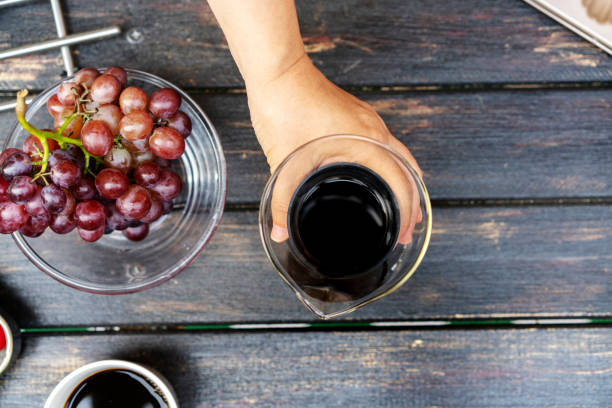
Tannins are naturally occurring polyphenolic compounds found abundantly in grape skins, seeds, and stems. Chemically, they function as astringents that bind with proteins and other organic compounds.
In the context of winemaking, these molecules are extracted during the maceration process, where the solid parts of the grape interact with the fermenting juice.
Winemakers add tannins to wine primarily to compensate for deficiencies in fruit maturity or to correct an imbalance where the natural grape tannin structure is insufficient. When grapes lack optimal ripeness or exhibit ‘green’ flavors due to unripe seeds, adding exogenous tannins can help mask these vegetal characteristics.
Furthermore, tannins play a crucial antioxidant role, protecting the wine from oxidation during the aging process. By bolstering the phenolic framework, winemakers ensure the liquid remains stable and develops correctly in the barrel or bottle, effectively rectifying structural weaknesses that could otherwise lead to a flabby or short-lived wine.
Natural Sources vs. Added Tannin Products
While nature provides tannins through grape skins and oak barrel aging, winemakers frequently turn to commercial tannin products to achieve precise stylistic goals. These additives are typically derived from specific botanical sources such as oak, chestnut, tara, or quebracho, each offering a distinct chemical profile and flavor impact.
One major reason for adding these products is to improve color stability, particularly in red wines; tannins react with anthocyanins to stabilize pigments and prevent color degradation over time.
Additionally, specialized tannin powders can be introduced to inhibit oxidative enzymes, acting as a protective shield immediately following harvest or during racking. This proactive approach allows vintners to correct structural deficiencies without relying solely on extended skin contact, which might extract harsh or bitter elements.
By choosing the right exogenous source, a winemaker can seamlessly integrate these compounds to enhance complexity and longevity without masking the fruit’s inherent qualities.
How Tannins Affect Mouthfeel and Texture
The sensory contribution of tannins is most commonly described as a textural sensation, often manifesting as a grippy, puckering, or drying feeling on the palate and gums.
Winemakers add tannins to wine specifically to manipulate this mouthfeel, transforming a thin or watery mid-palate into something with substantial weight and perceived viscosity. This process is essential for creating structure and backbone, allowing the wine to stand up to rich culinary pairings like fatty steaks or aged cheeses.
A well-calibrated addition helps round out the profile by balancing high acidity or high sugar levels, creating a harmonious sensory equilibrium. Without sufficient tannic structure, a wine might feel lackluster and disjointed, lacking the authoritative texture that signals quality and age-worthiness.
By carefully adjusting tannin levels, the winemaker sculpts the finish, ensuring the flavors linger and evolve rather than abruptly vanishing, thereby enhancing the overall drinking experience significantly.
Reasons to Add Tannins During the Winemaking Process
Correcting Structural Deficiencies in Weak Vintages
In years where weather patterns result in grapes with thin skins or uneven ripening, the natural tannin structure may lack the necessary firmness to create a balanced palate.
Winemakers intervene by adding exogenous tannins to build a firmer ‘backbone,’ effectively compensating for nature’s shortcomings and ensuring the wine possesses adequate astringency. This adjustment is critical because tannins provide the textural framework that supports fruit flavors, preventing the wine from tasting flabby, hollow, or excessively soft on the mid-palate.
When sourcing additives, professionals often select specific tannin derivatives—such as those derived from oak or grape seeds—to match the desired mouthfeel profile without introducing harsh or bitter characteristics.
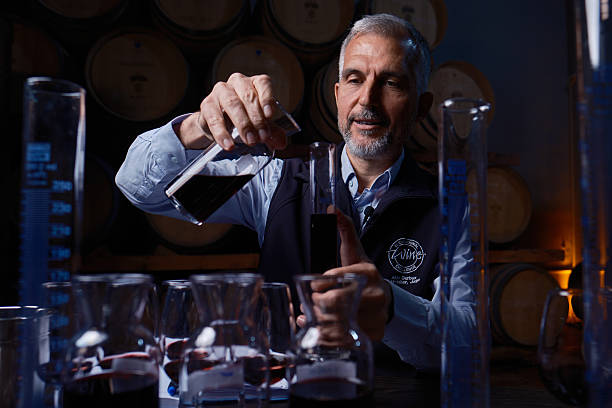
It is essential to conduct rigorous bench trials before full-scale addition, as over-correction can lead to an unpalatable, drying finish that ruins the wine’s balance. By carefully integrating these compounds, vintners can transform a potentially light and forgettable vintage into a structured, enjoyable wine with improved depth.
This proactive measure allows for consistent product quality despite variable harvest conditions, offering a reliable safety net for winemakers striving for excellence.
Stabilizing Color in Red Wines
One of the primary technical reasons for tannin addition is the chemical stabilization of color, a process vital for the visual appeal and longevity of red wines.
Color stability relies on the formation of stable polymeric pigments created when tannins bind with anthocyanins, the compounds responsible for red and purple hues.
Without sufficient natural tannins, these color molecules are highly susceptible to oxidation and precipitation, leading to a rapid loss of vibrant color and the development of unstable brick-orange tones.
By introducing exogenous tannins during the early stages of fermentation, winemakers ensure there are ample binding partners available for anthocyanins, effectively ‘locking in’ the color intensity and protecting it from oxidative degradation over time.
This practice is particularly beneficial for grape varieties naturally low in phenolic content, such as Pinot Noir, or in vintages where extraction has been difficult. The result is a wine that maintains its deep, ruby-red vibrancy for years rather than fading quickly.
This chemical intervention safeguards the wine’s aesthetic quality, ensuring it remains visually appealing to consumers throughout its shelf life.
Increasing Antioxidant Protection and Longevity
Tannins function as potent antioxidants, serving as a primary defense mechanism against the detrimental effects of oxygen exposure during both production and aging. Their chemical structure allows them to sacrificially absorb oxygen, thereby protecting the more delicate aromatic compounds and fruit characteristics from oxidative spoilage.
When winemakers add tannins, they are effectively bolstering the wine’s immune system, extending its shelf life, and preserving its fresh bouquet for a longer duration.
This protective quality is especially crucial for wines intended for long-term bottle aging, as it slows down the maturation process and prevents premature browning or the development of off-flavors like stale sherry notes.
Furthermore, modern enological products often contain condensed tannins that integrate smoothly, enhancing the palate while providing this invisible shield. By strategically increasing the phenolic reservoir, vintners ensure the wine evolves gracefully in the bottle, developing complex tertiary aromas rather than degrading into lifelessness.
This proactive approach to preservation minimizes the risk of oxidation faults, providing commercial stability for the winery and greater satisfaction for the consumer.
Types of Tannin Additives Available for Winemakers
Oak-Derived Tannins: Chips, Dust, and Staves
Oak-derived tannins are the most traditional option for winemakers seeking to enhance structural integrity and aromatic complexity. When asking why add tannin to wine, the answer often lies in the desire to mimic barrel aging without the prohibitive cost or time investment.
These additives introduce ellagic tannins, which act as powerful antioxidants to protect the wine from premature browning while softening astringency through polymerization over time. Winemakers can choose from fine dust for rapid integration, chips for a balanced extraction, or staves for a slower, more nuanced influence.
Using oak alternatives allows for precise control over the final profile, ensuring the wine gains vanilla and toasted notes alongside a firm tannic backbone.
This approach is particularly effective for red wines lacking definition, as it helps build a framework that supports fruit intensity and extends shelf life, ensuring the product remains stable and vibrant during storage and distribution.
Grape-Derived Tannins for Color Stabilization
Grape-derived tannins are essential tools for winemakers aiming to secure color intensity and longevity, directly addressing the need to stabilize red wines. These additives, rich in condensed tannins, are extracted from grape skins and seeds to provide a natural boost to the wine’s existing chemistry.
The primary function here is to bind with anthocyanins, the pigments responsible for red wine color, forming stable polymeric pigments that resist oxidation and fading. This process is crucial for varieties naturally low in phenolic content, ensuring a vibrant hue that lasts for years.
Beyond aesthetics, these tannins significantly enhance mouthfeel structure, filling out the palate without introducing foreign flavors. By supplementing the wine’s natural reserves, producers can prevent oxidation during critical stages like racking and bottling.
This ensures the wine retains its intended character, offering a reliable solution for vintages affected by adverse weather or under-ripeness where natural extraction was insufficient.
Chestnut and Quebracho Tannins for Specific Profiles
Chestnut and Quebracho tannins offer specialized solutions for winemakers looking to rectify specific sensory deficits or stylistic gaps. Chestnut tannins are prized for their ability to impart a smooth, rounded mouthfeel, making them ideal for wines that feel thin or hollow on the mid-palate.
They assist in reducing reductive aromas while improving the overall aromatic expression, acting as a fining agent that polishes the wine’s texture.
Conversely, Quebracho tannins, extracted from a South American tree, are highly reactive and potent, often used to increase astringency in flabby wines or to correct heat-unstable proteins in white wines. These exotic options allow vintners to fine-tune the sensory profile with high precision.
By selecting these distinct profiles, winemakers can effectively correct structural imbalances, ensuring the final product delivers a complex and satisfying experience that meets consumer expectations for quality and consistency in every bottle.
How Tannins Improve Wine Aging Potential
The Link Between Tannin Structure and Shelf Life
The structural integrity of wine relies heavily on tannins, which act as a preservative backbone essential for longevity. When winemakers add tannins, they are essentially building a framework that supports the wine’s evolution over many years.
These compounds bind with proteins and other molecules, creating a stable matrix that prevents the wine from collapsing or becoming flabby as it ages. High-quality tannins contribute to a firm structure, ensuring the wine maintains its character and doesn’t degrade prematurely.
This structural support is crucial for bold reds intended for long-term cellaring, as it allows the wine to develop tertiary aromas like leather and tobacco. Without sufficient tannin structure, wines tend to peak too quickly and lose their vibrancy.
By adjusting tannin levels, vintners can engineer a wine that not only tastes robust in its youth but also possesses the skeletal strength to endure the test of time in the cellar.
Protecting Wine from Premature Oxidation
One of the primary reasons for adding tannins is their powerful antioxidant properties, which safeguard the wine from the damaging effects of oxygen. Tannins act as sacrificial shields, readily reacting with oxygen before it can oxidize crucial phenolic compounds that give wine its color and flavor.
This process prevents the wine from turning brown or developing off-flavors associated with spoilage. During the aging process,微量 oxygen ingress is inevitable, but tannins mitigate this risk by absorbing the oxidative impact. This protective mechanism is vital for preserving the fruit integrity and freshness of the wine over extended periods.
By bolstering the wine’s antioxidant capacity, winemakers ensure that the final product remains vibrant and lively.
Effective oxidation management through tannin addition allows wines to retain their delicate aromatic profile, ensuring that a bottle opened a decade later still reflects the quality and intent of the vintage rather than the ravages of time.
How Tannins Soften and Integrate Over Time
While tannins provide structure, their most fascinating contribution to aging is the process of polymerization, where harsh, astringent compounds transform into smoother, more complex elements.
Initially, added tannins might impart a gritty mouthfeel, but over time, they link together to form long chains that precipitate as sediment or become large enough to feel soft on the palate. This softening process is the hallmark of a well-aged wine, turning bitter roughness into velvety elegance.
As these tannins integrate, they bind with anthocyanins to stabilize color, ensuring the visual appeal matches the improved texture. Winemakers add tannins to ensure there is enough raw material for this evolution, preventing the wine from drying out before it reaches its peak balance.
Understanding this evolution allows connoisseurs to appreciate the journey from a tannic, bold youth to a harmonious, integrated maturity, making the wait for the wine to open up a rewarding experience.
Best Times to Add Tannin for Optimal Results
Adding Tannins During Crush and Fermentation
Incorporating tannin at the initial crush stage is a proactive strategy to build structural integrity and prevent oxidation before fermentation begins.
When added early, tannins serve a dual purpose: they inhibit oxidative enzymes like laccase, which can ruin wine freshness, and they provide essential substrate for polymerization, resulting in a more stable color profile.
Winemakers often add tannin at this stage to compensate for underripe grapes or varieties that naturally lack phenolic complexity. By integrating these compounds early, you ensure they become fully integrated into the wine’s matrix rather than tasting like a superficial additive.
Early additions focus on building a foundation, protecting the must from spoilage while enhancing mouthfeel. This approach allows the active fermentation process to soften harsh edges, leading to a seamless texture.
If you are asking why add tannin to wine during this chaotic phase, the answer lies in stability; it is far easier to build structure now than to fix a flabby, oxidized wine later, ensuring the final product exhibits vibrant fruit and longevity.
Post-Fermentation Adjustments and Finishing
Once fermentation concludes, the rationale for adding tannin shifts from preservation to refinement and sensory enhancement. At this stage, winemakers evaluate the wine’s structural balance, often finding that the finished product lacks the necessary ‘grip’ or astringency to support its fruit character.
Adding hydrolysable tannins post-fermentation can round out the mid-palate and increase the perception of volume, making the wine feel more luxurious. This timing is crucial for fine-tuning; it allows for precise adjustments based on actual taste rather than theoretical predictions.
Post-fermentation additions are ideal for polishing texture and mitigating potential defects like reductive aromas, as certain tannins can bind with unwanted sulfur compounds. Careful bench trials are essential here to avoid over-tannicizing the batch.
Understanding why add tannin to wine at this late juncture comes down to sculpting the final profile; it acts as a finishing tool to ensure the wine leaves a lasting impression of complexity and depth, rather than a fleeting, hollow finish.
Dosage Guidelines for Balanced Additions
Determining the correct amount of tannin to add is arguably more critical than the timing itself, as overdosing can render a wine undrinkably astringent while under-dosing fails to achieve the desired structural improvements.
A conservative starting point is typically between 0.5 and 1.5 grams per gallon, depending heavily on the initial deficiency and the specific product’s concentration. It is vital to perform small-scale bench trials before treating the entire batch, allowing you to taste the impact of specific increments.
Always dissolve tannin powder in warm water first to ensure even distribution and prevent clumping. When considering dosage, remember that removing tannin is nearly impossible, so the philosophy should always be ‘less is more’ initially.
This calculated approach answers the practical side of why add tannin to wine: precision leads to perfection. By respecting dosage limits and prioritizing integration, you enhance the wine’s longevity and balance without overwhelming its natural fruit characteristics, ensuring a professional and enjoyable result for the consumer.
How to Calculate the Right Dosage for Your Batch
Bench Trials and Sensory Evaluation Methods
Before committing to a full batch, always conduct bench trials to determine the precise amount of tannin required. This process involves preparing a control sample and several variable samples with incremental tannin additions, such as 0.5g, 1.0g, and 1.5g per gallon.
Thoroughly mix the solutions and allow them to sit for 24 to 48 hours, as tannin integration is not immediate. Sensory evaluation should then be performed by a panel or the winemaker to assess mouthfeel, structure, and astringency.
Always use a precise digital scale for measurements, as volumetric scoops are highly inaccurate for these potent compounds. Tannin powder is light and small volumetric errors can drastically alter the wine’s profile.
Document the exact weight used in the successful trial sample to calculate the total dosage for your main vessel. This empirical approach prevents over-treatment, which is difficult to reverse, ensuring the tannin addition enhances the wine’s character rather than dominating it with harsh bitterness or an unbalanced texture.
Common Measurement Mistakes to Avoid
One of the most frequent errors in dosage calculation is failing to account for the existing tannin structure naturally present in the grapes. Adding a standard recommended dose without testing can lead to an overly astringent wine that lacks drinkability.
Another critical mistake is ignoring the specific volume of the batch; estimating volume based on container size rather than measuring the actual liquid volume leads to significant dosing inaccuracies.
Never add tannin directly to the wine without pre-dissolving it, as this creates ‘hot spots’ of high concentration that will not integrate smoothly. Furthermore, avoid calculating dosage based on the raw fruit weight rather than the expected finished volume, as this often results in insufficient additions.
Winemakers must also remember that different tannin products have varying levels of solubility and potency, so following a generic recipe without consulting the specific manufacturer’s instructions often results in an imbalanced final product.
Adjusting Dosage Based on Grape Variety
Different grape varieties possess inherently different tannin profiles, necessitating a tailored approach to supplementation. For thin-skinned grapes like Pinot Noir or Grenache, which naturally lack structural polymers, a higher dosage may be required to build body and prevent the wine from tasting flat or hollow.
Conversely, thick-skinned varietals such as Cabernet Sauvignon or Petit Sirah already contain significant tannin reserves, so any addition should be minimal and strictly focused on stabilization or oxygen management. White wines require a much lighter touch compared to reds, as the goal is usually antioxidant protection rather than texture enhancement.
Heavy additions in white wines can strip color and result in an unpleasant bitterness.
Understanding the initial phenolic ripeness of your fruit is crucial; under-ripe grapes often lack the necessary seed tannin development, requiring strategic additions to mimic the mouthfeel of fully ripe fruit, while over-ripe fruit may need structural tannins to balance high sugar levels.
Potential Risks of Over-Tanning Your Wine
Identifying Signs of Harsh or Bitter Flavors
When winemakers investigate why add tannin to wine, they must remain vigilant about the fine line between structure and astringency. Over-tanning frequently manifests as an aggressive bitterness that coats the tongue and lingers unpleasantly long after swallowing.
You should look for a drying sensation that feels coarse or gritty, rather than the desirable velvety texture found in well-balanced vintages. This flaw often occurs when commercial tannin additions are made without considering the existing phenolic ripeness of the fruit.
If your wine tastes metallic or resembles the flavor of steeped black tea bags, you have likely exceeded the optimal threshold. To catch this early, perform frequent sensory evaluations during fermentation and aging. Trust your palate immediately if the fruit character becomes completely overshadowed by a woody or herbaceous bite.
Recognizing these harsh flavors quickly allows you to halt further additions before the profile becomes irretrievable. Remember that while tannins act as preservatives, their primary sensory role should be supporting the fruit, not dominating it.
If the finish feels like chewing on grape seeds, immediate intervention is required to save the batch.
Impact on Mouthfeel and Drinkability
Excessive tannin levels fundamentally disrupt the delicate equilibrium required for a pleasurable drinking experience. While understanding why add tannin to wine is essential for structure, too much creates a chewy, unapproachable texture that alienates casual consumers.
The wine may feel thick and syrupy on the mid-palate, transitioning quickly to a severe puckering sensation that ruins the finish. This imbalance masks delicate aromatics, rendering subtle floral or fruity notes completely imperceptible.
A wine suffering from over-tanning often closes up tightly, refusing to open up even after significant aeration or decanting. Proper integration is critical; when tannins are overwhelming, they strip the mouth of saliva, making the wine feel dry and abrasive rather than lush.
This issue significantly reduces drinkability, as the consumer focuses on the astringency rather than the complexity. Furthermore, high tannin levels can accentuate any existing heat from alcohol, creating a burning, bitter combination that feels harsh.
Ultimately, the wine loses its finesse and becomes a chore to drink, failing to deliver the round, soft mouthfeel that signifies professional winemaking standards and careful additive management.
Remediation Techniques for Over-Tanned Batches
If you have identified excessive astringency despite your careful research on why add tannin to wine, several cellar strategies can help mitigate the damage. The most accessible method is blending; combine the affected batch with a lower-tannin wine to dilute the harshness instantly.
Fining agents specifically designed for phenolic reduction are highly effective tools. Adding egg whites, gelatin, or specialized bentonite can chemically bind to excess tannins, precipitating them out of the solution. Cold stabilization also aids the process by forcing unstable phenolic compounds to bind and fall to the bottom.
Exercise extreme caution when using fining agents to avoid stripping too much color or flavor from the wine. Time is another powerful ally; extended aging allows aggressive tannins to polymerize and soften naturally, mellowing the texture over months or years.
In severe cases, incorporating a small amount of sweetness can temporarily mask bitterness on the palate, though this fundamentally changes the wine’s style. Always conduct lab trials on small samples before treating the entire batch to ensure the remedy does not create new faults.
Frequently Asked Questions
Why are tannins added during the winemaking process?
Tannins are added to enhance the wine’s structure, providing a backbone that improves mouthfeel and body. This addition helps create a more balanced product, particularly in wines that naturally lack sufficient phenolic content due to their grape variety or growing conditions.
How do added tannins improve the aging potential of wine?
Tannins act as natural antioxidants, protecting the wine from oxidation and preserving its fresh fruit characteristics over time. A higher tannin concentration allows the wine to evolve gracefully in the bottle, developing complex flavors rather than deteriorating.
Can adding tannin fix a wine that tastes thin or watery?
Yes, adding tannins is a common method to increase the perception of body and weight in a wine that feels thin on the palate. By contributing astringency and texture, tannins fill out the mid-palate and provide a more satisfying, lingering finish.
Do winemakers add tannins to stabilize color in red wine?
Tannins play a crucial role in stabilizing color by binding with anthocyanins, the pigments responsible for red and purple hues. This chemical reaction, known as copigmentation, helps prevent the color from fading or browning prematurely as the wine ages.
What is the difference between natural grape tannins and added tannins?
Natural tannins are extracted from grape skins, seeds, and stems during fermentation, while added tannins are derived from sources like oak, chestnut, or specialized grape seed extracts. Winemakers use added tannins to supplement low natural levels and correct structural deficiencies without altering the core fruit profile.
When is the best time to add tannins to wine?
Tannins can be added at various stages, such as during fermentation to aid color stability or during aging to adjust mouthfeel. The timing depends on the specific goal, as early additions integrate more seamlessly while later additions are used for final adjustments before bottling.
Conclusion
Adding tannin to wine enhances its structure, balance, and aging potential, contributing to a richer mouthfeel and improved stability. Whether through natural grape skins, seeds, or oak aging, tannins play a vital role in shaping a wine’s character. For winemakers and enthusiasts alike, understanding tannin’s benefits unlocks the potential to craft more complex and enjoyable wines. Embrace this knowledge to elevate your winemaking journey and savor the deeper nuances in every glass. Cheers to better wine!