What Goes With Cabernet Sauvignon
Wondering what goes with cabernet sauvignon? You’re not alone—this bold, rich red is a favorite, but pairing it right makes all the difference. The good news? It loves hearty flavors. Think grilled steaks, lamb chops, and aged cheeses like cheddar or gouda. Roasted vegetables and mushroom dishes also complement its dark fruit and tannin structure beautifully. In this guide, we’ll break down the best food pairings that elevate your cabernet experience, making your next meal memorable and delicious. Let’s dive in.
Best Meat Pairings for Cabernet Sauvignon
Grilled Steak and Cabernet Sauvignon
Grilled steak is one of the most classic pairings for Cabernet Sauvignon, thanks to the wine’s bold structure and high tannins. The rich marbling and char from a perfectly grilled ribeye or New York strip stand up beautifully to the wine’s full body and dark fruit flavors.
Tannins in the wine cut through the fat, cleansing the palate with each sip and enhancing the savory notes of the meat. For best results, season your steak simply with salt, pepper, and a touch of garlic, allowing the natural flavors to shine.
A crusty sear adds complexity that mirrors the oak notes often found in Cabernet. Avoid overly sweet marinades, which can clash with the wine. This pairing is ideal for backyard barbecues or elegant dinners alike.
Lamb Dishes That Complement Cabernet
Lamb’s rich, slightly gamey flavor makes it an excellent match for Cabernet Sauvignon’s depth and structure. Dishes like herb-crusted rack of lamb or braised lamb shanks bring out the wine’s notes of black currant, cedar, and spice.
The moderate fat content in lamb interacts harmoniously with the wine’s firm tannins, creating a balanced mouthfeel. Enhance the pairing by incorporating rosemary, thyme, or garlic—aromatics that echo the herbal undertones in many Cabernets. A reduction sauce with red wine or balsamic glaze adds complexity without overwhelming the wine.
This combination works especially well with aged Cabernet Sauvignon, where softer tannins and developed flavors complement the lamb’s richness elegantly.
Roast Beef and Herb-Crusted Pairings
Roast beef, especially when prepared with a crisp herb crust, is a superb companion to Cabernet Sauvignon. The deep umami and savory juices from a slow-roasted prime rib or eye of round mirror the wine’s earthy, dark fruit profile.
A crust made from rosemary, thyme, and crushed peppercorns enhances the aromatic synergy between dish and wine. The natural fat and pink, juicy center of the meat soften the tannins, making each sip feel smoother. Serve with roasted root vegetables or a red wine jus to maintain flavor harmony.
This pairing shines during holiday meals or Sunday dinners, offering a comforting yet sophisticated experience that highlights the best qualities of both the dish and the wine.
Pairing with Venison and Game Meats
Venison and other game meats, with their lean, earthy, and slightly metallic notes, are elevated by the bold character of Cabernet Sauvignon. The wine’s high tannins and acidity balance the gaminess, while its dark fruit flavors—like blackberry and plum—complement the meat’s natural richness.
To enhance the pairing, prepare venison with juniper berries, smoked paprika, or a red wine reduction sauce, which echo the wine’s complexity. Braising or searing helps retain moisture in these lean cuts, preventing dryness that could clash with the wine.
Pairing with aged Cabernet is especially effective, as its softened tannins and tertiary notes of leather and tobacco harmonize with the deep flavors of game. This combination is ideal for adventurous palates seeking a robust, satisfying meal.
Cheese Choices That Match Cabernet Sauvignon

Aged Cheddar and Cabernet Combo
An aged cheddar is one of the best cheese pairings for Cabernet Sauvignon due to its sharp, complex flavor and firm texture that stands up to the wine’s bold tannins. The cheese’s natural sharpness and slight crystalline crunch complement the wine’s dark fruit and oak notes, creating a harmonious balance.
Look for cheddars aged 18 months or more for maximum depth. Serve at room temperature to fully release both the cheese’s buttery notes and the wine’s aromatics. This pairing works especially well with grilled meats or charcuterie boards.
For best results, allow the cheese to breathe for 30 minutes before serving and pour the Cabernet slightly below room temperature to enhance its structure.
Blue Cheese Pairing Tips
Bold blue cheeses like Roquefort, Gorgonzola, or Stilton offer a striking contrast to Cabernet Sauvignon’s intensity. The salty, tangy veins of blue mold cut through the wine’s tannins, while the creamy texture softens its astringency. Choose a well-balanced blue—not too mild, not overly aggressive—to match the wine’s richness.
Serve small portions alongside dried fruits or honeyed nuts to elevate the experience. Pairing tip: chill the cheese slightly before serving to temper its pungency and let the wine aerate in a decanter for smoother integration.
This combination shines on cheese platters or as a sophisticated end to a hearty meal, delivering a luxurious, savory finish.
Goat Gouda and Semi-Hard Cheeses
Semi-hard cheeses like aged goat Gouda, Manchego, or Comte offer a nuanced match for Cabernet Sauvignon without overpowering it. Goat Gouda, in particular, brings a caramelized sweetness and subtle tang that harmonizes with the wine’s dark cherry and vanilla undertones.
These cheeses have enough density to interact with tannins while offering a smooth mouthfeel. Serve at room temperature on a rustic board with fig jam or toasted walnuts for added complexity. Opt for aged versions to ensure flavor intensity matches the wine.
This pairing is ideal for casual gatherings or as part of a layered tasting menu, providing a refined yet approachable flavor profile that appeals to a wide range of palates.
Avoiding Cheeses That Clash with Cabernet
Not all cheeses complement Cabernet Sauvignon—some can overwhelm or dull its bold character. Avoid very mild, high-moisture cheeses like fresh mozzarella or ricotta, which lack the intensity to stand up to the wine and may taste bland.
Similarly, overly spicy or smoky cheeses such as pepper jack or smoked gouda can clash with Cabernet’s nuanced tannin structure. Strongly ammoniated washed-rind cheeses like Limburger may also dominate the palate. Instead, focus on cheeses with balanced salt, fat, and aging.
When in doubt, skip the extremes and choose aged, structured cheeses that enhance rather than compete with the wine’s complexity for a truly satisfying pairing.
Vegetable and Side Dishes for Cabernet Sauvignon

Roasted Mushrooms as a Perfect Match
Roasted mushrooms are an excellent companion to Cabernet Sauvignon due to their rich, umami flavor that mirrors the wine’s depth. Varieties like cremini, shiitake, or portobello absorb herbs and olive oil beautifully when roasted, creating a savory profile that stands up to the wine’s tannins.
High-heat roasting caramelizes their natural sugars, adding complexity that complements Cabernet Sauvignon’s dark fruit and earthy notes. For best results, toss mushrooms with thyme, garlic, and a splash of balsamic vinegar before roasting.
This dish works especially well alongside grilled meats also paired with the wine, creating a cohesive dining experience. The earthy richness of the mushrooms balances the wine’s structure without overwhelming it, making this side both elegant and satisfying.
Grilled Vegetables That Enhance Flavor
Grilled vegetables bring a charred, smoky sweetness that enhances the bold character of Cabernet Sauvignon. Eggplant, zucchini, bell peppers, and red onions develop deep flavors when grilled, harmonizing with the wine’s notes of blackberry, plum, and subtle spice.
Light seasoning with rosemary, olive oil, and sea salt preserves their integrity while elevating the pairing. The slight bitterness from charred edges contrasts the wine’s smooth tannins, creating a balanced palate experience. Avoid sugary marinades, which can clash with the wine’s acidity.
Instead, finish with a drizzle of high-quality olive oil or a touch of herbed gremolata. These vegetables shine as part of a Mediterranean-inspired meal, offering a flavor-forward yet balanced side that doesn’t compete with the wine’s intensity.
Pairing with Garlic Mashed Potatoes
Creamy garlic mashed potatoes are a surprisingly ideal match for Cabernet Sauvignon when prepared with restraint. The rich, buttery texture coats the palate, softening the wine’s tannins and allowing its fruit-forward notes to shine. Use roasted garlic instead of raw to avoid overpowering the wine with sharpness.
Opt for Yukon Gold potatoes for a naturally creamy consistency without excessive cream or milk, keeping the dish luxurious but not cloying. A sprinkle of grated Parmesan or chives adds depth without disrupting the balance.
This side dish complements hearty mains like ribeye or lamb chops served with the same wine, creating a harmonious, comforting plate. The key is moderation—keep the potatoes rich but not heavy, letting the wine remain the star.
Sides to Avoid with Full-Bodied Reds
When serving Cabernet Sauvignon, avoid sides with excessive sweetness, vinegar, or delicate flavors that can clash with its bold profile. Dishes like honey-glazed carrots, balsamic-heavy salads, or sugary barbecue beans amplify the wine’s alcohol and tannins, making it taste harsh or metallic.
Similarly, very spicy sides can intensify the heat and overwhelm the palate. Light, subtle vegetables such as steamed broccoli or boiled green beans may get lost entirely. Instead of overpowering or underwhelming options, choose sides with robust, earthy, or savory notes that can stand up to the wine.
Sticking to roasted, grilled, or herbed preparations ensures your meal remains balanced. Being mindful of these mismatches helps preserve the wine’s complexity and enhances the overall dining experience.
Herbs and Spices That Enhance Cabernet Sauvignon
Using Rosemary with Red Meat and Wine
When pairing Cabernet Sauvignon with food, rosemary is a standout herb that enhances both the wine and the dish. Its woody, pine-like flavor complements the bold tannins and dark fruit notes of Cabernet, especially when used with grilled or roasted red meats like ribeye or lamb.
Rosemary-infused marinades help soften the meat’s richness while elevating the wine’s herbal and earthy undertones. For best results, use fresh rosemary sparingly—its potency can dominate if overused.
Pairing a rosemary-crusted rack of lamb with a full-bodied Cabernet Sauvignon creates a harmonious balance where neither the food nor the wine overpowers the other, making it an ideal combination for elegant dinners or special occasions.
Thyme and Cabernet in Stews
Thyme is a versatile, earthy herb that pairs exceptionally well with Cabernet Sauvignon, particularly in slow-cooked stews and braises. Its subtle minty and lemony notes blend seamlessly with the wine’s structure, enhancing layers of flavor without masking the wine’s complexity.
When making beef bourguignon or a hearty beef stew, adding fresh thyme sprigs during simmering infuses the dish with aromatic depth that mirrors Cabernet’s natural herbal notes. This synergy allows the wine to shine both in the cooking process and when served alongside the meal.
The tannins in Cabernet cut through the stew’s richness, while thyme ties the flavors together, creating a satisfying, well-rounded dining experience.
Balancing Garlic with Wine Flavor
Garlic enhances Cabernet Sauvignon when used thoughtfully, as its pungent, savory quality can either complement or clash with the wine’s bold profile. Roasted or sautéed garlic adds sweetness and depth to meat dishes, harmonizing with the wine’s dark fruit and oak notes.
However, raw or excessive garlic can overwhelm the palate and accentuate bitterness in the tannins. Use garlic in moderation, pairing it with rosemary or thyme to create a balanced flavor profile.
A garlic-herb butter on a grilled ribeye, for example, pairs beautifully with Cabernet, letting both the wine and seasoning shine. The key is layering flavors so the wine remains the centerpiece, supported—not overshadowed—by the garlic.
Spices That Overpower Cabernet
While herbs like rosemary and thyme enhance Cabernet Sauvignon, certain spices can overpower its nuanced profile. Highly pungent or sweet spices—such as clove, cinnamon, cumin, or chili powder—can clash with the wine’s tannins and acidity, creating an unbalanced taste.
These spices dominate the palate, masking the wine’s dark fruit and oak characteristics. Avoid heavily spiced rubs or curries when serving Cabernet, as they can make the wine taste metallic or overly astringent. Instead, opt for subtle seasoning that supports the wine’s natural structure.
If you’re serving bold dishes, consider a more robust wine like Zinfandel. Preserving Cabernet’s elegance means choosing complementary, not competing, flavors.
How to Pair Cabernet Sauvignon with Pasta and Hearty Grains
Pasta with Meat Sauce and Cabernet
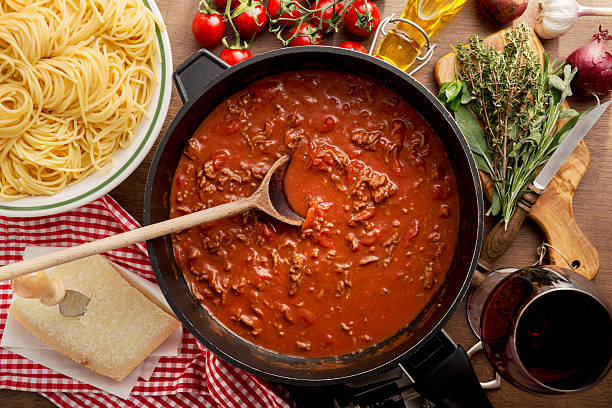
Pairing Cabernet Sauvignon with pasta dishes featuring rich meat sauces creates a harmonious balance of flavor and texture. The bold tannins and dark fruit notes in Cabernet cut through the fatty richness of ground beef, lamb, or pork ragù, cleansing the palate with each sip.
Opt for slow-cooked sauces with tomatoes, garlic, and herbs like rosemary or thyme, which complement the wine’s herbal and earthy undertones. Al dente pasta shapes like pappardelle or fettuccine hold the sauce well and enhance the overall mouthfeel. Avoid overly sweet sauces, as they can clash with the wine’s acidity.
This pairing works best when both the dish and wine have robust intensity, ensuring neither overpowers the other. Serve slightly below room temperature for optimal enjoyment.
Pairing with Mushroom Risotto
A creamy mushroom risotto is an excellent match for Cabernet Sauvignon due to its umami depth and earthy profile. The wine’s structured tannins and notes of dark cherry, cedar, and spice align beautifully with sautéed wild mushrooms like porcini or shiitake.
To enhance compatibility, finish the risotto with a touch of Parmesan and fresh thyme—ingredients that echo the wine’s savory complexity. Avoid overly buttery or overly acidic preparations, which can dull the wine’s character. The key is balancing the creamy texture of the risotto with the wine’s acidity and body.
This pairing shines when the risotto is rich but not heavy, allowing the Cabernet to elevate the dish’s earthy notes without overwhelming them. Serve in warm bowls alongside a well-chilled glass for contrast.
Hearty Grain Bowls and Wine Balance
Hearty grain bowls featuring farro, barley, or quinoa can pair surprisingly well with Cabernet Sauvignon when built with bold, savory components. Include ingredients like braised short ribs, roasted root vegetables, caramelized onions, and wilted kale to match the wine’s intensity.
Umami-rich additions such as grilled portobello mushrooms or aged cheese deepen the synergy. The key is ensuring the bowl has enough fat and protein to stand up to the wine’s tannic structure. Avoid overly sweet dressings or citrus-based marinades, which can clash with the wine’s acidity.
Instead, use herb-infused olive oil or balsamic glaze for a complementary finish. This pairing works best when the grain bowl feels more like a rustic stew than a salad, maintaining flavor equilibrium with every bite and sip.
Avoiding Light Sauces with Bold Wine
When pairing Cabernet Sauvignon, it’s crucial to avoid light, delicate sauces that can be overwhelmed by the wine’s bold profile. Sauces like primavera, lemon-butter, or fresh tomato salsa lack the richness needed to match the wine’s high tannins and full body, resulting in an unbalanced experience where the wine dominates.
Instead of enhancing the dish, the Cabernet may taste harsh or astringent. Choose dishes with depth and substance—think slow-simmered ragùs, grilled meats, or roasted vegetables. Even plant-based dishes should carry robust seasoning and texture to stand up to the wine.
If serving a lighter pasta, consider switching to a medium-bodied red like Pinot Noir. Matching intensity is key: let the wine and food elevate each other, not compete.
Desserts That Work with Cabernet Sauvignon
Dark Chocolate and Wine Pairing Guide
Pairing dark chocolate with high cocoa content (70% or more) creates a harmonious match with Cabernet Sauvignon. The wine’s bold tannins and dark fruit notes, like blackcurrant and plum, stand up to the chocolate’s intensity without being overwhelmed. Choose bittersweet or semi-sweet dark chocolate to avoid overpowering the wine’s structure.
For best results, serve both at slightly below room temperature—around 60–65°F—to enhance flavor integration. Adding a hint of sea salt or espresso to the chocolate can amplify the wine’s complexity. Avoid milk chocolate, as its sweetness and creaminess clash with tannins.
This pairing works especially well after a hearty meal, offering a rich, satisfying finish that balances bitterness, fruit, and depth.
Flourless Chocolate Cake Tips
Flourless chocolate cake is an ideal dessert companion for Cabernet Sauvignon due to its dense, rich texture and deep cocoa flavor. The cake’s intense chocolate profile complements the wine’s full body and dark fruit characteristics.
To enhance the pairing, add a touch of espresso or orange zest to the batter, which brings out Cabernet’s subtle spice and acidity. Serve the cake slightly warm with a dusting of cocoa powder or a few fresh berries to balance sweetness.
Avoid overly sweet glazes or frostings, as they can make the wine taste harsh. This dessert shines when portion sizes are modest, allowing the wine to remain the star. The absence of flour intensifies the chocolate, creating a luxurious yet balanced experience.
Avoiding Sweet Desserts That Clash
When pairing with Cabernet Sauvignon, avoid desserts significantly sweeter than the wine, such as caramel flan, key lime pie, or sugary pastries. These can make the wine taste sour, thin, or overly astringent due to the contrast in sweetness levels.
Cabernet’s firm tannins and moderate residual sugar struggle to match high-sugar desserts, leading to an unbalanced palate. Instead of masking the wine, the dessert should complement its structure and acidity. Opt for lower-sugar, richer options that mirror the wine’s intensity.
Also, steer clear of creamy, dairy-heavy desserts like cheesecake, which can coat the palate and mute the wine’s flavors. Choosing the right sweetness level ensures a more enjoyable and sophisticated pairing experience.
Fruit-Based Desserts That Complement Cabernet
Fruit-based desserts featuring dark berries like blackberries, cherries, or plums pair exceptionally well with Cabernet Sauvignon. The wine’s natural fruit notes echo these flavors, creating a cohesive and layered tasting experience. Try a rustic blackberry tart, baked cherry clafoutis, or grilled stone fruit with a hint of vanilla.
Keep added sugar minimal to prevent clashing with the wine’s tannins. A splash of red wine reduction or a sprinkle of dark chocolate shavings can elevate the dish while maintaining balance. Avoid citrus or tropical fruits, which are too bright and acidic.
These darker fruit desserts enhance the wine’s complexity and offer a refreshing yet robust finish, making them perfect for autumn or winter gatherings.
Serving Tips for Cabernet Sauvignon Pairings
Ideal Serving Temperature for Food Pairings
Serving Cabernet Sauvignon at the ideal temperature of 60–65°F (15–18°C) enhances its structure and ensures optimal harmony with food. If served too cold, the wine’s tannins can feel harsh and its aromas muted, overpowering delicate dishes.
If too warm, alcohol becomes dominant, unbalancing rich pairings like ribeye steak or lamb chops. To achieve this range, refrigerate the bottle for 20–30 minutes before serving if stored at room temperature.
This slight chill softens the tannins and brings out the wine’s dark fruit and spice notes, which complement fatty, savory meats. Maintaining this temperature ensures the wine supports, rather than overwhelms, the meal, making each bite and sip a cohesive experience.
Choosing the Right Glassware
Using the correct glassware significantly improves the pairing experience with Cabernet Sauvignon. Opt for a large-bowled, tulip-shaped red wine glass that allows ample surface area for aeration and directs the wine to the back of the palate, balancing its bold tannins and high alcohol.
The wide bowl also captures and concentrates the wine’s complex aromas—such as black currant, cedar, and tobacco—enhancing the sensory experience alongside food. Avoid small or narrow glasses, which restrict airflow and dull flavor expression.
When pairing with grilled meats or aged cheeses, proper glassware ensures the wine’s full profile integrates seamlessly with rich, umami flavors. Investing in quality glasses makes a noticeable difference in how both the wine and food are perceived together.
Decanting Cabernet Before Serving
Decanting Cabernet Sauvignon for 30 minutes to 2 hours before serving softens its firm tannins and unlocks deeper aromatic complexity, especially in younger or high-alcohol vintages.
This aeration process allows volatile compounds to dissipate and the wine to ‘open up,’ enhancing its dark fruit, vanilla, and earthy notes that pair beautifully with robust dishes like braised short ribs or mushroom risotto. For older vintages, decant gently to separate sediment while preserving delicate flavors.
Decanting ensures the wine reaches its full potential before meeting food, creating a more harmonious and expressive pairing. Serve immediately after decanting or adjust time based on the wine’s age and intensity, ensuring optimal integration with your meal.
Timing Wine and Food Presentation Together
To maximize enjoyment, align the serving sequence of wine and food so both peak in flavor at the same time. Begin by decanting the Cabernet Sauvignon as food finishes cooking, allowing it to aerate while aromas from the kitchen build anticipation.
Serve the wine just as the main course—like grilled steak or hard cheeses—reaches the table, ensuring temperature and flavor synergy. If courses progress, introduce the wine with the richest dish to avoid flavor fatigue.
For multi-course meals, consider offering the wine early in a smaller pour, then refreshing it with the entrée. Proper timing ensures the bold structure and acidity of Cabernet Sauvignon cut through fat and refresh the palate, turning each pairing into a balanced, memorable moment.
Frequently Asked Questions
What foods pair well with Cabernet Sauvignon?
Cabernet Sauvignon pairs best with rich, hearty dishes like grilled steak, lamb, roast beef, and other red meats. Its bold tannins and acidity complement fatty, savory flavors, enhancing both the wine and the meal.
Can Cabernet Sauvignon be paired with cheese?
Yes, Cabernet Sauvignon goes well with aged, hard cheeses like cheddar, gouda, and blue cheese. The bold flavor of the wine balances the intensity and creaminess of these cheeses.
Is Cabernet Sauvignon good with pasta?
It works well with tomato-based pasta dishes that include meat, such as spaghetti Bolognese or lasagna. The wine’s acidity cuts through the richness of the sauce and complements the savory meat.
What vegetarian dishes go with Cabernet Sauvignon?
Grilled portobello mushrooms, eggplant Parmesan, and lentil-based stews are excellent vegetarian options. Their earthy, robust flavors stand up well to the wine’s intensity.
Should I serve Cabernet Sauvignon with dessert?
It’s not ideal for sweet desserts, but it can pair with dark chocolate or chocolate-based dishes with minimal sugar. The bitterness of dark chocolate complements the wine’s tannins.
What temperature should Cabernet Sauvignon be served at?
Serve Cabernet Sauvignon slightly below room temperature, around 60–65°F (15–18°C), to bring out its full flavor profile and soften the tannins.
Does Cabernet Sauvignon go with chicken?
It can pair with roasted or grilled chicken, especially when served with rich sauces or herbs. However, it’s better suited to darker meat or chicken cooked with bold seasonings.
How does Cabernet Sauvignon pair with herbs and spices?
It complements herbs like rosemary, thyme, and sage, as well as spices such as black pepper and garlic. These flavors enhance the wine’s earthy and peppery notes.
Conclusion
Cabernet Sauvignon pairs beautifully with rich, flavorful foods like grilled steak, lamb, and aged cheeses, thanks to its bold tannins and deep berry notes. Complementary side dishes include roasted vegetables and garlic butter mushrooms. For dessert, opt for dark chocolate. The key is balancing the wine’s intensity with equally robust flavors. Experimenting with pairings can elevate your dining experience, so don’t hesitate to explore and enjoy the versatility of this classic red wine. Cheers to discovering your perfect match!