Why Are They Called Wine Coolers
If you have ever wondered why those fruity, refreshing drinks are called wine coolers, you are in the right place. The name is actually quite literal, as these beverages were originally created by mixing wine with fruit juices and carbonated water to create a chilled, lower-alcohol treat perfect for cooling down on a hot day. In this article, we will quickly break down the history behind the name and explain how these popular drinks evolved into the favorites we know today.
What is the original meaning of a wine cooler?
The history of ice buckets and chilled vessels
Long before the modern era of refrigeration, the term wine cooler referred to a specialized physical vessel designed to maintain a bottle’s temperature during a meal. These early containers were essential for the upper classes who wished to serve their beverages at the perfect crispness.
Typically, these vessels were deep enough to hold a single bottle surrounded by packed ice or cold well water, acting as a portable insulation system for the dining table. The functionality was straightforward: by isolating the bottle from the ambient room temperature, the wine remained refreshing throughout several courses.
Understanding this historical context helps clarify why the name is rooted in utility rather than just a brand category. When you look at antique collections today, you will find that these functional ice buckets were the primary cooling method for centuries.
They represent a time when temperature control was a manual, labor-intensive luxury. By using these containers, hosts could ensure their finest vintages did not spoil or become unpalatable in warm dining halls.
Traditional silver and ceramic cooling bowls
As social dining evolved, the wine cooler became a centerpiece of artistic expression and status. During the 18th and 19th centuries, these items were often crafted from sterling silver, fine porcelain, or ornate lead crystal to match the grandeur of a formal setting.
Some larger versions, known as cisterns, were massive basins kept on the floor or a sideboard to chill multiple bottles simultaneously. These decorative pieces were not just for show; they utilized the natural thermal properties of metals and ceramics to conduct cold efficiently from the ice to the glass.
If you are researching historical dining etiquette, you will find that the ‘cooler’ was a specific piece of furniture or hollowware. This tradition of naming the object after its primary cooling function is exactly why the term stuck.
Whether it was a simple wooden pail lined with lead or a hallmarked silver masterpiece, the core purpose remained the same: providing a dedicated environment to lower the liquid’s temperature. This legacy of craftsmanship laid the groundwork for the terminology we still use in modern contexts.
How the name shifted from furniture to beverages
The transition of the name from a physical container to a specific type of drink occurred as consumer habits changed in the late 20th century.
Originally, a ‘wine cooler’ was a tool you put a bottle into; however, in the 1980s, beverage companies hijacked the term to describe a pre-mixed blend of wine, fruit juice, and carbonation.
This marketing shift was intentional, as it evoked the image of a chilled, refreshing drink perfect for warm weather, much like the bottles once pulled from ice-filled silver basins.
Today, the term is used interchangeably for refrigerated appliances and bottled spritzers, which can cause confusion for those looking into the phrase’s etymology. To solve this, remember that the name always points back to the act of ‘cooling’ the wine to make it more drinkable.
Whether you are referring to a high-tech electric cellar, a classic ice bucket, or a fruity low-alcohol beverage, the linguistic root remains the same. The name evolved from describing the hardware of hospitality to the refreshing liquid experience itself, bridging the gap between antique luxury and modern convenience.
The 1980s rise of the wine cooler drink
Why fruit juice and wine became a global trend
The 1980s saw a massive shift in consumer behavior as drinkers sought lighter, more refreshing alternatives to heavy spirits and traditional table wines. This trend was driven by a desire for a beverage that combined the sophistication of viticulture with the accessibility of soda.
By blending inexpensive white wine with carbonated water and citrus juices, producers created a drink that was physically chilled and mentally associated with relaxation. The term ‘cooler’ was adopted because these beverages were designed to be served ice-cold, providing a literal cooling sensation during outdoor summer activities and social gatherings.
This innovation solved the problem of wine being perceived as too formal or high-brow for casual consumption. By focusing on palatability and temperature, manufacturers successfully rebranded wine as a versatile base for a fizzy, fruit-forward treat.
This strategic pivot allowed the industry to tap into a younger demographic that prioritized refreshment and sweetness over complex flavor profiles, effectively turning the wine cooler into a global phenomenon that defined the decade’s beverage landscape.
California Cooler and the birth of the brand
The specific naming convention gained mainstream traction through the massive success of California Cooler, a brand started in a beach shack that eventually revolutionized the liquor aisle.
The founders took the concept of a ‘white wine spritzer’ and packaged it in a way that mimicked the convenience of a cold beer. They utilized the word ‘cooler’ to evoke images of surf culture and coastal relaxation, positioning the product as the ultimate accessory for a beach day.
This branding was a solution for consumers who wanted the portability of a bottled drink without the bitterness of hops. The name stuck because it perfectly described both the storage method—usually an insulated chest filled with ice—and the intended emotional state of the drinker.
By focusing on convenience and lifestyle marketing, California Cooler paved the way for dozens of competitors to enter the market using the same terminology.
The name became a shorthand for any pre-mixed, fruit-flavored wine beverage, cementing its place in history as a standardized category label that promised a consistent, chilled experience for every buyer.
The role of low alcohol content in naming
Another critical reason these drinks are called wine coolers relates to their diluted nature and lower alcohol by volume compared to standard wine. By ‘cooling’ the intensity of the alcohol with juice and soda, producers created a more sessionable drink that could be enjoyed over longer periods.
This served as a practical solution for social hosts who wanted to provide festive options without the rapid intoxication associated with hard liquor or full-strength vintages. The ‘cooler’ designation signaled to the consumer that the drink was diluted and approachable, making it a safer choice for casual daytime events.
Furthermore, this lower alcohol content allowed for unique tax advantages and broader distribution in some regions, as it was often categorized differently than high-proof spirits. The name emphasizes the milder, thirst-quenching properties of the liquid rather than its potency.
Ultimately, the term serves as a functional descriptor for a beverage that prioritizes hydration and flavor over the traditional intoxicating effects of wine, providing a balanced alternative for those who prefer a lighter, more controlled drinking experience.
Why the term cooler fits the ingredients
The combination of white wine and carbonation
The term cooler perfectly describes the refreshing sensation created by blending crisp white wine with carbonated water or citrus soda. To achieve the best results at home, you should select a dry white wine like Sauvignon Blanc or Pinot Grigio, as these varietals maintain their structural integrity when diluted.
The carbonation serves a functional purpose beyond just bubbles; it lowers the overall alcohol by volume, making the drink significantly more approachable for long afternoons in the sun.
When you introduce carbon dioxide into the mixture, it creates a physical cooling effect on the palate that masks the warmth of the ethanol. This effervescence is exactly why the drink earned its name, as it provides a brisk, revitalizing mouthfeel that standard wine lacks.
For the most effective cooling experience, ensure both the wine and the carbonated mixer are thoroughly chilled before combining them to prevent the ice from melting too quickly and watering down the vibrant flavor profile of your beverage.
How added sugar and fruit flavors define the category
What truly separates a cooler from other wine-based drinks is the intentional use of high sugar content and intense fruit flavorings to create a dessert-like profile.
To replicate this iconic style, you must incorporate fruit juices or syrups such as pineapple, lime, or berry concentrates which effectively bridge the gap between a cocktail and a soda.
The addition of sweeteners is a strategic choice that mutes the natural acidity of the wine, resulting in a smooth, easy-to-drink beverage that appeals to those who find traditional wine too harsh.
By focusing on these bold fruit additives, the drink becomes a ‘cooler’ in the sense that it functions like a chilled fruit punch. You can customize your flavor profile by using fresh purees or high-quality extracts, ensuring the sweetness balances the tartness of the wine base.
This specific combination of sugar and fruit is the defining characteristic that transformed the wine cooler into a global beverage phenomenon during the eighties and nineties.
Differences between a spritzer and a cooler
Understanding the technical differences between a spritzer and a cooler will help you choose the right drink for your specific needs. A spritzer is a minimalist combination of wine and sparkling water, whereas a cooler is a complex, sweetened concoction that often includes fruit juices and additional flavorings.
If you are looking for a low-calorie option, you should opt for a spritzer to avoid the heavy sugars found in traditional coolers.
However, if your goal is a flavorful, soda-like experience, the cooler is the superior choice because it utilizes a wider range of ingredients to mask the alcohol taste entirely.
While both drinks are served over ice, the cooler is designed to be a standalone flavored beverage, whereas the spritzer is meant to be a lighter version of the wine itself.
By recognizing these distinctions, you can better navigate beverage menus or craft the perfect refreshing drink at home that aligns with your personal preference for sweetness and complexity.
Modern wine refrigerators and storage units
Why appliance brands kept the cooler name
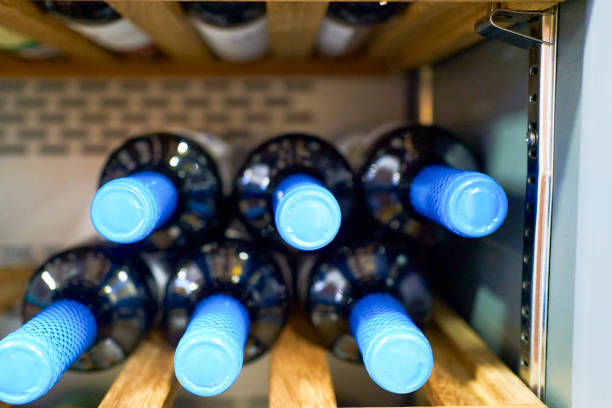
The terminology persists because manufacturers wanted to distinguish these specialized appliances from standard food refrigeration. While the term originally shared a name with the sugary blended beverages of the 1980s, the appliance industry adopted it to signify a dedicated cooling environment specifically engineered for wine preservation.
Unlike a multi-purpose refrigerator, a wine cooler is designed to maintain a consistent, stable temperature range that prevents the chemical degradation of organic compounds.
Brands continue to use this phrasing because it immediately communicates the unit’s primary function: providing a controlled thermal zone that is cooler than room temperature but warmer than a typical freezer.
For consumers, the name serves as a helpful shorthand for compact storage solutions that fit into modern kitchens without requiring the structural overhaul of a traditional basement cellar.
By sticking to this recognizable label, companies help buyers identify products that offer vibration dampening and UV protection, which are essential features for anyone looking to protect their liquid investments from environmental stressors.
Temperature control vs. standard kitchen fridges
The most critical reason these units are called coolers rather than refrigerators lies in their internal climate calibration. A standard kitchen fridge is designed to keep perishable food at or below 40 degrees Fahrenheit, which is far too cold for wine and can cause corks to shrink and dry out.
In contrast, modern wine coolers are engineered to hold a steady serving temperature between 45 and 64 degrees Fahrenheit, ensuring the liquid remains vibrant and flavorful. These units utilize thermoelectric or specialized compressor systems that minimize temperature fluctuations, which is vital because heat is the primary enemy of wine aging.
Furthermore, wine coolers maintain a higher humidity level than standard appliances, preventing the cork from becoming brittle and allowing oxygen to seep into the bottle. When you invest in a dedicated cooler, you are prioritizing precise thermal management over general-purpose chilling.
This distinction is why experts recommend using a specialized unit to avoid the harsh, dry environment of a food fridge, which can ultimately strip a wine of its aromatic complexity over time.
How to choose between a cellar and a cooler
Deciding between a full-scale cellar and a modern wine cooler depends largely on your collection size and long-term goals. If you intend to age rare vintages for decades, a walk-in cellar provides the ultimate long-term stability and capacity needed for serious maturation.
However, for most enthusiasts, a wine cooler is the more practical and cost-effective solution for ready-to-drink bottles. Coolers offer the advantage of plug-and-play convenience, fitting easily under counters or in small apartments where a basement renovation is impossible.
When choosing, consider whether you need a dual-zone cooling system, which allows you to store reds and whites at their respective ideal temperatures simultaneously. Look for units with tinted glass doors to block harmful light and adjustable shelving to accommodate various bottle shapes like Champagne or Magnums.
Ultimately, the cooler is the superior choice for those who want immediate access to perfectly chilled wine without the massive footprint or expense of a custom-built cellar, providing a sophisticated way to manage your daily rotation of favorite labels.
The marketing strategy behind the name
Targeting casual drinkers in the summer heat
The marketing strategy behind the name was meticulously designed to position the beverage as the ultimate thirst-quencher for those who found traditional wine too heavy or sophisticated for high temperatures.
By using the word ‘cooler,’ brands successfully signaled a refreshing, temperature-focused benefit that appealed to casual drinkers looking for a light alternative to beer or spirits.
This linguistic choice helped de-mystify wine consumption, stripping away the intimidating etiquette of vintages and glassware in favor of a grab-and-go convenience that suited backyard barbecues and pool parties.
Marketers focused on the ‘cool’ factor, both literally and figuratively, ensuring the product was viewed as a functional tool for heat relief rather than a formal dinner accompaniment.
This strategic pivot allowed the industry to tap into a massive demographic of young adults who prioritized sessionable, fruit-forward flavors over complex tannins, effectively creating a new market category that prioritized refreshment and accessibility above all else during the peak summer months.
The association with beach culture and relaxation
To solidify the name in the public consciousness, advertisers leaned heavily into the imagery of coastal leisure and sun-drenched escapes. The term ‘wine cooler’ became synonymous with a laid-back lifestyle, intentionally distancing the product from the stuffy atmosphere of wine cellars or formal dining rooms.
Marketing campaigns featured vibrant visuals of sandy shores and boardwalks, suggesting that the drink was an essential component of a carefree vacation mindset.
By branding the beverage as a ‘cooler,’ companies tapped into the psychological desire for escapism, making the product feel like a portable piece of the beach regardless of where it was actually consumed.
This association was a masterclass in lifestyle branding, as it transformed a simple mixture of wine and fruit juice into a symbol of social relaxation and youthful energy.
The name served as a constant reminder that the drink was meant for moments of joy and communal leisure, effectively cementing its status as the quintessential beverage for outdoor social gatherings and seaside adventures.
How TV commercials solidified the terminology
The widespread adoption of the name was largely driven by aggressive and creative television advertising campaigns during the 1980s. Iconic characters and catchy slogans played a pivotal role in making ‘wine cooler’ a household term, using humor and relatable storytelling to build brand recognition.
These commercials often depicted everyday scenarios where the drink provided a moment of levity, reinforcing the idea that it was a beverage for everyone, not just the elite.
By repeating the terminology in high-frequency ad spots, manufacturers ensured that the name became the standardized category label in the minds of consumers.
The visual medium allowed brands to showcase the condensation on the bottles and the vibrant colors of the liquid, further emphasizing the ‘cool’ aspect of the name through sensory marketing techniques.
This saturation of the airwaves turned a descriptive phrase into a powerful cultural touchstone, proving that consistent messaging and character-driven narratives could define an entire industry segment while making the terminology feel both approachable and culturally relevant to a broad national audience.
Legal changes that affected the wine cooler label
The 1991 tax hike on wine products
A pivotal moment for the beverage industry occurred in 1991 when the United States federal government implemented a massive increase in the excise tax on wine.
This legislative shift caused the tax rate to jump from $0.17 per gallon to $1.07 per gallon, effectively making the production of traditional wine-based coolers prohibitively expensive for mass-market manufacturers. To maintain affordable price points for consumers, brands had to reevaluate their core ingredients.
The 1991 tax hike served as the primary catalyst for the disappearance of actual wine from many products still carrying the cooler name. Producers realized that continuing with a wine base would force a retail price increase that the average shopper would not support.
Consequently, the industry began searching for a more cost-effective alcohol base that would not be subject to the same aggressive taxation.
This legal and financial pressure fundamentally altered the composition of the drink, leading to a permanent shift in how these refreshing, fruit-forward beverages were manufactured and marketed across the country.
The switch from wine-based to malt-based recipes
In direct response to the escalating costs associated with wine production, major beverage companies transitioned their recipes to utilize a malt base similar to beer. By using malted barley as the fermentable sugar source instead of grapes, manufacturers could take advantage of significantly lower tax rates.
This transition allowed brands to keep their products in the same refrigerated sections of grocery stores while avoiding the heavy financial burden of the wine tax. Although the flavor profiles remained focused on fruit and sweetness, the underlying alcohol was no longer derived from fruit.
This strategic recipe reformulation meant that while the consumer experience remained relatively consistent, the liquid inside the bottle had changed entirely. The shift to malt also simplified distribution in many states, as malt beverages often face fewer retail restrictions than wine-based products.
This logistical advantage, combined with the substantial tax savings, solidified the malt-based approach as the new industry standard for what the public continued to colloquially refer to as wine coolers, despite the technical absence of wine.
Why many coolers are now technically flavored malt beverages
Today, the items most people identify as wine coolers are legally classified as flavored malt beverages (FMBs). This technical designation is a result of the regulatory framework that governs how alcohol is produced and labeled.
Because they are brewed from grain rather than fermented from fruit, they fall under the same legal umbrella as beer. You will often see these products labeled as ‘premium malt beverages’ or ‘hard seltzers’ to comply with federal labeling requirements set by the TTB.
The term ‘cooler’ has largely become a legacy marketing term rather than a legal definition. Understanding this distinction helps consumers realize why these drinks are often sold in six-packs like beer and found in the beer aisle.
The evolution into flavored malt beverages allowed the category to survive the 1990s tax changes and thrive in a competitive market.
While the name ‘wine cooler’ persists in popular culture, the modern version is a sophisticated malt product engineered for consistency, affordability, and broad retail availability, proving how legal changes can permanently reshape an entire product category.
Common questions about wine cooler names
Is a wine cooler the same as a sangria?
While both beverages share a base of fermented grapes and fruit flavors, they are distinct categories in the modern beverage landscape.
A traditional sangria is typically a homemade or artisanal punch that combines red or white wine with chopped fresh fruit, sweeteners, and often a splash of brandy or orange liqueur. In contrast, a wine cooler is a commercially produced, carbonated beverage that gained massive popularity in the 1980s.
These products were formulated to be lighter, more refreshing, and lower in alcohol than standard table wine. When selecting a drink for your next gathering, remember that wine coolers are designed for consistent flavor and convenience, whereas sangria offers a more complex, customizable profile.
If you are looking for a pre-mixed option, check the label to see if it uses a malt base or actual wine, as this affects the tax classification and overall mouthfeel. Understanding these differences helps you choose the right refreshment for your specific palate and occasion.
Why do some people call them alcopops?
The term alcopop is a colloquialism that emerged to describe sweet, flavored alcoholic beverages that often mask the taste of alcohol with high sugar content and fruit flavorings.
This designation became common as the industry shifted away from using wine as a primary base toward malt-based formulas due to changing tax laws in the early 1990s.
Critics and health advocates often use the term alcopop to highlight how these drinks can appeal to younger demographics because of their vibrant packaging and soda-like taste profiles.
From a consumer perspective, identifying a drink as an alcopop usually means you can expect a higher sugar content and lower ABV compared to traditional spirits or craft beers.
If you are monitoring your sugar intake or looking for a more sophisticated flavor profile, it is helpful to distinguish between these sugary ready-to-drink options and authentic wine-based coolers. Always read the nutritional information to ensure the beverage aligns with your dietary preferences and health goals while enjoying responsibly.
Current brands still using the cooler designation
Although the market has largely transitioned toward hard seltzers and canned cocktails, several iconic brands still embrace the cooler designation to maintain their nostalgic appeal. Brands like Bartles & Jaymes continue to produce wine-based versions of their classic flavors, catering to those who prefer the original recipe over malt alternatives.
Additionally, Seagram’s Escapes remains a dominant force in the category, offering a wide variety of colorful, fruit-forward options that are frequently categorized under the cooler umbrella in retail settings. To find these products, look in the ready-to-drink (RTD) section of your local liquor store or the refrigerated beer aisle.
These modern iterations have evolved to include sleek can packaging and lower-calorie versions to compete with contemporary trends. By looking for these specific brand names, you can enjoy the classic, easy-drinking experience that defined the genre decades ago.
Whether you are hosting a summer barbecue or a casual beach outing, these established brands provide a reliable and refreshing choice for those who appreciate the legacy of the wine cooler.
Frequently Asked Questions
Why are they called wine coolers?
The term originated because these drinks are a blend of wine and fruit juice, intended to be served chilled as a refreshing, ‘cooling’ beverage. The name highlights both the primary alcohol base and the drink’s purpose as a light, cold alternative to heavy spirits.
What is the history behind the wine cooler name?
The name gained mainstream popularity in the 1980s with brands like California Cooler, which marketed the drink as a laid-back, beach-friendly beverage. It distinguished the product from traditional table wine by emphasizing its portability and refreshing, chilled nature.
Does the name ‘wine cooler’ refer to the drink or the appliance?
The term is a contronym that can refer to either a fruit-flavored wine beverage or a specialized refrigerator used for storing wine bottles at optimal temperatures. In the context of beverages, it specifically refers to the low-alcohol premixed bottles.
Are modern wine coolers still made with wine?
While the name persists, many modern ‘wine coolers’ sold in grocery stores are actually malt beverages rather than wine-based. This shift occurred in the early 1990s due to changes in federal excise taxes, but the ‘cooler’ branding remained for consumer recognition.
Why was the word ‘cooler’ chosen for these drinks?
The word ‘cooler’ was a traditional term for long, iced drinks made with spirits or wine and a non-alcoholic mixer. Marketers adopted this term to suggest a beverage that was less formal than wine and perfect for cooling down during hot summer weather.
What is the difference between a wine cooler and a spritzer?
A wine cooler is typically a pre-packaged commercial blend of wine, sugar, and fruit juices, whereas a spritzer is a simple mix of wine and carbonated water. The ‘cooler’ name implies a sweeter, more complex flavor profile than a standard spritzer.
Conclusion
The term wine cooler perfectly captures the drink’s origins as a chilled, refreshing blend of wine and fruit juice. While the ingredients have evolved from traditional wine to malt-based formulas, the name remains a nostalgic nod to its breezy, social beginnings. Whether you prefer classic recipes or modern alternatives, understanding this history adds flavor to every sip. Next time you enjoy a cold bottle, share these fun facts and keep exploring the diverse world of refreshments.