Why Does Champagne Give Me Heartburn
If you love a celebratory toast but hate the fiery chest pain that follows, you are not alone. Champagne is a triple threat for acid reflux because it is highly acidic, loaded with bubbles that create pressure in your stomach, and contains alcohol that relaxes your esophagus. In this guide, we will break down exactly why those festive bubbles trigger your heartburn so quickly and, more importantly, share simple tips to enjoy your glass pain-free.
What causes champagne to trigger acid reflux?
The role of high carbonation and gas
The defining characteristic of champagne is its intense effervescence, which results from trapped carbon dioxide gas created during the secondary fermentation process. When you consume these bubbles, they expand within your stomach, significantly increasing intra-abdominal pressure.
This internal pressure physically forces the stomach contents upward against the esophageal opening, making it much easier for gastric acid to escape. To minimize this effect, try drinking your champagne slowly and avoid using a straw, which can introduce even more air into your digestive system.
Additionally, staying upright after a toast allows gravity to assist in keeping the gas from pushing acid into the esophagus. If you find the bubbles are the primary trigger, consider gently stirring your glass to release some of the excess carbonation before taking a sip.
By managing the volume of gas entering your stomach, you can enjoy a celebratory glass while reducing the mechanical strain that lead to painful heartburn symptoms throughout the evening.
How alcohol relaxes the lower esophageal sphincter
Champagne contains ethanol, which acts as a direct muscle relaxant throughout the body, including the lower esophageal sphincter (LES). The LES is the critical valve responsible for sealing the top of the stomach to prevent acid reflux.
When alcohol causes this muscle to become overly relaxed or sluggish, it fails to close tightly, allowing corrosive stomach acid to splash back into the sensitive lining of the esophagus.
To counteract this physiological response, it is essential to consume champagne alongside a meal rather than on an empty stomach, as food can help buffer the acid and slow alcohol absorption.
You should also limit your intake to one or two glasses to prevent the LES from remaining in a perpetually relaxed state. Staying hydrated by alternating every alcoholic beverage with a full glass of water can further dilute the gastric irritants.
Being mindful of your total consumption helps maintain the functional integrity of your digestive valves and prevents the burning sensation associated with champagne.
Acidity levels in sparkling wine
Champagne is naturally high in tartaric and malic acids, which are necessary for its crisp flavor profile but can be incredibly irritating to a sensitive stomach lining. These high acidity levels stimulate the production of even more gastric acid, creating a volatile environment that triggers reflux.
To mitigate this, look for specific labels like ‘Demi-Sec’ or ‘Doux’, which contain higher sugar content that can sometimes feel more balanced, though the base acidity remains.
A more effective strategy is to avoid pairing champagne with other acidic foods like citrus, vinegar-based dressings, or spicy appetizers, which compound the irritation. Instead, choose alkaline snacks like crackers or cheese to help neutralize the acid in your gut.
If you are particularly prone to heartburn, taking an over-the-counter antacid shortly before your first glass can provide a protective barrier. Understanding the pH balance of what you drink allows you to make better choices that protect your esophagus from the harsh effects of high-acid sparkling wines.
Specific ingredients in champagne that worsen heartburn
Sugar content and dosage levels
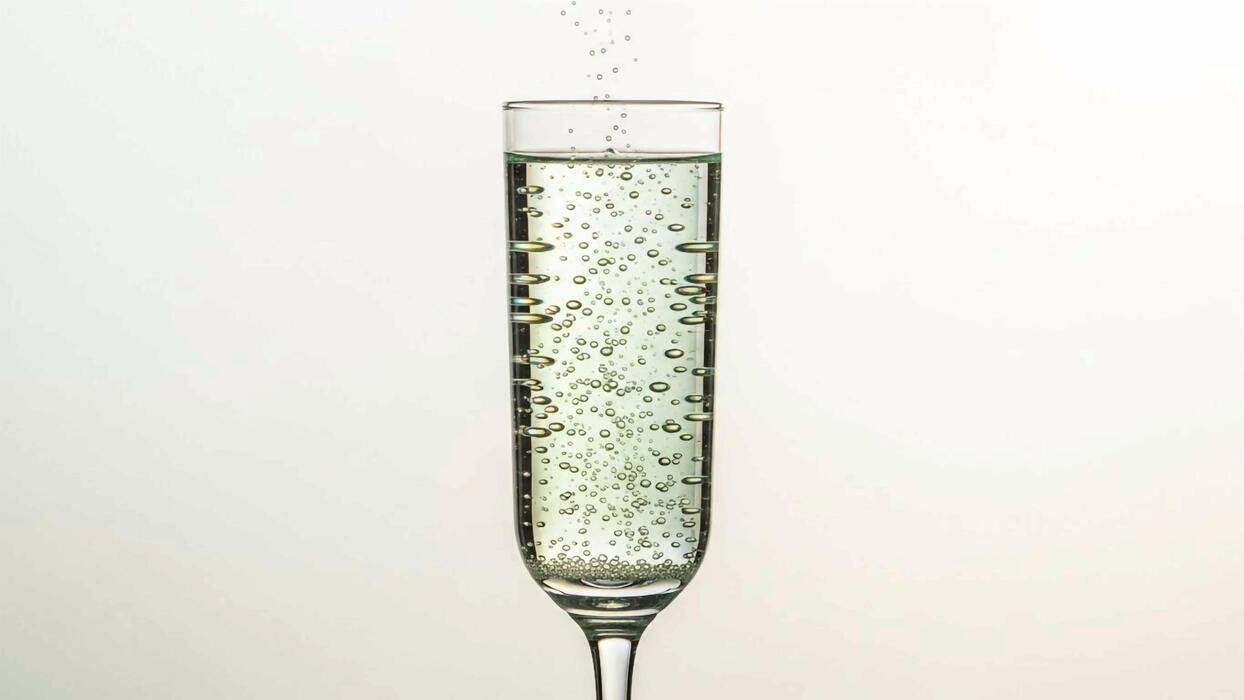
The specific level of residual sugar in champagne, often referred to as the dosage, plays a critical role in triggering acid reflux symptoms. While many enthusiasts opt for ‘Brut’ varieties, even these contain enough sugar to stimulate the stomach into producing excess gastric acid.
When you consume high-sugar beverages, the lower esophageal sphincter (LES) may relax, allowing stomach acid to flow backward into the esophagus. To mitigate this risk, you should actively look for labels marked as ‘Brut Nature’ or ‘Extra Brut’, which contain the lowest possible sugar concentrations.
Transitioning to these drier options can significantly reduce the osmotic pressure in your digestive tract, preventing the bloating that often pushes acid upward. Additionally, drinking water between glasses can help dilute the sugar concentration in your stomach.
By being mindful of these dosage levels and choosing dryer profiles, you can enjoy a celebratory toast without the subsequent discomfort of a burning chest or throat irritation.
Sulfites and their effect on digestion
Sulfites are sulfur dioxide compounds used as preservatives in champagne to maintain freshness and prevent oxidation, but they are notorious for causing digestive distress in sensitive individuals. For those prone to heartburn, sulfites can act as a chemical irritant to the delicate lining of the esophagus and stomach.
This irritation often leads to increased inflammation and sensitivity, making it easier for even small amounts of acid to cause significant pain. To solve this, you can seek out organic or ‘sulfite-free’ champagnes, which utilize natural preservation methods and are much gentler on the digestive system.
It is also helpful to let your champagne breathe for a few minutes after pouring, as exposure to air can help dissipate some of the volatile sulfur compounds. If you find that your heartburn is consistently accompanied by headaches or congestion, a sulfite sensitivity is likely the culprit.
Choosing low-sulfite vintages is a proactive way to protect your gut health while still enjoying a premium sparkling wine experience.
The impact of yeast and fermentation
Champagne undergoes a unique secondary fermentation process within the bottle, which involves prolonged contact with yeast cells known as ‘lees.’ While this creates the signature complex flavor profile, the byproduct of this intense fermentation can be difficult for some digestive systems to process.
The presence of yeast and fermentation byproducts can lead to increased gas production and intestinal fermentation, which creates upward pressure on the stomach. This pressure forces the contents of the stomach toward the esophagus, resulting in classic heartburn symptoms.
To manage this, you should avoid drinking champagne on an empty stomach, as having a base of protein or healthy fats can help buffer the effects of the yeast.
Opting for champagnes that have been aged longer may also help, as the yeast cells break down more completely over time, potentially reducing the reactive triggers for acid production.
Understanding the biological impact of the ‘methode champenoise’ allows you to make better dietary choices, such as pairing your drink with alkaline foods to neutralize excess acidity.
How bubbles and carbon dioxide affect your stomach
Increased pressure on the stomach lining
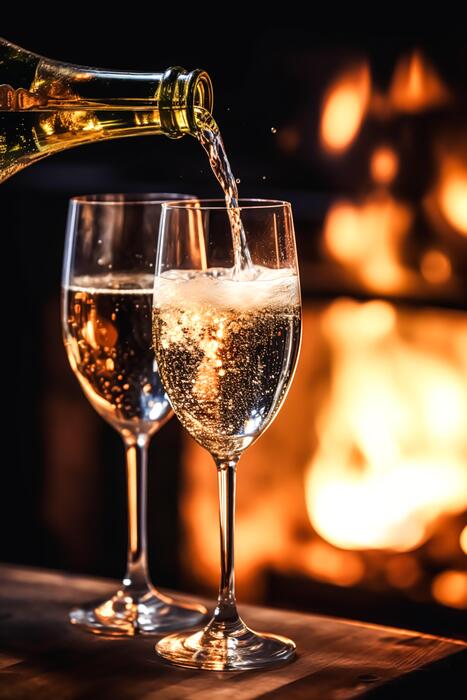
Champagne is uniquely high in carbon dioxide, which creates those signature bubbles but also leads to significant gas accumulation within the digestive tract. When you consume sparkling wine, the gas rapidly expands inside the stomach, leading to increased intra-abdominal pressure that pushes directly against the lower esophageal sphincter.
This specific muscle acts as a gatekeeper between your stomach and throat, and when it is forced open by internal pressure, it allows caustic stomach acid to escape upward.
To minimize this effect, try to sip your champagne slowly rather than drinking it quickly, which allows the gas to dissipate more gradually. You might also consider pairing your drink with a light, protein-rich snack to help buffer the acid and slow down the rate of gastric emptying.
By managing the volume of gas hitting your stomach lining at once, you can effectively reduce the physical strain on your digestive system and prevent the burning sensation associated with severe acid reflux episodes.
Air pockets and frequent burping
The carbonation in champagne creates millions of tiny air pockets that must eventually be expelled from the body, typically through the process of belching. While burping is a natural bodily function, the frequent release of gas can carry droplets of stomach acid into the sensitive lining of the esophagus.
This repeated exposure to gastric juices is a primary driver of the chest pain and sour taste experienced after drinking bubbly beverages.
To mitigate this risk, it is helpful to avoid using straws, which can introduce even more air into your system, and stay upright for at least two hours after your last glass.
Gravity plays a crucial role in keeping your stomach contents where they belong, so sitting tall or taking a gentle walk can assist in the natural movement of gas without triggering a reflux event.
Choosing a wider-mouthed glass can also allow some of the excess carbonation to escape into the air before you take a sip, further protecting your digestive comfort.
Distension of the esophagus
As the carbon dioxide from champagne is released, it causes a physical stretching or distension of both the stomach and the lower portion of the esophagus. This mechanical stretching can trigger transient relaxations of the esophageal valve, providing a clear pathway for acid to move in the wrong direction.
Furthermore, the high acidity of champagne combined with the mechanical stress of the bubbles can irritate an already sensitive esophageal lining, making the burn feel more intense.
To protect yourself, you should drink plenty of water between glasses of champagne to dilute the acid and wash away any lingering bubbles from the esophageal walls.
Choosing a dryer champagne, such as a Brut, may also help as it contains less sugar that could otherwise ferment and create more gas.
If you are prone to heartburn, being mindful of your posture and hydration levels can significantly decrease the likelihood of esophageal distension and the subsequent discomfort that follows a celebratory toast with your favorite sparkling wine.
Practical ways to prevent heartburn while drinking
Eat a meal before your first glass
One of the most effective strategies to prevent the burning sensation of reflux is to consume a substantial meal before you start sipping on champagne.
Drinking on an empty stomach allows the high acidity and carbonation of the wine to irritate the esophageal lining directly, which triggers a rapid release of gastric acid.
By eating a mix of complex carbohydrates and healthy proteins, you create a physical buffer that slows down the absorption of alcohol and helps neutralize excess stomach acid. Focus on non-acidic foods like oatmeal, lean chicken, or melons rather than greasy or spicy dishes, which can exacerbate the issue.
This nutritional foundation prevents the lower esophageal sphincter from relaxing too quickly, a common cause of the backflow of acid.
Taking this proactive step ensures that your digestive system is occupied and stable, significantly reducing the likelihood of experiencing that uncomfortable chest pressure often associated with the bubbles and acidity found in sparkling wine varieties.
Drink water between servings
Hydration is a critical component in managing the digestive impact of champagne. The carbonation in sparkling wine can lead to bloating and increased pressure on the stomach, which often pushes acid upward into the esophagus.
To counteract this, you should alternate every glass of champagne with a full glass of water. This practice serves two main purposes: it dilutes the concentration of alcohol and acid in your stomach and helps to flush out the carbon dioxide bubbles more efficiently.
Staying hydrated also keeps your saliva production high, which is the body’s natural defense against acid because saliva contains bicarbonate that neutralizes reflux. Furthermore, drinking water forces you to slow down your pace, preventing you from consuming large amounts of alcohol in a short period.
This pacing strategy is vital for giving your body enough time to process the wine’s acidity without overwhelming your digestive defenses, ultimately keeping your symptoms at bay throughout the evening.
Choose low-sugar or ‘Brut Nature’ options
The sugar content in many sparkling wines is a hidden culprit that frequently contributes to severe heartburn. Sugar can undergo fermentation in the gut, leading to gas and increased gastric pressure that forces acid upward.
To minimize this risk, you should opt for ‘Brut Nature’ or ‘Extra Brut’ labels, which contain the least amount of residual sugar compared to ‘Demi-Sec’ or ‘Douce’ varieties. These drier options are less likely to trigger the excessive production of stomach acid that sweet wines often provoke.
By selecting a low-sugar profile, you are effectively reducing the chemical triggers that cause the lower esophageal sphincter to malfunction. It is also beneficial to look for wines with lower overall alcohol by volume (ABV), as high alcohol concentrations are known to irritate the digestive tract.
Making this specific selection allows you to enjoy the celebratory nature of the drink while minimizing the inflammatory impact on your stomach lining, ensuring a much more comfortable experience during and after your event.
Lifestyle habits that make champagne reflux worse

Drinking late at night before bed
Consuming champagne shortly before heading to bed is a major trigger for acid reflux because of the physiological impact of lying flat.
When you drink late at night, the carbonation and alcohol work together to relax the lower esophageal sphincter (LES), which acts as a valve between your stomach and esophagus. Because champagne is highly acidic and fizzy, it increases gastric pressure while simultaneously weakening this protective barrier.
If you lie down horizontally before the liquid has left your stomach, gravity can no longer keep the stomach contents down, allowing acidic bubbles and ethanol to flow back into the esophagus. This causes the painful burning sensation known as heartburn.
To prevent this, experts recommend finishing your last glass at least three hours before sleep. This window allows your body to process the alcohol and clear the stomach. Elevating your head with extra pillows can also provide a mechanical advantage against nighttime reflux symptoms caused by late-night celebrations.
Mixing champagne with acidic mixers
While a classic mimosa or a fruit-based champagne cocktail is popular, adding acidic mixers like orange, grapefruit, or lemon juice creates a synergistic acid overload in your digestive system. Champagne is already naturally acidic due to the fermentation process and the specific grapes used.
When you combine this with the citric acid found in fruit juices, the pH level of the drink drops significantly, making it much more irritating to the lining of the esophagus and stomach.
Furthermore, many mixers contain high amounts of refined sugar, which can further delay stomach emptying and trigger more acid production.
To reduce the risk of heartburn, try sipping your champagne neat or opting for low-acid alternatives like a splash of pear nectar or simply diluting the drink with a bit of still water.
Staying hydrated with plain water between glasses is also crucial, as it helps to neutralize and wash away the concentrated acids that accumulate in the throat during festive drinking sessions.
Smoking while consuming alcohol
Combining smoking with champagne consumption is a lifestyle habit that significantly exacerbates the risk of severe heartburn. Nicotine is a powerful chemical that directly contributes to the relaxation of the LES, making it much easier for stomach acid to escape.
When you smoke while drinking, you are essentially attacking your digestive defense system from two different angles. Smoking also reduces saliva production, which is your body’s natural way of neutralizing acid in the esophagus.
Without enough saliva to wash down the acidic residue of the champagne, the burning sensation lingers much longer and causes more tissue irritation.
Furthermore, the act of inhaling smoke can cause you to swallow excess air, leading to bloating and increased pressure in the abdomen, which pushes the champagne and gastric juices upward. To protect your digestive health, it is best to avoid tobacco products entirely when consuming sparkling wines.
Focusing on deep breathing and staying in smoke-free environments will help maintain a stronger esophageal barrier and prevent painful reflux.
Best alternatives for people with sensitive stomachs
Low-acid still white wines
If the bubbles and high acidity in Champagne are the primary triggers for your acid reflux, transitioning to specific still white wines can provide a much smoother experience.
Since Champagne is naturally high in acid and carbonation, both of which relax the lower esophageal sphincter, opting for low-acid varietals like Viognier, Marsanne, or Roussanne can significantly reduce discomfort.
These grapes are known for their naturally rounder mouthfeel and lower acidity levels compared to the sharp profile of traditional sparkling wines. Additionally, choosing a Chardonnay from a warmer climate, such as California or Australia, often results in a wine with less malic acid than those from cooler regions.
When shopping, look for wines described as ‘creamy’ or ‘buttery’ rather than ‘crisp’ or ‘zippy,’ as these descriptions usually indicate a lower acid profile.
By eliminating the excessive carbon dioxide found in sparkling options, you remove a major mechanical cause of heartburn, allowing you to enjoy a glass of wine without the painful burning sensation in your chest.
Red wines with lower tannin levels
While some people find red wine more irritating, those with sensitive stomachs often find success by selecting specific low-tannin and low-acid red varieties. Champagne’s high acidity is often the culprit, so switching to a mellow Pinot Noir or a Gamay from the Beaujolais region can be a game-changer.
These wines offer a complex flavor profile without the harsh acidic bite that triggers gastric distress. It is essential to avoid high-tannin reds like Cabernet Sauvignon or Syrah, as tannins can sometimes slow digestion and increase the amount of time acid sits in your stomach.
Another excellent choice is Grenache, which tends to be softer on the palate and less likely to provoke a reflux response. To further minimize risk, ensure you are drinking in moderation and perhaps pair your glass with a small alkaline snack like crackers or cheese.
By focusing on varietals with a smoother finish, you can bypass the aggressive carbonation and high acidity levels that make Champagne particularly difficult for those prone to chronic heartburn or GERD symptoms.
Non-carbonated celebratory drinks
For those who find that any form of alcohol or carbonation triggers an immediate flare-up, exploring sophisticated non-carbonated alternatives is the most effective solution. The primary reason Champagne causes issues is the combination of alcohol and pressurized gas, which forces stomach acid upward.
You can replicate the festive feeling of a celebration by opting for still botanical infusions or high-quality non-alcoholic spirits mixed with flat water and fresh herbs.
Consider a chilled herbal tea blend featuring ginger or chamomile, both of which are known for their stomach-soothing properties and can be served in a flute for an elegant aesthetic.
Another great option is diluted pear or apple juice, which are significantly lower in citric acid than the grapes used in sparkling wine. By choosing drinks that are completely free of bubbles, you eliminate the internal pressure that contributes to esophageal irritation.
Focusing on alkaline-leaning ingredients ensures that your celebratory toast remains a pleasant experience, allowing you to focus on the occasion rather than managing uncomfortable digestive symptoms throughout the rest of the evening.
How to treat champagne-induced heartburn fast
Over-the-counter antacid solutions
To address the immediate discomfort caused by champagne’s high acidity and carbonation, reaching for over-the-counter antacids is the most efficient solution. These medications work by utilizing active ingredients like calcium carbonate to neutralize stomach acid on contact, providing rapid relief from the burning sensation in your chest.
If you find that standard chewable tablets are insufficient, consider H2 blockers or proton pump inhibitors, which provide a more sustained reduction in acid production. Champagne is particularly troublesome because its bubbles can increase pressure on the lower esophageal sphincter, forcing gastric juices upward.
By taking an antacid shortly after your last glass, you can chemically stabilize your digestive environment. Always ensure you follow the dosage instructions on the packaging to avoid rebound acidity later.
Keep these remedies handy during celebrations to ensure that a few toasts do not lead to a night of digestive distress, allowing the medication to buffer the pH levels effectively and quickly.
Natural remedies like ginger or chamomile
If you prefer a holistic approach to calming the irritation caused by sparkling wine, ginger and chamomile tea offer powerful soothing properties.
Champagne contains high levels of sugar and yeast, which can trigger excess fermentation and gas; ginger acts as a natural prokinetic to speed up gastric emptying and reduce that bloated, acidic feeling.
Simply steeping fresh ginger root in hot water can help relax the gastrointestinal muscles and prevent the upward flow of acid. Similarly, a warm cup of chamomile tea acts as an anti-inflammatory agent for the esophageal lining, which may be sensitized by the alcohol’s ethanol content.
These natural infusions help to dilute the stomach acid while providing a calming effect on the nervous system, which is often overstimulated by alcohol consumption.
Drinking these liquids slowly allows them to coat the throat, providing a protective barrier against reflux while hydrating the body to counteract the dehydrating effects of the champagne, ensuring a much faster recovery process.
Post-drinking positions to reduce acid flow
The way you position your body after consuming champagne can significantly influence how much acid escapes into your esophagus. To prevent gravity from working against you, it is crucial to stay upright for at least three hours after your last drink.
If you must lie down, experts recommend elevating the head of your bed by six to eight inches or using a wedge pillow to keep your torso on an incline. This physical elevation ensures that stomach contents remain below the level of the esophagus.
Furthermore, studies suggest that sleeping on your left side is the most effective position for reducing reflux symptoms. This specific orientation keeps the junction between the stomach and esophagus above the level of gastric acid, making it physically harder for the liquid to rise.
Avoid wearing restrictive clothing or tight belts around your waist, as extra pressure on the abdomen can force champagne-induced acid upward. Practicing these postural adjustments provides a mechanical barrier to heartburn that complements any medicinal or herbal treatments you have used.
Frequently Asked Questions
Why does the carbonation in champagne cause heartburn?
The bubbles in champagne are composed of carbon dioxide, which can cause your stomach to expand and put pressure on the lower esophageal sphincter. This pressure can force stomach acid back up into the esophagus, resulting in the burning sensation of heartburn.
How does the acidity of champagne contribute to acid reflux?
Champagne has a high acid content, which can increase the overall amount of acid in your stomach and irritate the esophageal lining. This high acidity level makes it significantly more likely to trigger reflux symptoms compared to lower-acid beverages.
Does the sugar content in champagne affect heartburn?
Yes, many champagnes contain added sugars that can slow down digestion and stimulate the production of excess stomach acid. Slower gastric emptying means the stomach contents stay acidic for longer, increasing the window for reflux to occur.
How does alcohol in champagne relax the esophagus?
The alcohol in champagne acts as a muscle relaxant for the lower esophageal sphincter (LES), the valve that normally keeps acid in the stomach. When the LES relaxes prematurely, it allows gastric acid to escape into the esophagus.
Can I prevent heartburn while drinking champagne?
You can minimize the risk by drinking water between glasses to dilute the acid and by avoiding drinking on an empty stomach. Additionally, choosing a ‘Brut Nature’ or ‘Extra Brut’ champagne can help as they contain less sugar than sweeter varieties.
Why does champagne cause more heartburn than still wine?
The primary difference is the carbonation; while still wine is acidic, the bubbles in champagne create physical pressure that actively pushes acid upward. This combination of high acidity and gas makes sparkling wines a double trigger for reflux.
Conclusion
Understanding the link between champagne and heartburn involves recognizing the roles of carbonation, high acidity, and alcohol content in relaxing the lower esophageal sphincter. By choosing drier varieties, sipping slowly, and staying hydrated, you can enjoy your celebrations without the discomfort of acid reflux. Don’t let the fear of indigestion dampen your spirits; with these mindful adjustments, you can toast to your special moments while keeping your digestive health in check. Stay proactive and enjoy.