Why Swirl Wine
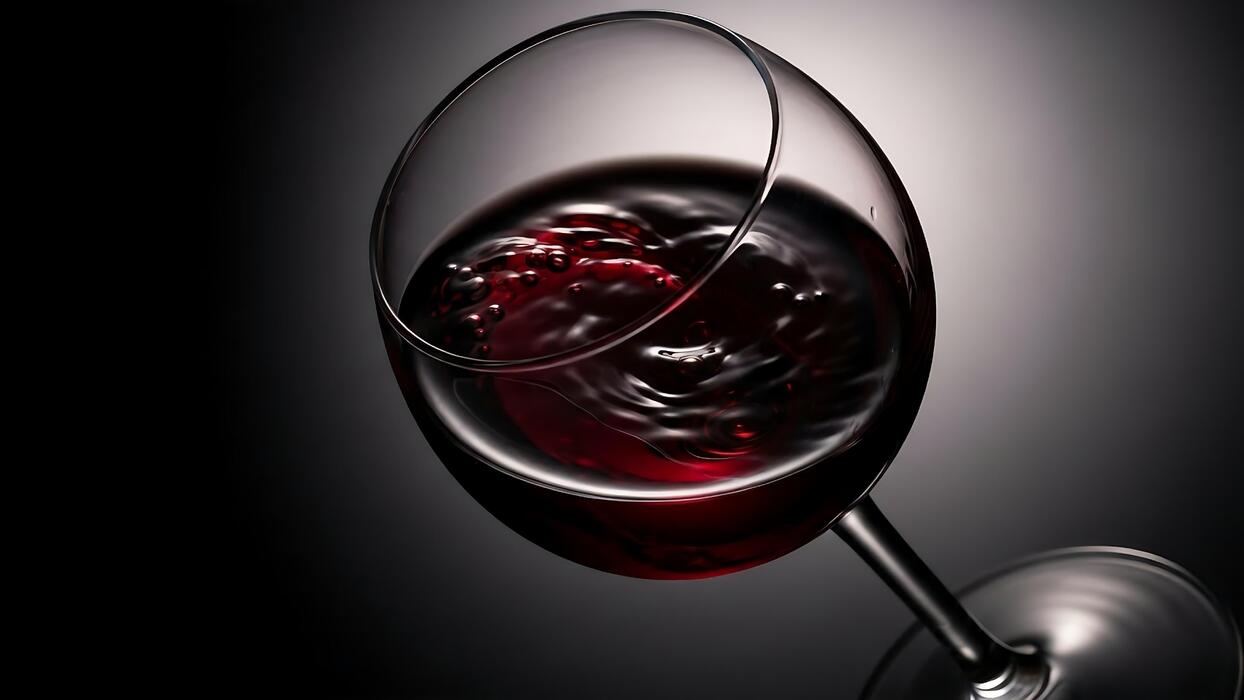
Ever wonder why wine enthusiasts give their glass a rhythmic spin before taking a sip? It might look like a fancy ritual, but there is a practical reason behind the motion. Swirling is the secret to unlocking a wine’s full potential by aerating the liquid and releasing trapped aromas. If you want to improve your tasting experience instantly, you are in the right place. This guide explains exactly why swirl wine techniques matter and how they enhance every single pour.
What happens when you swirl wine?
The science of aeration and oxygen
Swirling your wine is far more than a simple social etiquette or a visual flourish; it is a vital mechanical process that triggers immediate chemical changes through aeration. When you swirl, you are actively introducing oxygen into the liquid, which initiates a process known as oxidation.
This interaction helps to soften harsh tannins and mellow out aggressive alcoholic notes that may dominate the initial profile of a newly opened bottle. By integrating air, you allow the wine to ‘breathe,’ which effectively rounds out the flavor profile and creates a much smoother mouthfeel.
This is particularly beneficial for full-bodied red wines that have been bottled for extended periods, as they often require this burst of kinetic energy to awaken their complex layers.
To get the best results, place your glass on a flat surface and move it in small circles for about five to ten seconds. This simple act ensures that the oxygen integration is consistent, allowing the wine to express its intended structure and balance before your very first sip.
How surface area impacts wine chemistry
The primary physical benefit of swirling lies in the dramatic increase of the wine’s surface area.
As the liquid climbs the sides of the glass, it creates a thin film known as ‘legs’ or ‘tears,’ which exposes a significantly larger portion of the wine to the surrounding air than if it were sitting still.
This increased exposure is essential for accelerating the evaporation of ethanol, which can often mask more delicate nuances if left concentrated. By spreading the wine across the interior walls of the glass, you are essentially creating a larger platform for chemical reactions to occur simultaneously.
This process helps to volatilize the aromatic components, making them more accessible to your olfactory senses. When the wine coats the glass, it also picks up a tiny amount of ambient heat, which can help slightly chilled reds reach their ideal serving temperature more rapidly.
Understanding this relationship between surface area and evaporation allows you to control the intensity of the tasting experience, ensuring that every note is presented with maximum clarity and precision.
Releasing trapped aromatic compounds
Inside every bottle of wine are hundreds of volatile organic compounds that contribute to its unique bouquet. When wine remains stationary, these molecules stay trapped within the liquid’s structure.
Swirling acts as a catalyst, using centrifugal force to break the surface tension and launch these aromatic esters into the headspace of the glass. This concentrated collection of scents is what experts refer to as the ‘nose’ of the wine.
Without swirling, you might only detect the most dominant notes, such as heavy oak or high alcohol. However, the agitation helps to unlock subtle secondary aromas like dried herbs, floral undertones, or earthy minerals that provide depth to the experience.
For the most effective release, use a glass with a wide bowl that tapers at the top; this shape captures the released molecules and funnels them directly toward your nose.
By mastering the swirl, you transform a flat sensory experience into a multidimensional journey, allowing you to identify the specific grape variety, terroir, and aging process with much greater accuracy and overall enjoyment.
Why the smell of wine changes after swirling
Breaking the surface tension
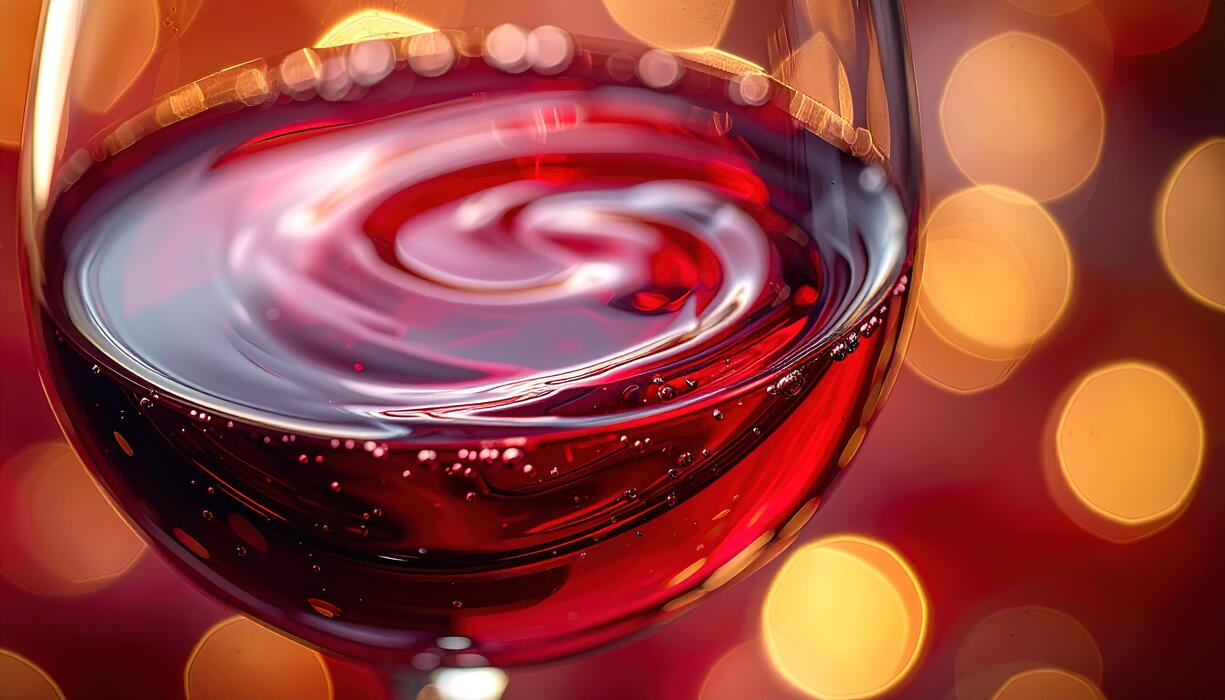
When you rotate your glass, you are physically breaking the surface tension of the liquid, which is the essential first step in releasing its complex aromatic profile. This motion creates a thin film of wine on the inner walls of the glass, significantly increasing the surface area exposed to oxygen.
As the wine coats the glass, the evaporation of alcohol accelerates, acting as a vehicle that carries volatile aromatic compounds directly toward your nose. This process, often referred to as aeration, allows the wine to ‘breathe’ and ensures that the scent molecules are not trapped within the liquid.
To maximize this effect, keep the base of the glass on a flat surface and move it in small circles. This controlled movement ensures that you oxygenate the wine efficiently without causing spills.
By mastering this simple mechanical action, you unlock the layers of labor and time that went into the winemaking process, making every sniff far more rewarding.
Identifying fruit, floral, and spice notes
Swirling is the most effective way to separate the primary, secondary, and tertiary aromas that define a high-quality vintage. Without this agitation, a wine might smell one-dimensional or overly alcoholic; however, the centrifugal force helps you distinguish subtle fruit notes like blackberry or citrus from delicate floral or herbal undertones.
As the wine interacts with the air, heavier molecules responsible for spice and earthy scents—such as vanilla, leather, or tobacco—become more prominent and easier for your olfactory senses to register. To get the best results, swirl for several seconds and then immediately take a deep, slow sniff.
This technique allows you to identify the varietal character and aging process more accurately. Whether you are drinking a crisp white or a bold red, this step transforms a simple drink into a multi-sensory experience.
By focusing on these specific aromatic layers, you can better appreciate the complexity and balance that the winemaker intended to showcase in every pour.
Detecting wine faults and off-odors
Beyond enhancing pleasant aromas, swirling serves as a critical diagnostic tool for detecting potential wine faults before you take your first sip.
Agitating the wine helps to lift ‘off-odors’ that might indicate the bottle is compromised, such as the damp cardboard scent associated with cork taint (TCA) or the burnt match smell of excess sulfur.
Furthermore, if a wine has been trapped in a bottle for years, it may harbor reductive notes like rotten eggs or struck flint; swirling helps to dissipate these unwanted gases, often revealing the beautiful fruit hidden underneath.
If the unpleasant smells persist even after vigorous swirling and aeration, it is a strong signal that the wine may be flawed. Using this method allows you to evaluate the structural integrity and health of the wine quickly.
By incorporating this habit into your tasting routine, you protect your palate from unpleasant surprises and ensure that every glass you consume is of the highest possible quality and freshness.
How to swirl wine without spilling
The tabletop technique for beginners
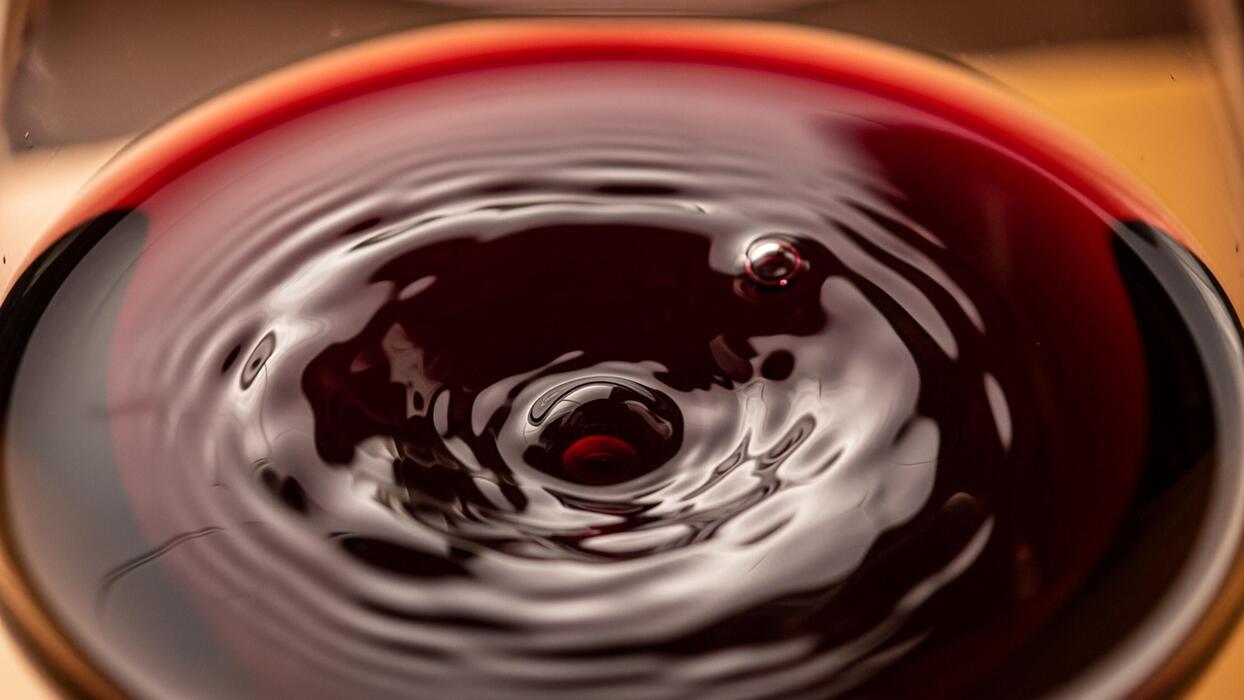
For those just starting their journey into wine appreciation, the safest way to answer the question of why swirl wine while preventing a mess is the tabletop method. This technique provides maximum stability by using a flat surface to guide your movements.
Begin by placing your wine glass firmly on a table or counter, ensuring you hold the stem near the base with your thumb and index finger. Instead of lifting the glass, gently slide it in small, concentric circles against the surface.
This controlled motion allows the liquid to move up the sides of the bowl without overshooting the rim. By using the table as a guide, you effectively aerate the wine to release volatile aromatic compounds that define its unique profile.
As the wine coats the glass, it increases the surface area exposed to oxygen, which softens harsh tannins and opens up the bouquet. This foundational move ensures you get the full sensory benefit of your drink while maintaining complete control over the glass.
The handheld flick for experienced tasters
Once you feel confident with the mechanics of aeration, you can transition to the handheld swirl, which allows for more freedom during social gatherings. To execute this properly, lift the glass by the stem rather than the bowl to prevent your body heat from altering the liquid’s temperature.
Hold the stem firmly and use a subtle, rhythmic motion of your wrist to create a small vortex within the glass. The goal is to move the wine in a consistent circular pattern that reaches about halfway up the bowl’s walls.
This more advanced movement is essential because it volatilizes the esters and aldehydes responsible for the wine’s complex scents. When you master the handheld flick, you can evaluate the wine’s viscosity and legs more effectively while standing.
This motion ensures that the oxygen integration is thorough, allowing the hidden notes of fruit, spice, or earth to become prominent. Practice this fluid motion to ensure a seamless transition from the swirl to the first aromatic sniff.
Common mistakes to avoid
Even experienced enthusiasts can run into trouble if they do not pay attention to the physics of the pour. The most frequent error is overfilling the glass; a glass that is more than one-third full leaves very little room for the wine to climb the sides, making spills almost inevitable.
Another common pitfall is using too much force or an erratic, jerky motion instead of a smooth, circular flow. This can cause the wine to splash directly over the rim rather than swirling around it.
Additionally, always remember to swirl before your first sip to ensure the wine has had a moment to breathe and express its true character. Avoiding these simple errors allows you to maintain your focus on the aromatic complexity of the vintage rather than cleaning up stains.
By keeping your movements intentional and your glass volume low, you ensure that every swirl serves its purpose of enhancing the flavor profile and aromatic intensity of the wine without any unnecessary accidents or wasted drops.
What wine legs tell you about the bottle
The Marangoni effect explained
Swirling your glass initiates the Marangoni effect, a physical phenomenon driven by surface tension gradients between water and alcohol.
When you swirl, a thin film of wine coats the glass; as the alcohol evaporates faster than the water, the surface tension increases, pulling the liquid upward into droplets or ‘legs.’ By observing this process, you gain immediate feedback on the evaporation rate and fluid dynamics occurring within the vessel.
This visual cue is the primary reason why connoisseurs swirl, as it provides a preview of the wine’s physical structure before the first sip. Understanding this reaction helps you identify the chemical composition of the vintage, turning a simple movement into a diagnostic tool.
Mastering the swirl allows you to engage with the wine’s volatility, ensuring you are not just looking at streaks on glass but rather interpreting the specific tension and weight of the liquid. This foundational knowledge transforms the way you perceive the bottle’s initial presentation and overall quality.
Measuring alcohol content by eye
The density and speed of wine legs serve as a reliable visual indicator for estimating the alcohol by volume (ABV) in a bottle.
When you observe thick, slow-moving droplets that take a significant amount of time to crawl back down the sides of the glass, you are likely looking at a wine with a high alcohol concentration, typically above fourteen percent. Conversely, thin legs that stream down quickly suggest a lighter, lower-alcohol profile.
By using this method, you can anticipate the body and warmth of the wine, preparing your palate for either a bold, robust experience or a crisp, delicate one. It is a practical way to verify the bottle’s label claims or assess an unknown pour during a blind tasting session.
Focusing on the frequency and persistence of these tears allows you to gauge the wine’s viscosity accurately. This visual assessment provides a functional shortcut for understanding the strength and structural intensity of the vintage without needing immediate access to technical specifications or detailed tasting notes.
Checking for residual sugar levels
Beyond alcohol, the presence of residual sugar significantly impacts the viscosity and appearance of wine legs. Sweet dessert wines or high-sugar reds will exhibit exceptionally slow, syrupy tears that cling tenaciously to the glass due to increased density.
By swirling the wine, you can detect the presence of sugar that might not be immediately apparent on the nose. This technique is essential for differentiating between dry and off-dry styles, helping you manage expectations for the flavor profile and mouthfeel.
If the legs appear particularly wide and sluggish, it is a strong signal of higher sugar content and richness, which often correlates with a fuller body and a more lingering finish. Observing these patterns helps you evaluate the balance of the wine, as sugar often masks acidity or enhances fruitiness.
Being able to visually identify these characteristics allows you to make better informed decisions about food pairings and serving temperatures, ensuring that the bottle is enjoyed at its absolute peak and according to its true structural nature.
Best glassware for effective swirling
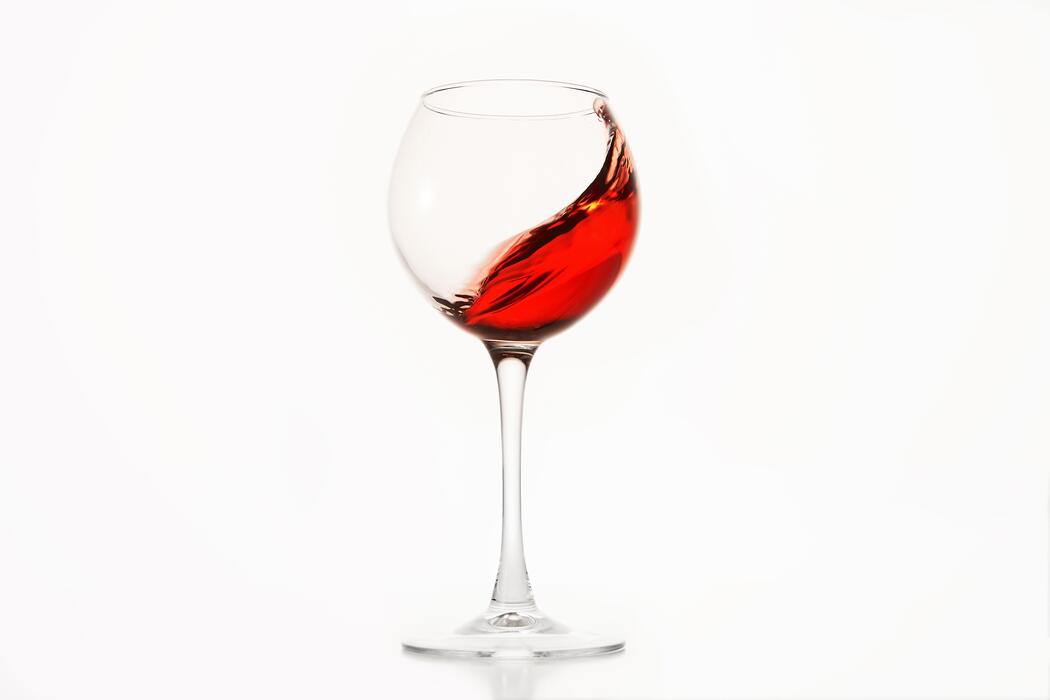
Why bowl shape matters
To maximize the benefits of swirling, you must select a glass with a generous, rounded bowl. The primary reason we swirl wine is to increase the surface area exposed to oxygen, which triggers a process called aeration.
A broad bowl provides the necessary space for the liquid to travel up the sides without spilling, allowing the volatile aromatic compounds to break free from the liquid. As you rotate the glass, the wine coats the interior walls, creating a thin film that evaporates quickly to release complex scents.
For red wines, a larger balloon-shaped bowl is essential because these varietals contain heavier molecules that require more agitation to become airborne.
By choosing a glass with a wide base, you ensure that every rotation effectively pushes air into the wine, softening harsh tannins and revealing the subtle fruit or floral notes that define the vintage’s unique character and overall profile.
The role of the rim diameter
While the bowl initiates the release of aromas, the rim diameter is responsible for capturing them for your olfactory senses. A glass that tapers at the top serves as a funnel, concentrating the aromatic vapors toward your nose rather than letting them escape into the room.
When you swirl, the centrifugal force moves the wine, and the narrowed opening ensures that the resulting bouquet is densely packed at the top of the glass.
This design is critical for a solution-focused tasting experience because it allows you to detect the nuanced layers of the wine after it has been properly aerated. Look for a tapered rim design that is significantly narrower than the widest part of the bowl.
This architectural feature ensures that the energy spent swirling translates directly into a more intense sensory experience, making it easier to identify specific flavor profiles and ensuring that the wine’s delicate aromatic integrity remains intact throughout the tasting.
Stemmed vs. stemless glass performance
The physical act of swirling is significantly more controlled and effective when using a traditional stemmed glass. Holding the glass by the stem prevents your hand from heating the wine, which is vital because excess warmth can cause the alcohol to mask the delicate aromas you are trying to release.
Furthermore, a stem provides a stable pivot point for a smooth, circular motion, whether you are swirling in the air or on a flat tabletop.
While stemless glasses are convenient, they often lead to smudges on the bowl that obscure the wine’s clarity and make the swirling motion feel clunky and unbalanced.
For the most effective aeration results, a long, sturdy stem allows for a vigorous flick of the wrist, ensuring the wine moves with enough velocity to oxygenate thoroughly.
This mechanical advantage helps you achieve a consistent vortex, which is the most efficient way to unlock the full potential of the wine’s bouquet while maintaining the perfect serving temperature.
When to avoid swirling your wine
Preserving bubbles in sparkling wine
While swirling is standard practice for still wines to release aromas, you should strictly avoid this motion when enjoying Champagne, Prosecco, or any sparkling variety. The effervescence in these wines is driven by dissolved carbon dioxide, which creates the delicate mousse and tingling sensation on the palate.
If you swirl a sparkling wine, you accelerate the release of these gas bubbles, causing the beverage to go flat prematurely.
To fully appreciate the craftsmanship of a fine sparkling vintage, let the natural convection of the rising bubbles carry the floral and yeasty aromas to your nose without manual agitation. Preserving the carbonation is essential for maintaining the intended mouthfeel and structural balance of the wine.
Instead of swirling, simply tilt the glass slightly to catch the scent. By minimizing surface agitation, you ensure that the refreshing crispness and lively texture remain intact from the first sip to the very last drop in your flute or coupe.
Handling very old and fragile vintages
When dealing with library releases or decades-old bottles, the chemical structure of the wine becomes incredibly delicate and prone to rapid collapse. These aged wines have undergone slow oxidation over many years, resulting in complex tertiary notes like leather, dried earth, and forest floor.
Forcefully swirling an ancient vintage can introduce a sudden shock of oxygen that overwhelms these faint nuances, causing the bouquet to dissipate within minutes. Furthermore, older wines often contain significant amounts of fine sediment that has settled at the bottom of the glass.
Vigorous movement will redistribute these particles, creating a gritty texture and a cloudy appearance that ruins the tasting experience. To properly evaluate a fragile vintage, it is best to let it breathe naturally in the glass.
By avoiding aggressive swirling, you protect the integrity of the aged fruit and ensure that the subtle, fleeting aromas do not vanish before you have a chance to analyze and enjoy the historic profile.
The risk of over-oxygenation
Although the primary reason people ask why swirl wine is to enhance the bouquet, there is a definitive tipping point where aeration becomes detrimental.
Over-oxygenation occurs when a wine is exposed to too much air too quickly, leading to a loss of freshness and a dulling of the primary fruit flavors. This is particularly common with light-bodied whites or rosés that rely on high acidity and bright, zesty notes for their appeal.
If you continue to swirl these wines excessively throughout a meal, you risk turning a vibrant glass into something that tastes flat or even slightly vinegar-like as the ethanol begins to dominate.
It is important to monitor the aeration process and stop swirling once the wine has reached its aromatic peak. Recognizing when a wine has fully opened allows you to prevent flavor degradation caused by unnecessary agitation.
Focus on gentle movements initially and then let the wine rest to maintain its structural harmony and ensure that the delicate balance of tannins and fruit remains perfectly preserved.
Tips for better wine tasting at home
Proper pour levels for maximum movement
To master the art of the swirl, you must first focus on the volume of liquid in your glass. The primary reason we swirl wine is to increase the surface area exposed to oxygen, which triggers a chemical reaction that releases complex aromatic compounds.
If you fill your glass to the brim, you leave no room for the wine to climb the sides of the bowl without spilling. For the most effective aeration, aim for a pour level of approximately three to five ounces, or just below the widest part of the glass.
This specific headspace is crucial because it creates a controlled environment where the wine can move freely, allowing the volatile aromas to collect in the upper part of the glass.
By maintaining these lower levels, you ensure that every rotation maximizes the interaction between the wine and the air, making it much easier to detect the subtle nuances and hidden layers of the vintage you are currently enjoying at home.
The right temperature for aroma release
The effectiveness of your swirling motion is heavily dependent on the temperature of the wine. When a wine is served too cold, the molecules are essentially locked down, meaning no amount of vigorous swirling will release the intended bouquet.
To ensure your efforts are not wasted, serve your whites and rosés between 45 and 55 degrees Fahrenheit, while reds should ideally sit between 60 and 68 degrees.
Swirling at these optimal temperatures allows the heat to gently activate the esters, which are the organic compounds responsible for those fruity and floral scents.
As you swirl, the wine coats the interior of the glass, and the slight friction combined with proper temperature helps these aromatic vapors rise toward your nose. If you find a wine is initially muted, try cupping the bowl with your hands for a moment before swirling again.
This slight warmth can often be the key to unlocking a closed wine, turning a flat tasting experience into one that is vibrant and full of life.
How to practice your swirling motion
If you are new to wine tasting, the physical act of swirling can feel intimidating or messy. The best way to build confidence is to practice on a flat surface like a kitchen table or countertop rather than holding the glass in the air.
Place your thumb and index finger at the base of the stem and draw small, consistent circles on the table. This technique provides stability and prevents the wine from sloshing over the rim while you learn the physics of the movement.
The goal is to create a gentle vortex that pulls oxygen into the liquid, effectively ‘opening up’ the wine and softening harsh tannins in younger reds. As you become more comfortable, you can transition to an aerial swirl, but always remember that the objective is aeration, not speed.
A steady, rhythmic motion is far more effective at vaporizing the aromatic elements than a fast, erratic shake. Consistent practice will soon make this motion second nature, allowing you to focus entirely on the evolving scents within your glass.
Frequently Asked Questions
Why do people swirl wine in a glass?
The primary reason for swirling wine is to aerate it, which allows oxygen to mix with the liquid. This process breaks down complex compounds and releases the wine’s aromatic esters, making the scents more detectable.
How does swirling affect the taste of wine?
Swirling helps soften harsh tannins and volatile acidity by introducing oxygen. This creates a smoother mouthfeel and allows the subtle flavor profiles of the grape and aging process to become more prominent on the palate.
What are ‘wine legs’ and how do they relate to swirling?
When you swirl wine, droplets called ‘legs’ or ‘tears’ form on the inside of the glass. These are a result of the Gibbs-Marangoni Effect and can indicate the wine’s alcohol content or sugar levels based on how slowly they flow down.
Should you swirl every type of wine?
Swirling is beneficial for almost all still red and white wines to open up their aromas. However, you should avoid swirling sparkling wines or Champagne, as it causes the carbonation to dissipate faster and makes the wine go flat.
What is the best technique for swirling wine without spilling?
The easiest method for beginners is to keep the base of the wine glass firmly on a flat surface like a table. Move the glass in small, circular motions for five to ten seconds to move the liquid up the sides of the bowl safely.
How much wine should be in the glass for effective swirling?
To swirl effectively without splashing, the glass should be filled no more than one-third of the way. This provides enough ‘headspace’ in the bowl for the aromas to collect so you can smell them after swirling.
Does swirling wine help get rid of bad smells?
Yes, swirling can help dissipate ‘reductive’ odors, such as a slight sulfur or rotten egg smell, that may have developed in a sealed bottle. Heavy aeration encourages these volatile compounds to evaporate.
Conclusion
Swirling wine is more than a refined gesture; it is a practical technique to unlock a bottle’s full potential. By introducing oxygen, you release complex aromas and soften harsh tannins, ensuring every sip is expressive and balanced. Whether you are a novice or a connoisseur, this simple habit transforms your tasting experience into a sensory journey. So, next time you pour a glass, give it a gentle whirl and discover the hidden depths within.