Why Does Champagne Have Bubbles
Ever wondered why champagne fizzes the moment it hits your glass? Those tiny, dancing bubbles aren’t just for show; they are the result of a fascinating scientific process called secondary fermentation. Whether you are prepping for a toast or just curious about the sparkle, we have the answers you need. This guide quickly explains how carbon dioxide gets trapped inside the bottle to create that signature pop. Read on to discover the bubbly truth behind your favorite celebratory drink.
The Science Behind Champagne Carbonation
The Role of Carbon Dioxide
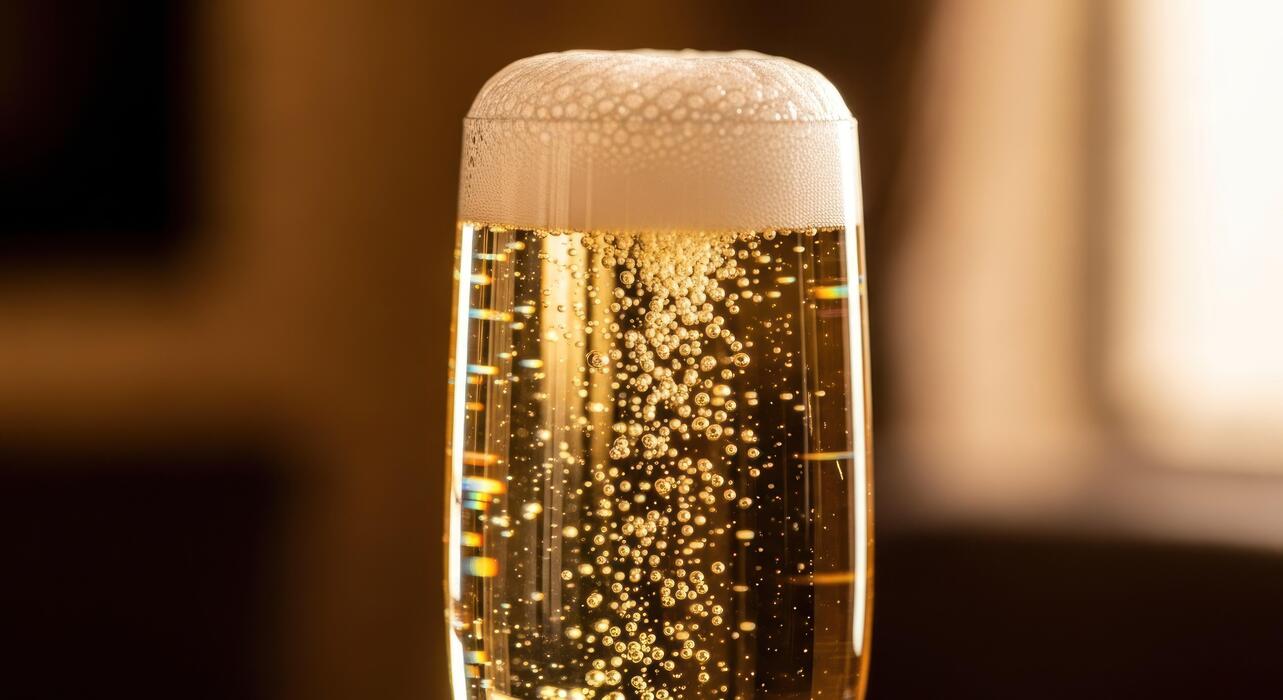
Champagne owes its signature effervescence to the presence of dissolved carbon dioxide gas, which remains trapped within the liquid under extreme pressure. When you pour a glass, the sudden drop in pressure causes the gas to escape, creating those iconic rising bubbles.
To maximize your tasting experience, ensure you use clean glassware, as tiny imperfections or dust particles act as nucleation points where bubbles form.
Understanding that gas solubility increases at lower temperatures is key; therefore, you should always serve Champagne chilled to prevent the gas from escaping too rapidly, which preserves the fizz for a longer duration.
By maintaining a consistent temperature of around 8 to 10 degrees Celsius, you ensure that the carbon dioxide stays integrated within the wine, providing a refined texture and a balanced mouthfeel.
This scientific interaction between the liquid and the gas is what defines the structural integrity of the beverage, making every sip feel lively and refreshing on the palate.
How Yeast Creates Natural Gas
The bubbles in Champagne are not artificially added but are a natural byproduct of a specialized process called the Méthode Champenoise. During the secondary fermentation phase, winemakers add a precise mixture of sugar and yeast, known as the liqueur de tirage, to the base wine before sealing it.
As the yeast consumes the added sugar, it converts it into alcohol and releases carbon dioxide as a metabolic byproduct. Because the bottle is hermetically sealed with a crown cap, the gas has no way to escape and becomes dissolved directly into the wine.
To appreciate the complexity of this process, look for wines aged ‘sur lie,’ where the yeast remains in contact with the liquid for years. This not only creates the bubbles but also contributes autolytic flavors like brioche and toasted nuts.
Mastering the timing of this fermentation is essential for producers to achieve the perfect balance of pressure and flavor, ensuring a high-quality sparkling wine that displays both elegance and aromatic depth.
The Pressure Inside the Bottle
Inside a standard bottle of Champagne, the internal pressure typically reaches about five to six atmospheres, which is roughly three times the pressure found in a standard car tire. This high-pressure environment is what keeps the carbon dioxide in a dissolved state until the moment the cork is removed.
When opening a bottle, it is vital to exercise caution to control this stored energy; always keep your thumb over the cork and rotate the bottle, not the cork, to release the pressure slowly with a soft hiss rather than a loud pop.
This controlled release preserves the delicate bubble structure and prevents the wine from overflowing. The strength of the glass bottle is specifically engineered to withstand this force, ensuring the structural safety of the product during long-term aging.
By respecting the physics of the pressure, you can ensure that the wine maintains its fine mousse and vibrant acidity, allowing the intricate bubbles to carry the wine’s delicate aromas directly to your senses upon every pour.
How the Méthode Champenoise Works
The First Fermentation Process
The journey toward creating those iconic bubbles begins with a standard winemaking procedure known as the first fermentation. Winemakers harvest grapes early to preserve high acidity and then press them to extract the juice.
This juice is placed into stainless steel vats or oak barrels, where yeast is added to consume the natural sugars. During this stage, the yeast converts sugar into alcohol and carbon dioxide, but because the tanks are open or vented, the gas escapes into the atmosphere.
This results in a still, dry base wine called a ‘vin clair.’ To ensure a consistent flavor profile, producers often blend different grape varieties and vintages to create a balanced house style.
This foundational step is critical because it establishes the structural backbone and acidity required to support the effervescence that will be developed later. By focusing on a clean, sharp base, vintners prepare the liquid for its transformation into a sparkling masterpiece through the traditional Méthode Champenoise technique.
Adding the Liqueur de Tirage
Once the still base wine is blended and ready, it must be prepared for its second life inside the bottle. This is achieved by adding a precise mixture known as the liqueur de tirage, which consists of wine, specific wine yeasts, and a calculated amount of sugar.
This mixture is the essential catalyst that triggers the bubble-making process. After the liqueur is added, the wine is immediately bottled and sealed with a temporary crown cap, similar to a beer bottle cap.
It is vital to measure the sugar levels accurately, as the amount of sugar directly dictates the final pressure and the size of the bubbles. Typically, about 24 grams of sugar per liter are added to achieve the standard six atmospheres of pressure.
This stage represents the transition from a still beverage to an active environment where carbonation is intentionally trapped within a confined space. Without this specific additive, the wine would remain flat, lacking the lively sensory experience and tactile fizz that defines high-quality Champagne.
Secondary Fermentation in the Bottle
The true magic of the Méthode Champenoise occurs during the secondary fermentation, which takes place entirely inside the sealed bottle. Because the bottle is airtight, the carbon dioxide produced by the yeast cannot escape, forcing the gas to dissolve into the liquid.
This chemical reaction creates the millions of tiny bubbles that characterize the wine.
As the yeast finishes consuming the sugar, the cells die and form a sediment called ‘lees.’ The wine then rests on these lees for several months or years, a process that imparts complex flavors of toasted bread and brioche while refining the texture of the bubbles.
Over time, the pressure stabilizes, and the carbonation becomes integrated into the wine’s structure. This slow, pressurized environment is why Champagne features persistent, fine beads of bubbles rather than the large, aggressive bubbles found in cheaper carbonation methods.
The result is a sophisticated, effervescent beverage that maintains its sparkle from the first pour to the very last sip in the glass.
Why Bubbles Form on the Glass

Nucleation Sites and Tiny Imperfections
When you look at a glass of sparkling wine, the bubbles do not simply appear from thin air; they require a physical starting point known as a nucleation site.
Although the surface of a champagne flute might look perfectly smooth to the naked eye, it actually contains microscopic imperfections and tiny scratches within the material. These minute irregularities trap small pockets of gas when the liquid is poured into the vessel.
Because champagne is bottled under high pressure with dissolved carbon dioxide, the gas naturally wants to escape the liquid once the cork is popped. These tiny microscopic crevices act as the essential catalysts that allow the dissolved CO2 to transition from a liquid state into a gaseous state.
To ensure a steady stream of bubbles, many high-end glassware manufacturers intentionally etch the bottom of their flutes with a laser. This deliberate process creates permanent nucleation points that guarantee a consistent and visually appealing effervescence throughout your tasting experience.
How Dust and Fibers Start the Fizz
Beyond the glass itself, external particles play a massive role in how champagne develops its signature fizz. When you dry a glass with a cloth, it often leaves behind microscopic cellulose fibers or tiny specks of dust that cling to the walls of the flute.
These fibers are hollow and trap air inside them as the glass is filled with wine. This trapped air provides the perfect environment for dissolved carbon dioxide molecules to gather and form a bubble.
If you notice a particular spot in your glass producing a vigorous stream of bubbles, it is likely due to one of these lingering lint particles acting as a highly active nucleation site.
While a perfectly sterile, surgically clean glass might actually produce fewer bubbles, these everyday environmental factors are what usually drive the lively carbonation we expect.
Understanding this helps you control the presentation; for a more controlled bubble flow, always use a lint-free microfiber towel when polishing your stemware to minimize excess debris.
The Physics of Bubble Chains
Once a bubble forms at a nucleation site, physics takes over to create the beautiful vertical columns known as ‘trains.’ As a bubble grows large enough, its buoyancy overcomes the surface tension holding it to the glass, causing it to detach and rise toward the surface.
As it travels upward, the bubble acts like a magnet, collecting more dissolved carbon dioxide from the surrounding liquid, which causes it to expand in size during its journey.
Immediately after one bubble departs, the gas pocket left behind at the nucleation site begins to form the next one, creating a continuous and rhythmic stream of effervescence. This process is a delicate balance of fluid dynamics and pressure.
The speed and size of these chains can actually tell you a lot about the wine; smaller, more persistent bubbles often indicate a higher quality sparkling wine that has undergone a long aging process.
By observing these rising chains, you can appreciate the complex science that keeps your drink refreshing and lively until the very last sip.
Factors That Affect Bubble Size and Quality
Aging Time in the Cellar
The duration of time a bottle spends resting on its lees is a primary determinant of bubble structure. During the secondary fermentation process, yeast cells break down through autolysis, releasing specific proteins and compounds into the liquid.
To ensure the highest quality, you should prioritize longer aging periods because these proteins act as natural surfactants that stabilize the gas-liquid interface. This process creates the sought-after ‘mousse’ effect, characterized by tiny, persistent bubbles rather than large, aggressive ones that dissipate quickly.
When selecting a bottle, check the label for extended aging certifications to guarantee a more refined texture. A well-aged Champagne allows the carbon dioxide to integrate deeply into the wine’s matrix, resulting in a silky mouthfeel and consistent effervescence that lasts throughout the tasting experience.
By understanding the impact of time, you can better appreciate why premium vintages offer a significantly more delicate and sophisticated bubble profile compared to younger, non-vintage alternatives that lack this critical structural development.
Storage Temperature and Pressure
Temperature plays a vital role in how carbon dioxide behaves within the bottle and how it is released upon pouring. According to Henry’s Law, gas solubility increases as temperature decreases; therefore, you must maintain a consistent storage temperature of around 10-12 degrees Celsius to preserve the integrity of the bubbles.
If the wine is too warm, the pressure inside the bottle increases, causing the gas to escape violently when the cork is pulled, which results in large, coarse bubbles and a loss of aromatic complexity.
To optimize your experience, chill the bottle slowly in a bucket of ice and water rather than a rapid freezer, as this ensures the CO2 remains tightly bound to the liquid.
This careful thermal management prevents the wine from becoming flat prematurely and ensures that the pressure remains at the ideal five to six atmospheres.
Proper handling ensures that when you finally pour the glass, the bubbles emerge as a fine, elegant stream that enhances the overall sensory delivery of the wine.
Grape Varieties and Sugar Content
The chemical composition of the base wine, influenced by grape selection and the ‘dosage’ added at the end, significantly affects bubble formation. Different grapes, such as Chardonnay or Pinot Noir, contribute varying levels of lipids and minerals that influence the surface tension of the liquid.
You should consider the sugar levels or dosage, as the concentration of dissolved solids impacts how the carbon dioxide nucleates into bubbles. A higher sugar content can slightly alter the viscosity, affecting how the bubbles rise to the surface.
To achieve the best results, look for wines with a balanced acidity, as this crispness provides the perfect backdrop for the lively movement of the gas.
You can optimize the bubble quality by choosing a glass with a slight etch or nucleation point at the bottom, which works in tandem with the wine’s natural chemistry to produce a steady, vertical bead.
Understanding these botanical and chemical factors allows you to select a Champagne that offers the specific intensity and longevity of sparkle that suits your personal preference.
How Glassware Impacts Your Champagne Experience

Coupes vs. Flutes vs. Tulips
The shape of your glassware dictates how gas escapes the liquid, which directly influences why champagne has bubbles for longer or shorter periods. The vintage coupe glass has a wide surface area that allows carbonation to dissipate almost instantly, resulting in a wine that feels flat quickly.
In contrast, the classic flute features a narrow opening and a tall body designed to minimize oxygen exposure and preserve the effervescence by forcing bubbles to travel a longer distance to the top.
However, many enthusiasts now prefer the tulip glass because its wider bowl allows for complex aromatic development while the tapered rim still traps the CO2 effectively. Choosing a tulip glass ensures that you experience the optimal balance of carbonation and flavor profile.
By selecting a glass with a narrower top, you effectively manage the rate of degassing, ensuring that the effervescent mouthfeel lasts from the first pour until the very final sip of your bottle.
The Effect of Glass Cleanliness
A common mystery regarding why champagne has bubbles relates to the microscopic environment of the glass surface. For bubbles to form, they require nucleation sites, which are often tiny fibers or imperfections.
If your glass is not perfectly clean, residual soap film or oils can actually suppress bubble formation by increasing surface tension.
Conversely, invisible lint particles from a drying towel can act as artificial nucleation points, causing an aggressive and chaotic stream of bubbles that depletes the wine of its carbonation too quickly. To achieve the best experience, you should rinse your glassware with hot water and avoid using heavy detergents.
Polishing with a microfiber cloth ensures that the glass is free of debris that might interfere with the natural rise of the gas.
Maintaining a pristine glass surface allows the carbon dioxide to release in a controlled, elegant manner, providing a consistent stream of tiny bubbles that enhances the texture without overwhelming the delicate palate of the wine.
Etched Nucleation Points in Modern Glasses
Modern glassware manufacturers have engineered a solution to control the visual and sensory aspects of carbonation through a process known as laser etching.
By intentionally creating a small, rough scratch at the bottom of the glass bowl, they provide a permanent nucleation point where carbon dioxide can easily collect and form into bubbles. This explains why champagne has bubbles that seem to rise in a perfect, singular column in high-end glasses.
Without these specific etchings, the bubbles might appear sporadically or not at all if the glass is exceptionally smooth. This intentional design feature ensures a steady stream of effervescence that continuously refreshes the wine’s aroma by carrying volatile compounds to the surface.
When shopping for professional-grade stemware, look for glasses that mention point d’effervescence to guarantee a lively visual display. This technical advancement allows you to enjoy a consistent level of sparkle, ensuring that the structural integrity of the bubbles remains vibrant throughout your entire tasting experience.
Tips for Keeping Champagne Bubbly After Opening
Using Professional Pressure Stoppers
To understand why professional stoppers are necessary, you must first know why does champagne have bubbles in the first place. The effervescence is caused by dissolved carbon dioxide produced during a secondary fermentation phase inside the bottle.
Once you pull the cork, the pressure drops instantly, and the gas begins to escape. To preserve this sparkle, you should invest in a high-quality hermetic pressure stopper specifically designed for sparkling wines.
Unlike standard wine corks, these devices lock onto the bottle’s rim to create an airtight seal that mimics the original enclosure. By maintaining internal pressure, the stopper forces the remaining carbon dioxide to stay dissolved within the liquid rather than evaporating into the air.
This simple tool is the most effective way to prevent flat wine and ensure that every glass poured the next day retains the same crisp, tingling sensation as the very first sip. Always ensure the seal is tight before returning the bottle to the refrigerator for the best results.
The Truth About the Silver Spoon Myth
There is a long-standing folk legend suggesting that hanging a silver spoon in the neck of an open bottle will keep it bubbly. However, scientific testing has repeatedly proven this to be a myth with no basis in the physics of carbonation. Why does champagne have bubbles?
It is because the liquid is supersaturated with gas that wants to escape into the atmosphere. A spoon does nothing to physically block gas molecules or change the pressure dynamics inside the glass.
While some believe the metal conducts cold air into the bottle to keep the liquid chilled, experiments show that an open bottle with a spoon loses its fizz at the exact same rate as an open bottle without one.
Instead of relying on old wives’ tales, you should focus on methods that physically seal the opening to trap the carbon dioxide. Using a spoon is essentially leaving the bottle wide open, which allows the precious effervescence to dissipate rapidly, leaving you with a disappointing, still white wine by morning.
Ideal Temperatures for Gas Retention
Temperature plays a critical role in the longevity of your champagne because the solubility of carbon dioxide is highly dependent on thermal conditions. To answer why does champagne have bubbles that last longer in some environments, we look at the behavior of gas in cold liquids.
Carbon dioxide is much more stable and stays dissolved more effectively when the wine is kept at a consistent, cold temperature near 40°F (4°C).
If the bottle warms up, the kinetic energy of the gas molecules increases, causing them to break free from the liquid and escape as foam or vapor. For maximum bubble retention, you should place your opened bottle in the coldest part of the refrigerator immediately after pouring.
Avoid storing it in the fridge door, as the constant movement and temperature fluctuations from opening and closing the door can agitate the wine and trigger further gas loss. Keeping the bottle steadily chilled ensures that the carbonation remains integrated into the wine, preserving that signature texture for several days.
What the Bubbles Tell You About the Wine
Judging Age by Bubble Size
When examining your glass to understand why champagne has bubbles, pay close attention to their physical dimensions. In the world of sparkling wine, bubble size is often a reliable indicator of aging and quality.
Generally, smaller, more persistent bubbles signify a wine that has undergone a lengthy secondary fermentation and aging process on the lees. As champagne matures in the cellar, the carbon dioxide becomes more integrated into the liquid, resulting in a refined and delicate mousse when the bottle is finally corked.
Conversely, larger, more aggressive bubbles can sometimes suggest a younger wine or one produced through less traditional methods where the carbonation is not as seamlessly incorporated. By observing the ‘bead’ or the trail of bubbles rising to the surface, you can anticipate the complexity and maturity of the vintage.
This visual cue allows enthusiasts to gauge the structural integrity of the wine before even taking a sip, providing a helpful snapshot of the craftsmanship behind the bottle.
How Effervescence Carries Aroma
The bubbles in your champagne serve a much more functional purpose than mere decoration; they are the primary vehicle for delivering scent to your senses. As each tiny bubble rises through the liquid, it gathers aromatic compounds and flavor precursors, carrying them upward toward the surface.
When these bubbles eventually burst, they create a microscopic spray that projects these volatile molecules directly into the air above the glass. This process, known as aerosolization, is why champagne often smells more intense than still wines.
To maximize this effect, ensure you use a glass that allows for a steady stream of bubbles, as this constant movement ensures a continuous release of floral, toasted, or fruity notes. Understanding this mechanism helps you appreciate why a steady fizz is essential for a complete sensory experience.
Without these active bubbles, the wine’s aromatic profile would remain trapped within the liquid, significantly dulling the overall drinking experience and making the complex layers much harder to detect.
The Connection Between Fizz and Mouthfeel
The sensation of champagne on your palate is directly tied to the concentration and activity of its carbonation. The bubbles provide a tactile physical stimulation that balances the wine’s natural acidity and sugar content.
A fine, vigorous fizz creates a creamy texture that coats the tongue, often described by professionals as a ‘velvety mousse.’ This interaction is crucial because the carbon dioxide acts as a cleansing agent for the palate, cutting through rich foods like triple-cream brie or fried appetizers.
If the bubbles are too sparse, the wine may feel heavy or overly sweet; if they are too coarse, the experience can feel prickly or harsh. By focusing on how the bubbles feel against your palate, you can better understand the balance and technical execution of the winemaker.
This solution-focused approach to tasting allows you to identify high-quality sparkling wines that offer a harmonious transition from the initial crisp attack to a smooth, lingering finish that leaves the mouth feeling refreshed and ready for another sip.
Frequently Asked Questions
What causes the bubbles to form in champagne?
Champagne bubbles are created during a secondary fermentation process that takes place inside the sealed bottle. Yeast consumes added sugar, producing alcohol and carbon dioxide gas which remains trapped in the liquid until the bottle is opened.
How does the ‘Méthode Champenoise’ create carbonation?
This traditional method involves adding a mixture of sugar and yeast to still wine before sealing it with a crown cap. As the yeast ferments the sugar, the resulting carbon dioxide dissolves into the wine under high pressure, creating the signature fizz.
Why do bubbles stream from specific points in a glass?
Bubbles typically form at ‘nucleation sites,’ which are microscopic imperfections or tiny dust fibers on the surface of the glass. These sites provide a space for the dissolved carbon dioxide to collect and form into visible gas bubbles.
Does the size of the bubbles indicate the quality of the champagne?
Generally, smaller and more persistent bubbles are considered a sign of higher quality and longer aging. Fine bubbles offer a creamier mouthfeel and indicate that the carbon dioxide has integrated more thoroughly into the wine over time.
How many bubbles are typically found in a single bottle of champagne?
Scientific estimates suggest that a standard 750ml bottle of champagne contains approximately 49 million bubbles. The exact number varies depending on the temperature of the wine and the texture of the glassware used.
Why does champagne lose its bubbles over time?
Once the bottle is uncorked, the pressure is released and the dissolved carbon dioxide gradually escapes into the air. Factors like high temperatures and increased surface area in wide glasses can speed up this process, causing the wine to go flat.
Conclusion
The mesmerizing bubbles in champagne are the result of a precise secondary fermentation process that traps carbon dioxide within the bottle. From the meticulous traditional method to the importance of glass shape, these effervescent pearls define the luxury experience. Understanding this scientific artistry enhances every sip of your celebration. Now that you know the secrets behind the sparkle, raise a glass and appreciate the craftsmanship in every bubble. Cheers to the fascinating science of sparkling wine.