Why Do Wine Racks Lean Forward
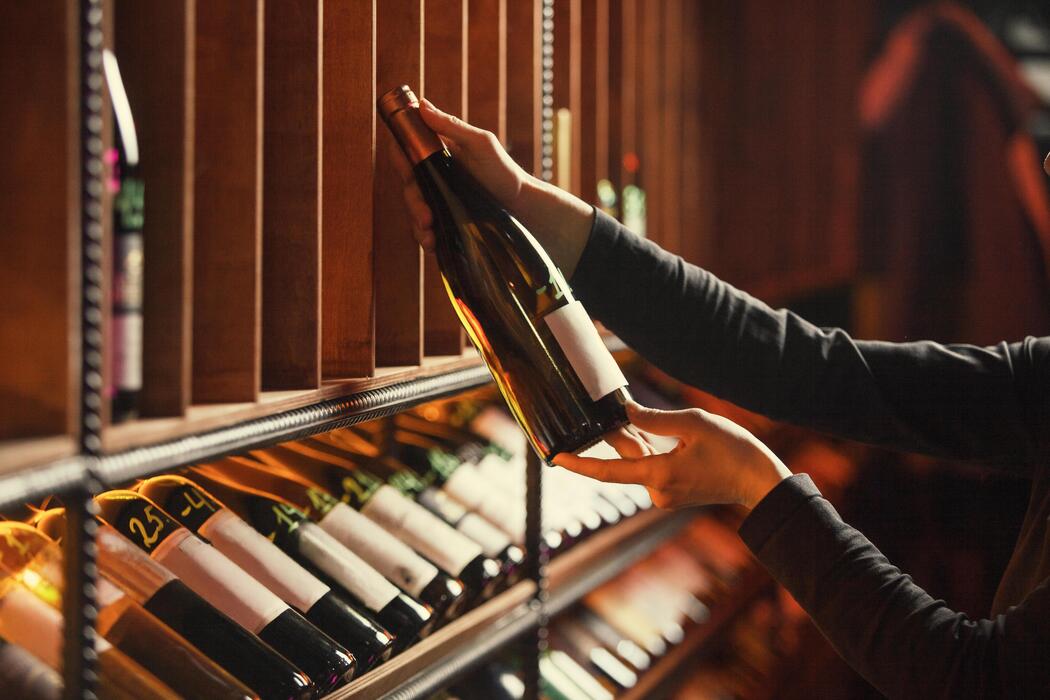
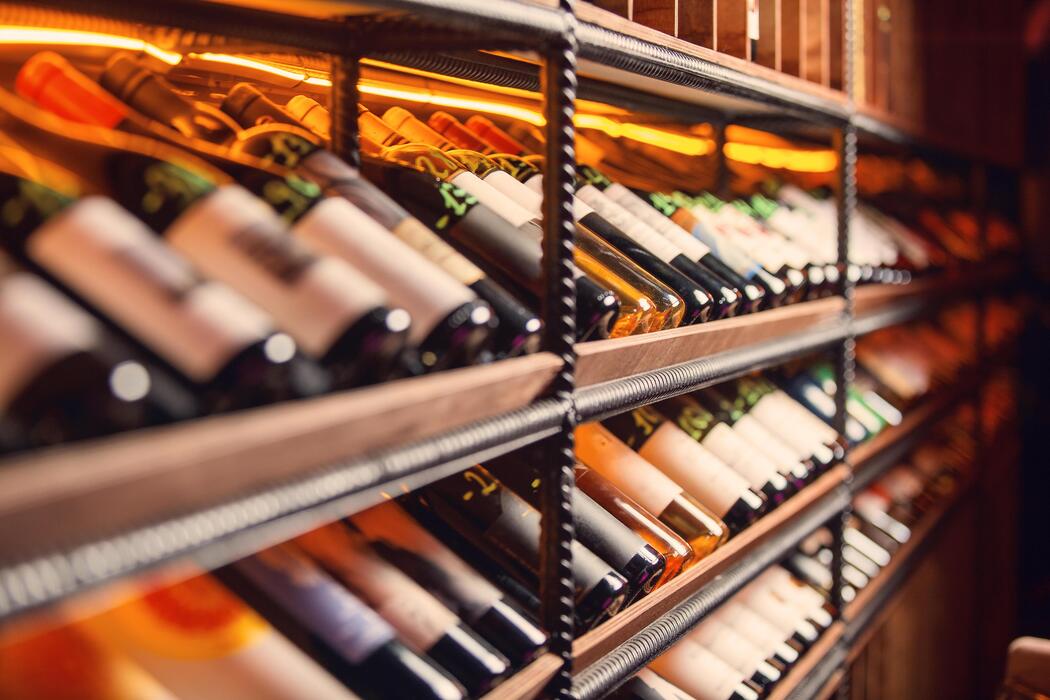
If you have noticed your wine bottles tilting at a slight downward angle, you are likely wondering if your furniture is faulty. Most wine racks lean forward intentionally to keep the cork in constant contact with the wine. This prevents the cork from drying out, shrinking, and letting in oxygen that ruins your vintage. In this guide, we will explain exactly why this design is essential for preservation and how to ensure your collection stays perfectly safe and delicious.
Common Reasons Your Wine Rack Is Leaning Forward
Uneven Weight Distribution Across Shelves
One of the most frequent reasons a wine rack begins to tip is the improper loading of bottles, which shifts the center of gravity toward the front.
When you place heavy magnums or full bottles exclusively on the top or front-facing slots while leaving the bottom empty, the unit becomes top-heavy and unstable.
To solve this, you should always load your wine rack from the bottom up, ensuring the heaviest bottles are stored on the lowest tiers to create a solid anchor.
If your rack features deep shelving, push the bottles as far back as possible to keep the weight centered over the structural supports. Periodically audit your collection’s placement to ensure that one side or level isn’t significantly heavier than the others.
By maintaining a low and balanced center of mass, you significantly reduce the risk of the frame bowing forward under the immense pressure of multiple glass bottles, keeping your investment safe and the display perfectly vertical.
Structural Weakness in the Frame
Over time, the physical integrity of a wine rack can degrade, especially if it is constructed from softwoods or lightweight metals that are not rated for long-term heavy loads.
Structural leaning often occurs when fasteners like screws or bolts loosen due to the constant vibration or natural expansion and contraction of the material. To fix this, inspect all connection points and tighten every joint using a screwdriver or hex key to restore rigidity.
If the rack is made of wood, check for warped vertical supports or hairline fractures that might be causing a slight tilt.
For taller units, structural weakness is an inherent risk, which is why you must utilize wall anchors or anti-tip kits to secure the frame directly to a wall stud.
Adding a cross-brace to the back of a wobbly unit can also provide the lateral stability needed to prevent the entire structure from leaning forward and potentially collapsing under the weight of your wine bottles.
Floor Surface and Leveling Problems
The foundation upon which your wine rack sits is just as important as the rack itself. Many floors, particularly in older homes or basements, are not perfectly flat, and even a slight incline can cause a tall rack to lean dangerously.
If your rack is placed on plush carpeting, the weight of the bottles can cause the front feet to sink deeper than the back, creating an forward pitch.
To resolve this, move the rack to a hard, level surface or use a spirit level to identify the exact angle of the lean. You can easily correct minor imbalances by installing adjustable leveling feet or placing heavy-duty furniture shims under the front base of the unit.
For racks positioned on carpet, consider placing a solid plywood base underneath to distribute the weight more evenly. Consistently checking the level of your floor ensures that external environmental factors do not compromise the balance of your storage system, providing a stable environment for your aging wine.
The Role of Gravity and Bottle Placement

How Front-Heavy Loading Affects Stability
A primary reason wine racks lean forward is the uneven distribution of weight during the loading process.
When you place heavy glass bottles into the front-most portions of a rack or fill the top shelves before the bottom, you inadvertently create a front-heavy configuration that pulls the structure away from the wall.
To counteract this, always load your wine rack from the bottom-up and back-to-front, ensuring the heaviest bottles are situated low to the ground to establish a firm base.
Gravity naturally pulls at any protruding weight, so if your rack lacks a rear-tilted design, the cumulative mass of full bottles will exert constant forward pressure on the frame.
To ensure long-term stability, check that the floor surface is perfectly level and use anti-tip furniture straps or wall anchors to secure the top of the unit.
This simple mechanical fix prevents the structural momentum from causing a collapse, keeping your collection safe and your rack perfectly vertical regardless of its total weight capacity.
The Impact of Bottle Size and Shape
Not all wine bottles are created equal, and their physical dimensions play a significant role in why a rack might begin to tilt.
Larger formats, such as Magnums or wide-bottomed Champagne bottles, often sit further forward in standard-sized cubbies, shifting the point of contact and weight toward the front edge of the shelf.
If several of these oversized bottles are grouped together on higher tiers, they leverage gravity to pull the entire unit forward.
To mitigate this risk, you should designate the lowest shelves for larger bottles and ensure that standard 750ml bottles are pushed as far back as possible to keep the weight centered over the rack’s footprint.
Maintaining a flush alignment between the bottle necks and the rack frame is essential; if the cork-end extends too far out, it creates a cantilever effect that stresses the joints of the furniture.
Regularly auditing your bottle placement ensures that the physical bulk of your collection does not compromise the structural integrity of the shelving unit over time.
Center of Gravity Shifts in Tall Racks
Tall, narrow wine racks are particularly susceptible to leaning because they have a high center of gravity and a relatively small base of support.
As you add more bottles to the upper sections, the vertical equilibrium of the unit becomes increasingly unstable, making it prone to swaying or leaning forward at the slightest floor vibration.
To solve this, you must focus on lowering the center of gravity by keeping the bottom third of the rack more densely packed than the top.
If the rack is positioned on carpet, the weight of the bottles can cause the front feet to sink differently than the back feet, leading to a noticeable forward pitch.
Using sturdy furniture shims under the front base can help rebalance the unit, while wall-mounted brackets provide the necessary tension to keep the rack upright.
By understanding that gravity acts more aggressively on top-heavy structures, you can strategically organize your cellar to prioritize safety and ensure that your investment remains securely stored without the risk of a forward-leaning disaster.
Floor Types That Cause Stability Issues
Carpet Compression and Padding Problems
Placing a wine rack on carpet is a frequent cause of instability because the weight is rarely distributed evenly across the base. As you load bottles into the unit, the front-heavy pressure causes carpet compression and padding problems that tilt the entire structure forward.
Most standard carpets have a foam or rubber underlayment that acts like a spring; however, when a heavy rack sits on it, the fibers directly under the rear legs may remain slightly more lofted while the front legs sink deeper into the pile due to the center of gravity.
To fix this, you should use furniture shims or a solid plywood base underneath the rack to create a level surface. This prevents the unit from diving into the soft padding and ensures the frame remains perpendicular to the wall.
Additionally, always anchor the top of the rack to a wall stud to counteract the natural squish of the flooring materials over time.
Sloping Floors in Older Homes
In many historic or aging properties, settling foundations and sagging joists lead to sloping floors in older homes that are rarely perfectly level. Even a minor deviation of a few millimeters at the floor level can translate into a several-inch lean at the top of a tall wine tower.
Because wine racks are often designed with a vertical orientation to save space, they are hypersensitive to these structural gradients. If your floor slopes away from the wall, the rack will naturally pull forward, creating a dangerous tip hazard for your collection.
To resolve this, you must measure the floor angle with a spirit level before installation. Use heavy-duty adjustable leveling feet or tapered wooden shims to compensate for the floor’s pitch.
By elevating the front of the base to match the height of the rear, you can neutralize the gravitational pull that threatens to tip the unit over and ensure your bottles remain securely seated within their cradles.
Tile Grout Lines and Uneven Hardwood
Even hard surfaces can present stability challenges if the individual components are not perfectly flush. When a wine rack leg lands directly in tile grout lines and uneven hardwood gaps, the structural balance is immediately compromised.
Many natural stone tiles have ‘lippage,’ where one edge sits higher than the next, causing the rack to wobble or lean toward the lowest point. Similarly, older hardwood planks can cup or crown over time due to humidity changes, creating an undulating surface that makes a flat-bottomed rack unstable.
To ensure safety, you should reposition the rack legs so they rest on the center of the tiles rather than the recessed grout. If the hardwood is warped, apply adhesive felt pads of varying thicknesses to the feet to create a customized, level contact point.
This attention to detail prevents the rack from vibrating or shifting forward, protecting your glass bottles from sliding out of their designated slots during daily household activity.
Safety Risks of a Tilting Wine Rack
Potential for Bottle Breakage and Loss
A forward-leaning wine rack creates a precarious center of gravity that significantly increases the risk of catastrophic inventory loss. When a rack tilts, the individual cubbies or shelves lose their level plane, causing bottles to slide toward the edge where the slightest vibration could send them crashing to the floor.
To prevent this, you should immediately inspect the structural integrity of the base and ensure the weight is distributed evenly, placing heavier magnums at the bottom. If the lean is caused by uneven flooring, utilize adjustable furniture levelers or shims to restore a slight rearward pitch.
Protecting your collection requires proactive stabilization; a single falling bottle can trigger a domino effect, shattering adjacent glass and ruining expensive vintages. By securing the unit to wall studs with anti-tip brackets, you mitigate the forward momentum that develops as the rack settles.
Regularly checking the tightness of assembly bolts will further ensure that your wine remains securely cradled and safe from gravity-induced accidents.
Injury Hazards for Children and Pets
The instability of a tilting wine rack poses a severe physical threat to vulnerable members of your household, particularly curious children and active pets. A rack that leans forward is essentially a top-heavy hazard waiting for a small amount of external pressure to trigger a full collapse.
Children may attempt to climb the shelving, while pets might brush against the frame, causing the entire unit to tip over. To eliminate these dangers, you must install heavy-duty furniture anchors that tether the top of the rack directly to the wall framing.
It is also vital to clear any floor obstructions that might be causing the base to sit unevenly. Using non-slip adhesive pads on the bottom of the legs can provide extra grip on slick surfaces like hardwood or tile.
Prioritizing these safety measures ensures that your home remains a secure environment. A stabilized rack prevents traumatic injuries and provides peace of mind, knowing that the heavy weight of glass and liquid is firmly immobilized against accidental tipping.
Long-term Damage to Walls and Flooring
Ignoring a leaning wine rack can lead to expensive structural repairs for your home’s interior surfaces over time. As the rack tilts forward, it exerts uneven pressure on the flooring, which can cause permanent indentations, cracking, or warping in materials like laminate, hardwood, or soft stone.
Simultaneously, the top of the rack may rub against the drywall, leading to scuffs, gouges, or structural cracks in the plaster. To mitigate these risks, you should place protective floor coasters under the feet of the rack to distribute the load more broadly.
If the lean is due to a plush carpet, consider placing a solid plywood baseboard beneath the unit to provide a firm, level foundation. Additionally, check for moisture issues near the base, as dampness can cause wood to swell and tilt.
By addressing the root cause of the lean and reinforcing the wall connection points, you protect your property’s value and prevent the need for costly renovations caused by a shifting, unstable furniture piece.
How to Fix a Leaning Wine Rack

Using Furniture Shims for Quick Leveling
When a wine rack leans forward, it is often due to uneven flooring or plush carpeting that compresses under weight. To resolve this immediately, utilize plastic or wood furniture shims to fill the gap between the floor and the front base of the unit.
Carefully tilt the rack backward and slide a shim under each front corner until the frame sits perfectly vertical. Use a spirit level on the side of the rack to ensure the vertical alignment is precise, as even a minor tilt can cause structural strain over time.
If you are working on a hard floor, choose non-slip rubber shims to prevent the rack from sliding. For those on thick carpet, rigid plastic shims offer the best stability because they do not compress like wood might.
Always secure the shims with a small amount of adhesive or double-sided tape once the rack is level to ensure they do not shift during bottle retrieval, providing a long-term fix for a leaning unit.
Adjusting Built-in Leveling Feet
Many modern wine racks are equipped with adjustable leveling feet located at the bottom of the support posts. If your rack is leaning forward, it is likely that the rear feet are set higher than the front ones, or the floor slopes downward away from the wall.
To fix this, empty the lower shelves to reduce weight and use a wrench or your hand to rotate the front leveling feet counter-clockwise. This action extends the bolt, effectively raising the front of the rack to counteract the forward lean.
Continue making small, incremental adjustments while checking the balance with a bubble level placed on a middle shelf. It is crucial to ensure that all four feet maintain solid contact with the floor to prevent wobbling.
If the floor is significantly slanted, you may need to retract the back feet fully while extending the front ones to their maximum safe height. Proper adjustment ensures the structural integrity of the rack and prevents the glass bottles from sliding toward the front edge.
Rearranging Bottles for Better Balance
The way you distribute weight within your wine rack significantly impacts its center of gravity and tendency to lean. A common cause for a forward tilt is top-heavy loading, where too many full bottles are placed on the upper tiers while the bottom remains empty.
To correct this, perform a full audit of your collection and move the heaviest bottles to the lowest shelves. This creates a more stable base and lowers the center of gravity, which naturally pulls the rack back toward the wall.
Furthermore, ensure that bottles are pushed all the way to the back of their individual slots. If bottles sit too far forward, their weight exerts leverage on the front frame, exacerbating any existing floor issues. Always aim for a symmetrical distribution of weight from left to right as well.
By maintaining a bottom-up loading strategy, you reduce the physical stress on the joints of the rack and significantly decrease the risk of the entire unit tipping forward, ensuring your wine collection remains safe and organized for years.
Best Ways to Secure Racks to the Wall
Installing Anti-Tip Brackets and Straps
Wine racks often lean forward because the center of gravity shifts as bottles are added to the front of the shelving units. To counteract this gravitational pull, you must install anti-tip brackets or safety straps that physically tether the top of the rack to the wall structure.
These kits usually consist of two metal brackets—one secured to the back of the furniture and one to the wall—connected by a high-tensile steel cable or a heavy-duty nylon strap. When installing these, ensure the wall-side bracket is positioned slightly lower than the rack-side bracket to create downward tension.
This tension prevents the unit from swaying or tipping forward even when fully loaded with heavy glass bottles. Always check that the strap is tightened securely to eliminate any gap between the rack and the wall.
By using these specialized restraints, you provide a critical safety layer that protects your expensive wine collection and prevents potential household injuries caused by collapsing furniture.
Finding Studs for Maximum Support
A primary reason wine racks lean forward is that they are anchored only into thin drywall, which cannot support the immense weight of a full collection. To ensure long-term stability, you must locate and utilize wall studs for your primary mounting points.
Use a high-quality electronic stud finder to identify the vertical wooden frames behind your drywall, usually spaced 16 or 24 inches apart. Once you have marked the edges of the stud, pre-drill pilot holes to prevent the wood from splitting when you drive in your fasteners.
Using long wood screws that penetrate at least two inches into the solid timber will provide the sheer strength necessary to hold a heavy rack upright.
If your rack’s mounting holes do not align perfectly with the stud locations, consider mounting a horizontal wooden cleat or ‘ledger board’ to the studs first, then attaching the wine rack to that reinforced base.
This method creates a rock-solid foundation that eliminates the risk of leaning or sagging over time.
Choosing the Right Anchors for Drywall
In situations where a wall stud is absolutely unavailable, you must move away from standard plastic plugs and choose heavy-duty hollow wall anchors to prevent the rack from pulling forward. Standard expansion anchors often fail under the constant forward pressure of a wine rack, leading to the dreaded lean.
Instead, utilize toggle bolts or zinc self-drilling anchors which are specifically designed to distribute weight across a larger surface area of the drywall’s backside.
Toggle bolts are particularly effective because they feature a metal wing that opens inside the wall, providing a secure grip that is much harder to pull through the plasterboard.
Before installation, verify the weight rating on the packaging to ensure the anchors can handle the total load of the rack plus the wine bottles. For the best results, use multiple anchor points along the top rail of the rack to spread the load evenly.
While stud mounting is always preferred, high-quality mechanical anchors offer a reliable secondary solution for keeping your wine storage perfectly level and secure.
Tips for Choosing a Stable Wine Rack
Benefits of Wide-Base Designs
One of the most common reasons wine racks lean forward is a narrow footprint that cannot handle the shifting center of gravity as bottles are added.
When you choose a rack with a wide-base design, you significantly increase the unit’s contact with the ground, which provides a sturdy foundation to prevent tipping.
A broad base ensures that the weight is distributed evenly across the floor surface, rather than being concentrated in a small area that might cause the structure to tilt under a full load.
To ensure maximum safety, always look for designs that feature adjustable leveling feet or a flared bottom rail. These elements compensate for uneven flooring—a frequent culprit behind forward leaning—and create a lower center of gravity.
By prioritizing a wide stance, you effectively neutralize the leverage that upper-level bottles exert on the frame. This proactive design choice is the most effective way to guarantee long-term structural integrity and protect your valuable collection from accidental falls or structural failure.
Material Strength: Metal vs Wood
The material of your rack plays a critical role in whether it remains upright or begins to bow and lean forward over time. Heavy-duty metal racks, particularly those made of wrought iron or high-gauge steel, offer superior rigidity and resistance to warping under heavy pressure.
Because metal does not expand or contract with humidity, it maintains its geometric squareness better than lower-quality alternatives. Conversely, if you prefer wood, it is essential to select hardwoods like mahogany or oak rather than softwoods or composite materials.
Softwoods can compress at the joints, leading to a gradual forward tilt as the weight of the wine bottles pulls on the fasteners. To prevent a forward lean, ensure your chosen material features reinforced joint construction and thick vertical supports.
Checking for welded seams in metal or deep-set screws in wood will provide the necessary structural tension to keep the rack perfectly vertical. High-quality materials resist the gravitational pull that causes cheaper, thinner racks to buckle and lean dangerously toward the front.
Features to Look for in High-Capacity Storage
When managing a large collection, the risk of a forward lean increases exponentially due to the sheer mass of the liquid. High-capacity storage solutions must include integrated wall-anchoring hardware as a standard safety feature.
Even the most balanced rack can become front-heavy if the top shelves are loaded before the bottom ones, making a wall tether essential for total stability. Additionally, look for racks with deep bottle cradles that set the wine further back toward the rear of the frame.
This design keeps the bulk of the weight closer to the center or the wall, reducing the forward-pulling torque on the vertical posts. Another vital feature is a cross-braced back panel, which provides lateral and longitudinal support to keep the frame from swaying or sagging.
By selecting a unit with rear-facing weight distribution and robust bracing, you eliminate the mechanical stress that causes racks to lean. Always verify the weight capacity ratings to ensure the frame is engineered to support the total load safely without any structural deviation.
Frequently Asked Questions
Is it normal for a wine rack to lean forward?
A slight forward tilt can be intentional in certain designs to ensure corks remain moist, but a noticeable lean is usually a sign of structural instability. If the rack appears to be tipping away from the wall, it likely requires better anchoring or leveling to prevent a collapse.
How does uneven flooring affect wine rack stability?
Most floors are not perfectly level, which can cause a tall, narrow wine rack to lean forward as it is loaded with weight. Using shims under the front feet or adjustable leveling legs can compensate for floor slopes and pull the unit back toward the wall.
Why does my wine rack lean forward when it is full?
The weight of wine bottles is significant, and if the center of gravity shifts too far forward, the rack will tip. This often happens because the bottles protrude past the front supports or because the frame is flexing under the heavy load.
Do I need to anchor my wine rack to the wall?
Yes, almost all vertical wine racks should be secured to wall studs using anti-tip kits or brackets. This prevents the rack from leaning forward due to weight distribution and protects against accidental tipping caused by bumps or seismic activity.
Can the design of the wine bottles cause a forward lean?
If you are storing oversized or heavy-bottomed bottles in a rack designed for standard Bordeaux shapes, the extra length can shift the weight forward. This imbalance puts pressure on the front of the rack, causing it to lean away from its vertical axis.
How do I fix a wine rack that is leaning away from the wall?
First, remove the bottles to assess if the rack is bent or if the floor is uneven. Place shims under the front base to tilt it back, and then use a drill to secure the top of the rack into a wall stud for permanent stability.
Conclusion
Understanding why wine racks lean forward is essential for any collector. This intentional design ensures corks stay moist, preventing oxidation and preserving your wine’s complex flavors over time. By prioritizing proper bottle orientation and structural stability, you protect your investment from premature aging and potential spills. Whether you are a casual enthusiast or a serious connoisseur, embracing these storage principles will help your collection thrive. Cheers to building a cellar that balances both style and science.