
Why Do Wines Contain Sulfites
Have you ever poured a glass of your favorite red only to wonder why sulfites are on the label? You are not alone. Many wine lovers worry about these mysterious compounds, but they actually play a vital role in keeping your bottle fresh and delicious. In this guide, we will quickly explain why wines contain sulfites, how they prevent oxidation, and whether they are truly responsible for those pesky headaches. Let’s clear up the confusion so you can sip confidently.
What are sulfites in wine?
Natural fermentation byproducts
It is a common misconception that sulfites are purely synthetic additives, but they are actually a natural byproduct of fermentation. During the winemaking process, yeast metabolizes sugars and nutrients, creating sulfur dioxide as a biological result of its activity.
Even if a winemaker adds absolutely no extra sulfur to the vat, the finished product will still contain trace amounts of these compounds. Because of this natural occurrence, there is technically no such thing as a truly sulfite-free wine.
For those looking to reduce their intake, seeking out bottles labeled as having no added sulfites is the most effective strategy. These wines rely on pristine grape quality and meticulous cellar hygiene rather than chemical intervention.
Understanding that sulfites are inherent to the fermentation cycle helps consumers appreciate that their presence is often a sign of a completed biological process.
By focusing on low-intervention producers, you can find wines that maintain a closer profile to the raw fruit while minimizing total concentrations of these naturally occurring elements.
Sulfur dioxide as a preservative
Vintners primarily add sulfur dioxide to wine to serve as a powerful antioxidant and antimicrobial agent. Without this addition, wine is highly susceptible to oxidation, which can turn a vibrant red or crisp white into a flat, brown, and vinegar-like liquid.
Sulfites work by scavenging oxygen and inhibiting the growth of unwanted bacteria or wild yeasts that could spoil the flavor profile during aging or transport. This preservative quality ensures that the bottle you open at home tastes exactly as the winemaker intended, regardless of how far it has traveled.
To get the best results from wines with lower preservative levels, you should store bottles in cool, dark environments to prevent premature spoilage. While high-tannin reds have natural structural components that assist in preservation, delicate whites often require these additives to maintain their aromatic freshness.
By acting as a stabilizing force, sulfites allow for the global distribution of wine while protecting the delicate chemical balance that defines a high-quality, shelf-stable vintage.
Legal definitions and labeling requirements
Global wine regulations require specific labeling because a small percentage of the population experiences sensitivities to these compounds. In the United States, any wine containing more than 10 parts per million (ppm) must display the ‘Contains Sulfites’ warning on the label.
This transparency allows consumers to make informed choices based on their personal health needs and dietary preferences. Most conventional wines typically range from 50 to 150 ppm, which is significantly lower than the levels found in many dried fruits or processed snack foods.
If you are concerned about levels, you can look for organic certifications, as certified organic wines have much lower legal limits for total sulfur additions compared to conventional bottles. Understanding these labeling laws and concentration limits provides a helpful roadmap for navigating the wine aisle with confidence.
By checking the back label for specific certifications, you can easily identify which bottles align with a low-sulfite lifestyle. These legal standards ensure that the industry remains accountable while providing a clear safety net for those with diagnosed sulfite allergies or sensitivities.
Why winemakers add sulfur to the bottle

Preventing bacterial growth and spoilage
Sulfur dioxide is primarily added to wine as a powerful antimicrobial agent to ensure the final product remains safe and shelf-stable. During the winemaking process, various wild yeasts and unwanted bacteria can thrive, potentially turning the wine into vinegar or creating unpleasant off-flavors like mousy or medicinal notes.
By adding controlled amounts of sulfites, winemakers can eliminate harmful microbes while allowing desirable fermentation yeasts to complete their work.
For the consumer, this means the bottle you purchase will taste exactly as the winemaker intended, without the risk of secondary fermentation occurring in the bottle which could lead to cloudiness or fizziness.
To manage your intake, look for labels that specify ‘low sulfites’ if you are sensitive, but remember that these additives are essential for preventing bacterial spoilage and ensuring that every glass is clean, consistent, and free from biological contaminants that would otherwise ruin the delicate chemical balance of the vintage.
Stopping oxidation and browning
One of the most critical roles of sulfites is acting as an antioxidant to protect the wine from the damaging effects of oxygen exposure.
When wine is exposed to air, it undergoes a chemical reaction that can cause white wines to turn a dull brown and red wines to take on a brick-orange hue. This process, known as oxidation, also strips away the vibrant character of the wine, leaving it tasting flat or nutty.
By adding sulfur before bottling, winemakers neutralize oxygen molecules and inhibit the enzymes that cause browning. This preservative quality is what allows fine wines to age gracefully for years or even decades in a cellar.
If you want to maximize the lifespan of your wine after opening, you should use a vacuum pump or nitrogen spray to further limit oxygen contact, but the initial sulfites added during production provide the primary defense.
This ensures the wine retains its visual clarity and structural integrity from the moment it is corked until it is eventually poured.
Maintaining fresh fruit flavors
Beyond preservation, sulfites play a vital role in locking in the specific aromatic profile and flavor characteristics of the grape variety.
Without the stabilizing presence of sulfur, the volatile compounds responsible for scents of fresh berries, citrus, and floral notes would quickly dissipate or be masked by the byproducts of oxidation.
Sulfites work to preserve the aromatic intensity of the wine, ensuring that a Sauvignon Blanc remains zesty and a Pinot Noir stays bright and fruity. This intervention is particularly important for wines intended for immediate consumption, where freshness is the most desirable trait.
For those interested in exploring the impact of sulfur, you can compare organic wines with standard bottlings to see how different sulfite levels affect the vibrancy of the fruit.
Ultimately, the addition of sulfur is a technical solution that allows winemakers to deliver a consistent sensory experience, protecting the delicate nuances of the vineyard’s terroir and the specific vintage’s flavor profile against the ravages of time and transport.
Common sulfite levels in different wine types

Why white wines have more sulfites than reds
White wines generally require higher levels of sulfur dioxide because they lack the natural chemical defenses found in darker grapes. Red wines are fermented with their skins, seeds, and stems, which imbues the liquid with high concentrations of tannins and polyphenols.
These organic compounds act as natural antioxidants, helping the wine resist spoilage and browning without excessive chemical intervention. In contrast, white wine production involves immediate juice separation, leaving the liquid vulnerable to rapid oxidation.
To preserve the delicate floral aromas and crisp acidity that consumers expect, winemakers must add supplemental sulfites to neutralize oxygen and prevent bacterial growth. Without these additives, white wines would quickly lose their vibrant color and develop off-flavors reminiscent of bruised apples.
By understanding that tannins serve as a built-in preservative, drinkers can see why lighter, low-tannin bottles necessitate a slightly higher sulfite load to maintain freshness from the bottling line to the dinner table.
The high sulfite content in sweet dessert wines
Sweet dessert wines frequently contain the highest sulfite concentrations allowed by law due to their unique biological risks. The primary challenge with high-sugar wines is preventing secondary fermentation once the product is inside the bottle.
Because these wines retain significant amounts of residual sugar, any dormant yeast cells could potentially reactivate, leading to unwanted carbonation or exploding bottles. To ensure stability, winemakers use sulfites to inhibit yeast activity and microbial spoilage effectively.
Furthermore, sugar is highly susceptible to browning when exposed to oxygen; therefore, extra sulfites are necessary to act as a sacrificial antioxidant, keeping the wine’s hue bright and appealing.
For those seeking to manage their intake, it is helpful to recognize that sugar and sulfites often scale together in commercial winemaking.
While these levels remain well within safety regulations, the protective role of sulfur is critical for maintaining the luscious, concentrated flavor profiles that define premium dessert styles and late-harvest vintages over long aging periods.
Standard parts per million (PPM) benchmarks
Navigating the technical side of wine labels becomes easier when you understand the standard parts per million (PPM) benchmarks used across the industry. While the legal limit for conventional wines in the United States is 350 PPM of total sulfur dioxide, most modern bottles fall significantly below this threshold.
Typically, dry red wines hover between 50 and 100 PPM, benefiting from their natural tannic structure. Dry white wines usually range from 75 to 150 PPM to compensate for their lack of skin contact.
At the higher end of the spectrum, sweet wines may reach levels of 200 to 250 PPM to guarantee shelf stability against sugar-loving microbes. It is also important to note that organic wines are held to stricter standards, often capped at 100 PPM or less.
By tracking these benchmarks, consumers can make informed choices based on their sensitivities. Remember that sulfites are a natural byproduct of fermentation, meaning even ‘sulfite-free’ wines usually contain trace amounts around 10 PPM.
The truth about wine headaches and sulfite allergies
Identifying real sulfite sensitivity symptoms
While many people blame sulfites for their post-wine migraines, true sulfite sensitivity is actually quite rare and typically manifests through respiratory issues rather than head pain.
If you are among the small percentage of the population with a genuine sensitivity, you are more likely to experience shortness of breath, wheezing, or skin rashes shortly after consumption.
To determine if sulfites are the culprit, monitor your reaction to other preserved goods; if you can eat a handful of dried apricots without a reaction, sulfites are likely not the cause of your wine-induced discomfort.
For those concerned about intake, look for labels indicating no added sulfites, though keep in mind that sulfites are a natural byproduct of fermentation and are essential for preventing oxidation and bacterial spoilage.
Understanding that sulfites serve as a vital preservative to maintain wine freshness can help you pivot your focus toward other potential triggers if your primary symptom remains a localized headache.
The role of histamines and tannins in hangovers
If you experience a throbbing head after a glass of Cabernet but not after a gin and tonic, the likely culprits are histamines and tannins rather than sulfites. Histamines are found in higher concentrations in red wines due to extended grape skin contact during the fermentation process.
These compounds can cause blood vessels to dilate, leading to the dreaded ‘red wine headache’ in sensitive individuals. Furthermore, tannins—the polyphenols that provide structure and that drying sensation in your mouth—can trigger the release of serotonin levels which may provoke migraines in some drinkers.
To mitigate these effects, try alternating every glass of wine with water to stay hydrated and help your body process these organic compounds more efficiently.
You might also experiment with lighter-bodied white wines or rosés, which generally contain significantly lower levels of both histamines and tannins, allowing you to enjoy a glass without the predictable inflammatory response that often follows heavier, more complex red varieties.
Foods with more sulfites than a glass of wine
Putting the sulfite myth into perspective requires looking at your broader diet, as many common pantry staples contain far higher concentrations of these preservatives than a standard bottle of wine.
For instance, dried fruits like raisins and apricots can contain up to ten times the amount of sulfites found in a glass of white wine. Processed deli meats, frozen juices, and even pre-cut potatoes often utilize sulfites to maintain color and prevent spoilage over long periods.
If you can consume these everyday foods without experiencing adverse symptoms, it is a strong indicator that the sulfites in your wine are not the source of your discomfort. Instead of seeking out expensive ‘sulfite-free’ bottles, focus on moderation and high-quality production methods.
Most winemakers use the minimum amount of sulfur necessary to ensure the wine doesn’t turn into vinegar. By recognizing that sulfites are prevalent throughout the food chain, you can make more informed decisions about your beverage choices and overall digestive health.
How to find low-sulfite and organic wines
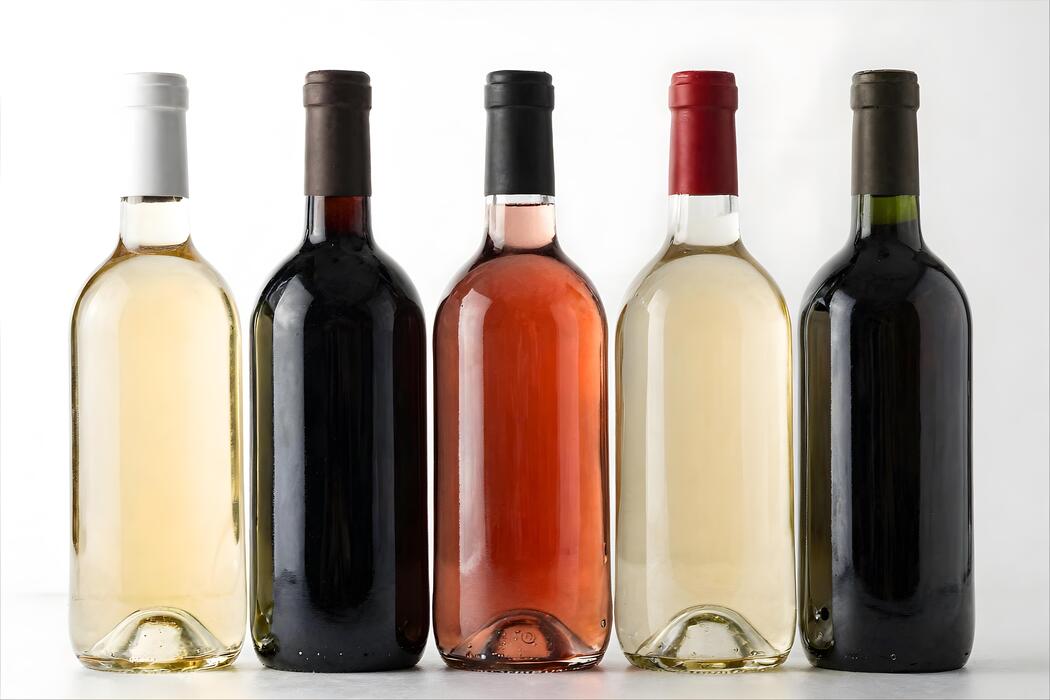
Difference between organic and ‘made with organic grapes’
To find wines that align with your health goals, you must distinguish between specific labeling terms. In the United States, a bottle labeled as USDA Organic must be produced without any added sulfites, meaning only the naturally occurring compounds generated during fermentation remain.
These bottles generally contain less than 10 parts per million of sulfur. Conversely, the phrase made with organic grapes indicates that the fruit was grown without synthetic pesticides, but the winemaker is permitted to add sulfites during the bottling process to ensure shelf stability and prevent oxidation.
This distinction is crucial because sulfites are primarily used as a preservative to inhibit the growth of bacteria and yeast that could spoil the flavor profile. If your goal is to minimize chemical intake, prioritizing the official organic seal ensures a stricter standard regarding additives.
Always check for the official certification logo to confirm the production methods used, as this helps you avoid the common preservatives found in conventional commercial wine selections.
Natural wine movements and zero-added sulfur
Exploring the natural wine movement is one of the most effective ways to source low-sulfite options. Natural winemakers typically follow a philosophy of minimal intervention, which involves avoiding chemical additives, fining agents, and supplemental sulfur.
While conventional wines use sulfites to maintain consistency and longevity, natural producers rely on high-quality fruit and meticulous cellar hygiene to protect the wine. Look for terms like sans soufre or zero-added sulfur on the back of the bottle.
These wines are often unfiltered and cloudy, representing the purest expression of the vineyard’s terroir. Because these selections lack heavy preservatives, they are more sensitive to temperature fluctuations and should be stored in a cool, dark environment.
Seeking out specialized natural wine shops or dedicated sections in local boutiques can connect you with knowledgeable staff who can identify bottles with the lowest possible sulfur counts. This movement focuses on the biological integrity of the grape, providing a solution for those who are sensitive to standard chemical processing.
Reading wine labels for additive information
Deciphering wine labels requires a keen eye for specific terminology used by global regulatory bodies. While the warning contains sulfites is legally required for any wine with more than 10 parts per million, it does not specify the exact amount used.
To find lower concentrations, search for European certifications like Demeter or Biodyvin, which indicate biodynamic farming practices that strictly limit the volume of sulfur allowed during production. Additionally, look for the vintage date; younger wines intended for immediate consumption often require fewer preservatives than those meant for long-term aging.
You can also research the producer’s website for technical sheets that list the total sulfur dioxide (SO2) levels in milligrams per liter. Proactive consumers often choose wines from cooler climates, as higher acidity naturally helps stabilize the liquid, reducing the need for heavy chemical intervention.
By understanding these labeling nuances, you can make informed decisions and select bottles that offer a cleaner drinking experience without the high levels of additives found in mass-produced industrial brands.
Ways to reduce sulfites in your wine at home
Using hydrogen peroxide drops
Wines contain sulfites primarily as a preservative to prevent oxidation and bacterial spoilage, but if you are sensitive to these compounds, you can neutralize them using food-grade hydrogen peroxide.
This method works through a simple chemical reaction where the peroxide converts sulfites into harmless sulfates, which do not typically trigger the same sensitivities or headaches. To achieve this at home, you should use a very diluted solution, specifically a 3% concentration, and add it sparingly to your glass.
Generally, just one or two drops per glass are sufficient to significantly reduce the free sulfur dioxide levels without altering the flavor profile or aroma of the vintage.
It is crucial to stir the wine thoroughly after adding the drops to ensure the reaction is complete before you take your first sip.
By employing this targeted chemical approach, you can enjoy various wines that would otherwise cause discomfort, effectively removing the preservative while keeping the original character of the wine intact and safe for consumption.
Aerating and decanting techniques
While sulfites are added during the winemaking process to maintain freshness and prevent the growth of unwanted yeast, you can lower their impact through mechanical aeration.
When you pour wine into a wide-bottomed decanter, you increase the surface area exposed to oxygen, which facilitates the evaporation of free sulfur dioxide gas.
This is particularly effective for younger red wines that may have a slightly ‘burnt match’ smell upon opening, which is a common indicator of high sulfite levels.
For the best results, you should decant the bottle for at least thirty minutes to an hour before serving, allowing the volatile compounds to dissipate into the air.
If you are short on time, using a handheld aerator while pouring can provide a similar, albeit less intense, effect by forcing air into the liquid.
These methods not only reduce the sulfite concentration slightly but also help to soften harsh tannins and unlock the complex bouquet of flavors, making for a much smoother and more enjoyable drinking experience.
Specialized wine filters and wands
For those seeking a highly convenient and portable solution to the sulfites added for shelf stability, specialized wine filters and wands offer a sophisticated filtration approach.
These consumer products often utilize a patented resin technology that specifically targets and binds to sulfite molecules without stripping away the beneficial polyphenols and antioxidants found in the grape juice.
To use a wand, you simply submerge the device in your glass for approximately three to five minutes, swishing it occasionally to maximize contact with the liquid. Alternatively, pour-through filters can be attached directly to the bottle neck, trapping the additives as you serve your guests.
These tools are exceptionally effective because they are designed to address the root cause of wine-related sensitivities by removing the sulfur-based preservatives entirely.
By investing in these reusable or disposable filtration systems, you can confidently consume a wide variety of commercial wines while minimizing the risk of adverse reactions, ensuring that your social gatherings remain pleasant and free from the typical symptoms associated with sulfite intake.
Pros and cons of sulfur-free winemaking
Risks of bottle variation and spoilage
Sulfite-free winemaking demands extreme technical precision because sulfur dioxide acts as the primary defense against microbial instability. Without this protective barrier, winemakers face a high risk of unwanted bacterial growth or yeast infections like Brettanomyces, which can introduce off-flavors reminiscent of vinegar or wet wool.
Because the natural environment of a winery is teeming with microflora, omitting sulfites means that every bottle from the same batch may develop differently. This leads to significant bottle variation, where one glass may taste fresh while another from the same case appears cloudy or fizzy due to secondary fermentation.
For consumers, this inconsistency is the biggest drawback, as the wine is far more vulnerable to temperature fluctuations during transport and storage.
To minimize these risks, producers must maintain sterile conditions and implement rigorous filtration, ensuring that the final product remains clean and expressive of its terroir without the safety net of chemical preservatives or traditional stabilizers.
Benefits for sensitive drinkers
The primary motivation for choosing sulfur-free options is often the reduction of adverse physical reactions associated with additives. While sulfites occur naturally as a byproduct of fermentation, added sulfites can trigger respiratory issues or skin irritation in a small percentage of the population who suffer from specific sensitivities.
By removing these additions, winemakers provide a cleaner alternative for those who experience headaches or congestion after consuming conventional bottles. Furthermore, many enthusiasts argue that sulfur-free methods allow for a more authentic flavor profile, as the absence of chemicals prevents the masking of delicate floral and fruit notes.
This approach aligns with the natural wine movement, focusing on minimal intervention and transparency in the glass. For the health-conscious consumer, these wines represent a commitment to purity, offering a way to enjoy viticulture without the synthetic inputs used in industrial production.
It creates a bridge for drinkers who prioritize organic lifestyles and want to avoid the common preservatives found in modern food systems.
Impact on long-term aging potential
One of the most critical roles of sulfites is their function as an antioxidant, which prevents the wine from browning and losing its structural integrity over time. Without these compounds, the wine’s lifespan is significantly shortened, making most sulfur-free bottles intended for immediate consumption rather than cellar storage.
Oxygen exposure that would be harmless to a stabilized wine can rapidly degrade a sulfite-free bottle, causing the vibrant fruit flavors to dissipate and transform into oxidized, nutty characteristics.
Collectors should be aware that these wines require strictly controlled environments, preferably constant cool temperatures and zero light exposure, to prevent premature spoilage. While some high-acid red wines can age slightly better due to their natural tannins, they still lack the long-term resilience of traditionally treated vintages.
For the average drinker, this means purchasing smaller quantities and drinking them within a year or two of release to ensure the wine retains its intended freshness and avoids the flat, lifeless profile associated with excessive oxygen contact.
Frequently Asked Questions
What are sulfites in wine and why are they there?
Sulfites are sulfur dioxide compounds that act as a natural byproduct of fermentation. They are added to wine primarily as a preservative to prevent oxidation and bacterial spoilage, ensuring the wine stays fresh.
Are sulfites added manually or do they occur naturally?
Sulfites occur naturally in all wines during the fermentation process as yeast metabolizes sulfur. However, most winemakers add supplemental sulfites to stabilize the wine and increase its shelf life.
How do sulfites protect the flavor of wine?
Sulfites act as an antioxidant that prevents the wine from turning into vinegar when exposed to air. They also inhibit the growth of unwanted wild yeasts and bacteria that could create off-flavors or ruin the vintage.
Do organic wines contain sulfites?
Yes, even organic wines contain natural sulfites produced during fermentation. While ‘certified organic’ wines in some regions cannot have added sulfites, they still contain low levels of naturally occurring sulfur compounds.
Why does red wine often have fewer sulfites than white wine?
Red wines contain natural tannins extracted from grape skins, which act as natural preservatives. Because white wines lack these tannins, they are more chemically unstable and usually require higher levels of added sulfites to prevent spoilage.
Is the ‘contains sulfites’ label a warning about health risks?
The label is a regulatory requirement designed to protect the small percentage of the population with sulfite allergies or sensitivities. For most people, the levels found in wine are safe and significantly lower than those found in dried fruits.
Conclusion
Sulfites are essential components in winemaking, acting as natural preservatives that protect against oxidation and bacterial spoilage. While they often occur naturally during fermentation, winemakers add small amounts to ensure flavor stability and longevity. For the majority of people, sulfites are entirely safe and allow for a more consistent tasting experience. Understanding their role helps demystify the label and allows you to enjoy your favorite bottle with confidence and a deeper appreciation for the craft.