
Why Do Wine Bottles Use Corks
Have you ever wondered why we still use pieces of tree bark to seal our favorite vintage? It might seem old-fashioned, but there is a fascinating scientific reason behind it. Corks provide a unique seal that allows tiny amounts of oxygen to interact with the wine, helping it age and develop complex flavors. In this guide, we will quickly explain why corks remain the industry standard and how they protect your bottle from spoiling before the first pour.
The History of Cork in Winemaking
Ancient methods for sealing wine
In the early days of viticulture, ancient civilizations struggled to find reliable ways to prevent oxygen from spoiling their fermented juices. The Greeks and Romans primarily relied on amphorae sealed with clay, resin, or wax, which were effective for short-term storage but made aging wine nearly impossible.
While they experimented with pieces of bark, these were not standardized and often failed to create an airtight environment. To preserve your wine collection today, it is essential to understand that oxygen management is the foundation of preservation.
Early winemakers often layered olive oil on top of the wine to create a physical barrier against air, a technique that is occasionally still referenced in historical reenactments. However, these primitive seals were prone to leaking and contamination.
For modern enthusiasts, recognizing these historical limitations highlights the importance of airtight seals in maintaining the delicate flavor profiles and structural integrity of vintage wines over long periods.
How the 17th-century glass bottle changed everything
The evolution of the wine industry took a massive leap forward during the 17th century when glass production techniques became more sophisticated and affordable. Before this era, wine was mostly served from barrels into decorative decanters, which offered almost no protection against oxidation.
As sturdier, uniform glass bottles became the norm, vintners needed a sealing mechanism that was both flexible and durable. This shift allowed for the horizontal storage of wine, a practice you should follow to keep the closure moist and effective.
The introduction of the glass bottle transformed wine from a perishable commodity into a collectible asset that could improve with age.
To optimize your cellar, ensure your bottles are kept in a stable environment with consistent humidity, as the synergy between glass and the right closure is what permits the slow, beneficial chemical reactions that develop complex secondary aromas in your favorite red and white varietals.
Why cork became the industry standard
Cork emerged as the definitive solution for winemakers because of its unique cellular structure, which is composed of millions of tiny, air-filled pockets. This natural elasticity allows it to be compressed into a bottle neck and expand to create a near-perfect seal.
Beyond just blocking air, cork acts as a microscopic filter, allowing miniscule amounts of oxygen to interact with the wine, which is the secret to softening tannins and developing a smooth finish. When choosing wines for long-term aging, prioritize those with high-quality natural corks to ensure the best results.
Furthermore, cork is a renewable and sustainable resource harvested from bark, making it an environmentally friendly choice for conscious consumers. By understanding the functional benefits of cork, you can better appreciate why it remains the gold standard for premium wines.
Always store your cork-sealed bottles on their sides to prevent the material from drying out and losing its protective, airtight properties.
How Natural Cork Helps Wine Age
The role of oxygen transfer in flavor development
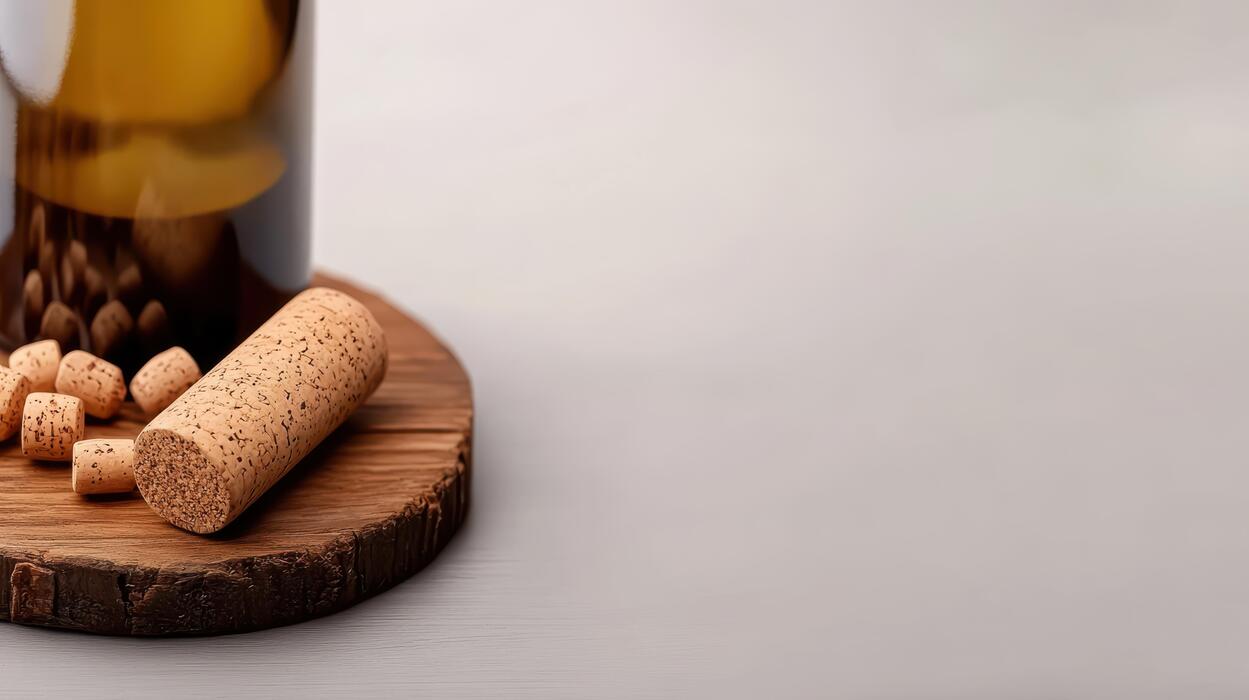
Natural cork is a unique porous material that acts as a vital regulator for a wine’s evolution. Unlike airtight screw caps, cork allows for trace amounts of oxygen transfer into the bottle over many years.
This extremely slow gas exchange is the catalyst for the complex chemical reactions that transform fresh fruit notes into sophisticated tertiary aromas like leather, tobacco, and dried earth. By utilizing a breathable cellular structure, cork ensures that the wine does not become reduced or develop off-smelling sulfur compounds.
For winemakers, selecting a high-quality cork is a strategic decision to ensure the liquid reaches its peak potential. This controlled exposure to oxygen is the primary reason why fine wines are sealed with bark rather than synthetic alternatives.
Understanding this consistent oxygen transmission rate is essential for anyone looking to appreciate how a vintage matures gracefully. Without this subtle interaction, a wine might remain static, failing to develop the multi-layered profile that enthusiasts and professional sommeliers crave in a well-aged bottle.
Softening tannins through micro-oxygenation
Young red wines are often characterized by harsh, astringent tannins that can feel aggressive on the palate. The primary solution for this texture issue is the natural micro-oxygenation provided by a cork stopper.
As minuscule amounts of air permeate the cork, they interact with the polyphenols and tannins in the wine, causing them to polymerize or bind together. This process effectively smooths out the mouthfeel, turning a gritty texture into a silky, velvety sensation that is highly prized by connoisseurs.
By choosing cork, producers allow the wine to undergo a structural transformation that cannot be replicated in a completely sealed environment. This softening of phenolic compounds is critical for bold varieties like Cabernet Sauvignon or Nebbiolo, which require time to become approachable.
If you are cellaring wine to improve its drinkability, the cork is your greatest ally in achieving a balanced structure. This gradual maturation ensures that the acidity, alcohol, and fruit components eventually harmonize, resulting in a superior tasting experience that justifies the long wait in the cellar.
Why collectors prefer cork for long-term cellaring
Collectors and investors overwhelmingly favor natural cork because of its proven track record for longevity spanning centuries. The physical properties of cork, such as its elasticity and compressibility, allow it to maintain a tight seal against the glass neck even as external temperatures fluctuate slightly.
This hermetic yet breathable seal provides the stability required for wines intended to age for twenty years or more. Furthermore, the tradition of using cork is tied to the historical data of how specific vintages evolve, giving collectors confidence in their high-value assets.
When a bottle is kept in a humidity-controlled environment, the cork remains moist and expanded, preventing excessive oxidation while still permitting the slow-motion maturation necessary for greatness.
Opting for cork-sealed bottles is a safeguard for your investment, ensuring that the wine develops the complexity and value expected of a premium vintage.
For those dedicated to the art of cellaring, the reliability of high-grade natural cork remains the gold standard for preservation, offering a biological harmony between the closure and the living liquid inside.
Physical Properties of Quercus Suber Bark
Elasticity and the perfect airtight seal
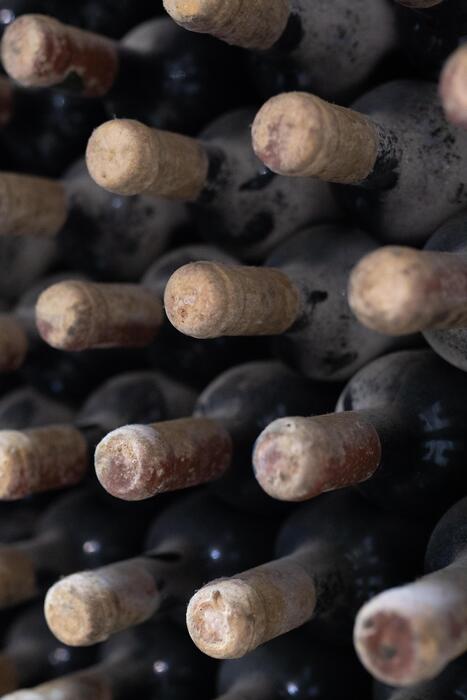
The primary reason Quercus suber bark remains the industry standard for wine closures is its remarkable elasticity. The cellular matrix of natural cork can be compressed by up to half its width without losing its structural integrity.
When a cork is inserted into a bottle, it exerts a constant, outward pressure against the glass neck, creating a perfect airtight seal that prevents leaks and blocks excessive oxygen ingress.
This expansion capability ensures that the stopper adapts to minor irregularities in the glass finish, which is something rigid synthetic materials often fail to achieve. For winemakers, this means the bottle remains hermetically sealed during transport and long-term storage, protecting the liquid from oxidation.
To maintain this benefit, always store corked wine horizontally; this keeps the cork moist, ensuring the cells remain expanded and the seal remains intact over decades. By leveraging this natural spring-like property, producers guarantee that the wine ages gracefully in a controlled environment until it is ready for consumption.
Suberin: The natural waterproof barrier
At the chemical level, the bark of the cork oak is saturated with suberin, a complex waxy mixture of fatty acids and organic alcohols. This substance acts as a natural waterproof barrier, making the bark almost entirely impermeable to liquids and gases.
When used as a wine closure, suberin prevents the wine from soaking through the stopper and evaporating, a process known as ‘ullage’ that can ruin a vintage.
This hydrophobic quality is essential for preventing spoilage and ensuring that the delicate flavors of the wine are not altered by external moisture or bacteria. Furthermore, suberin is chemically inert, meaning it will not react with the wine or leach harmful chemicals into the bottle.
To benefit from this property, ensure your storage area maintains a consistent humidity level of around sixty percent.
This prevents the outer face of the cork from drying out while the suberin-rich interior continues to protect the wine from the external atmosphere, maintaining the beverage’s original chemical profile and overall purity.
Cellular structure and pressure resistance
The unique honeycomb cellular structure of Quercus suber bark consists of approximately forty million air-filled cells per cubic centimeter. These cells act as tiny shock absorbers, providing immense pressure resistance and thermal insulation.
This structure is why corks do not crumble under the intense pressure of sparkling wines or the expansion caused by fluctuating temperatures. The trapped air within the cells allows for a micro-oxygenation process, where minuscule amounts of oxygen are exchanged over time.
This slow, controlled breath is vital for the development of complex tannins and tertiary aromas in red wines. To optimize this natural advantage, store your collection in a cool, dark environment to prevent rapid temperature swings that could force the cork to move.
By utilizing this cellular architecture, wine enthusiasts can enjoy a product that has been allowed to mature slowly. The physical resilience of the bark ensures that even after twenty years, the cork can be extracted in one piece, successfully fulfilling its role as a durable protective shield for the wine.
Environmental Benefits of Using Natural Cork
Sustainability of cork oak forests
Choosing wine bottles sealed with natural cork directly supports the preservation of vast Mediterranean ecosystems. Unlike many industrial materials, cork is harvested without ever cutting down a tree. Instead, skilled workers carefully strip the outer bark every nine years, allowing the tree to regenerate and live for over two centuries.
This practice ensures that cork oak forests remain standing, providing a vital habitat for endangered species like the Iberian lynx and the Spanish imperial eagle. By opting for cork, consumers incentivize landowners to maintain these woodlands rather than converting them to intensive agriculture or urban development.
These forests also act as a natural barrier against desertification and forest fires in sensitive regions. Supporting this industry means protecting biodiversity hotspots that are essential for regional ecological health.
When you consider why wineries stick with this traditional material, the long-term environmental preservation of forest landscapes is a primary factor that far outweighs the convenience of modern synthetic alternatives.
Biodegradability vs. plastic and metal alternatives
One of the most compelling reasons for the continued use of natural cork is its superior end-of-life profile compared to synthetic closures. Natural cork is a 100% organic, biodegradable and compostable material that breaks down easily without leaving toxic residues in the soil or water.
In contrast, plastic stoppers and aluminum screw caps often end up in landfills, where they can persist for hundreds of years or contribute to microplastic pollution. While metal caps are technically recyclable, the specialized facilities required to process them are not always accessible, leading to high waste rates.
Choosing natural cork ensures that your wine packaging aligns with a circular economy model, as used corks can be repurposed into flooring, insulation, or fashion accessories. By prioritizing a renewable and compostable resource, the wine industry significantly reduces its contribution to the global plastic crisis.
This natural decomposition process makes cork the most responsible choice for environmentally conscious consumers who want to minimize their personal waste footprint effectively.
Carbon sequestration in the cork industry
The environmental impact of cork extends far beyond its physical properties; it is a powerhouse for climate change mitigation. Research indicates that a harvested cork oak tree can absorb up to five times more carbon dioxide than an unharvested one during its regeneration process.
This means the act of producing cork stoppers actually helps remove greenhouse gases from the atmosphere. It is estimated that the cork industry helps sequester millions of tons of CO2 annually, making it a rare example of a carbon-negative manufacturing process.
When comparing the carbon footprint of different closures, natural cork consistently outperforms plastic and aluminum, which require high-energy industrial processes and fossil fuel extraction. By selecting wines with natural corks, you are supporting a supply chain that actively offsets carbon emissions and contributes to global climate goals.
This unique ability to trap carbon within the bark while the tree continues to grow makes natural cork an indispensable tool for wineries seeking to achieve true environmental sustainability and carbon neutrality.
Common Problems with Wine Corks
What causes cork taint (TCA)
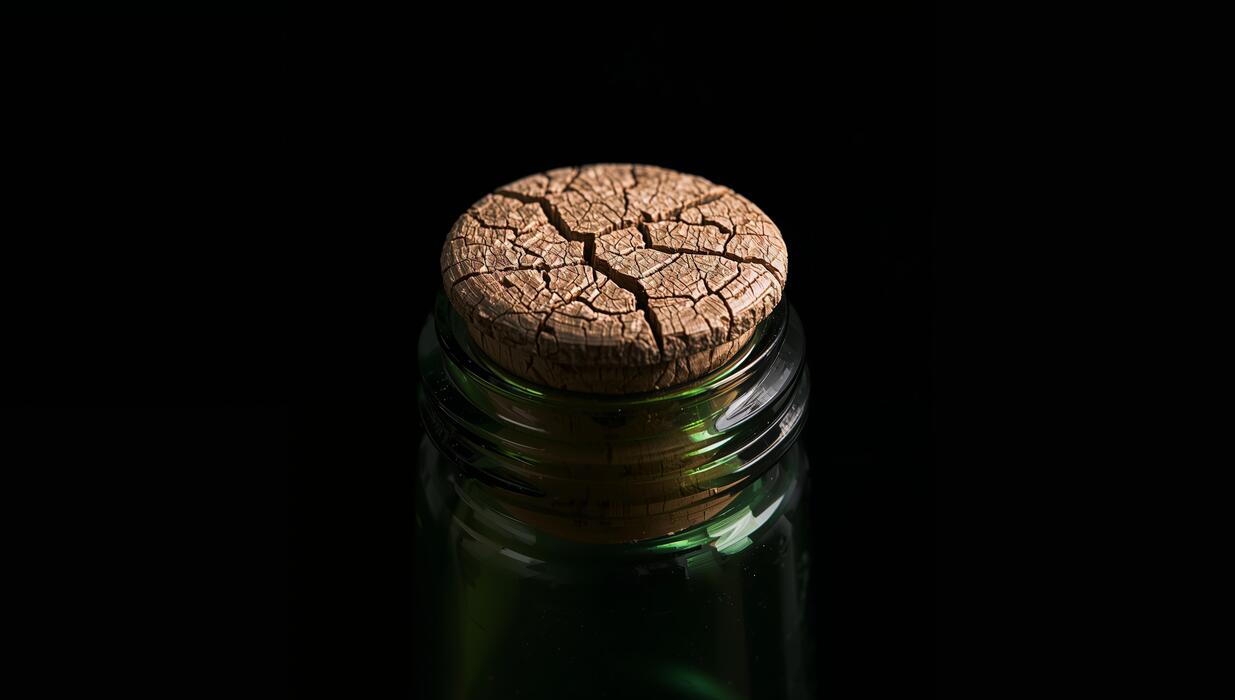
Cork taint is a common defect caused primarily by a chemical compound known as 2,4,6-trichloroanisole (TCA). This occurs when naturally occurring fungi in the cork bark react with chlorine-based cleaning products used during the manufacturing process.
While it is not harmful to your health, it creates a distinct musty or damp cardboard aroma that masks the wine’s intended fruit profile and complexity. To address this, many modern producers have switched to peroxide-based cleaning or rigorous testing protocols to ensure every batch is clean.
If you encounter a tainted bottle, the best solution is to return it to the retailer for a replacement, as the smell will not dissipate with aeration. Understanding that this is a chemical reaction rather than a sign of poor storage helps collectors identify when a bottle is truly flawed.
Always trust your nose; if the wine lacks its expected vibrancy and smells like a wet basement, TCA is the likely culprit behind the muted flavors.
How to prevent crumbly or dry corks
Natural cork is a porous material that requires a specific level of humidity to maintain its structural integrity and elasticity. When stored in an environment that is too dry, the cork loses its moisture, causing it to shrink and become brittle.
This leads to the dreaded crumbly cork that breaks apart during extraction, potentially leaving debris in your wine. To prevent this, you should always store wine bottles horizontally on their sides.
This position keeps the liquid in constant contact with the bottom of the cork, ensuring it remains hydrated and expanded to maintain a tight seal. Furthermore, aim to maintain a consistent humidity level around 70% in your storage area.
If a cork does break, use a specialized two-prong Ah-So opener to gently slide the pieces out without further damaging the material. Investing in a temperature-controlled wine fridge is the most effective long-term solution to avoid the degradation of natural closures and preserve the quality of your collection.
Signs of a faulty seal
Identifying a faulty seal early can save you from the disappointment of drinking oxidized wine. One of the most obvious indicators is leakage or sticky residue around the capsule, which suggests that the cork has failed to provide a vacuum seal.
Another major red flag is a protruding cork that sits slightly above the rim of the bottle neck. This is often a sign of heat damage, where the expanding liquid has physically pushed the cork upward, likely compromising the wine’s flavor profile.
When you pour the wine, look for a flat or brownish color in reds or a deep gold in whites, accompanied by a nutty, vinegar-like smell. These are classic signs of oxidation caused by oxygen entering the bottle through a compromised closure.
To avoid these issues, always check the fill level or ‘ullage’ before purchasing older vintages. If the level is unusually low, it indicates that evaporation or leakage has occurred, which typically means the wine inside has lost its freshness and balance.
Different Types of Wine Closures Explained
Natural vs. technical and agglomerated corks
Natural cork remains the gold standard for premium aging because its unique cellular structure allows for micro-oxygenation, a process where tiny amounts of air interact with the liquid to soften tannins over time. When selecting a closure for long-term cellaring, choose high-quality natural options to ensure the wine evolves gracefully.
For everyday drinkers, technical or agglomerated corks offer a cost-effective solution. These are made from granulated cork particles bonded together, providing a reliable seal that mimics the traditional opening ritual while minimizing the risk of structural failure.
To get the best results, always store these bottles horizontally to keep the material moist, which prevents the seal from drying out and cracking. Understanding these differences helps you decide whether a bottle is meant for immediate enjoyment or a decade of maturation.
By choosing the right cork type, you guarantee that the aromatic complexity and flavor profile of your wine remain intact until the moment you decide to pull the plug and pour a glass.
When to use synthetic corks
Synthetic closures are an excellent choice for wines intended for quick consumption, typically within one to two years of bottling.
Made from food-grade plastic or plant-based polymers, these stoppers offer a consistent oxygen transmission rate, ensuring that every bottle tastes exactly as the winemaker intended without the variation often found in natural materials.
They are particularly effective for crisp whites and rosés where maintaining vibrant acidity and fresh fruit notes is the primary goal. One major advantage is that synthetic options are immune to TCA (cork taint), so you can serve your guests with total confidence.
When handling these, use a high-quality winged or waiter’s corkscrew, as the density of the material can sometimes provide more resistance than bark. Because they do not shrink or dry out, you can store these bottles upright without compromising the seal.
This makes them a practical and reliable choice for casual entertaining and high-volume events where consistency and ease of storage are paramount for a successful gathering.
The pros and cons of screw caps
Screw caps, or Stelvin closures, have revolutionized the industry by providing a hermetic seal that virtually eliminates the risk of oxidation and spoilage. The primary benefit is convenience; you can open a bottle anywhere without needing specialized tools, making them perfect for picnics or outdoor events.
They are superior at preserving the zesty aromatics of varieties like Sauvignon Blanc or Riesling, keeping the flavors sharp and focused. However, some traditionalists argue that the lack of oxygen prevents the complex development required for heavy reds.
To mitigate this, modern liners are now designed with specific permeability levels to allow for controlled aging. If you find a screw-capped wine has a slight sulfurous or ‘reductive’ smell upon opening, simply decant the wine for twenty minutes to let it breathe.
This simple action allows the aromatics to open up fully. Ultimately, screw caps offer a foolproof preservation method that ensures the bottle you open today tastes exactly as it did the day it was packaged at the winery.
How to Store Corked Wine Properly
Why horizontal storage matters
Storing your wine bottles horizontally is the most critical step in maintaining the integrity of the seal. Traditional corks are made from the bark of the cork oak tree, a natural material that requires moisture to stay expanded.
When a bottle is placed on its side, the liquid remains in constant contact with the closure, preventing it from drying out. If a bottle is kept upright for too long, the cork will eventually shrivel, creating tiny gaps that allow excess oxygen to seep into the bottle.
This process, known as oxidation, can quickly turn a premium vintage into vinegar. By ensuring horizontal placement, you maintain a liquid-tight seal that facilitates the slow, controlled oxygen exchange necessary for the wine to develop complexity.
This simple orientation prevents premature aging and ensures that the natural elasticity of the wood continues to function as an effective barrier against spoilage throughout the entire duration of its cellar life.
Ideal humidity levels for cork health
The ambient environment surrounding your wine collection is just as important as the orientation of the bottles. To keep natural corks in peak condition, you should aim for a relative humidity level between 50% and 70%.
If the air is too dry, the top part of the cork—the side not touching the wine—can become brittle and begin to crumble when you eventually try to use a corkscrew.
Conversely, excessive humidity above 80% can lead to mold growth on the exterior or cause the labels to peel off. Maintaining optimal humidity ensures the cork remains supple and firmly wedged against the glass neck.
Utilizing a hygrometer to monitor moisture is a proactive way to protect your investment from the risks of evaporation or leakage.
Proper atmospheric balance supports the structural longevity of the cork, allowing it to perform its primary job of protecting the wine’s delicate aromatic profile from external contaminants over many years.
Temperature control for consistent aging
Fluctuating temperatures are the enemy of any wine sealed with a natural cork. When a bottle experiences frequent heat cycles, the liquid inside expands and contracts, creating a piston-like effect that can actually push the cork out or pull harmful air in.
To avoid this, you should store your wine in a cool, dark place at a steady temperature of approximately 55°F (13°C). Extreme heat can ‘cook’ the wine, while extreme cold can cause the cork to lose its grip on the glass.
By prioritizing thermal stability, you protect the delicate chemical reactions occurring inside the bottle. Avoiding direct sunlight and vibrations is also essential, as these factors can degrade the organic compounds in the wine and the cork itself.
A consistent climate-controlled environment ensures that the cork remains a reliable gatekeeper, allowing the wine to age gracefully and reach its full potential without the interference of sudden environmental shifts that could ruin the flavor.
Frequently Asked Questions
Why is cork the traditional choice for sealing wine bottles?
Cork has been used for centuries because it is a natural, renewable resource that is both flexible and impermeable to liquids. Its unique cellular structure allows it to compress easily into a bottle neck and expand to create a tight, durable seal.
How does cork help in the wine aging process?
Natural cork is slightly porous, allowing microscopic amounts of oxygen to interact with the wine over time. This slow oxidation helps soften tannins and develop complex aromatic profiles in wines intended for long-term cellaring.
Are there environmental benefits to using natural cork?
Yes, cork is a highly sustainable material harvested from the bark of cork oak trees without cutting them down. Cork forests support high levels of biodiversity and act as significant carbon sinks, making cork a more eco-friendly option than plastic or metal.
What are the disadvantages of using natural corks?
The primary drawback is the risk of ‘cork taint’ caused by TCA (2,4,6-trichloroanisole), which can give wine a musty, cardboard-like smell. Additionally, natural corks can dry out or crumble if the bottle is not stored properly on its side.
Why do some winemakers prefer cork over screw caps?
Many winemakers choose cork for its proven track record in long-term aging and the premium ‘ritual’ experience it provides consumers. While screw caps are excellent for fresh, young wines, cork remains the industry standard for high-end collectible wines.
Does the type of cork affect the quality of the wine?
The quality of the cork can impact the wine’s longevity; high-grade natural corks are best for aging, while technical or agglomerated corks (made from cork granules) are typically used for wines meant to be consumed within a few years.
Conclusion
In summary, cork remains the preferred choice for wine preservation due to its unique elasticity and ability to facilitate gradual oxygen exchange, which is essential for aging fine wines. While modern alternatives offer convenience, natural cork honors centuries of tradition and supports environmental sustainability. Whether you prefer the classic ritual of the pop or the ease of a screw cap, understanding these benefits enriches your tasting experience. Next time you uncork a bottle, toast to the remarkable science behind this natural seal.