
How To Get Corkscrew Out Of Wine Bottle
Stuck with a broken corkscrew in your wine bottle? Don’t panic—you’re not alone, and there’s a quick fix. Whether you’re hosting a dinner or unwinding after work, getting that stubborn cork out doesn’t have to ruin your evening. This guide walks you through simple, effective methods using common household tools or a replacement corkscrew. In just a few minutes, you’ll know exactly how to get the corkscrew out of the wine bottle safely and smoothly, so you can pour and enjoy without the stress.
How to Remove a Broken Corkscrew from a Wine Bottle
Assess the Situation: How Deep Is the Corkscrew Stuck?
Before attempting any removal technique, carefully assess how deeply the corkscrew is embedded in the cork or bottle. Look inside the neck of the bottle and determine whether the screw has gone all the way through the cork or if part of the cork remains above it.
If the corkscrew is only partially inserted and the cork hasn’t been pushed into the bottle, you may be able to gently back it out with steady pressure. Use a flashlight to get a clear view, as visibility is crucial.
Note whether the handle or shaft is broken—this affects your approach. If the cork is lodged deep inside the bottle, avoid pushing it further down, as this can make retrieval harder and contaminate the wine.
Understanding the depth and position of the corkscrew helps you choose the safest, most effective removal method without risking glass breakage or spillage.
Stop Using Force to Avoid Further Damage
One of the most common mistakes when a corkscrew breaks is continuing to twist or pull aggressively, which can damage the bottle, break the glass, or push the cork deeper. Immediately stop applying force once you notice the tool is stuck or compromised.
Forcing it may break the neck of the bottle or fragment the cork, making wine filtration necessary later. Instead, set the bottle on a stable surface and take a moment to plan your next steps. Remaining calm prevents accidents and allows you to think clearly about safe extraction techniques.
If the corkscrew’s handle has snapped, do not attempt to grip the metal shaft with pliers without proper protection. Protect your hands and workspace by placing the bottle in a towel or cloth. Preventing further damage ensures the wine remains salvageable and reduces the risk of injury during removal.
Tools You Might Need for Removal
Having the right tools on hand increases your chances of successfully removing a broken corkscrew without harming the bottle or wine. Start with needle-nose pliers or locking tweezers to grip the exposed shaft, especially if a small portion is sticking out.
A pair of pliers with a fine tip offers better control. You may also need a second corkscrew or an Ah-So wine opener, which slides between the cork and glass to extract it cleanly.
A long screw or extractor tool can be screwed into the remaining cork to pull it out. Keep a flashlight nearby for visibility, and have a clean cloth to protect your hands and the bottle.
In some cases, a wire clothes hanger, unbent and shaped into a hook, can help lift the cork. Prepare these tools before starting to ensure a smooth, efficient process.
Using Needle-Nose Pliers to Extract the Corkscrew
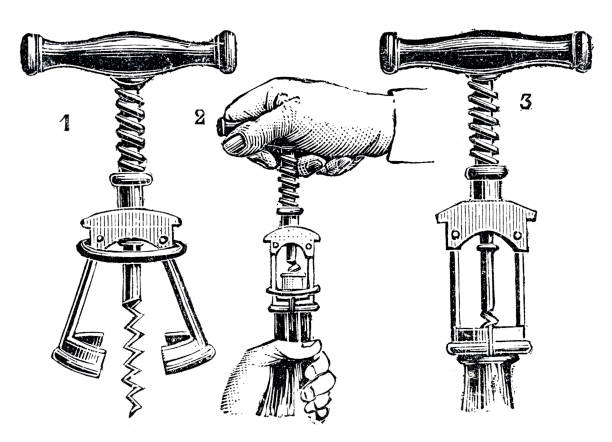
How to Grip the Corkscrew with Pliers
Begin by selecting a pair of needle-nose pliers with a clean, non-slip grip. Carefully open the jaws and position them around the exposed metal shaft of the corkscrew, as close to the bottle neck as possible. Ensure a firm, centered grip to maximize control and minimize the risk of slipping.
If the corkscrew is deeply embedded, use the tapered tip of the pliers to reach down and latch onto any accessible thread or bend in the metal. Apply even pressure when closing the pliers—too much force could damage the tool or the bottle.
For better leverage, grip the pliers near the end of the handles. If the corkscrew is stuck due to resistance from the cork, twist slightly while gripping to find a stable hold.
A steady grip is essential before attempting extraction, so double-check that the pliers are securely fastened to the metal.
Pulling the Corkscrew Steadily Without Breaking the Neck
Once the needle-nose pliers have a secure hold on the corkscrew, begin pulling upward with slow, steady pressure—avoid jerking or yanking, which can snap the glass neck. Maintain a straight, vertical motion to evenly distribute force and reduce stress on the bottle.
If resistance increases, pause and gently wiggle the corkscrew side to side while maintaining upward tension to loosen its grip on the cork. Keep your other hand braced against the base of the bottle for stability. Use your body weight by leaning back slightly while pulling to generate controlled force.
If the cork begins to rise with the corkscrew, that’s a good sign—continue pulling until both are fully removed. Patience is key; rushing increases the risk of breakage. Once extracted, inspect the bottle neck for debris before proceeding to pour.
What to Do If the Corkscrew Slips
If the pliers slip during extraction, stop immediately to assess and prevent further damage. Re-grip the corkscrew shaft higher or lower to find a less worn or smoother section for better traction.
If the metal is too smooth, wrap a rubber band around the shaft before reapplying the pliers to enhance grip. Alternatively, use a toothed or locking plier variant for added security.
If repeated slipping occurs, consider inserting a thin, sturdy tool like a butter knife alongside the corkscrew to help elevate it slightly, creating more purchase. Stay calm and reposition carefully—frustration can lead to abrupt movements that risk breaking the bottle.
If the corkscrew becomes completely lodged or bent, it may be safer to switch methods, such as using a two-prong cork puller or decanting the wine through a filter after pushing the cork down.
Alternative Tools for Removing a Stuck Corkscrew

Using a Screw and Wrench Method
If your corkscrew is stuck inside the wine bottle, the screw and wrench method can provide a strong mechanical advantage. First, remove any remaining cork fragments from the bottle neck to prevent contamination.
Next, take a thin, coarse-threaded metal screw—slightly longer than the embedded corkscrew’s depth—and carefully screw it alongside or partially into the center of the broken corkscrew handle or the cork itself. The goal is to create a new grip point.
Once the screw is securely in place, attach a flat wrench or locking pliers to the protruding screw head. Apply steady, even pressure upward while gently rocking the screw back and forth to loosen the grip. This method works best when the corkscrew is partially embedded but still offers access.
Avoid excessive force to prevent glass breakage. With patience, this technique can extract both the corkscrew and cork without damaging the bottle.
How a Pair of Tweezers Can Help
Fine-tipped or needle-nose tweezers can be surprisingly effective for extracting a partially exposed corkscrew or assisting in cork removal. Begin by stabilizing the wine bottle on a flat surface to prevent slipping.
If the corkscrew’s handle or shaft is slightly protruding, carefully position the tweezers to grip the metal shaft as close to the bottle neck as possible. Apply gentle, consistent upward pressure while slightly twisting the tweezers to coax the corkscrew out.
If the cork is still attached, the tweezers can help grip cork fragments around the corkscrew, reducing resistance. This method is ideal for delicate extractions where larger tools might cause damage. Ensure a firm grip and avoid jerking motions, which could push the corkscrew deeper.
While tweezers alone may not suffice for deeply embedded tools, they’re excellent for fine control and initial loosening, especially when combined with other techniques.
Extracting with a Small Clamp or Vise Grip
A small clamp or vise grip pliers offers strong, reliable leverage for removing a stuck corkscrew. First, inspect the exposed portion of the corkscrew to ensure there’s enough metal to grip securely.
Adjust the clamp or vise grip to fit snugly around the shaft or handle, then tighten it firmly to prevent slippage. Once locked in place, use the clamp’s handle as a lever, applying slow, upward pressure while gently wiggling side to side to break friction.
This method is particularly effective when the corkscrew is lodged tightly in dense cork. Maintain control throughout the process to avoid sudden slips that could damage the bottle or injure your hand. If the corkscrew begins to turn, stop and reposition the clamp for better alignment.
Protect your hands with gloves if needed. With steady effort, this technique often succeeds where hand strength alone fails, making it a top choice for tough extractions.
Removing the Cork After the Corkscrew Breaks
Pushing the Cork Into the Bottle Safely
If your corkscrew breaks inside the cork, pushing the cork into the bottle is often the safest and quickest solution. First, ensure the broken corkscrew fragment isn’t too deep or jagged.
Use a clean butter knife, chopstick, or the handle of a wooden spoon to gently apply downward pressure on the cork. Apply steady, even force to avoid breaking the glass. Angle the tool slightly if needed to gain better leverage.
Once the cork clears the neck, it will drop into the wine, clearing the way for pouring. This method works best with natural corks, as synthetic ones may not compress as easily. Always inspect the bottle neck for sharp edges before pouring.
While this approach may seem counterintuitive, it avoids further damage and allows you to enjoy the wine with minimal delay.
Using a Knife to Cut and Push the Cork
When a corkscrew breaks off inside the cork, a sharp kitchen knife can help remove or reposition the cork. Carefully insert the blade into the space between the cork and the bottle neck, slicing the cork in a circular motion to loosen it.
Work slowly and at a slight angle to avoid damaging the glass. Once a portion of the cork is severed, use the knife tip to nudge the remaining cork inward or pull it out in pieces. This method requires precision and a steady hand.
Use a non-serrated knife for better control and reduced risk of slippage. If the cork is partially out, gripping it with pliers after cutting may help. This technique is ideal when only part of the cork remains lodged and provides a mechanical advantage when tools are limited.
Filtering Wine if Cork Debris Falls In
After removing a broken corkscrew or pushing the cork in, cork fragments may end up in the wine. To ensure a pleasant drinking experience, filter the wine before serving. Use a fine-mesh strainer, coffee filter, or cheesecloth placed over a clean pitcher or glass.
Slowly pour the wine through the filter to catch debris without losing too much volume. Double-layering the filter increases effectiveness. Let gravity do the work—don’t force the pour, as this can push particles through. This step is especially important with older wines, where corks are more brittle.
While small particles aren’t harmful, they can affect taste and texture. Chilling the wine slightly before filtering can reduce sediment disturbance. This simple step preserves the wine’s quality and ensures a smooth, enjoyable pour.
Preventing Corkscrew Breakage in the Future
Choosing the Right Corkscrew Type
Selecting the appropriate corkscrew type is essential for preventing breakage and ensuring smooth cork removal. The waiter’s friend (double-hinged corkscrew) is widely regarded as the most reliable due to its sturdy construction and leverage-based design. Its foldable fulcrum allows for controlled, even pressure during extraction.
Alternatively, Ah-So openers are excellent for older wines with fragile corks, as they slide between the cork and bottle without piercing. Butterfly corkscrews, while elegant, often apply uneven pressure and increase the risk of snapping. Lever-pull models offer consistent force but require proper alignment.
Always prioritize durability and ergonomics—a well-balanced corkscrew made from high-quality metal reduces hand strain and slippage. Avoid plastic or flimsy models, especially for frequent use. By choosing a reputable brand and design suited to your wine habits, you minimize the chance of breakage and enhance your overall opening experience.
Proper Technique for Inserting the Corkscrew
Using the correct insertion technique drastically reduces the risk of corkscrew breakage. Begin by holding the bottle firmly at the base and placing the tip of the corkscrew directly in the center of the cork.
Slowly twist the screw in using steady, even pressure—aim to insert about five turns, leaving one or two spirals exposed. Avoid angling the corkscrew, as this can cause bending or snapping upon extraction.
For waiter’s friend models, position the first lever on the lip of the bottle and pull gently upward, then use the second lever for final removal. Rotate the handle smoothly rather than jerking it. If resistance is felt, stop and reposition. Never force the tool—this often leads to breakage.
Practicing on multiple bottles helps build muscle memory. Consistent, centered insertion ensures the corkscrew maintains structural integrity and removes the cork cleanly every time.
When to Replace an Old or Damaged Corkscrew
Regularly inspecting your corkscrew for wear and damage is crucial to preventing mid-use breakage. Over time, the metal spiral can warp, rust, or lose its sharp threading, making it prone to snapping inside the cork.
If you notice wobbling in the hinge, difficulty twisting, or visible corrosion, it’s time for a replacement. A damaged corkscrew not only risks breaking but can also tear the cork, leading to sediment in your wine. Even high-quality tools degrade with frequent use, especially if not cleaned properly.
Replace your corkscrew every 1–2 years with regular use, or immediately after any structural compromise. Investing in a spare backup tool ensures uninterrupted service. Choosing a lifetime warranty model from a trusted manufacturer offers long-term reliability.
Proactive replacement prevents frustrating incidents and maintains the ritual of opening wine as seamless and enjoyable.
Best Corkscrews for Reliable Performance
Winged Corkscrews vs. Waiter’s Friends
When trying to remove a corkscrew stuck in a wine bottle, choosing the right tool matters. Winged corkscrews use a lever system that gently lifts the cork with minimal effort, making them ideal for beginners.
If the cork breaks or the screw jams, the dual levers allow better control to extract the cork slowly and evenly. On the other hand, waiter’s friends (or sommelier knives) offer precision and compactness. Their two-step lever system provides mechanical advantage, allowing firm grip and stability during extraction.
To remove a stuck corkscrew, reposition the opener and apply steady upward pressure while rotating slightly. Waiter’s friends are often more reliable in tight or fragile cork situations due to their sharper worm (screw) and better leverage.
Both types work well, but for consistent performance and easier cork removal, the waiter’s friend is preferred by professionals. Always ensure the screw is centered to prevent breakage.
Electric Openers for Easy Use
If you’re struggling with how to get a corkscrew out of a wine bottle, an electric wine opener can simplify the entire process. These devices automatically insert the auger and extract the cork with the push of a button, reducing the risk of breakage or jamming.
When a traditional corkscrew fails, switching to an electric model ensures consistent torque and alignment, minimizing damage to the cork or bottle neck. Most electric openers come with a removal mode or manual assist feature to safely extract a stuck screw.
They are especially helpful for individuals with limited hand strength or arthritis. Brands like Rabbit and Coravin integrate safety sensors that stop the motor if resistance is too high, preventing over-insertion. To use, simply place the device on the bottle, press down, and let it do the work.
The result is a clean, effortless extraction every time. Electric openers are ideal for frequent entertaining or large wine collections.
Top Brands Known for Durability
For reliable performance and long-term ease in removing corkscrews, investing in a corkscrew from a trusted, durable brand is essential. Brands like Waiter’s Friend by Pulltex, Screwpull, and Le Crueset are renowned for their robust construction and precision engineering.
These brands use stainless steel worms that resist bending, ensuring smooth insertion and extraction without shredding the cork. When a corkscrew gets stuck, a high-quality tool often allows for clean repositioning and removal thanks to superior build quality.
OXO and Metrokane also offer ergonomic designs with non-slip handles, improving grip during extraction. Their waiter’s friend models feature durable hinges and dual levers that provide maximum leverage. These brands undergo rigorous testing to ensure consistent performance across hundreds of bottles.
Choosing a proven brand not only makes opening wine easier but also reduces the likelihood of cork breakage or tool failure, ensuring a seamless experience every time.
What to Do If You Don’t Have Any Tools
Using a Shoe to Pop the Cork Out
If you don’t have a corkscrew, a shoe can help you safely extract the cork without damaging the bottle. Choose a sturdy shoe with a firm sole, like a dress shoe or boot.
Place the bottle inside the shoe so the bottom of the bottle is flush with the heel of the shoe. Hold the bottle at a slight upward angle and gently but firmly strike the heel of the shoe against a solid wall or door frame.
The impact creates pressure that gradually pushes the cork out. Repeat this motion several times—about 10 to 20 strikes—until the cork emerges enough to grip with your fingers. Once exposed, pull the cork out carefully to avoid spilling the wine.
This method works best with natural corks and standard wine bottles. Avoid using this technique with sparkling wines, as the pressure could cause the bottle to break. Always prioritize safety by wearing eye protection and ensuring a stable environment.
The Towel and Wall Method
Another effective technique without tools is the towel and wall method, which uses momentum and cushioning to free the cork. Wrap the base of the wine bottle in a thick cloth or towel to protect your hand and provide grip.
Hold the bottle at a 45-degree angle with the cork pointing away from you and toward a solid wall or door frame. Use a steady, controlled swinging motion to hit the bottom of the bottle against the wall—the towel absorbs impact while the force pushes the cork upward.
Repeat consistently, checking after each strike as the cork gradually emerges. Once it’s protruding enough, use your fingers to pull it the rest of the way out. This method relies on physics: the liquid inside cushions the glass while transferring energy to the cork.
It works best with still wines and natural corks. Avoid excessive force to prevent breakage or spills, and never attempt this with carbonated beverages. Always ensure your surroundings are clear and safe.
When to Call for Help or Use a Different Bottle
Sometimes, the safest choice is to stop and reassess if the cork isn’t moving or if you’re uncomfortable with the methods. If the cork begins to crumble, sink into the bottle, or if the glass feels weak, stop immediately to avoid contamination or injury.
In such cases, it’s better to open a different bottle if available, especially if serving guests or in a time-sensitive situation. If you’re at a restaurant or someone else’s home, don’t hesitate to ask for help—most people have encountered this issue and may have a tool or alternative solution.
For future situations, consider keeping a multi-tool or spare corkscrew on hand. If the wine is valuable or sentimental, professional wine services can extract corks safely. Prioritizing safety and wine quality over improvisation ensures a better experience. When in doubt, switching bottles is a smart, stress-free solution.
Frequently Asked Questions
What should I do if my corkscrew is stuck in the wine bottle?
Stay calm and avoid pulling forcefully, as this can break the cork. Try gently wiggling the corkscrew while applying steady upward pressure to ease it out.
Can I use a screwdriver to remove a stuck corkscrew?
Yes, a flat-head screwdriver can help. Insert it alongside the corkscrew, tilt the bottle, and slowly lever the cork out with gentle pressure to avoid breaking it.
How do I remove a broken corkscrew from a cork?
If the corkscrew broke inside the cork, use a specialized tool like an ‘Ah-So’ to slide between the cork and bottle neck and extract the cork gently without pushing the broken piece further.
What household items can help remove a stuck corkscrew?
Try using a pair of pliers or a butter knife to grip or lever the cork out. A wire clothes hanger can also be reshaped into a hook to pull the cork.
Is it safe to push the cork into the bottle?
If the cork is clean and not crumbling, carefully pushing it into the wine is safe. The wine is still drinkable, though you may want to strain it when pouring.
How can I prevent my corkscrew from getting stuck?
Insert the corkscrew slowly and centrally, avoiding the edges of the cork. Use a corkscrew with a sharp worm and twist steadily without over-tightening.
Conclusion
Removing a corkscrew from a wine bottle doesn’t have to be stressful. By using simple tools like a screwdriver, pliers, or even a shoe, you can safely extract the cork with patience and care. Remember to stay calm, choose the right method for your situation, and take your time. With these tips, you’ll handle cork mishaps like a pro and enjoy your wine without frustration. Cheers to smooth pours ahead!