White Wine Cooler Temp
Wondering what temperature to set your wine cooler for white wine? You’re not alone—getting the chill just right makes all the difference in flavor and aroma. Too cold, and the nuances fade; too warm, and it loses its refreshing crispness. The sweet spot? Most whites shine between 45°F and 50°F. In this guide, we’ll break down ideal temps by varietal, so your next glass of Sauvignon Blanc or Chardonnay tastes exactly how it should—cool, balanced, and perfectly refreshing every time.
What Is the Ideal Temperature for White Wine
Best Serving Temperatures by White Wine Type
The ideal serving temperature for white wine varies by style, enhancing each wine’s unique characteristics. Light, crisp whites like Sauvignon Blanc and Pinot Grigio shine at 45–50°F (7–10°C), preserving their bright acidity and fresh aromas.
Fuller-bodied whites such as Chardonnay benefit from slightly warmer temps of 50–55°F (10–13°C), which allow their rich textures and complex flavors—like butter, oak, and tropical fruit—to express fully. Aromatic varieties including Riesling and Viognier are best served at 48–52°F (9–11°C) to balance sweetness and perfume without dulling their vibrant notes.
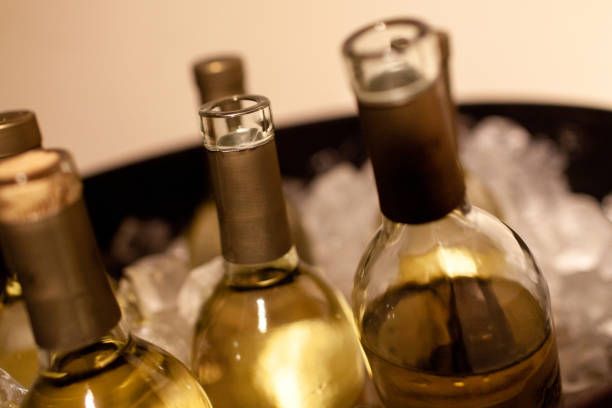
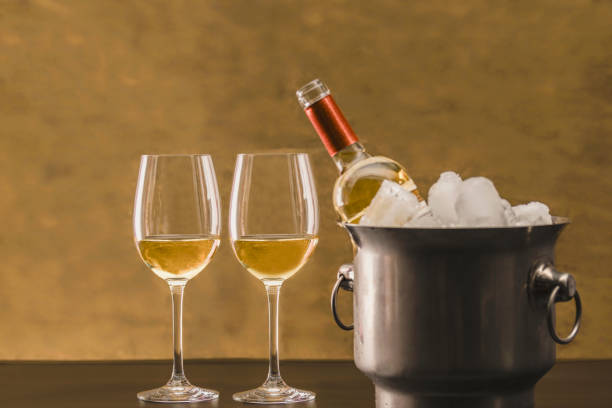
To achieve these temperatures, refrigerate standard bottles for 2–3 hours or use an ice bucket for 20–30 minutes before serving. Avoid over-chilling, as it masks subtle flavors. A wine thermometer or smart wine cooler helps maintain precision, ensuring every glass is served at its peak sensory potential.
Why Temperature Matters for Flavor and Aroma
Serving white wine at the correct temperature directly impacts taste and aroma perception. When wine is too cold, below 45°F (7°C), aromatic compounds become suppressed, muting floral, fruity, and spicy notes. Over-chilled wines also emphasize acidity, creating a sharp, one-dimensional experience.
Conversely, serving wine too warm—above 55°F (13°C)—amplifies alcohol and dulls freshness, making the wine taste flat or flabby. The ideal temperature unlocks balance, allowing acidity, sweetness, and body to harmonize.
For instance, a well-chilled Riesling highlights its vibrant citrus and minerality, while a slightly warmer Chardonnay reveals layered vanilla and stone fruit. Temperature also affects mouthfeel; cooler wines feel crisper, while warmer ones feel rounder.
Precision enhances enjoyment, so use a wine cooler or thermometer to maintain optimal serving temps, ensuring every sip delivers full flavor and aromatic complexity.
Common Mistakes in Chilling White Wine
One of the most frequent errors is over-chilling white wine, especially by storing it in the freezer too long or serving straight from a standard refrigerator (typically 35–40°F / 1–4°C). This numbs delicate aromas and accentuates harsh acidity, particularly in premium or aged whites.
Another mistake is under-chilling fuller-bodied wines, letting them warm too much and lose structure. People also often chill all whites to the same temperature, ignoring differences between light, aromatic, and oaked styles. Additionally, leaving wine out too long after chilling causes it to exceed ideal ranges, diminishing freshness.
To avoid these issues, use a wine-specific cooler or cooling sleeve for precise control. Remove lighter wines from the fridge 10–15 minutes before serving to let them warm slightly, and place fuller whites in the fridge for 30 minutes if stored at room temperature.
Tailoring the chill to the wine type ensures optimal balance, aroma, and taste.
How to Set Your Wine Cooler for White Wine
Step-by-Step Guide to Adjusting Cooler Settings
To properly set your wine cooler for white wine, start by ensuring the cooler is empty or has minimal bottles to allow accurate temperature adjustment. Locate the control panel, typically found inside the door or on the top front.
Press the temperature button and use the up or down arrows to adjust. Set the target temperature within the ideal range for white wines, which is between 45°F and 50°F (7°C–10°C). Wait at least 4–6 hours after adjusting before adding bottles to allow the internal climate to stabilize.
Avoid frequent changes, as this can cause temperature fluctuations that harm wine quality. If your cooler has multiple zones, dedicate the upper zone—typically cooler—to white wines. Always close the door tightly to maintain consistent cooling. For digital models, ensure the display reads the correct setting and isn’t in demo mode.
Following these steps ensures your white wines are stored at peak condition for optimal flavor and aroma when served.
Recommended Temperature Range for White Wines
The ideal temperature range for storing and serving white wine is 45°F to 50°F (7°C–10°C), which preserves freshness, acidity, and aromatic complexity. Lighter whites like Pinot Grigio and Sauvignon Blanc benefit from the cooler end of the spectrum—around 45°F–48°F—to highlight crispness and vibrant notes.
Fuller-bodied whites such as Chardonnay or Viognier can be stored closer to 50°F to allow their rich textures and nuanced flavors to express fully. Serving too cold masks aroma and taste, while too warm dulls acidity and increases alcohol perception.
Avoid setting your cooler below 40°F, as it risks freezing the wine and damaging corks. Use your cooler’s precision controls to maintain stability, as consistent temperature prevents premature aging. If serving directly from the cooler, allow the bottle to sit for a few minutes if it feels too cold.
Staying within this recommended range ensures every glass delivers balanced, refreshing character.
How to Calibrate Your Wine Cooler Thermometer
Over time, your wine cooler’s built-in thermometer may lose accuracy, leading to improper storage conditions. To calibrate it correctly, begin by placing a trusted standalone thermometer in the center of the cooler, ideally in a glass of water to mimic wine’s thermal mass.
Close the door and wait 8–12 hours for temperatures to stabilize. Compare the reading with the cooler’s display. If there’s a discrepancy, consult your user manual for calibration instructions—many digital models have a calibration mode accessible through button sequences. Adjust the internal sensor reading to match the standalone thermometer.
Repeat the test after adjustment to confirm accuracy. Calibrate every 6–12 months or if you notice inconsistent wine performance. This process ensures your white wines are stored at the precise temperature needed to maintain freshness, balance, and longevity.
Accurate calibration is a small step that makes a significant difference in wine quality.
Best Wine Coolers for Storing White Wine
Top Single-Zone Coolers for White Wine
For dedicated white wine storage, single-zone coolers are ideal due to their consistent temperature control across one compartment. The best models maintain a steady 45–50°F (7–10°C), which is the optimal range for preserving the crispness and acidity of white wines like Sauvignon Blanc, Pinot Grigio, and Chardonnay.
Units such as the Whynter 32-Bottle or the EdgeStar 18-Bottle offer vibration-reducing compressors and UV-protected glass doors to shield wine from light and movement. Adjustable shelves accommodate various bottle sizes, while front-venting designs allow for built-in or freestanding use. Look for digital thermostats with LED displays for precise monitoring.
These coolers ensure your whites are always ready to serve at their ideal temperature, enhancing aroma and flavor. Energy efficiency and quiet operation make them suitable for kitchens or entertainment areas where noise and power use matter.
Dual-Zone Coolers for Mixed Collections
If you store both white and red wines, dual-zone coolers provide independent temperature control for each compartment, making them highly versatile. The upper zone can be set to 45–50°F (7–10°C) for whites, while the lower zone maintains 55–65°F (13–18°C) for reds.
Models like the Koldfront 34-Bottle or NewAir 154-Can Dual Zone offer separate digital controls and lighting for easy management. This zoned precision prevents flavor transfer and ensures each wine type ages correctly. Full-extension wooden shelves and blue LED lighting enhance accessibility and aesthetics.
Dual-zone units are perfect for entertainment spaces where both chilled whites and room-temperature reds are served. By maintaining ideal white wine cooler temp in one section, these units deliver maximum storage flexibility without sacrificing performance or style.
Features to Look for in a White Wine Cooler
When selecting a white wine cooler, prioritize features that maintain stable temperature and humidity. Precise digital thermostats allow you to set and sustain the ideal 45–50°F (7–10°C) range crucial for white wine. Compressor-based cooling outperforms thermoelectric systems in larger units, offering better temperature consistency.
Look for UV-tinted, double-pane glass doors to block harmful light and improve insulation. Vibration dampening technology protects aging wine from disturbance, preserving sediment and flavor development. Adjustable, wooden shelves support different bottle types and allow for organized storage.
Front-venting designs enable seamless cabinetry integration, while quiet operation (under 39 dB) ensures suitability for living spaces. Finally, interior lighting and lockable doors add convenience and security. These features collectively ensure your white wines are stored under optimal, restaurant-grade conditions.
How Long to Chill White Wine in a Cooler
Average Chill Time in a Wine Fridge
Storing white wine in a dedicated wine fridge ensures consistent and optimal cooling. The ideal serving temperature for most white wines is between 45°F and 50°F (7°C to 10°C), which a wine fridge maintains effortlessly.
If the wine starts at room temperature (around 70°F), it typically takes 2 to 3 hours to reach the proper chill level in a wine fridge set to 45°F. Lighter whites like Pinot Grigio and Sauvignon Blanc benefit most from this range, preserving their crisp acidity and aromatic freshness.
Unlike a standard refrigerator, wine fridges offer humidity control and vibration reduction, protecting the wine’s quality over time. For best results, store white wines in the fridge long-term rather than chilling them just before serving. This allows for steady, even cooling without shocking the wine.
Always check the specific wine’s recommended serving temperature, as fuller-bodied whites like oaked Chardonnay may taste better slightly warmer—closer to 50°F.
Speed-Chilling Tips for Last-Minute Serving
When you need to chill white wine quickly, use fast-cooling techniques that bring the temperature down safely in under 30 minutes. The most effective method is the ice-water-salt bath: fill a bucket with ice, cold water, and a generous handful of salt, then submerge the bottle for 20–25 minutes.
The salt lowers the freezing point of water, accelerating heat transfer and chilling the wine faster than ice alone. Alternatively, wrapping the bottle in a damp towel and placing it in the freezer can work in a pinch—limit exposure to 15 minutes to prevent freezing or label damage.
Swirling the bottle gently in the ice bath improves circulation and speeds up cooling. Avoid shaking, as it can stir up sediment. Monitor the bottle closely to avoid over-chilling, which dulls flavors. Once chilled, serve promptly or transfer to a wine cooler to maintain temperature.
These tricks are ideal for spontaneous gatherings while preserving the wine’s balance and aroma.
When Not to Over-Chill White Wine
While chilling white wine enhances its refreshment, over-chilling masks delicate aromas and flattens flavors. Serving wine below 40°F can numb your palate, making fruity and floral notes hard to detect, especially in complex varieties like Riesling or Viognier. Over-chilled wine may also taste overly acidic or thin.
Full-bodied whites with oak aging, such as Chardonnay, are particularly vulnerable—serving them too cold suppresses their rich textures and nuanced layers. Instead, aim for 48°F to 52°F to allow these wines to express their full character.
If a wine is too cold, let it sit at room temperature for 5–10 minutes in the glass. Avoid extreme temperature swings, which can cause condensation and affect oxidation. The goal is balanced refreshment, not maximum cold.
By avoiding over-chilling, you preserve the wine’s intended profile and elevate the tasting experience, ensuring every sip delivers the winemaker’s vision.
Tips for Serving White Wine at the Right Temperature
How to Check Wine Temperature Before Serving
To serve white wine at its best, checking the temperature before pouring is essential. The ideal range for most white wines is between 45°F and 50°F (7°C–10°C). If the wine is too cold, subtle aromas and flavors can be muted; too warm, and it may taste flat or overly alcoholic.
To check, remove the bottle from the cooler or fridge and let it sit for a minute to stabilize. Then, gently feel the side of the bottle—a cool, slightly condensation-covered surface typically indicates the right range.
For precision, use your fingertip to gauge the glass’s chill after pouring a small test amount. Avoid relying solely on refrigerator settings, as actual bottle temperature can vary. If serving outdoors or in a warm environment, recheck every 15 minutes, as ambient heat can quickly raise the wine’s temperature.
Consistent monitoring ensures optimal flavor delivery with every glass.
Using a Wine Thermometer Accurately
A wine thermometer is one of the most reliable tools for achieving precise serving temperatures. To use it correctly, insert the probe into the neck of the bottle or dip it into a poured glass—never leave it in the bottle during storage.
Digital thermometers offer quick, accurate readings, while adhesive strip thermometers can be applied directly to the bottle for continuous monitoring. Wait at least 10–15 seconds for an accurate reading, especially if the wine has just been removed from a cooler. Calibrate your thermometer regularly to maintain accuracy.
Remember that different white wines have slightly different ideal temps—crisp Sauvignon Blancs thrive around 45°F, while fuller Chardonnays taste best at 50°F. Using a thermometer removes guesswork and elevates your serving precision, ensuring each varietal expresses its full aromatic and flavor profile.
This small step makes a big difference in wine enjoyment.
Adjusting for Room Temperature and Humidity
Room conditions significantly impact how white wine tastes after pouring, so adjusting for ambient temperature and humidity is crucial. In warm or humid environments, wine warms faster, potentially exceeding the ideal range within minutes. To counter this, serve slightly cooler—around 43°F—if the room is above 75°F (24°C).
Conversely, in air-conditioned or cooler spaces, take the wine out of the fridge a few minutes early to avoid over-chilling. Humidity can also affect how quickly condensation forms, influencing perceived chill. Use insulated wine sleeves or chilled coasters to maintain temperature during service.
For outdoor events, store bottles in insulated coolers with ice packs, pulling them out 10 minutes before serving. Monitoring the environment helps you anticipate changes and preserve the wine’s balance and freshness. Small adjustments based on surroundings ensure every guest enjoys the wine as intended.
Storing White Wine Long-Term in a Cooler
Ideal Conditions for Aging White Wine
To properly age white wine in a cooler, maintaining a consistent temperature between 50°F and 59°F (10°C to 15°C) is essential. This range slows chemical reactions, preserving delicate aromas and acidity while allowing gradual development of complex flavors.
Avoid temperatures above 60°F, as they accelerate aging and may lead to flat or oxidized wine. Humidity levels should remain around 60–70% to prevent corks from drying out, which could let air seep in and spoil the wine.
Use a wine-specific cooler with dual-zone cooling if storing both white and red wines. Ensure the unit has UV-resistant glass and minimal vibration, as light and movement can degrade wine quality over time. Monitor conditions with a standalone thermometer and hygrometer for accuracy, since built-in sensors may be unreliable.
Proper settings help white wines like Riesling, Chenin Blanc, or high-quality Chardonnay evolve gracefully for years.
How Temperature Fluctuations Affect Quality
Frequent temperature swings in a cooler can severely compromise white wine quality over time. When temperatures rise and fall, the wine expands and contracts, causing the cork to push in and out, which may let oxygen enter the bottle and lead to oxidation.
This results in browned color, flat aromas, and a stale, sherry-like taste—especially detrimental to crisp, aromatic whites. Even short spikes above 70°F can trigger premature aging. Conversely, repeated cooling can cause tartrate crystals to form, though harmless, they signal instability.
Thermal stress also disrupts sediment integration in aged whites, affecting texture. To prevent this, place the cooler in a stable environment away from sunlight, stoves, or vents. Choose a thermoelectric or compressor-based unit with precise temperature control and insulation.
Avoid opening the cooler frequently, and allow time for the interior to re-stabilize after access. Consistency is key for long-term integrity.
Best Practices for Bottle Placement in Coolers
Storing white wine bottles horizontally in a cooler helps keep the cork moist and maintains a tight seal, preventing air exposure and oxidation. This is especially important for long-term aging, even in screw-capped wines, as it ensures uniform conditions across collections.
Arrange bottles so they’re not touching walls or cooling elements to avoid localized temperature differences. Leave small gaps between bottles for consistent airflow and temperature distribution. Place older vintages toward the back and newer ones up front for easy rotation.
Avoid stacking bottles loosely or storing them upright for extended periods, as this can dry the cork. Use wooden or metal dividers to minimize vibration during cooler operation. If your cooler has shelves, opt for angled or cradle-style racks that support the full base.
Proper placement not only preserves quality but also protects labels and eases inventory management over years of aging.
Troubleshooting White Wine Cooler Temperature Issues
What to Do If Your Cooler Is Too Cold
If your white wine cooler is too cold, first check the temperature setting—many models recommend 45–50°F (7–10°C) for optimal white wine storage. Adjust the thermostat to a slightly warmer setting and wait 24 hours to assess stability.
Ensure the door seal is intact and closing tightly, as cold air escaping can cause the unit to overcompensate. Avoid overloading the cooler, as poor air circulation can create cold spots. If the issue persists, unplug the unit for 15 minutes to reset the cooling system, then restart.
Verify ambient room temperature—coolers in garages or near heat sources may struggle to regulate internal temps. Consider using a separate standalone thermometer inside the unit to confirm accuracy, as built-in displays can be unreliable. If all else fails, consult the manufacturer or a technician for potential thermostat or sensor malfunctions.
Signs Your Wine Cooler Isn’t Maintaining Temperature
Common signs your wine cooler isn’t maintaining proper temperature include condensation or frost buildup inside the unit, which indicates humidity fluctuations or overcooling. Wine labels peeling or corks drying out suggest temperature swings affecting seal integrity. Noticeable temperature differences between top and bottom shelves may point to airflow issues.
Frequent compressor noise or the unit running constantly can signal cooling inefficiency. Use an external thermometer to verify internal conditions—consistent readings outside the ideal 45–55°F (7–13°C) range require action. Check for door seal gaps or debris preventing a tight closure.
Also, inspect the ventilation space around the unit; poor clearance can impair heat dissipation. If the digital display fluctuates wildly, the temperature sensor may need recalibration or replacement. Early detection helps prevent wine spoilage and costly repairs.
How to Fix Inconsistent Cooling in Wine Fridges
To fix inconsistent cooling, start by cleaning the condenser coils—dust buildup reduces efficiency and causes temperature fluctuations. Ensure proper ventilation around the unit, with at least 2–3 inches of space at the back and sides.
Verify the door gasket seals tightly; clean it with mild soap and replace if cracked or loose. Rearrange bottles to allow airflow—overpacking blocks circulation and creates hot or cold zones. Reset the unit by unplugging for 10–15 minutes to reboot the control board.
Check the location—avoid placing the cooler near ovens, dishwashers, or direct sunlight. Use a wine fridge thermometer to monitor actual internal temps versus display readings. If cooling remains unstable, inspect the evaporator fan or defrost system, especially in frost-free models.
Persistent issues may require professional service to diagnose faulty thermostats, sensors, or refrigerant leaks.
Frequently Asked Questions
What is the ideal temperature for storing white wine in a wine cooler?
The ideal temperature for storing white wine in a wine cooler is between 45°F and 50°F (7°C to 10°C). This range preserves the wine’s flavor, aroma, and acidity while keeping it ready to serve slightly chilled.
Can I store all types of white wine at the same temperature?
Most white wines do well between 45°F and 50°F, but lighter whites like Pinot Grigio and Sauvignon Blanc are best at the cooler end (45°F–48°F), while fuller-bodied whites like Chardonnay can be stored closer to 50°F for optimal flavor expression.
How long does it take for a white wine to reach the ideal serving temperature in a wine cooler?
It typically takes 2 to 4 hours for a room-temperature white wine to reach the ideal serving temperature in a wine cooler set to 45°F–50°F. For faster chilling, a refrigerator or ice bucket can be used briefly before serving.
Should I serve white wine directly from the wine cooler?
Yes, if your wine cooler is set to the ideal range of 45°F–50°F, white wine can be served directly from it. This temperature is perfect for preserving the wine’s refreshing qualities and aromatic profile.
What happens if my wine cooler is too cold?
If your wine cooler is set below 40°F, it can overly dull the aromas and flavors of white wine and potentially damage the wine’s structure over time. Extremely low temperatures may also cause some wines to freeze and expand, risking leakage or cork displacement.
How do I set and monitor the temperature in my white wine cooler?
Use the digital thermostat on your wine cooler to set the temperature between 45°F and 50°F. Place a standalone thermometer inside to verify accuracy, especially if serving important bottles, as built-in controls can sometimes be imprecise.
Conclusion
Maintaining the ideal temperature for white wine coolers—between 45°F and 50°F—enhances their refreshing taste and aromatic profile. Too cold, and flavors dull; too warm, and the drink loses its crisp appeal. Using a dedicated wine cooler or chilling bottles properly ensures optimal enjoyment. By paying attention to temperature, you elevate every sip. Cheers to perfectly chilled white wine coolers that delight your palate and impress your guests every time!
