
What Wine To Drink With Salmon
Choosing the right wine for salmon doesn’t have to be a mystery. In this quick guide, we’ll match you with the perfect sips—whether you’re grilling, baking, or serving raw. Expect crisp whites like Sauvignon Blanc, buttery Chardonnay, or a light rosé to complement the fish’s richness, plus a few red options for adventurous palates. We’ll break down why each choice works, so you can serve a glass that elevates every bite without overthinking and impress your dinner guests effortlessly tonight.
How to Choose the Right Wine for Salmon
Consider the Cooking Method
Start by looking at how the salmon is prepared, because the cooking method shapes the wine’s role. Grilled or broiled salmon develops smoky, caramelized notes that pair well with a lightly oaked Chardonnay or a dry rosé, both of which can stand up to the char without overwhelming the fish.
Pan‑seared salmon often has a buttery crust; a fuller‑bodied white such as Viognier or a crisp Pinot Noir can echo the richness while adding fruit nuance.
Poached or baked salmon is milder, so opt for a delicate white like Sauvignon Blanc or an aromatic Riesling with low residual sugar to highlight subtle herbs and citrus.
Smoked salmon brings intense salt and smoke, demanding a wine with bright acidity and a touch of sweetness; try an off‑dry Gewürztraminer or a sparkling Prosecco. Matching the wine to the cooking style ensures the drink enhances, rather than competes with, the dish’s texture and flavor.
Match the Flavor Profile
When you think about the flavor profile of salmon, consider the natural richness and the seasoning you use, then select a wine that mirrors or complements those notes.
Salmon with herb‑based sauces—such as dill, parsley, or tarragon—pairs nicely with a herbaceous white like Grüner Veltliner, whose peppery edge highlights the greens while keeping the palate fresh.
Salmon glazed with honey, maple, or orange introduces sweet‑spicy layers; a slightly off‑dry Riesling or a Chenin Blanc with a hint of residual sugar can echo the glaze without turning cloyy.
Spicy or Asian‑inspired salmon—think soy‑ginger or miso marinades—calls for a wine with bright acidity and subtle fruit, such as a cool‑climate Pinot Gris or an Albariño, which can cut through the umami and balance heat.
Earthy or mushroom‑topped salmon benefits from a wine with earthy undertones, like a lightly oaked Chardonnay or a red‑fruit‑forward Gamay, allowing the woodsy flavors to resonate. By aligning the wine’s dominant characteristics with the dish’s taste direction, you create a harmonious dining experience.
Balance Acidity and Fat
The key to pairing wine with salmon lies in balancing the fish’s natural fat with the wine’s acidity, creating a refreshing counterpoint that cleanses the palate.
High‑acid whites such as Sauvignon Blanc, Vermentino, or a crisp Chablis deliver bright citrus and green‑apple notes that cut through the buttery mouthfeel of salmon, especially when it’s served with cream‑based sauces.
Sparkling wines—including Brut Champagne, Cava, or a dry Prosecco—offer effervescence and sharp acidity, which lift the richness and add a celebratory texture.
If you prefer a red, choose one with moderate tannins and pronounced acidity, like a chilled Pinot Noir or a Gamay from Beaujolais, both of which provide fruit‑forward flavors without overwhelming the fish’s silkiness.
For richer preparations, such as salmon in a beurre blanc or a miso‑glaze, a slightly fuller white like an oaked Chardonnay with balanced acidity can mirror the sauce’s depth while still providing enough zest.
By matching the wine’s acid level to the salmon’s fat content, every sip refreshes and prepares you for the next bite.
What Types of White Wine Pair Well with Salmon
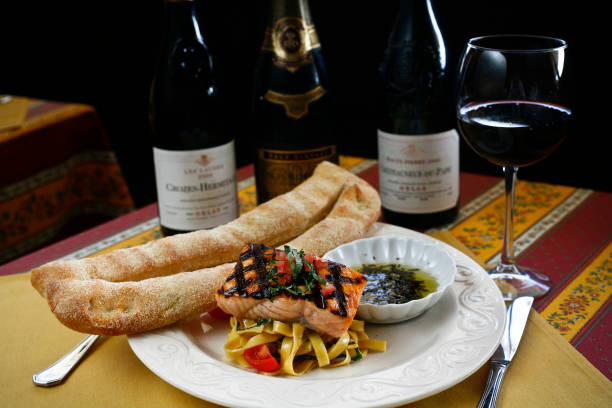
Chardonnay and Its Variations
When pairing salmon with Chardonnay, look for styles that balance the fish’s rich, buttery texture with the wine’s acidity and fruit.
Unoaked or lightly oaked Chardonnays from cooler climates, such as Chablis or a Sonoma Coast bottling, provide crisp green‑apple and citrus notes that cut through the salmon’s fattiness without overwhelming it.
If you prefer a fuller mouthfeel, choose a moderately oaked Chardonnay with subtle vanilla and toasted almond nuances; these complement grilled or pan‑seared salmon, especially when finished with a beurre blanc or herb butter.
The key is to match the wine’s acidity level to the cooking method: higher acidity for poached or sushi‑style preparations, and a richer texture for roasted or smoked varieties.
Serve the wine slightly chilled, around 50‑55°F (10‑13°C), to keep the flavors bright and ensure the pairing remains harmonious throughout the meal.
Sauvignon Blanc for Fresh Flavors
Sauvignon Blanc shines when paired with salmon that highlights bright, herbaceous flavors. Crisp, high‑acid Sauvignon Blancs from regions like New Zealand’s Marlborough or France’s Loire Valley bring notes of lime, green pepper, and freshly cut grass that echo the citrus‑based sauces often served with grilled or baked salmon.
The wine’s lively acidity lifts the natural oil of the fish, while its subtle herbaceous edge complements dill, tarragon, or fennel garnish. For salmon prepared with a light vinaigrette, a Sauvignon Blanc with a touch of tropical fruit—such as passionfruit or guava—adds a pleasant contrast without masking the delicate protein.
Keep the temperature around 45‑50°F (7‑10°C) to preserve the aromatic intensity. This pairing works especially well for salmon salads, ceviche‑style dishes, or poached fillets served with a squeeze of lemon, ensuring each bite feels refreshed and balanced.
Pinot Gris and Lightly Oaked Options
Pinot Gris offers a versatile bridge between the buttery richness of salmon and a wine’s subtle fruit character. Lightly oaked Pinot Gris from Alsace or Oregon delivers soft stone‑fruit aromas—pear, peach, and a hint of honey—paired with enough acidity to cleanse the palate after each bite.
This balance works beautifully with salmon prepared in a creamy dill sauce or a modest miso glaze, where the wine’s gentle sweetness mirrors the glaze without turning cloying.
For a fresher approach, choose an unoaked or minimally oaked Pinot Gris that emphasizes citrus zest and mineral notes; these complement seared salmon topped with a lemon‑herb vinaigrette or served alongside a quinoa‑vegetable medley.
Serve the wine slightly cooler than room temperature, around 48‑52°F (9‑11°C), to keep its aromatic profile lively. The result is a harmonious pairing that highlights the fish’s texture while allowing the wine’s nuanced flavors to shine.
Which Red Wines Complement Salmon Dishes
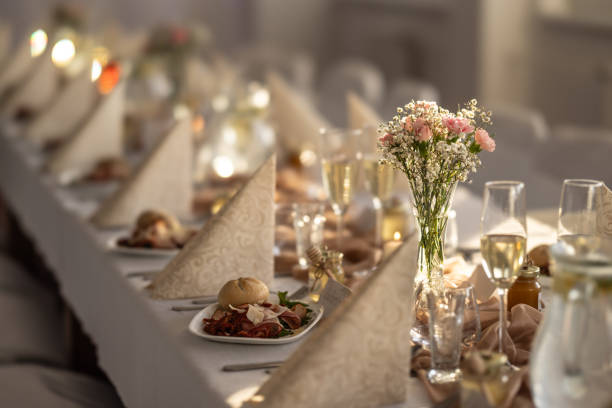
Pinot Noir for Lightly Cooked Salmon
Pinot Noir’s bright acidity and subtle fruit make it a natural partner for lightly cooked salmon, whether it’s poached, grilled, or pan‑seared. Look for a cooler‑climate Pinot with red‑berry notes, a hint of earth, and soft tannins; these qualities echo the delicate texture of the fish without overwhelming it.
Serve the wine slightly chilled, around 55°F, to enhance its freshness and keep the palate lively.
Pairing a Pinot with a citrus‑y herb sauce, such as dill‑lemon or a light mustard glaze, creates a harmonious balance where the wine’s acidity cuts through the richness while the fruit complements the sauce’s brightness.
Choose bottles from Oregon’s Willamette Valley or Burgundy’s Côte d’Auxerre for reliable expressions that consistently deliver the right blend of elegance and approachability for salmon dishes. Serve the wine in a medium‑sized glass to allow its aromatics to unfold, and enjoy the synergy with each bite.
Gamay and Light‑bodied Reds
Gamay, the grape behind Beaujolais Nouveau, offers bright cherry and raspberry flavors, low tannins, and a refreshing acidity that pairs beautifully with salmon prepared in a light sauce or served cold as a tartare.
Its fruit-forward profile complements the natural sweetness of the fish while the wine’s lively backbone keeps the palate from feeling heavy.
Opt for a Beaujolais Villages or a Cru such as Morgon for more structure and subtle earthy notes that can stand up to richer preparations like salmon with a miso glaze or a honey‑soy reduction. Serve the wine slightly chilled, around 50‑55°F, to highlight its crispness.
Pairing suggestions include a cucumber‑mint salad or a dill‑yogurt dressing, both of which echo the wine’s herbaceous edge and enhance the overall dining experience. The versatility of Gamay makes it a reliable choice for a range of salmon dishes, from grilled fillets to poached portions.
Avoid Heavy Tannins
Heavy‑tannin reds such as Cabernet Sauvignon, Syrah, or mature Merlot can clash with salmon because their firm structure and bitter edge mask the fish’s delicate flavors and create an unbalanced mouthfeel.
The high tannin content tends to dry out the palate, making the buttery or oily texture of salmon feel harsh rather than harmonious. Instead, opt for lighter reds with soft tannins or choose a white or rosé if you prefer a more classic match.
If you must stay with a red, select a young, fruit‑driven Pinotage or a chilled Sangiovese that offers enough acidity to cut through the richness without overwhelming the dish.
Serve these alternatives at cellar temperature, about 55‑60°F, and pair them with complementary sides like roasted asparagus, a citrus vinaigrette, or a light quinoa salad. By steering clear of heavy tannins, you preserve the salmon’s natural sweetness and ensure each sip enhances rather than competes with the meal.
Tips for Pairing Wine with Different Salmon Preparations
Grilled or Pan‑Seared Salmon
Pair a crisp, aromatic white such as Sauvignon Blanc or a lightly oaked Chardonnay with grilled or pan‑seared salmon. The high acidity cuts through the char and balances the buttery flesh, while subtle oak notes echo the smoky crust.
If you prefer red, choose a cool‑climate Pinot Noir; its soft tannins and bright red fruit complement the caramelized exterior without overwhelming the fish. Serve the wine slightly chilled (around 55°F) to enhance freshness.
For an extra touch, add a splash of citrus‑infused sparkling water to the glass, which mirrors the lemon zest often used in the seasoning. Pair it with a side of grilled asparagus to echo the herbaceous notes.
Baked or Poached Salmon
For baked or poached salmon, opt for an elegant white with a touch of richness, such as an oaked Viognier or a lightly buttery white Burgundy. The silky texture of these wines mirrors the tender, moist flesh, while their subtle spice notes complement the gentle seasoning often used in baking.
If you enjoy rosé, choose a dry Provençal style; its crisp acidity and red‑fruit nuance lift the delicate flavor without masking it. Serve the wine at cellar temperature (12‑13°C) to maintain balance.
Adding a few fresh herbs like dill or tarragon to the plate enhances the wine’s floral aromatics, creating a harmonious pairing.
Salmon in Creamy Sauces
Rich, creamy salmon dishes call for wines that can stand up to the sauce without becoming lost. A buttery, medium‑bodied Chardonnay from a cooler climate offers balanced acidity and a creamy mouthfeel that mirrors the sauce’s texture.
Alternatively, a white Rhône blend with Viognier and Marsanne provides honeyed notes and enough weight to match the richness. For a red option, a lightly chilled Beaujolais Nouveau delivers soft tannins and bright berry flavors that cut through the cream.
Serve the wine slightly cooler than usual (10‑12°C) to keep the palate fresh. Garnish the plate with a sprinkle of toasted pine nuts; the nutty aroma will echo the wine’s subtle oak influence.
Spicy or Asian‑Inspired Glazes
Spicy or Asian‑inspired salmon glazes thrive with wines that offer a hint of sweetness and refreshing acidity. An off‑dry Riesling from Germany or Alsace delivers bright acidity and a touch of residual sugar that tames heat while highlighting ginger or chili notes.
A Gewürztraminer works well too, with aromatic spice and a lush palate that complements soy‑based sauces. If you prefer red, a chilled Lambrusco provides light fizz and juicy fruit that cools the palate between bites. Serve the wine chilled (8‑10°C) to maximize its refreshing qualities.
Pair with a side of jasmine rice and cucumber ribbons; the cool vegetables echo the wine’s crisp finish.
Best Wine Pairings for Smoked Salmon
Champagne and Sparkling Wines
Champagne and sparkling wines are a classic match for smoked salmon because their lively acidity and fine bubbles cut through the fish’s buttery texture. Choose a Brut or Extra‑Brut style to keep the palate fresh; the subtle citrus and green‑apple notes highlight the salmon’s smoky nuance without overwhelming it.
A dry Prosecco works as a budget‑friendly alternative, offering delicate floral aromas that complement the herbaceous dill often served with the dish. When selecting a bottle, look for moderate alcohol (10‑12% ABV) to ensure the wine remains light enough to let the salmon shine.
Serve the wine well‑chilled, around 45°F (7°C), and consider pairing with a light toast or cucumber garnish to enhance the crisp, refreshing experience. The effervescence also cleanses the palate between bites, making each mouthful feel renewed.
For a luxurious twist, try a vintage Blanc de Blancs, which adds subtle brioche and almond nuances that echo the salmon’s richness.
Dry Rosé for Bright Contrast
Dry Rosé offers a bright, fruit‑forward contrast that pairs beautifully with the smoky depth of salmon. Select a Provence‑style rosé with pale pink hue, showcasing flavors of strawberry, watermelon, and a hint of citrus zest.
These light red fruit notes lift the richness of the fish while the wine’s crisp acidity balances the saltiness of the cure. Look for a rosé with moderate tannins and 11‑12% ABV, ensuring it remains refreshing rather than heavy.
Serve chilled at 50‑55°F (10‑13°C) and pair with a side of fresh greens or a light vinaigrette to echo the wine’s herbal undertones. The subtle minerality often found in Mediterranean rosés adds an elegant backdrop, making each bite of smoked salmon feel more nuanced and vibrant.
A dry rosé also pairs well with common accompaniments such as capers, dill, or a squeeze of lemon, reinforcing the citrus spark. For an extra layer of complexity, choose a rosé aged on lees, which contributes a creamy texture that mirrors the silky mouthfeel of the salmon.
Light‑bodied White Wines
Light‑bodied white wines such as Sauvignon Blanc, Pinot Grigio, or unoaked Chardonnay provide a clean, mineral canvas that lets smoked salmon’s flavor shine. Opt for wines with bright acidity (7‑9% ABV) and notes of green apple, lime, and subtle herbaceous undertones.
These characteristics cut through the oiliness of the fish while echoing the dill and lemon often used in preparation. A Sauvignon Blanc from the Loire Valley, with its flinty minerality and crisp citrus, pairs especially well with the smoky profile, creating a refreshing contrast.
Pinot Grigio from Italy offers a softer palate with delicate pear and almond hints, complementing the salmon’s delicate texture without overpowering it. Serve the wine chilled at 48‑52°F (9‑11°C) and consider a garnish of microgreens to mirror the wine’s fresh, garden‑like aroma, enhancing the overall dining experience.
A citrus zest in the glass, such as a slice of lemon or rosemary, can align the wine’s profile with the salmon’s seasoning.
For those who enjoy a oak influence, a oaked Chardonnay with buttery notes can add depth while preserving the wine’s acidity, making it a partner for plain and herb‑marinated smoked salmon.
How to Serve and Store Wine for Salmon Meals
Ideal Serving Temperatures
Chill your wine to the right temperature to let the flavors shine alongside salmon. For light whites such as Sauvignon Blanc or Pinot Grigio, aim for 45‑48°F (7‑9°C); this coolness preserves crisp acidity that cuts through the fish’s richness.
Fuller‑bodied whites like Chardonnay benefit from a slightly warmer range, 50‑55°F (10‑13°C), which allows buttery notes to emerge without becoming flabby. If you prefer a sparkling option, serve it at 40‑45°F (4‑7°C) to keep bubbles lively.
Red wines can work, but only when served lightly chilled at 55‑60°F (13‑16°C), which softens tannins and highlights fruit. Use a wine thermometer or an ice‑water bath for consistency.
Adjust the temperature by a few degrees if your salmon is heavily smoked or paired with a creamy sauce, as the richer dish tolerates a warmer pour on the table.
Glassware Recommendations
Choosing the right glass enhances the wine‑salmon partnership by directing aromas to your nose and guiding the sip to your palate. For crisp whites such as Riesling or Albariño, select a U‑shaped white wine glass with a narrow rim; this concentrates delicate floral notes and preserves the chill.
When serving an oaked Chardonnay, a slightly larger balloon‑style glass allows the wine to breathe, releasing buttery and vanilla nuances that echo the fish’s buttery glaze. Sparkling wines benefit from a flute; its tall, slender shape maintains carbonation while focusing the citrus sparkle that brightens salmon’s richness.
If you opt for a light‑bodied red like Pinot Noir, a medium‑size Bordeaux glass with a broader bowl softens tannins and showcases red‑fruit aromas that complement a grilled or teriyaki glaze. Avoid overly thick or decorative stems, as they can trap heat and mute subtle flavors.
Clean, thin‑walled glasses also let you see the wine’s color, an extra visual cue for pairing success.
Storing Open Bottles
Properly storing an opened bottle ensures the wine retains its bright acidity and subtle fruit that pair so well with salmon. First, reseal the bottle with a vacuum pump stopper; removing air slows oxidation and keeps the wine’s aromatic profile intact for up to five days.
If you lack a pump, a screw‑cap or rubber stopper works, but store the bottle upright to minimize surface area exposed to oxygen. Keep the wine in a cool, dark place—ideally a refrigerator for whites and a slightly warmer cellar for reds—maintaining a steady temperature of 45‑55°F (7‑13°C).
Before serving, allow chilled whites to warm a few degrees to release their bouquet, and let lightly chilled reds sit for ten minutes to soften any sharp edges. Avoid storing near strong‑smelling foods, as wine can absorb odors through the cork.
By following these steps, each glass will continue to complement the salmon’s texture and flavor, whether you’re enjoying a quick lunch or a lingering dinner.
Common Pairing Mistakes and How to Avoid Them
Choosing Overly Oaked Wines
One frequent error is reaching for heavily oaked Chardonnay or barrel‑aged white wines. The strong vanilla, butter, and toast notes can overwhelm the delicate, buttery texture of salmon and mask its subtle flavors.
Instead, choose a lightly oaked or unoaked white such as a crisp Sauvignon Blanc, a mineral‑driven Chablis, or a bright Pinot Gris. Select wines with moderate acidity to cut through the fish’s richness without dominating it.
If you prefer a richer profile, opt for a lightly oaked Chardonnay with restrained oak influence, ensuring the oak level stays under the fish’s flavor intensity. By keeping oak levels low, you preserve the salmon’s natural sweetness and allow the wine’s fruit and acidity to complement rather than clash.
Pair the wine with a simple lemon‑herb glaze or a light dill sauce to keep the palate fresh, and avoid heavy butter sauces that would reinforce the oak heaviness.
Ignoring the Sauce Influence
Another common slip is focusing only on the fish itself and overlooking the sauce or seasoning that accompanies it.
A salmon dish dressed in a sweet teriyaki glaze, honey‑mustard glaze, or rich cream sauce demands a wine that can balance sweetness and richness, not a dry, high‑acid white that would taste sharp.
Match the wine’s flavor profile to the sauce: for a honey‑glazed salmon, choose an off‑dry Riesling or a slightly sweet Gewürztraminer that mirrors the glaze’s honeyed notes while providing enough acidity to cleanse the palate.
For a buttery dill or lemon‑butter sauce, a medium‑bodied white such as a Viognier or an unoaked Chardonnay works well, offering fruit depth without overwhelming the sauce.
By aligning the wine with the sauce’s character, you prevent the wine from being drowned out or from clashing with the dish’s sweet or creamy components.
Mismatching Sweetness Levels
Pairing a dry wine with a salmon preparation that contains natural or added sweetness is a frequent misstep. The sugar in a maple‑glazed or orange‑marinade salmon can make a crisp Sauvignon Blanc or a lean Pinot Grigio taste overly austere, leaving the palate feeling thin.
Balance sweetness by selecting a wine with a hint of residual sugar or by choosing a wine whose fruit ripeness mirrors the dish’s sweet elements.
An off‑dry Chenin Blanc, a lightly sweet Albariño, or a semi‑sweet rosé provides enough fruit sugar to echo the glaze while retaining acidity to cut through the fish’s oil.
Conversely, if the salmon is served plain or with a tangy vinaigrette, a dry, high‑acid wine such as a Chablis or a Grüner Veltliner will keep the meal lively. By calibrating the wine’s sweetness to the dish’s level, you maintain harmony and prevent either side from dominating the other.
Frequently Asked Questions
What type of white wine pairs best with salmon?
A crisp, acidic white like Sauvignon Blanc or a lightly oaked Chardonnay complements the richness of salmon without overwhelming its flavor.
Can I serve rosé with salmon?
Yes, a dry rosé with bright fruit notes works well, especially with grilled or poached salmon, as it balances the fish’s buttery texture.
What red wines are suitable for salmon dishes?
Light‑bodied reds such as Pinot Noir or Gamay are good choices; their low tannins and subtle fruit enhance salmon without clashing with its delicate flavor.
How does the cooking method affect wine selection for salmon?
Pan‑seared salmon pairs nicely with fuller‑bodied whites like Chardonnay, while smoked or cold‑smoked salmon shines with sparkling wines or crisp whites such as Albariño.
Should I consider the sauce when choosing wine for salmon?
Absolutely—creamy dill sauces call for buttery Chardonnay, citrus‑y sauces match well with Sauvignon Blanc, and a light tomato‑based glaze can be complemented by a dry rosé.
Are there any sparkling wines that go well with salmon?
Brut Champagne or a dry Prosecco offers bright acidity and fine bubbles that cut through salmon’s richness, making them excellent for appetizers or brunch preparations.
Conclusion
Pairing salmon with wine is simple when you focus on balance, acidity, and flavor harmony. Light‑to‑medium reds like Pinot Noir, aromatic whites such as Sauvignon Blanc, and crisp rosés all complement the fish’s richness without overwhelming it. Remember to match the preparation—grilled, smoked, or creamy sauces may shift the ideal choice. Experiment, enjoy the pairings, and let each sip elevate your salmon experience.