
What Wine To Drink With Pork
Finding the perfect wine for pork doesn’t have to be a mystery. Whether you’re grilling a juicy rib chop, slow‑roasting a tender loin, or serving a sweet‑and‑savory glaze, we’ve got the ideal pairings ready for you. From crisp whites that cut through richness to light reds that complement subtle spice, our quick guide will match the right bottle to every pork dish, so you can sip confidently and enjoy every bite. Plus, we’ll share a few budget‑friendly tips to try.
How to Choose the Right Wine for Pork Dishes
Consider the Cooking Method
Start by looking at how the pork is prepared, because the cooking method shapes the dish’s texture and flavor intensity.
Grilling or barbecuing adds smoky char and caramelized edges, which pair well with wines that have bright acidity and a touch of fruit, such as a crisp Riesling or a lightly oaked Chardonnay.
Roasting creates a richer, slightly sweet crust; here a medium‑bodied Pinot Noir or an aromatic Gewürztraminer can echo the caramel notes without overwhelming the meat.
For braised or slow‑cooked pork, the sauce often carries deep, savory depth; a fuller red like a Grenache‑based blend or a dry rosé with enough structure will stand up to the tenderness.
Finally, pan‑seared pork medallions benefit from a wine with enough acidity to cut through the pan juices—think of a Sauvignon Blanc or a sparkling Prosecco. Matching the cooking technique to the wine’s body and acidity ensures harmony on the palate.
Match the Flavor Profile
Identify the dominant flavors in the pork dish and choose a wine that mirrors or complements them.
Sweet‑and‑savory glazes, such as apple, honey, or maple, call for wines with a hint of residual sugar; an off‑dry Chenin Blanc or a slightly sweet Vouvray will echo the glaze while keeping the palate fresh.
Spicy rubs featuring cumin, paprika, or chili benefit from wines with bright fruit and a touch of spice, like a Zinfandel with jammy blackberry notes or an Australian Shiraz that can handle heat.
Herb‑forward preparations—think rosemary, thyme, or sage—pair nicely with aromatic whites such as a Grüner Veltliner or an herbaceous Sauvignon Blanc, whose green nuances echo the seasoning.
For dishes that incorporate tangy elements like mustard or citrus, look for wines with crisp acidity and minerality; a dry Riesling or a sparkling Crémant can cut through the zing and enhance the overall balance. Aligning the wine’s flavor profile with the dish’s key tastes creates a cohesive dining experience.
Balance Fat and Acidity
Pork often carries a pleasant richness, so the wine should provide enough acidity to cut through the fat and keep the palate lively.
High‑acid whites such as a Sauvignon Blanc, a crisp Albariño, or a unoaked Chardonnay deliver bright citrus and green apple notes that dissolve buttery mouthfeel without clashing with the meat.
If you prefer red, choose a lighter‑bodied, high‑tannin option like a Pinot Noir or a Barbera; the gentle tannins grip the fat while the natural acidity lifts the flavors.
For dishes with creamy sauces, a sparkling wine—Champagne, Prosecco, or a dry Cava—offers bubbles that act as a palate cleanser, while the acidity balances the sauce’s richness.
When the pork is served with a fruit‑based sauce, consider a wine that mirrors the fruit’s acidity, such as a dry Rosé or a slightly chilled Gamay; the fruit‑forward profile and lively acidity will harmonize with both the pork and the sauce.
By matching the wine’s acidity level to the dish’s fat content, you ensure each sip refreshes the next bite.
What Types of Red Wine Pair Best with Pork
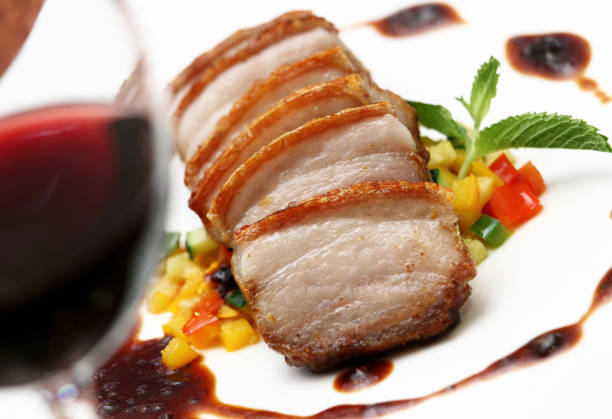
Pinot Noir for Lightly Seasoned Pork
When serving lightly seasoned pork—think herb‑rubbed tenderloin or simple salt‑and‑pepper chops—a Pinot Noir is an ideal match. Its bright acidity cuts through the meat’s natural fattiness while the subtle red‑fruit aromas echo the gentle herbs.
Choose a Pinot from cooler climates, such as Burgundy or Oregon, where the wine offers silky tannins and a hint of earthiness. Serve slightly chilled (around 55°F) to enhance freshness, and pair with side dishes like roasted carrots or a light apple compote.
The wine’s soft structure won’t overwhelm the pork, allowing the delicate seasoning to shine. For an extra layer of harmony, drizzle a splash of balsamic reduction over the meat; the acidity mirrors the wine’s crisp finish, creating a balanced, elegant dining experience.
Pair it with a glass of chilled Pinot while the pork rests, letting the flavors meld and the palate refresh before the next bite.
Zinfandel with Barbecue Glaze
For pork slathered in a sweet‑spicy barbecue glaze, a Zinfandel delivers the bold fruit and peppery spice needed to stand up to the sauce. The wine’s ripe blackberry and plum notes echo the caramelized sugars, while its moderate tannins cut through the richness of the glaze.
Opt for a California Zinfandel with 12‑14% alcohol, which provides enough body without overwhelming the meat. Serve at cellar temperature (around 60‑65°F) to keep the fruit forward and the spice bright. Complement the pairing with smoky grilled corn or a tangy coleslaw to balance the sweetness.
If you like extra heat, add a pinch of smoked paprika to the pork; the wine’s inherent peppery edge will mirror that flavor, creating a cohesive, satisfying bite after bite. Enjoy the combination with a cold glass, letting the Zinfandel’s smooth finish linger as you savor each flavorful morsel.
Grenache for Spicy Rubs
When pork is coated in a fiery rub of cumin, chili flakes, and garlic, a Grenache offers the perfect balance of fruit and gentle spice to tame the heat.
Its bright red‑berry profile, with hints of raspberry and subtle white‑pepper notes, mirrors the rub’s complexity while its moderate acidity refreshes the palate. Choose a dry Grenache from the Southern Rhône or Spain, aiming for a medium body that won’t drown the meat’s texture.
Serve slightly cooler than room temperature (around 58°F) to keep the fruit vivid and the spice subtle. Pair the dish with roasted sweet potatoes or a quinoa salad tossed in olive oil and lemon, which complement the wine’s soft tannins.
For an extra twist, finish the pork with a drizzle of pomegranate molasses; the wine’s natural fruitiness will echo this sweet‑tart accent, creating a harmonious, layered experience.
What White Wines Complement Pork
Chardonnay for Creamy Sauces
Pairing pork with a buttery Chardonnay works best when the dish features rich, creamy sauces. Choose an oaked Chardonnay with enough acidity to cut through the fat, highlighting the pork’s tenderness. Look for flavors of toasted apple, vanilla, and a hint of butter that echo the sauce’s richness.
When serving a pork tenderloin in a mushroom‑cream sauce, drizzle a splash of the wine into the pan to deglaze, then serve the same wine chilled alongside the plate. Serve at 10‑12°C to maintain freshness and prevent the wine from becoming overly alcoholic.
This match balances the silkiness of the sauce with the wine’s bright citrus notes, creating a harmonious mouthfeel that elevates both components. For a pork chop glazed with a light cream mustard, the Chardonnay’s subtle oak complements the mustard’s tang while its buttery texture mirrors the glaze.
Taste the wine first to ensure the oak isn’t overpowering; a medium‑oaked style is ideal for most pork preparations.
Riesling for Sweet and Spicy
Riesling shines when pork is prepared with sweet‑heat flavors, such as honey‑glazed ribs or a spicy Asian‑inspired stir‑fry. Select an off‑dry Riesling with residual sugar that balances the heat while preserving crisp acidity.
Aromas of peach, apricot, and subtle floral notes echo the caramelized glaze, while the wine’s natural minerality tempers chili heat.
When cooking pork belly with a five‑spice rub, finish the dish with a splash of Riesling in the pan to lift the spices, then serve the same wine chilled at 8‑10°C. Sip slowly to let the fruit‑forward profile soften the spice, creating a harmonious contrast.
This pairing works especially well with dishes that include pineapple or mango salsa, as the wine’s sweetness mirrors the fruit and its acidity keeps the palate refreshed.
Pair it with a side of lightly pickled cucumber to add a bright crunch that complements the Riesling’s acidity and enhances the overall balance.
Sauvignon Blanc for Herb‑Infused Pork
Sauvignon Blanc is the go‑to wine for pork dishes brightened by fresh herbs like rosemary, thyme, or basil. Choose a crisp, citrus‑driven Sauvignon Blanc that offers green‑pepper notes and a lively acidity to match herbaceous flavors.
When grilling pork chops seasoned with a rosemary‑garlic rub, brush the meat with a lemon‑herb vinaigrette and serve the wine chilled at 9‑11°C. The wine’s zesty lime and grapefruit aromas echo the citrus in the glaze, while its herb‑like undertones mirror the rosemary, creating a seamless flavor bridge.
Taste the wine first to ensure the minerality is pronounced; a New Zealand or Loire Valley style works best. This pairing also shines with pork tenderloin wrapped in basil pesto, where the wine’s acidity cuts through the oil‑rich pesto, leaving the palate refreshed for each bite.
Serve a small green salad dressed with lemon vinaigrette alongside to reinforce the citrus notes and keep the meal light and vibrant.
Tips for Pairing Rosé and Sparkling Wines with Pork
Dry Rosé with Pork Tenderloin
Dry rosé is a versatile partner for pork tenderloin because its crisp acidity and subtle fruit balance the meat’s lean richness. Choose a rosé with bright strawberry and citrus notes and a dry finish to cut through any herb‑marinade or light peppercorn crust.
Serve the wine slightly chilled, around 50‑55°F, to keep its refreshing character alive. When cooking, consider a glaze of honey, mustard, and rosemary; the slight sweetness echoes the rosé’s berry hints while the herbaceous tones echo its floral undertones.
Pairing tip: pour a small glass before the first bite, then sip between cuts to maintain palate freshness. This approach highlights the pork’s tenderness without overwhelming it, making the meal feel elegant yet approachable for everyday dining.
A light side of roasted asparagus or a citrus‑infused quinoa salad will echo the rosé’s acidity, creating a harmonious plate that keeps the flavors bright and balanced.
Prosecco for Pork Skewers
Prosecco’s lively bubbles and delicate apple‑pear profile make it an excellent match for pork skewers, especially when the meat is grilled with a sweet‑spicy glaze. Select a Brut or Extra‑Dry Prosecco to keep the palate clean while complementing the caramelized edges of the pork.
The carbonation lifts the fat, while the subtle citrus notes balance the heat from chili or ginger in the glaze. Serve the wine well chilled, around 45‑50°F, to enhance its crispness.
For the skewers, marinate bite‑size pork cubes in soy sauce, honey, lime juice, and a pinch of red pepper flakes; thread them with bell pepper and pineapple for contrast.
Serving tip: pour a glass just before the first bite and sip after each skewer to refresh the mouth, preventing the spice from lingering. Pair the dish with a light salad of arugula, shaved parmesan, and lemon vinaigrette to echo the Prosecco’s bright acidity and keep the meal lively.
Champagne for Holiday Ham
Champagne’s fine mousse and toasty brioche notes provide a festive backdrop for holiday ham, whose salty‑sweet glaze can be intense. Opt for a non‑dosé Brut Champagne to deliver crisp acidity without added sugar, allowing the ham’s caramelized crust to shine.
The high acidity cuts through the richness of the pork while the subtle nutty undertones echo the ham’s brown‑sugar and mustard glaze. Serve the champagne at 45°F, in flutes that concentrate the aromatics.
When preparing the ham, score the surface in a diamond pattern, brush with a mixture of maple syrup, Dijon mustard, and a splash of orange zest; the citrus spark mirrors the wine’s lemon‑green apple aromas.
Pairing tip: take a sip between each slice to cleanse the palate, letting the bubbles lift the sweet glaze and reveal the meat’s smoky depth. Complement the feast with roasted root vegetables and a simple green bean almondine to maintain balance and keep the celebration bright.
How to Pair Wine with Specific Pork Cuts
Pork Loin and Light Reds
Pair a pork loin with a light‑bodied red that won’t overwhelm the meat’s subtle sweetness. Choose a Pinot Noir from a cool climate such as Oregon or Burgundy; its bright red fruit, soft tannins, and gentle acidity complement the lean cut.
Try a Gamay from Beaujolais, which offers juicy cherry notes and a peppery finish that matches the occasional herb rub. When seasoning the loin with rosemary, thyme, or a light mustard glaze, look for wines that have a hint of earthiness—a young Bordeaux‑style blend works well.
Serve the wine slightly chilled (around 55°F) to enhance its fruit freshness and keep the palate lively. Finally, avoid heavy, oak‑driven reds like Cabernet Sauvignon, as they can mask the pork’s delicate flavor profile.
Pairing with a side of apple slaw or a light citrus vinaigrette will further harmonize the wine’s acidity with the pork’s natural juices.
Pork Belly and Rich Whites
Pork belly’s rich, fatty layers call for a white wine with enough body and acidity to cut through the melt‑in‑your‑mouth texture.
Select an oaked Chardonnay from California or a buttery Burgundy; the wine’s creamy mouthfeel mirrors the pork’s silkiness while its crisp apple and lemon notes cleanse the palate between bites.
A German Riesling (spätlese style) offers a touch of residual sugar that balances the belly’s savory depth and highlights any sweet glaze or caramelized crackling. If you prefer a Mediterranean angle, try a Greek Assyrtiko—its mineral backbone and bright citrus zing provide a refreshing counterpoint to the pork’s richness.
Serve the wine at cool‑room temperature (around 50‑55°F) and consider a light garnish of fresh herbs on the plate to echo the wine’s herbal nuances. Steer clear of overly sweet dessert wines, which can make the dish feel cloying.
Pulled Pork and Bold Reds
Pulled pork’s smoky, tangy profile thrives with a bold red that can stand up to its robust sauce and tender fibers. Go for a Zinfandel from California’s Dry Creek Valley; its jammy blackberry, peppery spice, and moderate tannins echo the barbecue’s sweet‑heat and keep the meat juicy.
A Syrah/Shiraz (especially from the Rhône or Australia) brings dark plum, smoked meat, and herbaceous notes that complement the pork’s char and any cumin‑infused rub.
For a cooler climate option, try a Malbec from Mendoza, whose plush fruit and subtle oak lend balance to the sauce’s acidity without overpowering the meat. Serve the wine slightly below room temperature (around 58°F) to preserve its fruit intensity while softening the alcohol edge.
Pairing with a side of coleslaw or pickled vegetables adds crunch and acidity, reinforcing the wine’s bright finish. Avoid light, delicate reds like Pinot Noir, which may be lost amid the pork’s intensity.
Best Wine Pairings for Popular Pork Recipes
Grilled Pork Chops
Grilled pork chops develop a smoky, caramelized crust that pairs beautifully with wines offering bright acidity and moderate tannins. Choose a medium‑bodied red such as Pinot Noir or Zinfandel to complement the char without overwhelming the meat.
Pinot Noir’s red‑fruit notes and subtle earthiness echo the grill’s flavor, while Zinfandel’s peppery spice matches the seasoning. If you prefer white, opt for an oaked Chardonnay whose buttery texture mirrors the pork’s juiciness and its citrus zest cuts through any richness.
Serve the wine slightly chilled (12‑14 °C) to keep the palate fresh. For extra harmony, add a splash of apple‑cider glaze on the chops; the wine’s fruit profile will echo the glaze’s sweet‑tart finish, creating a balanced, satisfying bite.
Pair the dish with roasted root vegetables; the wine’s acidity will cleanse the palate between bites, enhancing both the pork and the sides.
Honey‑Glazed Ham
Honey‑glazed ham offers a sweet‑savory profile with caramelized sugar and smoky undertones, calling for wines that balance richness with refreshing acidity. A slightly off‑dry Riesling is a classic match; its bright acidity and honeyed notes echo the glaze while cutting through the fat.
For red lovers, choose a light‑bodied Grenache that provides soft tannins and red‑berry fruit, complementing the ham’s sweetness without adding heaviness. If you enjoy sparkling options, serve a Brut Champagne whose fine bubbles and citrus zest lift the dish’s richness and add a celebratory touch.
Serve the wine chilled (8‑10 °C for Riesling, 10‑12 °C for Grenache) to keep the flavors lively. Pair the ham with mustard‑spiced Brussels sprouts; the wine’s acidity will balance the mustard’s bite and the ham’s glaze, creating a harmonious plate.
A glass of this wine also pairs well with a side of creamy apple‑butter mash, enhancing the honey notes.
Asian‑Style Pork Stir‑Fry
Asian‑style pork stir‑fry bursts with soy, ginger, garlic, and a hint of heat, demanding wines that offer bright acidity and a touch of fruit to tame spice. A dry Gewürztraminer delivers aromatic lychee and spice notes that mirror the dish’s flavors while its crisp acidity keeps the palate clean.
If you prefer a red, opt for a chilled Beaujolais Nouveau; its low tannins and juicy raspberry profile complement the sweet‑savory sauce without clashing with the heat.
For a more adventurous choice, serve a slightly sparkling Prosecco whose fine bubbles and green‑apple zest lift the stir‑fry’s richness and balance the soy‑based sauce. Serve these wines chilled (6‑8 °C for Gewürztraminer, 9‑10 °C for Beaujolais, 8‑9 °C for Prosecco).
Pair the stir‑fry with steamed jasmine rice; the wine’s acidity will cut through the oil and enhance the ginger’s zing, creating a vibrant dining experience.
Common Mistakes to Avoid When Pairing Wine with Pork
Overpowering Heavy Reds
Choosing a big, tannic red like Cabernet Sauvignon for pork can drown the meat’s subtle flavors. Heavy reds overwhelm the natural sweetness and delicate texture of most pork cuts, especially lean roasts or tenderloin.
Instead, reach for lighter reds such as Pinot Noir, Gamay, or a medium‑bodied Zinfandel that offer bright fruit and softer tannins. These wines complement pork without masking its nuance.
Match the wine’s body to the pork’s richness: a juicy pork chop pairs well with a fruit‑forward Pinot, while a slightly fattier shoulder benefits from a Zinfandel’s spice. Remember, the goal is harmony, not domination; a balanced wine lets the pork shine while adding a pleasant, complementary layer of flavor.
Also consider the pork’s preparation method; grilled or smoked pork can handle a touch more structure, while braised or roasted varieties thrive with softer, fruit‑driven profiles. By keeping the wine’s intensity in check, you preserve the pork’s natural juiciness and ensure each sip enhances the bite.
Ignoring Sauce Influence
One of the biggest errors when pairing wine with pork is overlooking the sauce or glaze that accompanies the dish. Sauce dictates flavor direction more than the meat itself, so a wine that clashes with a sweet, tangy, or spicy sauce will feel disjointed.
For example, a pork tenderloin glazed with apple‑cider reduction pairs beautifully with an off‑dry Riesling or a lightly oaked Chardonnay, whose acidity balances the fruit sweetness.
Conversely, a pork chop smothered in a peppery barbecue sauce calls for a wine with enough fruit and subtle spice, such as a Grenache‑based blend or a medium‑bodied Syrah. Match the wine’s acidity and spice level to the sauce’s profile, not just the pork.
If the sauce is herb‑forward, like a sage‑infused pan sauce, opt for a Sauvignon Blanc or a crisp Pinot Gris that can echo the herbal notes without overwhelming the palate. This alignment ensures each bite and sip complement each other, creating a cohesive dining experience.
Skipping Temperature Checks
Serving wine at the wrong temperature is a subtle but common mistake that can ruin a pork pairing. Temperature shapes perception of acidity, tannin, and fruit, which are crucial for matching pork’s texture and flavor.
A chilled red, such as a lightly cooled Pinot Noir, can highlight its bright fruit while keeping the wine refreshing alongside a roasted pork loin. In contrast, serving a white wine like a warm Chardonnay can mute its crisp acidity, making it taste flabby against a fatty pork belly.
Aim for 55‑60°F (13‑16°C) for light reds and aromatic whites, and 45‑50°F (7‑10°C) for crisp whites such as Riesling or Sauvignon Blanc. Adjust the glassware as well; a larger bowl allows reds to breathe, while a smaller, chilled glass preserves the chill of whites.
By checking and maintaining proper temperatures, you ensure the wine’s structure complements the pork rather than competing with it, delivering a balanced and enjoyable experience.
Frequently Asked Questions
What type of wine pairs best with pork roast?
A medium-bodied red such as Pinot Noir or a light to medium-bodied white like Riesling complements the savory flavors without overwhelming the meat. Both options balance the richness of the roast while highlighting its subtle sweetness.
Which wine works well with pork tenderloin and fruit sauces?
A slightly off‑dry white wine such as Gewürztraminer or a rosé with bright acidity pairs nicely with fruit‑based sauces. The wine’s fruitiness mirrors the sauce and cuts through the tender pork’s mild flavor.
Can I serve a bold red wine with pork ribs?
Yes, a bold but fruit‑forward red like Zinfandel or a Shiraz can stand up to the smoky, sweet glaze of pork ribs. Their jammy fruit and moderate tannins complement the richness without clashing.
What wine should I choose for pork chops with herbs?
A crisp white wine such as Sauvignon Blanc or a light red like Gamay (Beaujolais) works well. The herbal notes in the wine echo the seasoning and keep the dish fresh.
Is sparkling wine a good match for pork dishes?
Sparkling wines, especially dry Prosecco or Brut Champagne, pair nicely with pork appetizers and lighter pork dishes. Their acidity and effervescence cleanse the palate and highlight the meat’s tenderness.
How does the cooking method affect wine selection for pork?
Grilled or charred pork benefits from wines with a touch of sweetness, like a slightly off‑dry Riesling, to balance the smoky notes. Braised or stewed pork pairs better with medium‑bodied reds such as Merlot, which complement the deeper flavors.
Conclusion
Pairing pork with wine is all about balance—light reds like Pinot Noir or Zinfandel complement roasted or grilled cuts, while crisp whites such as Riesling or lightly oaked Chardonnay shine with sweeter glazes or Asian spices. A dry rosé offers versatile freshness for any preparation. Remember to match acidity and fruit intensity to the dish’s flavor profile, and feel free to experiment. Cheers to discovering your perfect pork‑wine match!