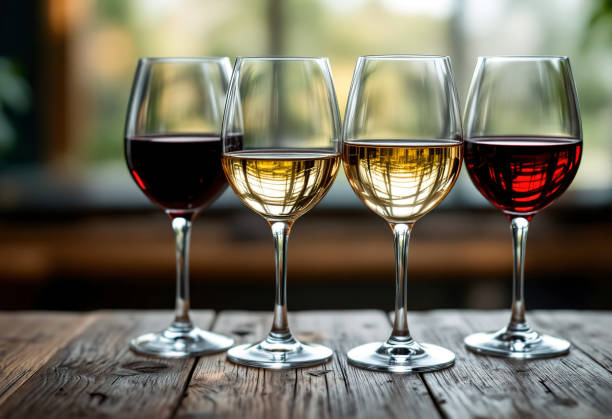
Difference In White And Red Wine Glasses
Ever wonder why white and red wine glasses look so different? It’s not just tradition—it’s science and taste. Red wine glasses are larger with a wider bowl to let bold reds breathe and release their complex aromas, while white wine glasses are smaller and more upright to keep lighter wines crisp and chilled. The shape actually affects how the wine tastes. In this article, we’ll break down the key differences in size, shape, and function so you can choose the right glass and elevate every sip.
What Is the Difference Between White and Red Wine Glasses
Shape and Size Differences
White and red wine glasses differ significantly in shape and size to enhance the unique characteristics of each wine type. Red wine glasses are typically larger with a broader bowl, allowing more surface area for the wine to interact with air, promoting aeration that softens tannins and releases complex aromas.
Their wide opening also directs the wine to the back of the mouth, where taste sensitivity to rich, bold flavors is heightened. In contrast, white wine glasses have a narrower, more upright bowl, which helps maintain cooler temperatures and preserves delicate floral and fruity aromas.
The smaller opening concentrates the bouquet and directs the wine to the front of the palate, emphasizing acidity and freshness. Using the appropriate glass shape ensures you experience the wine as intended, maximizing aroma, flavor, and overall enjoyment in every sip.
How Glass Design Affects Taste
The design of wine glasses plays a crucial role in how we perceive taste and aroma. Red wine glasses, with their larger surface area and wide rim, promote oxidation, which helps volatile compounds evaporate and enhances the perception of complex notes like vanilla, spice, and dark fruit.
This aeration also softens the wine’s tannins, making bold reds like Cabernet Sauvignon or Syrah smoother on the palate. White wine glasses, being taller and narrower, limit air exposure, preserving crisp acidity and subtle aromas found in varieties like Sauvignon Blanc or Chardonnay.
The tapered rim directs wine to the tip of the tongue, heightening sensitivity to sweetness and acidity. Ultimately, the glass shape influences airflow, temperature retention, and sip trajectory, all of which contribute to a more balanced and nuanced tasting experience tailored to each wine’s profile.
Common Misconceptions About Wine Glasses
Many people believe that any glass will do, but using the right glass truly enhances the wine experience. A common misconception is that red wine glasses are simply ‘fancy’ versions of white wine glasses, when in fact their design serves a specific sensory purpose.
Another myth is that stemless glasses are universally practical; while convenient, they can affect temperature—your hand warms the wine, which is especially detrimental to chilled whites. Some assume expensive crystal is necessary, but even affordable glasses with proper shape make a noticeable difference.
Additionally, people often think white wine doesn’t need swirling, but gentle aeration in the right glass can enhance its complexity.
Understanding these nuances helps debunk the idea that wine glass choice is purely aesthetic—it’s a functional tool that influences aroma, taste, and temperature, making the right glass a key part of wine appreciation.
How Red Wine Glasses Are Designed for Flavor

Why Red Wine Glasses Are Larger
Red wine glasses are intentionally larger in size to enhance the wine’s exposure to oxygen, which plays a crucial role in releasing complex aromas and softening tannins.
Unlike white wines, which are typically lighter and more delicate, red wines benefit from aeration, allowing their bold flavors to open up and evolve. The increased surface area inside the bowl promotes this interaction between wine and air, improving the overall tasting experience.
Additionally, the larger size accommodates swirling without spillage, helping to volatilize aromatic compounds. In contrast, white wine glasses are smaller to preserve cooler temperatures and subtle fragrances.
Using the correct glass ensures that each wine expresses its intended balance of fruit, acidity, and structure, making the larger design of red wine glasses a deliberate choice rooted in sensory science and tradition.
The Role of the Bowl Shape
The curved, wider bowl of a red wine glass is designed to direct aromas toward the nose, enhancing the perception of scent and flavor. This shape allows the wine to breathe properly, encouraging oxidation that mellows strong tannins found in reds like Cabernet Sauvignon or Syrah.
The tapering rim focuses volatile compounds, delivering them precisely to the olfactory receptors with each sip. White wine glasses, in contrast, have a narrower bowl to contain lighter, more delicate aromas and maintain cooler serving temperatures.
The broader base of red wine glasses also provides ample space for swirling, which further releases bouquet elements. This thoughtful bowl design ensures that flavor development is maximized, offering a richer, more nuanced tasting experience. Choosing the right shape is not just tradition—it’s aromatic engineering tailored to red wine’s complexity.
How Stem Length Affects Drinking Experience
The long stem on red wine glasses serves a functional purpose: it prevents hand heat from warming the wine, preserving its ideal serving temperature. Red wines are typically served slightly warmer than whites, but excessive heat can exaggerate alcohol and dull flavors.
Holding the stem, rather than the bowl, ensures temperature stability and clarity of taste. It also reduces smudging and maintains visual appreciation of the wine’s color and viscosity.
While white wine glasses also have stems, the practice is especially critical for reds due to their longer aeration time and sensitivity to thermal change. Additionally, the stem provides better balance and control during swirling, supporting proper aeration without spills.
This subtle design element enhances both practicality and sensory precision, making stem length a key factor in delivering the full flavor profile of red wine in a controlled, enjoyable way.
How White Wine Glasses Enhance Lighter Wines

Smaller Bowls for Cooler Temperatures
White wine glasses typically feature smaller bowls than red wine glasses, which helps maintain the cooler serving temperatures essential for lighter wines. Because white wines are best enjoyed chilled, the reduced surface area minimizes rapid warming and limits alcohol volatility, preserving delicate aromas.
The compact bowl also concentrates subtle scents, allowing nuanced floral, citrus, and mineral notes to emerge without overwhelming the palate. In contrast, red wine glasses have larger bowls to encourage aeration and release bold tannins and complex bouquets.
Using the correct glass ensures optimal aroma retention and temperature control, enhancing your tasting experience. For best results, chill your white wine glasses slightly before serving to extend the ideal drinking window.
Choosing a smaller bowl isn’t just tradition—it’s science-backed design that elevates freshness and crispness in every sip of Sauvignon Blanc, Pinot Grigio, or Albariño.
U-Shaped vs. Tapered Designs
The U-shaped bowl common in many white wine glasses supports balanced aroma delivery while maintaining coolness, ideal for medium-bodied whites like Chardonnay. This design allows gentle aeration without overexposing the wine to air, preserving acidity and fruit character.
In contrast, tapered or tulip-shaped glasses—narrower at the rim—focus lighter, more delicate aromas of wines such as Riesling or Muscadet directly to the nose, enhancing perception of floral and citrus notes. Red wine glasses, with their wide, open bowls, promote oxidation to soften tannins, a feature unnecessary for most whites.
The strategic curvature of white wine glassware ensures volatile compounds are managed effectively, avoiding alcohol burn. By selecting the right shape—U-shaped for richness, tapered for finesse—you align glass geometry with wine chemistry, unlocking layered flavors and refreshing balance in every varietal.
Best White Wine Varieties for Each Glass Type
Choosing the right glass enhances the unique profile of each white wine variety. For full-bodied whites like oaked Chardonnay or Viognier, use a U-shaped glass with a slightly larger bowl to introduce controlled aeration, softening richness while highlighting vanilla and stone-fruit notes.
Crisp, aromatic whites such as Sauvignon Blanc, Pinot Gris, and Albariño thrive in tapered glasses that direct bright citrus and herbal aromas to your nose, intensifying freshness. Light, low-alcohol wines like Moscato d’Asti or Torrontés benefit from narrow, flute-like stems that preserve effervescence and delicate floral scents.
In contrast, red wine glasses—with their wide openings—would dissipate these subtle qualities. Matching glass shape to wine style isn’t just aesthetic; it’s a practical tool for flavor optimization.
When your glass complements your bottle, you experience improved balance, heightened aroma, and a cleaner finish—transforming casual sipping into a refined sensory journey.
Why Glass Shape Matters for Wine Aroma and Taste
How Aroma Reaches Your Nose
The shape of a wine glass directly influences how aromas travel from the wine to your nose, which is essential for fully experiencing flavor. Red wine glasses are typically larger with a wider bowl, allowing more surface area for the wine to interact with air.
This promotes the release of complex aromatic compounds, especially from bold reds like Cabernet Sauvignon or Syrah. The curved rim directs these volatilized aromas toward your nose, enhancing perception. In contrast, white wine glasses have a narrower bowl and rim, preserving lighter, more delicate floral and citrus notes.
This design minimizes oxidation and keeps cooler aromas focused. By channeling scent molecules efficiently, the glass ensures your olfactory system receives the right intensity and balance. Choosing the correct glass shape ensures you’re not missing subtle nuances, making the aroma delivery system a critical factor in wine enjoyment.
The Science of Volatile Compounds
Wine contains hundreds of volatile organic compounds (VOCs) that evaporate at different rates depending on temperature, surface area, and airflow—factors all influenced by glass shape.
Red wine glasses, with their larger surface area and rounded bowls, encourage faster evaporation of heavier esters and phenols found in reds, unlocking notes of dark fruit, spice, and earth. Swirling in these glasses further accelerates VOC release.
White wine glasses, being taller and narrower, limit surface exposure, slowing evaporation to preserve delicate aromas like green apple, pear, or honeysuckle. The controlled release of lighter compounds prevents them from overwhelming the senses. This targeted volatility management ensures each wine’s bouquet unfolds optimally.
Understanding this science helps explain why using the right glass enhances the authentic expression of a wine’s character, making it more than just a matter of tradition.
Impact of Rim Diameter on Flavor Delivery
The rim diameter of a wine glass determines where wine first contacts your palate, significantly affecting taste perception. Red wine glasses feature a wider rim that directs wine toward the back of the mouth, emphasizing richness, tannin structure, and body—ideal for full-bodied reds.
This delivery softens astringency and balances alcohol warmth. Conversely, white wine glasses have a tapered, narrower rim that guides wine to the front of the tongue, highlighting acidity and crispness while preserving freshness. This precision enhances the perception of brightness in wines like Sauvignon Blanc or Chardonnay.
The focused stream of liquid also prevents rapid alcohol dispersion, which could overwhelm delicate flavors. By aligning rim design with a wine’s profile, manufacturers optimize flavor layering and balance.
Using the appropriate glass ensures the first sip delivers the intended sensory experience, making rim diameter a silent but powerful influencer of taste.
Tips for Choosing the Right Wine Glass
Matching Glass to Wine Varietal
Choosing the right wine glass starts with understanding how shape and size influence flavor delivery. Red wine glasses typically have larger, rounder bowls to allow robust reds like Cabernet Sauvignon or Syrah to breathe, enhancing their complex aromas and softening tannins.
The wide opening directs wine to the back of the mouth, emphasizing richness. In contrast, white wine glasses have smaller, more tapered bowls that preserve cooler temperatures and concentrate delicate floral and citrus notes found in wines like Sauvignon Blanc or Pinot Grigio.
The narrower rim guides the wine to the front of the palate, highlighting acidity and freshness. Using the correct glass enhances your tasting experience by optimizing aroma, temperature, and taste distribution.
Always match the glass to the wine varietal—this simple step elevates even everyday bottles into a more refined sensory experience.
Crystal vs. Glass: What’s Better?
When selecting wine glasses, consider whether crystal or regular glass suits your needs best. Crystal is thinner, lighter, and often clearer than standard glass, thanks to added minerals like lead or zinc. This thinness enhances the sipping experience, allowing smoother wine flow and better aroma release.
It’s also more durable and scratch-resistant over time, making it ideal for frequent use. However, lead crystal requires handwashing and careful handling. Regular glass is more affordable and dishwasher-safe but tends to be thicker, which can dull the tasting experience.
Modern lead-free crystal offers a safe middle ground, combining brilliance and durability without health concerns. For everyday use, high-quality lead-free crystal provides elegance and function. For casual settings, sturdy glass works well. Ultimately, prioritize clarity, rim thickness, and balance over material alone.
How to Test Glass Quality at Home
You don’t need a lab to assess wine glass quality—simple at-home tests reveal a lot. First, hold the glass to the light; high-quality glasses appear nearly invisible with no greenish tint at the edges, indicating pure materials.
Next, gently tap the rim with a fork or fingernail—crystal produces a clear, ringing sound with a slight hum, while regular glass makes a dull ‘thud’. Examine the rim: it should be smooth and thinly polished, not thick or chipped, ensuring a comfortable sip.
Check balance by holding the stem; the glass should feel stable, not top-heavy. Run your finger along the inside rim—any roughness indicates poor craftsmanship. Finally, fill it with water to simulate wine weight and assess comfort.
These tests help identify glasses that enhance aroma, feel elegant, and last longer, ensuring every pour feels intentional and enjoyable.
How to Serve Wine Using the Correct Glass
Ideal Fill Levels for Red and White Wines
Understanding the ideal fill levels for red and white wines enhances both aroma and taste. For red wine glasses, which are typically larger and wider-bowled, fill to about one-third full.
This allows ample room for swirling, which aerates the wine and releases complex aromas from full-bodied varieties like Cabernet Sauvignon or Syrah. In contrast, white wine glasses are more U-shaped and smaller, designed to preserve cooler temperatures and delicate aromas.
Fill these only one-half to two-thirds full to minimize oxidation and maintain freshness. Overfilling any wine glass reduces the ability to swirl and appreciate the bouquet, while underfilling may make swirling awkward. Proper fill levels also prevent spills during toasts and ensure guests experience the wine as intended.
By respecting these guidelines, you elevate the tasting experience and showcase the wine’s character effectively, whether serving a crisp Sauvignon Blanc or a bold Merlot.
Serving Temperature by Glass Type
Serving wine at the correct temperature is crucial for flavor balance and aroma expression, and it varies by glass type and wine style. Red wine glasses are meant for wines served slightly below room temperature—ideally between 60–65°F (15–18°C). This range softens tannins and highlights nuanced flavors without letting alcohol dominate.
Conversely, white wine glasses should hold wines served cooler, typically between 45–50°F (7–10°C), to preserve their crisp acidity and aromatic freshness. Over-chilling whites can mute flavors, while serving reds too warm can make them taste alcoholic and flat.
Use a refrigerator for whites and a brief chill for reds if needed. The glass shape supports temperature control: wider red glasses allow heat from your hand to gently warm the wine, while narrower white glasses minimize heat transfer.
Always consider the varietal and body when adjusting temperature, ensuring optimal enjoyment.
Common Serving Mistakes to Avoid
Avoiding common serving mistakes ensures your wine shines at its best. One major error is using the wrong glass type—substituting a red wine glass for white or vice versa disrupts aroma concentration and temperature control.
Another frequent misstep is overfilling the glass, which limits swirling and increases spill risk, especially during toasts. Holding the bowl instead of the stem introduces heat, particularly problematic for chilled white wines. Additionally, serving reds too warm or whites too cold masks true flavors—always verify temperature before pouring.
Skipping glass cleanliness is another pitfall; residue or soap film alters taste and reduces proper bubble formation in sparkling wines. Finally, neglecting to decant full-bodied reds when appropriate limits their aromatic development.
By choosing the correct glass, filling it properly, serving at ideal temperatures, and handling with care, you preserve the wine’s integrity and deliver a refined, enjoyable experience for every guest.
Best Ways to Care for and Store Wine Glasses
Hand Washing vs. Dishwasher Safety
To preserve the integrity of both white and red wine glasses, hand washing is strongly recommended over using a dishwasher. While some glasses are labeled dishwasher-safe, the high heat, harsh detergents, and mechanical agitation can lead to clouding, etching, or even micro-cracks over time—especially in delicate crystal.
White wine glasses, with their smaller bowls, are often more fragile and benefit from gentle care. Red wine glasses, typically larger with broader bowls, are also vulnerable to stress at the stem.
Use lukewarm water, a mild dish soap, and a soft sponge or brush to clean the interior and stem. Avoid stacking glasses while washing to prevent contact damage. Rinse thoroughly and dry with a lint-free cloth to avoid water spots.
For long-term preservation, especially with fine or frequently used glassware, hand washing ensures maximum clarity, longevity, and performance with every pour.
How to Prevent Chips and Cracks
Preventing chips and cracks in wine glasses starts with mindful handling and storage. Red wine glasses, with their wide bowls, are more prone to tipping and rim damage, while white wine glasses, though smaller, often have thinner rims that chip easily.
Always hold the glass by the stem or base, not the bowl, to reduce pressure and prevent accidental knocks. When storing or moving glasses, avoid overcrowding in cabinets or dish racks. Use protective padding like felt liners or shelf guards in storage areas to minimize vibration and contact.
Transport glasses one at a time, especially stemware, and never carry multiple by nesting them. If displaying glasses, place them securely away from high-traffic zones. For travel or long-term storage, consider individual fabric sleeves or original packaging. Regular inspection for tiny chips can prevent further damage.
Taking these preventive steps ensures both red and white wine glasses remain functional and elegant for years.
Proper Storage to Maintain Clarity and Shape
Proper storage is essential to maintain the clarity, shape, and functionality of both white and red wine glasses. Store glasses upright in a cool, dry cabinet away from direct sunlight, which can degrade materials and promote dust buildup.
Red wine glasses require more space due to their larger bowls, while white wine glasses can be stored more compactly—but never stacked inside one another, as this risks chipping and warping. Use stemware racks or wall-mounted holders to keep glasses secure and dust-free.
If cabinet space is limited, consider hanging storage to preserve shape and prevent pressure on stems. Avoid storing glasses near strong-smelling items, as glass can absorb odors. For long-term storage, wrap each glass in acid-free tissue or place in a protective box.
Regular dusting with a soft cloth keeps them ready for use. Proper storage ensures each glass maintains its intended design—enhancing aroma, aeration, and overall wine enjoyment.
Frequently Asked Questions
What is the main difference between white and red wine glasses?
The main difference lies in the bowl size and shape. Red wine glasses have a larger, rounder bowl to allow more oxygen to interact with the wine, enhancing its aroma and flavor, while white wine glasses are smaller and more U-shaped to preserve cooler temperatures and highlight delicate aromas.
Why are red wine glasses bigger than white wine glasses?
Red wines typically have more complex aromas and higher tannin levels, so the larger bowl of a red wine glass helps aerate the wine and distribute its bouquet. This enhances the tasting experience by softening tannins and releasing layered scents.
Can I use a white wine glass for red wine and vice versa?
Yes, you can use them interchangeably, but you may not fully experience the wine’s intended profile. A white wine glass may restrict the aeration needed for reds, while using a red wine glass for white might cause it to warm too quickly and lose its crispness.
How does glass shape affect the taste of wine?
The shape directs the wine to specific parts of the tongue and controls airflow. A wider bowl in red wine glasses emphasizes body and complexity, while a narrower white wine glass focuses the lighter aromas and maintains a cooler serving temperature.
Are there specific glass styles within white and red wine categories?
Yes, within red wine glasses, you’ll find variations like Bordeaux and Burgundy styles tailored to different grape types. White wine glasses also vary, with taller, narrower designs for aromatic whites like Riesling and slightly wider ones for fuller whites like Chardonnay.
Does the stem length differ between white and red wine glasses?
Stem length typically doesn’t differ significantly between types; it’s more consistent to allow proper swirling without warming the wine. The primary differences remain in the bowl’s size and shape.
How should I choose the right wine glass?
Choose based on the wine type: use larger, bowl-shaped glasses for reds to enhance aeration, and smaller, more tapered glasses for whites to maintain temperature and highlight subtle aromas. Quality glassware with a thin rim also improves the overall experience.
Conclusion
The shape and size of white and red wine glasses significantly impact the tasting experience. Red wine glasses are larger and rounder, enhancing aeration and aroma, while white wine glasses are smaller and more upright, preserving freshness and acidity. Choosing the right glass highlights each wine’s unique characteristics. By using appropriate glassware, you elevate your enjoyment and appreciation. Try it at your next tasting—you’ll taste the difference!