
What Wine Pairs With Goat Cheese
Looking for the perfect sip to complement creamy goat cheese? You’ve come to the right place—this quick guide will match you with the ideal wine in just a few sentences. From crisp Sauvignon Blanc’s bright acidity to a buttery Chardonnay’s smooth finish, and even a light, fruity Pinot Noir for a red twist, we’ll break down why each choice shines. Stay tuned, and you’ll be pouring the perfect pairing in no time. for your next gathering.
How to Choose the Right Wine for Goat Cheese
Consider the cheese’s flavor intensity
Start by tasting the goat cheese to gauge its flavor intensity. Fresh, young goat cheese is bright, tangy, and often carries subtle grassy notes, while aged varieties develop earthy, nutty, and sometimes buttery characteristics.
Identify whether the cheese is mild or robust, because this will dictate the wine’s weight and aromatic profile. For delicate, citrus‑y cheeses, opt for light‑bodied whites such as Sauvignon Blanc or Pinot Grigio that won’t overwhelm the palate.
If the cheese is more pronounced, with herb or spice infusions, choose a wine that can stand up to those layers—think a dry Riesling or a crisp Chenin Blanc.
Match the cheese’s intensity with a complementary wine to create harmony rather than competition, ensuring each bite and sip enhances the other. Serve the pairing at a slightly cool temperature, around 50–55 °F, to preserve the wine’s freshness and let the cheese’s nuances shine.
Match the wine’s acidity level
Acidity is the bridge that links wine and goat cheese, cutting through the cheese’s creaminess while echoing its bright tang. Look for wines with a crisp, lively acidity that mirrors the cheese’s natural sharpness.
A Sauvignon Blanc from the Loire Valley, with its zesty lemon and green‑apple notes, pairs beautifully with fresh chèvre, reinforcing the citrus edge. Similarly, an Italian Vermentino offers saline minerality and a bright finish that complements herb‑infused goat cheeses.
For those who enjoy a touch of sweetness, a dry Riesling from Alsace provides high acidity balanced by subtle honeyed fruit, which can tame the cheese’s piquancy without muting it.
Choose a wine whose acidity level matches or slightly exceeds the cheese’s to keep the palate refreshed and prevent the cheese from feeling heavy. Serve the wine chilled, but not ice‑cold, to maintain its aromatic intensity and ensure a seamless acid‑driven dialogue.
Balance texture and body
Texture and body determine how the wine feels alongside the creamy, sometimes crumbly, mouthfeel of goat cheese. Select a wine whose body complements the cheese’s texture, providing either a contrasting lightness or a harmonious richness.
A lightly effervescent Crémant d’Alsace adds a delicate fizz that lifts the cheese’s softness, creating a playful contrast without overwhelming flavors. For richer, aged goat cheeses with a firmer bite, a medium‑bodied Chardonnay with subtle oak can mirror the cheese’s density while offering buttery notes that echo its creaminess.
If you prefer a red, opt for a low‑tannin Pinot Noir; its silky texture and bright red‑fruit profile will coat the palate gently, allowing the cheese’s crumbly character to shine.
Balance the wine’s body with the cheese’s texture to ensure each element supports the other, delivering a cohesive tasting experience that highlights both the wine’s structure and the goat cheese’s nuanced mouthfeel.
What is the Best White Wine for Fresh Goat Cheese
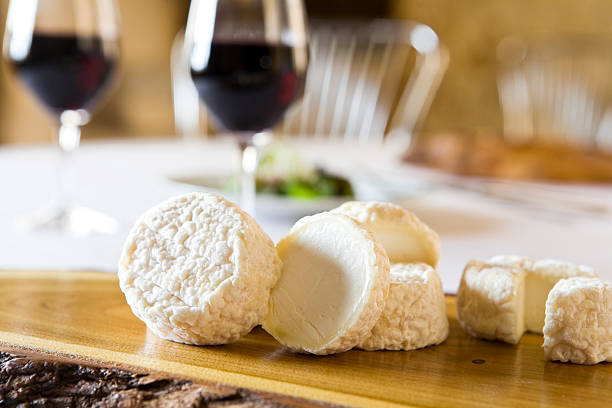
Sauvignon Blanc characteristics
Sauvignon Blanc offers bright acidity, citrus zest, and herbaceous notes that cut through the tangy creaminess of fresh goat cheese. Start with a chilled glass at 45‑50°F to keep the palate lively.
Look for aromas of lime, green apple, and freshly cut grass, which echo the cheese’s milky texture while adding a refreshing contrast. When serving, drizzle a thin drizzle of honey or a few slices of ripe pear on the cheese board; the wine’s crisp minerality balances the subtle sweetness.
Pair with a lightly salted baguette to enhance the wine’s citrus sparkle. For a complete experience, choose a New Zealand or Loire Valley Sauvignon Blanc, as these regions produce the sharp, aromatic profile that highlights the goat cheese’s earthy undertones without overwhelming them.
Serve the pairing alongside a light salad of arugula and lemon vinaigrette to further brighten the flavors.
Pinot Grigio pairing notes
Pinot Grigio’s subtle fruit profile and crisp finish make it a versatile partner for fresh goat cheese. Serve the wine chilled at 50‑55°F to preserve its delicate aromatics. Look for notes of white peach, pear, and a faint almond hint that complement the cheese’s mild tang without competing.
When arranging a platter, add a handful of toasted pine nuts and a drizzle of olive oil; the wine’s light acidity cuts through the richness of the nuts and enhances the cheese’s creamy texture. Pair with a citrus-infused focaccia to echo the wine’s bright palate.
For an extra layer of flavor, include a small side of marinated olives; the briny bite balances the subtle sweetness of the Pinot Grigio, creating a harmonious bite after each cheese mouthful.
Choose an Italian Pinot Grigio from the Veneto region for its clean, mineral backbone that lifts the goat cheese’s fresh character.
Verdicchio and its complement
Verdicchio, with its lively acidity and almond‑tinged finish, is an elegant match for fresh goat cheese. Serve slightly cooler than room temperature, around 52‑56°F, to let its subtle minerality shine.
The wine’s flavors of green apple, lemon zest, and a whisper of sea breeze echo the cheese’s creamy tang while adding a crisp, refreshing edge. Build a tasting board with thin slices of prosciutto, a few figs, and a drizzle of aged balsamic; the salty‑sweet combination amplifies Verdicchio’s nutty undertones.
Pair with herb‑infused polenta to mirror the wine’s vegetal notes and provide a smooth texture that balances the cheese’s firmness. For an added dimension, sprinkle toasted hazelnuts over the cheese; the nuts’ buttery crunch harmonizes with the wine’s almond finish.
Opt for Verdicchio dei Castelli di Jesi from the Marche region, as its balanced acidity and subtle floral hints create a seamless dialogue with the fresh goat cheese’s bright profile.
Tips for Pairing Goat Cheese with Red Wines
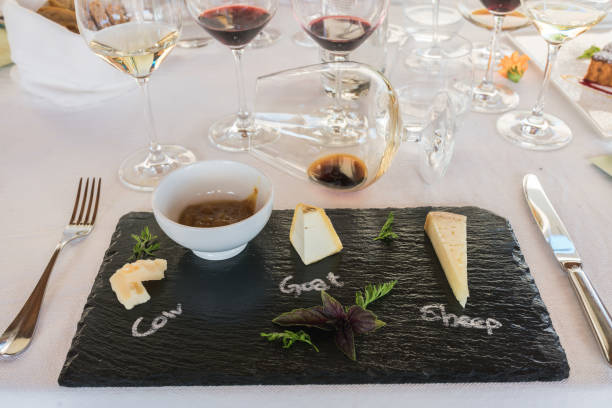
Light-bodied reds that work
Goat cheese’s bright acidity and creamy texture shine when paired with light‑bodied red wines that echo its tangy profile. Choose Pinot Noir from cooler climates such as Burgundy or Oregon; its soft tannins and red‑fruit notes complement the cheese without overwhelming it.
Try a Gamay from Beaujolais, especially a Beaujolais Villages, whose juicy cherry flavors and low‑astringency match the milky mouthfeel. Consider a young Barbera from Piedmont, which offers bright acidity and subtle plum notes that mirror the cheese’s freshness.
When selecting, look for wines with moderate alcohol (around 12‑13%) and a smooth finish, allowing the goat cheese’s herbal undertones to stand out. Serve slightly chilled, around 55‑60°F, to keep the fruit forward and the palate lively.
Pairing these reds with a drizzle of honey or a handful of fresh herbs can further enhance the synergy, creating a balanced bite that highlights both the wine’s fruit and the cheese’s tang.
Avoid high tannin wines
High‑tannin reds can clash with goat cheese, turning its delicate tang into a bitter aftertaste. Steer clear of Cabernet Sauvignon and Syrah that are heavily oak‑aged, as their firm structure masks the cheese’s subtle creaminess.
Avoid Nebbiolo from Barolo, whose pronounced tannins and earthy notes overwhelm the bright acidity of goat cheese. Instead, focus on wines with softer grip; the goal is to let the cheese’s herbal and citrus nuances shine.
If you accidentally select a tannic wine, try decanting for 30‑45 minutes to soften the edges, but the best solution is to choose a more suitable style from the start.
Remember, the pairing should feel harmonious, not a battle between bitterness and tang, so keep tannin levels low to preserve the cheese’s fresh character. A quick palate cleanse with a slice of crisp apple can also help reset the taste buds between bites.
Serving temperature tricks
Temperature plays a crucial role in marrying goat cheese with red wine, as it influences both aroma and mouthfeel. Serve light reds slightly chilled, around 55°F (13°C), to accentuate their fruitiness while keeping the wine’s acidity bright enough to cut through the cheese’s creaminess.
If the wine is too warm, tannins become more pronounced and can dominate the delicate flavors of the goat cheese. Try a brief 10‑minute chill in the refrigerator for wines like Pinot Noir or Gamay before pouring; this modest cooling preserves the wine’s subtle structure without muting its aromatics.
For a more interactive approach, place the cheese on a chilled platter and let it sit for a few minutes, allowing the cheese to soften just enough to release its buttery notes while staying fresh. These temperature tricks ensure a balanced, harmonious pairing that highlights the best of both components.
Best Sparkling Wines to Serve with Goat Cheese
Champagne vs. Prosecco
When pairing goat cheese, the classic choice is Champagne, but Prosecco offers a lively alternative. Champagne’s high acidity and fine bubbles cut through the cheese’s creamy tang, while its subtle toast notes complement earthy goat flavors.
Choose a Brut or Extra Brut style to keep the sweetness low, allowing the cheese to shine. Prosecco’s fruit-forward profile—think green apple, pear, and a hint of floral—adds a bright contrast that lifts the cheese’s herbaceous edge. Opt for a dry (Extra Dry) Prosecco to avoid cloying sweetness.
Serve both wines chilled at 45‑48°F and provide a small tasting flight so diners can experience how the crisp minerality of Champagne versus the aromatic fruit of Prosecco each enhances the goat cheese in its own way.
Pair the cheese with a thin slice of toasted baguette or a drizzle of honey to further highlight the interplay of acidity and fruit.
Cava as a budget option
Cava delivers the elegance of traditional method sparkling wine without the premium price tag, making it an excellent budget-friendly partner for goat cheese.
Its crisp acidity and fine, persistent bubbles mirror the texture of the cheese, while the subtle citrus and almond notes provide a gentle backdrop that doesn’t overwhelm the cheese’s tangy character.
Choose a Brut or Extra Brut Cava to keep the palate clean; the modest residual sugar in a Semi‑Sec style can clash with the cheese’s natural sharpness.
Serve Cava slightly cooler than Champagne, around 46‑48°F, and present it alongside a simple goat cheese crostini topped with fresh herbs like thyme or rosemary.
This combination showcases how a well‑crafted, affordable sparkling wine can elevate the cheese, delivering a balanced mouthfeel and a refreshing finish that keeps diners coming back for more.
Rosé sparkling for added fruit
Rosé sparkling wines bring a lively splash of red‑fruit aromatics that pair beautifully with the earthy, tangy profile of goat cheese.
The pink hue signals a blend of crisp acidity and juicy strawberry, raspberry, and watermelon notes, which lift the cheese’s creamy texture while adding a subtle sweetness that balances its natural sharpness.
Opt for a Brut Rosé to maintain a clean finish; a Demi‑Sec style may become overly sweet when paired with honey‑drizzled goat cheese. Serve the rosé well‑chilled at 45‑47°F and accompany it with a platter of goat cheese rounds, sliced figs, and a handful of toasted pistachios.
The combination of bright fruit flavors, fine bubbles, and the cheese’s buttery mouthfeel creates a harmonious contrast that keeps the palate refreshed and encourages guests to explore additional pairings throughout the meal tonight.
How to Pair Goat Cheese in Different Dishes
Salads and vinaigrette
Start your salad with a creamy goat cheese crumble and choose a crisp white wine to highlight the tangy vinaigrette. Sauvignon Blanc from the Loire Valley offers bright acidity and citrus notes that cut through the cheese’s richness while echoing herbaceous greens.
If you prefer a slightly sweeter profile, a Riesling (off‑dry) balances the lemon‑y dressing and adds a hint of stone‑fruit. For Mediterranean‑style salads with olives and tomatoes, a Vermentino delivers saline minerality that mirrors the brine and lifts the goat cheese.
Serve the wine chilled, around 45‑50°F, and drizzle the vinaigrette just before plating to keep textures vibrant. This pairing ensures the wine’s acidity refreshes the palate between bites, making each forkful feel lighter and more cohesive.
Pairing with a glass of chilled Picpoul de Pinet can also add a subtle lemon zest that mirrors the salad’s citrus elements, further enhancing the overall balance.
Warm baked dishes
When you melt goat cheese over a roasted vegetable tart or a baked quinoa casserole, choose a wine that can stand up to the heat while complementing the cheese’s earthy tang.
Pinot Noir from Burgundy offers soft tannins, red‑fruit aromatics, and a subtle earthiness that mirrors roasted carrots, beets, or mushrooms.
If you favor a richer mouthfeel, a Chardonnay with light oak—especially from a cooler climate like Chablis—provides buttery notes that echo the melted cheese and a crisp finish to cut through the dish’s richness.
For Mediterranean‑style baked dishes with tomatoes and herbs, a Grenache rosé delivers bright acidity and strawberry‑pepper flavors that lift the goat cheese without overwhelming it.
Serve the wine slightly below room temperature (around 55‑60°F) and let the cheese melt fully before plating, allowing the wine’s fruit and acidity to intertwine with the warm, savory layers for a harmonious bite.
Cheese boards and charcuterie
For a curated cheese board featuring goat cheese alongside cured meats, nuts, and fruit, select a wine that can dance between creamy, salty, and sweet components.
Sauternes or a late‑harvest Gewürztraminer offers luscious honeyed sweetness that balances the tang of goat cheese and the saltiness of prosciutto, while its acidity keeps the palate fresh.
If you prefer a dry option, a Champagne or sparkling Crémant provides fine bubbles, bright acidity, and subtle brioche notes that cut through the richness and highlight the cheese’s herbaceous edge.
A Rosé from Provence, with its red‑berry fruit and crisp minerality, works equally well, especially when paired with figs or berries on the board.
Serve the wine chilled and arrange the goat cheese in bite‑size rounds, allowing guests to sip and bite in rhythm, creating a seamless flavor progression from savory to sweet.
What to Avoid When Matching Wine and Goat Cheese
Overly sweet wines
Overly sweet wines can overwhelm the delicate tang of goat cheese, turning a harmonious pairing into a cloying mismatch. Avoid high residual sugar such as dessert Rieslings or late‑harvest whites, because their honeyed notes mask the cheese’s bright acidity and creamy texture.
Instead, choose wines with a crisp, dry profile that let the cheese’s herbaceous flavors shine. When a wine is too sweet, the palate becomes stuck on syrupy flavors, preventing the subtle citrus and grassy notes of the cheese from emerging.
To keep balance, opt for a dry Sauvignon Blanc, a crisp Pinot Grigio, or a lightly sparkling Vinho Verde, all of which provide refreshing acidity without excessive sweetness.
Remember, the goal is to enhance, not dominate, the goat cheese’s character, so steering clear of sugary wines preserves the intended flavor dialogue for your palate.
Heavy oak influence
Heavy oak influence can mask the bright, tangy profile of goat cheese, turning a lively pairing into a dull, woody experience. Steer clear of heavily oaked Chardonnays or barrel‑aged reds, because the vanilla, toast, and butter notes compete with the cheese’s fresh acidity and grassy undertones.
When oak dominates, the palate feels coated in resin, preventing the subtle citrus zest and herbal nuances of the goat cheese from being perceived. Instead, select wines with minimal oak contact, such as unoaked or lightly oaked white Burgundies, crisp Albariño, or a mineral‑driven Sancerre.
These choices let the cheese’s creamy texture and bright lemon‑like flavor stand out without being buried under smoky timber. The key is to preserve the cheese’s freshness, allowing the wine to act as a bright supporting actor rather than an overpowering stage manager.
Mismatched acidity levels
Mismatched acidity levels create a discord between wine and goat cheese, leaving either a flabby mouthfeel or a sharp, unpleasant bite. Match the wine’s acidity to the cheese’s natural tang, because goat cheese typically carries a lively, citrus‑like sharpness that needs a counterpart, not a rival.
When the wine is too low in acid, such as a flat Merlot or overly ripe Chardonnay, the cheese’s brightness overwhelms, making the pairing feel one‑dimensional. Conversely, an overly acidic wine like a high‑pH Sauvignon Blanc can dominate, turning the cheese’s subtle creaminess into a background note.
Aim for wines with balanced acidity—examples include a crisp Chenin Blanc, a bright Grüner Veltliner, or a lightly sparkling rosé—so the cheese’s zing and the wine’s zest dance together. The guiding principle is to keep acidity in harmony, ensuring both components enhance each other without one eclipsing the other.
Best Ways to Serve and Store Paired Wine and Goat Cheese
Proper chilling temperatures
To keep both wine and goat cheese at their peak, control the temperature before serving. White wines such as Sauvignon Blanc, Chenin Blanc, or a crisp Pinot Gris should be chilled to 45‑50°F (7‑10°C); this preserves their bright acidity that cuts through the cheese’s tang.
Rosé works well at 50‑55°F (10‑13°C), offering fruit notes without overwhelming the dairy. For light reds like Pinot Noir, aim for 55‑60°F (13‑16°C) to reveal subtle berry flavors while preventing the alcohol from masking the cheese’s creamy texture.
Keep the cheese on a chilled platter for no more than 30 minutes, then let it sit at room temperature for 10‑15 minutes to develop aroma. Use a wine cooler or an ice bucket with a thermometer to achieve precise temperatures, and avoid over‑chilling, which can mute the nuanced pairing.
Decanting tips for reds
Even though many reds paired with goat cheese are light‑bodied, a brief decant can enhance aroma and soften tannins. Pinot Noir, Gamay, or a young Beaujolais benefit from 20‑30 minutes in a decanter, allowing fruit‑forward notes to open up.
Pour the wine slowly, avoiding splashing, and let it rest at 55‑60°F (13‑16°C). Swirl gently once in the glass to release volatile compounds. If the wine is a medium‑bodied blend, extend decanting to 45 minutes, but watch for oxidation; the goal is to balance acidity with the cheese’s creamy tang.
Use a clear glass decanter to monitor color change, and keep the cheese nearby at room temperature so its flavors stay vibrant. This short decanting step ensures the wine’s bright acidity and subtle fruit complement the goat cheese without overpowering it.
Taste the wine after decanting and adjust the serving time as needed.
Storing cheese to retain flavor
Proper storage preserves the delicate profile of goat cheese, ensuring it continues to pair well with wine. Wrap the cheese in parchment paper followed by a loose layer of aluminum foil; this allows it to breathe while preventing excess moisture loss.
Store it in the vegetable drawer of the refrigerator at 35‑40°F (2‑4°C) and keep it away from strong‑smelling foods. For longer aging, place the wrapped cheese in a sealed container with a small piece of fresh milk or a damp cloth to maintain humidity, checking daily for mold.
Before serving, let the cheese sit at room temperature for 15‑20 minutes to develop its full aroma and creamy texture. Pair it promptly with the chilled wine to enjoy the balanced acidity and herbaceous notes that complement the cheese’s tangy character and aroma in.
Frequently Asked Questions
Which wine varieties complement the tangy flavor of goat cheese?
Sauvignon Blanc, especially from the Loire Valley, and crisp Chenin Blanc highlight the cheese’s acidity, while a light-bodied Pinot Noir adds subtle fruit notes without overwhelming the cheese.
Can I pair goat cheese with a rosé wine?
Yes, a dry rosé with bright acidity and red fruit flavors works well, balancing the creaminess of the cheese and enhancing its herbal undertones.
What red wine pairs best with aged goat cheese?
For aged or herb-coated goat cheese, try a light to medium-bodied red like Gamay (Beaujolais) or a young Pinot Noir, which provide gentle tannins and fruit that complement the cheese’s depth.
Is a sparkling wine a good match for fresh goat cheese?
A dry sparkling wine such as Brut Champagne or a Prosecco adds effervescence and acidity that cut through the cheese’s richness, creating a refreshing palate cleanser.
How does the wine’s acidity affect the pairing with goat cheese?
Higher acidity in wine, found in Sauvignon Blanc or Albariño, mirrors the cheese’s tangy notes, creating a harmonious balance that prevents the pairing from feeling heavy.
Can I pair goat cheese with a sweet wine?
A lightly sweet wine like a Riesling off-dry can pair nicely with goat cheese, especially when the cheese is served with fruit or honey, as the sweetness contrasts the cheese’s acidity and adds complexity.
Conclusion
In short, crisp whites like Sauvignon Blanc or dry Riesling, light reds such as Pinot Noir, and even a touch of sparkling Prosecco all enhance goat cheese’s tangy creaminess, while sweeter options like Moscato balance its acidity. Remember to match intensity—lighter wines for fresh cheeses, richer styles for aged varieties. Experiment, trust your palate, and enjoy discovering the perfect sip to elevate every goat‑cheese moment.
