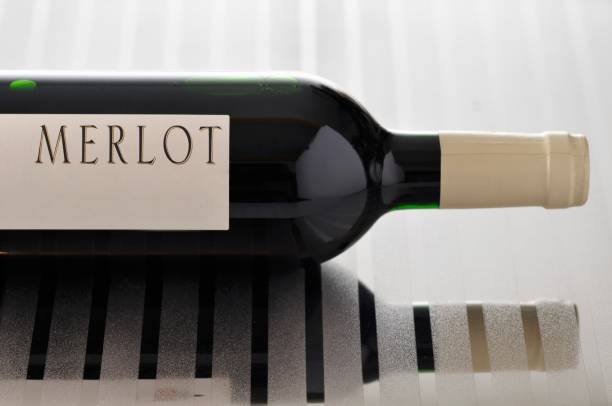
What Wine Goes With Gouda Cheese
Looking for the perfect sip to pair with Gouda? You’ve come to the right place. In the next few lines we’ll quickly guide you through the best wine choices, whether you’re enjoying a young, mild Gouda or a rich, aged version. Expect clear recommendations, tasting notes, and simple tips that make pairing effortless. Grab a glass, and let’s discover the ideal wine that brings out Gouda’s buttery, nutty charm in no time. You’ll be impressing friends and satisfying your palate.
How to Pair Wine with Gouda Cheese
Key flavor characteristics of Gouda
Understanding Gouda’s flavor profile is the first step to a successful pairing. Young Gouda is mild, creamy, and slightly sweet, with a buttery texture that highlights subtle nutty notes.
As it ages, the cheese develops a firmer crumb, richer caramel‑like sweetness, and pronounced toasted almond flavors, while occasional crystal clusters add a pleasant crunch. The salt content can range from low in fresh varieties to higher in aged blocks, influencing the perception of acidity.
Aromas shift from fresh milk and mild fruit in young Gouda to deep butterscotch, honey, and even a faint smoky undertone in mature wheels.
Recognizing these nuances—creaminess, sweetness, nutty depth, and salt intensity—helps you match the wine’s acidity, body, and fruit character, ensuring the cheese and wine enhance each other rather than compete. Pairing with the right wine will bring out the cheese’s caramel richness while balancing its saltiness.
Basic wine pairing principles
When pairing wine with Gouda, start by balancing the cheese’s richness with the wine’s acidity and body. A wine with moderate acidity cuts through the creamy fat, refreshing the palate between bites.
Medium‑to‑full‑bodied reds such as Pinot Noir or Merlot provide enough structure to match aged Gouda’s robust flavor without overwhelming its subtle sweetness. For younger Gouda, lighter whites like Sauvignon Blanc or an unoaked Chardonnay offer bright citrus notes that echo the cheese’s milder profile.
Consider the wine’s tannins: soft, low‑tannin reds complement the cheese’s smooth texture, while high‑tannin wines can feel harsh. Sweetness is another lever; a touch of residual sugar in an off‑dry Riesling or a late‑harvest white can mirror the caramel notes of mature Gouda, creating harmony.
Finally, temperature matters: serve whites chilled and reds slightly below room temperature to preserve their fruit vibrancy and ensure the cheese remains at a comfortable, slightly warm state for optimal flavor release.
Common mistakes to avoid
Even experienced tasters can slip up when matching wine and Gouda. One frequent error is choosing a wine that is too acidic for a very aged, buttery Gouda; the sharpness can dominate the cheese’s sweet caramel tones, leaving the pairing disjointed.
Conversely, pairing a low‑acid, high‑alcohol wine with a young, mild Gouda can make the cheese taste flat and the wine overly hot. Avoid overly tannic reds such as Cabernet Sauvignon with fresh Gouda, as the astringency will clash with the cheese’s smooth texture.
Another pitfall is neglecting temperature: serving a full‑bodied white too warm masks its acidity, while an overly chilled red dulls its fruit, both reducing the synergy with the cheese. Lastly, don’t rely solely on “red‑white” rules; focus on flavor balance, texture, and intensity.
By steering clear of these common missteps, you’ll let the Gouda and wine shine together.
What Types of Wine Complement Young Gouda
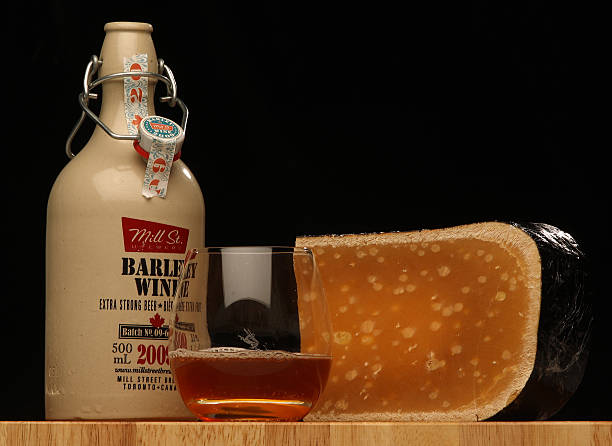
Light white wines
Pairing young Gouda with light white wines brings out the cheese’s buttery sweetness while keeping the palate fresh. Choose a crisp Sauvignon Blanc from the Loire Valley or a young Albariño from Spain; both offer bright acidity and citrus notes that cut through the mild creaminess.
A dry Riesling, especially from Germany’s Mosel region, adds subtle stone‑fruit flavors that complement the nutty undertones of the cheese without overwhelming it. When serving, keep the wine chilled at 45‑50°F (7‑10°C) to preserve its lively character.
Serve the Gouda in thin slices or small cubes alongside the wine, allowing the flavors to mingle on the tongue. Key tip: avoid heavily oaked whites, as the strong vanilla and buttery tones can mask the delicate profile of young Gouda.
Pair the cheese and wine on a wooden board with fresh apple slices and toasted walnuts for added texture and contrast.
Rosé options
Rosé wines provide a versatile bridge between the mild richness of young Gouda and a refreshing finish. Opt for a dry Provençal rosé, such as a Côtes de Provence blend, which delivers red‑fruit aromas of strawberry and raspberry alongside crisp acidity that brightens the cheese’s subtle sweetness.
A Spanish rosado made from Tempranillo or Garnacha offers a slightly fuller body and a hint of citrus zest, enhancing the Gouda’s buttery notes without overpowering them. Serve the rosé slightly chilled at 50‑55°F (10‑13°C) to maintain its lively fruit character.
When arranging a platter, include thin wedges of Gouda, a few olives, and a handful of dried figs; the salty and sweet accompaniments echo the wine’s balanced profile.
Pro tip: avoid overly sweet or heavily flavored rosés, as they can clash with the cheese’s delicate flavor and make the pairing feel one‑dimensional.
Sparkling choices
Sparkling wines add effervescence that cuts through the creamy texture of young Gouda, creating a lively palate experience. A dry Brut Champagne or a quality Crémant from Alsace offers fine bubbles, bright acidity, and subtle toasted notes that highlight the cheese’s nutty undertones.
For a more fruit‑forward profile, try an Italian Prosecco DOC Glera, whose gentle pear and green‑apple flavors complement the mild sweetness of Gouda without overwhelming it. Serve the sparkling wine well chilled at 40‑45°F (4‑7°C) and pour it into flute glasses to preserve the carbonation.
Pair the cheese in bite‑size cubes with a drizzle of honey and a sprinkle of toasted sesame seeds; the sweet‑savory contrast mirrors the wine’s balance of acidity and fruit.
Serving hint: avoid sweet or demi‑sec styles, as the added sugar can mask the cheese’s subtle flavor and diminish the refreshing bite of the bubbles.
Best Wines for Aged Gouda
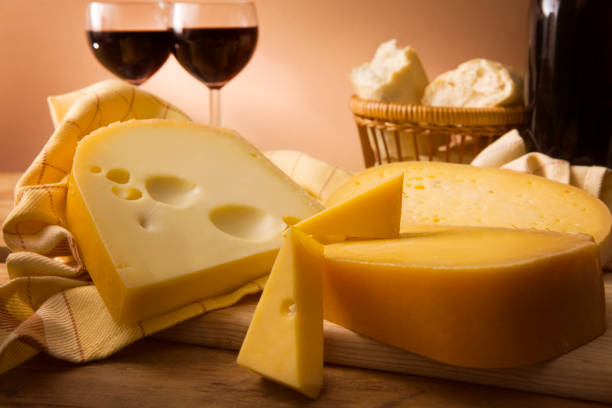
Full‑bodied reds
Pairing aged Gouda with a full‑bodied red enhances its caramel‑sweet depth while cutting through the cheese’s buttery richness. Choose a Cabernet Sauvignon, Merlot, or Syrah that offers ripe dark fruit, firm tannins, and a hint of spice.
Serve the wine slightly cooler than room temperature (around 60‑65°F) to keep the alcohol lively and prevent the flavors from becoming too hot. Decant the wine for 30‑45 minutes to soften tannins and release aromatic notes of blackcurrant, tobacco, and cedar, which echo the nutty crystals in the cheese.
When assembling a cheese board, include toasted nuts, dried figs, and a drizzle of honey to bridge the wine’s fruitiness with the Gouda’s creamy texture. This combination creates a balanced tasting experience where the wine’s structure supports the cheese’s intensity without overwhelming it.
Enjoy this pairing with a relaxed conversation or a good book to fully appreciate the harmonious flavors.
Rich dessert wines
Aged Gouda’s caramel, toffee, and nutty notes shine when matched with a rich dessert wine that mirrors its sweetness and adds bright acidity. Opt for a late‑harvest Riesling, Sauternes, or a Tokaji Aszú with residual sugar levels of 10‑15 g/L.
Serve the wine well‑chilled (45‑50°F) to keep the palate refreshing and to highlight the wine’s crisp citrus and honeyed aromas. The wine’s acidity cuts through the cheese’s creamy fat, while its honey‑laden fruit amplifies the Gouda’s natural sweetness.
Pair the cheese with fresh apple slices, toasted brioche, and a drizzle of apricot jam to create layers of texture and flavor that complement both the wine and the cheese.
This duo works especially well as a dessert course or a late‑night indulgence, leaving a lingering, silky finish that invites another bite. Serve with a small glass of sparkling water to cleanse the palate between bites.
Fortified wines
Fortified wines such as Port, Madeira, or Sherry provide a robust, nut‑forward profile that pairs beautifully with the deep, crystalline texture of aged Gouda. Choose a tawny Port, an aged Madeira, or an Oloroso Sherry, each offering oxidative notes, caramelized nuts, and a lingering finish.
Serve these wines at cellar temperature (55‑60°F) to preserve their complex aromatics and to ensure the alcohol remains smooth. The wine’s inherent sweetness balances the cheese’s salty bite, while its nutty undertones echo the Gouda’s crunchy protein crystals.
Complement the pairing with dark chocolate squares, roasted almonds, and a few dried cherries for an extra layer of richness. This combination is ideal for an evening gathering, creating a sophisticated tasting experience that highlights the harmony between the cheese’s maturity and the wine’s depth.
Serve each bite with a sip to let the flavors meld and linger on the palate.
Tips for Matching Wine Intensity with Gouda Strength
Balancing acidity and richness
When pairing wine with Gouda, start by matching the cheese’s creamy, buttery richness with a wine that offers enough acidity to cut through the fat without overwhelming the palate.
Choose wines with bright, crisp acidity such as Sauvignon Blanc, unoaked Chardonnay, or a dry Riesling; these bring a refreshing lift that balances the cheese’s smooth texture.
For younger Gouda, which is milder, a slightly higher acidity works well, while aged Gouda, with deeper caramel notes, can handle a wine with a more rounded acidity like a Pinot Grigio or a Chenin Blanc.
Avoid overly low‑acid wines like heavily oaked reds, as they may feel heavy beside the cheese. By aligning the wine’s acidity level with the cheese’s richness, you create a harmonious mouthfeel where neither component dominates, allowing the nutty and sweet nuances of Gouda to shine.
Serve the wine slightly chilled (10‑12 °C) to keep the acidity bright. If you prefer red, choose a light‑bodied, low‑tannin option such as Gamay or young Beaujolais; it adds subtle fruit that mirrors the cheese’s caramel notes. A splash of sparkling water can further lift the palate when needed.
Considering tannin levels
Tannins act as a palate cleanser, so selecting a wine with the right tannin structure can enhance the texture of Gouda without creating bitterness.
Opt for low‑to‑moderate tannin wines such as Pinot Noir, Grenache, or a young Merlot; these provide gentle astringency that balances the cheese’s firm, crumbly bite, especially in aged Gouda where the protein matrix is tighter.
For younger Gouda, which is smoother, a wine with slightly higher tannins like a Cabernet Sauvignon can add a pleasant contrast, but keep the tannin level restrained to avoid overpowering the cheese’s subtle sweetness.
When serving, allow the wine to breathe for 15‑20 minutes so the tannins soften and integrate with the cheese’s nutty flavors. Avoid highly tannic reds like Nebbiolo or mature Barolo, as they can clash with the cheese’s creamy mouthfeel and leave a dry finish.
Adjusting for smoked or flavored Gouda
Smoked or herb‑infused Gouda introduces additional layers of flavor that require a wine capable of complementing both the cheese and its aromatics.
For smoked Gouda, choose a wine with a touch of sweetness and moderate acidity, such as an off‑dry Riesling, Gewürztraminer, or a lightly oaked Chardonnay; the fruit and subtle residual sugar tame the smokiness while the acidity keeps the palate fresh.
If you prefer red, a fruit‑forward Zinfandel or a medium‑bodied Tempranillo works well, offering ripe berry notes that echo the wood‑smoked character without overwhelming it.
Herb‑flavored Gouda (e.g., with basil or rosemary) pairs nicely with aromatic whites like Sauvignon Blanc or a dry Rosé, whose herbal nuances mirror the cheese’s seasoning. For a bolder match, try a lightly spiced Syrah that can stand up to the robust herb profile.
Serve the wine slightly cooler than room temperature to accentuate its aromatic lift and ensure the cheese’s extra flavors remain vibrant.
How to Serve Wine and Gouda Together
Optimal serving temperatures
Start by chilling both the wine and the Gouda to their ideal temperatures. White wines such as Chardonnay or Sauvignon Blanc should be served slightly cool, around 45‑50°F (7‑10°C), which highlights their acidity and bright fruit that cut through the cheese’s buttery texture.
For red wines like Pinot Noir or a young Merlot, aim for a light cellar temperature of 55‑60°F (13‑16°C) to keep tannins soft and allow the wine’s fruit notes to complement the nutty, caramel flavors of aged Gouda.
If you prefer a sparkling option, serve Prosecco or Champagne at 40‑45°F (4‑7°C) to provide refreshing acidity and effervescence that cleanse the palate. Consistently monitoring these temperatures ensures the wine’s aromatics remain vibrant and the cheese’s flavor profile is fully expressed during each bite.
Use a reliable wine thermometer and let the cheese sit out for ten minutes before serving to reach room temperature.
Glassware recommendations
Select glassware that enhances the wine’s aromatic expression and complements Gouda’s texture. For white wines like Chardonnay, a U-shaped white wine glass with a slightly narrower rim concentrates citrus and oak aromas while allowing the cheese’s creamy mouthfeel to shine.
Red wines such as Pinot Noir benefit from a large, rounded Bordeaux glass that directs the wine’s soft tannins toward the palate, matching the nutty depth of aged Gouda.
When serving sparkling wines, choose a flute or tulip glass; the narrow shape preserves bubbles and highlights acidity, which cuts through the cheese’s richness. Ensure each glass is clean, free of residues, and warmed slightly in the hand before pouring to release subtle notes.
Providing the right glass not only elevates the tasting experience but also encourages guests to explore the nuanced pairing between wine and Gouda.
Presentation ideas
Create a visually appealing board that showcases the wine and Gouda together, encouraging guests to experiment with flavors. Slice the Gouda into thin, uniform wedges or small cubes; this increases surface area, allowing the cheese’s buttery notes to mingle quickly with each sip.
Pair the cheese with complementary accompaniments such as crusty baguette slices, honey drizzle, toasted walnuts, and fresh apple or pear wedges, which echo the fruitiness of white wines and the caramel undertones of aged Gouda.
Arrange the wine bottles upright on a wooden crate or slate platter, labeling each with its recommended serving temperature and glass type for easy reference.
Add a small wine tasting card that highlights key tasting notes—like citrus, stone fruit, or red berry—so diners can match them to the cheese’s flavor stages. This cohesive presentation not only looks elegant but also guides guests toward a harmonious tasting journey.
Common Pairing Mistakes and How to Fix Them
Overpowering the cheese
One frequent error is selecting a wine whose intensity drowns out Gouda’s buttery, nutty character. Highly alcoholic reds or heavily oaked whites can mask the cheese’s subtle caramel notes, leaving the palate unbalanced. Choose a wine with moderate alcohol (10‑12%) and gentle acidity to let the cheese shine.
For young Gouda, a crisp Sauvignon Blanc or a light-bodied Pinot Noir works well; for aged Gouda, a medium‑dry Riesling or a Merlot with soft tannins provides harmony. Taste both components side‑by‑side before serving, adjusting the wine’s temperature if needed.
By matching the wine’s strength to the cheese’s flavor depth, you avoid overwhelming the Gouda and create a more nuanced pairing. Also, avoid chilling the wine too low, as excessive cold can mute aromatic expression, making the wine seem flat against the cheese.
Keep whites around 10‑12°C and reds near 14‑16°C for optimal integration.
Choosing too sweet wines
Another common slip is reaching for a wine that is overly sweet, assuming it will complement Gouda’s richness.
While a touch of sweetness can accentuate the cheese’s caramel undertones, an intensely sugary wine such as a late‑harvest Riesling or a dessert Port will dominate the palate, turning the pairing into a cloying experience.
Select a wine with balanced residual sugar, like an off‑dry Chenin Blanc or a semi‑sweet Gewürztraminer, which offers enough fruit to echo Gouda’s buttery notes without overwhelming them. When tasting, note the wine’s acidity level; higher acidity helps cut through the cheese’s fat, preserving freshness.
Serve the wine slightly chilled (around 11‑13°C) to keep the sweetness in check and to enhance the cheese’s creamy texture. By moderating sweetness and pairing it with appropriate acidity, you preserve the delicate interplay between wine and Gouda.
Ignoring texture contrast
Pairings that overlook the textural dialogue between wine and Gouda often fall flat. Gouda’s firm, slightly crumbly bite and its smooth melt create a mouthfeel that can clash with a wine that is overly light or overly tannic.
A thin, low‑body white such as a Pinot Grigio may disappear against the cheese, while a high‑tannin Cabernet can feel harsh and gritty.
Aim for a wine whose body mirrors the cheese’s texture, for example a medium‑bodied Merlot or an oaked Chardonnay that offers a velvety mouthfeel to complement the cheese’s creaminess.
Additionally, consider the cheese’s age: younger Gouda pairs well with brighter, more fluid wines, whereas aged Gouda benefits from richer, more structured wines that can stand up to its granular texture.
Serve the wine at the proper temperature—slightly cooler for whites and a touch warmer for reds—to ensure the texture remains harmonious and the pairing stays engaging.
Where to Find the Perfect Wine for Gouda
Local wine shops
Visit your neighborhood wine shop and ask the staff to recommend a wine that complements Gouda’s nutty, buttery flavor. Look for white wines with bright acidity such as a crisp Dutch Riesling or a lightly oaked Chardonnay, which cut through the cheese’s richness.
For aged Gouda, a medium‑bodied red like Pinot Noir or Merlot adds fruit‑forward depth without overwhelming the palate. Many shops offer tasting flights, so you can sample a few options side‑by‑side with a small slice of Gouda to see which balance you prefer.
Don’t forget to check the shop’s regional selections; Dutch or Belgian whites often pair beautifully with local Gouda. Finally, ask the clerk about food‑friendly packaging like half‑bottles or wine‑by‑the‑glass, which let you experiment without committing to a full bottle.
Take note of the vintage year, as younger wines tend to be fresher, while older vintages bring more complex, caramelized notes that echo the caramel tones in aged Gouda.
Online retailers
Shop for wine online where filters let you match Gouda’s flavor profile with just a few clicks. Start by selecting white wines with medium acidity such as a German Riesling Kabinett or an Italian Pinot Grigio; these choices highlight the cheese’s creamy texture while adding a hint of fruit.
If you prefer red, look for light‑to‑medium reds like a French Beaujolais or an Oregon Pinot Noir, which provide subtle berry notes that complement both young and aged Gouda. Many e‑commerce sites include pairing guides and customer reviews that mention cheese pairings, giving you real‑world feedback.
Take advantage of sample packs or mini‑bottles to test several styles without buying full sizes. Also, check for free shipping thresholds and subscription discounts, which can make trying new wines more affordable while you fine‑tune the perfect match for your Gouda platter.
Wine subscription services
Enroll in a wine subscription service that curates selections based on your taste preferences and cheese‑pairing goals. Choose plans that emphasize medium‑bodied whites like a New Zealand Sauvignon Blanc or a Spanish Albariño, both of which bring bright citrus and mineral notes that lift the buttery richness of young Gouda.
For mature Gouda, opt for subscriptions offering soft‑red options such as a Spanish Tempranillo or a Californian Zinfandel, whose spice and plum flavors echo the cheese’s caramelized edge. Many services provide pairing cards with each shipment, offering serving temperature tips and suggested Gouda varieties to try.
Take advantage of the flexible delivery schedule to align shipments with your entertaining calendar, ensuring fresh bottles are on hand for cheese boards.
If you’re unsure, start with a tasting kit that includes several small bottles and a guide, allowing you to experiment and discover the ideal wine that consistently enhances Gouda’s flavor.
Frequently Asked Questions
Which wine best complements mild Gouda cheese?
A light-bodied white such as Sauvignon Blanc or a crisp Pinot Grigio pairs well with mild Gouda, highlighting its buttery flavor without overwhelming it.
What red wine works with aged Gouda?
A medium‑to‑full‑bodied red like Merlot, Cabernet Sauvignon, or a Spanish Tempranillo balances the nutty, caramel notes of aged Gouda and cuts through its richness.
Can sparkling wine be paired with Gouda?
Yes, sparkling wines like Brut Champagne or Cava provide bright acidity and fine bubbles that cleanse the palate and enhance the creamy texture of both young and aged Gouda.
Is there a sweet wine that matches Gouda?
A slightly sweet wine such as Riesling off‑dry or a late‑harvest Chenin Blanc pairs nicely with Gouda, especially when the cheese has caramelized crystals, creating a harmonious sweet‑savory contrast.
How does temperature affect the wine‑Gouda pairing?
Serve whites and sparkling wines chilled (45‑50°F) to preserve acidity, while reds should be slightly below room temperature (60‑65°F) to keep tannins soft and let the cheese’s flavors shine.
What about fortified wines with Gouda?
A dry sherry like Fino or an Amontillado can complement the nutty depth of aged Gouda, offering a salty‑sweet balance that accentuates the cheese’s complexity.
Conclusion
Pairing Gouda with wine is simple yet rewarding: young Gouda shines with crisp, fruity whites like Sauvignon Blanc or a light Riesling, while aged Gouda finds a perfect match in fuller reds such as Merlot or a smooth Pinot Noir. Remember to consider the cheese’s intensity and your personal palate. Experiment, enjoy the harmony, and let each sip enhance the creamy delight of Gouda.