
What Wine Goes With Swordfish
If you’re wondering what wine goes with swordfish, you’ve landed in the right spot. We’ll instantly point you to the perfect match—whether you prefer a bright, citrusy Sauvignon Blanc, a buttery Chardonnay, or a light‑bodied Pinot Noir. Each option balances the firm, slightly sweet flesh and any lemon‑herb glaze you might use. Our quick guide explains why these wines shine, so you can serve a dish that tastes as impressive as it looks. Serve alongside a light, fresh side dish.
How to Choose the Right Wine for Swordfish
Flavor profile of swordfish
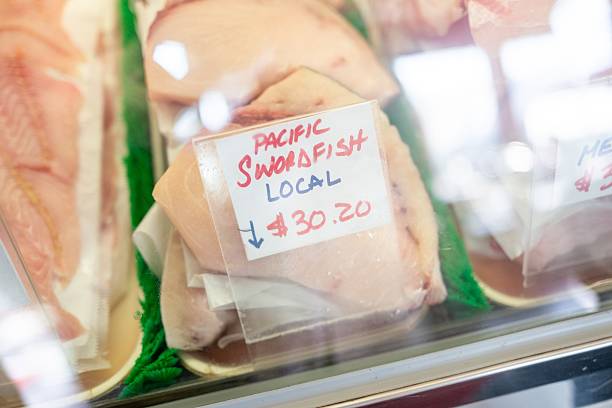
Swordfish offers a dense, meaty texture that feels almost steak‑like, with a mild, slightly sweet flavor and a subtle briny undertone from the sea. Its firm flesh holds up well to grilling, searing, or pan‑frying, which often adds smoky char and caramelized edges.
Because the fish is not overly delicate, it can stand up to robust seasonings such as lemon‑herb marinades, capers, or a light tomato‑based sauce. The natural richness of the flesh also carries a faint buttery note, especially when cooked with butter or olive oil.
Understanding these traits—meaty body, mild sweetness, gentle saltiness, and occasional smoky char—helps you select a wine that complements rather than overwhelms the fish. Aim for a partner that mirrors the richness while providing enough acidity to cut through the oil and balance the subtle oceanic flavor.
Key wine characteristics to match
When pairing wine with swordfish, look for bright acidity, moderate body, and a touch of fruit that echoes the fish’s mild sweetness.
A white wine with crisp citrus notes—such as a Sauvignon Blanc from the Loire or a New Zealand Sauvignon—provides the acidity needed to cut through the buttery texture and any buttery sauces.
If you prefer a richer style, a lightly oaked Chardonnay offers enough weight to mirror the meatiness while still delivering refreshing acidity from green apple and lemon zest.
For those who enjoy reds, a low‑tannin, fruit‑forward Pinot Noir or a chilled Gamay (Beaujolais) can work, especially when the swordfish is grilled and served with a tomato‑based relish.
The key is to avoid overly tannic or high‑alcohol wines that would clash with the delicate oceanic flavor; instead, choose wines that balance richness with zest, showcase subtle fruit, and maintain a clean finish.
Common pairing mistakes
Even seasoned diners can stumble over common pairing errors that diminish the enjoyment of swordfish. Choosing a heavy, oak‑dominant red such as a Cabernet Sauvignon or Syrah often overwhelms the fish, as the high tannins and smoky notes compete with the mild brine and can make the palate feel muddy.
Similarly, overly sweet wines—like a late‑harvest Riesling or a dessert Muscat—clash with the savory, buttery texture, leaving an unbalanced aftertaste.
Another pitfall is serving a wine that is too low in acidity, for example a flat, buttery Chardonnay without crisp fruit, which fails to cut through the oil and leaves the dish feeling greasy.
Finally, neglecting the cooking method matters; a wine that pairs well with a raw or lightly seared steak‑like swordfish may not suit a heavily spiced, tomato‑rich preparation.
By avoiding high‑tannin reds, excessive sweetness, and low‑acid whites, you keep the focus on the fish’s natural flavor and ensure a harmonious dining experience.
What is the Ideal White Wine for Swordfish
Chardonnay basics
Chardonnay is a classic match for swordfish because its buttery texture and bright acidity can stand up to the fish’s firm, meaty flesh.
Choose a lightly oaked Chardonnay from cooler climates such as Burgundy or coastal California; the subtle vanilla and citrus notes will highlight the natural sweetness of the swordfish without overwhelming it.
If you prefer a richer profile, opt for a moderately oaked version from Australia, where the creamy mouthfeel complements a grilled or pan‑seared preparation. Serve the wine slightly chilled, around 50‑55°F, to keep the fruit forward and the acidity crisp.
Pairing tip: drizzle the swordfish with a lemon‑herb butter sauce, then sip the Chardonnay to let the citrus zest echo the wine’s green apple and pear flavors, creating a harmonious balance on the palate.
Enjoy the dish with a relaxed dinner setting, allowing the wine’s subtle oak to linger as you savor each bite.
Sauvignon Blanc options
Sauvignon Blanc offers a crisp, herbaceous alternative that brightens the flavor of swordfish, especially when the fish is prepared with Mediterranean herbs or a citrus glaze.
Select a New Zealand Sauvignon Blanc for its pronounced grapefruit and passion‑fruit aromatics, which cut through the richness of a butter‑based sauce and enhance the fish’s natural brine. For a more subtle profile, choose a French Sancerre, where flinty minerality and green‑apple notes complement a simple olive‑oil and caper topping.
Serve the wine well chilled, around 45‑50°F, to preserve its lively acidity and aromatic intensity.
Serving suggestion: sprinkle fresh dill or basil over the grilled swordfish, then drizzle a splash of lime juice; the herb‑forward wine will echo these greens, while its zesty finish lifts the dish, creating a refreshing contrast that keeps the palate clean between bites.
Pinot Grigio considerations
Pinot Grigio is a light‑bodied, mineral‑driven wine that pairs effortlessly with swordfish, particularly when the fish is served simply grilled or poached with a splash of white wine.
Opt for an Italian Pinot Grigio from the Veneto or Friuli regions; its delicate lemon‑lime zest and subtle almond finish will mirror the fish’s mild flavor without adding heaviness.
If you favor a slightly richer texture, a New World Pinot Grigio from Oregon provides a hint of stone fruit and a smoother mouthfeel that works well with a light tomato‑basil sauce. Serve the wine chilled at 48‑52°F to maintain its crispness.
Practical tip: season the swordfish with sea salt, cracked black pepper, and a drizzle of extra‑virgin olive oil, then finish with a squeeze of fresh lemon; the wine’s bright acidity will accentuate the citrus notes, while its clean finish leaves room for a second bite.
Best Red Wines That Complement Swordfish

Light-bodied reds overview
Light-bodied red wines are an unexpected but delightful match for swordfish, whose firm texture and mild flavor benefit from subtle tannins and bright acidity. Choose wines with low tannin and vibrant fruit notes so they enhance rather than overpower the fish.
Look for varieties such as Gam Gam, Pinot Noir, and Beaujolais that offer red berry aromas and a silky mouthfeel. Their moderate alcohol levels keep the palate fresh, allowing the natural sweetness of the swordfish to shine.
When grilling or pan‑searing, the slight smoky char pairs well with the wine’s soft spice hints. Serve the wine slightly chilled, around 55‑60°F, to accentuate its crispness. This approach creates a balanced dining experience where the wine supports the seafood without dominating the flavor profile.
Pair it with a lemon‑herb butter sauce or a light tomato salsa for extra harmony.
Pinot Noir pairing tips
Pinot Noir is a classic companion for swordfish because its delicate structure mirrors the fish’s subtle richness. Select a Pinot with bright cherry and raspberry notes and a hint of earth to complement the meat without masking it.
Opt for bottles from cooler climates such as Oregon, Burgundy, or New Zealand, where the acidity stays lively and the tannins remain gentle.
When preparing swordfish, use a simple olive‑oil glaze, a drizzle of soy‑ginger glaze, or a herb‑infused butter; the wine’s soft spice and mushroom undertones will echo these flavors. Serve the Pinot slightly cooler than room temperature, about 58°F, to preserve its freshness.
This temperature also softens any residual tannin, allowing the wine to glide alongside the buttery texture of the fish, creating a seamless and elegant pairing. A light side of roasted asparagus enhances the overall harmony.
Beaujolais Nouveau as a surprise
Beaujolais Nouveau, released each November, brings a playful twist to swordfish dinners, proving that youthful red wines can shine with seafood. Choose the newest vintage for its fresh strawberry, banana, and candied fruit aromas that lift the fish’s natural sweetness.
The wine’s low tannin and high acidity act like a bright palate cleanser, especially effective when the swordfish is grilled with a citrus‑marinade or topped with a mango salsa. Serve the Nouveau slightly chilled, around 50‑55°F, to emphasize its fruity sparkle and keep the flavors lively.
Pair it with a side of quinoa salad tossed in vinaigrette; the acidity of the dressing mirrors the wine’s crisp edge, while the grain’s nutty notes echo the subtle earthiness of the Beaujolais. This unexpected combination adds excitement to the meal, making the pairing memorable and conversation‑worthy.
Tips for Pairing Rosé with Swordfish
Dry rosé vs. sweet rosé
When you grill or pan‑sear swordfish, a dry rosé typically shines because its crisp acidity cuts through the fish’s rich, meaty texture while highlighting subtle citrus notes. Look for rosés with crisp acidity, minerality, and light red fruit such as strawberry or watermelon.
In contrast, a sweet rosé can work if the swordfish is prepared with a glaze of honey, orange, or teriyaki, as the wine’s residual sugar mirrors the glaze’s sweetness and softens any spice. However, too much sweetness may overwhelm the delicate flavor of the fish.
For most preparations—simple lemon‑herb rubs or olive‑oil marinated steaks—a dry style is the safest bet, offering balance without masking the oceanic character of swordfish.
Pair the dish with a side of grilled asparagus or a light quinoa salad, and let the rosé’s clean finish refresh the palate between bites, ensuring each mouthful feels bright and satisfying.
Regional rosé choices
Explore rosés from regions that naturally complement swordfish’s briny profile. Provence rosé from France offers pale pink hue, delicate strawberry‑and‑herb aromatics, and a crisp minerality that mirrors Mediterranean sea breezes, making it a classic match for grilled swordfish with olive oil and herbs.
Italian rosé, especially those from Tuscany’s Chianti Classico Rosato, bring a touch of red cherry and subtle spice, which pairs well with swordfish topped with tomato‑basil salsa. From the New World, California’s Sangiovese‑based rosé provides bright acidity and ripe berry flavors that can stand up to bold sauces like chipotle‑lime.
Meanwhile, Spanish rosado from Navarra delivers a soft tannic structure and citrus zest, perfect for swordfish cooked in a citrus‑butter glaze. Selecting a regional rosé aligned with your preparation style enhances harmony, letting terroir‑driven nuances echo the fish’s natural flavors.
Serve the wine slightly chilled to accentuate its fruit vibrancy, and notice how the regional character lifts the dish’s aromatic herbs.
Serving temperature guidelines
Temperature plays a pivotal role in showcasing rosé alongside swordfish. Aim for a serving temperature of 45‑55°F (7‑13°C); this range preserves the wine’s refreshing acidity while allowing its fruit aromas to unfold.
If the rosé is too cold, the subtle mineral notes and nuanced spice can become muted, leaving the palate flat against the fish’s firm flesh. Conversely, serving it above 55°F may accentuate alcohol warmth, which can clash with the delicate flavor of swordfish.
For a dry rosé, chill it in an ice bucket for 20‑30 minutes before dinner; for a sweeter style, a slightly warmer 50‑55°F helps balance the residual sugar with the fish’s savory elements.
Always give the wine a few minutes to breathe after chilling, letting silky tannins and bright acidity integrate for a harmonious bite‑by‑bite experience throughout the meal.
How to Pair Sparkling Wine with Swordfish
Champagne vs. Prosecco
Start by tasting the natural richness of swordfish, which offers a meaty, slightly sweet flavor that thrives with bright acidity.
Choose Champagne when you want a wine that mirrors the fish’s firmness; its fine bubbles and high acidity cut through the buttery texture while subtle toast notes highlight the grill’s char.
In contrast, opt for Prosecco if you prefer a lighter, fruit‑forward partner; its gentle fizz and notes of green apple and pear enhance the mild sweetness of the flesh without overwhelming it. Serve both wines well‑chilled, around 45°F, and pair with a simple lemon‑herb drizzle or a light citrus vinaigrette.
This temperature balance preserves the wine’s crispness and ensures the swordfish stays the star of the plate. By matching the wine’s intensity to the cooking method—seared versus poached—you create a harmonious bite after bite experience.
Cava and sparkling rosé
Consider the Spanish sparkle of Cava when your swordfish is prepared with Mediterranean spices or a tomato‑based sauce. Cava’s crisp minerality and moderate alcohol level amplify the herbaceous notes of oregano, thyme, and lemon zest, while its fine effervescence lifts the sauce’s acidity, preventing the dish from feeling heavy.
If you favor a pink hue, sparkling rosé offers a playful fruit profile—strawberry, raspberry, and a hint of citrus—that mirrors the subtle sweetness of the fish and adds a visual pop on the plate.
Pair a dry rosé with a grilled swordfish steak brushed with a light chili‑garlic glaze; the wine’s soft tannins and refreshing bubbles balance the heat and keep the palate clean.
Serve both options at 48°F and accompany with a side of grilled vegetables or a quinoa salad tossed in olive oil, ensuring the wine’s freshness complements the dish’s texture and flavor layers.
When bubbles enhance the dish
Understanding why bubbles work with swordfish helps you choose the right sparkle for any preparation. The carbonation creates a gentle palate‑cleansing action, lifting fat and protein while accentuating the fish’s natural sweetness.
For a pan‑seared steak with a beurre blanc, a dry Brut with fine, persistent bubbles mirrors the sauce’s silkiness and adds a bright counterpoint to the buttery richness.
When the fish is served sashimi‑style with a soy‑ginger drizzle, a lightly sweetened sparkling wine such as an Asti Spumante provides a harmonious contrast, its honeyed notes echoing the umami while the fizz keeps the mouth feeling fresh.
Serve the wine chilled just above freezing (40‑45°F) and present it in a flute to preserve the aroma. By aligning the wine’s acidity, sweetness, and bubble texture with the cooking technique, you elevate each bite, turning a simple seafood plate into a memorable dining experience.
What to Avoid When Pairing Wine with Swordfish
Overly oaky wines
Overly oaky wines can overwhelm the delicate flavor of swordfish. The strong vanilla, coconut, and toast notes from heavy barrel aging tend to dominate the mild, slightly sweet flesh, masking its natural brine and subtle buttery texture.
When you pair a heavily oaked Chardonnay or a new‑world white with swordfish, the wine’s assertive oak can create a clash rather than a harmony, leaving the palate feeling unbalanced. Instead, opt for a lightly oaked or unoaked style that lets the fish’s natural flavors shine.
If you must use an oaked wine, choose one with restrained oak influence, such as a cool‑climate Chardonnay with minimal barrel time, and serve it slightly chilled to soften the oak impact. Key point: Keep oak intensity low to preserve the fish’s delicate profile.
Pairing with a crisp, mineral-driven white will highlight the swordfish’s sweet undertones and keep the dining experience refreshing.
High-alcohol reds
High‑alcohol reds often bring a warming, heavy mouthfeel that clashes with the light, flaky texture of swordfish.
Wines such as a 15% ABV Zinfandel or a bold Shiraz deliver intense fruit concentration, peppery spice, and a viscous body that can coat the palate, making the fish feel greasy rather than clean.
The elevated alcohol amplifies the perception of bitterness and can accentuate any smoky or charred notes from grilling, overpowering the subtle sweetness of the meat. To avoid this mismatch, steer clear of reds with alcohol levels above 13.5% when serving swordfish as the main protein.
If you prefer a red, select a lighter, lower‑alcohol option like a Pinot Noir or a Gamay, which offers bright acidity and gentle tannins that complement rather than dominate. Key point: Choose reds with modest alcohol to maintain balance and let the fish’s flavor lead.
Strong tannins and fish
Strong tannins create a drying sensation that can make the delicate flesh of swordfish feel rough and unpalatable. Tannic reds like Cabernet Sauvignon, Nebbiolo, or a tannic Tempranillo cling to proteins and can emphasize the fish’s natural oils, resulting in a metallic aftertaste.
The interaction between firm tannic structures and the soft, slightly sweet meat often leads to a clash where the wine’s bitterness overshadows the subtle briny notes.
Because swordfish is best enjoyed with bright acidity and gentle texture, it’s wiser to avoid wines that rely on high tannin levels for their character. Instead, opt for low‑tannin alternatives such as a chilled rosé, a light Pinot Noir, or an aromatic white with crisp acidity.
These choices allow the fish’s flavor to stay front‑and‑center while providing a refreshing counterpoint. Key point: Keep tannin intensity low to preserve the fish’s silky mouthfeel.
Best Ways to Serve and Store Your Wine Pairing
Ideal serving temperatures
To showcase the delicate, slightly sweet flavor of swordfish, serve your wine at the right temperature. White wines such as a lightly oaked Chardonnay, crisp Sauvignon Blanc, or aromatic Riesling should be chilled to 45‑50°F (7‑10°C).
If you prefer a fuller‑bodied option, a lightly chilled Pinot Noir works well at 55‑60°F (13‑16°C). Use a wine fridge or an ice bucket with a thin layer of ice and water for quick cooling, then let the bottle sit for a few minutes before pouring.
Avoid over‑chilling, which can mute fruit aromas, and never serve red wine at room temperature for this dish, as the heat will overwhelm the fish’s subtle taste. Monitoring temperature with an inexpensive thermometer ensures consistency, letting the wine’s acidity and minerality complement the swordfish’s meaty texture.
For a brighter profile, try a Vermentino or a lightly oaked Albariño, both of which bring citrus notes that echo the fish’s natural sweetness.
Glassware recommendations
Choosing the right glass enhances aroma delivery and sip comfort when enjoying wine with swordfish. White‑wine glasses with a medium‑size bowl and a slightly tapered rim allow the wine’s citrus and mineral notes to concentrate, highlighting the fish’s delicate flavor.
For a light‑bodied red like Pinot Noir, a large‑bowl Bordeaux‑style glass works best, giving the wine room to breathe and release subtle fruit aromas that complement the meatiness of swordfish.
If you opt for a sparkling option such as Prosecco, a flute preserves carbonation while directing bubbles toward the palate, cutting through the richness of the dish. Avoid overly narrow stems, which can trap aromas, and ensure the glass is crystal‑clear to appreciate the wine’s color.
Before serving, rinse the glass with warm water and dry it thoroughly to prevent any residue that could interfere with the wine’s pure expression.
Storing leftover wine
After a satisfying swordfish dinner, proper storage preserves the wine’s character for future enjoyment. Re‑seal the bottle with its original cork or a vacuum‑seal stopper to limit oxygen exposure, which can dull fruit flavors and increase bitterness.
Store the sealed bottle upright in a cool, dark place, ideally between 50‑55°F (10‑13°C) for whites and 55‑60°F (13‑16°C) for reds, to slow oxidation. If you have a wine fridge, set it to the appropriate temperature zone; otherwise, a pantry away from heat sources works well.
For short‑term storage (one to three days), a simple wine preserver pump can remove excess air and extend freshness. Avoid storing wine in the refrigerator for extended periods, as fluctuating temperatures cause premature aging.
When you’re ready to revisit the wine, let it warm slightly to its serving temperature and give it a gentle swirl to revive aromas before pouring.
Frequently Asked Questions
What type of wine pairs best with swordfish?
Swordfish’s firm, meaty texture pairs well with medium‑to‑full‑bodied white wines such as Chardonnay, especially those with a touch of oak, or a crisp, aromatic white like Sauvignon Blanc.
Can I serve red wine with swordfish?
Yes, a light‑to‑medium red with low tannins, like a Pinot Noir or a Gamay (Beaujolais), can complement grilled swordfish without overwhelming its flavor.
What about rosé wines for swordfish?
Dry rosé wines, particularly those with bright acidity and subtle fruit notes, are versatile and work nicely with swordfish, especially when served with a citrus‑based sauce.
How does the cooking method affect wine choice?
Grilled or seared swordfish benefits from wines with a hint of smokiness or oak, like a buttery Chardonnay, while poached or baked swordfish pairs better with lighter, crisper whites such as Pinot Grigio or Albariño.
Should I consider the sauce when picking a wine?
Absolutely—herb‑based sauces pair well with Sauvignon Blanc, tomato‑based sauces match nicely with a light red like Chianti, and buttery sauces complement oaked Chardonnay.
Are there any sparkling wine options for swordfish?
Yes, a dry sparkling wine such as Brut Champagne or a quality Cava can enhance the dish’s richness and cleanse the palate, especially with citrus or herb‑forward preparations.
Conclusion
In short, a bright, crisp white such as Sauvignon Blanc or a lightly oaked Chardonnay balances swordfish’s rich, buttery texture, while a dry rosé adds a refreshing acidity that cuts through the meat’s natural oil. For those who prefer red, a low‑tannin Pinot Noir or a chilled Gamay works surprisingly well. Experiment with these pairings, trust your palate, and enjoy the perfect harmony of sea and vine.

