What Wine Pairs With Fettuccine Alfredo
Looking for the perfect sip to complement creamy fettuccine alfredo? You’ve come to the right place. In the next few lines we’ll cut through the confusion and recommend the ideal wine that balances richness without overwhelming the sauce. Whether you prefer a crisp white, a buttery Chardonnay, or a light red, we’ll explain why each choice works and how to serve it.
What is the ideal wine for Fettuccine Alfredo
Key flavor characteristics of Alfredo sauce
Alfredo sauce is built around a rich, buttery base that combines heavy cream, Parmesan cheese, and a touch of garlic, creating a velvety texture and a subtle nutty‑sweet flavor. Creaminess coats the pasta, while umami from the cheese adds depth, and a hint of salty seasoning balances the richness.
The sauce’s low acidity means it doesn’t cut through bold flavors, so the wine should provide a refreshing contrast without overwhelming the delicate palate. Look for wines that offer bright acidity, light to medium body, and subtle fruit notes to lift the sauce’s richness.
Understanding these flavor pillars—cream, cheese, and gentle seasoning—helps you select a wine that complements rather than competes, ensuring each bite feels harmonious and the overall dining experience remains balanced.
Pairing a wine with the right level of acidity also brightens the buttery mouthfeel and highlights the subtle garlic undertone, making every forkful more vibrant.
Why white wines are usually recommended
White wines dominate the pairing chart for Fettuccine Alfredo because their natural acidity and lighter body act as a perfect foil to the sauce’s richness.
High acidity cuts through the buttery cream, refreshing the palate between bites, while subtle fruit aromas—such as citrus, green apple, or stone fruit—add a bright contrast that highlights the Parmesan’s nutty notes.
Unlike many reds, whites rarely contain tannins that could clash with the delicate texture, and their cooler serving temperature preserves the sauce’s silky feel.
Varieties like Pinot Grigio, Sauvignon Blanc, and unoaked Chardonnay deliver the right balance of crispness and flavor intensity, ensuring the wine lifts rather than masks the dish.
By choosing a white with balanced acidity and moderate alcohol, you create a harmonious dining experience where the wine and pasta enhance each other, turning a simple plate into a memorable meal.
Serving the wine slightly chilled, around 45–50°F, further accentuates its acidity and keeps the palate lively, preventing the sauce from feeling overly heavy.
Common mistakes in wine selection
Even seasoned diners can stumble when pairing wine with Fettuccine Alfredo, often by reaching for a bold red or an overly sweet white that masks the sauce’s subtlety.
Choosing a high‑tannin red such as Cabernet Sauvignon creates a gritty mouthfeel that clashes with the creamy texture, while overly oaked Chardonnay adds excessive buttery notes that compete rather than complement.
Another frequent error is selecting a wine with low acidity; without that bright edge, the pairing feels flat and the richness of the dish becomes cloying. Sweet wines like Moscato may seem tempting, but their fruitiness can overwhelm the delicate Parmesan flavor.
To avoid these pitfalls, focus on wines that provide crisp acidity, light to medium body, and minimal oak influence. Stick to unoaked whites or lightly oaked varieties, and keep the alcohol level moderate to ensure the wine lifts the dish rather than drowning it.
How to match wine acidity with creamy pasta
Balancing richness and acidity
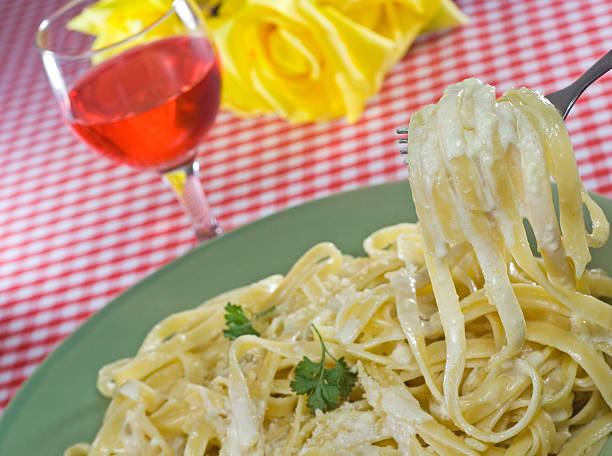
When you sit down to enjoy fettuccine alfredo, the sauce’s buttery, creamy texture can overwhelm the palate if the wine lacks enough acidity. Start by looking for wines that offer a crisp, lively acidity to cut through the richness and refresh your mouth between bites.
A good rule of thumb is to choose a wine with an acidity level of at least 5‑6 g/L, which will balance the fat without adding bitterness. Consider lightly chilled whites or sparkling options that deliver bright acidity while preserving delicate flavors.
This approach not only highlights the pasta’s Parmesan notes but also prevents the meal from feeling heavy. By matching the wine’s acidity to the sauce’s creaminess, you create a harmonious dining experience where each sip prepares you for the next forkful.
Enjoy the balanced pairing with confidence and let the flavors shine together.
Choosing wines with bright citrus notes
Bright citrus notes act like a natural counterpoint to the velvety alfredo sauce, lifting the dish without clashing with its dairy base. Seek out wines that showcase lemon, lime, or green apple aromatics, such as unoaked Chardonnay, Sauvignon Blanc, or a dry Italian Pinot Grigio.
These varieties deliver zesty acidity and fruit‑forward profiles that echo the subtle lemon zest often added to the sauce. Serve the wine slightly chilled, around 45‑50°F, to accentuate the citrus sparkle and keep the palate lively.
When the wine’s citrus character matches the sauce’s buttery depth, each bite feels refreshed, and the overall meal gains a vibrant rhythm. By prioritizing wines with pronounced citrus expression, you ensure the pairing remains lively, preventing the richness from becoming monotonous.
Try a glass before the main course to confirm the citrus lift complements the creamy texture.
When to consider a touch of sweetness
A subtle hint of sweetness can soften the intensity of the alfredo’s butter and cheese, creating a more rounded palate experience. Look for off‑dry whites or lightly sparkling wines that carry a gentle residual sugar, such as Riesling Kabinett, Moscato d’Asti, or a slightly sweet Vinho Verde.
These wines provide a soft fruit sweetness that balances the savory sauce while preserving acidity, preventing the pairing from feeling cloying. Serve them chilled, but not ice‑cold, to keep the sugar perception balanced with the wine’s crispness.
When the wine’s touch of sweetness aligns with the dish’s richness, it highlights the Parmesan notes and adds a pleasant contrast that keeps the meal engaging. Experiment with a small pour to gauge how the sweet edge interacts with the creamy pasta, adjusting the style as needed for optimal harmony.
Best white wines to pair with Fettuccine Alfredo
Chardonnay: oaked vs. unoaked
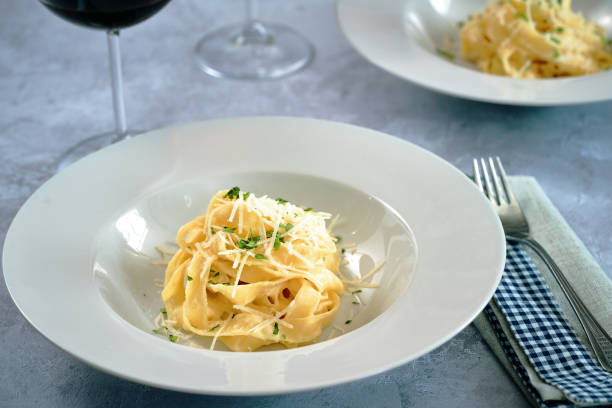
When pairing Fettuccine Alfredo, choose a Chardonnay that complements the sauce’s buttery richness without overwhelming it. Opt for an unoaked or lightly oaked style if you prefer bright acidity that cuts through the cream, offering a refreshing contrast.
Look for notes of green apple, citrus, and subtle minerality that brighten the palate. If you enjoy a richer mouthfeel, a moderately oaked Chardonnay with vanilla, toasted oak, and buttery nuances can echo the dish’s decadence while adding depth. Serve the wine slightly chilled, around 50‑55°F, to maintain balance.
Pairing with a well‑structured Chardonnay also enhances the pasta’s Parmesan finish, creating a harmonious blend of cream and fruit. Choose a wine from cooler climates like Burgundy or Sonoma Coast for elegance, or a New World option for a more pronounced fruit profile.
Enjoy this pairing with a light salad to complete the meal.
Pinot Grigio and its crisp profile
Pinot Grigio offers a crisp, clean canvas that lifts the richness of Fettuccine Alfredo while preserving the dish’s delicate flavors. Select a dry, mineral-driven Pinot Grigio from Italy’s Alto Adige or Friuli regions for bright acidity and subtle stone fruit notes that cleanse the palate between bites.
The wine’s light body and zesty citrus aromas, such as lemon and green apple, provide a refreshing counterpoint to the creamy sauce, preventing heaviness. Serve chilled at 45‑50°F to emphasize its lively character.
When the Alfredo includes herbs like parsley or basil, the herbaceous undertones in a well‑balanced Pinot Grigio echo those flavors, creating synergy. Pair with a slightly aromatic version that hints at white pepper or almond for added complexity.
This combination works especially for lunch or early dinner, delivering a bright, uplifting experience that highlights both the pasta and the wine.
Sauvignon Blanc for herbaceous lift
Sauvignon Blanc brings a vibrant herbaceous lift that brightens the buttery notes of Fettuccine Alfredo, making it an excellent match for the dish’s creamy texture.
Choose a Sauvignon Blanc from cooler climates such as New Zealand’s Marlborough or France’s Loire Valley, where the wine displays pronounced acidity, citrus zest, and green herb aromas like grass and tarragon. These herb‑forward characteristics echo any parsley or chive garnish in the Alfredo, creating a seamless flavor bridge.
Serve the wine at 48‑52°F to preserve its aromatic intensity. Look for subtle tropical hints of passionfruit or gooseberry that add a touch of fruitiness without competing with the sauce’s richness.
When the pasta is finished with a squeeze of lemon, the zesty lime and grapefruit notes in the Sauvignon Blanc amplify the citrus sparkle, delivering a balanced, refreshing palate. This pairing works well for both casual meals and special occasions, offering a lively, palate‑cleansing experience.
Red wine options that work with creamy sauces
Light-bodied reds: Pinot Noir
Pinot Noir’s delicate structure makes it one of the most reliable red choices for a creamy fettuccine Alfredo. Its light body and subtle acidity cut through the butter‑rich sauce without overwhelming the pasta’s silky texture.
Look for a fruit‑forward style from cooler climates such as Oregon or Burgundy, where cherry, raspberry, and earthy notes add a gentle contrast. Serve slightly chilled, around 55‑60°F, to enhance freshness and keep the wine from feeling too heavy.
Pairing a Pinot Noir with a sprinkle of freshly grated Parmesan amplifies the nutty undertones in both the dish and the wine, creating a harmonious balance.
This combination works especially well when the Alfredo includes mushrooms or a hint of truffle, as the wine’s subtle earthiness mirrors those flavors while preserving the sauce’s creaminess. A modest alcohol level, typically around 12‑13%, ensures the wine stays lively and does not mask the delicate Parmesan flavor.
Italian reds with low tannins: Chianti Classico
Chianti Classico, especially the newer, fruit‑driven bottlings, offers a red option that complements the richness of Alfredo without the bite of high tannins. Its medium acidity and bright red‑fruit profile, featuring cherry, plum, and a whisper of dried herbs, lift the buttery sauce while echoing the dish’s Italian roots.
Choose a wine aged less than five years to retain fresh aromatics and avoid excessive oak influence that could clash with the cream.
Serving temperature around 60‑65°F helps the wine reveal its supple texture and subtle spice, which pairs nicely with the occasional addition of garlic or a pinch of nutmeg in the sauce.
The modest tannic structure of Chianti Classico allows the pasta’s silky mouthfeel to shine, making it a safe yet expressive companion for a classic fettuccine Alfredo. It also pairs well with a light sprinkle of parsley, adding a fresh green note that brightens the overall palate.
When to avoid high-tannin reds
High‑tannin reds such as Cabernet Sauvignon, Syrah, or Nebbiolo can quickly overwhelm the smooth texture of fettuccine Alfredo, turning a harmonious pairing into a clash of flavors. Their firm structure and pronounced bitterness compete with the sauce’s buttery fat, leaving the palate feeling coated rather than refreshed.
These wines also tend to accentuate the dairy component, making the dish taste overly heavy and masking subtle aromatics like garlic or nutmeg. If you prefer a red, steer clear of vintages with extended oak aging, as the added vanilla and smoke notes will dominate the delicate cream.
Instead, opt for lighter reds with soft tannins or consider a chilled rosé as an alternative. By avoiding high‑tannin choices, you preserve the dish’s silky mouthfeel and allow the Parmesan and cream to remain the stars of the plate.
Tips for serving wine with Fettuccine Alfredo
Ideal serving temperature
Serve your wine at the right temperature to highlight the creamy richness of Fettuccine Alfredo. White wines such as lightly oaked Chardonnay or crisp Pinot Grigio should be chilled to 45‑50°F (7‑10°C); this coolness balances the buttery sauce without muting flavors.
If you prefer a light‑bodied red, choose a Pinot Noir and keep it slightly cooler than room temperature, around 55‑60°F (13‑16°C), to preserve its fruitiness and soft tannins. Use a wine fridge or an ice bucket with a few minutes of chilling, then check with a thermometer.
Avoid serving reds too warm, as excess heat can make the sauce feel heavy, and steer clear of overly cold whites, which can suppress aromatic complexity.
Adjust the temperature based on the specific wine’s style, but always aim for a range that keeps the palate refreshed while complementing the dish’s silkiness.
Glassware that enhances aroma
Choose glassware that amplifies the wine’s aroma and texture, ensuring each sip harmonizes with the creamy Alfredo sauce. White‑wine glasses with a tulip‑shaped bowl and a slightly narrower rim concentrate the subtle citrus and vanilla notes of Chardonnay, directing them toward the nose before the palate.
For light‑bodied reds like Pinot Noir, opt for a large, rounded bowl that allows gentle aeration, releasing soft berry and earthy aromas that cut through the sauce’s richness. Hold the glass by the stem to avoid warming the wine with your hand, preserving the intended serving temperature.
Clean, crystal‑clear glasses prevent visual distractions and maintain the wine’s clarity, while a thin rim enhances mouthfeel. Avoid overly large, flamboyant glasses for delicate whites, as they can dissipate fragrance too quickly, and steer clear of narrow, tight‑rimmed reds that restrict airflow, which would mute the wine’s subtle complexity.
Pairing wine with side dishes and salads
Consider the entire plate when selecting a wine, because side dishes and salads can shift the balance of flavors alongside Fettuccine Alfredo. Crisp salads featuring lemon‑dressed arugula or mixed greens introduce acidity that brightens a buttery Chardonnay; serve the wine at 45‑50°F to keep its fruit forward.
If you accompany the pasta with garlic‑infused roasted vegetables or a light Parmesan‑topped focaccia, a light‑bodied Pinot Noir at 55‑60°F offers gentle tannins that cut through the richness without overwhelming the herbs.
For seafood add‑ons like shrimp scampi, pair a dry Riesling or Sauvignon Blanc to echo the citrus notes and maintain freshness. Match the wine’s acidity level to the side’s tanginess, and ensure the glass size supports aroma release.
By aligning the wine’s profile with both the main and its accompaniments, every bite and sip will feel cohesive and elevated.
How to taste and evaluate your wine pairing
First sip: checking balance
Begin by taking a small sip of your chosen white, such as a lightly oaked Chardonnay or a crisp Pinot Grigio, before the first forkful of fettuccine alfredo. Notice the acidity and how it cuts through the creamy sauce, while the wine’s fruit notes should echo the Parmesan and butter.
Swirl the wine, inhale its aroma, then taste the pasta, letting the flavors mingle on the palate. Assess the balance: if the wine feels too flat, the dish may dominate; if it feels overly sharp, the sauce may be overwhelmed.
A well‑matched pairing will let the buttery richness glide alongside the wine’s subtle citrus or orchard fruit, creating a harmonious mouthfeel. Adjust by selecting a wine with a slightly higher acidity or a touch more oak if the sauce feels heavy, ensuring each sip supports the next bite.
Mid‑meal adjustments
Mid‑meal is the perfect moment to reassess the pairing as the sauce thickens and any added proteins, like grilled chicken or shrimp, appear. Take another sip and compare it to the evolving flavors on the plate.
If the wine begins to taste muted, consider a glass with a brighter acidity such as an Italian Verdicchio or a New World Sauvignon Blanc, which can lift the richer elements.
Conversely, if the wine’s fruit becomes too dominant, a slightly fuller‑bodied Chardonnay with a touch of oak can re‑establish harmony, echoing the buttery notes while standing up to the added protein. Observe the texture: the wine should cleanse the palate between bites, preventing the cream from clinging too long.
By making these small adjustments, you keep the dining experience dynamic, allowing each course to complement the wine without losing the overall cohesion of flavors.
Ending the meal: dessert wine considerations
After the rich fettuccine alfredo, a thoughtful dessert wine can provide a graceful finale. Select a wine that offers a gentle sweetness without overwhelming the lingering creaminess, such as a late‑harvest Riesling, an Italian Moscato d’Asti, or a lightly sparkling demi‑sec Champagne.
These choices bring bright acidity and fruit‑forward notes that contrast the buttery sauce, cleansing the palate and highlighting any subtle caramelized edges in the dessert.
If the meal concludes with a simple espresso or a chocolate‑based treat, a ruby‑colored Port or a sweet Tokaji can echo the depth of the coffee while adding a velvety finish.
Keep the serving temperature slightly cooler than room temperature to preserve freshness, and sip slowly, allowing the wine’s lingering finish to mirror the lingering after‑taste of the alfredo, creating a balanced and satisfying end to the dining experience.
Frequently asked questions about wine and Alfredo
Can sparkling wine work?
Sparkling wine can be a surprisingly elegant partner for creamy fettuccine Alfredo. The high acidity and fine bubbles cut through the rich butter and Parmesan, refreshing the palate between bites.
Choose a dry style such as Brut Champagne, Prosecco, or Cava; avoid overly sweet varieties that will clash with the sauce’s savory depth. Serve chilled (45‑50°F) and pour a modest glass to keep the focus on the pasta.
When selecting, look for notes of green apple, citrus, or brioche, which complement the subtle garlic and nutmeg often used in Alfredo. Pairing tip: sip a sip, then take a forkful; the contrast will highlight both the wine’s crispness and the sauce’s silkiness, creating a balanced dining experience.
Consider serving the sparkling wine alongside a light appetizer such as prosciutto-wrapped melon, which will further enhance the acidity and keep the meal lively.
Is rosé a good compromise?
Rosé offers a versatile middle ground for fettuccine Alfredo, delivering fruit‑forward freshness without overwhelming the creamy sauce. Opt for a dry, pale‑pink rosé from Provence or a New World style with crisp acidity and subtle red‑berry notes.
The wine’s light tannins and bright acidity act like a palate cleanser, while its strawberry and watermelon aromas echo the subtle sweetness of the Parmesan. Serve the rosé slightly cooler than red wine, around 55°F, to preserve its delicate aromatics.
When pairing, avoid overly oaked or sweet rosés that can mask the sauce’s buttery nuance. Practical tip: swirl the glass, inhale the fragrance, then take a bite; the interplay of fruit and cream will highlight both the wine’s vibrancy and the dish’s richness, making the meal feel lighter yet satisfying.
Pair it with a side of lightly sautéed asparagus or a simple green salad dressed with lemon vinaigrette to reinforce the wine’s acidity.
What about non‑alcoholic alternatives?
Non‑alcoholic options can match fettuccine Alfredo’s richness while keeping the dining experience inclusive. A well‑chilled sparkling water infused with a splash of citrus, such as lemon or yuzu, provides bright acidity that cuts through the buttery sauce.
Alternatively, a lightly sweetened white grape juice or a non‑alcoholic white wine with subtle oak and crisp apple notes can mimic the mouthfeel of traditional pairings. Serve the beverage at 45‑50°F to preserve its refreshing character.
For a more complex profile, try a kombucha brewed with ginger and green tea; its gentle effervescence and tangy finish complement the Parmesan and nutmeg in the Alfredo.
Serving suggestion: present the drink in a wine glass, garnish with a thin citrus twist, and encourage guests to sip between bites to maintain balance and enhance the overall flavor journey today.
Frequently Asked Questions
What type of wine best complements the creamy sauce of Fettuccine Alfredo?
A medium‑body white wine with bright acidity, such as a Chardonnay (especially unoaked or lightly oaked), balances the richness of the cream and butter without overwhelming the dish.
Can a red wine be paired with Fettuccine Alfredo?
Yes, a light‑bodied red with low tannins, like a Pinot Noir or a Beaujolais, can work if you prefer red; serve it slightly chilled to keep the palate fresh.
Why is acidity important when pairing wine with Alfredo sauce?
Acidity cuts through the buttery, cheesy sauce, cleansing the palate and preventing the wine from feeling heavy, which enhances both the wine and the pasta.
Would a sparkling wine be a good match for Fettuccine Alfredo?
A dry sparkling wine such as Brut Champagne or Prosecco adds crisp acidity and effervescence that lift the creamy sauce, making it a festive and refreshing pairing.
How does the addition of protein (like chicken or shrimp) affect the wine choice?
Adding protein introduces extra flavor layers; a fuller‑bodied Chardonnay works well with chicken, while a crisp Sauvignon Blanc pairs nicely with shrimp, both maintaining balance with the sauce.
Should I consider the wine’s oak influence when pairing with Alfredo?
Yes, heavily oaked wines can clash with the delicate creaminess; opt for unoaked or lightly oaked whites to keep the flavors harmonious and avoid overpowering the dish.
Conclusion
Choosing the right wine for fettuccine Alfredo hinges on balancing the dish’s buttery richness with acidity and subtle fruit. A crisp Chardonnay, a lightly oaked Pinot Grigio, or a bright Sauvignon Blanc all cut through the cream while complementing the Parmesan notes. Remember to serve slightly chilled and enjoy the harmony. Experiment, trust your palate, and let each sip elevate your pasta experience.