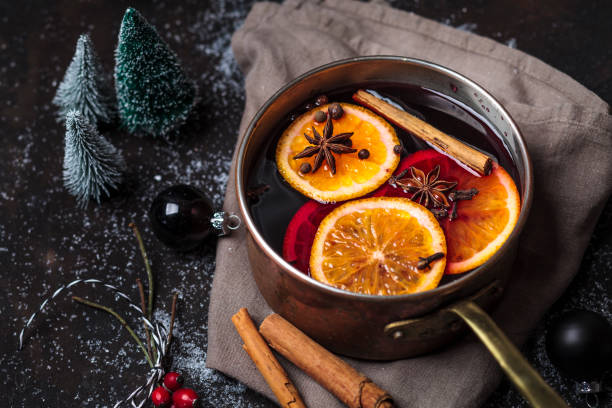
What Red Wine For Mulled Wine
Choosing the right red wine for mulled wine can make all the difference between a cozy, aromatic sip and a flat, forgettable drink. In this quick guide we’ll point you to the best varieties—fruity, medium‑bodied reds that blend beautifully with spices, citrus, and a touch of sweetness. You’ll learn which bottles are affordable, easy to find, and perfect for creating a warm, festive punch in minutes. Follow our simple tips, and you’ll impress guests with a rich, comforting holiday classic.
How to Choose the Right Red Wine for Mulled Wine
Key flavor profiles to look for
Start by identifying the flavor foundation that will hold up to the warm spices in mulled wine. Look for reds that showcase dark fruit notes such as blackcurrant, plum, and blackberry, because these flavors deepen the drink’s richness.
A subtle hint of cinnamon or clove within the wine itself can complement the added spices, creating a seamless blend. Wines with a faint citrus edge, like a whisper of orange peel, add brightness that balances the sweetness of sugar or honey.
Avoid overly floral or herbaceous profiles, which may clash with the classic mulled profile. When tasting, focus on the wine’s ability to deliver a spice‑friendly palate that will not be overwhelmed once heated.
Choosing a wine with these core flavors ensures the final mulled beverage is aromatic, layered, and true to tradition perfectly.
Ideal acidity and tannin levels
Acidity and tannin are the structural pillars that keep mulled wine from turning flat after heating. Aim for a wine with moderate acidity—enough to cut through the added sugar and spice but not so sharp that it dominates the palate.
A fruit‑forward Pinot Noir or a light‑bodied Grenache often provides the right balance, offering a lively zing that lifts the mulled mixture. Regarding tannins, choose a wine with soft, integrated tannins; high‑tannin reds like Cabernet Sauvignon can become overly astringent when simmered, leaving a bitter aftertaste.
Look for wines where the tannin feels smooth and almost invisible at room temperature, because the heat will further soften them. When you swirl the glass, you should notice a gentle grip that fades quickly, indicating the tannin level is suitable for mulling.
By selecting a wine with these acidity and tannin characteristics, the final drink will stay bright, smooth, and enjoyable from the first sip to the last.
Budget-friendly vs premium options
When planning a mulled‑wine batch, weigh the cost‑to‑flavor ratio to decide between budget‑friendly and premium bottles. Budget‑friendly choices such as a Spanish Tempranillo, an Italian Montepulciano d’Abruzzo, or a South‑African Shiraz often deliver robust fruit and spice notes at a fraction of the price of a fine Bordeaux.
These wines typically have a straightforward profile that melds well with added cinnamon, star anise, and orange, making them ideal for large gatherings where volume matters.
On the premium side, consider a well‑aged Rioja Reserva, a quality Pinot Noir from Oregon, or a boutique Rhône blend; these selections bring layered complexity, subtle oak, and refined acidity that elevate the mulled experience to a more sophisticated level.
While the price gap can be significant, the key is to match the wine’s intrinsic character with the intended occasion.
For casual holiday parties, a value‑driven bottle will satisfy most guests, whereas a special dinner or tasting event benefits from a premium label that adds depth and elegance to the warm, spiced concoction.
What Types of Red Wine Work Best in Mulled Wine

Cabernet Sauvignon
Cabernet Sauvignon brings deep, dark fruit flavors and firm tannins that stand up to the spices in mulled wine. Choose a young, fruit‑forward bottle rather than an overly oak‑aged reserve to keep the drink smooth.
Use a wine with bright blackberry and cassis notes; these will meld with cinnamon, clove, and orange peel. Avoid heavy, tannic wines that can become bitter when heated. A 12‑13% ABV Cabernet works well, providing enough body without overwhelming the palate.
Simply pour the wine into a pot, add your spice blend, and gently warm for 20‑30 minutes, stirring occasionally. Serve the mulled Cabernet in heat‑proof glasses and garnish with a slice of orange and a cinnamon stick for extra aroma.
This style creates a rich, velvety sip that’s perfect for cold evenings and holiday gatherings.
Merlot
Merlot offers soft, plush fruit flavors and lower tannins, making it an excellent base for a gentle mulled wine. Look for a medium‑bodied Merlot with notes of plum, cherry, and a hint of chocolate. Choose a wine with subtle oak influence so the spices don’t clash.
Avoid overly sweet or heavily oaked bottles that can mask the spice profile. A 11‑12% ABV Merlot provides a smooth mouthfeel while allowing cinnamon, star anise, and nutmeg to shine. Heat the wine slowly, never boiling, and add a splash of brandy for depth.
Serve in mugs topped with a fresh rosemary sprig to enhance the aromatic experience.
Zinfandel
Zinfandel brings bold, jammy fruit and a peppery edge that can stand up to the robust spices of mulled wine. Select a younger Zinfandel with bright raspberry, blackberry, and a touch of cinnamon already present in the wine.
Prioritize a wine with moderate alcohol (13‑14% ABV) to prevent the mulled mixture from becoming too hot. Skip heavily smoked or overly tannic versions that may become harsh when heated. The natural spice notes in Zinfandel complement cloves, allspice, and orange zest beautifully.
Warm the wine gently, adding a dash of honey to balance any acidity. Serve in clear glasses with a cinnamon stick stirrer for a festive presentation.
Grenache
Grenache offers light‑to‑medium body with red fruit flavors and subtle spice, making it a versatile choice for mulled wine. Look for a Grenache that showcases strawberry, raspberry, and a whisper of white pepper. Pick a wine with low to moderate tannins so the heat won’t accentuate bitterness.
Avoid overly sweet or fortified styles which can dominate the spice blend. An ABV around 12‑13% keeps the drink lively without overwhelming the palate. When mulling, add a splash of orange juice and a few whole cloves to enhance the fruit profile.
Serve in heat‑proof mugs, garnished with a slice of lemon and a sprig of thyme for an aromatic lift.
Tips for Pairing Spices with Different Red Wines

Cinnamon and clove with full-bodied wines
Cinnamon and clove thrive when paired with full‑bodied red wines such as Cabernet Sauvignon, Syrah, or a robust Zinfandel. Start by selecting a wine with 13‑15% alcohol to stand up to the strong spice heat.
Heat the wine gently, never boiling, to keep the tannins smooth while the spices release their oils. Add a stick of cinnamon and a few whole cloves for every liter; this ratio prevents the flavors from overwhelming the fruit backbone.
Taste frequently and adjust by adding a splash of orange juice or a pinch of sugar if the wine feels too astringent.
The result is a mulled wine where the deep dark fruit notes of the wine complement the warm, sweet‑spicy aroma of cinnamon and clove, creating a balanced, comforting drink for winter gatherings. Serve it hot in mugs and garnish with a fresh orange slice for extra brightness.
Star anise with fruit-forward wines
Star anise pairs beautifully with fruit‑forward reds like Merlot, Pinot Noir, or a young Grenache. Choose a wine with bright berry notes and moderate tannins, typically 12‑13% ABV, to let the licorice‑like spice shine without masking the fruit.
Add one or two whole star anise pods per bottle and let the mixture steep for 10‑15 minutes over low heat, stirring occasionally. The subtle sweetness of the wine’s red fruit amplifies the aromatic depth of the spice, creating a fragrant mulled profile.
If the flavor feels too intense, balance it with a splash of cranberry juice or a drizzle of honey to soften the edge.
Serve the mulled wine warm, not scalding, and garnish with a sprig of fresh rosemary or a few frozen berries to enhance the visual appeal and add a hint of herbal freshness that complements both the wine and the star anise.
Balancing sweetness and spice
Balancing sweetness and spice is the key to a harmonious mulled red wine, whether you prefer a Cabernet, Malbec, or a soft Tempranillo. Start with a base wine that has natural fruit sweetness, around 12‑14% alcohol, then introduce spices gradually.
Add a teaspoon of brown sugar or a drizzle of maple syrup for every liter, tasting after each addition to avoid cloying the palate. Combine warm spices like cinnamon, clove, and a pinch of nutmeg with a hint of citrus zest to brighten the profile.
If the drink leans too spicy, counterbalance with a splash of apple cider or a spoonful of jam to round out the flavors. Keep the mixture on low heat, stirring constantly, and serve in pre‑warmed glasses.
A final garnish of a cinnamon stick and a twist of orange peel not only looks inviting but also reinforces the delicate equilibrium between sweet and spicy notes.
Best Ways to Prepare Mulled Wine with Red Wine
Slow simmer vs quick heat
Choose a red wine that balances fruit, acidity, and moderate tannins, such as a dry Merlot, Grenache, or a young Rioja. These varieties bring enough body to stand up to spices without overwhelming the palate.
Avoid overly oaky or high‑alcohol wines, as they can dominate the subtle cinnamon and clove notes. Start with a bottle (750 ml) and plan to discard any excess after simmering; the wine’s flavor will meld with the aromatics, not become bitter.
For a quick heat method, bring the wine to a gentle boil for two minutes, then lower the temperature and add spices. For a slow simmer, keep the mixture just below a rolling boil for 20‑30 minutes, allowing the tannins to soften and the fruit profile to integrate fully.
Both techniques work, but a slow simmer yields a smoother, more rounded mulled wine.
Adding fruit and sweeteners
Layer fresh fruit and natural sweeteners to complement the wine’s character and keep the drink festive. Classic choices include sliced oranges, lemon zest, and a handful of cranberries; they release bright citrus oils and a subtle tartness that brightens the spice blend.
Add a touch of honey or maple syrup instead of refined sugar for a smoother mouthfeel and a hint of caramel depth. If you prefer a richer profile, stir in a spoonful of dark brown sugar or a splash of orange liqueur, but use sparingly to avoid masking the wine.
For a non‑alcoholic twist, swap half the wine for apple cider, which adds gentle sweetness and extra body. Toss the fruit and sweetener into the pot before the simmer begins, allowing the flavors to infuse for the full cooking time.
Stir occasionally to dissolve the sweetener evenly and to prevent the fruit from sticking to the bottom, ensuring a balanced, aromatic mulled wine every time.
Storing and reheating leftovers
Mulled wine keeps well for a day or two when stored properly, making it perfect for holiday leftovers. Cool the mixture quickly by removing it from heat and letting it sit at room temperature for 15‑20 minutes, then transfer to an airtight glass jar and refrigerate.
When you’re ready to serve again, reheat gently on the stove over low heat, never bringing it back to a boil, which can cause the alcohol to evaporate and the spices to turn bitter.
Add a splash of fresh wine or a drizzle of orange juice during reheating to revive the brightness lost during cooling. If you need to freeze, portion the mulled wine into freezer‑safe bags, leaving headspace for expansion, and store for up to three months.
Thaw overnight in the refrigerator, then warm slowly, stirring occasionally to redistribute the fruit and spice sediments. Proper storage and careful reheating preserve the silky texture and balanced flavor profile, so each cup tastes as festive as the first.
Common Mistakes to Avoid When Making Mulled Red Wine
Overcooking the wine
Overcooking the wine destroys the delicate fruit flavors that make mulled red wine inviting. Never bring the mixture to a rolling boil; instead, heat it gently to a simmer, staying below 85°C (185°F). When the wine is heated too long, tannins become harsh and the aroma turns bitter.
Start with a sturdy yet medium‑bodied red such as Merlot, Grenache, or a young Zinfandel, which can tolerate gentle heat without losing character. Add spices after the wine is warm, then remove from heat as soon as the aromas are released.
Monitor the temperature with a kitchen thermometer and keep the pot covered to retain steam. This careful control preserves the wine’s natural sweetness and ensures the mulled drink remains smooth and inviting rather than burnt and astringent.
By respecting this temperature window, you also allow the chosen red wine’s subtle berry notes to shine through the spice blend.
Using too much alcohol
Using too much alcohol can overwhelm the spice profile and make the mulled drink uncomfortably strong. Select a red wine with an alcohol by volume (ABV) of 12‑13%, such as a fruit‑forward Merlot, a soft Pinot Noir, or a lightly oaked Cabernet Franc.
These wines provide enough body to carry cinnamon, clove, and orange without the need for excessive spirits. If you add brandy or rum, limit the addition to no more than ¼ cup per litre of wine to keep the balance in check.
Over‑pouring spirits not only raises the ABV but also masks the natural fruit character you selected. Taste the mixture before serving and adjust with a splash of water or extra juice if the alcohol feels dominant.
By moderating the total alcohol content, the mulled wine remains warm and inviting, allowing the chosen red’s subtle plum and cherry notes to complement, rather than compete with, the festive spices.
Neglecting seasoning balance
Neglecting seasoning balance turns a comforting mulled wine into a confusing mash of flavors. Start with a modest spice blend—one cinnamon stick, three whole cloves, a star anise, and a slice of orange per litre of wine—then taste and adjust.
Using too many spices or overly strong extracts can drown the subtle fruit profile of the selected red, whether it’s a Grenache, a Rioja, or a soft Zinfandel.
Sweeteners should be added gradually; a tablespoon of honey or brown sugar per litre is enough to enhance without making the drink cloyingly sweet. Stir gently and let the mixture steep for 10‑15 minutes off the heat, allowing the spices to infuse without over‑cooking.
If the flavor feels flat, finish with a pinch of sea salt or a splash of fresh lemon juice to brighten the palate. By respecting the proportion of wine, spices, and sweetener, you let the chosen red’s natural berry and plum undertones shine through the festive aromatics.
How to Adjust Mulled Wine for Different Palates
Making it sweeter
Start with a fruit‑forward red such as a Zinfandel or a young Grenache, which already carries natural berry sweetness. To boost sweetness without overwhelming the spice, add a tablespoon of honey or maple syrup while the wine simmers, stirring until fully dissolved.
Taste first, then adjust in ½‑teaspoon increments to avoid cloying the drink. Incorporate sliced oranges, a handful of dried apricots, or a splash of apple cider for additional fruit sugars that meld with the wine’s tannins.
If you prefer a richer mouthfeel, stir in a dollop of sweetened condensed milk or a splash of vanilla‑infused cream just before serving. Keep the heat low after adding sweeteners to preserve the delicate aromatics.
Finally, garnish with a cinnamon stick and a twist of orange peel to highlight the enhanced sweetness while maintaining balance today.
Adding extra spice heat
Choose a robust, full‑bodied red like a Cabernet Sauvignon or a Syrah as the base, because their higher tannin structure can stand up to intensified spices.
Begin by adding a pinch of ground cayenne pepper or a few slices of fresh jalapeño during the gentle simmer; start small and increase by ¼‑teaspoon steps, tasting after each addition.
Complement the heat with warming spices such as star anise, cloves, and a larger piece of ginger root, which amplify the sensation without masking the wine’s character.
For a smoky kick, stir in a dash of smoked paprika or a few drops of liquid smoke, but keep the quantity minimal to avoid bitterness. Maintain a low simmer (no boil) to let the flavors meld while preserving alcohol content.
Finish with a garnish of a chili‑infused orange wheel and a sprig of rosemary, offering visual appeal and an extra layer of aromatic heat.
Low-alcohol alternatives
If you prefer a lighter mulled drink, start with a low‑alcohol red such as a Beaujolais Nouveau (around 11 % ABV) or a chilled rosé that still offers red‑fruit notes.
Replace part of the wine with sparkling water or a splash of cranberry juice to keep the volume while cutting the alcohol by half.
Begin with a 1:1 ratio of wine to non‑alcoholic liquid, then taste and adjust; you can add more juice for sweetness or a touch of pomegranate molasses for depth.
To preserve the mulled character, introduce classic spices—cinnamon sticks, whole cloves, and a slice of orange—into the warm mixture, but keep the temperature just below boiling so the aromas release without evaporating the limited alcohol content.
Finish with a garnish of fresh mint leaves and a few frozen berries, which chill the drink and add a burst of flavor without increasing the alcohol content.
Where to Buy Quality Red Wine for Mulled Wine
Local wine shops
Visit your neighborhood wine shop and ask the staff for dry, medium‑bodied reds that hold up to heat, such as Merlot, Cabernet Sauvignon, or a young Zinfandel. These stores often stock small‑batch or regional bottles that are fresher and less expensive than supermarket selections.
Look for wines with moderate tannins and bright fruit; they will meld nicely with spices without turning bitter. Bring a list of your flavor preferences and ask for a tasting sample if the shop offers it—many retailers will let you swirl a small pour to judge the aroma.
Take note of the vintage; wines from the last two to three years are usually fruit‑forward and ideal for mulled preparations. Finally, ask the clerk about any local deals or bulk discounts, which can lower the cost when you need several bottles for a party.
Online retailers
Shop online at reputable wine platforms such as Wine.com, Vivino, or regional e‑commerce sites that specialize in affordable, high‑quality reds. Use the filter tools to select “dry” or “medium‑body” and set a price range that matches your budget, typically $8‑$15 per bottle for mulled wine purposes.
Read the user reviews and look for comments about the wine’s fruit intensity and low astringency, which indicate it will stay smooth after heating. Many sites offer bulk‑purchase discounts or free‑shipping thresholds, making it easy to stock up for gatherings.
Pay attention to the shipping time and ensure the wine will arrive before you need it, especially if you’re ordering a specific vintage.
Finally, consider subscribing to a wine club that delivers a curated selection of reds each month; this can provide a steady supply of suitable bottles without the hassle of repeated searches.
Reading labels and reviews
When you browse shelves or online listings, focus on the label cues that signal a wine suitable for mulled preparations. Look for descriptors such as “fruit‑forward,” “soft tannins,” or “easy‑drinking,” and avoid terms like “oak‑intense” or “full‑bodied” which can become overpowering when heated.
Check the alcohol by volume (ABV); wines around 12‑13% are ideal because higher alcohol can evaporate quickly and leave a harsh taste. If the label lists the grape variety, prioritize Merlot, Cabernet Franc, or a young Zinfandel, all of which maintain a pleasant balance of fruit and spice.
Complement the label information with consumer ratings on platforms like Vivino, focusing on scores above 3.5 stars that mention “good for cooking” or “holds up in mulled drinks.” By combining label reading with community feedback, you can confidently select a red that delivers a rich, aromatic mulled wine without costly trial‑and‑error.
Frequently Asked Questions
Which red wine varieties work best for mulled wine?
Full‑bodied, fruit‑forward reds like Zinfandel, Merlot, Shiraz (Syrah) or a robust Cabernet Sauvignon are ideal because they stand up to the spices and heat without becoming flat.
Can I use a cheap red wine for mulled wine?
Yes, mulled wine is a great way to use an inexpensive bottle; look for a decent, dry red around $5‑$10 that you enjoy drinking on its own.
Should I choose a dry or sweet red wine for mulled wine?
A dry red is preferred as it balances the added sugar and spices, but you can add extra sweetener if you prefer a sweeter profile.
Is it okay to use a blended red wine for mulled wine?
Blended reds work well; many blends combine fruit and structure, providing a balanced base that absorbs the mulled flavors nicely.
Do I need to remove the tannins before mulding red wine?
No special removal is needed; the heating process softens tannins, and the added spices and sweeteners further mellow any astringency.
What should I avoid when selecting red wine for mulled wine?
Avoid very delicate, light wines like Pinot Noir or heavily oaked wines, as they can become overly bitter or lose their nuanced flavors when heated.
Conclusion
Choosing the right red wine for mulled wine means opting for a fruit‑forward, medium‑bodied variety like Merlot, Zinfandel, or a young Cabernet Sauvignon, and avoiding overly tannic or oak‑heavy bottles. Balance the wine’s natural sweetness with spices, citrus, and a touch of honey for a harmonious blend. Experiment with your favorite blends, and enjoy the warm, festive spirit you create for friends and family.