What Is Brut Rose
What is brut rosé? It’s a dry, crisp, and refreshing sparkling wine with delicate pink hues and vibrant fruit flavors like strawberry, raspberry, and citrus. Made from red grapes with limited skin contact, brut rosé gets its name from “brut,” meaning very dry, and “rosé,” referring to its color. Perfect for celebrations or casual sipping, it pairs beautifully with everything from seafood to desserts. This guide breaks down its taste, production, and best uses—so you can choose, serve, and enjoy brut rosé with confidence.
What is Brut Rosé Wine?
Definition of Brut Rosé
Brut Rosé is a sparkling wine that combines the crisp dryness of brut with the pink hue and subtle fruit notes of rosé.
The term ‘brut’ refers to the wine’s low sugar content, making it dry and refreshing, while ‘rosé’ indicates its pink color, achieved through brief skin contact with red grapes or blending red and white wines.
This wine is frequently made using the traditional method, the same process used in Champagne, resulting in fine bubbles and complex flavors. Brut Rosé offers a harmonious balance between acidity, fruitiness, and effervescence, making it ideal for celebrations or as an aperitif.
Its elegant profile appeals to fans of both white and red wines.
How Brut Rosé Differs from Other Wines
Brut Rosé stands out from other wines due to its unique combination of dryness, effervescence, and color. Unlike still rosé wines, Brut Rosé is carbonated, offering lively bubbles that enhance its refreshing quality.
Compared to sweet sparkling wines like ‘demi-sec’, Brut Rosé is significantly drier, with less than 12 grams of sugar per liter. It also differs from Blanc de Blancs, which is made only from white grapes and lacks the rosé tint.
The addition of red grape juice or short maceration gives Brut Rosé its distinctive salmon or coral hue and notes of strawberry, raspberry, or cherry. This wine bridges the gap between red and white sparkling varieties, making it versatile for food pairings and suitable for diverse palates.
Common Grape Varieties Used
Brut Rosé is typically crafted from a blend of Chardonnay, Pinot Noir, and Pinot Meunier, especially in Champagne, France. Pinot Noir and Pinot Meunier contribute body, structure, and red fruit flavors, while Chardonnay adds acidity, freshness, and finesse.
In other regions, winemakers may use grapes like Grenache, Sangiovese, or Tempranillo to achieve the desired rosé color and flavor profile. The brief skin contact method or blending a small amount of red wine into the base white wine creates the signature pink tint.
These grape choices influence the wine’s aroma, texture, and aging potential, allowing for a wide range of expressions from crisp and citrusy to rich and berry-forward. Selecting the right blend is key to achieving balance in Brut Rosé.
Origins and Regions of Production
Brut Rosé originated in Champagne, France, where it remains one of the most prestigious expressions of sparkling wine. Only wines from this region can be labeled ‘Champagne’, and many top producers craft exceptional Brut Rosé using traditional methods.
Beyond France, notable production occurs in Italy (as Sparkling Rosé or Franciacorta), Spain (using Garnacha or Monastrell in Cava), and California and Oregon in the U.S.. Each region imparts its terroir-driven characteristics, from the minerality of Champagne to the ripe fruit profiles of California.
Climate, soil, and winemaking traditions all influence the final product. As global demand grows, more regions are experimenting with high-quality Brut Rosé, making it widely available and stylistically diverse while maintaining its signature dry, bubbly, and pink identity.
How Brut Rosé is Made

The Winemaking Process Step by Step
Brut Rosé is crafted through a precise winemaking process that begins with harvesting ripe, high-acid grapes, typically Pinot Noir, Pinot Meunier, or Chardonnay. The grapes are gently pressed, and for Rosé, the skins may be left in contact with the juice briefly to extract a hint of pink hue.
After primary fermentation, the wine undergoes blending, where base wines are selected for balance and character. Then, a secondary fermentation in the bottle—called *méthode traditionnelle*—creates the signature bubbles. The wine ages on its lees, adding complexity. Finally, it’s disgorged, dosage is added (minimal for Brut), and the bottle is corked.
This meticulous process ensures a crisp, elegant, and dry sparkling wine with vibrant fruit notes and a delicate blush color.
Blending vs. Saignée Method
Two primary techniques create the pink color in Brut Rosé: the blending method and the saignée method. The blending method involves adding a small amount of red wine to a base of white sparkling wine, offering precise control over color and flavor. It’s the most common approach in Champagne.
The saignée method, meaning ‘bled,’ involves letting crushed red grapes macerate briefly with their skins before draining the pink-tinged juice for fermentation. This method yields a more intense color and bolder fruit profile. While blending is preferred for consistency and finesse, saignée produces a deeper, more structured Rosé.
Winemakers choose based on desired style, with blending being more popular for elegant, dry Brut Rosé with subtle complexity.
Role of Secondary Fermentation
Secondary fermentation is essential to creating Brut Rosé’s effervescence and structure. After blending, a mixture of sugar and yeast—called *liqueur de tirage*—is added to the bottled wine, triggering fermentation inside the sealed container. This process produces carbon dioxide, which dissolves into the wine, forming fine, persistent bubbles.
It also increases alcohol slightly and decreases residual sugar. The wine then ages on the dead yeast cells (lees), gaining toasty, bready, and creamy notes.
Because Brut Rosé has less than 12 grams of sugar per liter after dosage, the secondary fermentation must be tightly controlled to preserve its crisp, dry profile while enhancing complexity through autolysis, making it both lively and layered.
Impact of Aging on Flavor
Aging plays a transformative role in shaping Brut Rosé’s flavor and texture. By law, non-vintage Brut Rosé must age on lees for at least 15 months, while vintage versions require 36 months or more.
During this time, the wine undergoes autolysis—yeast cells break down, releasing proteins and amino acids that contribute richness, creaminess, and complexity. Flavors evolve from bright red berries and citrus to include notes of brioche, almond, and honey.
The extended contact with lees softens acidity and integrates bubbles into a smoother mouthfeel. Even subtle aging differences can elevate the wine’s elegance. Ultimately, proper aging ensures Brut Rosé achieves a harmonious balance of freshness, depth, and finesse, defining its premium quality and drinkability.
Taste Profile and Characteristics

Flavor Notes and Aromas
Brut Rosé is known for its vibrant and expressive aroma profile, often featuring notes of fresh red berries like strawberry, raspberry, and cherry.
Depending on the grape varieties used—typically a blend of Pinot Noir, Chardonnay, and sometimes Pinot Meunier—you may also detect subtle hints of citrus zest, rose petal, or even a touch of brioche from aging on lees. These wines are crafted to highlight bright, fruit-forward characteristics without overwhelming sweetness.
The aromatic complexity makes Brut Rosé a favorite for those who enjoy layered yet refreshing wines. To fully appreciate these nuances, serve chilled in a tulip-shaped glass that concentrates the aromas toward your nose.
Acidity and Sweetness Levels
Brut Rosé is classified as dry (brut) with low residual sugar, typically containing less than 12 grams per liter. This results in a crisp, refreshing profile where high acidity plays a starring role, balancing the wine’s fruitiness.
The term ‘brut’ specifically refers to this dryness level, distinguishing it from sweeter styles like ‘demi-sec’. Despite its dryness, the ripe red fruit flavors can give a perception of slight sweetness, but the finish remains clean and tart. This balance makes it highly versatile for pairing with food.
For best experience, enjoy Brut Rosé well-chilled to enhance its crisp acidity and highlight its refreshing nature.
Color and Appearance
Brut Rosé captivates with its elegant pink hue, ranging from pale salmon to deeper coral depending on the maceration time or blending method. The color comes from either brief skin contact with red grape skins or blending a small amount of red wine into white base wine.
It’s typically bright and luminous, with a slight shimmer when poured into a glass. Fine, persistent bubbles add to its visual appeal, creating a lively mousse that rises steadily. To fully appreciate its appearance, serve in a clear glass under natural light.
The vibrant color and effervescence signal its freshness and quality, making it a visually inviting choice for celebrations or casual sipping.
Mouthfeel and Finish
Brut Rosé delivers a light to medium-bodied mouthfeel with a fine, creamy texture created by its delicate bubbles. The effervescence lifts the flavors, providing a zesty, refreshing sensation across the palate. Its crisp acidity ensures the wine feels clean and lively, never heavy or cloying.
The finish is typically dry and lingering, with subtle echoes of red fruit and mineral notes. This balanced structure makes it highly drinkable and excellent as an aperitif. To enhance the mouthfeel, serve well-chilled and avoid over-pouring, allowing the bubbles and aromas to express fully with each sip.
How to Serve Brut Rosé
Ideal Serving Temperature
Brut Rosé should be served chilled to perfection at a temperature between 45°F and 50°F (7°C to 10°C). This range preserves its vibrant acidity, enhances its aromatic profile, and balances the crispness of the bubbles with the subtle red fruit notes.
Serving too cold dulls the flavors, while serving too warm leads to excessive fizz and a flat taste. To achieve this ideal range, refrigerate the bottle for 2 to 3 hours before serving.
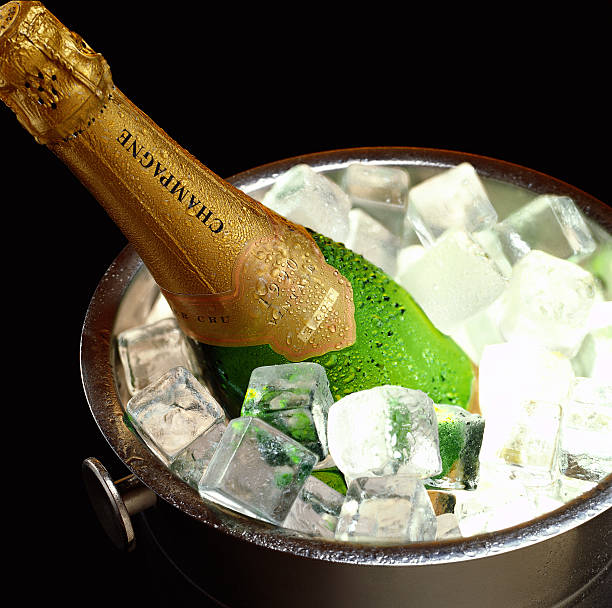
If you’re in a hurry, an ice bucket with equal parts ice and water will chill it in 20 to 30 minutes. Always use a thermometer or test by touch—cold but not numbing—to ensure optimal enjoyment.
Best Glassware for Serving
To fully appreciate Brut Rosé, serve it in a flute or tulip-shaped glass. These glasses are designed to preserve carbonation and direct the wine’s delicate aromas toward your nose.
A flute’s narrow shape maintains bubbles and effervescence, while a tulip glass offers slightly more room to swirl and release complex notes of strawberry, citrus, and rose petal. Avoid wide, shallow saucers that let bubbles dissipate quickly. Crystal or thin-rimmed glass enhances the elegant mouthfeel.
For gatherings, consider stemless wine glasses for convenience, but ensure they still maintain a tall, narrow bowl to elevate the tasting experience.
Chilling and Storage Tips
Proper chilling and storage are essential to maintaining the freshness and quality of Brut Rosé. Store unopened bottles horizontally in a cool, dark place at around 55°F (13°C) to keep the cork moist and prevent oxidation. Avoid temperature fluctuations and direct sunlight.
When ready to serve, transfer the bottle to the refrigerator for 2 to 3 hours or use an ice-water bath for faster results. Never use the freezer for extended chilling—it can damage the structure and cause corks to pop unexpectedly.
Once opened, reseal with a champagne stopper and refrigerate; consume within 1 to 2 days for best quality.
When to Open Before Serving
Open Brut Rosé just before serving to preserve its effervescence and aroma. Ideally, remove the bottle from the chill source 5 to 10 minutes prior to pouring—this slight warming enhances its flavor complexity without losing sparkle. Opening too early causes bubbles to dissipate, resulting in a flat texture.
When opening, hold the cork firmly, twist the bottle (not the cork), and release slowly to avoid a loud pop and spillage. Serve immediately after opening to enjoy the crisp acidity, vibrant color, and lively bubbles at their peak.
For multi-course meals, plan to open each bottle right before the course it accompanies for maximum freshness.
Food Pairing with Brut Rosé
Best Appetizers and Starters
Brut Rosé is a dry, sparkling wine made from red and white grapes, offering a crisp acidity and delicate red fruit notes like strawberry and raspberry. Its effervescence and balanced structure make it ideal for light appetizers.
Pair it with fresh oysters, goat cheese crostini, or prosciutto-wrapped melon to enhance its bright character. The wine’s natural acidity cuts through richness, while its subtle sweetness complements salty and creamy textures. Chilled Brut Rosé elevates simple starters—think smoked salmon blinis or marinated artichokes—by refreshing the palate between bites.
For gatherings, serve with a charcuterie board featuring aged cheeses and briny olives to highlight its versatile, food-friendly profile. Always serve well-chilled in flutes to preserve bubbles and aroma.
Pairing with Seafood and Poultry
Brut Rosé’s crisp acidity and light body make it a stellar companion for delicate seafood and poultry dishes. Its minerality and red berry notes enhance the natural sweetness of grilled shrimp, seared scallops, or poached lobster without overpowering them.
With poultry, try pairing with herb-roasted chicken or duck breast—the wine’s effervescence balances the meat’s richness while lifting herbal and savory flavors. The dry profile prevents clashing with light sauces like lemon-butter or cream infused with thyme. Avoid overly heavy gravies; instead, opt for citrus-marinated or grilled preparations.
The bubbles cleanse the palate, making each bite feel fresh. For a refined experience, serve Brut Rosé slightly chilled alongside a seared tuna tartare or coq au vin blanc for a harmonious, elegant pairing.
Matching with Spicy and Rich Dishes
Contrary to expectations, Brut Rosé excels with spicy and richly flavored dishes thanks to its effervescence and acidity, which refresh the palate and temper heat. Pair it with Thai curry, spicy tuna rolls, or harissa-spiced roasted vegetables to balance bold flavors.
The wine’s subtle fruitiness cools the burn without adding sweetness, unlike off-dry wines. With rich dishes like lobster mac and cheese or duck confit, Brut Rosé’s light bubbles cut through fat, enhancing mouthfeel and preventing heaviness. Its dry finish avoids cloyingness, making it ideal for complex, layered dishes.
For best results, avoid pairing with extremely hot dishes unless balanced with cream or coconut milk. Serve well-chilled to maximize its cleansing, revitalizing effect on bold flavor profiles.
Dessert Combinations That Work
While Brut Rosé is dry, its hint of red fruit and bright acidity allows it to pair surprisingly well with certain desserts. Opt for fruit-based sweets like strawberry shortcake, raspberry tart, or poached pears to mirror its natural berry notes.
The wine’s crisp finish prevents palate fatigue, making it ideal after rich meals. Avoid overly sweet confections like chocolate cake, which can make the wine taste sour. Instead, pair with lightly sweetened desserts such as lemon meringue pie or almond biscotti for a balanced contrast.
Chilled strawberries with a touch of sugar or a berry sorbet also complement its freshness. For a sophisticated finish, serve Brut Rosé with a cheese plate featuring creamy brie and fresh figs—its elegant bubbles and acidity harmonize beautifully with both fruit and dairy.
Brut Rosé vs Other Sparkling Wines
Brut Rosé vs Prosecco
Brut Rosé and Prosecco differ in grape varieties, production methods, and flavor profiles. Brut Rosé is typically made using the traditional method with red and white grapes, often Pinot Noir and Chardonnay, resulting in a dry, complex sparkling wine with notes of red berries and citrus.
Prosecco, on the other hand, is made from the Glera grape using the tank method, producing lighter, fruit-forward bubbles with hints of green apple and pear. While both can be dry, Brut Rosé tends to have more structure and depth due to skin contact and extended aging.
Choose Brut Rosé for a sophisticated aperitif or pairing with richer dishes, while Prosecco shines in casual settings and cocktails like mimosas or spritzes.
Comparison with Champagne
All Brut Rosé Champagne is a type of Brut Rosé, but not all Brut Rosé is Champagne—Champagne comes exclusively from the Champagne region of France.
Brut Rosé from Champagne follows the traditional method and often blends Chardonnay, Pinot Noir, and Pinot Meunier, with brief skin contact to achieve its pink hue. It tends to have higher acidity, fine bubbles, and complex notes of strawberry, brioche, and mineral.
Non-Champagne Brut Rosés from regions like California or Spain may offer similar quality at a lower price point, using comparable methods but different terroirs. For a luxurious experience with elegant structure and aging potential, Champagne leads, but global alternatives provide accessible, high-quality options ideal for everyday enjoyment.
Differences from Cava and Crémant
Brut Rosé differs from Cava and Crémant in origin, grape selection, and stylistic expression. Spanish Cava uses indigenous grapes like Garnacha and Monastrell for its rosé versions, offering bright red fruit and earthy notes at an affordable price, made via the traditional method.
Crémant, produced in various French regions, follows similar production rules to Champagne but uses local grapes—Crémant d’Alsace Rosé often features Pinot Noir. While all three are dry and effervescent, Brut Rosé from outside these regions may emphasize fruit purity and modern winemaking.
Cava delivers rustic charm, Crémant offers regional elegance, and international Brut Rosé provides versatile, approachable styles. Understanding these distinctions helps in selecting the right wine for taste and occasion.
Sweetness Levels Across Types
Understanding sweetness levels is key when comparing Brut Rosé to other sparkling wines. The term ‘Brut’ indicates a dry wine, with less than 12 grams of sugar per liter, and Brut Rosé adheres to this standard, offering crisp, refreshing flavors without perceptible sweetness.
Other sparkling wines use the same labeling—Prosecco Brut, Cava Brut, and Crémant Brut are equally dry. However, styles like Prosecco Doc Treviso or some Cavas may taste fruitier, giving a false impression of sweetness. Always check the label: ‘Extra Brut’ is drier, while ‘Demi-Sec’ is sweet.
Brut Rosé stands out by balancing dryness with red fruit character, making it versatile for both sipping and pairing with foods like salmon, charcuterie, or fruit-based desserts.
Buying and Enjoying Brut Rosé
How to Read the Label
Understanding the label is key to selecting a quality Brut Rosé. The term ‘Brut’ indicates the wine is dry, with less than 12 grams of sugar per liter, while ‘Rosé’ means it’s made with red grape varieties—typically Pinot Noir or Pinot Meunier—giving it its signature pink hue.
Check for the region of origin: Champagne from France is the benchmark, but excellent options come from California, Spain (Cava), and Italy (Spumante). Look for ‘Méthode Traditionnelle’ or ‘Méthode Champenoise,’ indicating traditional bottle fermentation for finer bubbles.
If the label says ‘Blanc de Noirs,’ it’s a clue the wine is made entirely from red grapes, often resulting in a bolder Rosé profile. Reading the label carefully ensures you get the style and quality you want.
Top Brands and Value Picks
For reliable quality, consider renowned producers like Veuve Clicquot, Moët & Chandon, and Laurent-Perrier, all offering vibrant, well-balanced Brut Rosés with notes of strawberry, citrus, and rose petal.
If you’re seeking great value without sacrificing taste, explore options like Freixenet Cordon Rosado (Cava), Juvé & Camps Rosé, or Schramsberg Mirabelle Brut Rosé from California. These deliver complexity and elegance at a fraction of the price of top-tier Champagnes.
For organic or sustainable choices, try L’Acadie Vineyards or Champagne Pascal Doquet. Exploring both premium and value-driven labels broadens your palate and budget options, making Brut Rosé accessible for everyday enjoyment or special moments alike.
When to Choose Vintage vs Non-Vintage
The choice between vintage and non-vintage Brut Rosé depends on occasion and preference. Non-vintage (NV) blends, made from multiple harvests, offer consistent flavor and affordability, ideal for toasts, casual sipping, or mixing in cocktails. They’re crafted for freshness and immediate enjoyment.
Vintage Brut Rosé, made from grapes of a single exceptional year, undergoes longer aging and develops greater complexity, depth, and aging potential—perfect for milestone celebrations or wine enthusiasts. While vintage bottles are pricier, they often deliver richer layers of red fruit, brioche, and minerality.
For everyday pleasure, choose non-vintage; for a memorable experience, invest in a vintage.
Serving Occasions and Gift Ideas
Brut Rosé is incredibly versatile for any occasion, from brunch and garden parties to romantic dinners and holiday celebrations. Its bright acidity and red fruit notes pair beautifully with salmon, charcuterie, spicy Asian dishes, or even chocolate desserts. Serve well-chilled (45–48°F) in tulip-shaped glasses to preserve bubbles and enhance aroma.
It’s also an elegant and crowd-pleasing gift—present a bottle in a gift box with flutes or pair it with gourmet treats. For birthdays or anniversaries, consider a vintage bottle or a limited-edition label.
Its vibrant color and sophisticated taste make Brut Rosé a standout choice that conveys thoughtfulness and celebration in every pour.
Frequently Asked Questions
What is Brut Rosé?
Brut Rosé is a type of sparkling wine that combines the dryness of Brut with the pink hue and subtle red fruit flavors of Rosé. It is typically made from a blend of red and white grape varieties, such as Pinot Noir and Chardonnay, using the traditional method.
How is Brut Rosé different from regular Brut?
Brut Rosé differs from regular Brut by its pink color and slightly fruitier flavor profile, derived from brief contact with red grape skins or blending in a small amount of red wine. Both are dry sparkling wines, but Brut Rosé offers more berry-like notes.
Is Brut Rosé sweet?
No, Brut Rosé is not sweet. The term ‘Brut’ indicates a dry wine, meaning it has very low residual sugar. The fruitiness comes from the grape character, not added sugar.
What grapes are used to make Brut Rosé?
Brut Rosé is commonly made from Pinot Noir, Pinot Meunier, and Chardonnay, especially in Champagne. In other regions, local red and white grapes may be used to achieve the Rosé color and flavor.
How should Brut Rosé be served?
Serve Brut Rosé well-chilled, between 45–50°F (7–10°C), in a tulip or flute glass to preserve bubbles and enhance aroma. It’s ideal as an aperitif or with dishes like salmon, roasted poultry, or fruit-based desserts.
Can Brut Rosé age well?
Higher-quality Brut Rosé, especially from Champagne, can age for several years, developing more complex bready, nutty flavors. Most non-vintage Brut Rosés are best consumed within 3–5 years of release.
What food pairs well with Brut Rosé?
Brut Rosé pairs well with a variety of foods, including sushi, grilled seafood, charcuterie, and creamy cheeses. Its acidity and effervescence cut through rich dishes while complementing lighter, fruit-infused flavors.
Conclusion
Brut Rosé is a dry, sparkling wine made from a blend of red and white grapes, offering a delicate pink hue and vibrant flavors of berries and citrus. Its crisp acidity and effervescence make it perfect for celebrations or pairing with a variety of dishes. Unlike sweeter sparkling wines, Brut Rosé is appreciated for its elegance and balance. Explore different regions and producers to discover its diverse expressions. Cheers to enjoying the sophistication and charm of Brut Rosé!