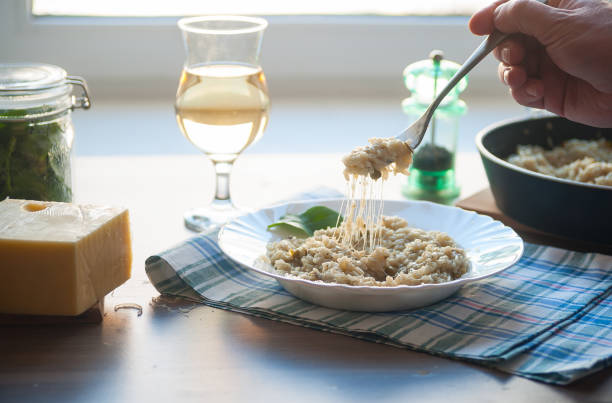
What Wine Goes With Mushroom Risotto
If you’re wondering what wine pairs best with mushroom risotto, you’re in the right place. We’ll quickly guide you to the perfect match—think earthy Pinot Noir, buttery Chardonnay, or a bright, aromatic Sauvignon Blanc. Each option highlights the creamy rice and umami mushrooms without overpowering them. Stay tuned as we break down why these choices work and how to pick the ideal bottle for your next dinner. Enjoy the harmony of flavors on your plate tonight.
How to Choose the Right Wine for Mushroom Risotto
Identify the dominant flavors
Start by pinpointing the key flavors that define mushroom risotto. The earthiness of cremini, shiitake, or porcini mushrooms creates a deep, umami backbone, while the creamy rice and a splash of Parmesan add richness and a subtle salty note.
Fresh herbs such as thyme or parsley contribute a bright, aromatic lift, and a hint of garlic or shallot brings gentle pungency. Identify these dominant elements – earthy, creamy, salty, and herbaceous – because the wine you select must echo or balance them without overwhelming the dish.
A wine with moderate acidity will cut through the creaminess, while soft tannins will complement the mushroom’s subtle bitterness. Keep in mind that overly fruity or heavily oaked wines can clash with the delicate umami, so aim for a profile that mirrors the risotto’s nuanced palate.
Choosing a wine that respects these flavors will enhance the overall dining experience.
Consider the cooking method
Think about how the risotto is built, because the cooking technique shapes the flavor intensity that the wine must meet. The mushrooms are usually sautéed in butter or olive oil, releasing their aroma before the rice is toasted and deglazed with white wine or broth.
As the Arborio grains absorb hot stock, the dish develops a silky texture and a layered depth.
Consider the deglazing step – the same wine you’ll serve can be used here to create continuity, but if you choose a different bottle, pick one that mirrors the acidity and body of the cooking wine.
The final stir‑in of butter and Parmesan adds richness, so a wine with balanced acidity and light to medium body will cut through the cream while complementing the savory notes without dominating the palate. This harmony will be felt on the tongue throughout the meal.
Match wine intensity to dish richness
Finally, align the wine’s intensity with the richness of the mushroom risotto to achieve balance.
A medium‑bodied white such as a Chardonnay with gentle oak, a Pinot Gris, or an Italian Verdicchio offers enough body to stand up to the creamy rice while preserving fresh acidity that brightens the earthiness of the mushrooms.
If you prefer red, choose a light‑to‑medium option like a Pinot Noir, a Gamay, or a Barbera—these reds have soft tannins and bright fruit that echo the dish’s subtle sweetness without overwhelming its delicate texture.
Match the wine’s weight to the dish: the richer the risotto, the more structure the wine should have, but always keep the acidity lively enough to cleanse the palate between bites.
Serving the wine slightly chilled, even for reds, can enhance its freshness and keep the overall meal lively and enjoyable.
What Types of White Wine Pair Well
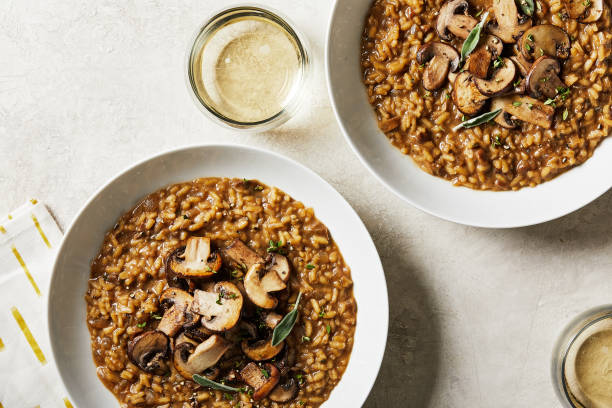
Chardonnay: buttery and oaky
Chardonnay’s creamy texture and subtle oak notes create a harmonious match for the rich, buttery mouthfeel of mushroom risotto. Choose a lightly oaked style to echo the dish’s subtle earthiness without overwhelming it, while the wine’s natural acidity helps cut through the creamy Parmesan finish.
Look for a bottle from Burgundy or a New World region such as California’s Sonoma Coast, where bright fruit balances the savory depth of the mushrooms. Serve the wine slightly chilled, around 55°F, to preserve its fresh fruit character and to keep the palate lively.
Pairing this Chardonnay with a risotto that includes a splash of white wine and a finish of fresh herbs will enhance the silky mouthfeel and bring out the nutty undertones of the rice, making each bite feel more cohesive and satisfying.
Finally, drizzle a tiny drizzle of truffle oil just before serving to tie the wine’s aromatic depth to the dish’s luxurious flavor profile.
Sauvignon Blanc: crisp acidity
Sauvignon Blanc’s crisp acidity and vibrant herbaceous notes make it an excellent companion for mushroom risotto, especially when the dish features fresh parsley or thyme.
Opt for a New Zealand or Loire Valley style, where citrus zest and green peppercorn aromas cut through the richness of the cheese and butter, refreshing the palate between bites.
The wine’s bright lime and grapefruit flavors highlight the earthiness of the mushrooms while its subtle minerality mirrors the subtle broth base of the risotto. Serve the wine chilled at 50‑52°F to keep its lively character intact.
When paired, the zesty finish of the Sauvignon Blanc lifts the umami depth of the mushrooms, creating a balanced contrast that keeps the meal feeling light yet satisfying, perfect for a spring or summer dinner.
A light drizzle of lemon juice over the risotto can further echo the wine’s citrus sparkle.
Pinot Grigio: light and fresh
Pinot Grigio’s light body and clean, refreshing profile provide a subtle backdrop that lets the mushroom risotto shine without competition. Select an Italian Pinot Grigio from the Veneto or Friuli regions, where delicate pear and white‑stone fruit notes blend with a faint mineral edge, echoing the broth’s subtle flavor.
The wine’s modest acidity gently lifts the creamy texture of the risotto, while its understated fruit complements the earthy mushrooms rather than masking them. Serve it slightly cooler than typical white wine, around 48‑50°F, to preserve its crispness.
Pairing this Pinot Grigio with a risotto finished with a splash of lemon zest and a sprinkle of Parmesan creates a balanced harmony, where the wine’s freshness accentuates the dish’s subtle richness, making it ideal for a relaxed evening or a casual gathering with friends tonight.
What Types of Red Wine Complement Mushroom Risotto
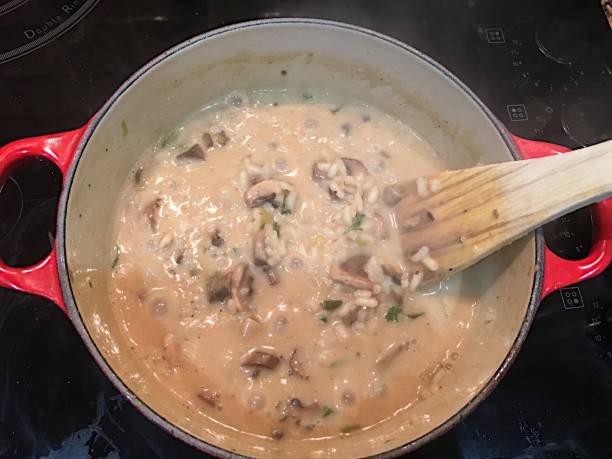
Pinot Noir: light-bodied fruit
Pairing Pinot Noir with mushroom risotto highlights the dish’s creamy texture while adding a subtle fruit lift. Choose a light‑bodied Pinot from Burgundy or Oregon to keep the wine from overwhelming the earthiness of the mushrooms.
Serve slightly chilled at 55‑60°F to preserve its delicate aromatics of red cherry and raspberry. Before plating, let the risotto rest for a minute so the flavors settle, then drizzle a touch of truffle oil for extra depth; the wine’s bright acidity will cut through the richness.
When selecting a bottle, look for a soft tannin structure and modest alcohol (around 12‑13%) to maintain balance. Pairing this wine with a mushroom risotto that includes a splash of white wine in the cooking liquid creates a harmonious echo of fruit and umami that enhances every bite.
Serve the dish with a simple green salad dressed in lemon vinaigrette to brighten the palate and let the Pinot’s subtle spice shine.
Barbera: bright acidity
Barbera’s lively acidity makes it an excellent match for the buttery richness of mushroom risotto, cutting through the cream while echoing the earth tones of the fungi. Opt for a Barbera d’Asti or Barbera d’Alba with vibrant red‑fruit flavors and a crisp finish.
Chill the wine to about 58°F and decant for ten minutes to open up its aromatic profile of plum, cherry, and a hint of pepper.
While cooking, add a splash of the same Barbera to the pan after sautéing the mushrooms; this will integrate the wine’s bright edge into the risotto base.
Finish the dish with a sprinkle of grated Pecorino and a drizzle of extra‑virgin olive oil; the cheese’s saltiness and the oil’s fruitiness will mirror the wine’s natural acidity. Serve immediately, and you’ll notice how the balanced tannins and refreshing acidity keep the palate lively from start to finish.
Nebbiolo: earthy notes
Nebbiolo’s pronounced tannic backbone and nuanced earthy aromas make it a sophisticated partner for mushroom risotto, especially when the dish includes truffle oil or wild mushrooms like porcini.
Choose a young Nebbiolo from Langhe or a more mature Barolo for deeper complexity, but always look for aromas of dried rose, forest floor, and subtle spice. Serve at 60‑65°F to soften the firm tannins and allow the wine’s mineral edge to shine.
To sync the flavors, stir a teaspoon of mushroom‑infused broth into the risotto just before the final spoonful of butter; this amplifies the earthy character that Nebbiolo will echo.
Garnish with freshly chopped parsley and a shaving of Parmigiano‑Reggiano; the herbaceous lift and salty richness will balance the wine’s firm structure and lingering finish. When paired correctly, each bite reveals a dialogue between the risotto’s creaminess and the wine’s forest‑like depth, creating a memorable dining experience.
Tips for Balancing Wine and Risotto Flavors
Adjust acidity levels
Start by tasting the mushroom risotto and note its natural earthiness and creamy texture. Match the wine’s acidity to the dish; a bright white such as Sauvignon Blanc or a crisp Pinot Grigio will cut through the richness without overwhelming the mushrooms.
If the risotto leans heavily on butter, choose a wine with a slightly higher acidity to balance the fat. Avoid overly oaky or heavily tannic reds, which can clash with the delicate umami. When in doubt, a lightly sparkling Prosecco adds a refreshing lift that mirrors the dish’s subtle brightness.
Adjust the final pour by tasting; a splash of lemon juice in the wine can raise acidity if needed, ensuring the pairing feels harmonious from the first sip to the last bite. Serve the wine slightly chilled, around 45‑50°F, to keep its acidity crisp and enhance the mushroom aroma.
Mind the salt and butter
Pay close attention to the seasoning of the risotto, because salt and butter dictate the wine’s perceived richness. A well‑salted mushroom risotto will temper the wine’s fruitiness, allowing a medium‑body white like Chardonnay (unoaked) or an Italian Soave to shine without feeling heavy.
If you use generous butter, choose a wine with a clean finish—such as an Albariño or a dry Riesling—to cut through the creaminess. Taste the dish before adding extra salt; over‑salting can make even the most balanced wine taste flat.
When the risotto includes Parmesan, the salty cheese amplifies the wine’s mineral notes, so pick a wine with subtle minerality.
Finally, adjust the butter amount: a modest knob keeps the pairing elegant, while a richer butter profile may call for a wine with a hint of sweetness, like a lightly off‑dry Pinot Gris, to create contrast.
Use wine in cooking vs serving
Decide whether the wine will play a role in cooking or only accompany the dish, because each approach changes the flavor balance.
Adding a splash of dry white wine while sautéing the mushrooms releases aromatics and integrates acidity directly into the risotto, creating a seamless bridge to the glass you’ll serve later. For cooking, choose a wine you enjoy drinking—such as a Verdicchio or a crisp Grüner Veltliner—so the flavors remain authentic.
If you prefer to keep the wine solely for sipping, opt for a slightly more aromatic bottle, like an aromatic white from the Loire Valley, which can stand out against the creamy risotto without being diluted by the cooking process.
Remember to deglaze the pan and let the alcohol evaporate for a minute or two, preserving the wine’s nuanced notes while preventing harsh boozy flavors. Serve the final wine at a cooler temperature than the risotto to maintain contrast and highlight the dish’s earthiness.
Best Wine Pairings for Specific Mushroom Varieties
Porcini mushrooms and earthy reds
Porcini mushrooms bring a deep, nutty earthiness that shines when paired with wines that echo those forest floor notes. Choose a light‑to‑medium red such as Pinot Noir, which offers bright acidity and subtle red‑fruit aromas that lift the richness of the risotto without overwhelming it.
Italian reds like Chianti Classico provide bright tannins and a touch of herbal spice that mirrors the mushroom’s woodsy character. For a more robust match, Nebbiolo from Piedmont delivers firm tannins and floral‑earthy nuances that complement the creamy texture.
Serve the wine slightly chilled (around 55‑60°F) to keep the fruit forward and the palate refreshed. When cooking, finish the risotto with a splash of the same wine to create a seamless flavor bridge between plate and glass.
Pairing a wine with a touch of oak, such as a lightly barrel‑aged Pinot Noir, adds a whisper of vanilla that enhances the buttery finish of the risotto while preserving the mushroom’s integrity.
Button mushrooms with crisp whites
Button mushrooms offer a mild, slightly sweet flavor that pairs beautifully with bright, high‑acid white wines. Sauvignon Blanc delivers citrus zest, green herb notes, and a crisp minerality that cuts through the creamy risotto, keeping each bite lively.
Pinot Grigio provides a light, stone‑fruit palate with subtle floral hints, allowing the delicate mushroom taste to stay front‑center. For a richer texture, try an unoaked Chardonnay, whose buttery mouthfeel mirrors the risotto’s silkiness without adding oak‑derived heaviness. Serve these whites chilled at 45‑50°F to preserve their refreshing acidity.
When preparing the dish, deglaze the pan with a splash of the same wine; this not only reinforces the pairing but also adds a nuanced layer of citrus or stone‑fruit aroma that elevates the overall experience.
A final drizzle of fresh lemon zest just before serving brightens the palate and harmonizes the wine’s acidity with the dish’s richness.
Mixed wild mushrooms and versatile blends
Mixed wild mushrooms bring a complex bouquet of forest, nutty, and sometimes smoky notes, demanding a wine that can adapt to multiple layers. Grenache‑based blends offer ripe red‑fruit sweetness, soft tannins, and a hint of spice that complements the earthy depth while adding a touch of vibrancy.
Riesling (off‑dry) provides bright acidity, subtle honeyed undertones, and a mineral backbone that balances the richness of the creamy risotto and the umami of the mushrooms.
For those who enjoy a bit more body, a medium‑bodied Merlot with plush plum flavors and gentle oak can mirror the dish’s silkiness without masking the mushroom nuances. Serve the wine slightly cooler than room temperature (around 58‑62°F) to keep fruit forward.
Incorporate a splash of the chosen wine during the final stir; this integration creates a seamless dialogue between plate and glass, ensuring each spoonful feels cohesive.
How to Serve Wine with Mushroom Risotto
Optimal serving temperature
Serve the wine slightly chilled to highlight its acidity and complement the earthy mushroom notes. Aim for a temperature of 50‑55°F (10‑13°C) for white options such as Chardonnay or Pinot Grigio, and 58‑62°F (14‑17°C) for light reds like Pinot Noir.
Cool the bottle in an ice bucket for about 20 minutes before service, or place it in the refrigerator for 30 minutes if you prefer a more precise chill.
Avoid over‑chilling, which can mute fruit flavors, and never serve a wine at room temperature as it may taste flabby beside the creamy risotto.
Taste a sip before pouring to confirm the balance; the wine should feel crisp, with subtle minerality that cuts through the richness while echoing the umami of the mushrooms.
Consider pairing with a lightly oaked Chardonnay for buttery depth, or a dry Riesling that adds a hint of citrus to balance the earthiness. Serve promptly after opening to preserve freshness.
Glassware recommendations
Choose glassware that enhances aroma and directs flow to the palate. For white wines, a U‑shaped Chardonnay glass with a slightly narrower rim concentrates the buttery and nutty notes, while allowing the subtle mushroom‑friendly acidity to shine.
If you opt for a light red like Pinot Noir, a tulip‑shaped red wine glass with a broader bowl preserves delicate fruit aromas and guides the wine over the tongue for a smoother finish. Avoid oversized goblets that disperse aromas too quickly, which can diminish the nuanced pairing.
Hold the glass by the stem to keep the bowl cool and prevent warming the wine with your hand.
Clean, crystal‑clear glasses free of residues ensure the visual appeal matches the elegance of the risotto, and a modest size (around 12‑14 oz) provides the right sip volume without overwhelming the dish.
Timing: before, during, after
Plan the wine service to match each phase of the meal. Before the risotto arrives, offer a short tasting of the selected wine; a quick sip awakens the palate and sets expectations for the earthy flavors to come.
During the main course, keep the glass partially filled—about two‑thirds—to maintain the ideal temperature and allow frequent sips that cleanse the palate between creamy bites. Re‑cool the bottle if it warms, using a small ice bucket on the table.
After the dish, transition to a slightly richer wine or let the same wine finish the meal; a lingering finish complements the lingering mushroom aftertaste. Encourage guests to reflect on the pairing by noting how the wine’s acidity balanced the richness and how the aromatics echoed the risotto’s herbs.
This structured timing enhances enjoyment and creates a memorable dining experience.
Common Mistakes to Avoid When Pairing Wine and Risotto
Overpowering the dish
One of the most common errors is selecting a wine that overwhelms the delicate earthiness of mushroom risotto. Heavy, high‑alcohol wines can mask the subtle umami and buttery texture, leaving the palate fatigued.
Instead, opt for a medium‑bodied white such as a dry Pinot Grigio or an Italian Soave with bright acidity that lifts the dish without dominating it. Avoid wines with pronounced oak influence, as the smoky notes clash with the mushroom’s natural flavor.
Keep the alcohol level around 11‑13% to ensure the wine remains a supportive partner rather than a commanding presence. By choosing a wine with restrained power, you allow the risotto’s creaminess and the mushroom’s earth tones to shine together, creating a harmonious dining experience.
Pairing with a lightly chilled glass also helps preserve the aromatic freshness, ensuring each bite is complemented by a crisp, clean finish.
Choosing overly tannic reds
Another pitfall is reaching for a bold, tannic red wine, assuming it will stand up to the richness of mushroom risotto. High‑tannin reds such as Cabernet Sauvignon or Nebbiolo introduce a drying sensation that clashes with the creamy texture and can make the mushrooms taste bitter.
Instead, select a lighter‑bodied red with soft tannins, like a Pinot Noir from the Langhe or a Gamay from Beaujolais, which offers subtle fruit and earth notes that echo the dish. Keep the wine slightly cool, around 55‑60 °F, to accentuate its fruitiness and prevent the tannins from becoming aggressive.
By avoiding overly structured reds, you preserve the risotto’s silkiness and allow the mushroom’s nuanced flavors to remain front‑and‑center, delivering a balanced and enjoyable pairing.
Serve the wine in a glass with a slightly larger bowl to allow gentle aeration, which softens any residual tannic edge and enhances the aromatic synergy with the dish.
Ignoring personal palate
Finally, many diners ignore their own taste preferences, assuming there is a single ‘correct’ wine for mushroom risotto. Personal palate plays a crucial role; a wine you love will always taste better than a technically perfect match you dislike.
If you favor a touch of sweetness, try a off‑dry Riesling or a Gewürztraminer that can complement the earthiness while adding a bright finish. If you prefer a more mineral profile, a Chablis or an Albariño offers crisp acidity that cuts through the richness without overwhelming the mushrooms.
Experiment with temperature, serving whites slightly chilled and reds just below room temperature to discover what feels most refreshing to you. By acknowledging your own palate, you create a pairing that feels intuitive and enjoyable, turning the meal into a personalized celebration of flavor. Enjoy it today and beyond.
Frequently Asked Questions
What type of wine pairs best with mushroom risotto?
A medium‑body white wine with good acidity, such as a Chardonnay (unoaked or lightly oaked) or a Pinot Gris, complements the earthy mushrooms and creamy texture.
Can red wine be served with mushroom risotto?
Yes, a light‑to‑medium red like Pinot Noir or a young Barbera works because its subtle tannins and bright fruit balance the dish without overwhelming it.
Should I choose an oaked or unoaked wine for mushroom risotto?
Unoaked or lightly oaked wines are preferable; they provide freshness and let the mushroom flavors shine, while heavy oak can clash with the dish’s delicate creaminess.
Is a sparkling wine a good match for mushroom risotto?
A dry sparkling wine, such as Brut Champagne or a quality Cava, can be an excellent match, offering crisp acidity and bubbles that cut through the richness.
What about aromatic white wines like Gewürztraminer?
Highly aromatic whites can overwhelm the subtle earthiness of mushrooms, so they’re generally less ideal than more restrained options like Sauvignon Blanc or Pinot Gris.
How does the cooking method affect wine choice?
If the risotto includes butter or cream, opt for wines with higher acidity (e.g., Sauvignon Blanc) to balance richness; if it’s prepared with broth and herbs, a softer wine like Pinot Noir can enhance the flavors.
Conclusion
In short, a creamy mushroom risotto shines when paired with a wine that mirrors its earthiness and richness—think a buttery Chardonnay, a bright Pinot Noir, or a nuanced Barolo. These choices balance the dish’s umami while enhancing its silky texture. Remember to serve the wine slightly chilled and enjoy the harmony of flavors. Experiment, trust your palate, and let each bite and sip celebrate the perfect match.