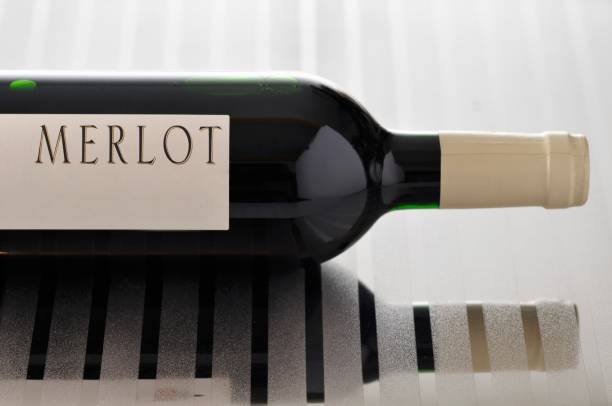
How Long Does Merlot Last Unopened
Wondering how long your unopened Merlot can wait before you pop the cork? Good news—it lasts longer than you think. When stored properly in a cool, dark place, an unopened bottle of Merlot can stay fresh and delicious for 3 to 5 years, with some higher-quality vintages lasting even longer. In this article, we’ll break down exactly how storage conditions affect shelf life and help you determine the perfect time to enjoy your wine at its best.
How Long Does Unopened Merlot Last?
Typical Shelf Life of Unopened Merlot
An unopened bottle of Merlot typically lasts 3 to 5 years from the vintage date when stored properly. Most Merlot wines are crafted for early consumption and reach their peak flavor between 2 to 5 years after bottling.
While some high-quality, well-structured Merlots can age gracefully for up to 10 years, the majority are not meant for extended aging. The key is checking the vintage year on the label and considering the producer’s reputation for age-worthy wines.
Proper storage conditions—such as a cool, dark environment with consistent temperature and humidity—play a crucial role in preserving the wine’s quality. If stored in ideal conditions, unopened Merlot maintains its freshness, fruit characteristics, and balance.
However, beyond its optimal window, the wine may begin to fade in flavor and aroma, losing its vibrancy even if it hasn’t spoiled.
Factors That Affect Merlot Longevity
Several factors influence how long an unopened Merlot remains at its best. Storage conditions are paramount—temperature fluctuations, exposure to light, and improper humidity can degrade the wine prematurely. Ideally, Merlot should be stored at 55°F (13°C) with minimal temperature swings.
The quality of the cork also matters; a deteriorating or dried-out cork can allow oxygen into the bottle, leading to oxidation. Wine composition plays a role as well—Merlots with higher tannin, acidity, and sugar content tend to age longer.
Additionally, vintage variation due to weather conditions during the growing season can impact longevity. Even within the same brand, one year’s harvest may age better than another. Finally, bottle size can affect aging speed, with larger formats like magnums aging more slowly due to lower oxygen exposure per volume.
Paying attention to these elements helps predict how well your Merlot will hold up over time.
When Does Merlot Go Bad?
Unopened Merlot doesn’t typically ‘go bad’ in the sense of becoming unsafe to drink, but it can lose its quality and become unpleasant over time. Signs that Merlot has declined include a dull, flat aroma, lack of fruit expression, or a brownish color indicating oxidation.
If the wine smells like vinegar, wet cardboard, or musty basement, it may be compromised due to cork taint or spoilage. While consuming such wine isn’t harmful, the experience will be disappointing. Most Merlots past their 5-year peak won’t spoil immediately but will gradually fade.
Proper storage extends drinkability, but exceeding the recommended aging window increases the risk of deterioration. To avoid disappointment, check the vintage date, store bottles correctly, and aim to enjoy Merlot within its prime window.
When in doubt, open and assess the wine—freshness, aroma, and flavor are the best indicators of quality.
What Is Merlot Wine?

Origin and Grape Characteristics
Merlot originates from the Bordeaux region of France, where it has been cultivated for centuries. The name ‘Merlot’ is derived from the French word for ‘blackbird,’ likely due to the grape’s dark blue color.
This red wine grape thrives in a variety of climates, making it one of the most widely planted varieties worldwide. Merlot grapes have thin skins and ripen earlier than many other red varieties, contributing to their softer tannins and approachable nature.
The grape’s adaptability allows it to express different characteristics depending on the terroir—cooler regions yield more structured, tannic wines with herbal notes, while warmer areas produce riper, fruit-forward expressions. When stored properly, unopened Merlot can last 3 to 5 years, and sometimes longer for high-quality vintages.
Ideal storage conditions include a cool, dark place with consistent temperature and humidity to preserve the wine’s integrity until opening.
Flavor Profile and Body
Merlot is celebrated for its smooth, medium- to full-bodied profile and velvety texture. It typically features pronounced fruit flavors such as black cherry, plum, and raspberry, often complemented by subtle notes of chocolate, vanilla, and mocha—especially when aged in oak barrels.
The wine’s low to moderate tannin levels and balanced acidity make it more approachable in its youth compared to bolder reds like Cabernet Sauvignon. Depending on the region, Merlot can also exhibit earthy, herbal, or spicy undertones.
Its soft mouthfeel and rounded finish make it a favorite for both casual sipping and pairing with food. An unopened bottle of Merlot maintains its quality for 3 to 5 years, with premium examples potentially improving over time.
To ensure longevity, store the bottle on its side in a cool, dark place away from temperature fluctuations and direct light.
Common Uses for Merlot
Merlot is incredibly versatile, both as a standalone varietal and as a blending grape. It is frequently used in Bordeaux-style blends to soften the structure of Cabernet Sauvignon and add fruitiness and roundness.
As a solo wine, Merlot pairs beautifully with roasted meats, pasta dishes, and medium-hard cheeses, making it a staple at dinner tables. Its smooth character appeals to both new and experienced wine drinkers.
Beyond the table, Merlot is a popular choice for winemaking in regions across the globe, including California, Italy, and Chile. When unopened, Merlot typically remains at its best for 3 to 5 years, though high-quality bottles from excellent vintages can age longer.
To maximize shelf life, store upright only if sealed with a screw cap, but preferably on its side if corked, in a stable, dark environment.
How to Store Unopened Merlot Properly

Ideal Temperature for Wine Storage
To ensure your unopened Merlot maintains its quality and flavor profile, store it at a consistent temperature between 50°F and 59°F (10°C to 15°C).
Fluctuations in temperature can cause the wine to expand and contract, potentially pushing the cork out slightly and allowing oxygen to enter, which leads to premature oxidation. Avoid storing Merlot near heat sources such as ovens, radiators, or direct sunlight, as excessive heat accelerates aging and can spoil the wine.
A dedicated wine cooler or a basement with stable conditions is ideal. If you don’t have a wine fridge, choose the coolest, most stable area of your home. Consistency is more important than perfection—even a closet away from appliances can work.
Proper temperature control helps preserve the wine’s aromas, balance, and structure, ensuring that when you open the bottle, it tastes as the winemaker intended—even after several years in storage.
Light and Humidity Considerations
Protect your unopened Merlot from direct sunlight and artificial light, especially fluorescent lighting, which emits UV rays that can degrade wine compounds and lead to ‘light strike’—a condition that produces unpleasant, wet-cardboard-like aromas.
Store bottles in a dark place, such as a cabinet, closet, or wine cellar, to preserve their integrity. Maintain a humidity level between 50% and 80% to prevent the cork from drying out. A dried cork can shrink, allowing air to seep into the bottle and oxidize the wine.
High humidity also helps preserve labels, which is valuable if you’re collecting or reselling. Avoid overly damp environments like unfinished basements without dehumidifiers, as mold growth can damage packaging. Balance is key: too dry, and the cork fails; too wet, and mold spreads.
By controlling light exposure and humidity, you extend the shelf life of your Merlot and maintain its quality for optimal enjoyment when the time comes to open it.
Position: Store Bottles Horizontally
Always store unopened Merlot bottles horizontally to keep the wine in constant contact with the cork. This contact maintains the cork’s moisture and elasticity, preventing it from drying out and shrinking, which could allow oxygen to enter the bottle and spoil the wine.
Oxidation leads to flat, dull flavors and a shortened shelf life. Horizontal storage is especially crucial for long-term aging, as Merlot can typically last 3 to 5 years unopened under proper conditions—and sometimes longer for premium vintages. This position ensures the seal remains intact over time.
Avoid storing bottles upright for extended periods, particularly in dry environments. Even a wine rack designed for horizontal storage can make a significant difference. Proper positioning supports the aging process, preserving the wine’s freshness, complexity, and balance.
Whether you’re storing one bottle or a collection, this simple step greatly enhances the likelihood that your Merlot will taste excellent when finally opened.
Signs Your Unopened Merlot Has Spoiled
Check the Cork Condition
One of the first signs that your unopened Merlot may have spoiled is an improperly seated or damaged cork. A bulging or pushed-out cork suggests the wine was exposed to excessive heat, possibly causing premature aging or spoilage.
Similarly, if the cork appears dry, cracked, or crumbly, it may have allowed oxygen to seep into the bottle, leading to oxidation. Oxidized Merlot often tastes flat, vinegary, or lacks the vibrant fruit notes typical of a fresh bottle.
Always store Merlot upright to keep the cork moist, especially over long periods. While most unopened Merlot bottles last 3 to 5 years under proper storage conditions, extended aging beyond the producer’s recommendation increases spoilage risk.
Inspect the seal carefully—any compromise could mean the wine inside is no longer at its best, even if the expiration date hasn’t passed.
Look for Discoloration or Leakage
Visible discoloration or leakage around the bottle’s seal is a strong indicator of spoilage in unopened Merlot. If you notice wine stains on the label or pooling near the cork, the bottle may have been stored improperly—often lying on its side in fluctuating temperatures—causing seepage and potential oxidation.
Additionally, color changes visible through the glass, such as a brownish or brick-red hue, suggest the Merlot has been oxidized over time. While Merlot naturally deepens in color with age, excessive browning signals degradation. Unopened Merlot stored in cool, dark, and stable conditions typically lasts 3 to 5 years.
Beyond that, the risk of spoilage increases significantly. Always examine the bottle before opening—leaks, seepage, or abnormal color mean the wine may no longer be safe or enjoyable to drink, even if unopened.
Smell and Appearance Clues
Once opened, smell and appearance offer immediate clues about whether your Merlot has spoiled, even if it was unopened for years. Fresh Merlot should have vibrant aromas of black cherry, plum, and subtle earthy notes.
If you detect vinegar, wet cardboard, or musty odors, the wine is likely oxidized or contaminated with cork taint (TCA). Visually, the wine should be deep ruby or garnet; dullness or a flat, lifeless surface indicates degradation.
While unopened Merlot can last 3 to 5 years when stored correctly, exceeding this window increases spoilage risk. Heat, light, and poor storage accelerate chemical changes, even in sealed bottles. Always trust your senses—if the smell is off or the appearance lacks luster, the wine has likely passed its prime.
Consuming spoiled wine isn’t dangerous but delivers a disappointing experience, so use these cues to decide whether to pour or discard.
Does Vintage Affect Merlot Shelf Life?
Difference Between Vintage and Non-Vintage
Understanding the difference between vintage and non-vintage Merlot is key to determining how long the wine lasts unopened. Vintage Merlot is made from grapes harvested in a single, specific year, and its quality and longevity are influenced by that year’s climate conditions.
These wines often have more complexity and aging potential. In contrast, non-vintage Merlot is blended from multiple harvest years, aiming for consistent flavor year after year. These are typically crafted for immediate consumption and have a shorter shelf life.
For unopened bottles, vintage Merlot can last 5–10 years or more under proper storage, while non-vintage Merlot is best consumed within 3–5 years. Proper storage—cool, dark, and humidity-controlled—is essential to preserve quality. Knowing whether your Merlot is vintage or not helps you plan when to open it for optimal taste.
Aging Potential of Premium Merlot
Premium Merlot, especially from renowned regions like Bordeaux or Napa Valley, has significant aging potential when stored correctly. These high-quality wines are crafted with balanced tannins, acidity, and concentration, allowing them to evolve and improve over time.
An unopened bottle of premium vintage Merlot can last 10–15 years, with some exceptional examples lasting even longer. During aging, the wine develops complex secondary flavors like leather, earth, and dried fruit, enhancing its depth. However, not all Merlots benefit from long-term aging—only those with structural integrity should be cellared.
To maximize longevity, store bottles horizontally in a cool, dark place with stable temperatures around 55°F (13°C) and moderate humidity. Avoid exposure to light and vibration. Always check the producer’s recommendations, as aging potential varies. When stored properly, premium Merlot rewards patience with a richer, more nuanced drinking experience.
When to Drink Budget vs. Fine Merlot
Knowing when to drink budget versus fine Merlot ensures you enjoy each bottle at its peak. Most budget Merlots are made for early consumption, with simpler structures and softer tannins. These wines typically peak within 2–4 years of bottling and should be consumed within 3–5 years unopened.
Drinking them too late risks flat or oxidized flavors. In contrast, fine Merlot from top producers or exceptional vintages is built to age, often improving for 7–12 years or more. These wines benefit from extended cellaring, which softens tannins and develops complex aromas.
To decide when to open your Merlot, check the vintage and producer—fine examples often have aging recommendations on the label or website. Store all unopened bottles in optimal conditions to preserve quality.
Ultimately, drinking Merlot at the right time enhances enjoyment, whether it’s a young, fruity budget bottle or a mature, layered fine wine.
How to Extend the Life of Merlot After Opening
Use a Vacuum Pump to Preserve Opened Wine
To extend the life of opened Merlot, using a vacuum pump is one of the most effective methods. These devices remove oxygen from the bottle after opening, significantly slowing oxidation—the primary cause of wine spoilage.
After pouring your desired amount, immediately insert the stopper and use the pump to extract air. This simple step can preserve the wine’s flavor and aroma for up to 5 days, sometimes longer. Make sure the stopper fits securely to maintain an airtight seal.
While vacuum pumps are affordable and easy to use, they work best when combined with refrigeration. Avoid using this method with sparkling wines, but for still reds like Merlot, it’s ideal.
Regular use of a vacuum pump not only saves wine from waste but also ensures each glass tastes as intended, preserving the fruit-forward notes and smooth finish Merlot is known for.
Refrigerate After Opening
Contrary to popular belief, refrigerating opened Merlot is a smart preservation strategy. While unopened Merlot should be stored in a cool, dark place, once the bottle is opened, refrigeration dramatically slows oxidation and bacterial growth. Even red wines benefit from cold storage after opening.
Simply re-cork the bottle or use a wine stopper and place it in the fridge. When you’re ready to enjoy another glass, pour it into a decanter or glass and let it gently warm to serving temperature (around 60–65°F).
This method can keep your Merlot tasting fresh for 3 to 5 days. The cool environment preserves the wine’s structure and fruit characteristics, preventing flat or vinegary flavors. Always store the bottle upright to minimize surface exposure.
For best results, combine refrigeration with an oxygen-displacing stopper or vacuum pump to maximize shelf life and quality.
How to Tell If Opened Merlot Is Still Good
Knowing when opened Merlot has gone bad saves you from an unpleasant tasting experience. Start by examining the color—Merlot that has turned brownish or dull may be oxidized. Next, give it a sniff. If the aroma is sharp, vinegar-like, or smells like wet cardboard, it’s likely spoiled.
Fresh Merlot should have vibrant notes of cherry, plum, or chocolate. When tasting, flat flavors, excessive acidity, or a harsh aftertaste are red flags. While a slight change in taste after a few days is normal, significant deterioration means it’s time to discard it.
Trust your senses—oxidation and microbial spoilage are usually obvious. If in doubt, pour a small amount and let it breathe; if flaws persist, it’s no longer enjoyable. Proper storage can delay these signs, but most opened Merlots remain drinkable for only 3–5 days, even under ideal conditions.
Tips for Buying and Storing Merlot Long-Term
Choosing Merlot for Aging
When selecting a Merlot for long-term aging, focus on quality over quantity—not all Merlots are meant to age. Look for bottles from reputable regions like Bordeaux, Napa Valley, or Tuscany, where winemakers use premium grapes and traditional techniques.
Higher tannin and acidity levels are key indicators of age-worthiness, even in a generally softer varietal like Merlot. Check the vintage year and research critics’ scores; top vintages often age better. Reserve or library selections typically have more concentration and structure, making them ideal candidates.
Avoid mass-produced or inexpensive Merlots, as they are crafted for immediate enjoyment. Inspect the label for clues—terms like ‘barrel-aged’ or ‘single vineyard’ suggest greater aging potential. With the right selection, an unopened Merlot can last 8 to 12 years, and sometimes longer under optimal conditions.
Best Storage Conditions at Home
To maximize the shelf life of unopened Merlot, consistent, cool storage is essential. Ideal conditions include a constant temperature of 55°F (13°C), minimal light exposure, and moderate humidity (60–70%) to prevent the cork from drying out. Store bottles horizontally to keep the cork moist and maintain an airtight seal.
Avoid areas with temperature fluctuations like kitchens, attics, or garages, as heat accelerates aging and can spoil the wine. Limit vibration and strong odors, which can degrade quality over time. A dedicated wine fridge or cellar is best, but a dark, cool closet away from appliances can work.
Properly stored, a high-quality Merlot can remain drinkable for a decade or more. Always keep bottles undisturbed—minimal movement preserves sediment and aging integrity—ensuring the wine matures gracefully.
When to Drink or Sell Aged Merlot
Knowing when to enjoy or sell your aged Merlot depends on vintage, provenance, and storage history. Most premium Merlots peak between 6 to 10 years, developing complex notes of leather, tobacco, and dried fruit. After 12 years, quality may decline unless exceptional.
Monitor the wine’s evolution by occasionally checking similar vintages. If storing for investment, consult wine market trends—rare, well-documented bottles from top producers often appreciate. Use tools like wine apps or auction records to assess value. Drink before the fruit fades and the wine turns flat or overly acidic.
Open a bottle to test before consuming or selling a full collection. If the color is brownish or the aroma is musty, it may be past its prime. Timely action ensures you maximize enjoyment or financial return from your long-term Merlot investment.
Frequently Asked Questions
How long does unopened Merlot last?
Unopened Merlot can last 3 to 5 years when stored properly in a cool, dark place with a consistent temperature. Most bottles are best consumed within 3 years for optimal flavor and aroma.
Does unopened Merlot go bad?
Unopened Merlot doesn’t necessarily go bad, but its quality can decline over time. After 5 years, the wine may lose its fruitiness and become flat or dull, even if it’s not spoiled.
What is the best way to store unopened Merlot?
Store unopened Merlot lying on its side in a cool, dark place with a consistent temperature around 55°F (13°C) and moderate humidity. This helps keep the cork moist and prevents oxidation.
Can I drink Merlot after the ‘best by’ date?
Yes, you can often drink Merlot after the ‘best by’ date if it’s unopened and stored properly. The wine may still be safe, but its taste and quality might not be at their peak.
How can I tell if unopened Merlot has gone bad?
If the bottle shows signs of leakage, a pushed-out cork, or discoloration through the glass, the wine may be compromised. Once opened, if it smells vinegary or tastes sour, it has likely spoiled.
Conclusion
Unopened Merlot can last 3 to 5 years when stored properly in a cool, dark place with a consistent temperature. While most Merlots are best enjoyed within 3 years for optimal flavor, higher-quality bottles may improve slightly over time. Always store bottles on their side to keep the cork moist. With the right conditions, your Merlot can maintain its quality until you’re ready to enjoy it, so don’t hesitate to savor it at its peak.
