
What White Wine Goes With Salmon
Looking for the perfect white wine to pair with salmon? You’ve come to the right place. In the next few lines we’ll quickly break down the top choices—crisp Sauvignon Blanc, buttery Chardonnay, aromatic Riesling, and elegant Pinot Grigio—explaining why each works so well with the fish’s rich flavor. Whether you’re cooking at home or dining out, we’ll help you pick a wine that elevates every bite without the guesswork. Enjoy your meal, cheers to perfect pairing.
How to Choose the Right White Wine for Salmon
Consider the Cooking Method
When selecting a white wine for salmon, start by looking at how the fish is prepared.
Grilled or charred salmon benefits from wines with a touch of smoke‑friendly fruit, such as a lightly oaked Chardonnay or a Pinot Noir‑based white like Pinot Blanc, because the subtle oak mirrors the grill’s caramelization.
Baked or roasted salmon pairs well with medium‑bodied wines that can stand up to buttery sauces; think of a Viognier or a New Zealand Sauvignon Blanc with bright citrus notes.
Poached or raw preparations (like sashimi) call for crisp, mineral-driven wines—an Alsatian Riesling or a dry Muscadet will highlight the delicate texture without overwhelming it.
By matching the wine’s body and flavor intensity to the cooking method, you ensure the pairing enhances both the fish and the glass, creating a harmonious dining experience.
Match the Flavor Profile
Salmon’s natural richness and subtle sweetness guide the choice of a wine that can echo or contrast those flavors.
If the salmon is seasoned with herbs, lemon, or a honey glaze, look for a white that carries aromatic herbaceous notes—an Italian Vermentino or a French Sauvignon Blanc from the Loire Valley offers grassy, citrusy nuances that mirror the seasoning.
For richer, buttery sauces such as a dill‑cream or beurre blanc, a fuller‑bodied, slightly oak‑aged Chardonnay provides the creamy mouthfeel needed to keep pace with the sauce’s silkiness.
When the dish includes spicy or Asian influences—think soy‑ginger glaze or miso—opt for a wine with a hint of sweetness and bright acidity, like an off‑dry Riesling or a Gewürztraminer, to tame heat while complementing umami.
By aligning the wine’s aromatic and taste profile with the salmon’s dominant flavors, you create a dialogue on the palate that feels intentional and satisfying.
Balance Acidity and Richness
The interplay of acidity and richness determines whether a white wine will lift the salmon or drown it. High‑acid wines such as a crisp Chablis or a Sancerre cut through the fish’s oily texture, refreshing the palate and preventing a greasy feeling after each bite.
Medium‑acid options like an Australian Semillon or a Pinot Gris provide enough brightness to cleanse the palate while still offering a round, slightly creamy body that complements the salmon’s natural fats.
If the salmon is served with a rich, velvety sauce, choose a wine that offers a touch of sweetness to balance the acidity—think of an off‑dry Chenin Blanc or a late‑harvest Riesling, which can soften the sauce’s intensity without adding heaviness.
By consciously matching the wine’s acid level to the dish’s richness, you achieve a harmonious equilibrium where each sip accentuates the fish’s flavor and each forkful prepares the palate for the next sip.
What Types of White Wine Pair Best with Salmon
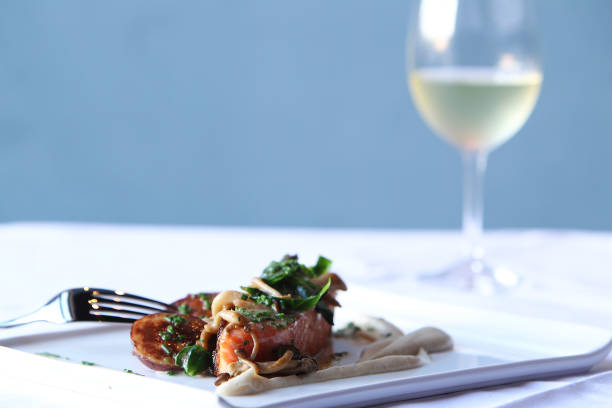
Chardonnay: Oaked vs. Unoaked
Chardonnay is a classic match for salmon because its buttery texture can echo the fish’s richness. Choose an oaked Chardonnay when you’re serving grilled or pan‑seared salmon with a creamy sauce; the vanilla, toast, and subtle oak complement the caramelized crust and buttery mouthfeel.
Opt for an unoaked or lightly stainless‑steel‑fermented Chardonnay with poached or raw preparations like gravlax, where bright acidity and citrus notes highlight the delicate flesh without overwhelming it. Serve the wine slightly chilled, around 50‑55°F, to keep the fruit forward.
When pairing, consider the sauce: a dill‑cream or beurre blanc benefits from the fuller body of an oaked style, while a lemon‑herb vinaigrette pairs better with the crisp, mineral profile of an unoaked version.
This flexible approach lets you tailor the wine to the cooking method and seasoning, ensuring a harmonious bite‑by‑bite experience.
Sauvignon Blanc: Crisp and Herbal
Sauvignon Blanc offers a zesty, herb‑forward profile that cuts through salmon’s natural oil, making it a go‑to for lighter preparations.
Select a New Zealand or Loire Valley Sauvignon Blanc with pronounced citrus, green‑apple, and grassy notes to pair with grilled salmon brushed with a herb‑marinade or served alongside a fresh salsa verde. The wine’s high acidity lifts the fish, while its subtle minerality mirrors the sea‑salt flavor.
For salmon dishes featuring Asian influences—think soy‑ginger glaze or miso glaze—choose a Sauvignon Blanc with a touch of tropical fruit, such as passion‑fruit or guava, to balance salty‑sweet dynamics. Keep the wine chilled at 45‑50°F to preserve its bright aromatics.
By matching the wine’s crispness to the dish’s seasoning intensity, you create a clean, refreshing finish that accentuates the salmon’s texture without masking its flavor in the palate.
Pinot Grigio: Light and Fresh
Pinot Grigio delivers a light, crisp character that lets delicate salmon shine, especially when the fish is prepared simply. Pick an Italian Pinot Grigio from the Veneto or Friuli regions, where bright lemon, pear, and subtle almond notes enhance a lemon‑butter or herb‑infused salmon fillet.
The wine’s low body and clean finish prevent it from overpowering the fish, while its acidity balances the richness of a buttery sauce.
If you’re serving salmon in a salad with mixed greens, cucumber, and a light vinaigrette, a German or Austrian Grüner Veltliner—often grouped with Pinot Grigio styles—offers a peppery edge that adds intrigue without heavy weight. Serve the wine chilled at 48‑52°F to keep its freshness lively.
By aligning the wine’s subtle fruit profile with the dish’s gentle seasoning, you achieve a harmonious pairing that highlights both the salmon’s tenderness and the wine’s elegance.
Tips for Pairing White Wine with Different Salmon Preparations
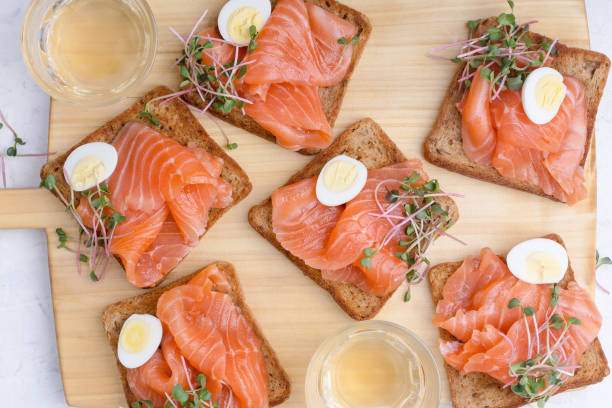
Grilled Salmon Pairings
When you fire up the grill, aim for a white wine that can stand up to the smoky char while highlighting the fish’s buttery flesh. Choose a dry Riesling with bright acidity; its citrus notes cut through the grill marks and enhance the natural sweetness of salmon.
Opt for an unoaked Chardonnay if you prefer a richer mouthfeel—its subtle oak and ripe apple flavors echo the caramelized exterior without overwhelming the delicate meat. Consider a Sauvignon Blanc from a cooler climate for herb‑infused marinades; its herbaceous minerality mirrors the fresh herbs often used on the grill.
Serve the wine slightly chilled, around 50‑55°F, to keep the palate lively. Finally, match the wine’s intensity to the sauce: a light vinaigrette pairs well with Riesling, while a buttery glaze finds balance with Chardonnay. Enjoy the pairing with a side of grilled asparagus for a complete, balanced meal.
Smoked Salmon Pairings
Smoked salmon brings a silky texture and a salty, smoky depth that calls for a white wine with crisp acidity and a touch of sweetness to temper the salt.
Select a German Kabinett Riesling; its low alcohol, bright lemon and peach notes balance the brine while its slight residual sugar softens the smoke. Try an Albariño from Rías Baixas, whose saline minerality and citrus zest echo the oceanic character of the fish and lift the smoky aroma.
A sparkling wine such as Brut Champagne works beautifully, offering fine bubbles that cleanse the palate and a buttery finish that mirrors the richness of the salmon. Serve the wine well‑chilled at 45‑50°F.
Pair with traditional accompaniments like capers, red onion, and a dollop of crème fraîche, and let the wine’s acidity keep each bite refreshing and vibrant.
Salmon with Creamy Sauces
Rich, creamy sauces such as dill‑yogurt, beurre blanc, or a lemon‑butter emulsion coat salmon in luxurious texture, so the wine must cut through the fat while complementing the herb and citrus notes.
A lightly oaked Chardonnay from Burgundy provides a buttery mouthfeel that mirrors the sauce’s silkiness, while its crisp acidity prevents the palate from feeling weighed down.
Choose a Viognier with aromatic stone‑fruit and subtle spice; its fuller body stands up to the sauce’s richness and its floral hints echo fresh dill.
An Alsatian Pinot Gris offers a rounded texture, bright stone‑fruit flavors, and enough acidity to balance the cream, making it a versatile partner for most herb‑laden sauces. Keep the wine at 50‑54°F and serve in a wide‑bowl glass to showcase its aromatic profile.
A final tip: add a squeeze of lemon to the wine just before sipping to echo the citrus zest in the dish and heighten the overall harmony.
Best White Wines Under $20 for Salmon Dinners
Affordable Chardonnay Picks
Chardonnay is a classic match for salmon because its buttery texture and subtle oak complement the fish’s rich flesh. Look for unoaked or lightly oaked styles if you prefer bright acidity that cuts through the oil, while a fuller‑bodied, buttery version works well with a creamy dill sauce.
For a budget‑friendly option under $20, try the 2022 Kendall‑Jones Vintners Chardonnay (often $12‑$15) which offers crisp green apple and a hint of vanilla. Another solid pick is the 2021 Bogle Chardonnay, priced around $13, delivering citrus zest and a smooth finish that enhances grilled or pan‑seared salmon.
When selecting, check the label for “unoaked,” “crisp,” or “medium‑body” to align with your preparation method. Serve slightly chilled (50‑55°F) to preserve freshness and let the wine’s acidity balance the salmon’s natural fats.
Pair it with a side of lemon‑roasted asparagus or a light quinoa salad to keep the meal bright and balanced.
Value Sauvignon Blanc Options
Sauvignon Blanc’s crisp acidity and herbaceous notes make it a natural ally for salmon, especially when the fish is prepared with citrus, herbs, or a light vinaigrette. Seek wines with bright grapefruit, green‑pepper, and subtle tropical fruit to lift the flavors without overwhelming them.
A great value pick is the 2022 Kim Crawford Sauvignon Blanc from New Zealand, typically $13‑$16, offering zesty lime, passion‑fruit, and a clean finish that brightens a pan‑seared salmon with a mango salsa. For a domestic alternative, try the 2021 Chateau Ste.
Michelle Columbia Valley Sauvignon Blanc, priced around $12, which delivers notes of lemon zest, fresh herbs, and a mineral edge that pairs beautifully with salmon baked in parchment with dill and lemon slices. When serving, keep the temperature around 45‑50°F to preserve the wine’s lively aromatics.
Complement the wine with a side of cucumber‑mint salad or roasted baby potatoes to create a harmonious, budget‑friendly dinner.
Budget-Friendly Pinot Grigio
Pinot Grigio offers a light, clean profile that works well with salmon when the dish is prepared simply—think grilled fillets, lemon butter, or a fresh herb salsa.
Look for expressions of green apple, pear, and a hint of minerality to provide a crisp counterpoint to the fish’s oiliness without adding heaviness.
An excellent under‑$20 choice is the 2023 Cavit Pinot Grigio from Italy, usually $11‑$13, delivering bright citrus, subtle almond, and a dry finish that enhances salmon tossed in a garlic‑lemon olive‑oil glaze.
Another solid option is the 2022 Santa Margherita Pinot Grigio, often found for $14‑$16, which brings crisp acidity and delicate stone‑fruit notes that pair nicely with salmon served alongside a light asparagus risotto.
Serve the wine chilled at 48‑52°F and pair it with a simple side of mixed greens dressed in a light vinaigrette to keep the meal refreshing and wallet‑friendly.
How to Serve White Wine with Salmon for Maximum Flavor
Ideal Serving Temperature
To highlight the delicate richness of salmon, serve your white wine at a temperature that balances freshness with subtle warmth. Aim for 10‑12°C (50‑54°F) for lighter styles like Sauvignon Blanc or unoaked Chardonnay, which preserve crisp acidity and aromatic vibrancy.
For fuller‑bodied, lightly oaked Chardonnays, a slightly warmer range of 12‑14°C (54‑57°F) allows the buttery notes to meld with the fish’s natural fats without becoming flabby.
Use a wine fridge or an ice bucket with a few minutes of chilling, then check the bottle by touching the glass; it should feel cool to the touch but not icy. If the wine is too cold, let it sit for a minute or two to awaken its flavors.
Proper temperature ensures the wine’s fruit, minerality, and acidity complement the salmon’s texture, enhancing both the palate and the overall dining experience.
Glassware Selection
Choosing the right glass enhances aroma delivery and sip comfort, directly influencing how white wine pairs with salmon. Opt for a U‑shaped white‑wine glass with a slightly tapered rim; this shape concentrates the wine’s bouquet while allowing gentle aeration as you swirl.
For aromatic varieties such as Riesling or Grüner Veltliner, a glass with a broader bowl can showcase their floral and citrus notes, guiding them toward the palate where they meet the fish’s buttery flesh.
Avoid overly large, bowl‑heavy glasses that disperse aromas too quickly, as this can mute the subtle fruit that balances the salmon’s richness. Ensure the glass is crystal‑clear and thin‑walled, which transmits light and temperature evenly, preserving the wine’s crispness.
By matching glass profile to the wine’s style, you amplify acidity and minerality, creating a harmonious dialogue between the sip and the salmon on the plate.
Decanting and Aeration Tips
While many white wines for salmon are ready to drink, a brief decant or aeration can unlock hidden layers and soften any sharp edges.
For fuller‑bodied whites such as oaked Chardonnay or white Burgundy, pour the wine into a decanter for 10‑15 minutes; this gentle exposure to oxygen rounds out the buttery texture and reveals nutty undertones that echo the salmon’s smoky grill marks.
Light, aromatic whites like Albariño or Sauvignon Blanc benefit from a quick swirl in the glass or a 5‑minute pour‑over in a pitcher, which releases volatile aromatics without over‑exposing delicate fruit. Avoid prolonged decanting of crisp, high‑acid wines, as they may lose their bright zing.
Use a clear, wide‑mouth decanter to monitor clarity, and always taste after the suggested time to ensure the wine’s acidity and fruit balance remain in sync with the salmon’s richness. Thoughtful aeration fine‑tunes the pairing, delivering a seamless flavor bridge from glass to plate.
Common Mistakes to Avoid When Pairing White Wine and Salmon
Overpowering the Fish
When selecting a white wine for salmon, the most common error is reaching for a heavy, oak‑driven Chardonnay that masks the delicate flavor of the fish.
Choose a wine with moderate body and subtle oak instead, such as a lightly oaked Chardonnay, a crisp Sauvignon Blanc, or a buttery yet restrained white Burgundy. These options provide enough richness to complement the natural fattiness of salmon without overwhelming it.
Taste the wine first; if the palate feels coated with tannin‑like texture or excessive buttery notes, it will dominate the fish. Pairing a wine that mirrors the salmon’s silkiness—like a dry Riesling or an unoaked Viognier—creates balance, letting the fish’s sweet, smoky, or herbal notes shine through.
Remember, the goal is harmony, not competition, between the plate and the glass. Serve the wine slightly chilled, around 50‑55°F, to keep its acidity bright and its fruit expressive, ensuring every bite of salmon is complemented by a refreshing sip.
Ignoring the Sauce
Many diners focus solely on the fish and forget that the sauce or glaze dramatically influences the wine choice. Match the wine to the sauce’s flavor profile, not just to the salmon itself.
A creamy dill or beurre blanc calls for a wine with buttery texture and moderate acidity, such as an oaked Chardonnay or a white Rioja, which can echo the richness without clashing.
Conversely, a citrus‑y glaze, teriyaki, or herb‑forward pesto benefits from a crisp, aromatic wine like a Grüner Veltliner or a dry Riesling, whose bright acidity cuts through the sweetness and highlights the herbal notes.
Avoid pairing a high‑acid wine with a heavy cream sauce, as the combined sharpness can make the palate feel strained. Instead, balance the intensity: if the sauce is light and lemony, choose a wine with lively acidity; if it’s rich and buttery, opt for a rounder, slightly oak‑enhanced wine.
This alignment ensures each component supports the others, creating a cohesive dining experience.
Mismatching Acidity Levels
Acidity is the invisible thread that ties wine and salmon together, yet it’s easy to choose a wine whose acidity either drowns the fish or is drowned by its natural oils.
Select a wine whose acidity mirrors the salmon’s richness; a medium‑acid white such as a Pinot Grigio, an Albariño, or a lightly oaked Chardonnay provides enough zest to cleanse the palate without making the fish taste flat.
If the salmon is prepared with a tomato‑based or vinaigrette glaze, a higher‑acid wine like a Sauvignon Blanc or a dry Riesling will brighten the dish and prevent the flavors from becoming muddied.
Avoid ultra‑low‑acid wines, like some buttery Chardonnays, when serving a lemon‑y or herb‑driven preparation, because the lack of acidity leaves the palate coated and the wine indistinct.
Aim for a balance where the wine’s crispness lifts the salmon’s buttery texture, allowing each bite to feel refreshed and the finish to linger pleasantly. This harmony enhances both the wine and the fish.
Frequently Asked Questions About White Wine and Salmon Pairings
Can I Pair Sparkling Wine with Salmon?
Sparkling wine can be a delightful partner for salmon, especially when the fish is prepared with bright, acidic flavors. Choose a dry style such as Brut Champagne, Prosecco, or Cava to balance the richness of the flesh without overwhelming it.
The fine bubbles cleanse the palate, while the acidity highlights citrus or herbaceous notes in a glaze or dill sauce. For smoked salmon, the smoky depth pairs nicely with the yeasty complexity of a traditional method Champagne.
If you prefer a fruitier profile, opt for an extra‑dry rosé‑sparkling, but keep the sugar level low to avoid cloying the fish. Serve the wine chilled at 45‑50°F and present it alongside a simple salad or light appetizer so the wine remains the star of the pairing.
Remember, the key is balance between acidity, effervescence, and the salmon’s natural fat.
What About Rosé for Salmon?
Rosé wines have earned a reputation as versatile companions for many seafood dishes, and salmon is no exception. Opt for a dry or off‑dry rosé that showcases crisp acidity and subtle red‑fruit aromatics; this style cuts through the salmon’s buttery texture while complementing herb‑based sauces or a light mustard glaze.
A Provençal rosé made from Grenache, Cinsault, and Rolle offers bright citrus notes and a mineral finish that mirrors the freshness of a lemon‑dill dressing.
If you enjoy a richer profile, a rosé from Pinot Noir provides softer tannins and a hint of strawberry that pairs nicely with grilled or pan‑seared salmon.
Serve the wine chilled at 50‑55°F and pair it with side dishes like asparagus, quinoa, or a simple arugula salad to keep the overall meal balanced.
The secret to success lies in matching the wine’s acidity with the fish’s fat and the accompanying flavors, ensuring each bite feels refreshed rather than weighed down.
How to Pair White Wine with Salmon Sushi?
Pairing white wine with salmon sushi calls for a wine that respects the delicate rice and seaweed while standing up to the fish’s umami richness. Select a lightly oaked Chardonnay or a bright Sauvignon Blanc with pronounced acidity and subtle fruit notes.
The acidity cuts through the vinegared rice, and a hint of citrus mirrors the typical soy‑ginger dip. An unoaked Chardonnay from a cool climate offers a creamy mouthfeel that echoes the buttery texture of raw salmon without overwhelming the subtle flavors.
Alternatively, a New Zealand Sauvignon Blanc provides tropical aromatics and a zesty finish that brightens the palate after each bite. Serve the wine at 45‑50°F and consider a small glass alongside soy sauce, wasabi, and pickled ginger to maintain balance.
The guiding principle is harmonizing acidity with the sushi’s fat and seasoning, allowing the wine to enhance rather than dominate the experience.
Frequently Asked Questions
What type of white wine pairs best with salmon?
Light to medium-bodied white wines with good acidity, such as Sauvignon Blanc, Pinot Grigio, or unoaked Chardonnay, complement the delicate flavor and oily texture of salmon.
Should I choose an oaked or unoaked Chardonnay for salmon?
Unoaked Chardonnay is generally preferred because its crisp fruit notes and bright acidity enhance the fish without overwhelming it, whereas oaked versions can be too buttery.
Are there any aromatic white wines that work well with salmon?
Yes, aromatic whites like Riesling (dry to off‑dry) and Gewürztraminer can pair nicely, especially if the salmon is prepared with Asian or spicy sauces, as their subtle sweetness balances heat.
How does the cooking method affect the wine choice?
Grilled or roasted salmon pairs well with fuller-bodied whites like Viognier or a lightly oaked Chardonnay, while poached or baked salmon is better matched with crisp wines such as Albariño or Sauvignon Blanc.
Can sparkling wine be served with salmon?
Absolutely; dry sparkling wines like Brut Champagne or Prosecco have lively acidity and fine bubbles that cut through the richness of salmon, making them a festive and versatile pairing.
What white wine should I avoid with salmon?
Avoid heavily oaked, buttery whites or overly sweet wines, as they can mask the salmon’s flavor and create a cloying combination.
Conclusion
In short, a crisp, aromatic white—think Sauvignon Blanc, unoaked Chardonnay, or a bright Pinot Gris—enhances salmon’s buttery richness without overwhelming its delicate flavor. Experiment, trust your palate, and enjoy discovering the perfect match for your next salmon dinner.

