What White Wine Goes With Lamb
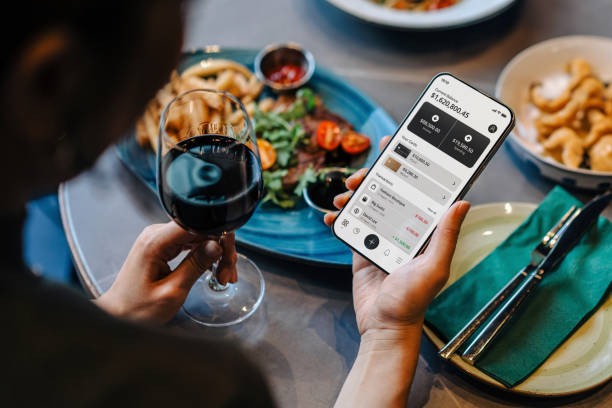
Looking for the perfect white wine to pair with lamb? You’re in the right spot – we’ll quickly guide you through the top choices, from crisp Sauvignon Blanc that brightens herb‑crusted cuts to buttery Chardonnay that embraces a rosemary glaze. We’ll also suggest food‑friendly temperature and storage advice for best results.
What White Wines Pair Best with Lamb
Classic Choices: Sauvignon Blanc
Sauvignon Blanc’s crisp acidity and herbaceous notes make it a natural partner for lamb, especially when the meat is seasoned with rosemary, mint, or garlic. Match the wine’s citrus zest with lemon‑marinated lamb to highlight bright flavors, and let the wine’s green peppercorn hints echo the herb rub.
For grilled lamb chops, serve a chilled glass to cut through the richness, while the wine’s minerality balances any smoky char. Choose a New Zealand or Loire Valley Sauvignon Blanc for pronounced tropical fruit and flinty tones, or opt for a cooler‑climate style from Chile for softer herbaceousness.
This pairing keeps the palate fresh and accentuates the lamb’s savory depth.
Elegant Options: Chardonnay
Chardonnay’s buttery texture and subtle oak can complement lamb dishes that feature creamy sauces or buttery basting. Pair a lightly oaked Chardonnay with rosemary‑infused roast lamb to let the wine’s vanilla and toasted nut notes mirror the herbaceous crust.
For lamb with a mushroom or cream‑based sauce, the wine’s acidity cuts the richness while its round mouthfeel blends seamlessly. Choose a Burgundian or Californian Chardonnay that offers balanced acidity and a hint of citrus, ensuring the palate isn’t overwhelmed.
Serve slightly chilled (12‑14°C) to preserve freshness, and let the wine’s lingering finish enhance the lamb’s tender, juicy character without masking its natural flavor.
Light Alternatives: Pinot Grigio
Pinot Grigio’s light body and crisp minerality make it an excellent counterpoint to delicate lamb preparations, such as herb‑crusted lamb medallions or lamb kebabs with citrus glaze.
Serve a chilled Italian Pinot Grigio to highlight its green apple and pear aromas, which brighten the palate and cut through the meat’s subtle fattiness. The wine’s subtle floral notes complement a lemon‑thyme rub without overwhelming it.
For Mediterranean‑style lamb with olives and tomatoes, choose a Pinot Grigio from Alto Adige for a touch of alpine freshness. Keep the temperature around 10‑12°C to maintain its refreshing acidity, ensuring each bite of lamb feels light and vibrant.
Bold Picks: Viognier
Viognier’s aromatic richness and full‑bodied texture pair beautifully with robust lamb dishes, especially those featuring spicy rubs, apricot glazes, or Middle Eastern spices. Match the wine’s stone‑fruit aromas—peach, apricot, and subtle honey—with a lamb tagine infused with cumin, coriander, and dried fruit to create a harmonious flavor bridge.
The wine’s low acidity and silky mouthfeel soften the heat of chili or harissa, while its natural oiliness mirrors the lamb’s juiciness. Opt for a Viognier from the Rhône Valley or California that offers a balanced oak influence, adding a whisper of vanilla.
Serve slightly warmer (14‑16°C) to let the perfume unfold, enhancing the lamb’s bold, savory profile.
How to Choose a White Wine for Different Lamb Cuts

Choosing for Lamb Chops
When pairing white wine with lamb chops, aim for a wine that can stand up to the rich, slightly gamey flavor while complementing the char from grilling.
Opt for a fuller‑bodied white such as an oaked Chardonnay or a white Rhône blend; the buttery texture and subtle oak echo the caramelized crust. Consider a Viognier with its aromatic stone‑fruit notes, which adds a fragrant lift without overwhelming the meat.
If the chops are marinated in herbs like rosemary or mint, a Sauvignon Blanc with bright acidity and herbaceous undertones will echo those flavors and cut through the fat. Serve the wine slightly chilled (around 55°F) to keep its freshness alive.
By matching the wine’s body, acidity, and aromatic profile to the preparation style, you create a harmonious bite‑and‑sip experience that highlights both the lamb and the wine.
Choosing for Leg of Lamb
Leg of lamb is often roasted or braised, producing a tender, juicy interior and a savory crust. Pair it with a white wine that offers enough acidity to balance the fat and enough complexity to mirror the herb‑laden seasoning.
A white Bordeaux blend (typically Sauvignon Blanc and Sémillon) provides crisp citrus, subtle oak, and a mineral finish that lifts the meat’s richness. A dry Riesling from Alsace or Germany, with its bright acidity and stone‑fruit notes, can cut through the fattier portions while echoing any rosemary or garlic rubs.
For a more aromatic match, try a Gewürztraminer; its lychee and spice nuances complement the sweet‑spicy glaze often used on leg of lamb. Keep the wine at a cool‑room temperature (around 50‑55°F) to preserve its aromatic intensity.
By aligning the wine’s acidity, fruit profile, and aromatic weight with the roast’s depth, the pairing becomes a seamless dialogue between dish and glass.
Choosing for Lamb Ribs
Lamb ribs are typically cooked low and slow, resulting in melt‑in‑your‑mouth meat with a smoky, slightly sweet glaze. The ideal white wine should bring a touch of sweetness to echo the glaze while maintaining acidity to cleanse the palate.
A slightly off‑dry Pinot Gris from Alsace offers ripe pear, honeyed notes, and a creamy mouthfeel that mirrors the rib’s caramelization. An Italian Soave Classico, with its almond‑tinged minerality and crisp acidity, can balance the richness and highlight any citrus zest used in the sauce.
For a bolder option, choose a Muscadet Sèvre et Maine sur lie, whose bracing acidity and subtle saline edge echo the smoky char and keep the fat in check. Serve these wines chilled (48‑52°F) to keep the fruit forward.
By matching the wine’s subtle sweetness, acidity, and mineral backbone to the rib’s smoky‑sweet profile, each bite feels refreshed and the flavors harmonize.
Tips for Matching Wine Acidity with Lamb Flavors
Balancing Citrus Notes
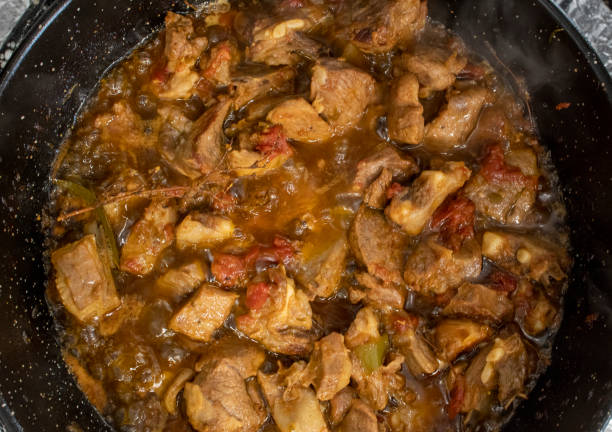
When lamb is prepared with herbs, garlic, or a light rosemary glaze, the bright acidity of a citrus‑forward white can lift the dish without overwhelming it. Choose a Sauvignon Blanc from the Loire or New Zealand, where lemon zest, green apple, and subtle herbaceous tones echo the seasoning.
Serve the wine chilled (around 45‑50°F) to keep the citrus crisp, and taste a sip before the first bite to gauge the balance. If the lamb is grilled and has a smoky char, the citrus notes will cut through the richness, creating a refreshing contrast.
Pairing a wine with visible citrus aroma—think grapefruit peel or lime rind—helps the palate reset between bites, ensuring each mouthful of lamb feels lighter and more vibrant.
A splash of lemon‑infused olive oil on the plate can echo the wine’s profile, while a side of minted peas adds a complementary herb note that ties the flavors together.
Using Minerality to Cut Fat
Rich lamb dishes—such as braised shoulder or lamb shank with a red‑wine reduction—contain a lot of gelatin and intramuscular fat that can feel heavy on the palate.
A mineral‑driven white like an Albariño from Rías Baixas or a Chablis Grand Cru offers flinty, slate‑like tones that act like a palate cleanser, slicing through the silkiness of the meat.
Serve the wine slightly cooler than usual (48‑52°F) to accentuate its crisp minerality, and focus on the stone fruit aromas—pear, white peach, and a hint of sea‑spray—that mirror the dish’s earthy herbs.
When the lamb is seasoned with cumin or smoked paprika, the wine’s salty edge balances the spice, preventing the fat from coating the tongue.
Adding a garnish of toasted pine nuts or a drizzle of lemon‑thyme vinaigrette can further highlight the wine’s mineral backbone, making each bite feel lighter and more refined.
When to Prefer Low Acidity
If the lamb is prepared with a sweet glaze—think honey‑marinated rack or a pomegranate‑molasses reduction—the high acidity of many whites can clash with the lingering sweetness.
In these cases, a low‑acid white such as a Viognier from the Rhône or a warm‑climate Chardonnay from California provides a round, buttery mouthfeel that harmonizes with the dessert‑like notes.
Serve it just above chill (55‑60°F) so the wine’s body stays plush, and look for aromatic cues like apricot, peach, and subtle spice that echo the glaze’s fruitiness. The soft acidity allows the lamb’s caramelized crust to shine without being over‑cut, while the wine’s silky texture mirrors the tender meat.
Pair the dish with a side of roasted root vegetables tossed in a light honey drizzle to reinforce the sweet‑savory balance, ensuring the overall experience feels cohesive and elegant. The pairing leaves a lasting impression and feels truly memorable.
Best White Wines for Grilled Lamb
Sauvignon Blanc with Herb Marinade
Sauvignon Blanc’s crisp acidity and herbaceous notes make it a natural partner for lamb brushed with a rosemary‑mint or thyme‑garlic marinade. Start by selecting a Sauvignon Blanc from New Zealand or the Loire Valley, where citrus, green pepper and subtle mineral tones shine.
Chill the wine to 45‑50°F so its freshness cuts through the meat’s richness without overwhelming the herbs. When you grill, baste the lamb with the herb mixture every few minutes; the wine’s bright acidity will echo the mint and lift the savory juices.
Serve the bottle alongside the finished lamb, letting guests sip between bites to keep the palate bright. If you prefer a richer style, choose a slightly oaked Sauvignon Blanc; the gentle oak will echo any char on the grill while preserving the wine’s lively fruit.
It will also complement the meal beautifully.
Chardonnay for Smoky Glaze
Chardonnay’s buttery texture and toasted oak notes stand up to the caramelized crust of a smoky‑glazed lamb chop. Pick a full‑bodied Chardonnay from California’s Napa Valley or a balanced Burgundian style, where ripe apple, vanilla and a hint of smoke mirror the grill’s char.
Decant the wine for 20‑30 minutes to open up its flavors before serving at 55‑60°F. As you brush the lamb with a honey‑soy or miso glaze, the wine’s subtle creaminess will soften the intensity of the sweet‑savory coating while the oak accentuates the smoke.
Serve the glass alongside each plated portion, encouraging diners to sip after each bite to meld the glaze’s richness with the wine’s round mouthfeel. For a lighter touch, choose an unoaked Chardonnay; its crisp acidity will still balance the glaze without adding extra substantial weight.
Albariño for Mediterranean Spices
Albariño’s bright acidity and stone‑fruit aromatics pair beautifully with lamb seasoned with Mediterranean spices such as cumin, coriander, and lemon zest. Select an Albariño from Spain’s Rías Baixas or a high‑quality Portuguese Vinho Verde, where saline minerality and peach‑like flavors echo the herb‑laden rub.
Chill the wine to 48‑50°F and serve in a wide‑bowl glass to release its fragrant bouquet.
While grilling, sprinkle the lamb with a blend of smoked paprika, garlic, and a drizzle of olive oil; the wine’s crisp citrus notes will cut through the spice heat and highlight the meat’s natural sweetness.
Offer a glass with each serving, encouraging guests to sip between bites so the palate stays refreshed and the aromatic spice profile shines. For extra depth, pair with a slightly aged Albariño; the subtle oxidative notes will complement the char without overpowering the delicate flavors.
Best White Wines for Roasted Lamb
Viognier with Herb Crust
Pair roasted lamb with a bright, aromatic Viognier to highlight the herb crust. Choose a Viognier with ripe stone‑fruit aromas such as apricot and peach, and a hint of floral perfume that can stand up to rosemary, thyme, and mint.
Serve the wine slightly chilled, around 55°F, to keep its acidity lively and its texture smooth. When selecting a bottle, look for a lightly oaked style that retains a creamy mouthfeel without overwhelming the meat.
Decant for ten minutes to let any subtle tannins open up, then pour into a white‑wine glass with a wide rim to capture the perfume. This combination accentuates the lamb’s savory depth while the wine’s natural richness adds a silky counterbalance, making each bite feel more luxurious.
Pair it with a side of roasted vegetables and a drizzle of olive oil to complete the harmonious plate.
Riesling for Sweet Glaze
Riesling’s natural acidity and subtle sweetness make it an ideal partner for lamb finished with a honey‑glazed carrot and apricot compote. Select a Kabinett‑level Riesling that displays bright citrus notes, a touch of stone fruit, and a mineral backbone to cut through the glaze’s richness.
Chill the wine to 50‑52°F so the crispness lifts the caramelized sugars without muting the fruit flavors. When preparing the lamb, brush the glaze on during the last ten minutes of roasting; the heat will caramelize the honey, creating a glossy, sweet‑savory crust.
Serve the Riesling in a tulip‑shaped glass to concentrate its aromatics and guide the wine onto the palate. The wine’s lingering acidity balances the sweetness, while its low alcohol lets the lamb’s herb seasoning shine, delivering a layered tasting experience that feels both elegant and comforting.
White Rioja for Earthy Roast
White Rioja, made from the Verdejo grape, offers a nutty, slightly oxidative profile that pairs beautifully with lamb roasted over rosemary and smoked paprika. Choose a Reserva‑style White Rioja that has spent time in oak, giving it vanilla and toasted almond nuances that echo the meat’s earthy char.
Serve the wine at 55°F to allow its complex aromatics to unfold, revealing hints of citrus peel, green apple, and a faint saline edge.
While the lamb cooks, baste it with a mixture of olive oil, crushed garlic, and a splash of the same Rioja to infuse the meat with the wine’s subtle oak character.
Present the wine in a large, rounded glass so the soft tannins and lingering finish can coat the palate, matching the lamb’s robust flavor. This marriage creates a harmonious balance where the wine’s depth lifts the roast’s smokiness while its freshness keeps the dish from feeling heavy.
How to Serve White Wine with Lamb Dishes
Ideal Serving Temperature
Serve white wine slightly chilled to highlight its freshness without masking the lamb’s richness. Aim for a temperature between 50°F and 55°F (10°C‑13°C). This range preserves aromatic intensity while allowing subtle fruit and mineral notes to mingle with herb‑spiced or rosemary‑marinated lamb.
If the wine is too cold, its acidity and flavor will feel muted; if too warm, the alcohol may overwhelm the delicate meat.
Use a wine fridge or an ice bucket with a 30‑minute chill for lighter varieties such as Sauvignon Blanc or Pinot Grigio, and a brief 10‑minute chill for fuller styles like oaked Chardonnay or Viognier.
Remember to let the bottle sit for a few minutes after removal from the fridge to reach the optimal sip‑ready temperature, ensuring a balanced palate experience. This careful temperature control enhances the wine’s acidity, allowing it to cut through the lamb’s fat and complement the herbaceous sauces.
Glassware Recommendations
Choosing the right glass amplifies the synergy between white wine and lamb, guiding aromas toward the nose and directing flow onto the palate.
Opt for a medium‑sized white‑wine glass with a slightly tapered rim; this shape concentrates the wine’s floral and citrus notes while still allowing the fuller body of an oaked Chardonnay or white Rhône blend to breathe.
For aromatic, high‑acid options such as Grüner Veltliner or Albariño, a narrower bowl helps focus the bright acidity and stone‑fruit aromas that cut through the lamb’s richness. Avoid overly large Bordeaux‑style glasses, which can disperse delicate scents and diminish the wine’s crispness.
Ensure the glass is crystal‑clear and thin‑walled, as this enhances visual appreciation of the wine’s hue and improves temperature retention. By matching glass profile to the wine’s style, diners experience a more integrated taste, where the wine’s texture and the lamb’s savory depth complement each other seamlessly.
Decanting and Aeration Tips
While red wines often require extended decanting, many white wines that pair well with lamb benefit from brief aeration to unlock hidden complexity.
Pour the wine into a wide‑bowl aerator or a glass decanter and let it rest for three to five minutes; this short exposure softens any tight tannic edge in a lightly oaked Chardonnay and releases aromatic compounds in aromatic whites such as Riesling or Sauvignon Blanc.
Swirl the glass gently before the first sip to increase surface area and promote volatile release, especially for wines with pronounced herbaceous or mineral notes that echo rosemary, mint, or thyme used in lamb preparations. Avoid prolonged exposure for delicate, high‑acid varieties, as they can lose freshness quickly.
If a bottle has been stored for an extended period, allow an additional two minutes of breathing to revive its fruit intensity. Proper aeration ensures the wine’s acidity and fruit balance complement the lamb’s richness without overwhelming the palate.
Common Mistakes to Avoid When Pairing White Wine with Lamb
Overlooking Fat Content
One of the biggest errors is ignoring the lamb’s natural richness and fat. White wines with high acidity cut through the buttery texture, while low‑acid selections can feel cloying. When you choose a wine that doesn’t balance the fat, the palate becomes overwhelmed and the flavors blur.
Opt for a crisp Sauvignon Blanc, a dry Riesling, or a lightly oaked Chardonnay that offers bright citrus or green‑apple notes. These wines provide the necessary acidity to cleanse the palate between bites, highlighting the herb‑infused meat without adding heaviness.
Remember to match the wine’s body to the cut of lamb; a lean rack benefits from a lighter style, whereas a fattier shoulder can stand up to a fuller‑bodied, yet still crisp, white. By matching acidity to fat, you keep the dining experience harmonious.
Serve the wine slightly chilled, around 10‑12 °C, to preserve its refreshing edge and ensure it remains a bright counterpoint to the savory lamb.
Choosing Too Sweet Wines
Another frequent slip is reaching for a white wine that is overly sweet, assuming the sugar will complement the lamb’s earthy notes. Excessive sweetness masks the meat’s natural flavor and creates a discordant taste profile.
Sweet varieties such as late‑harvest Riesling, Moscato, or Gewürztraminer can overwhelm the subtle rosemary, garlic, and mint seasonings typical of lamb dishes. Instead, select a dry or off‑dry wine with a touch of fruit acidity, like a Pinot Grigio, an unoaked Chardonnay, or a crisp Albariño.
These options provide enough fruit character to enhance the lamb without drowning it in sugar. Keep the residual sugar below 3 g/L to maintain balance, and focus on acidity and minerality rather than sweetness.
By choosing a restrained, aromatic white, you let the lamb shine while still offering a refreshing sip. Pair it with a light herb sauce for best results.
Ignoring Cooking Method
Finally, many diners pair white wine with lamb without considering how the meat is prepared, leading to mismatched flavors.
Cooking technique dictates the wine’s structure; grilled or roasted lamb develops caramelized, smoky notes that need a wine with enough body and acidity to stand up to the char, while braised or stewed lamb offers tender, broth‑rich flavors that pair better with a more delicate, aromatic white.
For a herb‑crusted roast, choose a medium‑bodied Viognier or a buttery Chardonnay with subtle oak, which mirrors the richness without overwhelming it. For a slow‑cooked tagine, a fragrant, slightly off‑dry Gewürztraminer or a bright Grüner Veltliner can echo the spice profile while keeping the palate fresh.
Always align the wine’s intensity with the cooking style, ensuring the wine enhances rather than competes with the lamb’s nuanced taste.
Frequently Asked Questions
Which white wine varieties complement the flavor of lamb?
Dry white wines with good acidity and moderate body, such as Sauvignon Blanc, Chardonnay (unoaked), or Viognier, pair well with lamb. Their bright fruit and herbal notes enhance the meat’s richness without overpowering it.
Can I pair a white wine with grilled lamb?
Yes, a crisp, aromatic white like Albariño or a lightly oaked Chardonnay works nicely with grilled lamb. The wine’s acidity cuts through the char and fat, while its fruit flavors echo the smoky grill marks.
What white wine should I choose for lamb with a herb sauce?
A herbaceous white such as Sauvignon Blanc or a dry Riesling complements herb‑based sauces like rosemary or mint. Their green, citrusy profile mirrors the herbs and balances the lamb’s richness.
Is it okay to serve a buttery white wine with lamb?
A lightly buttery, medium‑bodied Chardonnay can pair well if the lamb is prepared with creamy or buttery sauces. The wine’s richness matches the sauce, while its acidity keeps the palate fresh.
How does the cooking method affect the white wine choice for lamb?
Roasted or braised lamb benefits from fuller‑bodied whites like Viognier or a mellow Chardonnay, while pan‑seared or grilled lamb pairs better with higher‑acid wines such as Sauvignon Blanc or Pinot Grigio. Adjust the wine’s weight to match the dish’s intensity.
Can I pair a sparkling white wine with lamb?
A dry sparkling wine, like Brut Champagne or a quality Cava, can be an elegant match for lamb, especially if served as an appetizer or with a light glaze. The bubbles cleanse the palate and the acidity highlights the meat’s flavor.
Conclusion
In short, pairing lamb with white wine works best when you choose wines that balance the meat’s richness and herbaceous notes—think crisp Sauvignon Blanc, aromatic Riesling, or buttery Chardonnay with subtle oak. These selections highlight the lamb’s flavor without overwhelming it, while offering refreshing acidity and nuanced fruit. Experiment with these options, trust your palate, and enjoy discovering the perfect match for your next lamb dinner.