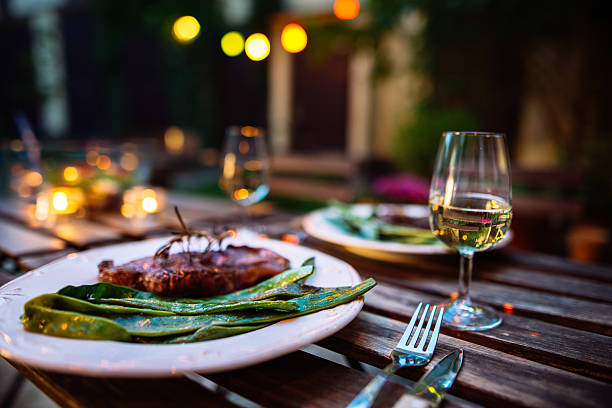
What White Wine Goes With Steak
If you’re wondering what white wine goes with steak, you’re in the right place. We’ll cut through the confusion and match you with the perfect sipper, whether you prefer a buttery Chardonnay, a crisp Sauvignon Blanc, or a nuanced Viognier. Expect quick, practical tips, pairing logic, and a few surprising choices that elevate every bite. By the end, you’ll know exactly which white wine will complement your steak without a second thought and truly impress your dinner guests every time.
How to Choose a White Wine for Steak
Assess the steak’s flavor profile
Begin by tasting the steak’s intrinsic flavors before you think about wine. Identify the cut – a ribeye offers rich marbling and buttery notes, while a filet mignon is lean and delicate.
Note the seasoning; a simple salt‑and‑pepper crust highlights beef’s natural umami, whereas a herb‑heavy rub adds green, aromatic layers. Consider the level of char; heavy grill marks introduce smoky bitterness that can balance a wine’s fruit.
Finally, assess any sauces – a peppercorn reduction adds spice, while a mushroom jus contributes earthiness. By cataloguing these elements you create a flavor map that guides you toward a white wine whose texture and aromatics either complement or contrast the steak, ensuring the pairing feels intentional rather than accidental.
Also, think about the steak’s fat content; higher fat levels soften the wine’s acidity, while a lean cut may benefit from a brighter, more acidic sip.
If the meat has been dry‑aged, expect intensified nutty and beefy notes that pair well with a white that shows subtle oak and a creamy mouthfeel.
Identify the wine’s body and acidity
Next, evaluate the white wine’s structural components, focusing on body, acidity, and texture. Body describes the wine’s weight on the palate; a full‑bodied Chardonnay with buttery oak can stand up to a richly marbled steak, while a lighter Pinot Grigio offers a crisp, refreshing lift for leaner cuts.
Acidity acts as a palate cleanser, cutting through fat and brightening flavors; wines with high natural acidity such as Sauvignon Blanc or Albariño refresh the mouth after each bite, preventing the steak from feeling heavy.
Texture matters too – a wine with a creamy mouthfeel, often achieved through malolactic fermentation or oak aging, mirrors the silkiness of a well‑marbled ribeye, whereas a lean, mineral-driven wine complements the firmness of a filet.
By mapping these attributes you can pinpoint a white that either matches the steak’s richness or provides a lively contrast, ensuring each sip enhances the next bite.
Match the cooking method to the wine style
Finally, align the steak’s cooking technique with the wine’s stylistic cues. Grilling imparts char and smoky notes; a white with a hint of toasted vanilla and moderate acidity, such as an oaked Viognier, mirrors those flavors while adding a lush fruit backbone.
Pan‑searing creates a caramelized crust and often involves butter or herbs; a buttery, slightly oak‑aged Chardonnay complements the richness and reinforces the buttery glaze.
Broiling or high‑heat oven cooking produces a drier, more concentrated surface; a crisp, high‑acid Sauvignon Blanc or a mineral‑forward Grüner Veltliner cuts through the intensity and refreshes the palate.
If a sauce accompanies the steak—think peppercorn, béarnaise, or red wine reduction—choose a wine whose aromatics echo the sauce’s dominant elements: a citrus‑bright Chardonnay for béarnaise, or an aromatic Riesling with a touch of sweetness to balance peppercorn heat.
By pairing the cooking method with a wine that shares or counteracts its key sensory traits, you create a harmonious dining experience where each element elevates the other.
What Types of White Wine Pair Well with Steak
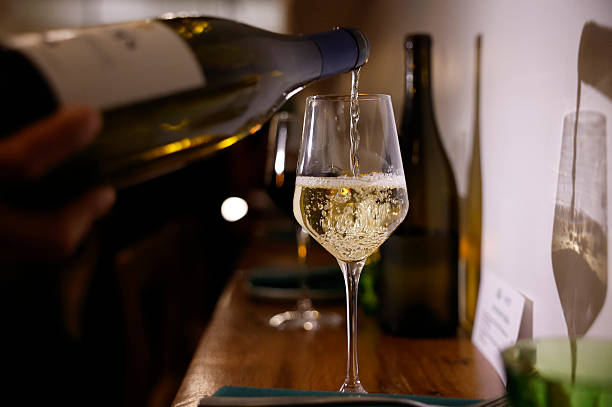
Chardonnay – oaked vs. unoaked
When choosing Chardonnay for steak, consider the oak influence. Oaked Chardonnay brings buttery, vanilla‑rich flavors and a creamy mouthfeel that can stand up to a grilled ribeye’s fat, especially when the steak is finished with a herb butter.
In contrast, unoaked Chardonnay offers bright citrus and mineral notes, providing a refreshing counterpoint to a leaner cut like filet mignon or a pepper‑crusted sirloin. Aim for a wine with 12‑13% acidity to cut through the meat’s richness, and serve it slightly chilled (12‑13 °C) to preserve its fruit intensity.
This dual approach lets you match the wine’s texture to the steak’s fat level for a balanced bite.
Sauvignon Blanc – crisp and herbaceous
Sauvignon Blanc’s high acidity and green‑herb profile make it a surprising ally for steak, especially when the meat is seasoned with rosemary, thyme, or a chimichurri sauce. Crisp citrus notes such as lime and grapefruit lift the palate, cutting through the charred fat of a grilled New York strip.
Look for a bottle with pronounced herbaceous undertones—think bell pepper or freshly cut grass—that echo the steak’s seasoning and create a harmonious flavor bridge.
Serve the wine well chilled (10‑11 °C) to keep its zing lively, and pair it with a side of grilled asparagus or a light vinaigrette salad to complete the bright, balanced experience.
Viognier – aromatic and rich
Viognier offers a lush, stone‑fruit character and a velvety texture that can complement the richness of a well‑marbled steak. Aromatic notes of peach, apricot, and subtle floral hints add a sweet‑spicy dimension that pairs nicely with a pepper‑crusted ribeye or a steak topped with a mushroom‑cream sauce.
The wine’s moderate acidity (around 6‑7 g/L) balances the fat without overwhelming the palate, while its natural oiliness mirrors the meat’s juiciness.
Choose a Viognier with a hint of oak for added vanilla and toast, and serve it slightly warmer than typical whites (13‑14 °C) to showcase its full aromatic profile and create a luxurious, cohesive bite.
White Rioja – aged and nutty
White Rioja, especially the Reserva style, brings oxidative aging, nutty complexity, and a creamy mouthfeel that can stand up to a hearty steak.
Aged notes of toasted almond, hazelnut, and dried citrus provide a savory backdrop that matches well with a grilled flank steak dressed in a chimichurri or a steak au poivre.
The wine’s moderate acidity and subtle oak integration help cut through the meat’s richness while the lingering nutty finish echoes the char on the grill.
Serve the White Rioja at cellar temperature (12‑13 °C) to preserve its nuanced flavors, and pair it with a side of roasted potatoes or a mushroom ragout for a balanced, sophisticated plate.
Tips for Matching Wine Acidity and Steak Fat

Balance acidity with marbling
Start by evaluating the steak’s marbling; a well‑marbled cut delivers rich, buttery fat that needs a wine with enough acidity to cut through the mouthfeel. Choose a white that offers bright, mineral‑driven acidity such as a Chablis or a cool‑climate Sauvignon Blanc.
Match the acidity level to the fat content: the higher the marbling, the higher the wine’s acidity should be. Look for citrus‑sharp notes, green apple, and a crisp finish that can cleanse the palate after each bite.
When the wine’s acidity mirrors the steak’s richness, the flavors stay vibrant and the overall experience feels lighter, preventing the meat from feeling overly heavy.
Pairing a wine with a subtle flint edge also adds a mineral backbone that echoes the charred crust, while the lingering acidity keeps the palate ready for the next bite.
Use citrus notes to cut richness
Integrate citrus‑forward whites to slice through the steak’s richness and refresh the palate between bites. Varieties like Albariño, Vermentino, or a bright Italian Pinot Grigio deliver lemon, lime, and grapefruit aromas that act like a natural palate cleanser.
Focus on citrus intensity: the sharper the citrus, the more effectively it balances the meat’s savory depth. Serve the wine slightly chilled, around 45‑50 °F, to accentuate the zesty profile without dulling the fruit.
Pair the wine with a steak that has a herb‑crusted or pepper‑spiced rub, because the citrus will highlight the aromatic herbs while tempering the pepper’s heat.
Additionally, a hint of saline minerality in the wine can echo the natural juices of the meat, creating a harmonious dialogue that keeps the dining experience lively and prevents the steak from feeling overly greasy. It finishes cleanly on the tongue.
Consider buttery textures in the wine
Look for white wines that showcase buttery, creamy textures to echo the steak’s velvety fat while still providing enough acidity to prevent cloyiness. Oaked Chardonnay from Burgundy or California, especially those with subtle oak integration and a hint of vanilla, can mirror the melt‑in‑your‑mouth sensation of a ribeye’s marbling.
Prioritize balanced oak: too much oak will overwhelm the meat, but a restrained buttery mouthfeel complements the steak’s richness. Serve the wine at cellar temperature, about 52‑55 °F, to let the silkiness unfold without muting the fruit.
Pair this style with a steak cooked medium‑rare and finished with a butter‑based herb sauce; the wine’s buttery notes will harmonize with the sauce, while its crisp acidity lifts the overall palate.
A touch of stone fruit, such as peach or apricot, adds a subtle sweetness that rounds out the experience without competing with the meat’s savory profile.
Best White Wines for Different Steak Cuts
Ribeye – full‑bodied whites
Ribeye’s rich marbling calls for white wines with weight and texture. Choose a full‑bodied, oak‑aged Chardonnay from California or Burgundy, whose buttery mouthfeel and toasted vanilla complement the steak’s fat. Viognier offers aromatic stone‑fruit notes and a creamy palate that mirrors the ribeye’s juiciness.
White Rioja provides a nutty, slightly oxidative profile that cuts through the meat’s richness while adding a subtle spice. Serve the wine slightly chilled (12‑14 °C) to keep its acidity lively, and consider a light drizzle of herb‑butter on the steak to echo the wine’s buttery nuances.
This pairing enhances both the wine’s depth and the steak’s flavor.
Filet Mignon – delicate whites
Filet mignon’s tender, low‑fat profile thrives with elegant, subtle whites. Opt for a crisp, mineral-driven Sauvignon Blanc from the Loire or New Zealand; its green‑herb acidity lifts the meat without overwhelming it. Pinot Grigio from Italy offers light citrus and pear notes that echo the steak’s gentle sweetness.
Chablis, a unoaked Chardonnay from Burgundy, delivers steely acidity and flinty minerality that accentuate the filet’s silkiness. Serve these wines well‑chilled (10‑12 °C) and pair with a drizzle of lemon‑herb butter or a light mushroom ragout to harmonize the wine’s bright zest with the steak’s delicate texture.
The result is a refined, balanced dining experience. A splash of white‑wine reduction sauce can further tie the flavors together.
Sirloin – medium‑bodied whites
Sirloin’s robust, slightly chewy texture pairs nicely with whites that have enough body to stand up to its flavor. Select an oaked Chardonnay from Sonoma or a white Burgundy; the wine’s creamy texture and subtle vanilla notes mirror the meat’s caramelized crust.
White Rioja offers medium acidity with a touch of dried‑fruit and spice, complementing the sirloin’s peppery seasoning. Grüner Veltliner from Austria brings peppery white‑pepper aromatics and a crisp backbone that brightens the steak’s savory notes.
Serve at 12‑13 °C and accompany with a rosemary‑garlic butter or a mustard‑herb glaze to synchronize the wine’s subtle oak and spice with the beef’s hearty character.
Flank Steak – bright, high‑acid whites
Flank steak’s lean, fibrous nature thrives with wines that bring lively acidity and bright fruit. Choose an Albariño from Rías Baixas; its citrus zest, stone‑fruit aroma, and high acidity cut through the meat’s chewiness while highlighting any smoky char.
Riesling (dry) from Alsace delivers crisp green‑apple notes and a mineral edge that lifts the steak’s herb‑marinade flavors. Vermentino from Sardinia offers a saline minerality and vibrant lemon‑lime palate that matches the steak’s tangy salsa or chimichurri.
Serve chilled at 10‑12 °C and pair with a squeeze of lime or a cilantro‑pico de gallo to echo the wine’s zing, creating a refreshing, balanced bite.
How to Serve White Wine with Steak
Optimal serving temperature
Serve white wine for steak at a temperature that highlights its acidity and fruit while preserving its structure. Aim for 45‑50°F (7‑10°C) for crisp varieties such as Sauvignon Blanc or unoaked Chardonnay; slightly warmer, around 50‑55°F (10‑13°C), works for richer styles like a lightly oaked Chardonnay or a Viognier.
Chill the bottle in the refrigerator for 2‑3 hours, then let it sit on the counter for a few minutes before pouring. Avoid serving too cold, as it masks flavors and can make the wine taste flat, and steer clear of room‑temperature service, which may accentuate alcohol and diminish freshness.
Use a wine thermometer if you want precision, especially when entertaining guests who expect a polished presentation. A cooler pour also balances the charred, buttery notes of a grilled ribeye, letting the wine’s citrus and mineral edge refresh the palate between bites.
Decanting vs. straight pour
White wines that accompany steak rarely require lengthy decanting, but a brief aeration can unlock hidden complexity. For crisp, high‑acid selections like a Chablis or a dry Riesling, pour directly from the bottle; their bright profile is best experienced immediately.
Fuller‑bodied whites such as a lightly oaked Chardonnay or a white Rioja benefit from a short, 10‑15 minute pour into a decanter or a wide‑bowl carafe, which softens oak integration and releases subtle fruit aromas. Avoid over‑decanting, as excessive exposure can evaporate delicate aromatics and make the wine taste flat.
If you lack a decanter, simply swirl the glass vigorously for 5‑10 seconds to introduce oxygen. This quick technique mimics the effect of a decanter, ensuring the wine’s texture complements the steak’s richness without overwhelming it.
The result is a harmonious balance where the wine’s acidity cuts through fat, while its fruit notes echo the char.
Glassware that enhances aroma
The shape of the glass can dramatically influence how a white wine interacts with a steak‑laden palate. Choose a U‑shaped, slightly larger bowl that directs aromas toward the nose while preserving a cooler core for the wine.
A classic white‑wine glass with a tapered rim concentrates citrus and mineral notes, ideal for Sauvignon Blanc or a crisp Pinot Gris served alongside a pepper‑crusted filet.
For richer, oak‑influenced whites like a Chardonnay, a glass with a broader bowl and a slightly flared lip allows the wine’s buttery texture to unfold fully and meld with the steak’s caramelized edges. Avoid narrow, stemless tumblers, which trap heat and mute subtle aromatics.
Ensure the glass is crystal‑clear and free of residues; a spotless surface reflects light, enhancing visual appeal and signaling quality to diners. This subtle lift elevates the overall dining experience.
Common Mistakes to Avoid When Pairing White Wine and Steak
Choosing overly sweet wines
Many diners instinctively reach for a sweet white, assuming its fruitiness will complement the richness of steak. In reality, excessive sweetness can clash with the meat’s savory, umami flavors, making the pairing feel disjointed. Avoid wines with high residual sugar such as late‑harvest Rieslings or overly ripe Chardonnay.
Instead, opt for dry or off‑dry whites that provide acidity and subtle fruit without overwhelming sweetness. When you select a wine, check the label for terms like “dry,” “crisp,” or “unoaked,” which signal lower sugar levels.
If you already have a sweet bottle, balance it by adding a splash of lemon juice to the glass or serving the steak with a tangy mustard glaze. This adjustment restores harmony and lets the steak’s natural juices shine alongside the wine.
Pairing a balanced white ensures the palate stays refreshed throughout the meal.
Ignoring the sauce or seasoning
Steak is rarely served plain; sauces, rubs, and seasoning dramatically influence the wine choice. Ignoring these elements often leads to a mismatch, where a white that might work with a simple grilled cut becomes overpowered by a pepper‑corn sauce or under‑matched with a buttery herb butter.
Match the wine’s flavor profile to the dominant sauce: a citrus‑y Sauvignon Blanc pairs well with chimichurri, while a lightly oaked Chardonnay complements a creamy mushroom sauce. Start by identifying the strongest flavor—spice, acidity, or richness—and select a wine that mirrors or counterbalances it.
If you’re unsure, choose a versatile white such as an unoaked Viognier, which offers aromatic complexity without overwhelming the steak.
Adjust the pairing by tasting a sip alongside a bite; if the wine feels thin, add a pinch of salt to the steak, or if it dominates, switch to a crisper option.
Serving wine too cold
Temperature is a silent but powerful factor in wine enjoyment, especially with whites paired with steak. Serving a white too cold suppresses its aromatics and flattens acidity, leaving it unable to stand up to the meat’s richness.
Aim for a serving temperature of 45‑50°F (7‑10°C) for most dry whites; this range unlocks fruit nuances and maintains a lively mouthfeel. If your wine is stored in the freezer, let it sit in the refrigerator for 20‑30 minutes before pouring.
For fuller‑bodied whites like a lightly oaked Chardonnay, a slightly warmer temperature around 52°F (11°C) can reveal buttery notes without becoming syrupy. Test the temperature by touching the glass—if it feels icy, give it a few minutes to warm.
Properly tempered wine will enhance the steak’s flavor, creating a balanced, satisfying dining experience. Enjoy the perfect pairing tonight.
Frequently Asked Questions About White Wine and Steak Pairings
Can I pair a sparkling white with steak?
Yes, a sparkling white can be a surprisingly good match for steak, especially when the meat is cooked simply or served with a buttery sauce.
The high acidity and fine bubbles of Champagne, Prosecco, or a dry sparkling Sauvignon Blanc cut through the richness of the beef, cleansing the palate between bites.
Look for wines with a crisp acidity, moderate alcohol, and nutty or citrus notes; these characteristics balance the char and fat without overwhelming the meat. For grilled ribeye, try a Brut Champagne; for a pan‑seared filet with a beurre blanc, a sparkling Pinot Blanc works well.
Avoid overly sweet styles, as they can clash with the savory flavors. Remember to serve the wine chilled, but not ice‑cold, to keep its texture lively and its flavor profile in harmony with the steak.
What about white wine with pepper‑corn sauce?
Pepper‑corn sauce adds a bold, spicy heat that can mute the delicate fruit of many white wines, so you need a wine with enough body and aromatic intensity to stand up to the sauce.
Choose a white that offers rich texture, bright acidity, and spicy or herbal notes—examples include an oaked Chardonnay from Burgundy, a Viognier from the Rhône, or a fuller‑bodied Grüner Veltliner from Austria.
The buttery, creamy base of the sauce pairs nicely with the vanilla and toasted oak of an oaked Chardonnay, while the wine’s acidity cuts through the fat. Viognier’s aromatic peach and ginger can echo the peppercorn’s spice, creating a harmonious dialogue.
Grüner Veltliner’s peppery finish mirrors the sauce’s seasoning without becoming overwhelming. Serve the wine slightly cooler than room temperature, around 12‑14 °C, to preserve freshness and keep the palate ready for each bite of steak and sauce.
Do regional wines pair better with local steaks?
Matching a regional white wine with a locally sourced steak can enhance the dining experience because both products share similar terroir, climate, and culinary traditions.
A New Zealand Sauvignon Blanc, with its zesty citrus, herbaceous notes, and crisp acidity, complements a grass‑fed lamb or beef raised on the country’s cool pastures, especially when the steak is prepared simply with olive oil and sea salt.
In the United States, a California Chardonnay from Sonoma Coast offers buttery richness, stone‑fruit flavors, and a hint of oak that pairs well with a char‑grilled ribeye from a nearby ranch, where the meat’s marbling benefits from the warm climate.
Similarly, an Italian Verdicchio from the Marche region, known for its bright minerality and almond finish, can echo the mineral‑rich soils of local cattle farms, making it a natural partner for a Tuscan‑style bistecca.
The key is to look for wines that reflect the same soil, weather, and food‑culture as the steak, creating a cohesive, place‑specific pairing.
Frequently Asked Questions
What type of white wine pairs well with steak?
Full‑bodied white wines with good acidity and a touch of oak, such as Chardonnay (especially those aged in oak), complement the richness of steak. Their buttery texture and subtle oak flavors can stand up to the meat’s savory profile.
Can a crisp white wine work with steak?
Yes, crisp whites like Sauvignon Blanc or a dry Riesling can work, especially with lean cuts or when the steak is served with a citrus‑based sauce. Their high acidity cuts through fat and refreshes the palate.
Is a white Burgundy a good choice for steak?
White Burgundy, made from Chardonnay, offers a balance of richness, acidity, and minerality that pairs nicely with grilled steak. The subtle oak and buttery notes enhance the meat without overwhelming it.
What about a sparkling white wine with steak?
Sparkling wines like Champagne or a dry Prosecco can be a delightful match, especially for steak served with a peppercorn or herb crust. The bubbles cleanse the palate and the acidity balances the meat’s fattiness.
Should I avoid sweet white wines with steak?
Generally, sweet whites such as Moscato or late‑harvest Riesling can clash with the savory flavors of steak, making the dish taste overly sweet. Opt for dry or off‑dry styles if you prefer a hint of fruitiness.
How does the cooking method affect the white wine choice?
Grilled or charred steaks benefit from richer, oak‑aged whites that can handle smoky flavors, while pan‑seared or poached steaks pair better with lighter, more acidic whites. Matching the wine’s intensity to the cooking method enhances the overall dining experience.
Conclusion
When pairing steak with white wine, choose wines with bright acidity, moderate oak, and enough body to stand up to the meat—think Chardonnay, Viognier, or a crisp Sauvignon Blanc. Remember to match the sauce and preparation style, as richer sauces favor fuller wines while lighter preparations shine with zestier options. Experiment, trust your palate, and enjoy discovering the perfect white companion for your next steak dinner.