What White Wine For Sangria
Choosing the right white wine for sangria can feel like a puzzle, but I’ve got the perfect solution ready for you. In this quick guide we’ll explore the top three crowd‑pleasing options—crisp Sauvignon Blanc, fruity Pinot Grigio, and aromatic Riesling—explaining why each one shines in a refreshing sangria mix. You’ll learn how to match flavor, sweetness, and budget, so you can whip up a party‑ready pitcher in minutes. Grab a bottle, gather friends, and enjoy a vibrant, unforgettable toast together.
What Types of White Wine Work Best in Sangria
Dry White Wines
Choose a crisp, dry white wine such as Sauvignon Blanc, Pinot Grigio, or unoaked Chardonnay for a classic sangria base. Dry wines provide bright acidity that balances the sweetness of fruit and added liqueur, while keeping the drink light and refreshing.
Look for a wine with moderate alcohol (11‑12% ABV) to prevent the sangria from becoming overly boozy. Avoid heavily oaked or buttery styles, as they can overwhelm the fresh citrus and berries.
When selecting, opt for a bottle that is still young – within one to two years of release – so the flavors remain vibrant.
Pour the wine into a large pitcher, add sliced oranges, lemons, and a handful of berries, then stir in a splash of orange liqueur and a touch of simple syrup. Let the mixture chill for at least an hour to allow the fruit to infuse, then serve over ice.
Semi‑Dry White Wines
Opt for a semi‑dry white wine like Riesling, Moscato d’Asti, or Chenin Blanc when you prefer a sweeter sangria without overwhelming sugar. Semi‑dry wines add gentle fruitiness and a hint of residual sweetness that pairs beautifully with tropical fruits such as pineapple, mango, or peach.
Choose a bottle with balanced acidity (around 6‑7 g/L) to keep the drink lively and prevent it from feeling cloying. These wines often showcase floral and honeyed notes; let those shine by adding fresh mint leaves and a drizzle of honey or agave for extra depth.
Combine the wine with sliced kiwi, orange wedges, and a splash of peach schnapps, then stir in a modest amount of club soda just before serving for a sparkling finish.
Allow the sangria to rest for 30‑45 minutes so the flavors meld, then pour over ice and garnish with a sprig of mint for a refreshing, slightly sweet cocktail.
Aromatic White Wines
Select an aromatic white wine such as Gewürztraminer, Viognier, or Torrontés to give your sangria a bold, perfume‑filled profile. Aromatic varieties bring intense floral and spice notes that lift the drink and complement exotic fruits like lychee, passion‑fruit, or blood orange.
Look for a wine with medium body and moderate alcohol (10‑11% ABV) so the aromatics shine without overpowering the other ingredients. To balance the strong bouquet, add a splash of citrus‑based liqueur, a pinch of ground cinnamon, and a handful of sliced strawberries.
Mix the wine with the fruit, stir in a drizzle of elderflower cordial, and let it sit for at least an hour in the refrigerator.
Just before serving, top with a splash of sparkling water for effervescence and garnish with a sprig of rosemary or a few edible flowers for visual appeal. This approach creates a vibrant, fragrant sangria that stands out at any gathering.
How to Choose the Right White Wine for Your Sangria Recipe
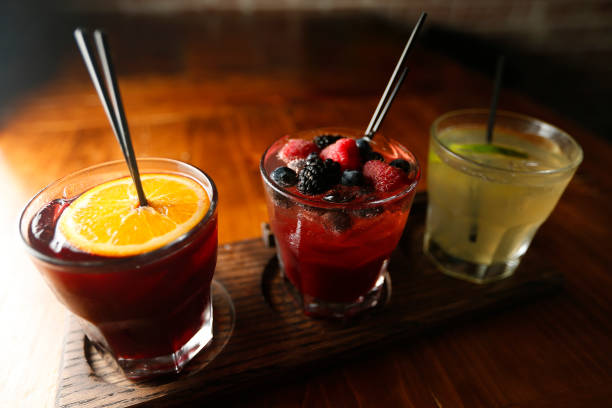
Consider the Flavor Profile
Start by tasting the wine you plan to use. A dry, crisp white such as Sauvignon Blanc or Pinot Grigio provides bright acidity that lifts fruit flavors without overwhelming them. If you prefer a softer, slightly sweeter base, choose an off‑dry Riesling or a lightly aromatic Moscato.
Key point: look for wines with moderate alcohol (10‑12% ABV) so the sangria stays refreshing rather than boozy. Avoid heavily oaked Chardonnays, as their buttery notes can clash with citrus and berries.
Consider the overall balance: high acidity cuts through sugar, while subtle fruit aromas blend seamlessly with the added fruit juice. Key point: a wine with a clean finish lets the added spirits and fresh fruit shine, creating a harmonious sip.
Serve the wine chilled, around 45‑50°F, to preserve its crisp character and ensure the sangria remains lively on a warm day.
Match the Wine to Your Fruit Mix
The fruit you plan to include dictates the ideal wine style. Bright citrus slices like orange or lemon pair well with a zesty Sauvignon Blanc, whose herbaceous notes echo the rind’s oils.
For tropical fruits such as pineapple or mango, an aromatic white like Gewürztraminer adds complementary spice and a hint of honey. Berry‑heavy sangrias—strawberries, blueberries, raspberries—benefit from a light, fruity Pinot Grigio that won’t compete with the deep pigments.
Key point: choose a wine whose flavor accentuates rather than masks the fruit’s natural sweetness. If you’re mixing a medley of apples, pears, and stone fruits, a semi‑dry Riesling offers enough acidity to cut through the fleshiness while contributing a subtle floral backdrop.
Key point: consider the wine’s residual sugar; a touch of sweetness can balance tart apples and bring out the perfume of peach. Pairing the right wine with your fruit mix creates a layered palate that feels both refreshing and sophisticated.
Budget‑Friendly Options
You don’t need an expensive bottle to craft a crowd‑pleasing sangria; many supermarket selections deliver the right balance of acidity and fruit character for under $10.
Look for a crisp, unoaked Pinot Grigio or a simple Sauvignon Blanc labeled “dry” or “extra dry” – these wines are typically priced between $6 and $9 and provide the clean backbone that lets fresh fruit and a splash of brandy shine.
Key point: avoid “reserve” or “grand cru” designations, which often add cost without improving sangria performance. An affordable Spanish Albariño, known for its bright citrus notes, works beautifully with peach and melon slices and usually retails for $8‑$11.
If you prefer a slightly sweeter profile, a modestly priced Moscato d’Asti (around $7) adds a gentle fizz and honeyed nuance that pairs well with berries.
Key point: buy a larger bottle (e.g., 1.5 L) if you’re hosting a party; the extra volume reduces per‑glass cost and ensures you have enough wine to soak the fruit fully.
Tips for Balancing Sweetness and Acidity in White Wine Sangria

Adjusting Sugar Levels
Start by choosing a dry or off‑dry white wine such as Sauvignon Blanc, Pinot Grigio, or an unoaked Chardonnay; these bases give a clean canvas that won’t overwhelm the fruit. Measure your sweetener before adding it—use a tablespoon of simple syrup or a splash of honey, then taste.
If the sangria leans too sweet, dilute with a bit more wine or sparkling water. Balance is key: for every cup of fruit juice, add no more than half a cup of sweetener, adjusting gradually.
Remember that the natural sugars in sliced oranges, peaches, or berries contribute sweetness, so factor them into your calculations. Finally, let the mixture chill for at least an hour; the cold temperature helps the flavors meld and the sugar to integrate smoothly, delivering a harmonious sip every time.
Enjoy it for your guests.
Using Fresh Citrus Juice
Select bright citrus like lemons, limes, or blood oranges to inject acidity that cuts through the wine’s fruitiness. Squeeze the juice just before mixing to preserve the lively aromatics; a tablespoon per cup of wine is a solid starting point.
Pair the citrus with a dry white wine—think Albariño or a crisp Vinho Verde—so the tartness shines without becoming harsh. Taste and adjust: if the sangria feels too sharp, mellow it with a drizzle of agave or a spoonful of orange marmalade, which adds depth while keeping the profile fresh.
Remember to include the zest for an extra burst of oil‑soluble flavor; a teaspoon of finely grated peel per pitcher elevates the overall balance. Let the blend sit for 30‑45 minutes so the juice integrates, then serve over ice for a refreshing, well‑rounded sip.
Adding a Splash of Sparkling Water
Finish the sangria with a gentle fizz to lift the palate and temper any lingering sweetness. Add sparkling water or club soda just before serving—about ¼ cup per liter of wine—to keep the drink lively without diluting the flavor profile.
Choose a white wine with subtle fruit notes, such as a Grüner Veltliner or a light‑bodied Riesling, so the bubbles enhance rather than mask the nuances. Stir gently to preserve carbonation; a slow clockwise motion distributes the effervescence evenly.
If you prefer a sweeter finish, swap half of the water for a splash of ginger ale, which adds a spicy‑sweet edge that pairs well with citrus and tropical fruits.
Serve the sangria in tall glasses with a garnish of mint or sliced fruit, allowing the sparkle to dance with the aroma for a perfectly balanced experience.
Best White Wines for Classic Spanish Sangria
Spanish Albariño
Choose a crisp Albariño from Rías Baixas for a sangria that sings with bright acidity and stone‑fruit aromatics. Start with a dry, unoaked bottle to let the orange, peach, and subtle saline notes shine without overwhelming the fruit mix.
Chill the wine to 45‑50°F, then add sliced citrus, a handful of fresh berries, and a splash of orange liqueur. Taste before sweetening; if needed, stir in a tablespoon of agave or simple syrup.
Let the blend rest for at least an hour so the Albariño’s lively minerality infuses the fruit, creating a refreshing, balanced sangria perfect for summer gatherings. Serve the sangria over plenty of ice and garnish with a sprig of mint or a thin slice of lime for extra aroma.
Keep it chilled until serving to preserve the wine’s crisp character. This Albariño base works well with seafood tapas, making it a versatile choice for any Spanish‑themed party.
Spanish Verdejo
Select a Verdejo from Rueda that offers herbaceous notes and a hint of tropical fruit, ideal for a sangria that balances freshness with subtle complexity. Pick a young, unoaked Verdejo with bright acidity and flavors of green apple, quince, and a whisper of fennel.
Chill the wine, then combine it with sliced peaches, kiwi, and a few rosemary sprigs for an aromatic twist. Adjust sweetness with a drizzle of honey or a splash of white grape juice, tasting as you go to avoid cloying the palate.
Allow the mixture to sit for 30‑45 minutes so the herbal undertones of Verdejo meld with the fruit, creating a layered drink that stays lively. Serve over crushed ice and garnish with a rosemary leaf or a thin slice of lemon to accentuate the herb‑forward profile.
This Verdejo‑based sangria pairs beautifully with grilled chicken or paella, making it a flexible option for both casual brunches and evening feasts.
Spanish Godello
Opt for a Godello from Galicia that delivers a creamy texture and delicate citrus minerality, perfect for a sangria that feels elegant yet approachable. Choose a lightly oaked or stainless‑steel fermented Godello with notes of lemon zest, white peach, and a faint saline edge.
Cool the wine, then add thinly sliced green apples, white grapes, and a handful of fresh basil leaves for a fragrant lift. Balance the profile by adding a splash of elderflower cordial or a modest amount of sparkling water for effervescence without diluting the wine’s body.
Let the blend rest for an hour, allowing the Godello’s subtle almond and stone‑fruit nuances to integrate with the herbs and fruit. Serve the sangria over large ice cubes and finish with a garnish of a basil sprig and a twist of lemon peel to highlight the aromatic complexity.
This Godello‑based version pairs wonderfully with shellfish dishes, such as mussels or shrimp paella, offering a refined twist on the classic Spanish sangria.
Top White Wines for Fruit‑Forward Sangria Variations
Moscato d’Asti
Moscato d’Asti is an ideal base for fruit‑forward sangria because its natural sweetness and low alcohol let the fruit flavors shine without overwhelming the palate. Select a chilled, semi‑sweet Moscato with bright peach and apricot notes; this will complement citrus, berries, and stone fruits.
Start by pouring one bottle into a pitcher, then add sliced oranges, strawberries, and a handful of fresh peaches. Add a splash of sparkling water or club soda just before serving to give a lively fizz that lifts the wine’s gentle bubbles.
To enhance depth, stir in a teaspoon of honey or agave syrup and a pinch of sea salt, which accentuates the fruit’s natural sugars.
Let the mixture sit for 30 minutes in the refrigerator so the flavors meld, then serve over ice with extra fruit garnish for a refreshing, crowd‑pleasing drink.
Riesling
Riesling offers a crisp acidity and subtle honeyed notes that make it a versatile canvas for vibrant sangria creations. Choose an off‑dry Riesling from Germany’s Mosel or Alsace, which provides enough sweetness to balance tart citrus while preserving a lively backbone.
Begin by chilling a bottle and pouring it into a large jug, then introduce sliced lemons, green apples, and a handful of ripe kiwi for a refreshing contrast. Incorporate a splash of ginger‑infused simple syrup to add a gentle spice that complements the wine’s natural minerality.
For extra effervescence, top the mixture with a splash of prosecco just before serving, allowing bubbles to mingle with the fruit juices.
Allow the sangria to rest for 20‑30 minutes so the Riesling’s bright acidity melds with the fruit, then serve over crushed ice with a sprig of mint for an aromatic finish.
Gewürztraminer
Gewürztraminer’s aromatic intensity and floral sweetness make it perfect for a bold, fruit‑forward sangria that dazzles the senses. Select a medium‑sweet Gewürztraminer from Alsace or Italy’s Alto Adige, where the wine’s lychee and rose petal aromas pair beautifully with tropical fruits.
Pour the chilled bottle into a pitcher, then add diced mango, pineapple chunks, and sliced blood orange for a vivid color palette. Stir in a drizzle of orange‑blossom honey to amplify the wine’s natural perfume while keeping the drink balanced.
Add a splash of sparkling rosé for a pink hue and lively carbonation that lifts the fragrant profile. Let the sangria sit for 25‑35 minutes, allowing the Gewürztraminer’s spice‑laden notes to infuse the fruit juices.
Serve over ice with a garnish of fresh mint leaves and a twist of orange peel for an exotic, crowd‑pleasing libation.
How to Store and Serve White Wine Sangria for Maximum Flavor
Chilling the Wine Properly
Begin by selecting a crisp, aromatic white wine such as Sauvignon Blanc, Pinot Grigio, or an unoaked Chardonnay, which provide bright acidity and subtle fruit notes that blend seamlessly with sangria fruits.
Cool the wine to 45‑50°F (7‑10°C) before mixing; place the bottle in an ice‑water bath for 15‑20 minutes rather than a freezer to avoid over‑chilling. Transfer the chilled wine to a large, food‑safe pitcher, then add sliced citrus, berries, and a splash of citrus liqueur.
Cover the pitcher tightly and refrigerate for at least two hours, allowing the flavors to meld while the wine stays at a consistent temperature.
Avoid repeated temperature swings by keeping the sangria on a chilled slab or in a cooler during serving, which preserves its fresh, vibrant profile throughout the event. This controlled chill also helps the fruit retain its crisp bite and prevents the wine from becoming muted.
Stirring Before Serving
After the sangria has rested, give it a gentle yet thorough stir to integrate the infused fruit juices and the wine base.
Use a long wooden spoon or a stainless‑steel stirrer, moving in a circular motion from the bottom of the pitcher to the top, ensuring that any settled pulp and aromatic oils are evenly distributed.
This step revives the bright citrus aromas and releases the subtle spice from added herbs such as mint or basil. Avoid vigorous shaking, which can aerate the wine excessively and diminish its smooth texture.
Perform the stir just before transferring the drink to serving vessels, and taste and adjust the balance with a splash of soda water or a drizzle of honey if the flavor has mellowed during chilling.
A brief, mindful stir guarantees each glass delivers consistent, lively flavor from the first sip to the last.
Using the Right Glassware
Choosing the proper glass enhances the aroma and temperature retention of white wine sangria, making each sip more enjoyable. Opt for a tall, slender wine glass or a stemless tumblers with a wide rim that allows the fruit pieces to be displayed while directing the bouquet toward the nose.
The glass should hold at least 12‑16 oz to accommodate both liquid and floating fruit without overflowing. Chill the glasses in the refrigerator for 10‑15 minutes before serving; this keeps the sangria cool longer and prevents condensation from watering down the drink.
Avoid heavy, thick‑walled glasses that trap heat, as they can cause the sangria to lose its crisp edge quickly. For outdoor gatherings, consider insulated acrylic cups that mimic the shape of wine glasses while providing durability.
By matching the glassware to the drink’s profile, you preserve the balanced sweetness and bright acidity that define a perfect white wine sangria.
Common Mistakes to Avoid When Making White Wine Sangria
Over‑Sweetening the Drink
To keep your white wine sangria balanced, avoid over‑sweetening from the start. Measure sweeteners such as simple syrup, honey, or flavored liqueurs rather than dumping them in blindly.
Begin with a tablespoon of syrup per bottle of wine and taste before adding more; the fruit you include will already release natural sugars as they macerate.
If the mixture feels too sharp, brighten it with a splash of sparkling water or a squeeze of fresh lemon instead of extra sugar. Taste frequently during the 2‑hour infusion, adjusting with a pinch of salt or a dash of bitters to cut excess sweetness.
Remember that chilled sangria tastes less sweet than a warm version, so serve it over ice. By controlling sweeteners, you let the chosen white wine’s acidity and fruit flavors shine without being masked by cloying sugar.
Using Low‑Quality Wine
Choosing a quality white wine is the foundation of a great sangria; low‑quality options can leave the drink flat and overly acidic. Select a dry, aromatic wine such as Sauvignon Blanc, Pinot Grigio, or Albariño, which provide bright acidity and subtle fruit notes without overwhelming sweetness.
Avoid overly oaky or buttery Chardonnay, as the heavy vanilla tones clash with fresh fruit and citrus. When budgeting, opt for a reputable mid‑range label rather than a cheap bulk bottle; the difference in flavor depth is noticeable after the fruit has macerated for a few hours.
Taste the wine alone before mixing—if it feels sharp or lacks character, it will not improve with added ingredients. A well‑chosen white wine will harmonize with orange slices, peaches, and a splash of elderflower liqueur, delivering a refreshing, balanced sangria that highlights both the wine and the fresh components.
Neglecting Fresh Ingredients
Fresh ingredients are the heart of a vibrant white wine sangria; skipping them leads to a bland, artificial taste. Use ripe, seasonal fruit such as sliced lemons, limes, white peaches, green apples, and berries, which release natural juices and aromatics during the 2‑hour soak.
Avoid canned or pre‑sugared fruit, as they introduce excess syrup and muted flavors that compete with the wine’s acidity. Incorporate fresh herbs like mint or basil for a fragrant lift, adding them just before serving to preserve their bright aroma.
Cut the fruit into uniform pieces to ensure even extraction; larger chunks will take longer to infuse, while overly small pieces can become mushy. Finally, top the sangria with a splash of club soda or sparkling water right before serving to maintain crispness.
By prioritizing fresh, high‑quality produce, you let the selected white wine shine and create a sangria that’s both refreshing and nuanced.
Frequently Asked Questions
What type of white wine works best for sangria?
A dry, crisp white wine such as Sauvignon Blanc, Pinot Grigio, or Spanish Albariño provides a bright base that lets the fruit flavors shine without adding excessive sweetness.
Can I use sweet white wine for sangria?
You can, but you’ll need to balance the extra sweetness by reducing added sugars or using more tart fruit and citrus to keep the drink refreshing.
Is it okay to use a sparkling white wine in sangria?
Yes, sparkling wines like Prosecco or Cava add a lively effervescence; just add them at the end to preserve the bubbles and adjust the fruit-to-wine ratio accordingly.
How much white wine should I use per pitcher of sangria?
A typical ratio is about 1 bottle (750 ml) of white wine for 4‑6 cups of sliced fruit, a cup of orange juice, and a splash of brandy or liqueur; adjust to taste.
Should I choose a wine from a specific region for sangria?
Spanish white wines such as Albariño or Verdejo complement traditional sangria flavors, but any dry white with good acidity will work, so feel free to use what’s locally available.
Can I substitute a white wine blend for a single-varietal wine?
Blends are fine; just ensure the blend leans toward dry and acidic characteristics, avoiding overly oaky or buttery profiles that can mask the fruit.
Conclusion
Choosing the right white wine for sangria is all about balance, fruitiness, and affordability. Opt for a crisp, dry variety like Sauvignon Blanc, Pinot Grigio, or an unoaked Spanish Albariño to let citrus and fresh fruit shine, while a lightly sweet Riesling can add a mellow twist. Remember to keep the wine chilled and pair it with seasonal fruits for maximum flavor. Experiment, enjoy, and raise a glass to your perfect sangria creation!