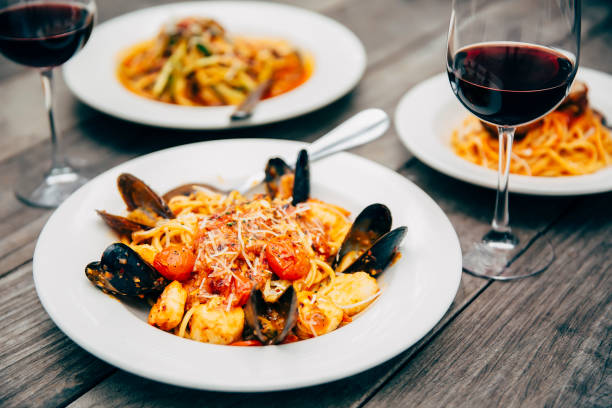
What Red Wine Goes With Seafood
Finding the perfect red wine for seafood doesn’t have to feel like a mystery. In this quick guide, we’ll reveal which light‑bodied reds complement shrimp, salmon, and even richer shellfish without overpowering delicate flavors. Expect recommendations that balance fruit, acidity, and subtle tannins, plus simple serving tips to elevate your next dinner. Ready to impress your palate and guests? Let’s dive straight into the top red wine choices that pair beautifully with seafood for any occasion, from casual to elegant.
How to Pair Red Wine with Common Seafood Dishes
Grilled Shrimp and Light Pinot Noir
Pair grilled shrimp with a light Pinot Noir to highlight the smoky char while keeping the fruitiness bright. Choose a Pinot Noir with soft tannins and bright red‑berry notes; this balances the shrimp’s sweetness without overwhelming it. Serve the wine slightly chilled, around 55°F, to enhance its crisp acidity.
Avoid heavy oak that can mask the delicate flavors. When seasoning the shrimp, use garlic, lemon, and a hint of chili; the wine’s subtle spice complements these aromatics.
Finish the dish with a drizzle of herb butter, letting the wine’s subtle earthiness echo the fresh herbs for a harmonious bite‑and‑sip experience.
Salmon with Medium‑Body Merlot
Salmon’s rich, oily texture pairs beautifully with a medium‑body Merlot that offers ripe plum and soft tannins. Select a Merlot with moderate acidity to cut through the fish’s fat while highlighting its natural sweetness. Serve the wine at cellar temperature, about 60°F, to keep its fruit forward.
Steer clear of overly tannic Merlots that could clash with the salmon’s delicate flesh. Enhance the pairing by grilling the salmon with a glaze of soy, honey, and ginger; the wine’s subtle spice notes echo the glaze’s sweetness.
A side of roasted asparagus tossed in olive oil and lemon adds a bright contrast, allowing the Merlot’s velvety finish to linger pleasantly.
Lobster Tail and Bold Zinfandel
Lobster tail deserves a bold Zinfandel that can stand up to its sweet, buttery richness. Pick a Zinfandel with jammy black‑fruit flavors and a touch of peppery spice to complement the lobster’s natural sweetness. Serve the wine slightly cooler than room temperature, around 58°F, to soften its alcohol edge.
Avoid overly sweet Zinfandels that may overwhelm the delicate seafood. Prepare the lobster with a garlic‑butter sauce and a splash of smoked paprika; the wine’s smoky undertones mirror the paprika’s depth.
Pair with a light salad of arugula and citrus vinaigrette to add acidity, letting the Zinfandel’s robust body and smooth finish enhance each succulent bite.
Scallops with Light Syrah
Scallops, with their delicate sweetness, shine when paired with a light Syrah that offers subtle pepper and red‑fruit notes. Choose a Syrah with low tannins and bright acidity to accentuate the scallops’ buttery texture without overpowering it. Serve the wine chilled, about 54°F, to keep its fruit crisp.
Skip heavily oaked Syrahs that can mask the sea’s freshness. Sear the scallops in a pan with a touch of butter, lemon zest, and fresh thyme; the wine’s gentle spice highlights the citrus aroma.
Add a side of sautéed spinach with garlic for earthiness, allowing the light Syrah’s elegant finish to linger and complement the scallops’ silky mouthfeel.
What Red Wines Complement Shellfish
Clams and Light Grenache
Pairing clams with a light Grenache creates a bright, fruit‑forward match that highlights the shellfish’s briny sweetness. Choose a Grenache with low tannins and bright red‑fruit notes to avoid overwhelming the delicate clam flavor. Serve the wine slightly chilled, around 55°F, to enhance its refreshing acidity.
When cooking, steam the clams in a garlic‑infused white wine broth, then finish with a splash of the same Grenache for consistency. Taste the broth before plating and adjust salt or a pinch of crushed red pepper for balance.
This approach ensures the wine’s soft spice complements the clam’s natural mineral edge without masking it. For a complete experience, garnish with fresh parsley and a drizzle of extra‑virgin olive oil, letting the wine’s subtle berry aroma echo the dish’s freshness.
Serve the pairing with a crisp green salad to keep the palate lively.
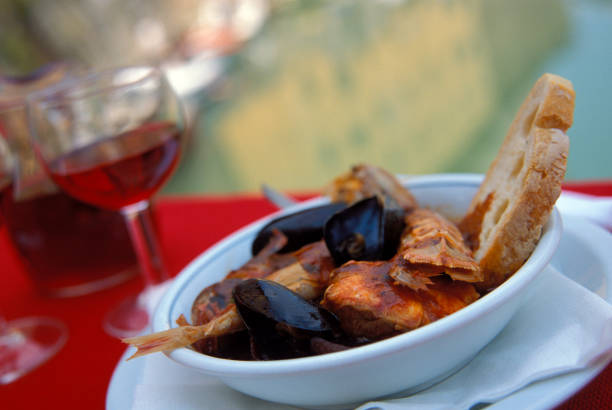
Mussels with Soft Barbera
Soft Barbera’s gentle tannins and ripe plum character make it an unexpected but rewarding partner for mussels. Select a Barbera with moderate acidity and low oak influence so the wine can mirror the mussels’ sweet brine without adding bitterness.
Cook the mussels in a shallow pan with shallots, a splash of tomato‑based sauce, and a drizzle of olive oil; the sauce’s subtle acidity will echo the wine’s fruit profile. Stir in a spoonful of fresh basil just before the mussels open to introduce herbal brightness that lifts both components.
Serve the Barbera at cellar temperature, about 60°F, to keep its fruit forward and prevent the tannins from feeling coarse. Pairing this wine with a side of toasted baguette allows diners to soak up the aromatic broth, while the wine’s soft cherry notes enhance the mussels’ natural sweetness.
Finish the meal with a light lemon zest garnish to tie the flavors together.
Crab with Fruity Gamay
Fruity Gamay, with its lively acidity and bright red‑berry aromas, pairs beautifully with sweet, buttery crab. Opt for a Gamay from the Beaujolais region that shows minimal oak to keep the palate clean and let the crab’s delicate flavor shine.
Begin by steaming crab legs and then brushing them with a glaze made from orange juice, a touch of honey, and a dash of smoked paprika; the glaze’s citrus sparkle mirrors Gamay’s natural fruit zest. Add a pinch of sea salt just before serving to accentuate the wine’s crisp minerality.
Serve the Gamay slightly chilled, around 58°F, so its vibrant fruit stays pronounced without becoming too sharp. Accompany the dish with a simple fennel‑and‑apple slaw, which echoes the wine’s subtle floral notes and adds a refreshing crunch.
This combination creates a harmonious balance where the wine’s soft tannins lift the crab’s richness while the fruit forward profile keeps the experience lively.
Tips for Matching Red Wine Acidity with Seafood

Balancing High Acidity Fish
Start by matching the wine’s acidity to the fish’s natural brightness. High‑acidity seafood such as salmon, tuna, or swordfish can stand up to a red that offers a crisp, lively edge without overwhelming the palate.
Choose a Pinot Noir from a cooler climate or a light‑bodied Gamay; both provide bright acidity and soft tannins that echo the fish’s flesh while preserving delicate flavors. Serve the wine slightly chilled (around 55°F) to enhance its refreshing qualities and to keep the pairing from feeling heavy.
When the dish includes citrus or a vinaigrette, the wine’s acidity will mirror the sauce, creating a harmonious balance that lets the seafood shine.
If the preparation features a light herb glaze or a tomato‑based salsa, the wine’s acidity will cut through the richness and highlight the fruit notes in the wine. Avoid overly oaked reds, as the wood can mask the fish’s subtle sweetness.
Using Low‑Tannin Reds
Low‑tannin reds are the secret weapon for seafood lovers who prefer red wine. Tannins can create a metallic sensation on the palate when combined with the natural proteins in fish, so selecting a wine with minimal tannin structure keeps the mouthfeel smooth.
Opt for a Beaujolais Nouveau, a chilled Grenache‑based rosé, or an Italian Dolcetto that offers fruit‑forward flavors without the grip of strong tannins. These wines deliver soft, juicy fruit and a gentle backbone that complements shellfish such as shrimp, scallops, or lobster without overwhelming them.
Serve the wine at 50‑55°F to accentuate its fruit character and to provide a refreshing contrast to buttery or creamy sauces. When the seafood is grilled with a light char, the subtle spice in a low‑tannin red will echo the smoky notes, creating a balanced and enjoyable dining experience.
Adjusting Pairings for Sauces
The sauce often dictates the ideal red wine more than the protein itself.
For seafood bathed in a tomato‑based or wine‑reduction sauce, choose a red with bright acidity and a hint of earthiness, such as a Chianti Classico or a young Tempranillo, to mirror the sauce’s tang and cut through its richness.
If the dish features a buttery or cream‑based sauce, lean toward a fruit‑forward, low‑acid wine like a Barbera d’Asti, which offers soft fruit notes that complement the sauce without clashing. For spicy Asian‑inspired glazes, a lightly chilled Zinfandel with ripe berry sweetness can tame heat while adding depth.
Always taste the sauce first, then match the wine’s dominant characteristic—acid, fruit, or spice—to it. Adjust the serving temperature by a few degrees: cooler for high‑acid sauces, slightly warmer for richer, cream‑laden preparations, ensuring the wine enhances rather than competes with the seafood.
Best Ways to Serve Red Wine with Seafood
Temperature Guidelines
When pairing red wine with seafood, temperature is a critical factor that can either highlight or mask delicate flavors. Serve the wine slightly cooler than typical room temperature, aiming for 55‑60°F (13‑16°C).
This modest chill softens tannins and reduces the perception of acidity, allowing the wine to complement rather than overpower the briny, sweet notes of fish or shellfish.
For lighter reds such as Pinot Noir or Gamay, a cooler range near 55°F works best, while medium‑bodied options like Barbera can sit at the higher end of the spectrum.
Avoid serving reds too warm; temperatures above 65°F (18°C) can make the wine taste overly alcoholic and harsh, clashing with the subtle textures of seafood. Adjust the serving temperature by placing the bottle in a refrigerator for 20‑30 minutes before service, or use an ice bucket for quick cooling.
Consistent temperature control ensures a harmonious dining experience.
Glassware Selection
Choosing the right glassware enhances the interaction between red wine and seafood, guiding aromas and directing the flow of liquid onto the palate.
Opt for a glass with a broad bowl and a slightly tapered rim, such as a Burgundy or Pinot Noir style, which encourages gentle swirling and better oxygen exposure for lighter reds.
This shape helps soften tannins and releases subtle fruit and earthy notes that can complement the sweet, mineral qualities of shrimp, scallops, or grilled fish. Avoid overly large, heavy glasses designed for robust Cabernet Sauvignon; they can amplify the wine’s power and drown out the delicate seafood flavors.
A crystal glass with a thin rim also improves mouthfeel, allowing the wine to glide smoothly over the seafood’s texture.
When serving multiple wines, keep the glasses uniform in size to maintain consistent temperature and aroma concentration, and ensure they are clean and free of residue that could interfere with the nuanced pairing.
Decanting Tips
Decanting a red wine before serving seafood can soften aggressive tannins and reveal nuanced flavors that better match the dish’s subtlety. Allow the wine to breathe for 15‑30 minutes in a decanter, especially if it is a young Pinot Noir, Grenache, or a lightly oaked Merlot.
This short exposure to oxygen mellows the wine’s structure, reducing bitterness and highlighting fruit‑forward notes that echo the sweetness of lobster or the brine of oysters. For older, more delicate reds, limit decanting to 5‑10 minutes to avoid stripping away fragile aromatics.
When decanting, use a clear glass vessel with a wide base to maximize surface area, and pour slowly to prevent agitation that could release harsh edges.
If you lack a decanter, a clean pitcher or even a large wine glass can serve as a temporary stand‑in; simply let the wine sit uncovered for the recommended time. Proper decanting ensures the wine integrates smoothly with the seafood, creating a balanced and enjoyable pairing.
How to Choose Red Wine for Seafood Based on Cooking Method
Grilled vs. Steamed
Grilled vs. Steamed – When seafood is grilled, the smoky char creates richer flavors that can stand up to a light‑to‑medium red with bright acidity.
Opt for a chilled Pinot Noir, Gamay (Beaujolais), or a young Merlot; these wines offer soft tannins and red‑fruit notes that echo the caramelized crust without overwhelming the fish.
For steamed preparations, the texture is delicate and the taste is subtle, so choose a very low‑tannin red that won’t mask the natural sweetness.
A chilled Beaujolais Nouveau, a young Grenache‑based rosé, or a lightly chilled Cabernet Franc from the Loire can provide gentle fruit and a hint of earthiness while preserving the seafood’s freshness.
In both cases, keep the wine slightly cooler than typical reds (around 55‑60 °F) to enhance acidity and maintain balance with the cooking method. Serve the wine in a wide‑bowl glass to allow its aromatics to open, and enjoy the synergy of smoky char and fruit‑forward red.
Pan‑Sautéed Dishes
Pan‑Sautéed Dishes – Sautéing seafood in butter or olive oil creates a glossy, slightly caramelized surface that benefits from a medium‑bodied red with moderate acidity and gentle tannins.
A classic choice is a chilled Italian Chianti Classico, whose bright cherry and subtle herb notes cut through the richness without overpowering the delicate fish. Alternatively, a Spanish Garnacha (Grenache) from Rioja offers soft plum flavors and a hint of spice that complements the buttery sauce.
For shellfish like shrimp or scallops sautéed with garlic and tomatoes, consider a light‑bodied Pinot Noir from Oregon, which provides earthy undertones and enough acidity to balance the tomato’s acidity.
When the pan‑sauce includes mushrooms or smoked paprika, a French Beaujolais Villages adds a touch of earth and fruit, enhancing the umami while keeping the wine’s tannins low enough to let the seafood shine.
Serve the wine slightly chilled (around 58 °F) to preserve its freshness and to match the dish’s temperature.
Cured and Smoked Seafood
Cured and Smoked Seafood – The salty, smoky intensity of cured anchovies, smoked salmon, or gravlax calls for a red wine with bright acidity and restrained tannins to cut through the richness while echoing the smoke.
A chilled Lambrusco rosé, with its effervescent sparkle and red‑berry profile, lifts the palate and balances the salt without adding heaviness. For deeper smoke, a light‑bodied Pinot Noir from Burgundy, offering subtle forest‑floor aromas and crisp acidity, mirrors the nuanced char and complements the fish’s silky texture.
An Italian Dolcetto d’Alba, served slightly cool, provides soft plum and almond notes that harmonize with the curing brine, while its low tannin structure prevents the wine from becoming bitter against the salt.
If the dish includes a mustard‑based sauce, a French Gamay from the Loire Valley adds gentle peppery spice and bright fruit, creating a cohesive flavor bridge. Keep the wine at cellar‑cool temperature (around 55 °F) to preserve its freshness and to enhance the interplay of smoke, salt, and fruit.
What to Avoid When Pairing Red Wine with Seafood
Overly Tannic Reds
When you reach for a red with strong tannins, such as Cabernet Sauvignon or Nebbiolo, the wine’s grip can overwhelm the delicate flavors of most seafood. Tannins bind to proteins, creating a metallic taste that masks the briny sweetness of fish and shellfish.
To avoid this clash, steer clear of reds that are highly astringent and opt for lighter styles instead.
If you must use a tannic wine, pair it with very robust seafood like grilled swordfish or a seafood stew that includes rich, earthy ingredients; the bold flavors can stand up to the wine’s structure.
Otherwise, choose a wine with softer tannins, such as a Pinot Noir or a Gamay, to keep the palate balanced and let the seafood shine. Serve the dish at a cool room temperature and sip slowly, allowing the wine’s subtle fruit notes to complement the sea‑derived textures.
Heavy Oak Influence
Red wines that spend extensive time in new oak barrels often acquire intense vanilla, smoke, and butter flavors. While these characteristics can enhance grilled red meat, they tend to dominate the subtle aromatics of seafood, turning a graceful pairing into a muddied experience.
Oak‑derived compounds can mask the freshness of oysters, scallops, and white fish, leaving the palate heavy and unbalanced. To keep the pairing harmonious, avoid wines with a strong oak imprint, such as heavily oaked Rioja or American‑styled Cabernet.
If you enjoy oak, select a lightly toasted version or a wine that has undergone brief aging, like a lightly oaked Pinot Noir or a Grenache with minimal barrel contact.
Pairing these milder reds with seafood allows the gentle spice and fruit to lift the dish without overwhelming its natural brine and citrus notes.
High‑Alcohol Wines
Wines with alcohol levels above 14% tend to feel hot and viscous on the palate, which can clash with the light, flaky texture of most seafood. The elevated alcohol accentuates sweetness and can make the dish taste overly rich, especially when paired with delicate preparations like poached salmon or ceviche.
To preserve the bright acidity and clean finish of the seafood, steer clear of high‑proof reds such as Zinfandel, Shiraz, or fortified styles like Port. Instead, opt for lower‑alcohol reds that stay around 12‑13% ABV, for example a chilled Beaujolais Nouveau or a light-bodied Pinot Noir.
These choices provide enough structure to complement the protein without introducing a burning sensation, allowing the natural brine and citrus accents to remain front and center. Serve the wine slightly chilled, around 55°F, to further soften the alcohol perception and enhance the seafood’s freshness.
Tips for Experimenting with Red Wine and Seafood Pairings
Creating a Tasting Journal
Start by recording every tasting session in a dedicated journal. Note the wine’s name, vintage, region, and grape variety so you can track patterns over time. Describe the seafood dish in detail—type of fish or shellfish, cooking method, and any sauces or seasonings used.
Rate the harmony on a simple scale, highlighting what worked and what felt off. Include sensory notes such as aroma intensity, acidity level, and tannin texture, because these elements dictate how the wine interacts with briny or buttery flavors.
After a few entries, review the data to spot trends, like a preference for lighter Pinot Noir with grilled salmon or a fuller Grenache with tomato‑based cioppino.
This systematic approach turns trial and error into a data‑driven experiment, giving you confidence to repeat successful pairings and refine those that need adjustment.
Mixing Regions and Varietals
Explore beyond the classic French reds by mixing wines from diverse terroirs with different seafood preparations. Try a cool‑climate Gamay from Beaujolais alongside seared scallops; its low tannins and bright cherry notes complement the sweet, caramelized crust without overwhelming the delicate flesh.
Contrast that with a Mediterranean Grenache from Spain, whose ripe red fruit and subtle spice pairs beautifully with grilled octopus drizzled in olive oil and smoked paprika.
For a bolder experiment, match a light‑bodied Tempranillo from Rioja with black‑bean‑rich paella, letting the wine’s gentle acidity cut through the richness while echoing the dish’s earthy undertones.
Keep a list of regional characteristics—temperature, soil, and winemaking style—so you can predict how a high‑acid, low‑tannin profile will behave against briny or buttery sauces. This cross‑regional strategy expands your palate, revealing unexpected synergies that standard pairings often miss.
Pairing with Sauces and Herbs
Focus on the sauce or herb profile first, then match the red wine’s structural elements to those flavors. A tomato‑based bouillabaisse with fresh thyme benefits from a light‑to‑medium Pinot Noir; its soft tannins and bright acidity mirror the sauce’s acidity while the subtle earthiness echoes the herb.
When serving butter‑rich lobster with a rosemary‑infused reduction, choose a slightly chilled Beaujolais Villages; its fruit‑forward palate and low tannic grip cut through the richness without clashing with the piney rosemary.
For dishes featuring citrus‑y herb vinaigrettes, such as grilled shrimp tossed in lemon‑dill, a chilled Gamay Noir offers a crisp, juicy finish that lifts the citrus while keeping the wine’s body light enough to let the seafood shine.
Write down each combination, noting the balance of acidity, fruit, and herbaceous notes, so you can refine future pairings and develop a personal guide to red‑wine‑and‑seafood harmony.
Frequently Asked Questions
What types of red wine pair well with seafood?
Light‑bodied reds with low tannins, such as Pinot Noir, Gamay, or a young Beaujolais, complement seafood without overwhelming its delicate flavors.
Can I serve a full‑bodied red wine with seafood?
Generally, full‑bodied reds like Cabernet Sauvignon or Syrah are too tannic and can clash with seafood, but they may work with richer, grilled fish or shellfish dishes that have strong sauces.
What red wine goes well with grilled salmon?
A medium‑bodied Pinot Noir or a chilled Gamay (Beaujolais) pairs nicely with grilled salmon, balancing the fish’s richness while offering subtle fruit notes.
Are there any regional red wines that suit seafood?
Italian reds such as Chianti Classico (Sangiovese) or a light Nebbiolo can complement Mediterranean seafood dishes, especially those with tomato‑based sauces.
How should I serve red wine with seafood to improve the pairing?
Serve the red wine slightly chilled (around 55‑60°F/13‑15°C) to enhance its freshness and reduce perceived tannins, making it a better match for seafood.
What red wine should I avoid with seafood?
Avoid high‑tannin, high‑acidity reds like Cabernet Sauvignon, Malbec, or aged Bordeaux, as they can dominate the delicate flavors of most seafood dishes.
Conclusion
In short, lighter, low‑tannin reds such as Pinot Noir, Gamay, or a chilled Beaujolais can beautifully complement many seafood dishes, while richer styles like a young Tempranillo or a subtle Sangiovese work best with heartier, grilled fare. Remember to match intensity, consider sauce, and serve slightly chilled. Experiment and enjoy discovering the perfect red‑and‑seafood pairings for your palate. Share your favorites with friends and keep exploring new combinations.