What Is Cava Wine
What is cava wine? If you’ve ever wondered about that bubbly Spanish favorite often compared to Champagne, you’re in the right place. Cava is a crisp, sparkling wine from Spain made using the traditional method, just like Champagne, but with its own unique local grapes. In this article, we’ll break down everything you need to know—its origin, taste, production, and why it’s a fantastic, affordable choice for celebrations or everyday sipping. Let’s dive in and uncork the story behind cava.
What is Cava Wine?
Definition of Cava Wine
Cava is a sparkling wine produced primarily in Spain using the traditional method, the same process used to make Champagne. This means the second fermentation occurs in the bottle, creating fine, persistent bubbles.
Cava is typically made from indigenous Spanish grape varieties such as Macabeo, Xarel-lo, and Parellada, though Chardonnay and red grapes like Garnacha and Monastrell can also be used. The wine ranges from dry (Brut) to sweet (Dulce) and includes rosé versions known as *Cava Rosado*.
With its crisp acidity, vibrant citrus notes, and creamy texture, Cava offers excellent value and versatility. It’s an ideal choice for celebrations or pairing with tapas, seafood, and light cheeses, making it a popular alternative to other sparkling wines around the world.
Origin and History of Cava
Cava’s story begins in the late 19th century in Catalonia, Spain, when winemakers sought to produce a high-quality sparkling wine using the traditional method. The first bottle of Cava was made in 1872 by Josep Raventós of Codorníu, inspired by Champagne techniques.
Rather than calling it ‘Champagne,’ the term *Cava*—derived from the Catalan word for ‘cellar’—was adopted in the 1970s to emphasize its Spanish identity. Originally centered in Penedès, Catalonia, Cava production has since expanded, but the region remains its heartland.
Over time, Cava evolved into a symbol of Spanish winemaking excellence, with strict regulations ensuring quality. Today, it’s protected under a Denominación de Origen (DO), reflecting its rich heritage and commitment to craftsmanship.
How Cava Differs from Champagne
While both Cava and Champagne are made using the traditional method, they differ in grapes, region, and flavor profile. Champagne comes exclusively from the Champagne region of France and uses Chardonnay, Pinot Noir, and Pinot Meunier.
In contrast, Cava relies on native Spanish varieties like Macabeo, Xarel-lo, and Parellada, resulting in a lighter, fruit-forward character with bright citrus and green apple notes. Cava is typically more affordable than Champagne due to lower production costs and land prices.
Additionally, aging requirements differ: non-vintage Cava must age for 9 months on lees, while non-vintage Champagne requires 15 months. These distinctions make Cava a crisp, value-driven alternative that maintains complexity and elegance without the premium price tag, perfect for everyday enjoyment.
Key Regions Where Cava is Made
Although Cava is produced in several Spanish regions, the majority—over 95%—comes from Catalonia, particularly the Penedès area near Barcelona. This region’s Mediterranean climate and diverse soils create ideal conditions for growing Cava’s primary grape varieties.
Other designated Cava-producing regions include Aragon, Valencia, Extremadura, La Rioja, and Basque Country, each contributing unique terroir expressions. In 2020, the Cava DO introduced ‘Cava de Paraje Calificado’, a tier for single-estate Cavas from exceptional vineyards, highlighting regional distinction.
Despite broader production zones, Vilanova i la Geltrú in Penedès remains the historic and operational hub. These regions collectively uphold strict quality standards, ensuring consistency and authenticity. Exploring Cavas from different areas offers a deeper appreciation of Spain’s sparkling wine diversity and craftsmanship.
How Cava is Made
Traditional Method Fermentation Process
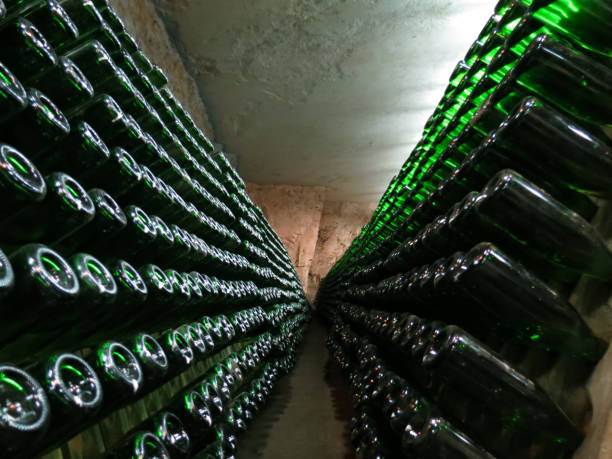
Cava is made using the Traditional Method, the same process used to produce Champagne. This involves a primary fermentation to create a base wine, followed by bottling with added yeast and sugar to trigger a secondary fermentation.
This second fermentation occurs inside the bottle, producing natural carbonation and fine, persistent bubbles. After fermentation, the bottles age on their lees—dead yeast cells—which impart complex flavors and a creamy texture.
The bottles are then riddled (turned gradually) and disgorged (yeast removed), with a dosage (a small amount of wine and sugar) added before final corking. This meticulous process ensures high quality, effervescence, and depth of flavor, making Cava a distinctive sparkling wine rooted in artisanal winemaking traditions.
Grape Varieties Used in Cava
Cava is primarily made from indigenous Spanish white grape varieties, with Macabeo, Parellada, and Xarel·lo forming the traditional trio. Macabeo contributes floral aromas and body, Parellada adds freshness and acidity, while Xarel·lo brings structure and aging potential.
In recent years, Cava regulations have expanded to include international varieties like Chardonnay and red grapes such as Garnacha and Monastrell, especially for rosé Cava. These additions allow winemakers to enhance complexity and adapt to modern tastes.
The careful selection and proportion of these grapes are crucial to achieving the desired balance of acidity, aroma, and texture. By emphasizing local varieties, Cava maintains its authentic regional character while embracing innovation in viticulture and winemaking.
Aging Requirements for Cava
To be labeled as Cava, the wine must meet strict aging requirements established by the Cava Denomination of Origin regulations. Standard Cava must age on the lees for a minimum of nine months, but many producers exceed this to enhance quality.
Categories like Cava Reserva require at least 15 months, while Cava Gran Reserva must age for a minimum of 30 months. Extended lees aging develops richer textures, bready aromas, and greater complexity. The time spent aging directly influences the wine’s depth and finesse.
Additionally, the new Cava de Paraje Calificado category demands even longer aging and comes from single, certified vineyards of exceptional quality. These standards ensure that Cava is not only sparkling and refreshing but also capable of delivering sophisticated, age-worthy profiles.
Blending Techniques in Cava Production
Blending is a cornerstone of Cava production, allowing winemakers to achieve consistency, balance, and complexity across vintages. The process involves combining different grape varieties, vineyard plots, and sometimes base wines from multiple years. This artful blending ensures a house style that remains recognizable year after year.
Winemakers assess each component for acidity, aroma, body, and aging potential before finalizing the cuvée. Some Cavas are vintage-dated, meaning they come from a single year, but most are non-vintage blends for broader flavor stability.
The skill lies in harmonizing freshness with structure, creating a wine that is both vibrant and layered. This meticulous approach to blending underscores Cava’s reputation as a crafted, high-quality sparkling wine made with precision and purpose.
Types of Cava Wine
Cava Brut, Brut Nature, and Demi-Sec
Cava is categorized by its sugar levels, which significantly influence its taste and pairing potential. Brut is the most common style, containing less than 12 grams of sugar per liter, offering a crisp, dry profile ideal for aperitifs or seafood.
Brut Nature, with fewer than 3 grams of sugar, is the driest option, showcasing pure expression of the grape and terroir with bright acidity. For those preferring a touch of sweetness, Demi-Sec Cavas contain 33–50 grams of sugar and pair well with desserts or spicy dishes.
Understanding these categories helps you choose the right Cava for your palate and occasion, whether you’re enjoying tapas or celebrating a milestone.
Rosé Cava and Its Characteristics
Rosé Cava, known as *Cava Rosado*, offers a vibrant alternative to traditional white Cava with its distinct pink hue and red fruit flavors. Made primarily from red grape varieties like Garnacha and Monastrell, it undergoes limited skin contact to achieve its color and structure.
Expect notes of strawberry, raspberry, and cherry, balanced by Cava’s signature acidity and effervescence. Unlike many rosé sparkling wines, Rosé Cava is often more structured and food-friendly, pairing beautifully with grilled vegetables, charcuterie, or paella.
It’s a versatile option for both casual gatherings and special events, adding visual appeal and depth to your wine selection. Look for vintage-dated bottles for greater complexity.
Organic and Biodynamic Cava Options
An increasing number of Cava producers are embracing organic and biodynamic farming practices to create more sustainable and expressive wines. Organic Cava is made from grapes grown without synthetic pesticides or fertilizers, while biodynamic producers follow holistic principles aligned with lunar cycles and ecosystem balance.
These methods often result in wines with greater terroir expression and purity of fruit. Certification labels like CCPAE (organic) or Demeter (biodynamic) help identify authentic bottles. Choosing organic or biodynamic Cava supports environmentally responsible viticulture and can enhance your tasting experience with cleaner, more vibrant profiles.
These Cavas are ideal for eco-conscious consumers seeking quality and sustainability in every sip.
Reserva and Gran Reserva Cava
Reserva and Gran Reserva Cavas represent the highest quality tiers in the Cava classification, distinguished by extended aging on the lees. A Reserva Cava must age for at least 18 months, developing richer textures and notes of toast, nuts, and brioche.
Gran Reserva takes it further, requiring a minimum of 36 months of aging, resulting in complex, layered wines with remarkable depth and longevity. These Cavas often come from superior vineyards and are made in limited quantities. They pair exquisitely with more robust dishes like roasted poultry or mushroom risotto.
Look for vintage-dated bottles to fully appreciate their maturity and craftsmanship. Reserva and Gran Reserva Cavas are perfect for special occasions or aging in your own cellar.
How to Serve Cava Wine
Ideal Serving Temperature
Serving Cava at the ideal temperature of 6–8°C (43–46°F) ensures its crisp, refreshing character shines through. If served too cold, the aromas and flavors become muted; too warm, and the wine loses its vibrant acidity. To reach this range, refrigerate the bottle for 2–3 hours before serving.
For faster chilling, use an ice bucket with equal parts ice and water, submerging the bottle for 20–30 minutes. Avoid freezing the wine, as this can damage the bubbles and structure. Consistent temperature control enhances the balance of fruit, acidity, and effervescence that defines quality Cava.
Always check the temperature with a wine thermometer or by touch—cold but not icy—to deliver the best tasting experience.
Best Glassware for Cava
Choosing the right glassware enhances the aroma, bubbles, and overall enjoyment of Cava wine. Opt for a tulip-shaped or flûte glass, which preserves carbonation and directs the wine’s delicate bouquet to your nose.
These tall, narrow glasses minimize surface area, slowing bubble dissipation and maintaining effervescence longer than wide, shallow coupes. Crystal or thin-rimmed glass improves the mouthfeel and highlights Cava’s finesse. Avoid oversized red wine glasses, which disperse aroma too quickly.
A well-designed glass also allows you to observe the steady stream of fine bubbles, a hallmark of quality sparkling wine. Using proper glassware elevates both casual and formal servings, making each sip more aromatic and satisfying.
Chilling and Opening a Bottle Safely
To chill Cava safely, place the bottle upright in the refrigerator for 2–3 hours or in an ice-water bath for 20–30 minutes. Never shake the bottle, as built-up pressure can cause a dangerous cork release.
When opening, hold the cork firmly with one hand while twisting the base of the bottle with the other—this gives better control than twisting the cork. Keep the bottle at a 45-degree angle, pointing away from people and breakables.
Loosen the wire cage but don’t remove it entirely until ready to open. Aim for a soft ‘pfft’ rather than a loud pop, preserving carbonation and preventing spills. Proper chilling and opening ensure safety and maintain the wine’s quality from pour to finish.
When to Serve Cava at Events
Cava is a versatile sparkling wine ideal for toasting and pairing throughout an event. Serve it during pre-dinner receptions as an aperitif to stimulate the appetite with its bright acidity. It also works beautifully with light appetizers like seafood, cured meats, or goat cheese.
Because of its crisp profile and affordability, Cava is perfect for brunches, weddings, and celebrations where large quantities are needed. Consider serving it alongside dessert if offering a dry (Brut) or off-dry (Demi-Sec) style. Don’t limit Cava to just the toast—keep it available throughout the meal for guests to enjoy.
Its refreshing character complements a wide range of dishes, making it a practical and elegant choice for any occasion.
Food Pairings with Cava
Best Tapas to Match with Cava
Cava wine, a Spanish sparkling wine made using the traditional method, is perfect for pairing with light, flavorful tapas. Its crisp acidity and fine bubbles cut through rich flavors while enhancing fresh ingredients.
Try Cava with patatas bravas, where the spicy tomato sauce and creamy aioli balance beautifully with Cava’s bright citrus notes. It also complements gambas al ajillo (garlic shrimp), as the wine’s effervescence lifts the richness of the olive oil and garlic.
For vegetarian options, pair with marinated olives or grilled padrón peppers. The refreshing finish of Cava cleanses the palate between bites, making it ideal for tapas spreads. Choose a Brut Nature or Extra Dry Cava for less sweetness and maximum versatility.
Cava with Seafood and Shellfish
Cava wine shines when paired with delicate seafood and briny shellfish, enhancing their natural flavors without overpowering them. Its crisp acidity and fine bubbles work like a squeeze of lemon, elevating dishes such as ceviche, oysters on the half shell, and grilled octopus.
The minerality in Cava complements the oceanic taste of fresh seafood, while its light body ensures the wine doesn’t dominate the plate. For richer preparations like seafood paella or garlic-butter mussels, Cava’s effervescence cuts through the richness, refreshing the palate with each sip.
A Brut Reserva Cava, aged longer for complexity, adds nutty notes that pair beautifully with seared scallops. This versatile sparkling wine is a go-to for coastal-inspired meals.
Cheese and Charcuterie Pairings
Cava wine pairs exceptionally well with a thoughtfully curated cheese and charcuterie board, balancing salty, creamy, and tangy elements. Its bright acidity and effervescence contrast beautifully with cured meats like jamón ibérico and chorizo, cleansing the palate after each bite.
For cheeses, choose soft varieties such as fresh goat cheese or creamy Manchego—their richness is lifted by Cava’s crispness. Aged cheeses with nutty notes also harmonize with Cava’s subtle brioche and almond flavors, especially in longer-aged Reserva or Gran Reserva styles.
Avoid overly pungent or blue cheeses, which can clash with the wine’s delicate profile. Add marcona almonds, quince paste, and green olives to complete the board. This elegant pairing is perfect for celebrations or casual gatherings.
Using Cava in Cooking and Recipes
Cava wine isn’t just for sipping—it’s a versatile ingredient in cooking that adds acidity, aroma, and depth to dishes. Use it as a substitute for white wine in risottos, sauces, and deglazing pans, where its bright effervescence enhances flavor without overwhelming.
Try reducing Cava into a syrup for drizzling over fresh fruit or desserts like panna cotta. It also works beautifully in marinades for poultry or seafood, tenderizing while infusing subtle fruit and floral notes. For a festive twist, incorporate Cava into sorbets or granitas.
When baking, a splash can lighten cake batters or glazes. Always use a quality Brut or Extra Dry Cava—avoid sweet varieties unless the recipe specifically calls for it. Cooking with Cava brings a touch of Spanish elegance to any kitchen.
How to Buy Cava Wine
Reading Cava Labels and Classifications
Understanding Cava labels and classifications is essential for selecting the right bottle. Cava is Spain’s premium sparkling wine, made primarily in Catalonia using the traditional method, similar to Champagne. Look for terms like Cava de Paraje Calificado, the highest tier, indicating single-estate, aged wines.
Reserva means the wine aged at least 15 months, while Gran Reserva requires 30 months of aging, offering deeper complexity. Brut Nature indicates zero added sugar, ideal for dry profiles, while Brut (up to 12 g/L sugar) is the most common.
Organic and biodynamic Cavas are increasingly labeled, reflecting sustainable practices. Always check for the bulla, the official seal guaranteeing authenticity and origin. This helps confirm it’s genuine Cava from designated regions.
Top Cava Brands and Producers
When exploring top Cava brands and producers, focus on those with a legacy of quality and innovation. Codorníu and Freixenet are the most recognized names, offering consistent, approachable Cavas worldwide.
For higher-tier options, seek Juvé & Camps, known for elegant, sustainably produced sparkling wines, or Gramona, a leader in premium, long-aged Gran Reservas. Raventós i Blanc, now outside the Cava DO, produces exceptional terroir-driven sparkling wines under the Corpinnat label. Joia, Recaredo, and Agustí Torelló are also benchmarks for quality.
These producers emphasize hand-harvesting, extended aging, and native grape varieties like Macabeo, Parellada, and Xarel·lo. Choosing from these names ensures authenticity, craftsmanship, and superior taste in every glass.
Where to Buy Authentic Cava
To buy authentic Cava, prioritize trusted sources that specialize in Spanish wines. Specialty wine shops with knowledgeable staff can guide you toward reputable producers and proper storage conditions. Online retailers like Wine.com, Vivino, or Spanish-focused importers often carry a curated selection with detailed labeling and customer reviews.
Look for stores that clearly list the DO Cava designation and producer information. Importers certified by Spain’s Cava Regulatory Council add another layer of authenticity. Avoid mass-market discounters where storage conditions may compromise quality. For the best experience, visit Spanish wine bars or tapas restaurants that sell bottles to-go.
These venues often stock hard-to-find, artisanal Cavas you won’t find in supermarkets.
Price Range and Value Tips
Cava offers outstanding value across a wide price range, typically from $10 to $50 per bottle. Entry-level Cavas ($10–$15) from major brands deliver reliable quality for casual sipping. For better depth, aim for $18–$25, where Reserva and small-producer Cavas shine.
Gran Reserva and single-vineyard Cavas ($30+) offer aging potential and complexity rivaling Champagne. To maximize value, look for vintage-dated bottles and smaller production labels, which often use superior fruit and traditional methods. Avoid non-vintage bulk Cavas at the lowest price points, as they may lack character.
Buying direct from importers or winery websites during promotions can yield significant savings. Ultimately, higher price usually reflects aging, terroir, and production care, making mid-tier Cavas the sweet spot for quality and value.
Storing and Aging Cava
Proper Storage Conditions
To preserve the fizziness and freshness of Cava wine, store bottles horizontally in a cool, dark place with a consistent temperature between 45°F and 55°F (7°C–13°C). This keeps the cork moist, preventing air from entering and causing oxidation.
Avoid temperature fluctuations and direct sunlight, which can degrade the wine’s quality and alter its flavor. Humidity levels around 70% are ideal to prevent cork shrinkage. Unlike still wines, Cava should not be stored in the door of a refrigerator due to vibration and temperature swings.
Instead, use a dedicated wine cooler or a quiet, dark corner of a basement. Minimizing light and movement ensures the delicate bubbles and crisp taste remain intact until serving.
How Long Can You Keep Cava?
Most Cava wines are meant to be consumed within 1 to 3 years of release, especially non-vintage bottles. Unlike some sparkling wines, Cava typically does not benefit from long-term aging and is crafted for immediate enjoyment.
Vintage Cavas, made from exceptional harvests, may age gracefully for up to 5 years, developing more complex nutty and toasty notes. However, prolonged storage can lead to loss of carbonation and freshness.
Always check the disgorgement date if available, as it indicates when the yeast was removed—younger disgorgement dates mean fresher bubbles. For optimal taste, refer to the producer’s recommendations and store properly to maximize shelf life without sacrificing quality.
Signs of Spoiled or Oxidized Cava
If your Cava has gone bad, you may notice flattened or weak bubbles, a sign of compromised seal or age. Oxidized Cava often turns a deeper gold or amber color and smells of sherry, wet cardboard, or vinegar—indicating air exposure.
The taste may be dull, sour, or overly bitter, lacking the vibrant citrus and green apple notes typical of fresh Cava. A pushed-out cork or seepage around the cap suggests heat damage or spoilage. Never ignore off-odors or fizzlessness—these are clear indicators the wine has degraded.
While oxidized Cava isn’t harmful, it’s unpleasant to drink. Always inspect the bottle before serving to ensure peak quality and flavor integrity.
When to Drink Cava After Purchase
For the best experience, drink non-vintage Cava within a year of purchase to enjoy its lively acidity and crisp effervescence. Most Cavas are ready to drink upon release and do not require aging.
Chill the bottle in the refrigerator for at least 2–3 hours before serving to reach the ideal temperature of 40°F–45°F (4°C–7°C). This enhances the bubbles and balances the flavor.
If you’ve bought a vintage Cava, consider holding it for 6–12 months to allow subtle complexity to develop, but don’t exceed 5 years. Serve promptly after opening, as Cava loses its sparkle quickly. Always store opened bottles with a proper sparkling wine stopper and consume within 1–2 days.
Frequently Asked Questions
What is Cava wine?
Cava is a Spanish sparkling wine made primarily in Catalonia using the traditional method, the same method used to produce Champagne. It is typically made from native grape varieties such as Macabeo, Parellada, and Xarel·lo.
How is Cava different from Champagne?
While both Cava and Champagne are made using the traditional method, they differ in region, grapes, and flavor profile. Cava comes from Spain and uses local Spanish grapes, resulting in a generally lighter, fruitier taste compared to the more yeasty, complex notes of Champagne.
Where is Cava produced?
Cava is mainly produced in Catalonia, Spain, with the Penedès region near Barcelona being the most important area. However, Cava is also made in smaller quantities in other Spanish regions authorized under the Cava DO.
What grapes are used in Cava?
The primary white grapes used in Cava are Macabeo, Parellada, and Xarel·lo. Some producers also use Chardonnay and red grapes like Garnacha and Monastrell for rosé Cava.
How is Cava made?
Cava is made using the traditional method, where the second fermentation occurs in the bottle, creating natural carbonation. After aging on the lees for a minimum of nine months (longer for Reserva and Gran Reserva), the wine is disgorged and bottled.
Is Cava sweet or dry?
Cava comes in a range of sweetness levels, from Brut Nature (very dry) to Dulce (sweet), but most commonly found styles are Brut and Extra Dry, which are dry to off-dry.
How should Cava be served?
Cava should be served chilled, ideally between 6–8°C (43–46°F), in a tulip or flute glass to preserve bubbles and enhance aromas. It’s best enjoyed within a few years of release unless labeled as Gran Reserva.
Conclusion
Cava is a sparkling wine from Spain, made primarily in Catalonia using the traditional method. Known for its fine bubbles and crisp flavor, it’s crafted from native grapes like Macabeo, Xarel-lo, and Parellada. Affordable yet high in quality, Cava offers a delightful alternative to Champagne. Whether enjoyed solo or paired with food, it brings celebration to any moment. Explore Cava and discover the vibrant taste of Spanish tradition in every glass.