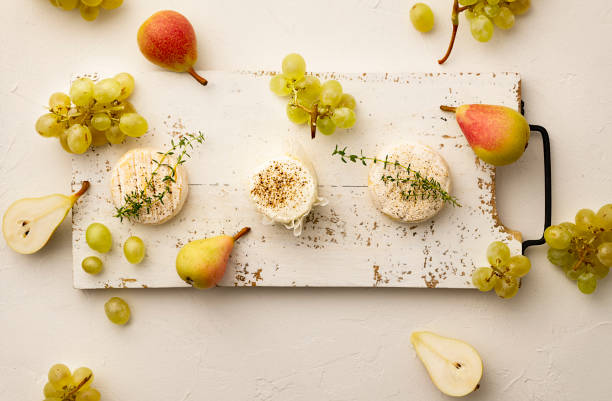
What Wine Goes With Goat Cheese
If you’re wondering what wine goes with goat cheese, you’re in the right place. We’ll quickly guide you through the perfect pairings, from crisp Sauvignon Blanc to aromatic Riesling and even a light rosé. Whether you’re serving a simple snack or a fancy appetizer, these wine choices will highlight the tangy creaminess of goat cheese and make your palate sing. Let’s dive in and find your ideal match right away. for any occasion you love today.
What wines pair best with goat cheese
White wines with bright acidity
Pair bright, crisp white wines with goat cheese to highlight its tangy creaminess. Sauvignon Blanc from the Loire Valley or New Zealand offers citrus zest and green‑herb notes that cut through the cheese’s richness.
Pinot Grigio provides subtle stone‑fruit flavors and a clean finish that lets the cheese’s earthy nuances shine. For a richer texture, try an Albariño with its saline minerality and bright acidity, which balances the goat cheese’s buttery mouthfeel.
Serve the wine chilled at 45‑50°F and enjoy it alongside fresh goat cheese salads or herb‑topped crostini for a harmonious bite. The high acidity also refreshes the palate between bites, making it ideal for a cheese platter with figs, honey, or toasted nuts.
Rosé options for goat cheese
Rosé wines bring a delicate fruit profile that pairs beautifully with the mild tang of goat cheese. Provence rosé offers light strawberry and watermelon notes with a crisp finish that accentuates the cheese’s creamy texture.
Spanish rosado, especially from Rioja, adds subtle citrus and floral aromas, providing a balanced contrast to the cheese’s earthiness. For a richer mouthfeel, choose an Italian rosato from Tuscany, where ripe red‑fruit flavors meld with a hint of spice, enhancing herb‑infused goat cheese dishes.
Serve rosé slightly chilled (50‑55°F) alongside goat cheese tarts, beet salads, or grilled vegetables to create a refreshing, palate‑pleasing experience. The subtle acidity of rosé also cleanses the palate, preparing it for the next bite of creamy cheese.
Light red wines that complement
Light‑bodied red wines with soft tannins can enhance goat cheese without overwhelming its delicate flavor. Pinot Noir from Burgundy delivers red‑berry fruit, earth, and a silky texture that mirrors the cheese’s smoothness, making it ideal for goat cheese croissants or mushroom‑topped bruschetta.
Beaujolais Nouveau offers bright raspberry and banana notes, adding a playful contrast to herb‑marinated goat cheese. For a Mediterranean twist, try a Grenache‑based rosé‑red from Spain, which provides gentle spice and plum flavors that complement aged goat cheese.
Serve these reds slightly cooler (55‑60°F) to preserve freshness and pair them with figs, olives, or a drizzle of olive oil for a balanced bite.
Sparkling wines that enhance flavor
Bubbly wines bring effervescence and acidity that lift goat cheese’s creamy richness, creating a lively tasting experience. Champagne Brut, with its fine mousse and notes of citrus, toasted brioche, and green apple, cuts through the cheese’s fat, making it perfect for goat cheese pâté or baked camembert‑style rounds.
Prosecco offers light honeyed pear and floral aromas, adding a sweet‑bright contrast to goat cheese salads with citrus vinaigrette. For a rustic option, try an Italian Franciacorta; its crisp minerality and subtle almond finish complement herb‑infused goat cheese spreads.
Serve sparkling wines well‑chilled (40‑45°F) and enjoy them alongside fresh fruit, nuts, or a drizzle of honey for a festive pairing.
How to match wine acidity to goat cheese flavor

Assessing the cheese’s tanginess
Begin by tasting the goat cheese to gauge its tang level. Identify the primary flavor notes—whether they are lemon‑bright, grassy, or earthy—and note the intensity of the natural acidity.
Consider the milk source and aging time, as fresher cheeses tend to be milder while mature ones develop sharper, more pronounced tartness. Take a quick visual cue: a white, creamy rind often signals a softer, less acidic profile, whereas a firmer, whiter interior may indicate heightened tang.
Record these observations in a simple chart; this baseline will guide you when matching the wine’s acidity, ensuring the cheese’s brightness is either complemented or gently softened. Finally, note any herb or citrus undertones, as they will influence the wine’s fruit profile.
Choosing wines with balanced acidity
Select wines whose acidity mirrors the cheese’s tang without overwhelming it. Look for wines with crisp, clean acidity such as Sauvignon Blanc, Albariño, or unoaked Chardonnay, which can echo the goat cheese’s bright notes while preserving freshness.
Avoid overly high‑acid wines like overly sharp Rieslings that may clash, and steer clear of low‑acid reds that could mute the cheese’s liveliness. Taste the wine first; a lively palate should feel like a gentle bite that lifts the cheese’s flavor rather than a harsh sting.
When in doubt, opt for a wine with a moderate pH (around 3.2‑3.4), offering enough zest to balance the cheese while allowing its creamy texture to shine.
Balancing fruitiness and minerality
Pair the cheese’s tang with wines that blend fruit and mineral tones for a harmonious palate. Choose aromatic whites like Chenin Blanc or Viognier that deliver stone‑fruit sweetness, which can soften the goat cheese’s sharp edge while adding depth.
Mineral-driven wines such as Chablis or Sancerre bring a flinty backbone that mirrors the cheese’s earthy undertones, creating a dialogue between the two.
When tasting, aim for a fruit‑first impression that quickly transitions to a crisp, mineral finish; this progression will lift the cheese’s citrus hints and keep the pairing lively.
If the cheese leans toward herbaceous notes, a wine with subtle green apple or lime zest will reinforce those flavors without overpowering the delicate texture.
Adjusting pairings for aged goat cheese
Older goat cheese develops richer, nutty flavors and a firmer texture, so shift the wine selection accordingly. Opt for fuller‑bodied whites like oaked Chardonnay or white Rioja, whose buttery mouthfeel can match the cheese’s creaminess while the subtle oak adds complexity.
Consider light reds such as Pinot Noir or Gamay, whose soft tannins and red‑fruit notes complement the cheese’s depth without overwhelming it. When the cheese shows a pronounced earthy or mushroom character, a slightly oxidative wine like a mature Riesling or a aged Sauternes can echo those nuances.
Taste both components side‑by‑side, adjusting the wine’s acidity and body until the cheese’s savory richness is highlighted and the finish feels balanced.
Tips for pairing white wines with goat cheese

Sauvignon Blanc and fresh goat cheese
Pair a zesty Sauvignon Blanc with fresh goat cheese to highlight bright flavors. The wine’s crisp acidity cuts through the cheese’s creamy tang, while herbaceous notes of citrus and green bell pepper echo the typical goat cheese rind.
Serve the cheese at room temperature and chill the wine to 45‑50°F for optimal balance. A quick tip: drizzle a touch of honey or add a few fresh herbs on the cheese platter; the wine’s citrus edge will amplify the sweetness and herb profile.
This combination works well with salads, light appetizers, or a simple baguette, making it a versatile pairing for casual gatherings or elegant soirées.
Chardonnay’s buttery style
Choose an oaked Chardonnay to accompany richer goat cheese varieties such as aged chèvre or herb‑infused logs. The wine’s buttery mouthfeel and vanilla‑spice undertones mirror the cheese’s nutty depth, while its moderate oak integration softens the tanginess.
Serve the cheese slightly warmed (around 55°F) and the Chardonnay chilled to 50‑55°F to keep the texture silky.
A practical tip: add a drizzle of toasted walnut oil or a sprinkle of toasted almond slivers on the cheese; the wine’s creamy profile will enhance the nutty accents and create a harmonious mouthfeel. This pairing shines on a cheese board with dried fruits, crusty bread, or grilled vegetables.
Pinot Grigio for mild varieties
Opt for a light‑bodied Pinot Grigio when serving mild goat cheese like fresh chèvre or a simple herb‑sprinkled log. The wine’s delicate fruit aromatics—green apple, pear, and a hint of citrus—complement the cheese’s subtle creaminess without overwhelming it.
Keep the Pinot Grigio chilled at 45‑48°F to preserve its crisp finish and let the cheese sit at room temperature for a few minutes before plating.
A handy tip: pair the cheese with a citrus‑infused olive oil drizzle or a few sliced cucumber ribbons; the wine’s bright acidity will lift the fresh flavors and keep the palate clean. This duo works well as an appetizer for seafood salads or light pasta dishes.
Verdicchio for Mediterranean twists
Introduce Verdicchio for a Mediterranean spin on goat cheese, especially when the cheese is flavored with olives, sun‑dried tomatoes, or rosemary. This Italian white offers salty minerality and a lean, almond‑tinged finish that mirrors the briny notes of olives and the herbaceous edge of rosemary.
Serve Verdicchio at 48‑52°F and let the goat cheese rest at room temperature to develop its aromatics. A useful tip: drizzle a modest amount of extra‑virgin olive oil and scatter a few capers over the cheese; the wine’s mineral backbone will accentuate the salty‑savory components and keep the pairing lively.
It pairs beautifully with grilled vegetables, flatbreads, or a simple antipasto platter.
Best ways to pair red wines with goat cheese
Pinot Noir for soft goat cheese
Pair a delicate Pinot Noir with soft, creamy goat cheese to highlight both the wine’s subtle fruit and the cheese’s tang. Choose a light‑bodied Pinot with bright cherry and raspberry notes; avoid overly tannic styles that can overwhelm the cheese.
Serve the wine slightly chilled, around 55°F, to enhance its freshness. Match the cheese’s mild acidity with the wine’s soft acidity for a harmonious bite.
A classic pairing is a Pinot from Oregon’s Willamette Valley or a Burgundy Nouveau, which brings a silky texture that complements the goat cheese’s buttery mouthfeel while the fruit lifts the cheese’s earthy undertones. Finish the experience with a light crusty baguette to provide a neutral base for the flavors.
Beaujolais for fruity contrast
Beaujolais, with its vibrant fruit profile, creates a lively contrast to the tangy bite of goat cheese. Select a Beaujolais Nouveau or a Cru Beaujolais that offers juicy strawberry and raspberry flavors, which balance the cheese’s acidity. Serve the wine at 12‑14°C to keep its refreshing character intact.
Pair the cheese’s creamy texture with the wine’s light tannins for a seamless mouthfeel. A great match is a Morgon or a Fleurie, where the subtle earthiness of the wine underscores the herbaceous notes in the goat cheese, while the fruit keeps the palate bright and engaging.
Serve with a handful of toasted walnuts to add crunch and complement both flavors.
Light Syrah for spice
A light Syrah brings a subtle spice that elevates the earthy character of goat cheese without overpowering it. Choose a young, fruit‑forward Syrah with notes of black pepper, plum, and a hint of smoked meat. Keep the temperature around 58°F to preserve its aromatic profile.
The wine’s gentle tannins work well with the cheese’s firm crumb, creating a balanced bite where spice meets creaminess.
Pairing a Syrah from the Rhône Valley or a cool‑climate Australian region offers a nuanced flavor that highlights the goat cheese’s herbal undertones while adding a whisper of warmth to each sip. Accompany with a drizzle of honey and fresh rosemary for an aromatic, sweet‑spicy finish.
Gamay for earthy notes
Gamay’s bright acidity and light body make it an excellent partner for goat cheese, especially when the cheese has earthy nuances. Opt for a Beaujolais Villages or a Cru Gamay that showcases red berry flavors and a touch of minerality. Serve slightly chilled, around 13°C, to accentuate its crispness.
The wine’s lively acidity cuts through the cheese’s richness, while its subtle tannins complement the cheese’s crumbly texture. A Gamay from the Loire or a natural wine from the Jura provides an earthy backdrop that mirrors the goat cheese’s pasture‑grown character, delivering a harmonious and refreshing tasting experience.
Finish with a few slices of fresh figs to echo the wine’s fruitiness and earth tones.
How to pair sparkling wine with goat cheese
Champagne and creamy goat cheese
When you serve a rich, creamy goat cheese—think chèvre spread on toast or a soft log—Champagne is a classic match. The wine’s high acidity cuts through the cheese’s buttery fat, while fine bubbles cleanse the palate between bites.
Look for a Brut or Extra‑Brut style that offers citrus zest and subtle brioche notes; these flavors echo the cheese’s tangy edge without overwhelming it. A glass chilled to 45‑48°F ensures the mousse stays lively, letting the creamy texture of the cheese shine.
Pairing this way creates a harmonious loop of bright fruit, crisp fizz, and silky dairy that keeps diners reaching for more.
Prosecco for light appetizers
Prosecco’s lively, fruity notes make it an excellent partner for light goat‑cheese appetizers such as goat‑cheese crostini, melon‑goat cheese skewers, or a simple salad topped with crumbled chèvre. The wine’s light effervescence adds a playful sparkle that lifts the cheese’s mild tang without drowning subtle herbs or fresh fruit.
Choose a dry (Brut) or extra‑dry label to keep the sweetness in check, allowing the cheese’s herbal nuances to stay front‑and‑center. Serve the bottle at 50‑52°F so the bubbles remain crisp, and watch how each sip softens the palate, preparing diners for the next bite of delicate goat‑cheese flavor.
The combination also works well with a drizzle of honey or a sprinkle of toasted pine nuts, as the Prosecco’s acidity balances the added sweetness, creating a layered tasting experience that feels both elegant and approachable.
Cava for salty goat cheese dishes
Cava’s crisp acidity and pronounced minerality make it a natural ally for salty goat‑cheese preparations, such as feta‑style goat cheese, goat cheese‑filled olives, or a baked goat‑cheese dip seasoned with sea salt and herbs.
The wine’s bright citrus and green apple profile cuts through the salt, while its salty complement echoes the briny notes in the dish, creating a seamless dialogue on the palate. Opt for a Brut or Extra‑Brut Cava to keep the sweetness low and the focus on the wine’s lively bubbles.
Serve chilled at 45‑48°F, and notice how each sip refreshes the palate, allowing the salty goat cheese to shine without feeling heavy.
Crémant for balanced fizz
Crémant offers a balanced acidity and a delicate mousse that bridges the gap between the bright fizz of Champagne and the fruitier profile of Prosecco, making it a versatile match for a wide range of goat‑cheese dishes.
Whether you’re serving a herb‑marinated goat‑cheese terrine, a warm goat‑cheese tart, or a simple cheese board with figs, the wine’s subtle nutty undertones and gentle carbonation enhance the cheese’s creamy notes without overpowering them. Choose a Brut or Sec style depending on your preference for a hint of sweetness.
Keep the bottle at 48‑50°F, and enjoy how each sip unifies the flavors, delivering a harmonious tasting experience that feels both refined and approachable.
Seasonal pairings: goat cheese and wine throughout the year
Spring: fresh herbs and crisp whites
During spring, the bright acidity of crisp white wines cuts through the tangy creaminess of fresh goat cheese. Pair a young Sauvignon Blanc or a mineral‑driven Pinot Grigio with chèvre tossed in lemon‑zest, dill, or mint.
Serve the wine chilled (45‑50°F) to enhance its citrus notes, and sprinkle herbs just before plating for a fragrant finish. A dry Riesling works equally well, offering subtle stone‑fruit sweetness that mirrors the season’s blooming flavors.
When hosting a brunch, present the cheese on a crostini topped with pea purée and a drizzle of honey; the wine’s acidity will balance the sweet‑herb combo, keeping the palate lively.
Summer: chilled rosés and salads
Summer calls for light, fruit‑forward rosés that echo the sunny vibe of outdoor meals. A dry Provençal rosé or an Italian Cerasuolo del Venezia pairs beautifully with goat cheese crumbled over mixed greens, watermelon, and fresh basil.
Keep the rosé at 50‑55°F to preserve its crisp strawberry and citrus aromatics, and add a splash of aged balsamic to the salad for a sweet‑tart contrast that highlights the cheese’s tang.
For a beach picnic, serve chilled goat cheese balls rolled in toasted pine nuts alongside a glass of sparkling rosé; the bubbles cleanse the palate, while the wine’s acidity lifts the herbaceous notes of the dish.
Fall: earthy reds and baked goat cheese
Autumn’s cooler evenings are perfect for medium‑bodied reds that bring earthiness to baked goat cheese dishes. Roast a wheel of chèvre with honey, thyme, and toasted walnuts, then serve it alongside a Pinot Noir from Oregon or a Grenache‑based Côtes du Rhône.
Serve the red slightly below room temperature (58‑60°F) to reveal its soft tannins and red‑fruit core, which complement the cheese’s caramelized crust. Pairing with a Merlot that has subtle oak notes also works, especially when the cheese is melted over a pumpkin‑seed polenta.
Finish the plate with a drizzle of fig jam; the wine’s subtle spice and the jam’s sweetness create a harmonious balance that highlights the goat cheese’s creamy texture.
Winter: rich whites and warm dishes
Winter’s hearty meals call for full‑bodied white wines that can stand up to the richness of warm goat‑cheese preparations. A buttery, oak‑aged Chardonnay pairs exquisitely with goat cheese gratin topped with caramelized onions and Gruyère, while a Viognier’s aromatic apricot notes complement a spiced goat‑cheese stew with root vegetables.
Serve the Chardonnay at 55‑60°F to balance its creaminess with bright acidity, and warm the Viognier slightly (58‑62°F) to release its floral perfume.
For a cozy night, drizzle the baked chèvre with a spoonful of cranberry‑orange compote and enjoy it with a glass of aromatic white; the wine’s richness and the compote’s tartness together amplify the cheese’s mellow tang.
Common mistakes to avoid when pairing wine and goat cheese
Overpowering the cheese with high-alcohol wines
One of the biggest pitfalls is reaching for high‑alcohol wines like fortified ports or big‑body reds. Their intense heat can mask the delicate, milky flavor of goat cheese and make the pairing feel unbalanced.
Choose wines with moderate alcohol (10‑12% ABV) such as Sauvignon Blanc, Pinot Grigio, or a light‑bodied rosé. These options let the cheese’s tang and creaminess shine while providing enough structure to complement the acidity. Avoid letting the wine dominate; instead, aim for a harmonious dialogue where both components are audible.
Remember, the goal is to enhance, not overwhelm, the subtle nuances of the cheese. A good rule of thumb is to keep the alcohol level low enough that the cheese’s bright acidity remains the star of the plate.
Ignoring the cheese’s texture
Goat cheese comes in many textures, from soft, spreadable logs to firm, aged rounds. Ignoring this can lead to mismatched wine body, where a light wine feels thin against a dense cheese, or a full‑bodied wine overwhelms a delicate crumb.
Match the wine’s weight to the cheese’s texture: pair creamy, fresh chèvre with crisp, light‑bodied whites like Vermentino or Albariño, and reserve firmer, aged goat cheeses for medium‑bodied reds such as Gamay or a lightly oaked Chardonnay.
Pay attention to mouthfeel; the wine should glide alongside the cheese, not clash with its creaminess. By aligning texture, you create a seamless palate experience that highlights both the wine’s fruit and the cheese’s subtle earthiness.
Pairing overly sweet wines with tangy cheese
Goat cheese’s natural tang and bright acidity can clash with wines that are overly sweet, turning the pairing into a confusing mix of sour and cloying flavors. Avoid dessert‑style wines such as late‑harvest Rieslings or overly honeyed Moscato when serving fresh chèvre.
Instead, opt for wines that offer crisp acidity and restrained fruit, like a dry Chenin Blanc, a mineral‑driven Sancerre, or a lightly off‑dry Pinot Gris that balances sweetness without overpowering the cheese’s bite.
If you prefer a hint of sweetness, choose a wine with balanced residual sugar—for example, a Vouvray demi‑sec—so the wine’s fruit complements rather than masks the cheese’s tang. The goal is harmony, not competition between sweet and sour.
Neglecting temperature considerations
Serving temperature dramatically influences how wine and goat cheese interact, yet it’s often overlooked. Too‑cold white wines mute aromatics, making them taste flat against the lively acidity of fresh goat cheese, while overly warm reds can become flabby and accentuate bitterness.
Aim to serve whites at 45‑55°F (7‑13°C) and light reds at 55‑60°F (13‑16°C), allowing fruit and acidity to shine. Likewise, let the cheese sit at room temperature for 20‑30 minutes before plating; this softens its texture and releases its full flavor profile.
Synchronize temperatures so the wine’s freshness meets the cheese’s creamy mouthfeel, creating a balanced and enjoyable pairing that highlights the best of both components.
Frequently Asked Questions
What types of wine pair best with goat cheese?
Goat cheese pairs nicely with crisp white wines like Sauvignon Blanc, bright Chenin Blanc, and aromatic Riesling, as well as light reds such as Pinot Noir and Beaujolais.
Why does Sauvignon Blanc complement goat cheese?
Sauvignon Blanc’s high acidity and citrus notes cut through the tangy creaminess of goat cheese, creating a balanced flavor contrast.
Can I pair goat cheese with rosé?
Yes, dry rosé wines with fresh red fruit flavors and moderate acidity enhance the herbal and earthy qualities of goat cheese.
What red wine works well with aged goat cheese?
A light-bodied red like Pinot Noir or a fruit-forward Beaujolais offers soft tannins and bright fruit that complement the richer, nutty flavors of aged goat cheese.
How should I serve the wine when pairing with goat cheese?
Serve white wines chilled (45‑50°F) and reds slightly cooler than room temperature (55‑60°F) to maintain acidity and prevent the wine from overpowering the cheese.
Are there any dessert wines that match goat cheese?
A slightly sweet off‑dry Riesling or a late-harvest Gewürztraminer can pair with goat cheese when served with honey or fruit, balancing the cheese’s tang with gentle sweetness.
Conclusion
In short, the creamy tang of goat cheese shines brightest when paired with crisp, aromatic whites like Sauvignon Blanc or a bright, mineral-driven Albariño, while a light, fruity rosé adds a refreshing contrast. For richer, herb‑infused goat dishes, a subtle Pinot Noir or a dry Riesling offers balance without overwhelming the cheese’s delicate notes. Experiment, trust your palate, and enjoy discovering the perfect match for every bite.