What Is Tawny Wine
Tawny wine is a smooth, amber‑colored fortified wine, typically made from white grapes like Tempranillo or Grenache and aged in oak barrels. The aging process gives it nutty, caramel, and dried‑fruit flavors, plus a velvety finish. In this quick guide, we’ll explain how tawny differs from other ports, what to expect on the palate, and how to enjoy it best, so you’ll be sipping confidently in no time. with friends or during dinner any occasion today.
What is Tawny Wine?
Definition and Key Characteristics
Tawny wine is a style of fortified wine, most commonly associated with Portuguese Port, that is aged in wooden barrels allowing gradual oxidation. Its amber‑brown hue develops as the wine interacts with air, creating complex nutty and caramel flavors.
Unlike younger ruby ports, tawny ports are filtered and blended from multiple vintages to achieve a consistent taste profile. The fortification process adds higher alcohol content (typically 19‑20%), stabilizing the wine and enhancing its longevity.
Aromas often include dried fruits, toasted nuts, honey, and subtle spice, while the palate offers a silky texture with a balanced sweetness and acidity.
Because of the oxidative aging, tawny wines are less fruity and more mellow, making them ideal for sipping neat, pairing with desserts, or incorporating into culinary sauces. They are often served slightly chilled, around 12‑14°C, to highlight their nuanced flavors.
How It Differs from Other Port Styles
Unlike ruby, vintage, or late‑bottled tawny (LBT) ports, tawny wine undergoes prolonged oxidative aging that fundamentally changes its profile. Ruby ports are bottled young, preserving bright red fruit notes and a fuller body, while vintage ports are aged in bottle for decades, showcasing intense tannins and concentrated flavors.
Tawny, by contrast, spends years—often 10, 20, 30, or even 40—in oak barrels, which softens tannins and introduces nutty, caramelized, and woody nuances. The blending practice in tawny production creates a consistent flavor across releases, whereas vintage ports vary dramatically year by year.
Additionally, tawny’s color shifts from ruby to amber, signaling its oxidative journey. The sweetness level is similar across styles, but tawny’s lower fruit intensity and higher oxidative complexity make it a preferred choice for pairing with cheese, nuts, or desserts that benefit from its subtle depth.
Typical Aging Process
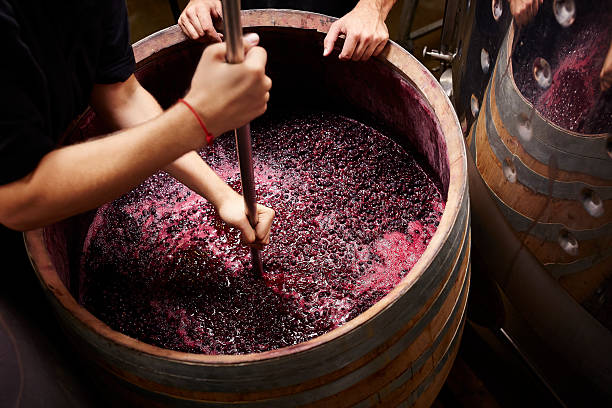
The aging of tawny wine is a deliberate, step‑by‑step process that takes place primarily in wooden casks such as American oak, French oak, or chestnut. After fortification, the wine is transferred to barrels where controlled oxidation occurs through the porous wood, gradually mellowing harsh alcohol and sharpening aromatic compounds.
Winemakers monitor temperature and humidity, often storing barrels in cool cellars at 12‑16°C with 70‑80% humidity to ensure steady development. Over time, the wine is racked—moved from one barrel to another—to introduce fresh oxygen and prevent sediment buildup.
Periodic blending of different aged lots creates the final tawny style, typically labeled as 10, 20, 30, or 40‑year‑old, reflecting the average age of the component wines.
The extended barrel time also imparts vanilla, spice, and toasted nut notes, culminating in a smooth, balanced wine ready for bottling and eventual enjoyment.
How to Identify Tawny Wine by Sight, Smell, and Taste
Visual Cues: Color and Clarity
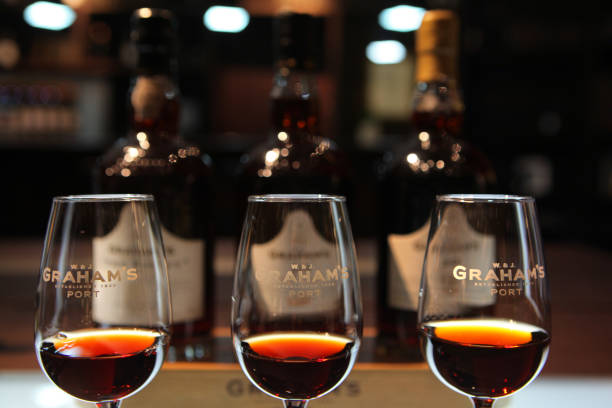
To spot a tawny wine at a glance, focus on its amber‑gold hue that ranges from light caramel to deep mahogany. Unlike the bright ruby of young ports, tawny wines develop a soft, translucent clarity as they age in oak barrels.
Hold the glass against a white background; the color should appear uniform without cloudiness, indicating proper filtration. Look for subtle oxidative rims—a slightly darker edge that signals extended aging. If the wine shows a hazy or overly bright red tint, it is likely a ruby or a younger style.
Remember that temperature affects perception: a slightly warmer glass will deepen the amber tone, while a chilled pour may mute the nuances. By mastering these visual cues, you can confidently differentiate tawny from other fortified wines before even uncorking the bottle.
Take a moment to note the wine’s brilliance, as this subtle glow often reveals the depth of its nutty character.
Aroma Profile: Common Notes
Before sipping, swirl the glass gently and inhale the aromatic bouquet that defines a tawny wine. Expect a nutty core of toasted almonds, hazelnuts, and caramelized pecans, often accompanied by dried fruit nuances such as apricot, fig, and raisin.
Oak aging contributes spice hints—cinnamon, clove, and a whisper of vanilla—that mingle with subtle leather and tobacco undertones. A well‑aged tawny may also reveal honeyed sweetness and a faint oxidative perfume reminiscent of sherry, indicating careful exposure to air over years.
To capture these scents, place your nose about two inches from the rim and take short, deliberate sniffs, allowing the volatile compounds to rise. If the aroma feels flat or overly sharp, the wine might be under‑filtered or too young.
By training your nose to recognize these key notes, you can quickly confirm the wine’s tawny identity and anticipate its flavor journey.
Flavor Profile: Tasting Tips
When you take the first sip, let the liquid coat your palate to uncover the layered flavors that set tawny wine apart. The dominant taste is a smooth, caramel‑rich sweetness balanced by a gentle acidity that keeps the mouthfeel lively.
Look for nutty undertones—almond, walnut, and toasted hazelnut—that echo the aroma, alongside dried‑fruit accents like fig, prune, and orange peel. Oak influence adds subtle spice—cinnamon, nutmeg, and a trace of vanilla—that lingers on the finish.
A well‑aged tawny often displays a silky texture and a long, oxidative aftertaste reminiscent of sherry, signaling years of barrel maturation. To evaluate, sip slowly, pause, and note the evolution from initial sweetness to the lingering, slightly bitter finish.
If the wine feels overly sharp or lacks depth, it may be a younger style. Practicing these tasting steps will help you reliably identify tawny wine and appreciate its complex character.
Best Ways to Pair Tawny Wine with Food

Classic Cheese Pairings
Tawny wine, a style of fortified wine aged in oak barrels, develops an amber hue and nutty, caramel‑rich flavors that make it a versatile companion for cheese. Choose aged cheeses such as Manchego, Comté, or Gouda; their firm texture and buttery notes echo the wine’s oxidative character.
Soft, blue‑veined cheeses like Stilton or Gorgonzola add a contrasting sharpness that highlights the wine’s sweetness. Serve the wine slightly chilled (12‑14 °C) to soften the alcohol edge and enhance aroma.
Pair with crusty bread or toasted nuts for added crunch, and consider a drizzle of honey to bridge the nutty and creamy elements. This combination creates a balanced tasting experience where the wine’s caramel, dried‑fruit, and toasted almond nuances are mirrored and amplified by the cheese’s richness.
Enjoy the pairing as an appetizer or a relaxed evening snack, letting the flavors linger between bites.
Dessert Pairings: Chocolate and Fruit
Tawny wine’s honeyed, dried‑fruit profile makes it a natural partner for rich desserts, especially chocolate and ripe fruit. Pair with dark chocolate (70 % cacao or higher); the wine’s caramel and nutty notes soften the bitterness while its acidity lifts the cocoa’s depth.
For a sweeter twist, serve milk chocolate or chocolate truffles drizzled with a splash of tawny to create a silky mouthfeel. Fruit lovers should reach for stone fruits such as figs, apricots, or peaches, either fresh or caramelized, because their natural sugars echo the wine’s own sweetness.
Berries like blackberries or raspberries add a bright contrast that highlights the wine’s subtle orange‑zest finish. Serve the wine at cellar temperature (14‑16 °C) in small glasses to keep the aroma focused.
Finish the experience with a light drizzle of orange marmalade over the fruit, reinforcing the citrus undertones and leaving a lingering, elegant aftertaste.
Savory Pairings: Game and Poultry
Tawny wine’s oxidative depth and gentle sweetness complement the robust flavors of game birds and roasted poultry, creating a harmonious savory experience. Serve with duck confit or roasted duck breast; the wine’s nutty caramel notes cut through the rich, fatty meat while its acidity balances the skin’s crispness.
Pheasant or quail, especially when glazed with a reduction of orange juice and herbs, pair beautifully because the wine mirrors the citrus glaze and adds a layer of dried‑fruit complexity. For a heartier option, try venison medallions glazed with a port‑tawny sauce; the wine’s lingering sweetness accentuates the meat’s earthiness.
Present the wine slightly warmer than typical dessert service (16‑18 °C) to enhance its body and allow the aromatic profile to mingle with the herbs and spices.
Finish the plate with a sprinkle of toasted almond slivers, echoing the wine’s almond undertones and tying the dish together in a satisfying finish.
Tips for Storing and Serving Tawny Wine
Ideal Storage Conditions
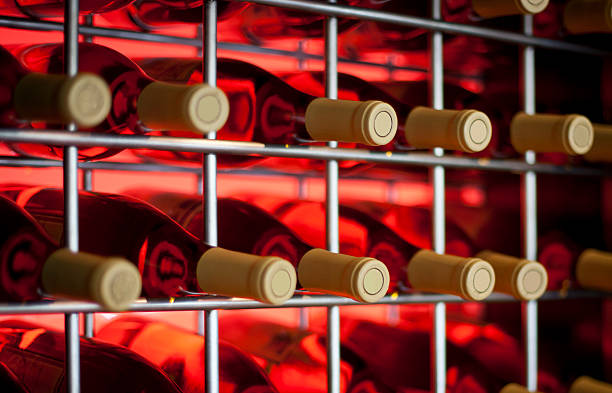
Tawny wine, a fortified wine aged in oak barrels, develops a smooth amber hue and nutty flavors. Store it in a cool, constant environment between 10‑13 °C (50‑55 °F) to preserve its delicate oxidation balance. Avoid temperature swings that can accelerate premature aging; a wine refrigerator or cellar is ideal.
Maintain humidity around 70 % to keep corks from drying, which could let air in and spoil the wine. Keep bottles horizontally so the cork remains moist, but if you use screw caps, position upright to prevent sediment disturbance.
Shield the wine from direct sunlight and fluorescent lighting, as UV rays can fade color and mute aromas. Finally, label the bottles with the purchase date; tawny wines improve with age but are best enjoyed within 5‑10 years of bottling for optimal flavor.
Also, ensure the storage area is free from strong odors, as cork can absorb them and alter the wine’s bouquet.
Proper Serving Temperature
Tawny wine’s rich caramel and dried‑fruit notes shine when served at the right temperature. Aim for 12‑14 °C (54‑57 °F); this slightly cooler range than room temperature highlights its silky texture without muting aromatics.
To achieve this, place the bottle in a refrigerator for 30‑45 minutes before serving, or use an ice bucket with a mix of ice and water for quicker cooling. Avoid over‑chilling, as temperatures below 10 °C can suppress the wine’s nuanced flavors and make the alcohol feel sharp.
Conversely, serving too warm (above 16 °C) can exaggerate the sweetness and diminish the elegant oxidative character. When pouring, fill the glass only one‑third full to allow the wine to breathe and release its complex bouquet.
Remember that tawny wines can be enjoyed slightly warmer than younger reds, but staying within the 12‑14 °C window ensures the balance between sweetness, acidity, and oak‑derived spice remains harmonious.
Decanting Guidelines
Decanting can enhance tawny wine by softening any residual sediment and opening its aromatic layers. If the bottle shows signs of sediment—a thin brown ring near the neck—gently tilt it and pour slowly into a decanter, stopping before the sediment reaches the spout.
For younger tawny wines, a brief decant of 15‑20 minutes is sufficient to aerate the wine and release its nutty and vanilla nuances. Older, well‑aged tawny ports may benefit from a longer decant of up to an hour, allowing the complex oxidative notes to fully express.
Use a clear glass decanter so you can monitor the wine’s clarity; avoid shaking or vigorous swirling, as tawny wines are delicate and can become overly oxidized quickly.
After decanting, taste a small sip; if the flavors are still tight, give the wine another few minutes to breathe before serving the rest to your guests.
How to Choose the Right Tawny Wine for Your Budget
Reading Age Statements
Reading age statements on a tawny wine bottle is the first step toward matching flavor, complexity, and price. Age statements such as 10, 15, 20, or 30 years indicate the average time the wine has spent aging in oak barrels, not the exact age of every component.
Younger tawnies (10‑year) tend to be fruit‑forward, lighter in color, and more affordable, making them ideal for casual gatherings. Mid‑range ages (15‑20) develop richer nutty notes, a smoother mouthfeel, and a modest price increase.
The premium 30‑year statement offers deep amber hues, pronounced oxidative character, and a higher price tag, often reserved for special occasions. When budgeting, compare the age statement to your taste preferences and the event’s formality; a well‑chosen 10‑ or 15‑year tawny can deliver impressive value without overspending.
Also, note that the label may include a “Reserva” or “Gran Reserva” tag, which usually signals a higher-quality blend within the same age category.
Recognizing Quality Indicators
Recognizing quality indicators helps you pick a tawny that satisfies both palate and pocket. Color is a quick visual cue: a deep amber or mahogany hue suggests longer barrel aging and oxidation, while a lighter golden tone often points to a younger blend.
Aroma reveals the wine’s development; expect aromas of caramel, toasted nuts, dried fruits, and subtle spices in higher‑quality tawnies. A thin or flat nose may indicate a lower‑grade product or excessive age.
Texture is another marker: a silky, slightly viscous mouthfeel with a lingering finish signals well‑integrated oak and balanced acidity. Finally, producer reputation matters; established houses such as Torres, González Byass, or Fonseca consistently deliver reliable quality across price points.
When staying within budget, focus on these sensory signs rather than brand prestige alone, and you’ll often find a hidden gem that offers the richness of an older tawny at a more approachable cost.
Price Ranges and Value Picks
Price ranges and value picks guide you to the best tawny without breaking the bank. Entry‑level tawnies, typically priced between $12 and $20, are often 10‑year statements from large producers and deliver pleasant fruit and nut flavors suitable for everyday sipping.
Mid‑tier options, ranging $25 to $45, usually feature 15‑ or 20‑year age statements and come from reputable houses that invest in higher oak quality, resulting in deeper complexity and a smoother finish.
For special occasions, premium bottles above $60—often 30‑year or “Reserva” designations—offer the richest, most layered profiles, but you can still find excellent value by looking for lesser‑known wineries that age their tawnies similarly but price them more competitively.
A practical tip: compare the price‑per‑year metric (price divided by age statement) to quickly spot bargains; a 20‑year tawny at $30 often outperforms a 30‑year at $70 in terms of cost efficiency while still delivering impressive depth.
What to Expect When Buying Tawny Wine Online
Verifying Authenticity
Before you click “add to cart,” make sure the tawny wine you’re eye‑checking is genuine. Check the producer’s name and region; reputable houses such as Taylor’s, Fonseca, or Graham’s always list the DO (Denominación de Origen) and a precise age statement like 10, 20, or 30 years.
Examine the label for security features such as holograms, embossed seals, or QR codes that link to the winery’s database. Look for a clear, intact cork and a clean, unblemished bottle—any leakage or discoloration can signal mishandling.
When possible, request a high‑resolution photo of the back label and the bottle’s serial number. Finally, compare the price to market averages; a tawny that is dramatically cheaper than comparable listings may be a counterfeit or a lower‑quality blend.
By cross‑checking these details, you protect yourself from fraud and ensure the wine you receive matches its description.
Shipping and Handling Tips
Once you’ve verified authenticity, focus on how the tawny wine will travel to your door. Choose a seller that uses insulated packaging—foam-lined boxes, thermal wraps, or climate‑controlled pallets keeps the wine at a stable temperature, crucial for preserving the delicate oxidative character of aged tawny.
Ask for a tracking number and insurance; a reputable courier will provide real‑time updates and cover loss or breakage up to the declared value. Verify that the bottle is secured with a protective cap or wax seal to prevent cork drift during transit.
If you live in a region with extreme heat or cold, request a delivery window during cooler parts of the day or consider a “signature‑required” drop‑off to avoid unattended exposure.
Lastly, inspect the parcel immediately upon arrival, noting any dents, moisture, or broken seals, and document them with photos before contacting the seller. These steps minimize risk and ensure your tawny arrives ready to enjoy.
Return Policies and Guarantees
Even with careful selection, you may need to return a tawny wine that arrives damaged or does not meet expectations.
Look for a clear, written return policy that outlines the time frame—typically 7 to 14 days from delivery—and the condition required for a refund, such as unopened bottles with intact seals.
Confirm whether the seller offers a satisfaction guarantee; many specialty retailers will replace a compromised bottle at no extra cost or provide a full credit. Pay attention to who bears the return shipping fee; the most consumer‑friendly policies have the merchant cover expenses for proven defects.
Keep all original packaging, invoices, and photographic evidence of any issues, as these documents are often required during the claims process. By understanding these guarantees upfront, you can shop confidently, knowing that any problem will be resolved quickly and fairly.
Frequently Asked Questions About Tawny Wine
Can Tawny Wine Age Further After Opening?
Tawny wine continues to evolve after the bottle is opened, but its aging potential is limited compared to a sealed bottle. Store the opened bottle in a cool, dark place and reseal it with a proper stopper to slow oxidation.
Within the first 24‑48 hours, the wine often brightens as volatile aromatics settle, revealing richer nutty and caramel notes. After a few days, oxidative processes dominate, softening fruit flavors and introducing subtle sherry‑like nuances. To extend freshness, consider using a vacuum pump or inert gas spray, which reduces oxygen exposure.
Taste the wine daily to monitor changes; if it begins to taste flat or overly acidic, it’s past its prime. Generally, an opened tawny can remain enjoyable for 5‑7 days if stored correctly, though premium aged tawny may lose complexity sooner.
Remember, once oxidation sets in, the wine cannot regain its original vibrancy, so enjoy it while it’s at its peak.
Is Tawny Wine Sweet or Dry?
The sweetness level of tawny wine depends on its style and the residual sugar left after fermentation. Traditional Portuguese tawny ports are typically dry to off‑dry, with sugar levels ranging from 20 to 50 g/L, allowing the caramel, dried‑fruit, and nutty flavors to shine without overt sweetness.
Some newer market versions are crafted with a higher dosage, resulting in a medium‑sweet profile that appeals to casual drinkers.
To determine the character of a specific bottle, check the label for terms such as “dry,” “semi‑dry,” or “sweet,” and look for the alcohol by volume (ABV) – higher ABV often indicates less sugar.
Taste the wine by sipping slowly; a dry tawny will feel crisp, with a lingering finish of toasted almonds and subtle acidity, while a sweeter tawny offers a rounder mouthfeel and pronounced honeyed notes.
Pairing choices also differ: dry tawny excels with strong cheeses and desserts like crème brûlée, whereas sweeter tawny complements fruit tarts and spicy dishes.
How Long Can Unopened Tawny Wine Be Kept?
Unopened tawny wine is remarkably stable, thanks to its oxidative aging process, and can be stored for many years without significant quality loss. Ideal storage conditions include a constant temperature between 12 °C and 16 °C, high humidity (around 70 %), and protection from direct sunlight and vibration.
Young tawny ports (released after 3‑5 years) are best consumed within 2‑3 years of bottling, while aged statements such as 10‑, 20‑, 30‑, or 40‑year tawny can comfortably sit for 10‑15 years or more, often improving subtly over time.
The bottle’s cork integrity is crucial; a well‑sealed cork prevents excessive oxidation, preserving the wine’s amber hue and complex nutty profile. Periodically inspect the cork for signs of drying or leakage, and note any sediment formation, which may indicate the wine is approaching its peak.
In summary, if stored correctly, an unopened tawny can remain enjoyable for decades, making it a reliable choice for both immediate enjoyment and long‑term cellaring.
Frequently Asked Questions
What is tawny wine?
Tawny wine is a style of fortified wine, typically made from grapes like Tempranillo, that has been aged in wooden barrels, giving it a amber to brown color. The oxidation and barrel aging impart nutty, caramel, and dried fruit flavors.
How does tawny wine differ from other sherry types?
Unlike fino or manzanilla, which are aged under a layer of yeast called flor, tawny sherry is aged oxidatively in barrels, resulting in a richer, darker profile. It also tends to have a smoother, less salty taste compared to its younger counterparts.
What are the typical flavor notes of tawny wine?
Common flavors include toasted almonds, caramel, honey, dried apricots, and a hint of spice. The prolonged barrel aging adds complexity and a silky mouthfeel.
How should I serve tawny wine?
Serve tawny wine slightly chilled, around 12‑14 °C (54‑57 °F), in a small wine glass. It pairs well with desserts like crème brûlée, nutty cheeses, and roasted nuts.
What is the ideal food pairing for tawny wine?
Tawny pairs beautifully with rich desserts, blue cheeses, pâtés, and roasted poultry. Its nutty sweetness also complements caramelized fruits and dark chocolate.
How long can I store an opened bottle of tawny wine?
Because of its oxidative aging, an opened bottle of tawny can remain enjoyable for 2‑3 weeks if stored in the refrigerator with a proper seal. Over time, the flavors may mellow but it generally stays drinkable longer than many other wines.
Conclusion
Tawny wine, a smooth, amber‑toned style of fortified wine, gains its character from extended oak aging, which imparts nutty, caramel and dried‑fruit notes. It is typically enjoyed slightly chilled, pairs beautifully with desserts, cheeses, and roasted meats, and offers a versatile sipping experience. Remember these basics as you explore tasting rooms or your own cellar—let curiosity guide you to discover the subtle elegance of tawny wine.