What Is Sustainable Wine
Wondering what sustainable wine really means? In this quick guide we’ll break down the key practices—organic grapes, low‑impact farming, reduced carbon footprints, and fair labor—that make a bottle eco‑friendly. Stick with us, and you’ll get a clear, concise answer to the question, plus tips for spotting truly sustainable wines on the shelf and enjoy responsibly every sip today again.
What is Sustainable Wine
Definition and Core Principles
Sustainable wine refers to a holistic approach that integrates environmental stewardship, social responsibility, and economic viability throughout the grape‑growing and winemaking process. Key principles include reducing chemical inputs, conserving water, protecting soil health, and minimizing carbon emissions.
Producers adopt practices such as cover cropping, integrated pest management, and renewable energy use to lower their ecological footprint. Transparency and traceability are also essential, allowing consumers to verify that vineyards adhere to certified standards.
By balancing quality with resource efficiency, sustainable wine aims to preserve ecosystems for future generations while still delivering the flavors and aromas that wine lovers expect. This approach goes beyond a single certification, encouraging continuous improvement and collaboration across the supply chain, from vineyard workers to distributors.
It also supports local economies by promoting fair labor practices and investing in community projects that enhance regional resilience.
Difference from Organic Wine
While both sustainable and organic wines aim to reduce environmental impact, they differ in scope, certification, and management practices. Organic wine focuses primarily on prohibiting synthetic pesticides, herbicides, and fertilizers, requiring that grapes be grown without chemically derived inputs and that winemaking avoid additives like sulfites beyond natural limits.
Certification is typically governed by strict government or third‑party standards that verify compliance with these chemical restrictions. In contrast, sustainable wine encompasses a broader set of criteria, including energy efficiency, water conservation, carbon footprint reduction, biodiversity protection, and social equity.
It may allow limited, low‑impact synthetic inputs if they are part of an integrated pest‑management plan that minimizes overall harm. Sustainable certifications often evaluate the entire lifecycle of production, from vineyard soil health to packaging choices, whereas organic labels concentrate mainly on the absence of certain chemicals.
Understanding these distinctions helps consumers choose wines that align with their specific environmental and ethical priorities.
Key Environmental Goals
The primary environmental goals of sustainable wine production aim to protect natural resources while maintaining high quality. Soil health is cultivated through practices like cover cropping, reduced tillage, and organic matter additions, which improve structure, increase biodiversity, and enhance carbon sequestration.
Water stewardship involves measuring usage, implementing drip‑irrigation, and recycling process water to lower consumption and prevent runoff contamination. Energy efficiency is achieved by adopting renewable sources such as solar panels, optimizing fermentation temperatures, and using low‑energy equipment, thereby cutting greenhouse‑gas emissions.
Additionally, biodiversity is promoted by preserving native habitats, planting hedgerows, and encouraging beneficial insects that naturally control pests. Sustainable vineyards also focus on waste reduction, turning grape pomace into compost or bio‑fuel and minimizing packaging waste through lightweight bottles or recycled materials.
By targeting these interconnected goals, producers create a resilient ecosystem that supports long‑term vineyard productivity and reduces the overall environmental footprint of each bottle.
How Sustainable Wine Is Produced
Vineyard Soil and Water Management
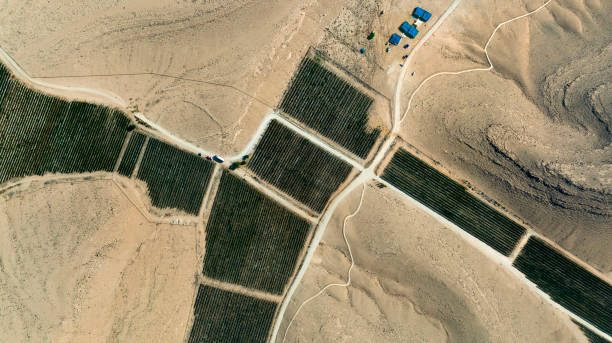
Sustainable wine production begins in the vineyard, where careful soil and water stewardship set the foundation for eco‑friendly grapes. Implement cover cropping to protect soil, enhance biodiversity, and trap moisture, reducing the need for irrigation.
Adopt drip‑irrigation systems that deliver water directly to the root zone, cutting consumption by up to 40 % compared with flood methods. Use organic or biodynamic fertilizers to maintain nutrient balance without synthetic chemicals, preventing runoff that can pollute waterways.
Monitor soil health with regular testing and amend with compost or lime as needed, fostering a resilient ecosystem that supports healthy vines and minimizes external inputs. By integrating these practices, growers create a closed‑loop system that conserves resources and prepares the vineyard for long‑term climate resilience.
Low‑Impact Winemaking Techniques
In the cellar, low‑impact winemaking minimizes environmental footprints while preserving wine quality. Choose native yeasts to reduce the need for commercial inoculants and lower energy consumption during fermentation.
Apply gentle temperature control, using insulated tanks and natural cooling methods such as cellar earth or night‑time ambient air, which can cut heating energy by up to 30 %. Implement precise maceration timing to extract desired flavors efficiently, avoiding excess use of additives.
Utilize fining alternatives like bentonite or plant‑based proteins instead of synthetic agents, decreasing chemical waste. Together, these steps create a lean production line that respects the ecosystem and delivers authentic, sustainable wines to consumers.
Renewable Energy Use
Adopting renewable energy sources transforms the power profile of a winery and cuts carbon emissions. Install solar panels on rooftops or nearby fields to generate electricity for lighting, pumps, and climate control, often covering 40‑60 % of a facility’s demand.
Integrate wind turbines where local wind patterns are favorable, providing supplemental power during peak production periods. Utilize biomass boilers that burn grape pomace or orchard waste, converting organic residues into heat for fermentation tanks and barrel rooms, thus creating a circular energy loop.
Monitor energy consumption with smart meters and adjust operations to align with peak renewable generation times. These measures not only lower the winery’s carbon footprint but also reduce operating costs and enhance brand sustainability credentials.
Waste Reduction Practices
Effective waste reduction turns by‑products into resources, reinforcing the sustainability cycle. Collect grape skins, seeds, and stems for up‑cycling into natural antioxidants, dietary supplements, or compost, enriching vineyard soils and cutting landfill waste.
Implement water‑recycling systems that treat and reuse wash‑water from equipment cleaning, decreasing overall consumption by up to 50 %. Adopt refillable packaging such as glass bottles with return programs or lightweight aluminum cans, minimizing single‑use waste and transportation emissions.
Partner with local farms to divert surplus wine or pomace for animal feed, creating a symbiotic network that benefits the community. By embedding these practices, wineries achieve zero‑waste goals, lower costs, and showcase a genuine commitment to environmental stewardship.
What Certifications Matter for Sustainable Wine
Major Global Certification Programs
When choosing sustainable wine, start by looking for globally recognized certifications that guarantee rigorous environmental and social standards. Organic certification (USDA‑Organic, EU Organic) confirms no synthetic pesticides or fertilizers were used, while Biodynamic certification (Demeter) adds a holistic, lunar‑based farming approach.
Sustainability certifications such as Sustainable Winegrowing New Zealand, California Sustainable Winegrowing Alliance, and LEAP (Low‑impact Eco‑Agriculture Practices) evaluate water use, carbon footprint, waste management, and labor practices. Fair Trade or Fair for Life labels focus on equitable pricing and community benefits.
Each program publishes audit reports, allowing wineries to demonstrate transparency. By prioritizing wines that carry these seals, consumers support vineyards that actively reduce greenhouse gas emissions, protect biodiversity, and promote social responsibility throughout the supply chain.
Look for the certification logo on the bottle or the winery’s website, where you can also find details about the specific criteria and third‑party verification that underpin each label.
Reading Labels for Sustainability
Reading wine labels for sustainability is a quick way to gauge a bottle’s environmental credentials without digging into technical reports. Look for certification symbols—they are usually placed near the brand name or on the back neck and are accompanied by a brief description.
If a seal is missing, scan the ingredient list for terms like “organic grapes” or “biodynamic vineyard” which often indicate voluntary compliance with higher standards. Check the vintage; newer vintages are more likely to reflect recent sustainability initiatives, such as reduced irrigation or carbon‑offset programs.
Many producers now include QR codes that link to a sustainability page detailing water‑use metrics, renewable‑energy sourcing, and waste‑reduction practices. By habitually reviewing these visual cues, you can make confident, eco‑conscious choices while supporting wineries that prioritize transparent, responsible production.
Remember that a clear sustainability statement often includes the year of certification, confirming that the practices are current and regularly audited.
Regional Certification Differences
Regional certification schemes reflect local climate, regulations, and market expectations, so understanding their nuances helps you match wines to your sustainability values.
In Europe, the EU Organic label is mandatory and aligns with strict pesticide bans, while Biodynamic (Demeter) farms must follow a holistic calendar and soil‑health protocols unique to each terroir. North America relies heavily on USDA‑Organic and the California Sustainable Winegrowing Alliance, which emphasize water‑conservation and wildfire‑risk mitigation.
In South America, Sustainable Winegrowing Brazil and Chile’s Sustainable Viticulture programs prioritize biodiversity corridors and low‑input farming in arid zones. Oceania’s Sustainable Winegrowing New Zealand and Australian Sustainable Winegrowing (ASW) focus on carbon‑footprint reporting and indigenous community engagement.
By comparing the specific criteria—such as carbon accounting, social equity, and biodiversity measures—across these regional frameworks, you can select wines that align with both global standards and local environmental priorities.
Tips for Choosing Sustainable Wines
Look for Certified Labels
Sustainable wine is produced with methods that protect the environment, support social responsibility, and maintain economic viability. When you shop, look for certified labels such as USDA Organic, Biodynamic, or Certified Sustainable Wine.
These certifications guarantee that vineyards follow strict guidelines on pesticide use, water conservation, soil health, and labor practices. Read the label details to see which standards are applied and the year of certification. Certified wines also often provide traceability, letting you verify the farm’s commitment.
By choosing wines with recognized seals, you reduce the risk of green‑washing and directly support producers who invest in long‑term ecological stewardship and community resilience.
Ask Retailers About Practices
Understanding what makes a wine sustainable often starts in the store. Ask retailers about the vineyard’s practices—whether they use organic fertilizers, cover crops, or renewable energy. Inquire if the winery publishes a sustainability report or participates in programs like the Sustainable Winegrowing New Zealand initiative.
Request information on water‑use efficiency and waste‑reduction methods, such as grape‑pomace composting. Retail staff who are knowledgeable can point you to bottles that meet your values and explain any third‑party certifications.
By engaging the seller, you also encourage them to stock more responsibly produced wines, creating a feedback loop that promotes broader adoption of eco‑friendly viticulture.
Select Varieties Grown Sustainably
Certain grape varieties naturally thrive with lower inputs, making them ideal for sustainable production. Choose grapes like Pinot Noir, Grenache, or Albariño, which often require fewer sprays and can flourish on marginal soils.
Look for wines that highlight low‑intervention winemaking, such as natural fermentation and minimal sulfite addition, as these practices reflect the vineyard’s ecological focus. When a label mentions “dry‑farmed” or “dry‑vine,” it indicates vines are watered solely by rainfall, conserving water resources.
By selecting varieties known for resilience and low‑impact cultivation, you support farms that prioritize biodiversity, soil health, and reduced chemical reliance, aligning your palate with planetary health.
Consider Local Production
Buying wine produced close to home reduces transportation emissions and often reflects regional sustainability initiatives. Seek out local wineries that participate in community‑based organic or biodynamic programs, as they are more likely to share transparent farming data.
Ask whether the vineyard practices soil regeneration through compost or cover crops, and if they use renewable energy for cellar operations. Proximity also means fresher bottlings, preserving flavor integrity while minimizing the carbon footprint of long‑haul logistics.
By favoring locally sourced sustainable wines, you support the local economy, encourage land stewardship, and enjoy a product that embodies both terroir and environmental responsibility.
Best Ways to Store and Serve Sustainable Wine
Maintain Optimal Temperature
Storing sustainable wine at the right temperature preserves its delicate flavors and the environmental benefits of its production. Keep the cellar between 12‑15°C (54‑59°F) for reds and 7‑10°C (45‑50°F) for whites, using a temperature‑controlled wine fridge powered by renewable energy if possible.
Avoid temperature swings by placing the unit away from heat sources and checking the thermostat regularly. Stable cool conditions also reduce the need for corrective measures later, saving energy.
If you lack a dedicated fridge, a cool, dark basement with consistent ambient temperature works, but monitor with a digital thermometer to stay within the optimal range for your sustainable selections.
Protect From Light Exposure
Light, especially UV rays, can degrade the nuanced aromas of sustainable wines, undoing the careful, low‑impact viticulture that created them. Store bottles on their side in a dimly lit area to keep the cork moist and shield the wine from direct sunlight.
If you display wine, use UV‑filtering glass or acrylic cases that block harmful wavelengths. Avoid fluorescent lighting in storage rooms; opt for LED bulbs with a low UV output. For those using a wine fridge, choose a model with a solid‑door or tinted glass to minimize light penetration.
By controlling light exposure, you preserve the integrity of the wine’s flavor profile while honoring the sustainable practices behind its production.
Use Eco‑Friendly Accessories
Choosing sustainable accessories reinforces the eco‑conscious story of the wine you serve. Opt for reclaimed wood or bamboo wine racks that are durable and have a low carbon footprint, avoiding plastic or metal racks that require energy‑intensive manufacturing.
When uncorking, use a natural corkscrew made from recycled materials or a stainless‑steel lever that lasts a lifetime, reducing waste. Serve wine in glassware made from recycled silica or biodegradable cups for outdoor events. For chilling, fill a reusable stainless‑steel ice bucket with ice rather than disposable foam containers.
These small, thoughtful choices not only cut down on single‑use items but also complement the sustainable ethos of the wine, enhancing the overall experience for environmentally aware guests.
Allow Proper Bottle Aging
Even sustainable wines benefit from careful aging, which can enhance their terroir‑driven character without adding environmental cost. Store bottles horizontally to keep the cork in contact with wine, preventing oxidation and preserving the wine’s integrity over time.
Monitor the cellar’s humidity, aiming for 60‑70 % relative humidity to avoid cork shrinkage while preventing mold. For wines meant to age, allow 3‑5 years for lighter, organic whites and 5‑10 years for robust, biodynamic reds, checking periodically for development of aroma and texture.
Use natural, low‑energy lighting when inspecting bottles, and document tasting notes to track progress. Proper aging respects the sustainable farming practices that produced the wine, delivering a richer, more responsible tasting experience.
How Sustainable Wine Impacts the Environment
Reduces Carbon Footprint
Sustainable wine production cuts greenhouse gas emissions by using renewable energy, optimizing transportation, and implementing low‑impact viticulture practices. Wineries can install solar panels on roofs, switch to electric or biodiesel-powered equipment, and choose nearby distribution hubs to shorten travel distances.
Vineyard managers should adopt precision irrigation and canopy management to lower fuel‑intensive interventions. By selecting packaging made from recycled materials and encouraging bulk shipments, the carbon intensity of each bottle drops dramatically.
Consumers can support these efforts by choosing wines with certified carbon‑reduction labels, thereby driving market demand for cleaner production methods. Additionally, integrating carbon‑offset programs such as reforestation projects can further neutralize emissions, turning each purchase into a climate‑positive action.
Conserves Water Resources
Sustainable vineyards protect water supplies by adopting drip‑irrigation systems, capturing rainwater, and monitoring soil moisture to apply only what the vines need. Drip lines deliver precise volumes directly to the root zone, cutting water use by up to 50 % compared with flood methods.
Installing on‑site reservoirs and using gravity‑fed distribution reduces reliance on municipal sources and lowers energy costs. Vineyard managers should schedule irrigation during cooler periods to minimize evaporation and employ cover crops that improve soil structure, allowing it to retain moisture longer.
Winemakers can also recycle wash water from equipment cleaning for vineyard use. By choosing wines that display water‑efficiency certifications, consumers encourage broader adoption of these practices across the industry.
Supports Biodiversity
Sustainable wine estates nurture ecosystems by planting native hedgerows, maintaining wildlife corridors, and reducing pesticide reliance through integrated pest management (IPM). Native shrubs and trees provide habitats for beneficial insects, birds, and small mammals that naturally control pests, decreasing the need for synthetic chemicals.
Vineyard managers can schedule cover‑crop rotations that attract pollinators and improve soil organic matter. Limiting monoculture and preserving patches of natural vegetation creates a mosaic landscape that enhances genetic diversity and resilience against climate stress.
Winemakers can certify their operations under biodiversity‑focused programs, signaling to consumers that the wine supports a thriving terroir. Selecting such wines helps fund ongoing conservation projects and promotes a market shift toward ecologically balanced production.
Improves Soil Health
Sustainable viticulture boosts soil vitality by applying organic compost, practicing reduced tillage, and integrating cover crops that fix nitrogen and protect against erosion. Adding composted grape marc and plant residues enriches microbial activity, enhancing nutrient cycling and water retention. Minimal tillage preserves soil structure, reduces compaction, and lowers carbon loss.
Cover crops such as legumes and grasses create a living mulch, suppressing weeds while feeding soil organisms and adding organic matter when incorporated. Vineyard managers should conduct regular soil testing to tailor amendments and avoid over‑application of fertilizers.
By choosing wines from farms that publish soil health metrics, consumers reinforce practices that build resilient, fertile terroirs for future generations.
Future Trends in Sustainable Wine
Adoption of New Technologies
Understanding sustainable wine means producing grapes and bottling wine with minimal environmental impact, social responsibility, and economic viability. Precision viticulture uses sensors and satellite data to apply water, nutrients, and pesticides only where needed, cutting waste. Renewable energy systems such as solar panels power winery operations, reducing carbon footprints.
Closed‑loop water recycling treats and reuses irrigation water, preserving local resources. AI‑driven fermentation monitoring optimizes energy use and reduces spoilage. These innovations also enable real‑time carbon accounting, helping wineries certify their practices and communicate transparent sustainability metrics to shoppers.
Investing in such tools not only lowers operational costs over time but also builds resilience against climate variability, ensuring long‑term vineyard health.
Rising Consumer Demand
Consumers now equate sustainable wine with environmental stewardship, social equity, and authentic taste. Eco‑label transparency provides clear metrics on carbon footprint, water usage, and biodiversity, allowing shoppers to choose responsibly. Brands that share farm‑to‑glass stories—detailing organic practices, fair‑trade labor, and renewable energy use—build trust and command higher loyalty.
Market data shows a 25 % rise in sales for wines bearing verified sustainability certifications, encouraging producers to invest in greener methods. Retailers respond by creating dedicated shelf space and digital filters for sustainable options, further amplifying demand.
By aligning product development with these consumer expectations, wineries can capture premium pricing while advancing the broader goal of a low‑impact wine ecosystem.
Climate‑Adapted Grape Varieties
Adapting to a changing climate is central to the definition of sustainable wine, which prioritizes resilience alongside ecological balance. Researchers are developing climate‑adapted grape varieties that thrive under higher temperatures and limited water, such as heat‑tolerant clones of Grenache and drought‑resistant hybrids of Pinot Noir.
Rootstock innovation enhances soil health and reduces irrigation needs, while cover‑crop strategies improve biodiversity and carbon sequestration. Wineries that integrate these varieties can maintain consistent yields and flavor profiles despite erratic weather patterns. Moreover, planting native or region‑specific cultivars supports local ecosystems and reduces chemical inputs.
Embracing these viticultural advances ensures that sustainable wine production remains viable and competitive as global climate pressures intensify.
Industry Collaboration Initiatives
Collaboration across the wine sector accelerates the realization of sustainable wine goals by sharing knowledge, resources, and standards. Industry consortia such as the Sustainable Wine Initiative bring together growers, producers, and retailers to develop unified certification criteria and best‑practice manuals.
Joint research programs funded by governments and NGOs focus on low‑impact irrigation, carbon‑neutral packaging, and biodiversity corridors. Supply‑chain partnerships enable bulk purchasing of renewable energy credits and eco‑friendly materials, lowering costs for individual wineries. Additionally, cross‑border alliances facilitate the exchange of climate‑adapted varietal data, helping regions adopt resilient practices quickly.
By participating in these collaborative frameworks, wineries can achieve measurable sustainability milestones, enhance brand credibility, and collectively drive the market toward a greener future.
Frequently Asked Questions
What is sustainable wine?
Sustainable wine is produced using farming and winemaking practices that protect the environment, support the local community, and ensure economic viability for producers, often incorporating organic, biodynamic, or low-intervention methods.
How does sustainable viticulture differ from conventional viticulture?
Sustainable viticulture emphasizes soil health, water conservation, reduced chemical inputs, biodiversity, and energy efficiency, whereas conventional viticulture may rely more heavily on synthetic fertilizers, pesticides, and intensive resource use.
What certifications indicate a wine is sustainable?
Certifications such as USDA Organic, Demeter Biodynamic, SIP Certified, Sustainable Winegrowing New Zealand, and the California Sustainable Winegrowing Alliance signal that a wine meets specific sustainability standards.
Why should I choose sustainable wine?
Choosing sustainable wine helps reduce environmental impact, supports ethical labor practices, often results in higher-quality grapes, and contributes to the long-term health of vineyards and surrounding ecosystems.
Can sustainable wine be produced in any wine region?
Yes, sustainable practices can be applied globally; many wine regions—from France and Italy to California and South Africa—have producers adopting sustainable methods tailored to their local climate and soils.
How can I identify sustainable wines at the store?
Look for eco-labels or certifications on the bottle, check the producer’s website for sustainability statements, or ask store staff for wines that are certified organic, biodynamic, or carry sustainability seals.
Conclusion
Sustainable wine blends ecological stewardship, social responsibility, and economic viability, ensuring vineyards protect soil, water, and biodiversity while supporting fair labor practices and local communities. By choosing wines certified by recognized programs, consumers drive demand for low‑impact production and transparent supply chains.