How Long Can You Keep Pinot Noir
Wondering how long you can keep Pinot Noir before it goes bad? You’re not alone—many wine lovers want to know the best way to store and enjoy their favorite bottle. The good news is that most Pinot Noirs are meant to be enjoyed within 3 to 5 years, though some high-quality vintages can age beautifully for up to 10. In this article, we’ll break down exactly how long you can keep Pinot Noir, signs it’s past its prime, and tips to maximize its flavor.
How Long Can You Keep Pinot Noir Unopened?
Average Shelf Life of Unopened Pinot Noir
Unopened Pinot Noir typically lasts 3 to 5 years from the vintage date, with most bottles best consumed within this window for optimal flavor. High-quality Pinot Noirs from top producers or exceptional vintages can age longer—up to 7 to 10 years—developing complex notes of forest floor, mushroom, and spice.
However, the majority of commercially available Pinot Noirs are crafted for early consumption and do not benefit from extended aging. Always check the vintage year on the label to determine age. Drinking within the ideal timeframe ensures the wine retains its bright acidity, fresh red fruit character, and aromatic intensity.
Beyond its peak, Pinot Noir may fade in flavor and lose its vibrancy.
Factors That Affect Aging Potential
The ability of Pinot Noir to age well depends on several key factors: grape quality, vineyard terroir, winemaking techniques, and alcohol-acid balance. Wines with higher acidity and structured tannins tend to age more gracefully, preserving freshness over time.
Pinot Noirs from cooler climates, like Burgundy or Oregon, often have better aging potential due to their natural acidity and concentration. The use of oak during aging can also add complexity and stability. Additionally, bottle closure matters—corks allow minimal oxygen exchange, aiding maturation, while screw caps may preserve youthfulness longer.
Always consider the producer’s reputation for aging wines when deciding long-term storage.
Best Storage Conditions for Longevity
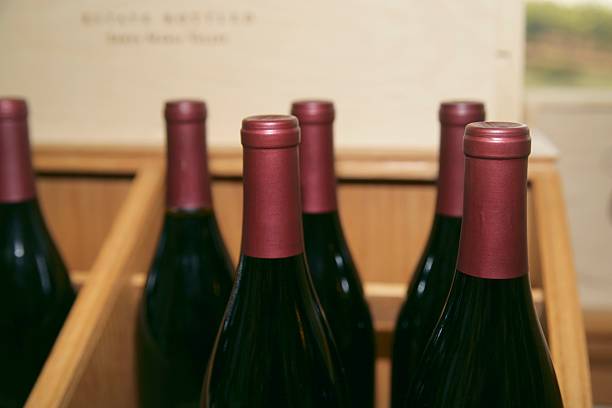
To maximize the shelf life of unopened Pinot Noir, store bottles in cool, dark, and humid conditions with minimal temperature fluctuations. The ideal storage temperature is 55°F (13°C), as higher temps accelerate aging and can spoil the wine. Keep bottles stored horizontally to keep the cork moist and prevent oxidation.
Avoid exposure to light, vibration, and strong odors, which can degrade wine quality over time. A dedicated wine fridge or cellar is best; avoid storing near appliances or in kitchens where heat and light vary.
Proper storage preserves the wine’s aromatic profile, color, and balance, ensuring it reaches its full potential when opened.
When to Drink Based on Vintage
The vintage year is a crucial guide for determining when to drink Pinot Noir. Cool-climate vintages with balanced ripeness and acidity—such as 2018 or 2020 in Burgundy—often age better and can be enjoyed over 5–8 years. Warmer vintages may produce riper, fruit-forward wines meant for earlier consumption (2–4 years).
Research the region’s vintage report to assess quality and aging potential. For example, California or Oregon Pinot Noirs from excellent years can evolve beautifully over 5+ years. When in doubt, consult the winery’s recommendations.
Drinking at the right time ensures you experience the wine at its peak expression of aroma, flavor, and structure.
How Long Does Pinot Noir Last After Opening?
Lifespan in the Fridge After Opening
An opened bottle of Pinot Noir typically lasts 3 to 5 days when stored properly in the fridge. The cooler temperature slows oxidation, helping preserve the wine’s delicate flavors and aromas.
Pinot Noir is more sensitive than full-bodied reds due to its lighter structure and lower tannin content, making it more vulnerable to spoilage once exposed to air. To maximize freshness, always reseal the bottle tightly before refrigerating. Avoid leaving it at room temperature, as heat accelerates degradation.
For best results, consume within the first 2–3 days for optimal taste. While it may remain safe to drink beyond 5 days, the flavor will likely become flat or sour.
Signs Your Opened Pinot Noir Has Gone Bad
Knowing when opened Pinot Noir has spoiled helps avoid unpleasant tastes. Key warning signs include a sharp, vinegar-like smell, a brownish or dull color, and a flat or sour taste. If the wine lacks its characteristic red fruit aroma—like cherry, raspberry, or earthy notes—it’s likely past its prime.
Oxidation is the main culprit, causing the wine to lose vibrancy. While drinking spoiled wine isn’t dangerous, it won’t deliver the enjoyable experience Pinot Noir is known for. If you detect off-putting aromas or a harsh aftertaste, it’s best to discard it.
Trust your senses—your nose and palate are reliable indicators of wine quality after opening.
Tips to Extend the Life of Opened Wine
To extend the life of opened Pinot Noir, minimize air exposure and maintain a cool storage environment. Always reseal the bottle immediately after pouring. Use a vacuum pump to remove excess air or transfer the leftover wine into a smaller container to reduce headspace.
Store the bottle upright in the refrigerator to limit the wine’s surface area exposed to oxygen. Avoid placing it near strong-smelling foods, as wine can absorb odors. For longer preservation, consider inert gas wine preservers that create a protective layer over the wine.
While these methods won’t keep it fresh indefinitely, they can help maintain quality for up to 5 days with minimal flavor loss.
Best Ways to Reseal an Open Bottle
Properly resealing an opened Pinot Noir bottle is crucial for preserving freshness. The original cork, if intact, works in a pinch—but a reusable silicone stopper offers a tighter, more reliable seal.
Vacuum stoppers with pumps remove air and significantly slow oxidation, ideal for wines you plan to finish over several days. Inert gas sprays like Private Preserve displace oxygen before re-corking, offering excellent protection. Avoid plastic wrap and rubber bands, as they don’t create an airtight seal.
For best results, combine a high-quality stopper with refrigeration. A secure seal ensures the wine retains its bright fruit character and subtle complexity for as long as possible after opening.
What Is the Ideal Storage for Pinot Noir?
Temperature and Humidity Guidelines
Maintaining consistent temperature is crucial for preserving Pinot Noir’s delicate flavors and aromas. The ideal storage temperature ranges between 55°F and 59°F (13°C–15°C). Fluctuations can cause the wine to expand and contract, potentially pushing the cork out slightly and allowing oxygen to enter, which leads to premature oxidation.
Humidity levels should stay around 70% to keep corks from drying out, which helps maintain an airtight seal. Too much humidity, however, may damage labels. Avoid storing Pinot Noir in areas like kitchens or garages where temperatures frequently change.
A stable, cool, and moist environment ensures the wine ages gracefully, preserving its fresh fruit characteristics and acidity for optimal drinking over time.
How Light and Vibration Affect Wine
Exposure to ultraviolet (UV) light can degrade Pinot Noir by triggering chemical reactions that produce unpleasant, ‘skunky’ aromas—a condition known as ‘light strike.’ Always store bottles in dark environments or use UV-protected wine cabinets.
Similarly, excessive vibration from appliances or foot traffic can disturb sediment and interfere with the aging process, especially in delicate wines like Pinot Noir. Vibrations may accelerate oxidation and disrupt the wine’s molecular structure, diminishing complexity. For long-term storage, choose a quiet, undisturbed location.
Minimizing light and motion helps preserve the wine’s balance and aromatic profile, ensuring that when you open the bottle—whether in one year or five—it reflects the winemaker’s intended expression.
Storing Bottles Horizontally vs. Vertically
For long-term aging, storing Pinot Noir bottles horizontally is recommended because it keeps the wine in constant contact with the cork, preventing it from drying out and shrinking. A dry cork can allow air into the bottle, leading to oxidation and spoilage.
Horizontal storage maintains optimal cork integrity and a secure seal. However, if you plan to consume the wine within a year or two, vertical storage is acceptable, especially for wines with synthetic corks or screwcaps. Avoid prolonged vertical storage for natural cork-sealed bottles.
Consistency in position also prevents sediment from dispersing unevenly. For best results, lay bottles on their side in a dark, temperature-controlled environment to support slow, graceful aging.
Choosing the Right Wine Storage Solution
Selecting the right storage solution ensures your Pinot Noir ages properly and reaches its full potential. Wine refrigerators or dedicated wine cellars offer precise control over temperature, humidity, and light—key factors in preserving wine quality. Avoid standard refrigerators for long-term storage, as they are too dry and prone to vibration.
For collectors, dual-zone wine coolers allow separate storage for white and red wines. If you lack space, consider insulated wine storage cabinets or professional off-site wine storage facilities. Proper shelving and airflow are also essential.
The right solution not only protects your investment but also ensures each bottle of Pinot Noir delivers its best expression when opened, whether in two years or ten.
How to Tell If Pinot Noir Has Gone Bad
Visual Clues That Wine Has Spoiled
To determine if your Pinot Noir has gone bad, check the color and clarity first. Fresh Pinot Noir typically has a bright, translucent ruby or garnet hue. If the wine appears brownish or cloudy, it may be oxidized or contaminated.
Visible sediment isn’t always a bad sign—older wines can naturally develop harmless deposits—but floating particles or fizz in a still wine suggest microbial spoilage or unintended fermentation. Also, inspect the cork: if it’s pushed out slightly or stained deeply, air exposure may have compromised the wine.
Discoloration at the rim of the wine in the glass, especially a brick-orange tint, indicates aging beyond peak quality. These visual red flags help you avoid drinking spoiled wine and ensure optimal taste experience.
Smell and Aroma Red Flags
Your nose is a powerful tool in detecting spoiled Pinot Noir. A fresh bottle should emit bright red fruit aromas like cherry, raspberry, or strawberry, often with earthy or floral notes.
If you detect vinegar, wet cardboard, or musty basement smells, the wine is likely oxidized or affected by cork taint (TCA). Sulfur-like odors (rotten eggs) can indicate reduction, often fixable with aeration, but persistent off-smells suggest spoilage. Sherry-like or nutty aromas in a non-fortified wine mean oxidation.
Sharp, sour, or chemical scents are clear warnings. Always swirl the glass gently to release aromas before judging. If the bouquet is flat or unpleasant, do not taste—trust your sense of smell. These aroma red flags help protect your palate and ensure wine quality.
Taste Test: What Bad Pinot Noir Tastes Like
If visual and smell checks are inconclusive, a small taste can confirm spoilage. Fresh Pinot Noir is bright, fruity, and balanced, with soft tannins and vibrant acidity. Spoiled wine tastes flat, sour, or overly vinegary due to oxidation or bacterial contamination.
Lack of fruit character and a harsh, chemical aftertaste are strong indicators. If the wine feels fizzy when it shouldn’t be, refermentation may have occurred. Bitter or medicinal flavors suggest deterioration. While some aged wines develop complex, earthy notes, they shouldn’t taste unpleasant.
Trust your palate: if the wine feels off or unenjoyable, it’s likely past its prime. Never finish a glass if the taste raises concerns—discard it safely. This final taste test ensures you don’t consume compromised wine.
Common Myths About Wine Spoilage
Many believe all wine improves with age, but most Pinot Noir is meant to be consumed within 3–5 years of bottling. Only high-quality vintages benefit from extended aging. Another myth: re-corking and refrigerating extends life indefinitely—in reality, opened Pinot Noir lasts only 3–5 days before degrading.
Some think a changed color always means spoilage, but gradual browning in older wines is natural, not necessarily faulty. Others assume all off-smells mean the wine is bad, but reduction (sulfur notes) often dissipates with aeration. Price doesn’t guarantee longevity—even expensive Pinot Noir can spoil if stored improperly.
Proper storage—cool, dark, and horizontal—is key. Understanding these myths helps you make informed decisions and enjoy your wine at its best.
Does Pinot Noir Improve With Age?
Aging Potential by Region and Producer
Pinot Noir’s aging potential varies significantly by region, vineyard quality, and winemaking style. Premium examples from Burgundy, especially Grand Cru or Premier Cru classifications, can age 10–15 years or more due to their balance of acidity, tannin, and concentration.
Similarly, high-quality Pinot Noirs from Oregon’s Willamette Valley or California’s Sonoma Coast often age gracefully for 8–12 years. However, entry-level or fruit-forward styles are typically meant for early consumption. Check the producer’s reputation—iconic names like Domaine de la Romanée-Conti or Domaine Dujac craft wines built for longevity.
Always store bottles in cool, dark, and humid conditions to preserve aging potential. For best results, consult vintage charts or producer notes.
When Young Pinot Noir Is Better
Many Pinot Noirs are crafted to be enjoyed young and vibrant, typically within 2–5 years of release. These wines emphasize fresh red fruit flavors like cherry, raspberry, and strawberry, along with floral and earthy notes that fade with time.
Lighter-bodied, fruit-forward styles from cooler climates or mass-market producers rarely benefit from extended aging and may lose their charm if cellared too long. Drink young when the label emphasizes freshness or early release. Serving these wines slightly chilled enhances their brightness.
If you’re unsure, taste a bottle within the first year and cellar others only if the structure suggests aging potential. For everyday drinking, most affordable Pinot Noirs are best consumed within three years.
How Tannins and Acidity Influence Aging
Pinot Noir has lower tannins than most red wines, but its high natural acidity plays a crucial role in aging. Acidity acts as a preservative, helping the wine maintain freshness and structure over time.
Well-balanced tannins, though subtle, support complexity development, allowing flavors to evolve from fruit to earth, mushroom, and forest floor notes. Wines with insufficient acidity or imbalance may deteriorate quickly. Look for bottles with a firm backbone and layered mouthfeel—these are better candidates for aging.
Proper pH and alcohol levels also contribute to longevity. When evaluating a Pinot Noir for aging, assess its harmony of acid, fruit, and tannin—the best agers feel complete and structured, not flabby or sharp.
Pinot Noir vs. Other Red Wines: Aging Comparison
Compared to bold reds like Cabernet Sauvignon or Nebbiolo, Pinot Noir generally has a shorter aging trajectory due to its delicate structure and lower tannin content. While top-tier Barolo or Bordeaux can age 20+ years, most Pinot Noirs peak within 5–12 years.
However, its elegance and nuance allow for earlier enjoyment and a different evolution—developing tertiary aromas like leather, tea leaf, and truffle without overwhelming power. Unlike tannic wines that ‘soften’ with age, Pinot Noir gains complexity through integration and subtlety. That said, exceptional vintages from top producers can rival longer-lived reds.
Always consider the wine’s origin and style—not all reds age the same, and Pinot Noir excels in graceful maturation rather than brute longevity.
Tips for Choosing a Pinot Noir to Age
Look for These Label Indicators
When selecting a Pinot Noir to age, pay close attention to the label details that hint at longevity. Look for vintage-dated bottles, as non-vintage wines are typically meant for immediate consumption. Wines labeled with specific vineyards or single estates often indicate higher quality and better aging potential.
Higher price points can also correlate with age-worthiness, reflecting superior grape sourcing and winemaking techniques. Additionally, check for terms like ‘reserve’ or ‘cuvée’, which may suggest extended aging in barrel before bottling. These indicators, while not guarantees, help identify Pinots crafted for complexity over time.
Always research the producer’s track record with aging to make informed choices.
Top Regions Known for Age-Worthy Pinot
Certain regions consistently produce Pinot Noirs with exceptional aging potential due to ideal climate, soil, and winemaking traditions. Burgundy, France—especially sub-regions like Côte de Nuits and Chambolle-Musigny—is renowned for structured, long-lived Pinots that evolve beautifully over 10–20 years.
Oregon’s Willamette Valley also excels, with balanced acidity and tannin supporting 8–15 years of aging. Central Otago in New Zealand and select California AVAs like Russian River Valley and Sonoma Coast produce age-worthy styles, particularly from top producers. These regions offer consistent structure, concentration, and acidity—key pillars of longevity.
Prioritize bottlings from acclaimed vintages and esteemed wineries for best results.
How Alcohol and Sugar Levels Matter
The alcohol and residual sugar content in Pinot Noir significantly influence its ability to age. Opt for wines with moderate alcohol levels (12.5%–13.5%), as higher alcohol can accelerate oxidation and shorten lifespan. Low to moderate residual sugar is ideal, since dry wines age more predictably than sweet ones.
Balance is critical—a harmonious interplay between acidity, tannin, alcohol, and fruit concentration ensures graceful maturation. High-alcohol Pinots may seem lush young but can fade quickly. Conversely, well-balanced, lower-alcohol examples from cooler climates often develop complex earthy, forest floor, and savory notes over time.
Always check technical sheets or producer notes for precise specs to assess aging potential accurately.
Reading Reviews and Ratings for Longevity
Expert reviews and professional ratings are invaluable tools when choosing an age-worthy Pinot Noir.
Look for critics who specifically mention aging potential, such as ‘will benefit from 5–10 years in cellar’ or ‘built for the long haul.’ Publications like *Burghound*, *Wine Advocate*, and *Decanter* often include cellar recommendations and drinking windows.
High scores alone don’t guarantee longevity—focus on tasting notes highlighting structure, acidity, and concentration. Vintage charts from trusted sources also help identify exceptional years with ideal balance. User reviews on wine apps like CellarTracker can show real-world aging performance.
Combining professional insights with community experience increases your chances of selecting a Pinot that evolves beautifully over time.
Best Practices for Serving and Enjoying Pinot Noir
Ideal Serving Temperature for Freshness
Serving Pinot Noir at the ideal temperature of 55–60°F (13–16°C) preserves its delicate aromas and balanced acidity. Too cold, and the wine’s subtle fruit and floral notes are muted; too warm, and alcohol dominates the palate.
Chill the bottle for 30–45 minutes in the refrigerator before serving if stored at room temperature. For longer-term storage, keep unopened bottles in a cool, dark place at a consistent 55°F (13°C) with moderate humidity to prevent cork drying.
Properly stored, most Pinot Noirs remain fresh for 3–5 years, though premium vintages can last up to 10. Avoid temperature fluctuations and direct light to maintain quality. Once opened, consume within 3–5 days using a wine stopper and refrigeration to slow oxidation.
When to Decant Your Pinot Noir
Pinot Noir typically benefits from brief decanting—15 to 30 minutes—to open up its aromatic profile without overexposing delicate compounds. Younger, more robust bottles appreciate slight aeration to soften tannins and release layered notes of cherry, raspberry, and earth.
However, older vintages (7+ years) should be decanted gently and served promptly to preserve fragile flavors. Use a shallow decanter to limit aggressive oxidation. Avoid extended decanting, as Pinot Noir can fade quickly. Decanting also helps separate sediment in aged bottles—pour slowly and stop when sediment reaches the neck.
This step enhances clarity and smoothness, making each sip more enjoyable. For everyday bottles, swirling in the glass may suffice.
Glassware That Enhances the Experience
Using the right glassware significantly elevates your Pinot Noir experience. Opt for a large-bowled, tulip-shaped glass that allows ample surface area for oxidation while concentrating aromas toward the rim.
ISO or Burgundy-style glasses are ideal, as their wide bowl captures the wine’s nuanced scents—like red berries, violets, and forest floor—without dispersing them. The narrow opening directs these aromas to your nose, enhancing perception. Ensure glasses are clean and residue-free, as soap or mineral deposits can distort flavors.
Hand-washing is recommended. Proper glassware not only improves aroma and taste but also helps maintain the ideal serving temperature longer. Investing in quality stemware makes every glass more immersive and true to the winemaker’s intent.
Food Pairings to Maximize Flavor
Pinot Noir’s bright acidity and moderate tannins make it incredibly versatile with food. Pair it with dishes that complement its red fruit and earthy notes without overpowering them. Roast duck, grilled salmon, or mushroom risotto are excellent matches, as their richness balances the wine’s elegance.
Lighter fare like herb-roasted chicken or seared tuna also works well. Avoid heavily spiced or charred foods, which can clash with its subtlety. For cheeses, choose soft, creamy varieties like brie or camembert, or nutty options like aged gouda.
The key is harmony—match the wine’s weight and acidity with ingredients that enhance, not mask, its profile. Thoughtful pairings extend the enjoyment and can make even a standard bottle feel exceptional.
Frequently Asked Questions
How long can you keep an unopened bottle of Pinot Noir?
An unopened bottle of Pinot Noir can typically be kept for 3 to 5 years. High-quality vintages stored under optimal conditions may last up to 10 years, but most are best enjoyed within 5 years for peak flavor.
Can Pinot Noir go bad?
Yes, Pinot Noir can go bad if stored improperly or kept too long. Signs include a brownish color, flat or vinegary taste, and a musty or off smell.
How long does opened Pinot Noir last?
An opened bottle of Pinot Noir will stay fresh for 3 to 5 days when stored in the refrigerator with a cork or wine stopper. Using a wine preserver can help extend its life slightly.
What are the best storage conditions for Pinot Noir?
Store Pinot Noir in a cool, dark place with a consistent temperature around 55°F (13°C) and humidity levels of about 70%. Keep bottles on their side to keep the cork moist and prevent oxidation.
Does vintage affect how long Pinot Noir can be kept?
Yes, the vintage can impact aging potential. Exceptional vintages from top regions like Burgundy or Willamette Valley may age longer due to better balance of acidity, tannin, and fruit concentration.
Should I age inexpensive Pinot Noir?
Most inexpensive Pinot Noir is meant to be consumed within 1–3 years and does not benefit from long-term aging. These wines are typically crafted for immediate enjoyment rather than cellaring.
Conclusion
Pinot Noir is best enjoyed within 3 to 5 years of bottling, though high-quality bottles can age gracefully for up to 10 years under ideal conditions. Store it in a cool, dark place lying on its side to preserve the cork. Lighter in body and tannins, it rewards early drinking but can develop complex flavors with age. Explore different vintages and trust your palate—discovering your perfect glass is part of the journey.