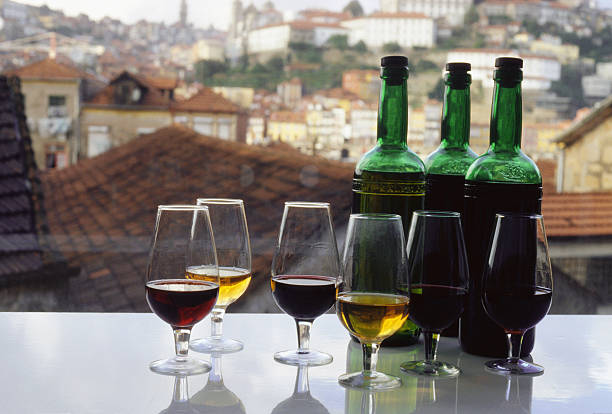
What Is Port Drink
Curious about what port drink is? You’re not alone—many wine lovers wonder what sets this rich, sweet wine apart. Port is a fortified wine from Portugal, known for its bold flavor and smooth finish. Whether you’re sipping it after dinner or pairing it with dessert, port offers a luxurious experience. In this article, we’ll break down exactly what port drink is, how it’s made, and why it’s a favorite worldwide—giving you all the insights you need in just a few minutes.
What is Port Drink?
Definition of Port Wine
Port wine is a fortified wine that originates from Portugal, specifically the Douro Valley. It is made from red grapes, although white and rosé versions exist, and is known for its rich, sweet flavor profile and higher alcohol content—typically around 19-20%.
What sets port apart is the addition of neutral grape spirit, usually brandy, during fermentation. This process halts fermentation early, preserving natural sugars and boosting alcohol, resulting in a sweet, full-bodied wine with notes of dark fruit, chocolate, and spice.
Port is often enjoyed as a dessert wine, served slightly chilled in small glasses. There are several styles, including Ruby, Tawny, Vintage, and Late Bottled Vintage (LBV), each offering unique aging characteristics and flavor complexities.
Due to its sweetness and strength, port pairs exceptionally well with cheese, chocolate, and nuts, making it a favorite for after-dinner sipping and culinary use.
Origin and History of Port
Port wine traces its roots to the Douro Valley in northern Portugal, a region granted protected status in 1756, making it one of the oldest regulated wine regions in the world.
Originally developed in the 17th century, port emerged as a solution to preserve wine during long sea voyages to England. Winemakers discovered that adding brandy prevented spoilage and enhanced flavor, creating a new, sought-after beverage.
The name ‘port’ comes from the city of Porto, where the wine was historically shipped from. British merchants played a significant role in popularizing port, establishing trade routes and founding many of the traditional port houses still operating today.
Over centuries, production methods have evolved, but the core process remains unchanged. Today, strict regulations govern grape varieties, production zones, and aging, ensuring authenticity. The history of port reflects a blend of Portuguese terroir and international trade, making it a cultural and oenological treasure.
How Port Differs from Regular Wine
The primary difference between port and regular wine lies in the fortification process. While regular wine ferments completely, turning most sugars into alcohol, port has brandy added mid-fermentation, stopping the process and leaving residual sugar—resulting in a sweeter, stronger drink.
This gives port an alcohol content of about 19-20%, compared to 12-15% in most table wines. Additionally, port is typically aged longer and in different conditions, influencing its flavor: Ruby ports are aged briefly in tanks to preserve fruitiness, while Tawny ports mature in wooden barrels, developing nutty, caramel notes.
Regular wines are usually meant for early consumption, but many ports, especially Vintage and Tawny, can age for decades. Port also differs in serving style, often enjoyed in smaller portions after meals. These distinctions make port not just a wine, but a specialty beverage with unique production, taste, and tradition.
How Port Wine is Made

Grape Varieties Used in Port
Port wine is made primarily from red grape varieties native to Portugal’s Douro Valley, where the unique terroir contributes to its rich flavor profile. The most commonly used grapes include Touriga Nacional, Touriga Franca, Tinta Roriz (Tempranillo), Tinta Barroca, and Tinto Cão.
Each variety brings distinct characteristics—Touriga Nacional adds structure, intensity, and floral notes, while Touriga Franca contributes elegance and aromatic complexity. Tinta Roriz offers softer tannins and red fruit notes, balancing the blend. These grapes are typically grown on steep terraced vineyards, maximizing sun exposure and drainage.
High-quality port relies on low-yield vines, which concentrate flavors and sugars. While over 100 grape varieties are permitted, only the best are selected for premium ports. Understanding the grape composition helps appreciate the depth and consistency of different port styles, from vintage to tawny.
Fermentation Process and Timing
The fermentation of port wine begins after harvesting, when grapes are crushed and placed in tanks to start alcoholic fermentation using natural or cultured yeast. This process converts grape sugars into alcohol, but unlike dry red wines, fermentation is intentionally short—typically lasting 24 to 36 hours.
The goal is to retain significant residual sugar, giving port its signature sweetness. Temperature control is crucial; traditional lagares (shallow stone troughs) are still used for foot treading to gently extract color and flavor, while modern facilities may use automated systems.
Monitoring sugar and alcohol levels ensures precision, as timing directly affects the final style. Fermentation is halted at around 6–9% alcohol by volume, setting the stage for the next critical step. This brief fermentation preserves fruit-forward characteristics essential to port’s appeal.
Adding Brandy to Stop Fermentation
The defining step in making port wine is the addition of neutral grape spirit, commonly called brandy, which stops fermentation and preserves sweetness. When the must reaches the desired sugar level, approximately 190-proof brandy is added, raising the alcohol content to about 19–20% and killing the yeast.
This fortification process locks in natural sugars, creating port’s characteristic rich, sweet profile. The spirit used is high-proof and flavor-neutral to avoid altering the wine’s aroma. This step must be precisely timed—too early or late affects balance and quality.
Once fortified, the wine is transferred to barrels or tanks for aging. This technique, perfected over centuries, ensures consistency across vintages and allows port to develop complex flavors during maturation, whether in wood or bottle.
Types of Port Wine
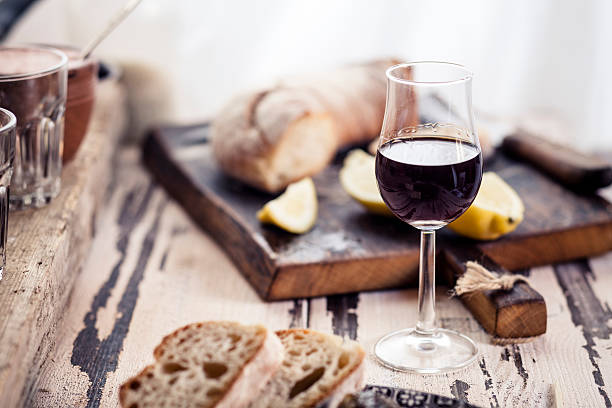
Ruby Port: Characteristics and Aging
Ruby Port is a bold, fruity red wine fortified with brandy, known for its deep crimson color and rich flavors of cherries, plums, and berries. It is aged for a short period—typically two to three years—in large vats to preserve its vibrant fruitiness and color.
Unlike other Ports, Ruby Port is not aged in small oak barrels, which prevents significant oxidation. This makes it an affordable and approachable option for beginners. Serve slightly chilled (around 60–64°F) to enhance its smooth texture and sweetness. Store upright and consume within a few weeks of opening.
Ruby Port pairs well with chocolate desserts, soft cheeses, or enjoyed on its own as a comforting after-dinner drink.
Tawny Port: Flavor and Oxidation
Tawny Port is aged for years in small oak barrels, allowing gradual oxidation that imparts its signature nutty, caramel, and dried fruit flavors. The extended aging softens the wine and shifts its color from red to a warm tawny brown.
Common flavor notes include walnut, toffee, fig, and spice, making it ideal for sipping after dinner. Tawny Ports are often labeled by age indication (e.g., 10, 20, 30 years), reflecting average blend age. Oxidation is key to developing its complexity and smooth finish.
Serve slightly chilled (55–60°F) in a smaller glass to concentrate aromas. Unlike Vintage Port, Tawny keeps well for weeks after opening, making it a practical choice for occasional drinkers.
White Port: Sweetness and Serving Tips
White Port is made from white grape varieties and ranges from dry to very sweet, offering versatile flavor profiles including citrus, honey, floral, and tropical fruit notes. It’s often enjoyed as a refreshing aperitif, especially in Portugal.
For a modern twist, serve chilled or over ice with tonic water, a slice of lime, and mint—creating a popular cocktail. Sweeter styles pair well with fruit-based desserts or soft cheeses, while drier versions complement seafood or light appetizers.
Unlike red Ports, White Port is lighter in body and color, with less tannin. Consume within a year of opening and refrigerate after opening to preserve freshness. It’s an excellent option for those who prefer lighter, aromatic wines with a touch of sweetness.
Vintage and Late Bottled Vintage (LBV) Port
Vintage Port and Late Bottled Vintage (LBV) Port are premium red Ports made from the best grapes of a single exceptional year. Vintage Port is bottled after two years and ages for decades in the bottle, developing complex flavors of dark fruit, chocolate, and spice.
It requires decanting to remove sediment and is best enjoyed 10–30 years after bottling. LBV Port, while also from a single year, is aged in wood for 4–6 years before bottling, making it ready to drink immediately with minimal sediment. Some LBVs are filtered and labeled ‘unwooded’ or ‘bottle matured’.
Both styles are full-bodied and rich, perfect with blue cheese or dark chocolate. Store upright and serve at 60–64°F for optimal enjoyment.
How to Serve Port Wine
Best Temperature for Serving Port
Serving port at the ideal temperature enhances its rich flavors and balanced sweetness. Ruby and standard Ports should be served slightly chilled, between 60°F and 65°F (15°C–18°C), to highlight their vibrant fruit notes without dulling their warmth.
Over-chilling can mute their complexity, so avoid the refrigerator for long periods—15 minutes in the fridge before serving is sufficient. Tawny Ports, with their nutty, caramelized profile, are best enjoyed slightly cooler, around 55°F to 60°F (13°C–15°C), which accentuates their silky texture and oxidative character.
Vintage and late-bottled vintage (LBV) Ports benefit from being served closer to 64°F–68°F (18°C–20°C) to unlock their full aromatic potential. Use a wine thermometer for precision or let the bottle sit at room temperature if it was refrigerated.
Decanting older vintage Ports removes sediment and allows the wine to breathe, further improving flavor. Always serve in small portions, as port’s higher alcohol content (19–20%) makes it a sipping wine best enjoyed slowly.
Glassware Choices for Different Ports
Choosing the right glassware significantly impacts your port drinking experience by directing aroma and controlling oxidation. For Ruby, LBV, and Vintage Ports, use a medium-sized red wine glass with a broad bowl and tapered rim.
This shape captures the wine’s intense berry and floral aromas while softening its bold tannins and alcohol. Tawny and aged Ports, with their delicate nutty and toffee notes, perform best in smaller sherry or dessert wine glasses, which concentrate subtle scents and maintain temperature.
White Port, often served chilled as an aperitif, benefits from a white wine glass to highlight its citrus and floral freshness. The ideal pour is 2–3 ounces, allowing room for swirling without spillage.
Avoid oversized brandy snifters unless serving very old vintage Ports, as excessive surface area can cause delicate aromas to fade quickly. Quality crystal enhances clarity and aroma release, but standard stemmed glasses work well. Proper glassware ensures you fully appreciate port’s layered complexity and smooth finish.
When to Drink Port: Occasions and Pairings
Port is a versatile fortified wine ideal for a range of occasions, from celebrations to quiet reflection. Traditionally served as a dessert wine, it pairs exquisitely with chocolate, blue cheeses like Stilton, and nut-based desserts such as pecan pie.
Ruby and LBV Ports complement fruit tarts and dark chocolate, their bold fruitiness balancing sweetness. Tawny Ports, with caramel and almond notes, shine alongside crème brûlée or roasted nuts. White Port, especially when chilled, makes a refreshing aperitif—mix with tonic and citrus for a modern spritz.
Vintage Port is reserved for special events, often decanted and shared after a fine meal. Serve after dinner to savor its depth, or enjoy Tawny with cheese boards during gatherings. Avoid pairing with overly spicy or acidic dishes, which can clash with port’s sweetness.
Because of its higher alcohol and sugar content, port is best enjoyed in moderation. Whether celebrating milestones or unwinding post-dinner, port adds a luxurious, warming finish to any occasion.
Food Pairings with Port
Cheese Matches for Ruby and Tawny
Pairing cheese with port enhances both the wine and the dairy’s flavors. Ruby port, with its bold, fruity character and vibrant acidity, stands up well to rich, strong cheeses like aged cheddar or blue-veined varieties such as Stilton.
The intense berry notes in Ruby cut through the creaminess, creating a balanced contrast. For a more nuanced experience, pair Tawny port with milder, nutty cheeses like aged Gouda or Manchego. Tawny’s caramel, toffee, and dried fruit undertones harmonize beautifully with the toasty, savory notes in these cheeses.
Avoid overly soft or fresh cheeses, as they may be overwhelmed. Serve cheeses at room temperature to fully release their aromas and textures. For an elevated tasting, add a few unsalted nuts or quince paste on the side—these accents complement both port styles.
The key is contrast and complement: match intensity levels and let the port’s sweetness elevate the cheese’s savory depth for a truly satisfying pairing.
Desserts That Complement Port
Port wine shines when paired with desserts that mirror or contrast its rich, sweet profile. Chocolate-based desserts, especially dark chocolate with 70% cocoa or higher, are ideal companions for Ruby port. The wine’s jammy fruit notes and slight tannin structure balance chocolate’s bitterness, creating a luxurious mouthfeel.
For Tawny port, choose desserts with caramel, nuts, or dried fruits, such as pecan pie, crème brûlée, or fig tart. The oxidative aging of Tawny brings out butterscotch and almond flavors that echo these ingredients.
Avoid overly sweet confections like frosting-heavy cakes, which can make the port taste thin or acidic. Instead, opt for desserts with moderate sweetness and complex textures. Serve port slightly below room temperature to preserve its balance.
A small portion of dessert paired with a generous pour of port ensures the wine remains the star. These pairings turn dessert into a sophisticated sensory experience where every bite and sip enhance one another.
Savory Dishes That Work with Port
While often seen as a dessert wine, port can elevate savory dishes when paired thoughtfully. Roasted meats, especially duck, lamb, or pork with fruit-based glazes, harmonize with Ruby port’s bold red fruit and structure. The wine’s natural sweetness balances savory and umami-rich elements, enhancing the depth of reduction sauces.
Tawny port excels with mushroom-based dishes or glazed root vegetables, where its nutty, oxidative notes echo earthy flavors. Consider deglazing pans with a splash of port to build complex pan sauces. Game meats like venison also benefit from port’s richness, particularly when served with cherry or fig compote.
Avoid overly spicy or acidic dishes, which can clash with port’s profile. Instead, focus on slow-cooked, hearty meals with layers of flavor. When incorporating port into cooking, use mid-range bottles—there’s no need for vintage quality, but avoid ‘cooking port’ labeled products.
These savory applications showcase port’s versatility beyond dessert, transforming it into a dynamic culinary tool.
Storing and Aging Port Wine
How Long Can You Keep Opened Port?
Once opened, Port wine can last significantly longer than table wines due to its fortified nature and higher alcohol content. Ruby and standard Tawny Ports typically stay fresh for 4 to 6 weeks when stored properly in a cool, dark place with a tight stopper.
Late Bottled Vintage (LBV) Ports also fall within this range, maintaining their fruit-forward character and structure. Vintage Ports, however, are more delicate after opening and should be consumed within 3 to 5 days for peak flavor.
To maximize longevity, always re-cork the bottle tightly and store it upright to minimize oxidation. Using a wine preserver like argon gas can further extend freshness. Avoid storing opened Port at room temperature for extended periods—refrigeration is recommended, especially for Tawny and Ruby styles.
Checking the aroma and taste after a week helps determine if the Port is still enjoyable. Regular monitoring ensures you get the most from every bottle without wasting quality wine.
Ideal Storage Conditions
To preserve quality, store unopened Port wine in a cool, dark, and humid environment with minimal temperature fluctuations. The ideal temperature range is 55°F to 68°F (13°C to 20°C), with consistent humidity around 70% to prevent the cork from drying out.
Bottles with natural corks, like Vintage or LBV Ports, should be stored on their side to keep the cork moist and maintain a secure seal. Tawny and Ruby Ports in sealed bottles can be stored upright. Avoid exposure to light, heat, and vibration, which can degrade wine over time.
A dedicated wine cellar or cabinet is optimal, but a dark closet away from appliances works too. Once opened, refrigeration is essential to slow oxidation. Use a vacuum pump or inert gas to displace oxygen before sealing.
Proper storage ensures Port retains its rich flavors and balance, whether enjoyed young or aged.
Which Ports Improve with Age?
Not all Port wines benefit from long-term aging—the style determines its aging potential. Vintage Port is the most age-worthy, often improving over 20 to 50 years or more when stored correctly, developing complex notes of dried fruit, spice, and earth.
Late Bottled Vintage (LBV) Ports, especially those labeled ‘unfiltered,’ can also benefit from 5 to 15 years of cellaring, gaining depth and smoother tannins. Single Quinta Ports, produced from exceptional harvests, follow similar aging curves.
In contrast, Ruby and standard Tawny Ports are aged in barrels before bottling and are meant for early consumption—they do not improve with long-term storage. Colheita Ports, a type of Tawny with a vintage date, are already mature and best enjoyed within a few years of purchase.
Always check the producer’s recommendations and consider the wine’s structure and balance when deciding whether to age. Proper aging transforms top-tier Ports into extraordinary sipping experiences.
Buying Guide for Port Wine
What to Look for on the Label
When identifying what is port drink, the label holds key information to guide your choice. Port wine is a fortified wine from Portugal’s Douro Valley, meaning brandy is added during fermentation, boosting alcohol content and preserving sweetness.
Look for terms like ‘Vintage,’ ‘Tawny,’ ‘Ruby,’ or ‘Late Bottled Vintage (LBV)’—each indicates style and aging. ‘Vintage Port’ is made from a single exceptional year and aged briefly in wood, requiring long bottle aging.
‘Tawny Port’ is aged in barrels, developing nutty, caramel flavors, often labeled with age indications like 10, 20, or 30 years. ‘Ruby Port’ is younger, vibrant, and fruit-forward. Check for ‘Protected Designation of Origin (PDO)’ to ensure authenticity. Labels may also note alcohol content (typically 19–20%) and residual sugar.
Understanding these terms helps you select a port that matches your taste and occasion, whether for sipping or cooking.
Popular Port Brands and Producers
Knowing what is port drink involves recognizing reputable producers who uphold tradition and quality. Taylor Fladgate, Graham’s, and Dow’s are iconic names offering a range of styles from vibrant Ruby to complex Vintage Ports. These houses have centuries of expertise in crafting balanced, age-worthy ports.
Warre’s excels in elegant, lighter expressions, while Cockburn’s is known for rich, full-bodied LBVs ideal for immediate enjoyment. For exceptional aged Tawnies, Niepoort and Quinta do Noval deliver nuanced, artisanal profiles. Kopke, the oldest port house, specializes in aged Tawnies with remarkable depth.
When exploring, consider limited releases or single-quinta ports for unique experiences. Many brands offer entry-level options perfect for beginners, while premium bottlings suit collectors. Choosing a trusted producer ensures authenticity and quality, helping you confidently enjoy what is port drink—a luxurious, fortified wine rooted in Portuguese heritage and craftsmanship.
Price Range and Value Tips
Understanding what is port drink includes knowing how to get the best value. Port prices range from $15 for basic Ruby Ports to $100+ for aged Vintage or Colheita Tawnies. For everyday enjoyment, Ruby and basic Tawny Ports ($15–$30) offer excellent value—sweet, smooth, and ready to drink.
Late Bottled Vintage (LBV) Ports ($25–$50) provide near-Vintage quality without decades of aging. If you’re building a collection, Vintage Ports ($50–$150+) are a long-term investment, improving in the bottle for decades. Look for ‘bottle-aged’ or ‘unfiltered’ LBVs—they offer complexity at a fraction of Vintage cost.
Smaller producers like Quinta do Infantado or Poças often deliver premium quality underrecognized. Buying half-bottles (375ml) lets you sample high-end ports affordably. Ultimately, older Tawnies and well-stored Vintages offer the greatest long-term value, turning every glass into a rich, rewarding experience of what is port drink at its finest.
Frequently Asked Questions
What is port drink?
Port is a sweet, fortified wine originating from the Douro Valley in northern Portugal. It is made by adding distilled grape spirit to wine during fermentation, which increases the alcohol content and retains residual sugar, resulting in a rich, sweet flavor.
How is port different from regular wine?
Unlike regular wine, port is fortified with a neutral grape spirit, which stops fermentation early and preserves sweetness. This gives port a higher alcohol content, typically around 19-20%, and a richer, more syrupy texture.
What are the main types of port?
The main types of port include Ruby, Tawny, Vintage, White, and Rosé. Ruby is fruity and bold, Tawny is aged and nutty, Vintage is high-quality and aged in bottle, White is made from white grapes, and Rosé is a modern, lighter style.
How should port be served?
Port is typically served in smaller glasses due to its higher alcohol and sweetness. Ruby and Vintage ports are best served slightly below room temperature, while White and Tawny ports are chilled, around 10–13°C (50–55°F).
Does port need to be aged after bottling?
Only Vintage and some Late Bottled Vintage (LBV) ports benefit from aging after bottling. Most Ruby and Tawny ports are aged in barrels before bottling and are ready to drink upon release.
What foods pair well with port?
Port pairs well with a variety of foods depending on the type. Ruby and Vintage ports go well with chocolate and rich desserts, Tawny ports pair nicely with nuts and caramel-flavored dishes, and White port can complement cheeses or be used in cocktails.
Conclusion
Port is a rich, fortified wine from Portugal, made by adding spirits to stop fermentation and preserve sweetness. Known for its deep flavors and versatility, it comes in styles like Ruby, Tawny, and Vintage. Best enjoyed in moderation, port pairs wonderfully with desserts, cheeses, or as a relaxing after-dinner drink. Exploring port opens the door to centuries of winemaking tradition—so raise a glass and savor the warmth and complexity this special drink has to offer.